Best Time of Year to Fish in Arkansas
Many anglers, especially those new to the Natural State or planning a fishing vacation, often wonder when the absolute best time of year to cast a line in Arkansas truly is. It's a common frustration, trying to decipher optimal seasons amidst varying species, weather patterns, and water conditions. This comprehensive guide is here to untangle that mystery, providing you with a detailed breakdown of what to expect and how to maximize your fishing success in Arkansas throughout all four distinct seasons.
Understanding Arkansas's Diverse Fisheries and Seasons
Arkansas is truly a gem for anglers, boasting an incredible variety of waters, from clear, cold mountain streams to vast, warm-water reservoirs and meandering rivers. This diversity means that while one species might be slowing down, another is just hitting its stride. Understanding these natural rhythms is the first step to becoming a more successful angler here.
The "Natural State" Offers Year-Round Opportunities
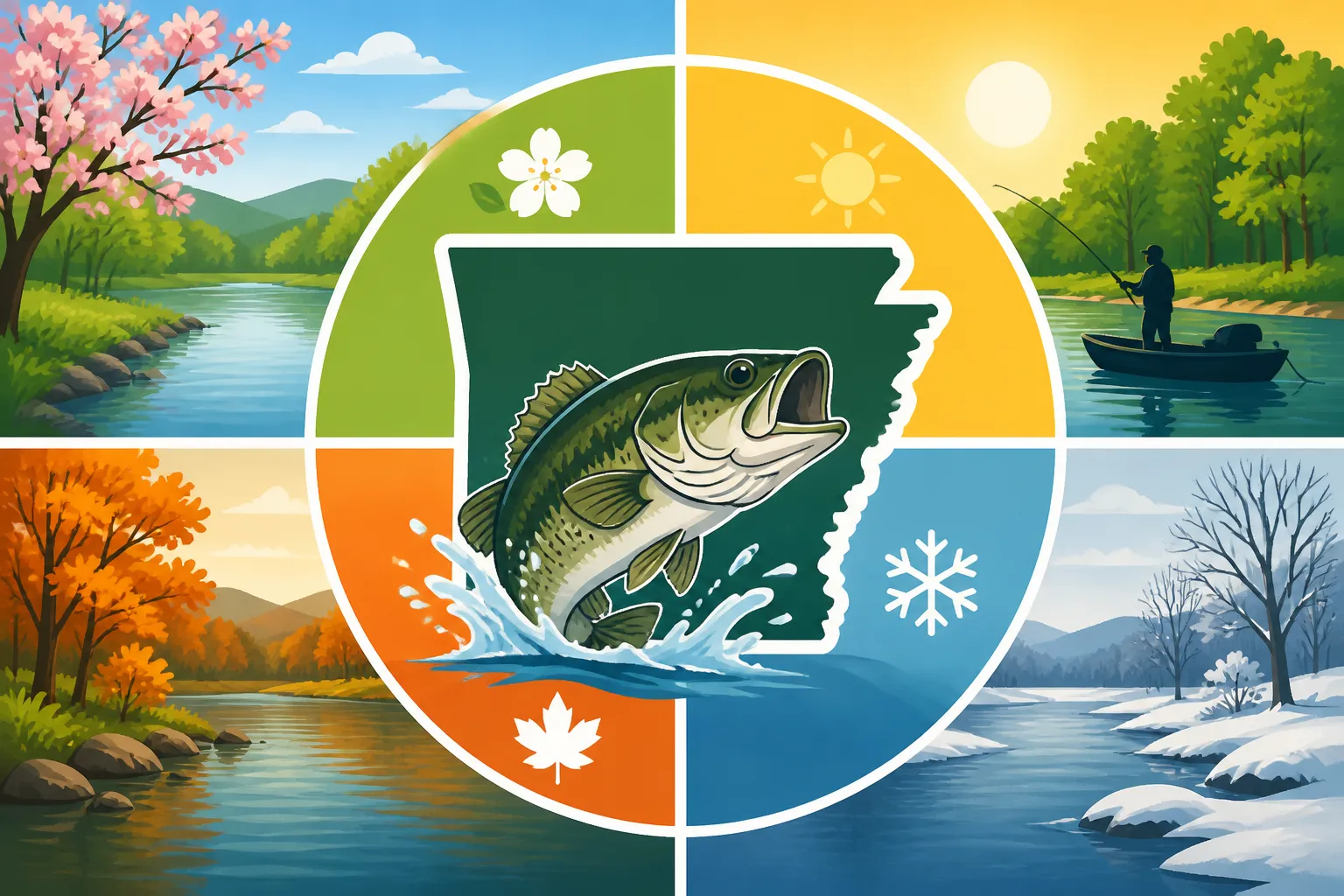
The beauty of fishing in Arkansas lies in its year-round appeal. Unlike some northern states where ice cover dictates a hard stop to open-water fishing for months, Arkansas's milder winters often allow for productive angling even in the coldest months. Spring brings explosive shallow-water action, summer demands strategic deep-water tactics, fall offers a feeding frenzy, and winter provides a peaceful, often rewarding, challenge. Each season presents unique conditions and opportunities, making it crucial to adapt your approach to what the fish are doing at that particular time. For instance, the legendary White River system provides world-class trout fishing that remains a consistent draw no matter the calendar date, while bass and crappie tend to follow more pronounced seasonal patterns tied to spawning and feeding cycles.
How Weather and Water Temperature Influence Fish Behavior
Fish are cold-blooded creatures, meaning their metabolism and activity levels are directly tied to water temperature. As the water warms, fish generally become more active, needing to eat more frequently. Conversely, as it cools, their metabolism slows, and they often seek deeper, more stable temperatures. Beyond temperature, factors like recent rainfall affecting water clarity, barometric pressure changes signaling frontal systems, and even moon phases can play significant roles in fish behavior. For example, a sudden cold front can shut down a hot bite almost instantly, sending fish scurrying to deeper, more protected cover. Knowing these influences helps you predict where fish might be and what they might be willing to bite on any given day, regardless of the season.
Spring Fishing in Arkansas: The Spawn Frenzy
Spring is arguably the most anticipated season for many anglers in Arkansas. After the long, quiet winter, the warming water triggers a biological imperative in most fish species: the spawn. This period often means fish move to shallower, more accessible areas, becoming more concentrated and aggressive.
Chasing the Largemouth and Smallmouth Bass Spawn
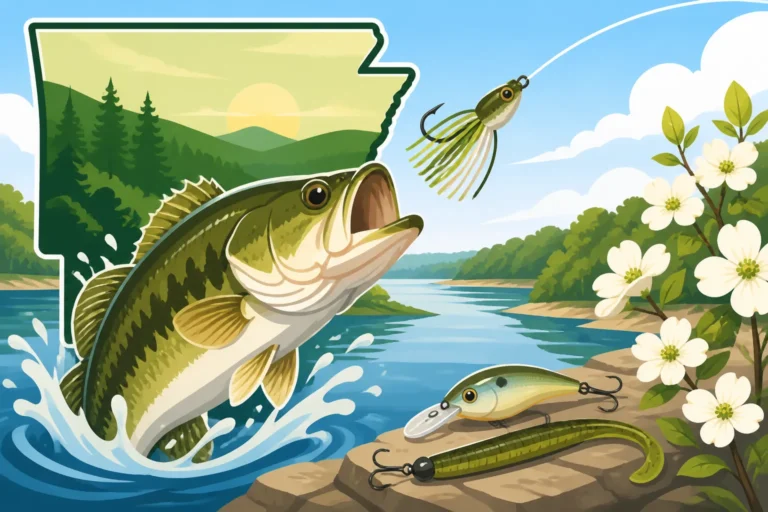
As water temperatures steadily climb into the 50s and 60s Fahrenheit, the bass in Arkansas start to think about reproduction. This pre-spawn phase sees them feeding heavily, bulking up for the energy-intensive spawning ritual. They’ll often be found near deeper points, creek channels, and submerged cover adjacent to prime spawning flats. Large crankbaits, spinnerbaits, and jigs can be incredibly effective during this time.
Once the water hits that sweet spot, usually in the mid-60s, the Arkansas Bass Spawn Timing by Water Temperature kicks into full gear. Largemouth bass will move into shallow coves, bays, and protected areas, building nests and guarding their eggs. This is a time when sight fishing can be productive, although many anglers prefer to fish slightly deeper cover near spawning areas to avoid disturbing the fish directly on their beds. Smallmouth bass, particularly in the clear waters of the Ozark streams and large impoundments like Bull Shoals Lake and Lake Ouachita, will also stage and spawn, often favoring rocky banks and gravel bottoms. Post-spawn, the fish can be a bit lethargic as they recover, but quickly resume feeding, often in slightly deeper water but still close to those spawning flats.
Crappie Mania: Shallow Water Action
Crappie are another major target for spring anglers, and for good reason. These delicious panfish also move incredibly shallow to spawn, typically when water temperatures are in the upper 50s to low 60s. You'll find them congregated around flooded timber, brush piles, submerged bushes, and dock pilings in just a few feet of water.
The "crappie run" is a legendary event on many Arkansas lakes, including Lake Conway, DeGray Lake, and Lake Dardanelle. Anglers often employ small jigs (1/32 to 1/8 ounce) tipped with soft plastics or live minnows under a bobber to target these fish. It’s an incredibly fun and productive time, often yielding limits of slab-sized crappie. If you're wondering, "Best Time to Catch Crappie in Arkansas", spring, especially April and May, is a prime answer. The sheer numbers and accessibility make it a fantastic time for both seasoned veterans and beginners, often providing fast-paced action and plenty of fish for the dinner table.
Trout Fishing on Tailwaters in Spring
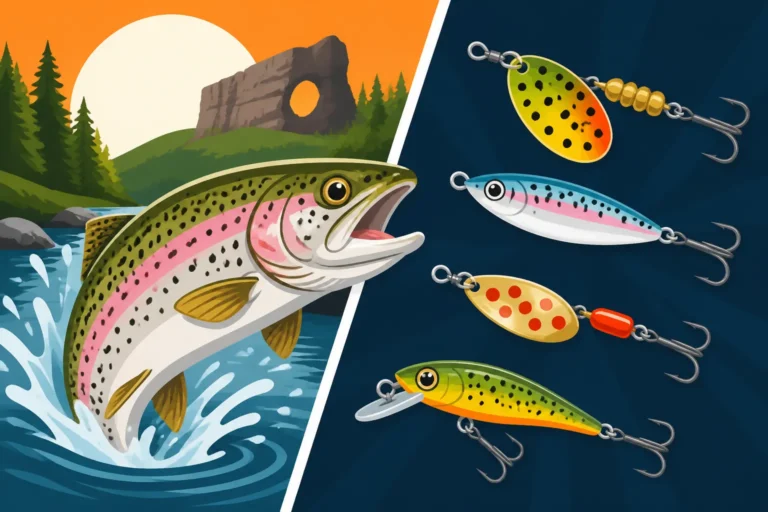
While many warm-water species are busy spawning, the cold-water tailwaters below Arkansas's major dams, like the White River and Norfork River, continue to offer phenomenal trout fishing. Spring brings consistent water flows and often improved insect hatches as the weather stabilizes.
Anglers targeting rainbow, brown, cutthroat, and brook trout can expect good action using a variety of methods. Fly fishing really shines in the spring, with caddis, mayfly, and stonefly hatches providing excellent dry fly opportunities. Spin fishermen will find success with small inline spinners, spoons, and bait such as PowerBait or corn. The Norfork Tailwater Trout Rules and Season are important to remember, as specific regulations for size and creel limits are in place to protect these precious fisheries. Even when other species are focused on the spawn, the tailwaters offer a unique and often productive alternative for those seeking the thrill of a hard-fighting trout.
Summer Fishing in Arkansas: Early Mornings and Deep Water
As the dog days of summer settle over Arkansas, fishing shifts dramatically. Water temperatures climb, pushing many game fish into deeper, cooler, more oxygenated waters. Adapting your techniques to these conditions is key to success.
Adapting to Warm Water and Stratification for Bass
Once surface temperatures consistently hit the upper 70s and 80s, large reservoirs like Greers Ferry Lake, Beaver Lake, and Lake Ouachita begin to stratify. This means distinct layers of water form, with the coolest, most oxygenated water often found at specific depths. Bass will relate heavily to these thermoclines, congregating on deep points, ledges, humps, and submerged timber.
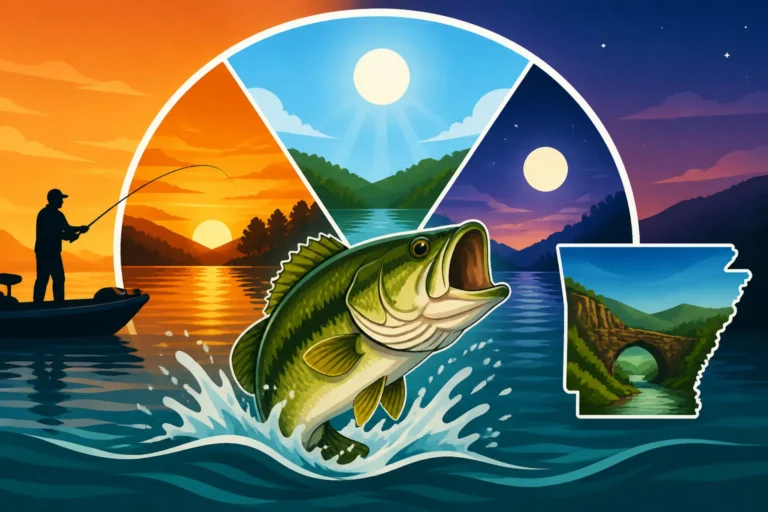
Early mornings and late evenings offer brief windows for topwater action, especially around shady banks or grass lines, but for consistent daytime bites, you'll need to go deep. Deep diving crankbaits, Carolina rigs, shaky heads, and heavy jigs are essential tools. You can find excellent deals on specialized deep-water gear like fluorocarbon lines and heavy-action rods on Amazon, which can make a real difference in detecting subtle bites in deep water. Night fishing, particularly for largemouth bass, also becomes a popular and highly effective strategy during the summer months, offering relief from the heat and often triggering aggressive bites as bass move shallower under the cover of darkness.
Targeting Striped Bass in Arkansas's Large Lakes
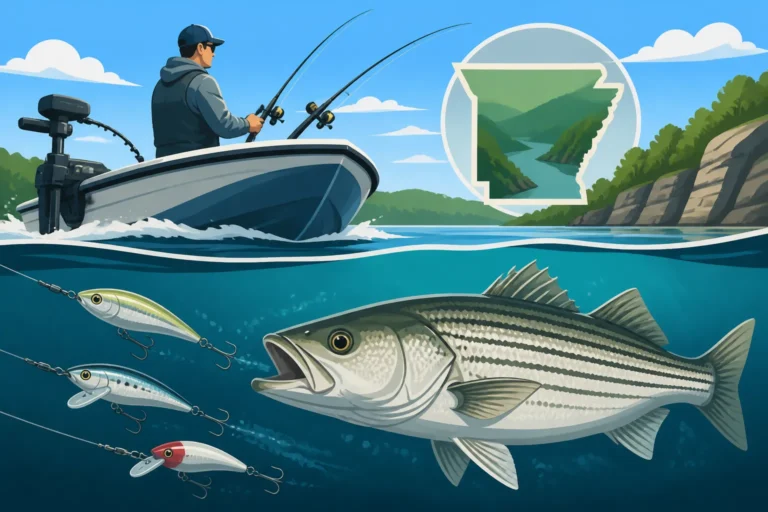
Summer is prime time for chasing trophy striped bass in Arkansas. Lakes like Norfork Lake and Lake Hamilton are renowned for their massive stripers, and during the warm months, these powerful fish become predictable, often schooling in open water and chasing baitfish.
Anglers primarily target stripers by trolling large crankbaits or live bait (gizzard shad are a popular choice) at specific depths where the fish are holding. Downriggers and planer boards are common tools to present baits effectively. Watching your electronics for baitfish schools and arcs indicating stripers is crucial. The Norfork Lake Striped Bass Season typically sees strong action throughout the summer, with the cooler, oxygenated water near the dam or in deeper parts of the lake offering the best conditions. These fish fight hard and provide an unforgettable angling experience, making summer an exciting time for those seeking a true tug-of-war.
Catfish and Bream: Relaxed Summer Fishing
For a more relaxed summer fishing experience, targeting catfish and bream (bluegill, redear sunfish, etc.) is a fantastic option. These species thrive in warm water and are generally more forgiving, making them perfect for family outings or casual bank fishing.
Catfish, including channel, blue, and flathead, are active throughout the summer. They'll readily take a variety of baits, from cut bait and chicken livers to worms and prepared stink baits, especially when using Catfish Bottom Fishing Techniques. Look for them in deeper holes, around submerged logs, or near current breaks in rivers like the Arkansas River. Bream, on the other hand, love shallow, weedy areas and structure. A simple hook, line, and bobber setup with a small worm, cricket, or even a piece of bread can lead to endless fun, especially for kids. They're often found around docks, lily pads, and submerged brush, providing consistent action throughout the day.
Fall Fishing in Arkansas: The Feeding Frenzy Before Winter
As the air cools and leaves begin to change color, fall brings some of the most spectacular fishing opportunities in Arkansas. Water temperatures gradually decline, signaling to fish that it's time to put on the feedbag before winter's chill arrives.
Bass and Crappie: Following the Baitfish
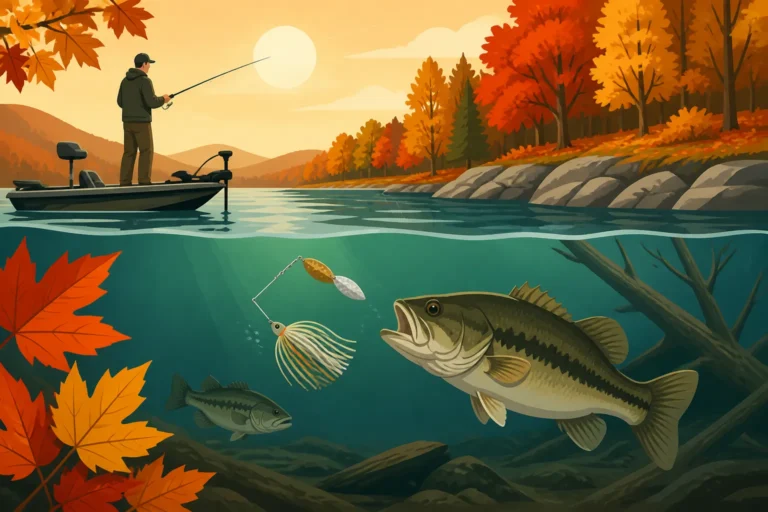
Fall is synonymous with the "fall turnover" on many reservoirs. As surface water cools, it sinks, mixing with deeper water and often redistributing baitfish. This can initially make fishing a bit challenging, but once the water stabilizes, the bite can be incredible. Bass and crappie abandon their deep summer haunts and move shallower, often following large schools of shad and other baitfish into creek arms, coves, and main lake points.
This is a prime time for power fishing with reaction baits. Spinnerbaits, chatterbaits, topwater lures, and crankbaits that mimic shad become incredibly effective as fish actively chase their prey. "Fall Fishing Patterns for Bass and Crappie" revolve around locating these baitfish schools. When you find the bait, you'll almost certainly find the game fish. It’s a period of intense feeding, and fish are often aggressive, providing thrilling strikes and consistent action. Many anglers consider this one of the best times of year to catch both numbers and quality fish across the state.
Renewed Trout Activity on Arkansas Tailwaters
The already excellent trout fishing on Arkansas's tailwaters often gets even better in the fall. Cooler air temperatures mean cooler, more stable water flows from the dams, and the insect activity can be prolific. Additionally, fall marks the beginning of the brown trout spawn in many systems, bringing large, mature brown trout into shallower, more aggressive patterns.
Anglers focusing on the White River, Little Red River, and Spring River can expect to encounter powerful browns. While targeting spawning fish directly is often discouraged to protect the fishery, fishing adjacent areas with streamers, egg patterns, or large nymphs can be very productive. Rainbows and cutthroats also remain highly active, feeding on a wide range of aquatic insects. The picturesque scenery of autumn, combined with the exciting fishing, makes fall a truly special time to visit these world-class trout destinations.
Cooler Temperatures Mean Comfortable Angling
Beyond the fantastic fishing, fall in Arkansas offers a significant advantage: comfortable weather. The oppressive heat and humidity of summer give way to crisp mornings and mild afternoons, making a full day on the water much more enjoyable. This pleasant climate allows anglers to focus on the fishing without battling heat exhaustion, making it an ideal season for multi-day trips or extended bank fishing sessions. The scenic beauty, with vibrant fall foliage reflecting on the water, only adds to the allure, transforming a simple fishing trip into a truly memorable outdoor experience.
Winter Fishing in Arkansas: Challenging but Rewarding
Winter fishing in Arkansas might not be for everyone, but for those willing to brave the chill, it can offer some of the most rewarding and peaceful angling experiences. The crowds thin out, and while fish activity slows, the fish that do bite are often quality specimens.
Deep-Water Bass and Crappie Patterns
As water temperatures drop into the 40s and low 50s, warm-water species like bass and crappie retreat to their deep-water wintering grounds. They become much less active, but they still need to eat. The key to success is slowing down your presentation dramatically and focusing on vertical jigging or slow-rolling deep structure.
For bass, look for them schooled up on deep humps, main lake points, and submerged timber near channel swings. Vertical presentations with spoons, drop shots, and small jigs are often the ticket. Crappie will also school tightly in deep brush piles, under docks, or in creek channels. Winter Fishing Patterns on Arkansas Reservoirs emphasize patience and precise bait presentation. Small jigs tipped with minnows or soft plastics, fished slowly and vertically, can entice bites. For those chilly days, having warm, specialized gear is crucial, and you can find excellent cold-weather fishing apparel and accessories, like insulated gloves or electric hand warmers, readily available on Amazon.
Consistent Tailwater Trout Fishing
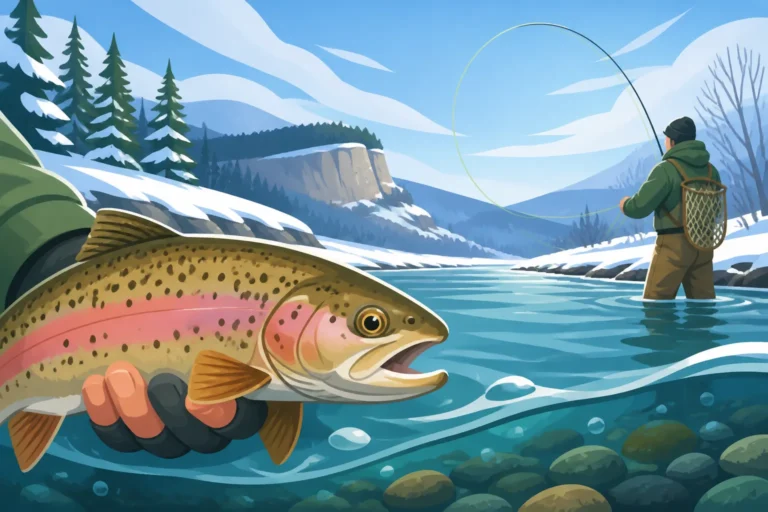
While warm-water fishing slows, the trout tailwaters in Arkansas remain consistently productive, if not more so, throughout the winter. The stable, cold water temperatures from the bottom of the dams create an ideal environment for trout, and the lack of recreational boat traffic often means you have the river largely to yourself.
Midges and small nymph patterns are staples for fly fishermen, mimicking the primary food sources during these colder months. Streamers can also be effective, particularly for larger brown trout. Spin fishermen will continue to find success with small, subtle baits and lures, often fishing deeper holes and current seams. The serene atmosphere of a winter trout stream, often surrounded by frosty landscapes, offers a unique beauty that few other seasons can match. Just be prepared for potential cold snaps and icy conditions, which can make access tricky on some days.
Planning for Weather Fluctuations
Winter weather in Arkansas can be quite variable, with mild, sunny days interspersed with bitter cold fronts and occasional ice or snow. Planning your trip around favorable weather windows is essential. Keep a close eye on the forecast, paying attention to sudden temperature drops, high winds, and precipitation.
Safety should always be a top priority. Dressing in layers, wearing waterproof and insulated clothing, and having emergency supplies are non-negotiable. While the fishing can be fantastic, it's not worth risking hypothermia or other cold-weather hazards. Sometimes, a short, productive window in the middle of the day is all you'll get, so make the most of it and don't push your luck. Despite the challenges, the solitude and potential for trophy catches make winter fishing a rewarding pursuit for the dedicated Arkansas angler.
Key Factors Influencing Fishing Success Throughout the Year
Beyond the broad seasonal changes, several specific factors continuously influence how, when, and where fish bite in Arkansas. Understanding these can help you fine-tune your approach on any given day.
Water Temperature and Oxygen Levels
As discussed, water temperature is perhaps the most critical factor for fish activity. Every species has preferred temperature ranges for feeding, spawning, and general comfort. Deviations from these ranges can drastically alter their behavior. For instance, too-warm water in summer can lead to lower oxygen levels, pushing fish to cooler, deeper refuges. Conversely, a prolonged cold snap in winter can make fish so lethargic they won't even chase a bait. Monitoring water temperature using a thermometer or your boat's electronics is a non-negotiable step for serious anglers, providing invaluable insight into where fish might be holding and how active they might be.
Oxygen levels are equally important, especially in deeper waters during summer. Stratification can lead to an anoxic (oxygen-depleted) layer at the bottom, meaning fish won't be found there, even if it's cool. Understanding where the thermocline and oxygenated water meet is critical for targeting deep-water species. Rivers and tailwaters generally have higher, more consistent oxygen levels due to constant flow and aeration, which is why trout thrive in them year-round.
Water Clarity and Generation Schedules
Water clarity plays a huge role in how fish feed and what lures they respond to. In clear water, fish rely heavily on sight, making natural colors and subtle presentations more effective. In stained or muddy water, fish rely more on their lateral line (vibration) and smell, making brighter colors, noisy lures, and scented baits more productive. Heavy rains can quickly turn clear rivers muddy, changing fishing conditions overnight.
For tailwater anglers, understanding "Arkansas Fishing Rules for Lakes, Rivers and Tailwaters" and especially the daily generation schedules from dams is absolutely critical. Generation (when water is released through the dam) creates current, raises water levels, and often stimulates feeding activity, but it also makes wading dangerous or impossible. Anglers often plan their trips around low-generation periods for wading or high-generation periods for drift fishing from a boat. Websites from agencies like the Army Corps of Engineers provide real-time and projected generation schedules, which are essential for a safe and productive day on the White River or Norfork.
Barometric Pressure and Frontal Systems
The often-overlooked factor of barometric pressure can have a profound impact on fish behavior. A stable or slowly falling barometer (indicating an approaching low-pressure system or warm front) often correlates with increased feeding activity. Fish can sense these pressure changes and often feed aggressively before a storm hits.
Conversely, a rapidly rising barometer after a cold front has passed usually means tougher fishing. High pressure tends to make fish lethargic and less willing to bite, pushing them to deeper, heavier cover. While you can't control the weather, being aware of these pressure changes helps manage your expectations and adjust your tactics. On days with a stable, falling barometer, you might try more aggressive, fast-moving presentations, while post-front conditions call for slower, more finesse-oriented approaches.
Planning Your Arkansas Fishing Trip by Season
No matter when you decide to visit, a little pre-trip planning can greatly enhance your Arkansas fishing experience. Knowing what to bring, understanding the regulations, and considering local expertise can make all the difference.
Essential Gear for Each Season
Your tackle box and wardrobe will look very different depending on the season you plan to fish. In spring and fall, layered clothing is essential to adapt to fluctuating temperatures throughout the day. Waterproof outerwear is always a good idea, as Arkansas weather can be unpredictable. For summer, lightweight, breathable clothing, sun protection (hats, sunglasses, long sleeves), and plenty of hydration are key. And for winter, forget fashion; focus on warmth. Insulated boots, gloves, and multiple thermal layers are non-negotiable.
Beyond clothing, your fishing gear should match the season's predominant techniques. Deep diving crankbaits and heavy jigs for summer bass, small jigs and minnow rigs for spring crappie, or a variety of fly patterns for year-round trout fishing – having the right tools for the job is paramount. If you're looking to stock up or find specific items, checking out options on Amazon beforehand can help you arrive prepared with everything you need for a successful trip, from specialized rods to specific lures.
Understanding Arkansas Fishing Regulations
Before you even wet a line, you absolutely must understand the local rules. "Arkansas Fishing Regulations Guide" is your bible. Regulations can change annually, and they vary not just by species but often by specific lakes or river sections. Size limits, daily creel limits, and possession limits are crucial to know and follow. For example, some sections of trout waters have special catch-and-release rules or require single, barbless hooks.
Ignorance of the law is not an excuse, and game wardens in Arkansas are diligent. Make sure you have the correct Arkansas Fishing License Rules and Costs for your residency and age, and don't forget any necessary permits, such as an Arkansas Trout Permit Rules if you plan to keep trout. A quick review of the current year's regulations booklet or the Arkansas Game and Fish Commission website will save you a lot of headache and potential fines.
Considering a Guided Trip for Optimal Success
Especially if you're new to a particular fishery or targeting a challenging species, hiring a professional fishing guide can be one of the best investments you make. Guides have unparalleled local knowledge, understanding the subtle nuances of specific waters, current fish patterns, and the most effective techniques. They also typically provide all the necessary gear, bait, and often even clean your catch.
Whether you're looking for a float trip down the White River for trophy trout or a deep-water striper excursion on Norfork Lake, a guide can fast-track your learning curve and significantly increase your chances of success. They know the best spots, often secret ones, and can teach you valuable techniques you might not discover on your own. If you're wondering "How to Book a Fishing Guide in Arkansas", start by researching reputable services online, reading reviews, and booking well in advance, especially during peak seasons.
| Season | Target Species | Common Techniques | Popular Locations | Key Gear Considerations |
|---|---|---|---|---|
| Spring | Largemouth/Smallmouth Bass, Crappie, Trout | Shallow Cranking, Spinnerbaits, Jigs, Live Minnows, Nymphs, Dry Flies | Lake Ouachita, Lake Conway, White River, Bull Shoals Lake | Lightweight Rods, Small Jigs, Minnow Buckets, Fly Gear |
| Summer | Striped Bass, Catfish, Bream, Deep Bass | Trolling, Live Bait, Bottom Fishing, Jug/Trotlines, Deep Crankbaits | Norfork Lake, Lake Hamilton, Arkansas River, DeGray Lake | Heavy Rods, Downriggers, Circle Hooks, Sun Protection, Hydration |
| Fall | Largemouth/Smallmouth Bass, Crappie, Trout | Reaction Baits (Crankbaits, Spinnerbaits), Topwater, Streamers, Egg Patterns | Greers Ferry Lake, Beaver Lake, White River, Spring River | Versatile Rods, Variety of Lures, Layered Clothing, Waders |
| Winter | Trout, Deep Bass, Crappie | Vertical Jigging, Drop Shot, Nymphs, Midges, Small Spoons | White River, Norfork River, Lake Ouachita, Bull Shoals Lake | Ice Fishing Gear (if applicable), Insulated Clothing, Finesse Tackle |
Disclaimer
The information provided in this guide is for general informational purposes only and is subject to change. Fishing conditions, regulations, and fish behavior can vary widely. Always consult the latest official Arkansas Game and Fish Commission regulations before planning any fishing trip. Adherence to all local, state, and federal laws is the sole responsibility of the angler.