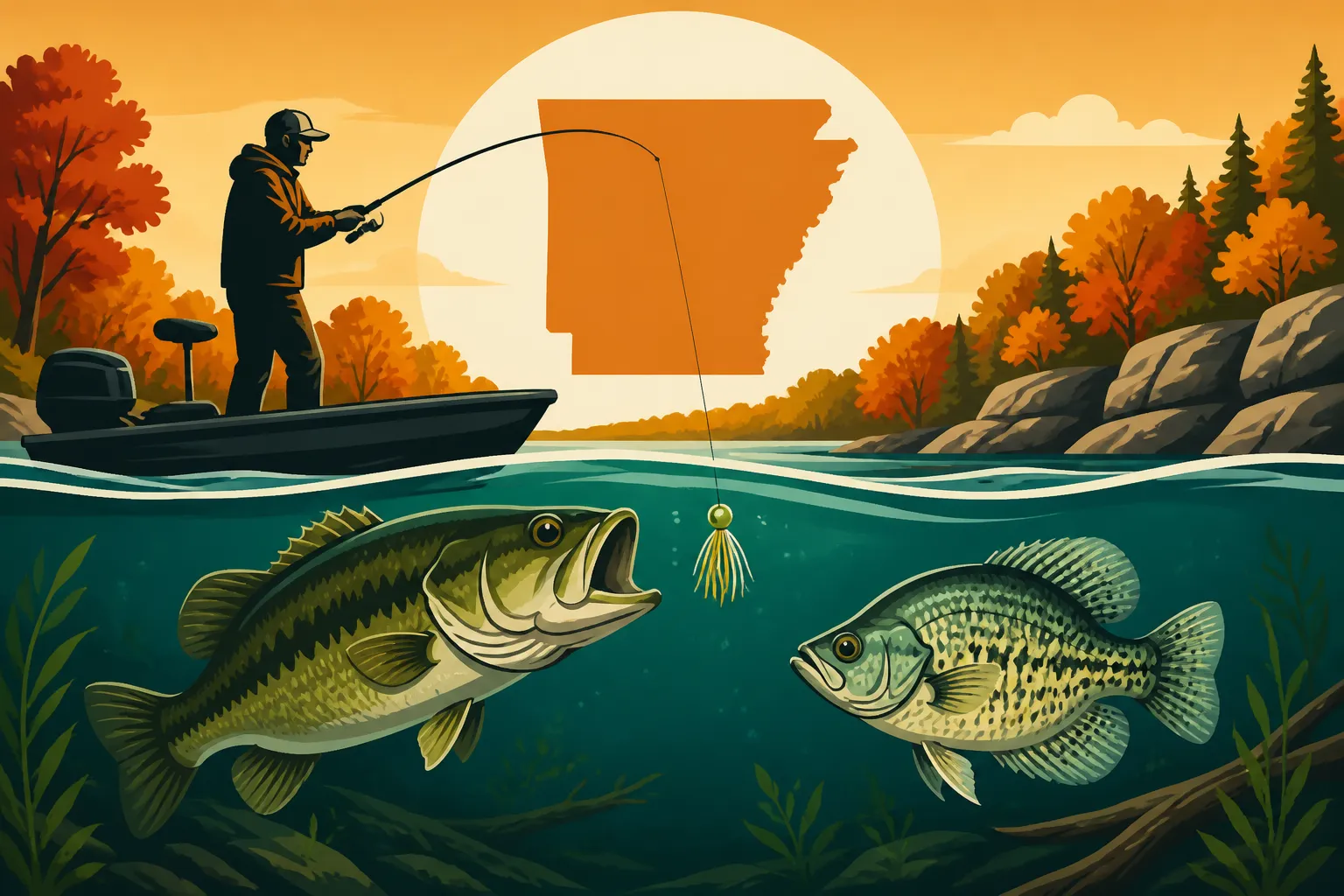
Fall Fishing Patterns for Bass and Crappie
As the dog days of summer grudgingly give way to crisper mornings and shorter afternoons, many anglers start feeling that familiar pull – the undeniable allure of fall fishing. But let's be real, while everyone talks about the "fall bite," it's not always as simple as throwing a line in and hauling in giants. Understanding the dynamic shifts in bass and crappie behavior during Arkansas's beautiful autumn months is key to turning those chilly mornings into successful outings, and that's exactly what we'll dive into here.
The Great Fall Migration for Bass and Crappie
When the stifling heat of summer finally breaks and those first cool fronts roll through, it’s like a switch flips in our Arkansas lakes and rivers. This isn't just a slight change; it’s a full-blown transformation that sends fish species like bass and crappie on a kind of "great migration." Anglers who understand this transition are the ones who consistently find success, while those who stick to summer patterns often end up scratching their heads, wondering where all the fish went.
Understanding the Seasonal Shift in Arkansas Waters
The fall transition isn't an overnight event; it's a gradual process that can last for weeks, even months, depending on how quickly our weather cools down. For bass and crappie, this period is all about one thing: food. After a long summer of dealing with warm, often stratified waters and widespread baitfish, the cooling trend triggers a mass movement of baitfish – primarily shad – from the deeper, cooler main lake areas into the shallower coves, creeks, and backs of bays. These areas, which might have been barren in mid-summer, suddenly become bustling cafeterias for hungry game fish.
This initial migration is often fueled by instinct. Baitfish are drawn to the warmer, nutrient-rich water found in the shallows during the first stages of fall cooling. As the water cools further, they're often forced into tighter schools in these same areas, making them easy targets. It's a gold rush for predator fish, and if you know where to look, you can be right in the middle of it. This isn't just about finding fish; it's about understanding their motivations, their instincts driving them to fatten up before the true winter chill sets in.
How Water Temperature Drives Fish Movement
Water temperature is the absolute king when it comes to dictating where bass and crappie will be in the fall. During summer, lakes stratify, meaning distinct layers of water form with different temperatures and oxygen levels. As autumn progresses, the surface water cools, becomes denser, and eventually sinks, mixing with the deeper water below. This process, known as "lake turnover," can sometimes make fishing tough for a few days, but once it stabilizes, it opens up the entire water column to fish, making deep and shallow areas viable.
The prime temperature range for aggressive feeding for largemouth bass is typically between 55-70 degrees Fahrenheit, while crappie often prefer similar ranges, perhaps just a tad cooler, especially as fall deepens. As the water temperatures drop into these ranges, baitfish like gizzard shad and threadfin shad become more vulnerable. They start moving towards shallower, warmer areas, often congregating in massive schools, which in turn draws bass and crappie right to them. Observing these baitfish schools on your electronics or even seeing them "flipping" on the surface is a huge clue. If you can find the bait, you'll often find the predators. Keep a close eye on your fish finder and a surface thermometer – these tools, easily found on Amazon, are invaluable.
Early Fall Bass Fishing Tactics September to Mid-October
As those first true cool fronts sweep through Arkansas, typically from late September through mid-October, a fantastic window of opportunity opens for bass anglers. The bass are actively feeding, sometimes with an almost reckless abandon, preparing for the lean months of winter. This period is often characterized by aggressive topwater blow-ups and strong strikes on fast-moving baits, making it incredibly exciting.
Targeting Active Bass on Points and Flats
In the early fall, as baitfish begin their push into the creeks and coves, bass will often stage on main lake points, secondary points, and expansive flats near the mouths of these coves. Think of these as ambush points. The bass will hold along the edges or on top of these structures, waiting for schools of shad to pass by. You'll often find them congregating in wolf packs, ready to chase down their prey.
On Lake Ouachita, for example, long, tapering points that extend into the main lake can be absolutely dynamite. The same goes for the big, open flats in places like Lake Conway. Focus on areas where the depth gradually changes, offering both shallow feeding zones and nearby deeper water for refuge. Cast your lures across these points and flats, varying your retrieve until you hit on what the fish want. Sometimes it’s a slow roll, other times it’s a rapid retrieve with erratic pauses. Pay attention to the wind, too; a good chop on the water can often push baitfish into these same areas, concentrating both the prey and the predators.
Topwater and Reaction Baits for Early Autumn Aggression
This is prime time for throwing aggressive, high-action baits. When bass are actively chasing shad in the shallows, nothing beats the thrill of a topwater strike. Poppers, walking baits like a Heddon Super Spook, and prop baits can draw incredible explosions. Early mornings and late evenings are especially good, but on cloudy days or when there's a good ripple on the water, you can often get topwater bites all day long.
Beyond topwater, reaction baits are your best friend. Crankbaits that mimic shad, especially those with a wide wobble and a natural baitfish color, are exceptionally effective. Choose models that dive to the depth where you're seeing baitfish or structure. Jerkbaits, particularly those with a suspended retrieve, can also be deadly. Cast them out, give them a few sharp jerks, and then let them pause – that suspended action often triggers strikes from following bass. For an even faster approach, lipless crankbaits, like a Strike King Red Eye Shad, are fantastic for covering large flats and locating active schools quickly. Don't be afraid to experiment with retrieve speeds; sometimes a burning retrieve is what they want, other times a slower, more deliberate action. If you're looking for a good selection of these lures, many are readily available on Amazon.
Late Fall Bass Strategies Mid-October to December
As autumn deepens and the cold reality of winter draws nearer, usually from mid-October through December, bass patterns shift significantly. The water temperatures continue to drop, and while baitfish are still important, their movements become a bit more subtle, and bass become less inclined to chase vigorously. This period often requires a more patient, methodical approach, focusing on deeper water and slower presentations.
Locating Bass in Cooler, Deeper Structures
By late fall, many baitfish will have moved into deeper, more stable environments, often congregating in creek channels, around deep brush piles, and along steep bluffs. Bass follow suit, seeking out these deeper refuges where temperatures are more consistent. Instead of sprawling across vast flats, they'll often hold tightly to specific pieces of structure. This could be a submerged timber line, a rock pile on a deep point, or the channel swing in a creek.
On lakes like Greers Ferry Lake, the steep bluffs and deep creek channels become key areas. Use your electronics to scan for baitfish schools and any prominent structure in 15-30 feet of water. If you find a dense school of shad, there's a very good chance that bass are nearby, often sitting just below or to the side of the bait. Don't overlook old roadbeds or submerged bridge foundations, either; these are classic late-fall bass magnets. Mastering your boat positioning to effectively fish these deeper structures is crucial during this time. For those without a boat, targeting deep points or sheer rock faces from the bank can still yield results.
Finesse Techniques for Lethargic Bass
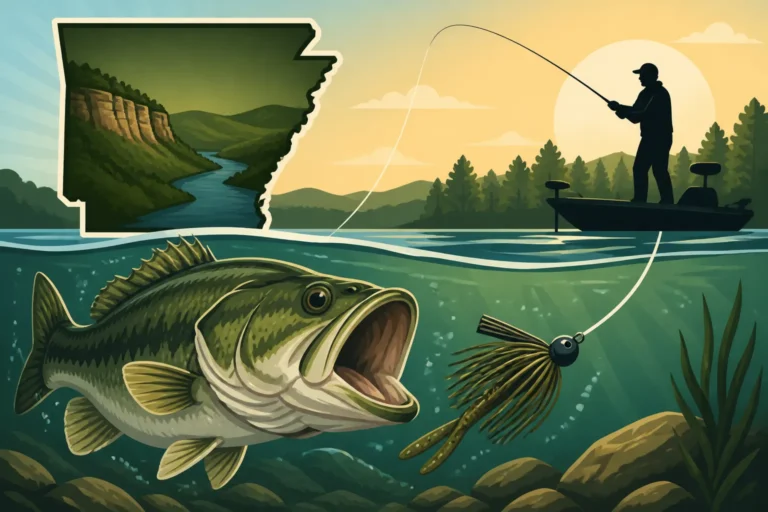
With cooler water, bass metabolism slows down. They're still feeding, but they're often less willing to expend a lot of energy chasing a fast-moving lure. This is where finesse techniques truly shine. Jigs, particularly those with a bulky skirt and a soft plastic trailer, are excellent for imitating crawfish or even a slow-moving shad near the bottom. Drag them slowly, hop them gently, and pay close attention to any subtle taps or added weight on your line.
Another highly effective bait is the drop shot rig. This setup allows you to present a small soft plastic bait at a precise depth above a weight, keeping it right in the strike zone for extended periods. It's especially deadly when bass are suspended in deep water or holding tight to structure. Shaky head jigs, Ned rigs, and smaller football jigs are also fantastic choices. The key is to work these baits slowly, giving the bass plenty of time to find them and commit. Remember, it's about presentation and patience. Learning these techniques can dramatically improve your success during the post-spawn bass fishing patterns and in the cooler months.
Unlocking Crappie Hotspots in Autumn
Crappie, those speckled beauties, are another fantastic species to target in Arkansas during the fall. Much like bass, their patterns are heavily influenced by water temperature and the movement of baitfish. However, crappie often have their own specific preferences when it comes to depth and structure, making them a unique and rewarding pursuit for the autumn angler.
Following Crappie from Summer to Winter Haunts
As summer fades, crappie transition from their deeper, often suspended summer patterns to more active feeding in mid-depths. Initially, you might find them scattered on flats and along creek channels, but as the water continues to cool, they'll start to congregate more tightly around specific structures. This means moving from the main lake basin towards the mouths of creeks and major embayments. They're following the baitfish, just like bass, but they tend to hold more tightly to vertical structure.
Brush piles are absolute magnets for fall crappie. Whether they're natural fallen trees, beaver lodges, or man-made fish attractors, crappie will stack up in and around them. You'll often find them suspended within the branches or just off the edge, waiting to ambush passing bait. The key is to systematically search for these brush piles, either using your electronics or by visually locating visible timber. On lakes like DeGray Lake, where there's plenty of standing timber, finding these crappie hotels is a classic fall strategy. Don't be afraid to probe different depths around the same brush pile; crappie can be finicky about their vertical position.
Jigging and Live Bait Presentations for Fall Crappie
When it comes to catching fall crappie, two primary methods stand out: jigging and live bait. For jigging, small soft plastic jigs (1/16 to 1/8 ounce) in colors like chartreuse, white, or various shad patterns are incredibly effective. You can present these jigs in several ways. Vertical jigging directly over brush piles or submerged trees, often using two jigs tied in tandem, is a proven tactic. Just drop them down, watch your line for any twitch, and gently lift and drop the rod tip to impart action.
Spider rigging is another popular method, especially on larger reservoirs. This involves using multiple rods (where legal) spread out from the boat, each with a jig or live minnow, to cover a wide area and different depths simultaneously. If you prefer live bait, small minnows are almost unbeatable for crappie. Hook them lightly through the lips or back and suspend them under a slip bobber or tightline them directly over structure. The natural movement of a minnow can entice even the most hesitant crappie. For beginners, understanding the basics of crappie jigging can greatly increase your odds. Remember that crappie must be 9 inches or longer to keep in Arkansas, and the statewide crappie daily limit is 20 fish in most Arkansas waters.
Essential Gear and Environmental Considerations
Having the right gear and knowing how to adapt to Arkansas's ever-changing fall conditions can make or break your fishing trip. While the beauty of autumn fishing is undeniable, it also brings unique challenges that require a bit more preparation than a casual summer outing.
Must-Have Tackle for Fall Bass and Crappie Anglers
Beyond the specific baits we've discussed, having a well-rounded tackle box is crucial. For bass, ensure you have a variety of topwater lures, diving crankbaits (both shallow and deep runners), jerkbaits, jigs (football, skipping, and swim jigs), and soft plastics for finesse presentations. Don't forget terminal tackle like hooks (EWG, straight shank, weighted), weights (bullet, tungsten, drop shot), and quality fluorocarbon or monofilament line in varying strengths. A good pair of polarized sunglasses, easily found on Amazon, will make a huge difference in spotting fish and structure.
For crappie, a selection of small jigs in different sizes and colors, small minnow hooks (sizes 2-6), split shot weights, and slip bobbers are essential. Light action rods (5-7 feet) with sensitive tips are ideal for detecting subtle crappie bites, paired with small spinning reels spooled with 4-8 pound test line. A good quality fish finder/depth finder is invaluable for both species, helping you locate baitfish, structure, and the fish themselves, whether you're fishing a well-known spot like Lake Hamilton or exploring new areas.
Adapting to Arkansas's Changing Autumn Weather
Arkansas fall weather can be notoriously fickle. One day it's shorts and a t-shirt, the next you're bundled up against a biting wind. Layering your clothing is absolutely essential. Start with a moisture-wicking base layer, add insulating layers like fleece or wool, and top it off with a waterproof and windproof outer shell. A good stocking cap and gloves can make a huge difference in comfort on chilly mornings or when the wind picks up.
Beyond personal comfort, pay close attention to weather forecasts, especially for approaching cold fronts. Fishing right before a cold front often results in an aggressive bite, as fish sense the change and feed heavily. However, fishing immediately after a strong cold front can be tough, as fish tend to become lethargic and move deeper. Cloudy days can often extend the topwater bite, while bright, sunny days might push fish into deeper, shadier cover. Strong winds can also be a factor, making boat control challenging but sometimes concentrating baitfish on wind-blown banks and points. Being prepared for these changes, both in your gear and your fishing strategy, is key to consistent success. For a broader overview, take a look at the Best Time of Year to Fish in Arkansas.
Top Arkansas Waters for Fall Bass and Crappie
Arkansas is truly blessed with an abundance of fantastic fishing opportunities, and fall is no exception. While bass and crappie can be found in virtually every body of water, some lakes and rivers consistently stand out as prime destinations for autumn angling success. Knowing these hotspots can help you plan your next memorable trip.
Renowned Lakes for Aggressive Fall Bass Action
When it comes to fall bass fishing, several Arkansas lakes shine. Lake Ouachita, the state's largest lake, is a phenomenal choice. Its clear waters mean you'll often see bass chasing shad on the surface in the early fall. Focus on its countless points, humps, and the mouths of its numerous creek arms as bass move from deep summer haunts to shallower feeding areas. Later in the fall, its deep timber and creek channels hold big bass.
Bull Shoals Lake is another powerhouse, particularly known for its smallmouth and spotted bass in addition to largemouth. Its vast, rocky structure, steep bluffs, and numerous coves offer endless opportunities as bass follow baitfish. Early fall sees aggressive action on topwaters and crankbaits, while late fall requires a more nuanced approach with jigs and soft plastics in deeper water. For a comprehensive guide, check out the Bull Shoals Lake Fishing Guide for Bass and Crappie.
Don't overlook Greers Ferry Lake, a true gem in central Arkansas. This lake provides excellent opportunities for both largemouth and spotted bass during the fall transition. Look for bass working schools of bait in the main lake coves and points. As the water cools, concentrate your efforts on its abundant rock piles and deeper creek channels.
Prime Locations for Abundant Autumn Crappie
For crappie anglers, Arkansas offers some incredible fall destinations. Lake Conway near Little Rock is legendary for its crappie population. Its shallow, timber-filled waters become crappie havens as temperatures drop. Look for fish suspended around stumps, submerged brush, and the edges of lily pads that are starting to die back. Vertical jigging or live minnows are deadly here.
Lake Dardanelle, part of the Arkansas River system, is another fantastic option. Its abundant backwaters, creek channels, and flood-prone timber areas provide ideal habitat for fall crappie. The key here is often finding current breaks and areas where baitfish are congregating due to the river flow. Exploring its oxbows and sheltered coves can lead to huge hauls.
Finally, the countless smaller lakes and reservoirs managed by the Arkansas Game and Fish Commission often hold incredible numbers of crappie. Places like Lake Monticello and Lake Cargile have specific crappie limits, so always consult the latest Arkansas Fish Size and Daily Limits before heading out. These smaller, often timber-filled lakes are perfect for a focused crappie attack in the fall, offering easier access and often less fishing pressure than the larger bodies of water. The sheer number of fish in these waters can make for an exciting trip, especially when targeting crappie during their spring spawn pattern or as they transition into their fall feeding frenzy.
| Characteristic | Early Fall (Sept-Mid Oct) Bass | Late Fall (Mid Oct-Dec) Bass | Early Fall (Sept-Mid Oct) Crappie | Late Fall (Mid Oct-Dec) Crappie |
|---|---|---|---|---|
| Water Temp Range | 65-75°F | 45-65°F | 60-70°F | 40-60°F |
| Primary Location | Main lake points, secondary points, shallow flats, creek mouths | Deep creek channels, bluff walls, submerged timber, humps | Flats, creek channels, brush piles, submerged timber | Deep brush piles, vertical cover, main lake humps, creek channels |
| Baitfish Movement | Moving from main lake to creeks, active schools in shallows | Deeper concentrations, less active, moving to stable depths | Moving to mid-depths, congregating near cover | Deeper concentrations, often holding tight to vertical cover |
| Best Lure Types | Topwater, crankbaits, lipless crankbaits, spinnerbaits, jerkbaits | Jigs (football, pitching), creature baits, drop shots, Ned rigs, shaky heads | Small soft plastic jigs, live minnows, spider rigs | Live minnows, vertical jigging with small plastics, tightlining |
| Key Presentation | Fast, aggressive, searching | Slow, methodical, finesse | Vertical jigging, slow retrieve, slip bobbers | Extremely slow, precise, controlled depth |
| Arkansas Examples | Lake Ouachita, Bull Shoals, Greers Ferry | Bull Shoals, Greers Ferry, Ouachita | Lake Conway, Lake Dardanelle, smaller AGFC lakes | Lake Conway, Lake Dardanelle, smaller AGFC lakes |
Navigating the Challenges of Fall Fishing
While the "fall bite" can be legendary, it's not without its challenges. The dynamic nature of the season means that what worked last week might not work today, and adapting your approach is a constant requirement. Understanding these potential hurdles and having strategies to overcome them is what separates consistently successful fall anglers from those who get frustrated.
Dealing with Lake Turnover and Water Clarity Swings
One of the most significant, yet often misunderstood, events in the fall is lake turnover. As mentioned earlier, this is when the surface water cools, becomes denser, and sinks, mixing with the deeper, often oxygen-depleted water below. This process can temporarily disrupt fish patterns, making them scattered and reluctant to bite. The water may also appear murky or off-color during turnover.
When you encounter turnover, your best bet is often to look for areas less affected by it. This might mean the very backs of shallow coves or smaller pockets that are less connected to the main lake. Sometimes, simply waiting a few days for the lake to restabilize is the best strategy. Additionally, focus on areas with current, such as the upper reaches of reservoirs or tailwaters below dams, as these areas tend to mix more consistently and are less prone to severe turnover effects. Adjust your lure colors to brighter, more visible options if the water clarity drops.
Adapting to Shifting Baitfish Locations
The biggest puzzle piece in fall fishing is often locating the baitfish. While they generally move into creeks and coves, their precise location can change daily, sometimes hourly, due to weather, wind, and feeding pressure. One day they might be shallow, the next they're suspended over deep water. This requires constant vigilance and a willingness to move.
Use your electronics extensively. Look for large schools of shad in the water column. If you don't see bait, move until you do. Pay attention to surface activity – diving birds, "flicking" shad, or even fish busting on the surface are all clues. Sometimes, the baitfish will be so shallow they're almost beaching themselves, leading to incredible shallow-water action for bass and crappie. Other times, they'll hold tight to deep cover. The key is to be flexible. Don't get stuck fishing "ghost water" if the bait has moved on. A good understanding of techniques like how to find crappie in deep water can be invaluable during these transitions.
Arkansas's fall fishing offers some of the most exciting and rewarding opportunities of the year for both bass and crappie enthusiasts. By understanding the seasonal changes, adapting your techniques, and knowing where to focus your efforts, you can make the most of this vibrant and productive time on the water.
Disclaimer
Fishing conditions and regulations in Arkansas can change. Always consult the latest Arkansas Game and Fish Commission regulations guide before heading out on your trip. This article is for informational purposes only and does not supersede official regulations.