Norfork Tailwater Trout Rules and Season
The Norfork Tailwater in Arkansas is a genuine gem for trout anglers, but let's be honest, trying to decipher all the specific rules and figure out the best time to go can feel like solving a cryptic puzzle. Many anglers, especially those new to this stunning stretch of river, get frustrated trying to balance daily limits with generation schedules. This comprehensive guide is here to walk you through everything you need to know about the Norfork Tailwater trout rules and season, ensuring your next trip is both compliant and incredibly rewarding.
Understanding Norfork Tailwater's Unique Fishery
The Norfork Tailwater, flowing out of Norfork Lake, isn't just any river; it's a cold, nutrient-rich powerhouse that sustains an incredible trout population. It's a truly special place, but with that special status comes a need for specific management, which is why the regulations can sometimes feel a bit overwhelming.
The Environment and Trout Species
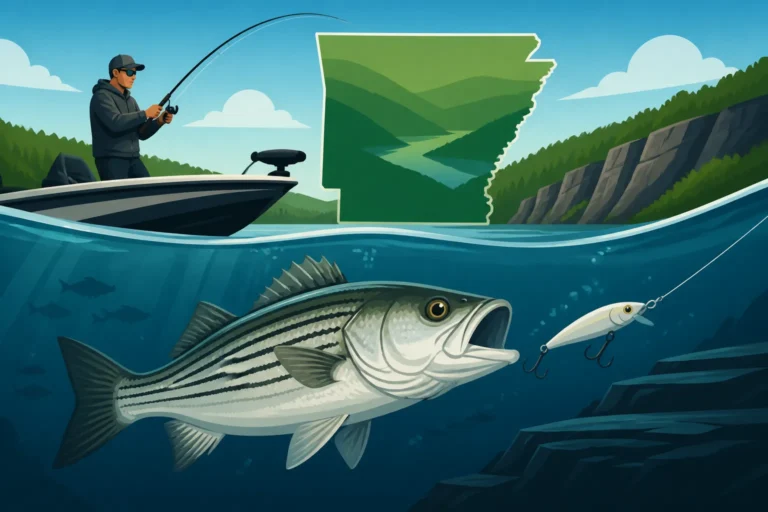
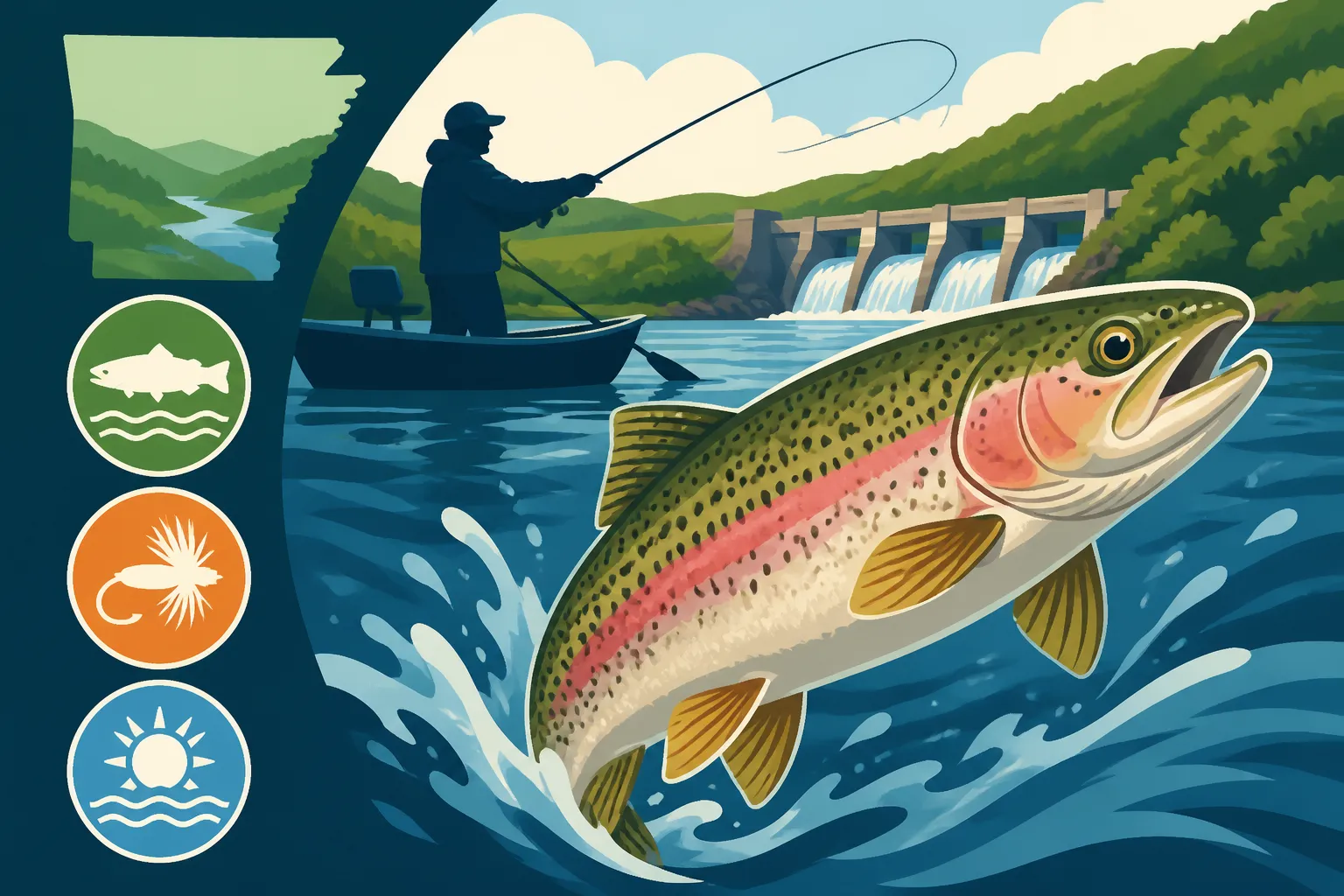
When the water plunges from the depths of Norfork Lake through the dam, it emerges at a consistently chilly temperature, creating the ideal habitat for trout. We're talking about a thriving ecosystem here, primarily known for its stunning rainbow trout. You'll also find some respectable brown trout, particularly in the upper sections, though they might not reach the legendary sizes seen on some other Arkansas tailwaters. Occasionally, you might even hook into a cutthroat or brook trout, adding a little extra excitement to your day. The riverbed itself varies, from deep pools to shallow runs and riffles, providing diverse holding areas for these beautiful fish. This isn't just a place to catch fish; it's an experience in a picturesque, serene environment, even with the hum of the dam in the background.
Why Regulations Are So Specific Here
The Arkansas Game and Fish Commission (AGFC) doesn't just pull these rules out of thin air. They're meticulously crafted based on years of biological data, angler pressure, and conservation goals. The Norfork Tailwater is a relatively small stretch of river compared to some, and its productivity, while high, needs careful management to prevent overfishing and maintain a healthy, self-sustaining fishery where possible. Think about it: if everyone kept every fish they caught, especially the larger, breeding-stock individuals, the quality of the fishing would decline rapidly. These regulations are designed to spread the catch among anglers and protect the future of the fishery, ensuring that generations to come can enjoy the same incredible experience you're seeking today. It’s all about balance and sustainability.
Essential Norfork Tailwater Trout Rules
Navigating the specific rules of the Norfork Tailwater is crucial for a successful and legal fishing trip. Ignoring them can lead to hefty fines and a ruined day on the water. It’s always best to be prepared and understand what’s expected.
Daily Limits and Size Restrictions
This is where many anglers get tripped up, so let's clarify it. For the Norfork Tailwater, the general daily limit for trout is two fish per angler. Yes, just two. And here's the kicker: both of those fish must be 14 inches or less. That means if you hook into a majestic brown trout or a plump rainbow over 14 inches, you absolutely have to release it immediately and unharmed. This specific regulation, unlike some other areas, is designed to protect those larger, more mature fish that are so vital to the fishery's health and genetic diversity. It encourages a catch-and-release mentality for the bigger specimens while still allowing anglers to harvest a couple of smaller trout for the dinner table if they choose. It’s a conservation measure aimed at fostering trophy potential and ensuring a robust population. For a broader overview of state rules, you might want to check out the Arkansas Fishing Regulations Guide.
Special Gear and Bait Restrictions
Another important aspect of fishing the Norfork Tailwater, especially in certain sections, involves specific gear and bait restrictions. While the Norfork isn't as restrictive as some special regulation areas on other rivers, it's always wise to verify current rules. Generally, on the Norfork Tailwater, anglers are permitted to use both artificial lures and natural baits, including live bait like worms and minnows. However, it's worth noting that using single, barbless hooks can significantly reduce harm to fish you intend to release, aligning with the spirit of the 14-inch length limit. Many dedicated trout anglers, particularly fly fishers, voluntarily opt for barbless hooks to ensure the highest survival rate for released fish. While not always mandated here, it's a good practice to adopt. You can find a vast array of tackle and bait options on platforms like Amazon that comply with general Arkansas regulations.
Licensing Requirements for Trout Anglers
Before you even think about casting a line, you need to ensure you have the proper licensing. Everyone 16 years of age or older needs an Arkansas fishing license. But for trout fishing, there's an additional requirement: a trout permit. This is often an add-on to your regular fishing license. So, you'll need both your general Arkansas Fishing License Rules and Costs and the specific trout permit to legally fish for and possess trout on the Norfork Tailwater. This permit helps fund trout stocking and management programs that keep these fisheries vibrant. Even if you're planning a catch-and-release trip, you still need both. There are various types of licenses available, including annual and short-term options for residents and non-residents alike. If you're a senior, you might have some exemptions or special options, so it's worth looking into Arkansas Senior Fishing License Rules (65+) specifically. Don't skip this step – game wardens routinely check for both licenses.
Navigating the Norfork Tailwater Fishing Season
The Norfork Tailwater offers fantastic fishing year-round, but just like any natural environment, it has its peak seasons, subtle nuances, and optimal times that can greatly influence your success. Understanding these patterns is key to planning your perfect trip.
Seasonal Peaks and Patterns
Each season on the Norfork Tailwater presents unique opportunities and challenges.
- Spring (March-May): This is often considered prime time by many. As the weather warms, trout become more active, feeding heavily. Insect hatches, particularly caddis and midges, become more prolific, making fly fishing exceptionally rewarding. Water generation can be more consistent as the lake levels rise with spring rains. Anglers often find success drifting small nymphs, midges, and various egg patterns. Streamer fishing can also be productive, especially after periods of generation when baitfish are disoriented. The beauty of the Ozarks in spring, with dogwoods and redbuds blooming, adds to the allure.
- Summer (June-August): While the air temperatures rise, the water from the dam remains cold, keeping the trout active. Early mornings and late evenings are often the most productive, as trout may seek deeper, cooler water during the heat of the day. Tricos and various terrestrials like hoppers and ants become important food sources. This can be a great time for dry fly fishing if you hit a hatch. However, wading can be more challenging with potentially higher generation schedules, so pay extra attention to water levels. The Best Time to Fish Bull Shoals Lake Arkansas for Trout and other tailwaters often follows similar patterns in terms of seeking cooler water.
- Fall (September-November): Many consider fall to be another peak season, offering cooler air temperatures and often more stable water flows. Brown trout begin their spawning rituals, making them more aggressive and accessible, though remember the 14-inch length limit! Streamer fishing can be incredibly effective during this period, imitating disoriented baitfish or other trout. Rainbows also feed heavily in preparation for winter. The vibrant fall foliage along the river banks creates a breathtaking backdrop for your fishing adventure.
- Winter (December-February): Don't dismiss winter! While the fishing can be slower and more technical, it often holds the promise of larger, less pressured fish. Trout tend to congregate in deeper, slower pools where they can conserve energy. Nymphing with small patterns and egg imitations is the dominant strategy. The absence of crowds and the serene, crisp air make for a peaceful fishing experience. Plus, a hot cup of coffee tastes even better bundled up by the river. This is also a fantastic time to refine your presentation skills, as the fish can be pickier.
The Impact of Water Generation Schedules
This is arguably the single most critical factor influencing your success on the Norfork Tailwater. The Norfork Dam, operated by the U.S. Army Corps of Engineers, generates electricity, and the timing and duration of these generation cycles dictate the water levels and flow downstream.
- High Water/Generation: When generators are running, the river rises significantly, sometimes by several feet. This creates strong currents and pushes trout into eddies, current seams, and slower pockets near the banks. It can make wading incredibly dangerous, if not impossible, in many sections. When the water is high, boat fishing becomes the most practical option. Trout will often feed aggressively during generation, as dislodged insects and baitfish become readily available. Heavy nymph rigs, large streamers, and even power bait presentations are effective during these periods.
- Low Water/No Generation: When no generators are running, the river typically returns to its "minimum flow" level, which can be quite low and slow. This is prime wading time, allowing access to many areas that are inaccessible during high water. Trout will spread out and can be more wary in the clearer, slower water. Light tackle and finesse presentations are usually more effective. Dry fly fishing, especially during hatches, can be excellent in these conditions. It's crucial to be aware that even during low water, generation can start at any time, often with little warning beyond a warning siren. Always keep an eye on the water level and have an exit strategy if you're wading far from the bank.
To avoid disappointment and ensure safety, always check the generation schedule before heading out. The Corps of Engineers provides this information, usually on their websites or through recorded phone lines. You can often find this information via a quick web search before you head out. Understanding the schedule allows you to plan your day, choosing between wade fishing during low flow or preparing for a boat trip during generation.
Effective Techniques and Gear for Norfork Tailwater Trout
Whether you're a seasoned fly fisher or prefer the ease of spin fishing, the Norfork Tailwater offers opportunities for all. Having the right approach and gear, however, can make all the difference between a frustrating day and a memorable one.
Fly Fishing Strategies for Different Conditions
Fly fishing on the Norfork Tailwater is incredibly popular, and for good reason—it's a truly classic trout fishery.
- Nymphing: This is often the most productive technique here, especially during low water or between hatches. Trout spend a vast majority of their time feeding on subsurface insects. Using an indicator to detect strikes, you'll drift weighted nymph patterns (like scuds, sowbugs, caddis larvae, or midge pupae) along the bottom. Varying your weight and indicator depth is crucial to present your flies at the correct level. For deeper water or faster currents, a Euro Nymphing setup can be deadly, allowing for precise control and sensitivity. You'll find a fantastic selection of specialized fly rods, reels, and lines for nymphing on Amazon.
- Dry Fly Fishing: When trout are actively feeding on the surface, there's nothing quite like seeing a fish rise to your fly. This usually occurs during specific hatches (like caddis, mayflies, or midges) or when terrestrials (grasshoppers, ants, beetles) fall into the water. Matching the hatch is key, meaning you'll want to use a fly that closely resembles the natural insects present. Observing the water for rising fish and emerging insects before casting is a vital step. Presentations must be delicate and drag-free to fool these often wary trout.
- Streamer Fishing: Targeting aggressive, larger trout, particularly brown trout, often involves streamer fishing. These flies imitate baitfish, sculpins, or other larger prey. Casting and stripping streamers across current seams, near structure, or in deeper pools can provoke a powerful strike. This technique is often more effective during higher water flows or when trout are actively hunting. Experiment with different retrieve speeds and colors until you find what triggers a bite. For those looking to dive deeper, articles like Trout Fly Fishing Basics for Tailwaters offer excellent foundational knowledge.
Spin Fishing for Norfork's Wary Trout
Spin fishing is an equally effective method on the Norfork Tailwater, especially for beginners or those who prefer a more traditional approach.
- Small Lures: Light spinning gear (ultralight rods and reels) is ideal here. Small inline spinners (like Panther Martin or Mepps), tiny spoons, and micro jigs are incredibly effective. Cast upstream or across current and retrieve slowly, allowing the lure to tumble naturally with the current, imitating a small baitfish or insect. Focus on targeting current seams, eddies, and submerged structures where trout might be holding.
- Drifting Baits: Natural baits can be highly productive. Worms, corn, and powerbait are popular choices. Rigging them under a float or simply drifting them along the bottom with a small weight can entice strikes. Ensure your bait drifts naturally, without drag, mimicking loose food items in the current. This method is particularly good for targeting fish in deeper pools or slower runs.
- Float Fishing: Using a float (or bobber) to suspend your bait or jig at a precise depth is a fantastic way to cover water efficiently and present your offering consistently. This is especially useful when fish are holding at a specific depth, which is common in tailwaters. Adjust the depth of your float to keep your bait just above the bottom or in the feeding zone. Remember, for those interested in refining their techniques, there's a wealth of information in articles like Spin Fishing Techniques for Trout that can elevate your game.
Planning Your Trip for Success on the Norfork
A well-planned trip to the Norfork Tailwater can mean the difference between a few frustrating hours and a truly productive and enjoyable day. It's not just about the gear; it's about preparation and understanding the environment.
Checking Water Levels and Generation Schedules
This cannot be stressed enough: always check the Norfork Dam generation schedule before you leave home, and even once more upon arrival. The U.S. Army Corps of Engineers is your go-to source. They usually have a phone number you can call for a recorded message or a website that displays real-time and scheduled generation information. The schedule can change at a moment's notice due to power demands or unforeseen circumstances, so staying informed is paramount for both safety and fishing success.
- Understanding the Data: When you look at the schedule, you'll see times and the number of generators running (typically 1 or 2 units). "No generation" means low water, perfect for wading. "One unit" means moderate flow, potentially wadeable in some areas with caution. "Two units" means high water, usually requiring a boat, and wading is extremely dangerous.
- Safety First: If you plan to wade, constantly monitor the water level. The Corps often sounds a siren before generation begins, but currents can increase rapidly, and getting caught in a rising river can be life-threatening. Always have an escape route planned and consider wearing a life vest, especially if wading alone or in strong currents. Your safety is far more important than any fish.
Access Points and Wading Safety
The Norfork Tailwater offers several access points, each with unique characteristics that cater to different fishing styles and water conditions.
- Dry Run Creek: This is a famous, special-regulation section specifically for youth (under 16) and mobility-impaired anglers. It’s teeming with trophy trout and is a fantastic place for kids to experience catching big fish. All fish are catch-and-release, artificial lures only, and single barbless hooks are mandatory. It’s not part of the main tailwater fishing experience for adults, but it's adjacent and a wonderful resource.
- Norfork National Fish Hatchery: Located directly below the dam, this area provides excellent bank access and is a common starting point for many anglers. There are accessible fishing piers and easy access to the river.
- Quarry Park: Downstream from the hatchery, Quarry Park offers more bank access and areas suitable for wading during low water. It's a popular spot for both fly and spin anglers.
- River Road Access Points: Various informal and formal access points exist along River Road as it follows the tailwater downstream. These often require a bit more local knowledge to navigate but can offer less crowded fishing spots.
When wading, always wear appropriate footwear (wading boots with felt or studded soles are best for slippery river rocks). Use a wading staff for stability, especially when crossing currents or in unfamiliar terrain. Never wade alone if possible, and let someone know your plans. Hypothermia is a real risk in the cold tailwater, even on warm days, so dress in layers and be prepared for a dunking. Checking out guides for Best Trout Fishing Spots in Arkansas might give you broader context for other locations, but the Norfork truly has its own rhythm.
Norfork Tailwater Trout Regulations at a Glance
To make things a bit easier, here’s a quick reference table for the key regulations on the Norfork Tailwater. Always double-check the latest AGFC regulations, as rules can change.
| Regulation Type | Norfork Tailwater Rule | Important Notes |
|---|---|---|
| Daily Creel Limit | 2 trout per angler | This limit applies specifically to the Norfork Tailwater. |
| Length Limit | All trout kept must be 14 inches or less | Any trout over 14 inches must be immediately released unharmed. |
| Trout Permit | Required for all anglers 16+ to fish for or possess trout | This is in addition to your general Arkansas fishing license. |
| Gear/Bait Restrictions | Generally, artificial lures and natural baits are permitted | While not strictly required, many anglers use single, barbless hooks for catch-and-release to minimize fish harm. |
| Water Generation | Operated by US Army Corps of Engineers, subject to change | Always check the generation schedule before and during your trip for safety and optimal fishing strategy. |
| Special Youth Section | Dry Run Creek (adjacent) has specific rules (under 16/disabled) | Youth/disabled only, catch-and-release, artificial lures only, single barbless hooks. No general adult fishing here. |
This table summarizes the most common questions, but remember that the full AGFC regulations provide the ultimate authority. You can easily find these online through the AGFC website or by picking up a regulation booklet at a local sporting goods store.
Disclaimer
The information provided in this guide is intended for general informational purposes only and is subject to change. While we strive to offer accurate and up-to-date details regarding Arkansas fishing regulations, it is the sole responsibility of the angler to consult the most current Arkansas Game and Fish Commission regulations and local ordinances before engaging in any fishing activities. Compliance with all applicable laws and regulations is mandatory.