Arkansas Fishing Rules for Lakes, Rivers and Tailwaters
Oh, the joy and sometimes the sheer confusion of fishing in Arkansas! You've got these incredible waters, from the placid lakes to the rushing rivers and those world-famous tailwaters, but figuring out exactly what rules apply where can feel like solving a complex puzzle. It's easy to get tangled up, wondering if that bass limit on Lake Ouachita is the same as on a small Ozark stream, or if your trout permit covers every cold-water fishery. This guide is here to untangle those lines, walking you through the ins and outs of Arkansas's fishing rules across all its diverse aquatic landscapes so you can cast with confidence.
Understanding Statewide Fishing Regulations First
Before we dive into the specifics of lakes, rivers, and tailwaters, it’s crucial to grasp the overarching rules that apply across the board in Arkansas. Think of these as the foundational principles of responsible angling here. Without this baseline knowledge, you might accidentally fall afoul of regulations no matter where you drop a line, and nobody wants their peaceful fishing trip interrupted by an unexpected citation. It’s all about protecting our natural resources and ensuring that future generations can enjoy the same incredible fishing experiences we do.
General License Requirements
One of the biggest hurdles for new anglers, or even seasoned ones visiting from out of state, is simply knowing if they need a fishing license and what kind. The short answer is almost always yes, you need one! Anyone 16 years of age or older, regardless of residency, must possess a valid Arkansas fishing license to fish in public waters. This isn't just a formality; it's how the state funds conservation efforts, stocking programs, and habitat restoration, which directly benefit all of us who love to fish. You can usually pick these up at local sporting goods stores, bait shops, or even conveniently online through the Arkansas Game and Fish Commission (AGFC) website.
The types of licenses can vary widely, from annual resident licenses that are quite affordable, to nonresident annual or short-term licenses for those just visiting. For instance, a quick weekend trip might only require an Arkansas Resident 3-Day Fishing License or, for our friends from out of state, an Arkansas Nonresident 3-Day Trip License. It’s important to check the specific requirements for your situation. Even if you're a seasoned angler, rules can change, so a quick check each year ensures you're always compliant. Knowing the current Arkansas Fishing License Rules and Costs is the first step to a hassle-free outing.
Statewide Creel and Possession Limits
Beyond just having a license, every angler needs to be familiar with creel and possession limits. These are designed to prevent overfishing and maintain healthy fish populations. A creel limit refers to the maximum number of a specific fish species you can keep in a single day. So, if the daily creel limit for largemouth bass is five, you can only keep five bass from sunup to sundown. Once you hit that number, you're either switching species or calling it a day for bass.
Historically, Arkansas also had a possession limit, which dictated the total number of fish you could have in your freezer or cooler at home. However, things have changed! The state actually eliminated statewide possession limits for most species, meaning that what counts as a fish's final point of storage in Arkansas is now the key, not how many you have accumulated over multiple trips. This is a big win for multi-day anglers who previously had to be very careful about their cumulative catch. You can learn more about this by looking up the New Possession Limit Rule for Arkansas Anglers, which clarified a lot of confusion for many of us. Always remember, daily creel limits still apply even without a possession limit in Arkansas, so respect those daily numbers!
General Fishing Methods and Tackle
Arkansas, like most states, has rules about how you can fish. Generally, hook-and-line methods are standard, but there are regulations regarding the number of poles you can use, whether you can use trotlines, jug lines, or even spearfishing in certain areas. For most recreational anglers using a rod and reel, the general rule is two poles, but this can vary. It’s critical to check the current AGFC regulations guide, usually available in print at license vendors or easily found online, to avoid any surprises.
Some fishing methods, such as snagging or using gill nets, are strictly prohibited for recreational anglers and are usually reserved for commercial operations or scientific purposes under strict permits. Bait rules are also important; while artificial lures are usually fair game, certain live baits might be restricted in specific waters to prevent the introduction of invasive species or diseases. Always know what you're dropping in the water, whether it's a topwater plug or a live shiner you picked up from a local bait shop.
Specific Rules for Arkansas Lakes (Reservoirs)
Arkansas boasts a fantastic array of lakes, many of which are large Corps of Engineers reservoirs, offering incredible fishing opportunities for species like bass, crappie, and catfish. However, what makes these lakes special often also means they have their own unique sets of rules, tailored to manage their specific ecosystems and fishing pressures. It's never safe to assume that a rule on one lake automatically applies to another.
Size and Daily Limits on Major Lakes
Many of Arkansas’s premier fishing lakes, especially those renowned for trophy fish, have specific length and creel limits that differ from the statewide general regulations. For instance, while the statewide largemouth bass daily limit is generally five fish, you might find exceptions. Take Lake Monticello, for example, where the largemouth bass daily limit is still five, but only one of those can be 16 inches or longer. This kind of slot limit is designed to protect a certain size class of fish, allowing them to grow larger and sustain the population for better trophy potential.
Crappie anglers also need to pay close attention. While the statewide crappie daily limit is usually 20 fish at a minimum length of 9 inches, popular crappie fisheries like Lake Monticello and Lake Cargile have their own unique stipulations. At Lake Monticello, the crappie limit drops to 15 fish per day, while Lake Cargile has an even more specific rule: only 7 of your 15 Lake Cargile crappie can be 12 inches or longer. These nuances are vital, and a misunderstanding can lead to problems. It really pays to check the AGFC regulations specific to the lake you plan to visit, as these are often displayed at boat ramps or local bait shops, or found in the comprehensive Arkansas Fishing Regulations Guide.
Special Zones and Exemptions on Lakes
Beyond species-specific limits, some lakes may have designated special fishing zones, seasonal restrictions, or even exemptions for certain angler groups. For instance, areas around spillways or certain shallow coves might be closed to fishing during critical spawning periods to protect vulnerable fish. Conversely, some waters might be designated as "youth fishing only" ponds, providing a safe and accessible environment for kids to learn without the competition from adult anglers. It's always a good idea to scout out the specific lake's map and regulations before you go, especially if you're exploring a new spot.
Another aspect to consider is the use of different gear. While most lake fishing is done with traditional rods and reels, some areas might permit the use of trotlines or jug lines for catfish, but usually with specific tagging requirements and limits on the number of lines or hooks. Always ensure your gear complies with the local rules; you can find robust and regulation-compliant options for all types of fishing on platforms like Amazon. Using modern fish finders and GPS mapping devices can help you locate these special zones, as many are pre-programmed with restricted areas.
Fishing Regulations for Arkansas Rivers
Arkansas's rivers are incredibly diverse, from the wide, slow-moving Arkansas River, famed for its catfish and bass, to the swift, clear currents of the Little Red River known for its smallmouth bass. Each river system often has its own set of rules, influenced by factors like water flow, unique fish populations, and environmental sensitivity. Treating all rivers the same is a surefire way to run into trouble.
Flowing Water Species Limits
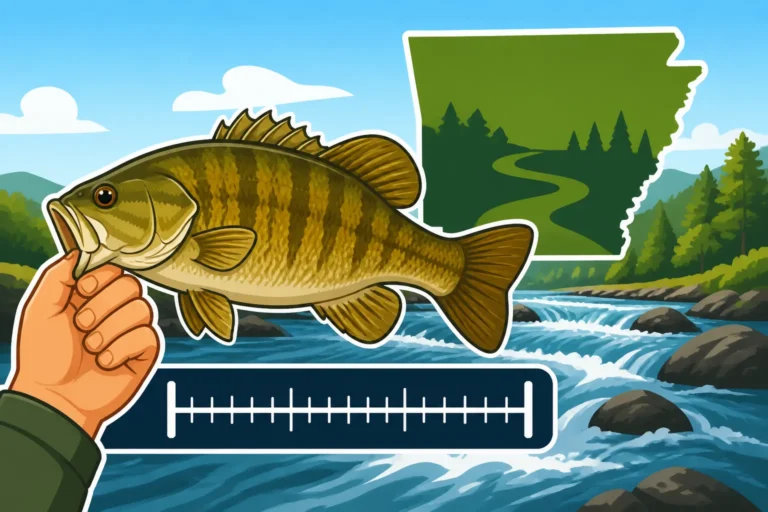
Smallmouth bass, in particular, often have special rules on Arkansas's moving waters. The Smallmouth Bass Rules on Arkansas's Moving Waters Statewide typically set a daily limit of two fish, with a minimum length of 12 inches. This is a stark contrast to largemouth bass limits on many lakes and is designed to protect these slower-growing, highly prized river residents. Rivers like the Spring River, the Little Missouri, and many smaller Ozark streams are prime examples where these smallmouth regulations are strictly enforced.
Catfish regulations can also vary on rivers. While common species like channel catfish and blue catfish might have generous limits in some river sections, flathead catfish, known for their solitary nature and slow growth, may have stricter limits or even size restrictions. Understanding these nuances is key to a successful and legal river fishing trip. Don't assume that just because you can keep five bass from a lake, you can do the same for smallmouth in a river. These rules protect the delicate balance of these specific ecosystems.
Special River Zones and Seasonal Closures
Many rivers in Arkansas feature special zones, particularly around designated "catch-and-release" sections or areas managed for specific trout or smallmouth populations. For instance, sections of the Caddo River or Cossatot River might have length restrictions that require immediate release of certain size fish. These zones are usually clearly marked with signage, but it's always wise to check the AGFC handbook before heading out.
Furthermore, some river sections might be subject to seasonal closures to protect spawning fish or sensitive habitats. For example, specific stretches might close during certain migratory bird seasons to reduce disturbance. Kayak anglers and wade fishermen need to be especially mindful of these zones, as they are often more immersed in the natural environment and might accidentally enter a restricted area. Having a reliable map, perhaps one you can waterproof or view on a robust device, like those found on Amazon, can be an invaluable tool for navigating these complex river systems and their regulations. The AGFC website often provides detailed maps and closure notices, making planning much easier.
Understanding Tailwater Trout Regulations
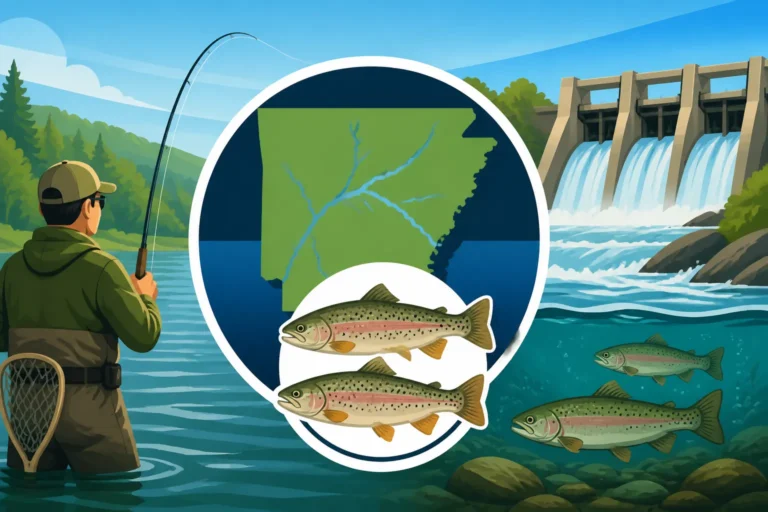
Arkansas is incredibly fortunate to have some of the finest trout tailwaters in the country, particularly below its large dams like Bull Shoals and Norfork. These cold, oxygen-rich waters create ideal habitats for rainbow, brown, cutthroat, and brook trout. However, with such a precious resource comes a very specific set of regulations designed to maintain these world-class fisheries. If you're heading to a tailwater, assume the rules are more stringent than anywhere else.
Norfork and Bull Shoals Tailwater Trout Limits
The Norfork Tailwater, flowing from Norfork Lake Dam, is a prime example of a highly regulated trout fishery. Here, the daily limit for rainbow trout is often set at two fish, with specific length restrictions. For instance, you might be required to release any rainbow trout over 14 inches. These rules are in place to foster a healthy population of larger, wilder trout and to manage the fishing pressure on these coveted waters. It’s not uncommon for guides to emphasize catch and release, even if you’re legally allowed to keep a couple.
Similarly, the Bull Shoals Tailwater, below Bull Shoals Dam on the White River, has its own intricate rules. From the dam down to Norfork Access, the same 2-trout limit often applies, and trout over 14 inches must often go back. These specific regulations, including which species are permitted to be kept and their size, are crucial knowledge for any angler venturing to these world-renowned waters. You'll definitely need an Arkansas Trout Permit Rules in addition to your regular fishing license to fish these waters if you plan on keeping any trout, so make sure you're properly endorsed. Don't forget, these aren't just for keeping fish; they contribute directly to the fantastic stocking programs that make these tailwaters so productive.
Special Trophy Trout Sections
Beyond the general tailwater limits, both the White River and Norfork River feature designated "trophy trout" or "catch-and-release only" sections. These areas are managed for truly exceptional fishing experiences, often fostering larger brown trout. For example, the Spring River Brown Trout Minimum Length in Arkansas is a notable 16 inches for any kept fish, indicating a focus on larger specimens. In some of these trophy sections, barbless hooks might be required, or certain types of bait might be prohibited to minimize harm to the fish.
Fly fishing is particularly popular in these highly regulated stretches, as it often aligns with the conservation-minded approach. Many guides specializing in these areas, like those found in Cotter or Mountain Home, will emphasize proper fish handling techniques to ensure released fish have the best chance of survival. Even if you're using spin fishing gear, checking with a local bait shop or guide on the current specific restrictions for these sections is absolutely essential. These rules help maintain the reputation of Arkansas's trout streams as world-class destinations for anglers seeking truly memorable catches.
Navigating Species-Specific Limits in Different Water Bodies
It’s one thing to know the general rules for a lake or a river, but it’s another to understand how those rules apply to specific fish species across those varied environments. Arkansas is home to nearly 200 species of native fish, but as anglers, we often focus on the most popular game fish. The complexity comes when the regulations for those popular species change depending on the exact water body you're fishing.
Bass Species Rules: Largemouth, Smallmouth, and Spotted
As we touched on earlier, bass fishing rules are perhaps the most variable. The statewide largemouth bass daily limit is five fish, with no minimum length generally, but again, remember those lake-specific variations like Lake Monticello. Smallmouth bass, especially on flowing waters, are managed much more conservatively due to their slower growth rates and the unique habitats they occupy. The limit here is typically two fish, with a 12-inch minimum length, applying to rivers and certain designated lake sections that resemble riverine environments.
Kentucky Bass, also known as Spotted Bass, are a bit of a hybrid. They tend to be more prevalent in reservoir settings, often sharing habitat with largemouths. Their regulations usually mirror the largemouth limits, but it's always good to double-check. The key takeaway is to identify your bass species correctly. A Kentucky Bass can sometimes be mistaken for a smallmouth, but their mouth structure and lateral markings are distinct. A small portable fish identification guide, easily purchased from Amazon, can be incredibly helpful for new anglers to differentiate between these similar-looking species.
Crappie, Catfish, and Panfish Regulations
Crappie, both black and white, are incredibly popular table fare and a fantastic species for family fishing. Statewide, the crappie must be 9 inches or longer to keep in Arkansas, with a daily limit of 20 fish. However, Lake Monticello's crappie limit drops to 15 fish per day, and Lake Cargile introduces a slot limit within that 15-fish daily total, allowing only 7 of them to be 12 inches or longer. These nuances are important to remember, especially if you're traveling between different lakes.
Catfish, including channel, blue, and flathead, generally have more lenient limits, but still vary. Blue catfish and channel catfish often have high daily limits, encouraging harvest. Flathead catfish, which are slower growing and solitary, often have much lower daily limits or even higher minimum length requirements. Panfish like bluegill and bream are typically very generously regulated, often with no daily limit or size restriction, making them perfect for kids and beginner anglers. This makes them a great target during Arkansas Free Fishing Weekend, as they're usually abundant and eager to bite.
Trout and Other Game Fish
Beyond the major bass and crappie species, Arkansas offers other exciting game fish. Striped bass, found in large reservoirs like Norfork Lake and Lake Hamilton, have their own specific regulations, often designed to manage the population of these hard-fighting giants. Trout, as discussed, are heavily regulated in the tailwaters, with specific limits for rainbow, brown, cutthroat, and brook trout depending on the section and whether it's a catch-and-release area.
It's truly a mosaic of rules. To simplify, here's a quick comparison of some common species and their general regulations, but remember these can have local exceptions!
| Species | Statewide Daily Creel Limit | Statewide Minimum Length | Common Exceptions (Examples) |
|---|---|---|---|
| Largemouth Bass | 5 | None (Generally) | Lake Monticello: Only 1 over 16 inches |
| Smallmouth Bass | 2 | 12 inches (Flowing Waters) | Specific rivers/streams may have catch-and-release only sections |
| Crappie | 20 | 9 inches | Lake Monticello: 15 fish; Lake Cargile: 15 fish, only 7 over 12 inches |
| Rainbow Trout | 5 | None | Norfork Tailwater: 2 fish, release over 14 inches; Bull Shoals Tailwater: 2 fish, release over 14 inches |
| Brown Trout | 5 | None | Spring River: 1 fish, 16-inch minimum length |
| Channel Catfish | 10 | None | Varies by water body, check local regs |
| Blue Catfish | 10 | None | Varies by water body, check local regs |
| Flathead Catfish | 5 | 20 inches | Varies by water body, often stricter |
| Striped Bass | 3 | 15 inches | Specific lakes may have different size/creel limits, e.g., Norfork Lake, Lake Hamilton |
| Bream/Bluegill | None | None | Generally unregulated, excellent for kids |
This table provides a snapshot, but it's absolutely crucial to consult the most current AGFC regulations before you head out, as rules can change from year to year.
Essential Gear and Preparation for Diverse Arkansas Waters
Successfully navigating Arkansas's varied fishing environments isn't just about knowing the rules; it's also about having the right gear and preparing adequately. You wouldn't use a delicate fly rod for deep-sea fishing, and the same principle applies when transitioning between a placid lake, a swift river, or a cold tailwater. The right preparation can make or break your trip, ensuring both comfort and compliance.
Rods, Reels, and Line for Different Conditions
The type of water body you're targeting will heavily influence your tackle choice. For the wide-open spaces and deeper waters of large reservoirs like Lake Ouachita or Norfork Lake, you might opt for medium to heavy action spinning or baitcasting rods, spooled with 10-20 lb monofilament or fluorocarbon, or even heavier braided line for battling big striped bass. These setups offer the power to cast larger lures and handle bigger fish.
Conversely, for smallmouth bass fishing in smaller, clearer rivers like those found in the Ozarks, a lighter action rod (medium-light to medium) with 6-10 lb test line is often preferred. This lighter gear allows for more delicate presentations of smaller baits and lures, which smallmouth often respond to best. For trout fishing in tailwaters, especially with flies, a specialized fly rod (e.g., a 5 or 6 weight) with matching reel and fly line is essential. If spin fishing for trout, ultra-light spinning gear with 4-6 lb test fluorocarbon or monofilament will give you the sensitivity and stealth you need. Always think about the fight the fish will put up and the clarity of the water when making your line choice.
Waders, Boats, and Safety Equipment
Accessing prime fishing spots often requires more than just casting from the bank. For many Arkansas rivers and tailwaters, wade fishing is a popular and effective technique. In these cold-water environments, a good pair of breathable chest waders and sturdy wading boots with felt or rubber soles are absolutely indispensable for comfort and safety. Wading staffs are also highly recommended for stability in strong currents.
For lakes and larger rivers, a boat is often a necessity, whether it's a bass boat, a pontoon, or a kayak. Always ensure your vessel is equipped with all required safety gear, including life jackets for every occupant, a throwable device, a horn or whistle, and navigation lights if you're out at dawn, dusk, or night. If you’re renting a boat, make sure to check its safety equipment before you leave the dock. Even on smaller fishing vessels like kayaks or canoes, having essentials like a first-aid kit, extra water, and a communication device (like a fully charged cell phone or satellite messenger) is critical. Many anglers find durable, waterproof cases for their phones and other electronics on sites like Amazon to be invaluable.
Baits, Lures, and Tackle Organization
Your bait and lure selection should always match the species you're targeting and the specific conditions of the water. For bass, you might carry a wide array of soft plastics, crankbaits, spinnerbaits, and topwater lures. For crappie, jigs and live minnows are often kings. Trout anglers will have a selection of small inline spinners, spoons, artificial worms, or an entire fly box filled with nymphs, dry flies, and streamers.
Keeping all this tackle organized is key to an efficient and enjoyable trip. Tackle boxes, soft-sided tackle bags, and specific fly-fishing vests or packs can help you keep everything neat and accessible. Consider pre-tying some leaders or rigs before your trip, especially for technical fisheries, to save valuable time on the water. A good pair of pliers or forceps, a line cutter, and a net suitable for the size of fish you expect to catch are also essential additions to any angler's kit.
Common Misconceptions and How to Avoid Penalties
Even with the best intentions, it's easy to fall prey to common misconceptions or simple oversights that can lead to penalties. Game wardens in Arkansas are serious about protecting the state's natural resources, and ignorance of the law is rarely an excuse. Understanding where people often trip up can help you avoid those same mistakes.
Not Having a Valid License or Permit
This is by far the most common mistake. Many anglers, especially those visiting from other states, mistakenly believe their home state license is valid in Arkansas due to some vague notion of reciprocity. Unfortunately, this is almost never the case for general fishing licenses. While there might be very specific, limited reciprocity agreements on border waters with states like Missouri or Texas, you'll almost certainly need a specific Arkansas Fishing License Reciprocity with Neighboring States to fish in Arkansas waters. Always assume you need an Arkansas license unless you've verified an exception for your specific scenario.
Another frequent oversight is neglecting the Arkansas Trout Permit Rules when fishing designated trout waters. Even if you have a valid general fishing license, if you intend to fish for or keep trout in a designated trout stream (like the White or Norfork tailwaters), you must also possess a valid trout permit. The senior exemption from the fishing license requirement is fantastic, but do seniors still need a trout permit in Arkansas? Yes, they do, though often at a reduced rate. Double-checking these small add-ons can save you a significant fine. What's the penalty for fishing without a license in Arkansas? It can range from hefty fines to confiscation of gear, so it's not a risk worth taking.
Misinterpreting Creel and Size Limits
Anglers sometimes get caught out by not understanding the difference between statewide limits and lake-specific or river-specific limits. They might have successfully fished for crappie on one lake under a 20-fish limit, then travel to Lake Monticello and continue fishing, unaware that the limit there is 15. The same goes for bass: thinking all bass limits are the same regardless of species or water body is a dangerous assumption.
Another common pitfall is the possession limit, or rather, the lack of a statewide possession limit and what that truly means. While the New Possession Limit Rule for Arkansas Anglers simplifies things by eliminating the need to count your cumulative catch at home, it does not eliminate daily creel limits. You still cannot take more than the daily limit of a specific fish species from the water in one 24-hour period. Trying to explain that "these are from yesterday's trip" to a game warden while still on the water and over the daily limit will likely not end well. Always ensure you understand and adhere to the daily limits on the specific body of water you're fishing.
Unintentional Violations of Fishing Methods
While most recreational anglers stick to traditional rod and reel, some methods like trotlines or jug lines for catfish often have very specific regulations regarding tagging, number of hooks, or placement. Failing to properly tag your lines with your name, address, and license number is a common violation. Using live bait that is prohibited in certain waters (often to prevent the spread of aquatic invasive species or diseases) is another easy mistake.
Lastly, venturing into restricted areas, such as spawning grounds or wildlife refuges where fishing is temporarily closed, can also lead to penalties. Always pay attention to signage, consult maps, and respect marked boundaries. Even something as seemingly innocent as littering can result in a fine and harms the very environment we all cherish. Responsible angling means leaving no trace and respecting all regulations, big or small.
Where to Find Official Information and Support
The Arkansas Game and Fish Commission (AGFC) is your definitive source for all fishing regulations in the state. While resources like this guide can help clarify and explain, nothing beats going directly to the source for the most up-to-date and legally binding information.
The Arkansas Game and Fish Commission Website
The AGFC website (agfc.com) is a treasure trove of information. It houses the most current fishing regulations guide, which is updated annually. You can download the full guide as a PDF, search for specific regulations by species or water body, and find information on license purchases, fish stocking reports, and public access points. It’s highly advisable to check this site before every fishing season or if you're planning a trip to a new lake or river.
The site also offers details on Arkansas Fishing License Types Explained, providing clear guidance on who needs what license and how to obtain it. You can even buy and renew your license directly online, which is incredibly convenient. The AGFC also has regional offices and a robust social media presence, where they often post alerts about regulation changes, fishing conditions, or enforcement efforts. Subscribing to their newsletters or following their social media channels can help you stay informed in real-time.
Local Bait Shops and Guides
Don't underestimate the value of local knowledge! Before hitting the water, a quick stop at a local bait shop or a chat with a fishing guide can provide invaluable, on-the-ground insights into current conditions and any recent changes in regulations. These folks are often deeply embedded in the local fishing community and can offer tips that might not be in the official handbook, like temporary access issues or particularly hot bites.
Many bait shops are also official license vendors, making them a one-stop-shop for licenses, bait, tackle, and local advice. Guides, especially those who make a living on specific waters, are intimately familiar with every nuance of the regulations and can ensure you're compliant during a guided trip. They often have the latest information on specific zones, recommended baits, and even weather patterns that could affect your outing. If you're considering a guided trip, knowing how to book a fishing guide in Arkansas can take a lot of the guesswork out of navigating complex rules.
Educational Resources and Mobile Apps
The AGFC also provides a wealth of educational resources, from brochures and videos to public workshops, designed to help anglers understand and comply with regulations. They also have an official mobile app, available for both iOS and Android, which often includes a digital copy of the regulations, license purchasing capabilities, and even fish identification tools. This can be incredibly handy to have right on your phone while you’re out on the water.
In addition to official resources, many online fishing forums and communities dedicated to Arkansas fishing can be good places to ask questions and learn from other anglers' experiences. However, always cross-reference information found on forums with official AGFC sources, as unofficial advice can sometimes be outdated or inaccurate. Investing a little time in research and leveraging these resources can dramatically improve your fishing experience and ensure you're always on the right side of the law.
Disclaimer
Please note that fishing regulations can change. While every effort has been made to provide accurate and up-to-date information in this guide, it is essential to always consult the official Arkansas Game and Fish Commission (AGFC) website or the most current AGFC fishing regulations guide for the definitive and legally binding rules before engaging in any fishing activity.