Arkansas Bass Spawn Timing by Water Temperature
It's incredibly frustrating, isn't it? You plan a perfect fishing trip, hit your favorite spot, and the bass just aren't biting. Often, the missing piece of the puzzle is understanding the bass spawn, and more specifically, how water temperature dictates everything. This guide is here to demystify the complex relationship between water temperature and the Arkansas bass spawn, helping you pinpoint those crucial windows of opportunity for an unforgettable day on the water.
Understanding the Bass Spawn Cycle in Arkansas
The bass spawn is more than just a single event; it's a dynamic cycle that unfolds over several weeks, driven primarily by the warming waters of spring. For us anglers in Arkansas, recognizing the different phases—pre-spawn, spawn, and post-spawn—is paramount to success. Each phase presents unique challenges and opportunities, and knowing what the bass are doing and why is like having a secret weapon in your tackle box.
The Annual Rite of Passage for Largemouth Bass
For largemouth bass, the spawn is an instinctual drive, a biological imperative that begins as winter's chill recedes and the days grow longer. As the water slowly begins to warm, these magnificent fish start to stage, moving from their deep wintering holes into shallower, sun-drenched areas. They're preparing for the most important event of their year: reproduction. This annual migration and the subsequent nesting behavior are a spectacular display of nature, and for anglers, it's often the most anticipated time of the fishing calendar.
During this period, largemouth bass become incredibly focused, first on feeding heavily to build up energy for the demanding spawning process, and then on finding suitable areas to build their nests. This means they become more predictable in their locations and, crucially, often more aggressive, making them prime targets. Understanding the subtle shifts in their behavior as the water temperature changes is key to consistently finding and catching these prized game fish.
How Smallmouth and Spotted Bass Differ Slightly
While largemouth bass grab most of the attention during the spawn, their cousins—the smallmouth and spotted (Kentucky) bass—also follow similar temperature-driven patterns, though with slight variations that are important to note, especially if you're targeting these specific species. Smallmouth bass, often found in the cooler, clearer waters of northern Arkansas rivers and reservoirs like Bull Shoals and Norfork, tend to spawn a bit later than largemouths, typically needing slightly warmer water temperatures to initiate their nesting.
Spotted bass, or Kentucky bass as they're commonly called here, are a fantastic fighting fish and often inhabit similar waters to largemouths, particularly in reservoirs and streams with rocky bottom structures. Their spawn timing generally mirrors that of largemouths, but they might be found in slightly deeper water for their nests or utilize different types of cover. Paying attention to these subtle distinctions, and where these different bass species typically reside, can greatly enhance your success, ensuring you're not just casting blindly. If you want to learn more, check out our guide on Kentucky Bass Fishing in Arkansas.
Why Water Temperature is the Main Driver
You might think that simply feeling the warmth of the sun or seeing buds on the trees is enough to know the spawn is on, but water temperature is the real, undeniable trigger. It’s the invisible hand guiding the entire process. Bass are cold-blooded creatures, meaning their metabolism and behaviors are directly tied to the temperature of their environment. As the water warms, their activity levels increase, their digestive systems speed up, and the hormonal changes necessary for reproduction are initiated.
A sustained period of ideal temperatures signals to the bass that conditions are right for their eggs and fry to survive. Fluctuations, such as a sudden cold front, can halt or even reverse the spawn, causing bass to pull back to deeper water until conditions stabilize. This is why just guessing isn't enough; you need to know the numbers. Understanding these thermal thresholds is your biggest asset for nailing the timing of the bass spawn in Arkansas.
Pre-Spawn Preparations and Timing by Temperature
The pre-spawn phase is arguably one of the most exciting times to fish for bass in Arkansas. The fish are hungry, aggressive, and actively moving towards their spawning grounds. This period is a furious feeding frenzy, as bass need to pack on calories for the energy-intensive process of nest building and guarding. Catching the beginning of this phase is crucial, and it all comes down to water temperature.
Early Warming and Shallow Water Movement
As winter slowly gives way to spring, typically in late February to early March in southern Arkansas and extending into April in the northern parts, the water temperature begins its slow ascent. When surface water temperatures hit the mid-40s Fahrenheit, bass start to stir. They'll begin making short forays out of their deep winter haunts, moving into slightly shallower waters, often adjacent to channels or deep cover. These movements are tentative at first, driven by the lure of warmer water and the promise of accessible forage.
As temperatures climb into the low to mid-50s, this movement becomes more pronounced. Bass will start congregating in what we call "staging areas." These are typically points, humps, creek channel swings, or transition zones with quick access to both deep water (for security and retreat during cold snaps) and shallower flats where they will eventually spawn. This is not yet a full-on rush to the banks, but a calculated advance, positioning themselves for the main event.
Aggressive Feeding as Temperatures Rise
Once the water temperatures consistently hold in the 50-60°F range, largemouth bass enter their most voracious feeding period. They become incredibly aggressive, trying to build up as much energy as possible for the upcoming spawn. This is when you'll often hear stories of anglers having their best days, catching multiple big fish. They're not just feeding to survive; they're feeding to thrive and prepare for the rigors of reproduction.
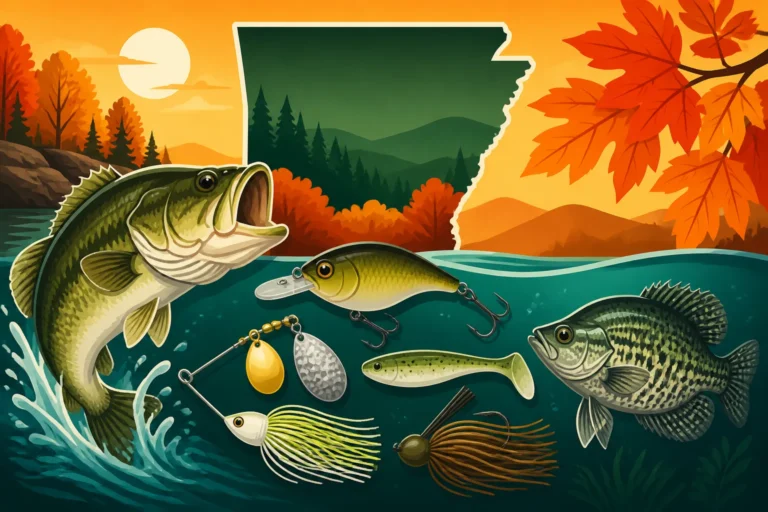
During this time, bass are actively chasing baitfish, crawfish, and anything else they can get their mouths on. This aggression makes them susceptible to a wide array of lures, from crankbaits and spinnerbaits that imitate fleeing baitfish to jigs and creature baits that mimic crawfish. Fishing during this phase, when the bass are truly "turned on," can be an absolute blast, offering some of the fastest action of the year. For more tips on this period, check out our guide on Best Time for Pre-Spawn Bass Fishing in Arkansas.
Locating Key Pre-Spawn Structures
Finding pre-spawn bass is all about identifying those staging areas—the highways and rest stops on their journey to the spawning flats. Look for features that offer quick depth changes, allowing bass to move up and down in the water column as temperatures fluctuate throughout the day. Submerged roadbeds, long points extending into deeper water, channel swings near flats, and hard bottom areas with scattered cover like stumps or rocks are prime candidates.
For example, on a lake like Lake Ouachita, you might find bass staging on rocky points that drop off into the main river channel, or in creek arms with standing timber. The key is to think about their comfort and safety. They want to be close to the groceries and the bedroom, but still have an escape route to deeper, more stable water if a cold front rolls through. A good fish finder can be your best friend here, helping you locate these underwater structures and potential schools of bass before you even make a cast.
The Peak Spawn: Water Temperature Sweet Spots
The peak spawn is what every bass angler eagerly anticipates, the period when bass move onto their nests to lay and guard eggs. This is when you might visually spot bass on beds in clear water, offering a unique sight-fishing opportunity. However, it's a delicate period, highly sensitive to environmental changes, especially temperature swings.
Ideal Temperatures for Nest Building and Laying Eggs
The true trigger for largemouth bass to move onto their beds and begin nesting behavior is a sustained water temperature between 60-70°F. In Arkansas, this typically occurs from late March through May, again, with northern lakes generally lagging behind southern ones. Once these ideal temperatures hold steady for several days, bass will scout out shallow, protected areas with hard bottom, usually in 1-5 feet of water, often near some form of cover like a log, dock piling, or lily pad clump.
They use their tails to "sweep" out a circular depression, creating a clean spot for the eggs. The male bass often builds the nest and then coaxes a female onto it to lay her eggs. This is a crucial time, as the water temperature directly impacts the viability of the eggs and the survival rate of the fry. If the water gets too cold, the eggs might not hatch, or the newly hatched bass won't survive.
| Spawn Phase | Water Temperature Range | Bass Behavior | Key Locations |
|---|---|---|---|
| Pre-Spawn | 45-59°F | Staging, aggressive feeding, moving shallower | Points, channel swings, humps, deep cover |
| Peak Spawn | 60-70°F | Nest building, egg laying, guarding beds | Shallow flats, protected coves, hard bottom |
| Post-Spawn | 70°F+ | Recovering, scattering, moving to deeper structure | Deep grass lines, brush piles, main lake points |
Visual Cues of Spawning Bass and Their Beds
One of the most exciting aspects of the spawn, particularly in clearer waters, is the ability to sight-fish for bass on their beds. You'll be looking for circular, light-colored depressions on the bottom, often about the size of a dinner plate or larger, standing out against darker surroundings. The male bass will be nearby, aggressively defending the nest. In Arkansas, lakes like Beaver Lake or Greers Ferry Lake, known for their clearer water, can offer excellent sight-fishing opportunities.
It's important to remember that these bass are incredibly vulnerable when on their beds. While the thrill of sight-fishing is undeniable, many anglers practice catch-and-release during this period to ensure the successful reproduction of the species. If you do target bedding bass, consider using a lighter approach and quickly releasing them to allow them to return to their parental duties.
The Impact of Cold Fronts on the Spawn
Just when you think you've got the spawn figured out, Mother Nature loves to throw a curveball. A sudden cold front, especially one that brings dropping air temperatures and clear, bright skies, can dramatically impact the bass spawn. These fronts cause a rapid drop in surface water temperatures, sometimes by several degrees in a single day. When this happens, bedding bass often abandon their nests, temporarily retreating to deeper water or denser cover until conditions stabilize.
This can be incredibly frustrating for anglers. One day the bass are on fire, the next they've vanished. But understanding this reaction allows you to adjust your strategy. Instead of focusing on shallow beds, you might shift to targeting those staging areas again or look for bass suspended over deeper points. The key is flexibility and patience, knowing that the bass will return to their beds once the water warms back up. Our guide on How to Fish After a Cold Front offers some excellent strategies for these challenging conditions.
Post-Spawn Recovery and Summer Transition
Once the spawning is complete, the bass enter a recovery phase. This period can be just as challenging for anglers as the spawn itself, as the fish are exhausted and their patterns are in flux. However, understanding their post-spawn behavior, driven once again by water temperature, can help you continue to find success.
Immediate Post-Spawn Exhaustion and Recovery Stages
Immediately after the spawn, both male and female bass are physically depleted. The males, having aggressively guarded the nests, often look skinny and beaten up, with torn fins. The females have expended immense energy producing and laying eggs. They need to recover, and quickly. During this initial post-spawn period, which typically lasts a week or two, bass may be lethargic and less interested in actively feeding.
They often linger near the spawning flats for a short time, perhaps in slightly deeper water or nearby cover, before beginning their migration towards their summer homes. This can be a tough time for fishing because their feeding patterns are inconsistent, and they might not be as aggressive as they were during pre-spawn. Patience and subtle presentations are often key during this recovery period.
Shifting Feeding Patterns and Depths
As bass recover from the spawn, their focus shifts back to feeding, but their diet and preferred depths can change. With water temperatures now consistently in the high 70s and 80s, bass will begin to seek out deeper, cooler water. They'll follow creek and river channels, move to the main lake body, and relate to offshore structures like humps, ledges, and deep brush piles. Their feeding patterns become more active again, but they might be found deeper than what many anglers are used to.
They're also less focused on protecting beds and more on simply replenishing their energy. This means they'll often relate to schools of baitfish, ambushing them from cover. Anglers should adjust by using techniques that target deeper water, such as deep-diving crankbaits, Carolina rigs, or slow-rolling large spinnerbaits along contour lines. Our guide on Best Time for Post-Spawn Bass Fishing in Arkansas provides more in-depth advice for this transition.
Moving Towards Summer Holding Areas
By the time the water temperatures are consistently in the high 70s and 80s, bass have fully transitioned into their summer patterns. They've moved out of the shallow spawning flats and into their deeper, cooler summer holding areas. These can include submerged timber, rock piles, main lake points, ledges, and deep grass lines. This is when fishing can become more challenging for those without proper electronics or knowledge of deep-water tactics.
However, for anglers who understand how to locate these offshore structures and present baits effectively in deeper water, summer can still be incredibly productive. The bass are no longer scattered across the shallows; they're concentrated on specific pieces of structure, making them easier to target once you find them. Think about how they relate to oxygen levels, baitfish concentrations, and shade in these deeper areas.
Arkansas Lake Specific Bass Spawn Considerations
While general water temperature guidelines apply across Arkansas, our state is diverse, with everything from expansive Corps of Engineers reservoirs to smaller, shallower Delta lakes and clear, cool Ozark streams. Each body of water has its own unique characteristics that can influence the exact timing and nature of the bass spawn.
Regional Differences Across the State
Arkansas's geography plays a significant role in when and how the bass spawn unfolds. Lakes in southern Arkansas, like Lake Monticello or Lake Chicot, typically see their bass spawn begin earlier in the spring, sometimes as early as late February or early March, due to warmer ambient temperatures and shallower, quicker-warming waters. These lakes often have a more drawn-out spawn compared to their northern counterparts.
Conversely, the large, deep, clear-water reservoirs in northern Arkansas, such as Bull Shoals Lake, Norfork Lake, and Beaver Lake, experience a later spawn. The sheer volume of water and cooler spring temperatures mean it takes longer for these lakes to reach the critical 60-70°F range. You might find bass spawning in late April and even into May in these regions. It's not uncommon for anglers to "follow the spawn" from south to north as spring progresses. To better understand the specific rules for these waters, check out Arkansas Fishing Rules for Lakes, Rivers and Tailwaters.
Impact of Water Clarity and Depth on Timing
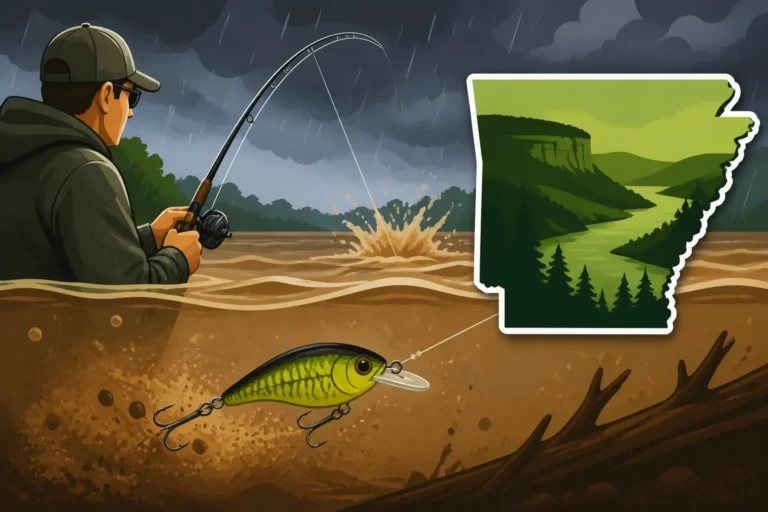
Beyond just regional temperature differences, the individual characteristics of each lake—namely, its water clarity and average depth—can significantly impact when bass spawn. In shallow, stained, or muddy lakes, the water warms up much faster because sunlight penetrates and heats the entire water column more efficiently. This often leads to an earlier and sometimes more compressed spawn.
In contrast, deep, clear lakes take much longer to warm up. The sun's rays are absorbed by a larger volume of water, delaying the onset of the spawn. Additionally, in very clear water, bass might choose to build their nests in slightly deeper water than in stained lakes, seeking better protection from predators and bright sunlight. This is a subtle nuance, but one that can make a huge difference in finding those hidden beds.
Noteworthy Lakes and Their Unique Spawn Conditions
Let's look at a few examples of how specific Arkansas lakes exhibit their own spawn characteristics:
- Lake Ouachita: As one of Arkansas's largest and clearest lakes, the spawn here can be slightly later than some other central Arkansas impoundments. Bass often relate to the abundant timber and rocky points. Knowing the average water temperatures for Best Bass Fishing Spots on Lake Ouachita, Arkansas is crucial here.
- Lake Conway: This shallower, nutrient-rich lake near Little Rock often sees an earlier spawn due to its quick-warming waters. Bass will relate heavily to the vast amounts of cypress trees and submerged vegetation. If you're planning a trip to this popular spot, check out our guide on Lake Conway Bass Fishing Near Little Rock, Arkansas.
- Bull Shoals Lake: This deep, clear Ozark reservoir, straddling the Arkansas-Missouri border, has a later spawn, often peaking in late April to early May. Smallmouth bass are also a significant player here, often spawning on rocky banks and points. Our Largemouth Bass Fishing Tips for Beginners on Bull Shoals Lake can help you prepare.
- Greers Ferry Lake: Similar to Bull Shoals in its depth and clarity, Greers Ferry also experiences a later bass spawn. Anglers targeting this lake should focus on the many pockets, coves, and rocky bluffs as water temperatures climb. Our guide to Greers Ferry Lake Bass Fishing Guide, Arkansas provides more details.
Understanding these nuances helps you fine-tune your approach for whatever Arkansas lake you choose to fish, making sure you're always aligned with what the bass are doing.
Tools and Techniques for Monitoring Water Temperature
Knowing that water temperature is the ultimate spawn trigger is one thing; actually measuring it and using that data on the water is another. Thankfully, there are several reliable tools and techniques that every serious Arkansas angler can employ to stay ahead of the curve. Don't rely on gut feeling alone—let the numbers guide you!
Reliable Thermometers for Every Angler
The most basic, yet essential, tool for monitoring water temperature is a quality thermometer. You don't need anything overly fancy or expensive to get accurate readings. Many affordable options are available. Some common types include:
- Handheld water thermometers: These are simple, often buoyant thermometers that you can cast out and retrieve, or simply lower into the water from the boat or bank. They provide a quick and accurate surface temperature reading. Brands like Amazon Basics or Berkley offer reliable and inexpensive models.
- Livewell thermometers: Many boat livewells come equipped with thermometers, providing a continuous reading of the water your fish are in, which can also be indicative of the surface temperature in the area you're fishing.
- Electronic sensor thermometers: These are often integrated into more advanced fish finders or standalone units. They provide instant digital readings, making them very convenient.
The key is to take multiple readings in different areas—sunny coves, main lake points, shaded banks—to get a comprehensive understanding of the temperature variations across the body of water.
Utilizing Boat Electronics and Online Resources
For anglers with modern boat electronics, monitoring water temperature becomes much easier. Most fish finders and depth finders (like those from Garmin, Lowrance, or Humminbird) come equipped with transducers that provide real-time water temperature readings. These displays often show the temperature right on your screen, allowing you to instantly see changes as you move across the lake. This is incredibly valuable for identifying those crucial temperature breaks that bass often relate to.
Beyond on-boat electronics, there's a wealth of online resources available. Websites for the U.S. Army Corps of Engineers, local fishing forums, or state wildlife agencies (like the Arkansas Game and Fish Commission) often provide current lake conditions, including surface water temperatures for major reservoirs. Local bait shops are also goldmines of information; the folks working there are often out on the water daily and know exactly what the conditions are like. A quick call or visit can yield invaluable insights into the current spawn status.
Observing Natural Signs of Temperature Changes
While tools and electronics are fantastic, never underestimate the power of your own observations. Nature provides many subtle clues that can indicate warming or cooling trends in the water. For instance, paying attention to what plants are doing can be a great indicator. Are the new green shoots of lily pads or cattails starting to emerge? This often signals consistently warming shallow water.
Also, observe baitfish activity. Are schools of shad or minnows moving into the shallower coves? Bass will follow their food source, and baitfish are often temperature-sensitive. Even the presence of other wildlife, like turtles basking in sunny coves, can be a sign that the water is warming up in those specific areas. Combining these natural observations with your thermometer readings gives you the most complete picture, helping you stay connected to the rhythm of the lake.
Disclaimer
Fishing conditions and regulations in Arkansas can change. Always consult the latest Arkansas Game and Fish Commission regulations before heading out on the water. This guide is for informational purposes only and should not be considered a substitute for official rules and advisories.