Fall Fishing Patterns on Arkansas Reservoirs
Many anglers find themselves a bit lost when the crisp air of autumn sweeps across Arkansas, and the vibrant summer green gives way to fiery reds and golds. That initial burst of post-summer activity can quickly turn into confusion as fish patterns shift dramatically, leaving you wondering where all the bites went. This guide is here to untangle the complexities of fall fishing patterns on Arkansas reservoirs, helping you understand the subtle cues and significant changes in fish behavior so you can adapt your techniques and enjoy a successful, memorable season.
The Seasonal Shift and Fish Behavior
Fall is a season of profound change on Arkansas's beautiful reservoirs, and understanding these shifts is key to consistently catching fish. It's not just about the leaves changing color; there are fundamental biological and environmental shifts happening that dictate where fish will be and what they'll be willing to bite.
Understanding the Fall Turnover
One of the biggest, and often most frustrating, events in fall fishing is the lake turnover. Think about summer: the sun bakes the surface, creating a warm layer of water on top, while a much colder, often oxygen-depleted layer settles at the bottom. These layers are separated by a "thermocline" – a distinct boundary. As autumn air chills the surface water, this top layer begins to cool and sink. Eventually, the surface water becomes heavy enough to plunge through the thermocline, mixing with the deeper water. This process, known as turnover, can happen quickly on smaller, shallower lakes, or gradually over weeks on larger, deeper reservoirs.
During turnover, the entire water column mixes. This can stir up debris, change water clarity, and, most importantly, scatter the fish. They lose their comfortable summer hangouts in the thermocline and can be found almost anywhere, making them incredibly difficult to pinpoint. It's a frustrating period because one day they're biting like crazy, and the next, it feels like the lake is empty. This is why you'll often hear veteran anglers say, "The lake's turning over," usually with a sigh. Patience is paramount during this phase, and a willingness to explore different depths is your best bet.
The Fall Feeding Frenzy After Turnover
Once the turnover is complete, and the water column has stabilized with more uniform temperatures and oxygen levels, a magical thing happens: the fall feeding frenzy. After the chaos of turnover, fish realize winter is coming, and they need to bulk up. This is when baitfish, like shad and herring, begin to congregate and move towards the backs of creeks and coves, following warmer water and plankton blooms. And where the baitfish go, the predators follow.
You’ll find bass, crappie, and even striped bass becoming incredibly aggressive, often chasing schools of bait to the surface, creating those exciting "boils" or "jumps" where fish are visibly smashing bait. This is a time when fish are less concerned with subtle presentations and more focused on getting a meal. Anglers who successfully locate these baitfish schools will often find some of the best fishing of the year. It's a stark contrast to the scattered patterns during turnover, offering a window of opportunity for truly epic fishing days. Understanding the general Arkansas Fishing Seasons Guide can help you time your trips perfectly for this post-turnover boom.
Prime Reservoir Locations for Fall Fishing
As the season progresses and fish transition from their summer haunts to their pre-winter patterns, certain areas of Arkansas reservoirs become absolute magnets for hungry game fish. Knowing where to focus your efforts can drastically improve your catch rates.
Targeting Main Lake Points and Humps
After the lake turnover, fish don't just disappear; they relocate. Many species will begin staging on main lake points and humps. These structures are essentially underwater mountains or ridges that extend from the shoreline or rise from the lakebed. Why are they so important? They offer a convenient cafeteria for baitfish and a strategic ambush point for predators. Baitfish, feeling the chill, will often congregate around these points, especially those with deeper water access nearby, as they move towards the shallower backs of coves or seek stable temperatures.
Game fish, particularly bass, will relate to these points, moving up and down the contours to feed. A long, tapering point that drops into a creek channel or a deep flat is prime real estate. You might find schools of white bass, largemouth, smallmouth, and even Kentucky bass suspended off these points, waiting for baitfish to swim by. When targeting these areas, look for points with a mix of rock, brush, or timber, as these offer extra cover for both predator and prey. Reservoirs like Lake Ouachita: Arkansas's Largest Lake for Bass and Crappie Fishing and Greers Ferry Lake Bass Fishing Guide, Arkansas are renowned for their productive main lake points in the fall.
Creek Channels and Transition Areas
Think of creek channels in a reservoir as underwater highways. As temperatures continue to drop, fish will use these channels to move from the main lake into the shallower, often warmer, backs of creeks and coves. These channels, especially where they intersect with points, humps, or flats, become vital "transition areas." These are zones where fish can easily move between different depths and habitat types without expending too much energy.
Look for areas where a creek channel swings close to a prominent point or where it crosses a large flat. These are often choke points where baitfish concentrate, and game fish lie in wait. Subtleties like an old roadbed crossing a creek channel, a cluster of standing timber along its edge, or even a slight change in bottom composition can be game-changers. Many anglers overlook these seemingly ordinary spots, but they can hold massive schools of crappie, bass, and even catfish. Pay attention to your electronics here – seeing baitfish schools in or near these channels is a huge indicator that game fish aren't far behind.
Essential Techniques and Lures for Fall Success
Once you understand where the fish are likely to be, the next step is knowing how to catch them. Fall fishing demands a versatile approach, as conditions can change quickly, and fish behavior will vary from the early turnover phase to the later feeding frenzy.
Adapting Your Presentation to Cooler Water
As water temperatures continue to drop throughout the fall, fish metabolism slows down. This often means they're less willing to chase a fast-moving lure over long distances. So, while the immediate post-turnover period might see aggressive bites on fast retrieves, as fall deepens, you'll generally need to slow down your presentation. This doesn't mean always fishing slowly; it means being ready to adapt.
For active fish, especially during a feeding frenzy, fast-moving reaction baits like lipless crankbaits or shallow-running crankbaits in shad patterns are incredibly effective. You can find a fantastic selection of these on reputable sites like Amazon, ready to ship to your door. However, if the bite is tougher, switch to slower, more deliberate presentations. Jerkbaits are phenomenal in cooler water, as their erratic darting action followed by a long pause often triggers strikes from hesitant fish. Jigs, especially football jigs or skirted jigs fished slowly along the bottom of points and humps, can also entice lethargic bass. For crappie, small jigs or live minnows suspended under a float or fished vertically in brush piles are hard to beat. Remember to match your lure size and color to the local forage, paying close attention to shad patterns.
The Importance of Electronics and Scouting
Gone are the days when you could just throw a line in and hope for the best, especially on vast Arkansas reservoirs. Modern marine electronics are not just a luxury; they're a necessity for consistent fall fishing success. Your boat's sonar, particularly with side imaging and down imaging capabilities, can reveal entire schools of baitfish, individual game fish suspended in timber, or subtle changes in bottom contour that indicate a productive spot.
Before you even make your first cast, spend time scouting. Idle over main lake points, scan creek channels, and explore humps, meticulously watching your fish finder. Look for dense schools of baitfish, often appearing as large clouds on your screen. Where there's bait, there are usually predators. Pay attention to how game fish are relating to structure – are they suspended above it, tucked into brush, or cruising along the bottom? This intel is invaluable. It removes the frustration of fishing "blind" and allows you to present your lures directly to where the fish are holding. Many anglers even mark potential hot spots on their GPS during scouting trips, returning later with their rods to capitalize on their discoveries. Think of it as doing your homework before the big test; it seriously pays off!
Species-Specific Fall Strategies on Arkansas Reservoirs
While many fall patterns apply broadly, specific game fish species have their own preferred hangouts and feeding behaviors as the temperatures drop. Tailoring your approach to the species you're targeting will significantly boost your success.
Bass Fishing Patterns
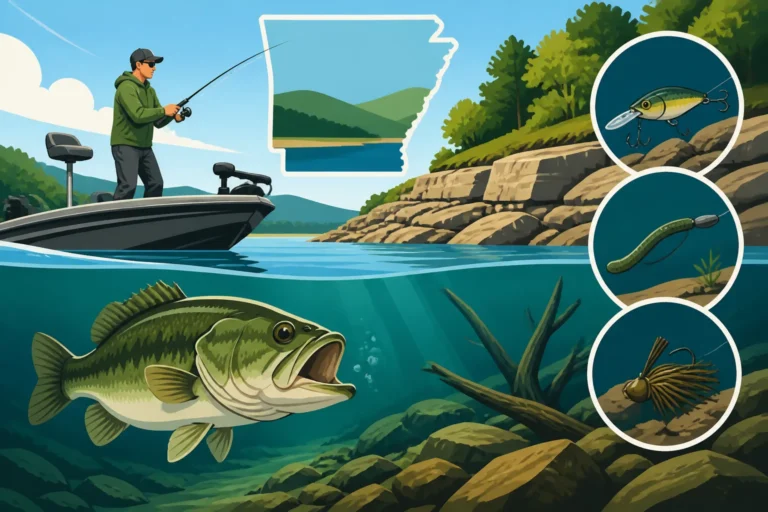
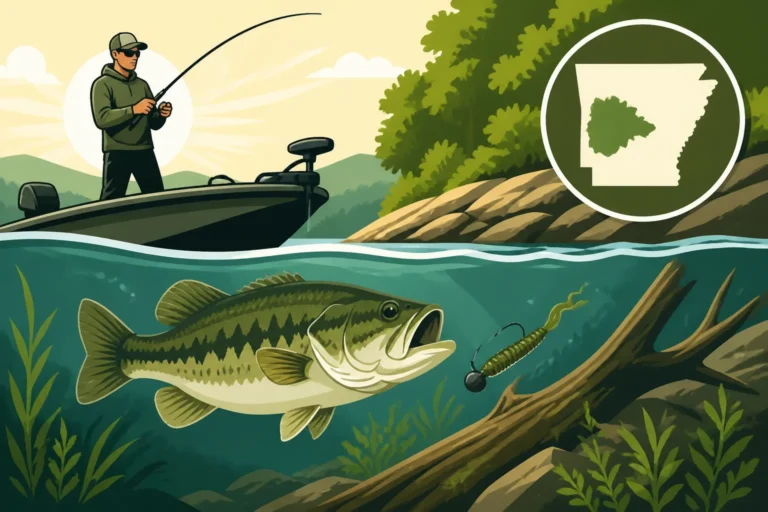
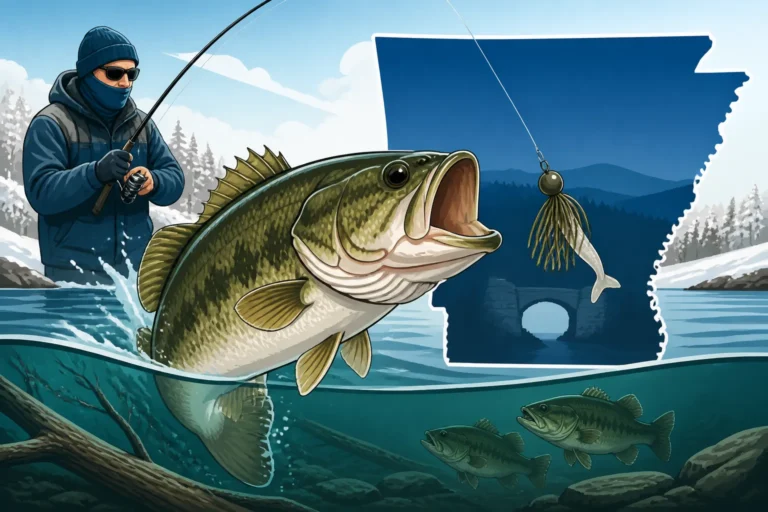
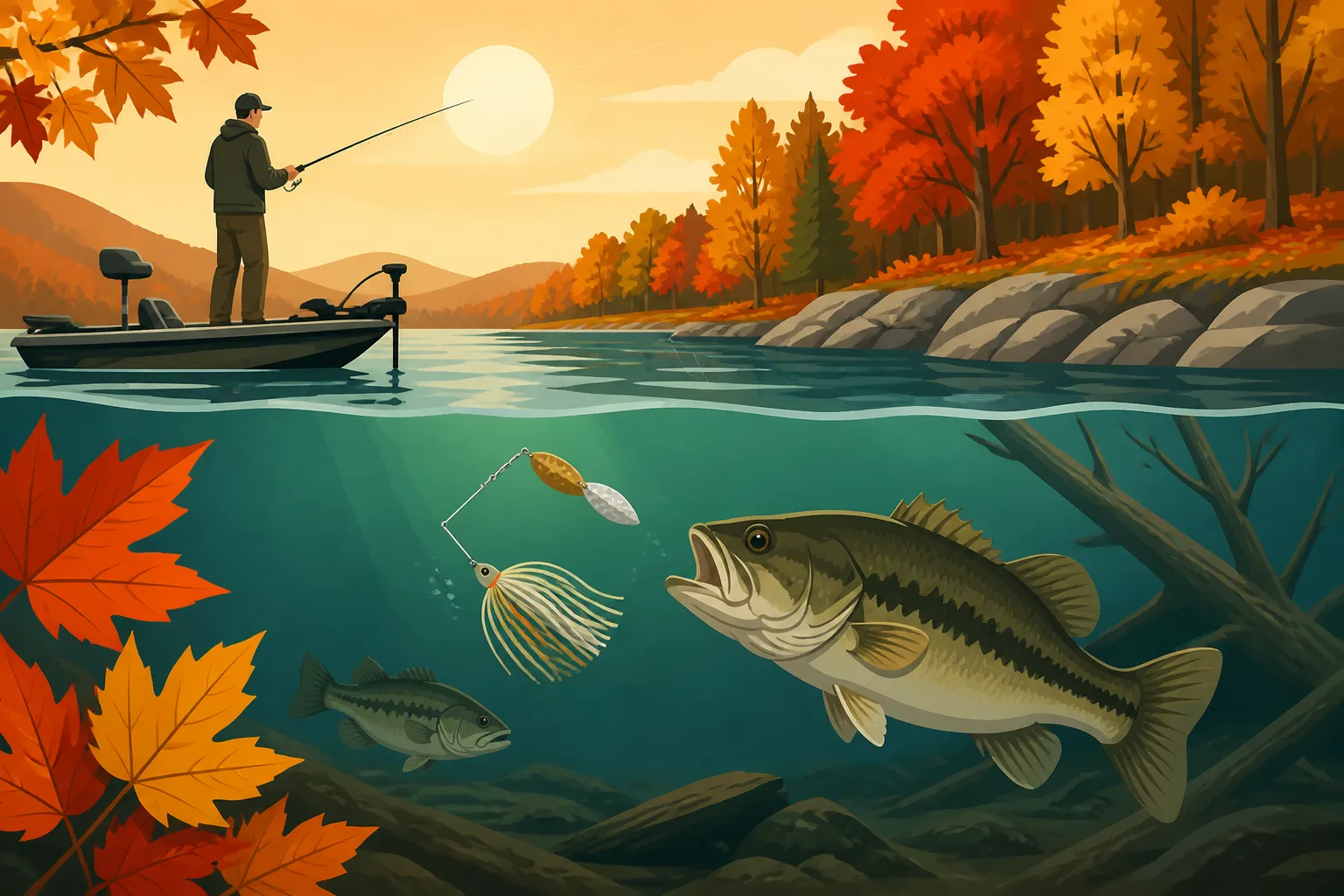
Fall bass fishing in Arkansas reservoirs can be absolutely epic. Largemouth bass, after the turnover, will often follow baitfish into the backs of creeks and coves, especially those with standing timber or brush. They'll also patrol shallow main lake points and rocky banks, ambushing shad. Crankbaits that mimic shad, spinnerbaits, and topwater lures (especially on calm, warm fall mornings) can be incredibly effective when fish are active. If they're a bit deeper, jigging spoons or football jigs worked along ledges and humps can get bites.
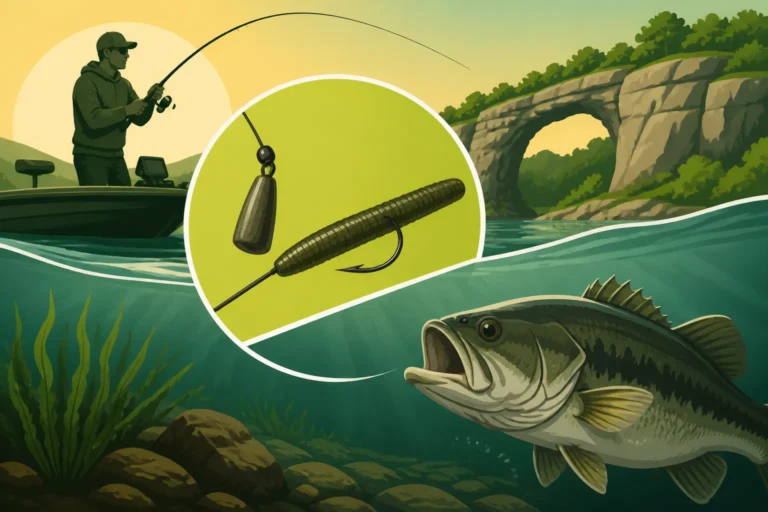
Smallmouth bass, often found in clearer, rockier reservoirs like Bull Shoals or Beaver Lake, tend to stay closer to deeper main lake points, rocky bluffs, and humps. They're often structure-oriented, so drop-shot rigs, tube jigs, or small crankbaits fished near rock piles can be deadly. You might even find them suspended over deep water, chasing bait. Knowing Where to Find Smallmouth Bass in Arkansas can really narrow down your search. Kentucky bass, or spotted bass, frequently suspend over creek channels or relate to deep structure, often found in conjunction with largemouth. They’re notorious for hitting crankbaits and jigs. For even more specific tactics, check out guides like Fall Fishing Patterns for Bass and Crappie.
Crappie Fishing Patterns
Crappie also make a significant move in the fall, shifting from shallow summer cover to deeper wintering areas, but with plenty of feeding stops along the way. In early fall, you might still find them in brush piles in 10-15 feet of water. As temperatures cool, they’ll migrate towards deeper standing timber, creek channel bends, and main lake brush piles in 20-30 feet or more. Reservoirs like Lake Conway, Lake Ouachita, and DeGray Lake are fantastic for fall crappie.
The key to fall crappie is often vertical jigging or slow trolling. Use small jigs (1/16 to 1/8 ounce) tipped with a minnow or a soft plastic grub, presented directly to the fish you see on your electronics. Spider rigging, where you deploy multiple rods with different depth presentations, is also very popular for covering water and finding the desired depth. Crappie can be finicky, so experimenting with jig colors and retrieve speeds is crucial. Don't forget that live minnows are almost always a reliable choice for crappie. For a full breakdown of their seasonal habits, dive into our Crappie Fishing Season Guide.
Striper and Catfish Approaches
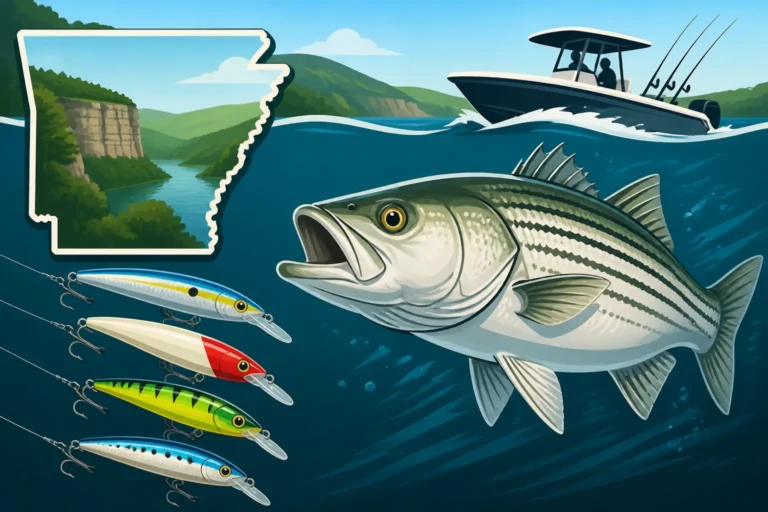
For those chasing bigger game, fall also offers excellent opportunities for striped bass and catfish. Striped bass are powerful, open-water predators that absolutely thrive on the fall baitfish migration. They will aggressively chase large schools of shad in the main lake basin, often pushing them to the surface, creating spectacular feeding frenzies. Trolling large crankbaits or live bait (like shad or trout) is a popular and effective method for stripers. Look for them around main lake humps, points, and anywhere you mark dense baitfish schools. These fish are fighters, and you'll want stout gear! Our Striped Bass Trolling Techniques guide offers even more insights.
Catfish, including channel, blue, and flathead, remain very active throughout the fall. Blue catfish, especially, will often follow baitfish into deeper creek channels and river bends, particularly on larger rivers like the Arkansas River or massive reservoirs. Bottom fishing with cut bait, live bait, or stink baits is highly effective. Flathead catfish often prefer live bait and will relate to deep timber and rocky structures. Don't overlook trotlines or jug fishing as effective methods for targeting these powerful bottom dwellers. You can find a good selection of specialized catfishing gear on Amazon, from heavy-duty hooks to durable line. For detailed advice on bottom tactics, check out Catfish Bottom Fishing Techniques.
| Species | Preferred Fall Habitat | Best Lures/Techniques | Key Considerations |
|---|---|---|---|
| Largemouth Bass | Backs of creeks, shallow points, standing timber | Crankbaits, Spinnerbaits, Jigs, Topwater | Follows shad, can be aggressive in feeding frenzies. |
| Smallmouth Bass | Deeper rocky points, bluffs, humps | Drop-shots, Tube Jigs, Small Crankbaits | Structure-oriented, often suspended or near rock. |
| Crappie | Deep brush piles, standing timber, creek channels | Vertical Jigs (1/16-1/8 oz), Live Minnows, Slow Trolling | Migrates from shallow to deep, often found in schools. |
| Striped Bass | Main lake basin, open water, humps, points | Large Crankbaits, Live Bait (shad/trout), Trolling | Chases baitfish schools, creates surface boils. |
| Catfish | Deep creek channels, river bends, timber, rocky structures | Cut Bait, Live Bait, Stink Bait, Bottom Fishing, Jugging | Remains active, especially blue cats following bait. |
Disclaimer
Fishing conditions and regulations in Arkansas can change. Always consult the latest Arkansas Game and Fish Commission regulations before heading out. This guide is for informational purposes only and should not replace official guidelines.