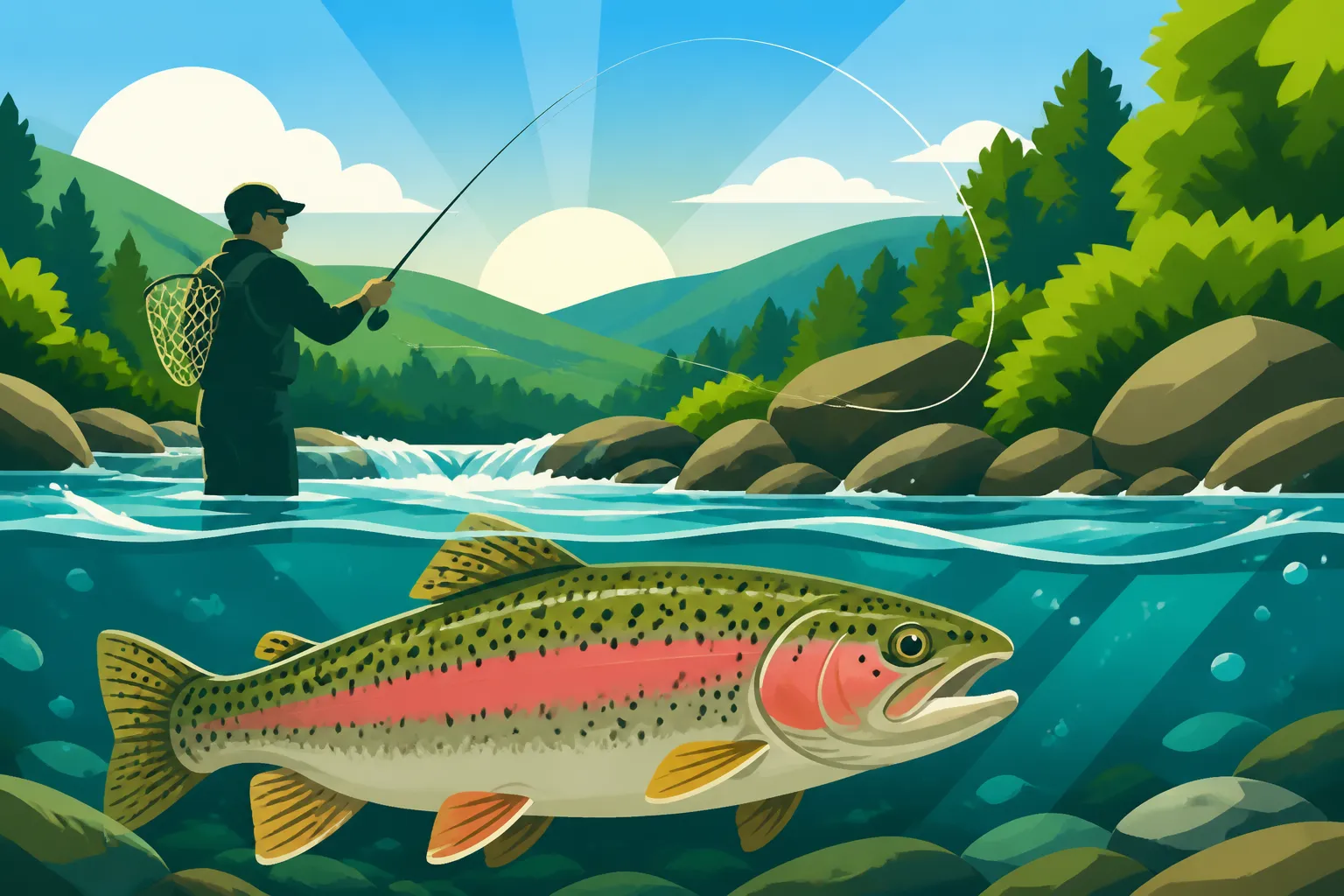
Arkansas Tailwater Trout Fishing Guide
There's nothing quite like the allure of Arkansas's tailwater trout fisheries, yet for many anglers, especially those new to the game, these powerful, cold-water rivers can feel incredibly daunting. You might be staring at your map, wondering how the water released from a dam upstream suddenly transforms a warm-water river into a pristine trout haven, or perhaps you're just overwhelmed by the sheer amount of specialized gear and techniques discussed in online forums. Don't even get me started on trying to decipher all those nuanced regulations that seem to change depending on which mile marker you're fishing! This comprehensive guide is designed to cut through the confusion, validate your frustrations, and arm you with the knowledge and confidence to successfully navigate and truly enjoy the world-class trout fishing Arkansas's tailwaters have to offer.
Understanding Arkansas's Premier Tailwaters
Arkansas is blessed with some of the finest tailwater trout fisheries in the entire country, all thanks to our incredible dam systems. These aren't your typical freestone rivers; they are unique, cold-water environments created by the controlled releases from large impoundments. This consistent flow of cold, oxygenated water downstream from the dams creates ideal habitats for various trout species, turning otherwise warm-water rivers into vibrant, productive fisheries.
The White River System
When we talk about Arkansas tailwater trout fishing, the White River is often the first name that springs to mind, and for good reason. Originating in the Boston Mountains, this river transforms below the massive Bull Shoals Dam into a legendary trout fishery. From Bull Shoals down past Cotter, often referred to as "Trout Capital USA," and even further downstream past Lakeview and Gastons, the White River offers miles upon miles of incredible trout habitat. The constant cold water, rich aquatic insect life, and diverse bottom structure make it a prime location for rainbow, brown, cutthroat, and brook trout. Anglers often flock here seeking trophy brown trout, which grow to impressive sizes, making the White River a bucket-list destination for many. You'll find sections here that cater to everything from drift boat fly fishing to bank fishing, offering diverse experiences depending on your preference and the water generation schedule. If you're planning a trip, be sure to look into Bull Shoals Tailwater Trout Rules in Arkansas to understand the specific regulations for this famed stretch.
Norfork Tailwater's Unique Characteristics
Just a stone's throw from the White River, you'll find the Norfork Tailwater, emerging from the base of Norfork Dam. This river, though shorter in length, packs a powerful punch, often producing some of the largest trout in the state. It's notorious for its extremely clear water and a consistent flow that fosters incredible insect hatches, making it a favorite among fly fishermen. The Norfork is particularly known for its challenging, yet rewarding, conditions, demanding stealth and precision from anglers. The clarity means trout are often more wary, and presentation becomes absolutely critical. While smaller in scale than the White, its reputation for quality over quantity is well-deserved. Anyone venturing here should get familiar with the Norfork Tailwater Trout Limit Rules in Arkansas as they can be quite specific to protect this delicate fishery. Many anglers find the intense focus required here to be incredibly rewarding, pushing their skills to new limits.
Little Red River's Trout Haven
Further south, the Little Red River below Greers Ferry Dam offers another fantastic tailwater experience, especially renowned for its robust population of healthy trout. While perhaps not as globally famous as the White or Norfork for sheer trophy size, the Little Red consistently produces excellent fishing for solid rainbows and browns, and it's a bit more accessible for many anglers in central Arkansas. The river winds through beautiful, forested landscapes, providing a scenic backdrop to your fishing adventure. It features diverse sections, from fast-flowing runs to slower, deeper pools, accommodating both fly and spin anglers. The river often sees less pressure than some of its northern counterparts, offering a more relaxed angling experience at times. The access points are generally well-maintained, and there are plenty of resources available locally for guided trips and gear.
The Science of Tailwaters: How Dams Create Trout Fisheries
It's easy to take for granted these fantastic trout streams, but their existence is a direct result of intricate engineering and ecological processes. The dams themselves, built primarily for flood control, hydropower, or navigation, inadvertently create the perfect conditions for cold-water species like trout. Understanding this "why" can often help you predict trout behavior and choose the best tactics.
Cold Water Releases and Oxygenation
This is the absolute cornerstone of a tailwater fishery. Before a dam, a river's temperature naturally fluctuates with the seasons and air temperature. However, large reservoirs stratify, meaning the water separates into layers of different temperatures. The deepest water, shielded from the sun, remains consistently cold, often in the 40-50°F range, even in the scorching Arkansas summer. When water is released from the bottom gates (known as "siphoning"), it carries this cold, dense water downstream. This cold water is critical because trout are extremely sensitive to temperature; anything above 68-70°F can be lethal to many species. The dams effectively create a year-round cold-water habitat that simply wouldn't exist otherwise.
But it's not just about temperature. The turbulent journey of this water through the dam's turbines or spillways also re-oxygenates it, which is equally vital for trout survival. Cold water holds more dissolved oxygen than warm water, and the churning action ensures the trout have plenty of breathable oxygen. Without these cold, oxygenated releases, these sections of river would quickly become unsuitable for trout, reverting to warm-water species like bass and catfish. It's a delicate balance that fishery managers constantly monitor, adjusting release schedules to maintain a healthy environment for the trout.
Consistent Flows and Aquatic Insect Life
Another often-overlooked benefit of tailwaters is the relatively consistent flow, which, despite generation schedules, provides a stable environment for aquatic insect life to flourish. Unlike natural rivers that can experience drastic flow changes from heavy rains or droughts, dam-controlled rivers often maintain a more regulated flow regime. This consistency allows for robust populations of mayflies, caddisflies, midges, and stoneflies – the primary food source for trout, especially in fly fishing meccas like the White and Norfork rivers.
These insects, in their various life stages (nymphs, larva, pupa, adults), provide a continuous buffet for trout throughout the year. The gravel and rock bottoms, kept relatively stable by the consistent flows, become ideal homes for these invertebrates. This rich food base is what allows trout to grow large and healthy. Anglers who take the time to observe the river and understand the prevailing insect hatches will often be the most successful. It's not just about tossing a fly; it's about matching the "hatch," or imitating the insects that the trout are actively feeding on at that moment. This consistent food supply, combined with the ideal water temperatures, paints a clear picture of why these tailwaters are such prolific trout fisheries.
Essential Gear for Arkansas Tailwater Anglers
When you're heading to an Arkansas tailwater, having the right gear isn't just about comfort; it's about safety, efficiency, and ultimately, success. You're dealing with cold, often powerful water, and specialized equipment makes all the difference. While the general principle of fishing remains the same, the specifics for trout in a tailwater environment are crucial.
Rods, Reels, and Line Selection
For fly fishing on Arkansas tailwaters, a 9-foot rod in a 5 or 6-weight is a versatile choice for most situations. This length helps with line control and casting larger indicator rigs or streamers. For the more delicate Norfork Tailwater, some might opt for a 3 or 4-weight for lighter presentations. Your reel should be a reliable disc-drag model that balances your rod, as it's primarily a line storage device, but a smooth drag is essential when hooking a powerful brown trout. Weight-forward floating fly lines are standard, but you might want a sink-tip or full sinking line for streamer fishing or targeting deeper runs during high water.
If spin fishing is your preference, a light to medium-light spinning rod, around 6 to 7 feet in length, paired with a matching spinning reel, will serve you well. Look for rods with a fast action tip for sensitivity and solid backbone for fighting fish. Spool your reel with 4-8 pound test monofilament or fluorocarbon line. Fluorocarbon is especially popular due to its low visibility underwater and excellent abrasion resistance, which is a big plus when fishing around rocks. Some anglers prefer braided line for its sensitivity and casting distance, often adding a fluorocarbon leader. Brands like Amazon offer a wide array of options for both fly and spin gear, making it easy to find what you need.
Waders, Boots, and Safety Gear
This is non-negotiable for tailwater fishing. Neoprene waders are fantastic for cold weather, providing excellent insulation, but breathable waders are typically preferred for year-round comfort, especially in warmer months. Pair them with sturdy wading boots that offer good ankle support and grip. Felt soles used to be the standard, but rubber soles with carbide studs are now very popular, providing superior traction on slick, algae-covered rocks. Always wear a wading belt; it's a critical safety item that can prevent your waders from filling completely with water should you stumble.
Beyond waders and boots, never overlook other safety essentials. A wading staff is invaluable for stability, especially when crossing swift currents or navigating unseen drop-offs. A personal flotation device (PFD) is highly recommended, especially when fishing from a boat or in sections with strong currents or fluctuating water levels. Water levels on tailwaters can rise rapidly with dam generation, so always be aware of the generation schedule and have an exit plan. A small first-aid kit, a whistle, and a way to communicate (like a fully charged phone in a waterproof case) are also smart additions to your pack.
Terminal Tackle and Fly Selection
Your terminal tackle will vary greatly depending on your chosen method. For fly fishing, you'll need a range of leaders and tippets. Tapered leaders, typically 7.5 to 9 feet long, ending in a 3x to 6x tippet, are common. Carrying spools of various tippet sizes allows you to adjust to changing conditions and fly sizes. As for flies, a basic selection should include various nymph patterns (like Prince Nymphs, Hare's Ears, Pheasant Tails, midges in different sizes), dry flies (Elk Hair Caddis, Adams, Parachute Adams for hatches), and a few streamer patterns (Woolly Buggers, Sculpins) to imitate baitfish. Don't forget strike indicators and split shot for nymphing.
Spin anglers will want a selection of small inline spinners (like Panther Martins, Mepps, Rooster Tails), spoons (Kastmasters, Little Cleos), and small jerkbaits or soft plastic swimbaits. Marabou jigs in various colors and weights are also incredibly effective, especially for crappie-sized trout. For bait fishing, bring a selection of hooks (sizes 6-12), split shot, and small bobbers. Popular baits include corn, salmon eggs, powerbait, and small worms. Remember, regulations on bait use can vary by river section, so always check the local Arkansas Fishing Regulations Guide before you head out. A multi-compartment tackle box or fly box is essential for keeping all this organized.
| Gear Category | Fly Fishing (Typical Setup) | Spin Fishing (Typical Setup) |
|---|---|---|
| Rod | 9-foot, 5 or 6-weight, medium-fast action | 6-7 foot, Light to Medium-Light action |
| Reel | Disc-drag, balances rod, for line storage | Matching spinning reel, smooth drag |
| Line | Weight-forward floating line (WF5F or WF6F) | 4-8 lb test monofilament, fluorocarbon, or braided line |
| Leaders/Tippet | Tapered leaders (7.5-9 ft, 3X-6X), tippet spools | Fluorocarbon leader (optional, 2-4 ft, 4-8 lb test) |
| Waders | Breathable or Neoprene chest waders | Breathable or Neoprene chest waders |
| Wading Boots | Rubber or felt sole with studs | Rubber or felt sole with studs |
| Safety Gear | Wading belt, wading staff, PFD, first-aid, whistle, waterproof phone case | Wading belt, wading staff, PFD, first-aid, whistle, waterproof phone case |
| Lures/Flies | Nymphs, Dry Flies, Streamers, Midges | Inline Spinners, Spoons, Small Jigs, Jerkbaits |
| Bait (if allowed) | N/A | Corn, Salmon Eggs, PowerBait, Worms (check regulations) |
Mastering Tailwater Techniques: Fly Fishing and Spin Fishing
Trout in tailwaters are often selective and pressured, which means you need to bring your A-game. Whether you prefer the elegance of fly fishing or the versatility of spin fishing, there are specific techniques that will significantly increase your chances of success. It's all about presentation, understanding the trout's feeding habits, and adapting to the river's conditions.
Nymphing and Dry Fly Strategies
Nymphing is arguably the most productive fly fishing technique on tailwaters, as trout spend the vast majority of their lives feeding subsurface on aquatic insect nymphs. The key to successful nymphing is achieving a natural drift, mimicking a free-floating insect. This often involves using an indicator (a small bobber) to detect subtle strikes and controlling your line to prevent drag. You might use a single nymph or a multi-nymph rig, sometimes with split shot to get your flies down to the feeding zone. European nymphing techniques, which involve specialized rods and lines for direct contact and no indicator, have also become incredibly popular for their sensitivity and precision. Different depth ranges, from shallow runs to deep pockets, require adjustments in weight and indicator placement.
Dry fly fishing, while perhaps less consistently productive, is incredibly exciting. It relies on trout feeding on adult insects that have hatched and are floating on the surface. To succeed, you need to "match the hatch," meaning using a fly that closely imitates the size, shape, and color of the natural insects. Presentation is paramount here; a drag-free drift is essential. This often means making short, precise casts upstream of rising fish and mending your line to keep it floating naturally. Early mornings and late evenings, or specific periods during a heavy hatch, are typically the best times for dry fly action. Being patient and observing the water for rising fish is key to knowing when to switch to a dry fly. A good pair of polarized sunglasses will help you spot rises and submerged structure.
Streamer Fishing Tactics
When trout aren't actively feeding on nymphs or dry flies, or when you're specifically targeting larger, more aggressive brown trout, streamer fishing can be incredibly effective. Streamers are designed to imitate baitfish like sculpins, shad, or even smaller trout. This technique involves casting a larger, often weighted, fly and then stripping it back in various ways to mimic a swimming baitfish. The retrieve can vary – short, aggressive strips; long, slow pulls; or even jigging motions. Streamers are often fished with sink-tip or full sinking lines to get them down into deeper water or swift currents.
This is a more active style of fly fishing, requiring constant movement and often covering a lot of water. It's especially effective in periods of high water or when the fish are less active on insect hatches. Fishing streamers around structure like submerged logs, rock shelves, or undercut banks is often productive, as these are prime ambush points for predatory trout. The White River, known for its trophy brown trout, is an excellent place to practice streamer fishing, especially during the fall when browns become particularly aggressive. The take can be violent and incredibly exciting, often resulting in strong fights with powerful fish.
Spin Fishing with Lures and Bait
Spin fishing offers a different approach to tailwater trout, often allowing for longer casts and precise targeting of specific spots. Inline spinners are a classic choice; their rotating blade creates flash and vibration that attracts trout. Experiment with different blade colors and sizes, as trout can be particular. Small spoons, like the classic Kastmaster or Little Cleo, also produce great results, especially when retrieved with an erratic, fluttering action that mimics an injured baitfish. These lures cast well and sink quickly, making them good for deeper runs.
Small jigs, especially those tied with marabou or chenille, are incredibly versatile. They can be cast and retrieved, bounced along the bottom, or suspended under a bobber. Tipping a jig with a piece of PowerBait or a small worm can sometimes enhance its appeal. When using bait, such as PowerBait, salmon eggs, or corn (always check local regulations, as bait is not allowed on all sections or rivers), fishing it off the bottom with a small weight or drifting it under a bobber are common and effective methods. The key, regardless of the lure or bait, is to ensure a natural presentation. Avoid heavy lines and hardware that might spook wary trout. Remember, even with spin gear, sometimes a stealthy approach and understanding the fish's feeding lanes are as important as the lure itself. Many anglers will find great value in carrying both traditional and unconventional baits, allowing them to adapt on the fly.
Navigating Regulations and Conservation on Arkansas Tailwaters
Fishing these incredible tailwaters isn't just about catching fish; it's about being a responsible angler and understanding the rules designed to protect these precious resources. Arkansas has specific regulations for its trout waters, and they can vary significantly from statewide rules, and even from one tailwater section to another.
Special Regulations and Catch Limits
Arkansas's tailwaters often have special regulations that differ from general statewide fishing laws. These special rules are put in place by the Arkansas Game and Fish Commission (AGFC) to protect specific trout populations, encourage natural reproduction, and manage the fishery for quality angling experiences. For example, some sections might have a "catch-and-release only" rule, while others may have different size limits or daily creel limits than elsewhere. You might encounter "artificial lures only" sections, where bait is prohibited, or specific restrictions on the use of treble hooks.
A common regulation on many tailwaters is a slot limit, which means you can keep fish below a certain size and above another size, but must release fish within a specific "slot" to protect a particular age class of spawning fish. For instance, on the White River, you'll find different regulations depending on whether you're above or below certain access points. It's absolutely crucial to consult the most current AGFC fishing guide before you head out. These guides are available online, at license vendors, and often at local bait shops or outfitters near the rivers. Ignoring these rules can result in hefty fines and a loss of fishing privileges, so staying informed is not just good practice, it's mandatory.
Trout Permits and Licenses
Beyond the standard Arkansas Fishing License Rules and Costs, if you intend to fish for trout in Arkansas, you'll need to purchase an additional Trout Permit. This permit is required for anyone keeping trout, or even fishing in certain designated trout waters, regardless of whether you plan to keep fish or not. This is an extra stamp that goes on top of your regular fishing license, and the funds generated from these permits directly support the management, stocking, and conservation efforts for Arkansas's trout fisheries.
The cost of a Resident Trout Permit Cost in Arkansas is quite reasonable, and it's a small price to pay for access to such world-class fishing. For out-of-state anglers, the Nonresident Trout Permit Price is $20 in Arkansas in addition to their non-resident fishing license. It's a common mistake for visiting anglers to forget this extra permit, so make sure it's on your checklist. You can purchase both your fishing license and trout permit online through the AGFC website, at most sporting goods stores, or local bait shops. Make sure you have both in your possession while fishing, as game wardens regularly check for compliance.
Practicing Catch and Release Ethically
While keeping a few trout for a fresh meal is a wonderful part of the fishing experience, many anglers on Arkansas's tailwaters, especially on trophy sections, practice catch and release to preserve the fishery for future generations. If you intend to release fish, doing so ethically is paramount to their survival. Here are some key practices:
- Minimize Handling: Try to keep the fish in the water as much as possible. If you must handle it, do so with wet hands to avoid removing its protective slime coat, which defends against disease.
- Barbless Hooks: Using barbless hooks, or pinching down the barbs on your regular hooks, makes removal much easier and less damaging to the fish.
- Proper De-hooking Tools: Carry a pair of long-nosed pliers or hemostats to quickly and safely remove hooks.
- Time Out of Water: Limit the fish's time out of water to only a few seconds for a quick photo, if desired. Fish cannot breathe air.
- Revival: If a fish is lethargic after the fight, hold it gently facing upstream in the current until it regains its strength and swims away on its own.
By adhering to these ethical catch-and-release practices, we all contribute to the long-term health and vitality of Arkansas's exceptional tailwater trout fisheries. It ensures that those big, beautiful trout are there for someone else to enjoy another day, which is the mark of a true conservation-minded angler.
Seasonal Strategies for Tailwater Trout Success
One of the great things about Arkansas's tailwaters is that they offer fantastic fishing opportunities year-round, but trout behavior changes significantly with the seasons. Understanding these patterns and adapting your approach is key to consistent success. The consistent cold water from the dams helps stabilize the environment, but changes in insect activity, water generation, and air temperature still influence how and where trout feed.
Spring: Hatches and High Water
Spring on the tailwaters is often characterized by increasing insect activity and potentially fluctuating water levels as winter snowmelt runoff and spring rains fill reservoirs, leading to more generation from the dams. As water temperatures slowly begin to rise (still cold, but relatively warmer than winter), metabolic rates of both insects and trout increase. This is prime time for prolific hatches of insects like Caddisflies and various Mayflies. During these hatches, trout often become very active, feeding aggressively on emerging nymphs and adult dry flies on the surface.
This is when fly anglers can have a field day with dry fly fishing, especially in the late mornings and afternoons. For nymphing, using patterns that imitate emerging insects is highly effective. Spin anglers can do well with small spinners or jigs retrieved slowly near the bottom, especially when water levels are high. Higher water can also push fish closer to the banks, making them more accessible from shore. Pay close attention to water clarity; after heavy rains, the water might be stained, making brighter, more visible lures or flies a better choice. It's a season of abundance, but also one that requires adaptability to changing conditions.
Summer: Deep Water and Nocturnal Bites
Summer in Arkansas means heat, but the tailwaters continue to provide that essential cold water from the dam releases. While air temperatures soar, the water remains in the ideal range for trout. However, brighter sunlight and warmer surface temperatures (away from the immediate dam output) can make trout more lethargic during the middle of the day. They often retreat to deeper, cooler water or seek refuge in shaded areas and undercuts.
Early mornings and late evenings become prime fishing times, as trout move into shallower feeding lanes. Nymphing deep runs and pools is usually the most productive technique during the day. Small, subtle patterns, especially midge imitations, can be very effective in the clear, low-light conditions of summer mornings and evenings. Streamer fishing can also work well, particularly during generation when trout might be more aggressive. An exciting summer phenomenon on some tailwaters, especially for trophy brown trout on the White River, is the nocturnal bite. After dark, large browns often move into shallow water to hunt baitfish, presenting a thrilling challenge for dedicated night anglers using large streamers or topwater flies.
Fall: Trophy Brown Trout Opportunities
Fall is arguably the most anticipated season for many Arkansas tailwater anglers, especially those targeting trophy brown trout. As water temperatures begin to cool and days shorten, brown trout become incredibly aggressive as they prepare for their annual spawn. This is when anglers armed with streamers and larger nymph patterns can have incredible success. Brown trout are known to chase down big meals during this period, making it a fantastic time for an exciting fight.
The stunning fall foliage also provides a beautiful backdrop to your fishing adventure. While brown trout are the stars, rainbow and cutthroat trout also remain active, feeding heavily to build up reserves for winter. Dry fly fishing can still be good during midday hatches, but subsurface techniques tend to be more productive overall. Look for browns in classic holding water – deep pools, undercut banks, and around large structure. This is also a popular time for guided trips, as the potential for a truly memorable catch is high. If you're serious about targeting a trophy, this is the window you don't want to miss.
Winter: Consistent Flows and Subsurface Action
Winter fishing on Arkansas tailwaters can be surprisingly productive, often offering less crowded waters and stable conditions. While the air can be bitterly cold, the dam releases maintain consistent, cold water temperatures in the river, which means trout remain active and need to feed. Their metabolism slows down compared to summer, but they're still very catchable.
The key to winter success is often a slow, meticulous approach. Trout tend to hold in deeper, slower runs and pools, conserving energy. Nymphing with small, subtle patterns, especially tiny midge larvae and pupae imitations, is incredibly effective. Focus on getting your flies down deep and presenting them with a perfect, drag-free drift. Strikes can be very subtle, so a sensitive indicator or Euro nymphing setup is a huge advantage. Spin anglers can do well with small jigs and slowly retrieved inline spinners. Look for sunny days, as even a slight increase in light can make fish more active. Despite the cold, winter offers some of the most consistent and rewarding fishing, making it a truly year-round fishery.
Finding Your Spot: Access and Local Hotspots
Knowing where to go can sometimes be half the battle, especially on long, winding tailwater rivers with varying access. Arkansas's tailwaters offer a mix of public access, private options, and opportunities to explore.
Public Access Points and Boat Ramps
Arkansas's tailwaters have numerous public access points, often managed by the Arkansas Game and Fish Commission or the U.S. Army Corps of Engineers. These usually include concrete boat ramps suitable for drift boats, jet boats, or prop boats depending on the river and water levels. Some access points also offer designated wade fishing areas, parking, and restroom facilities.
On the White River, popular access points include the areas directly below Bull Shoals Dam, Cotter, White River State Park at Cotter, and various other points stretching downstream. The Norfork Tailwater has key access at the hatchery and several points further downstream. The Little Red River offers access at Swinging Bridge, Mossy Slough, and other locations. Always check maps and local resources, like the AGFC website or local bait shops, for the most current information on these access points and any specific rules tied to them. Remember that parking can be limited during peak seasons, so arriving early is often a good strategy. Many of these spots are detailed in guides like The Best Trout Fishing Spots in Arkansas.
Working with Local Guides and Outfitters
For anglers new to tailwaters, or those looking to maximize their experience, hiring a local guide is an invaluable investment. These guides are professionals who spend hundreds of days a year on the water. They possess intimate knowledge of the river, including current conditions, hot spots, active hatches, and the best techniques for the day. They provide specialized boats, high-quality gear (often including flies and lures), and most importantly, expertise that significantly increases your chances of success.
A guided trip is also a fantastic way to learn the nuances of tailwater fishing, from reading the water to perfecting your cast or presentation. Many guides offer both full-day and half-day trips, catering to various skill levels, including beginners. Outfitters like Dally's Ozark Fly Fisher, Cotter Trout Dock, or Gaston's White River Resort are well-known on the White River, offering experienced guides for both fly and spin fishing. They handle the logistical challenges, leaving you free to focus on fishing. Consider this especially for your first few trips to gain confidence and knowledge. You can find more details on how to book and what to expect in guides such as How to Book a Fishing Guide in Arkansas.
Hidden Gems and Wade Fishing Opportunities
While boat access points are popular, many sections of Arkansas's tailwaters offer fantastic wade fishing opportunities, especially during periods of low generation. Wade fishing allows you to slow down, explore pockets of water more thoroughly, and experience a different kind of intimacy with the river. Look for areas with slower currents, gravel bars, and riffles where fish might be feeding.
Often, areas between major boat ramps or stretches less accessible to boats can be productive wade fishing spots, offering a chance to escape the crowds. Remember the importance of good wading boots and a wading staff for safety and stability. Always be mindful of changing water levels; what might be a shallow, easy wade one moment can become a swift, dangerous current the next if the dam begins generating. Local knowledge, often gleaned from conversations with other anglers or guide services, can reveal these "hidden gems." Exploring these quieter spots can lead to some truly memorable catches and a deeper appreciation for the river's beauty.
Troubleshooting Common Tailwater Challenges
Tailwater fishing, while incredibly rewarding, isn't without its unique challenges. From rapidly changing water levels to pressured fish and unpredictable weather, being prepared to adapt is a hallmark of a successful tailwater angler.
Dealing with Changing Water Levels
This is perhaps the biggest and most frequent challenge on any dam-controlled river. Water levels can rise or fall dramatically and quickly, depending on the generation schedule from the upstream dam. A low-water, wadeable stretch can become a roaring torrent in a matter of minutes. This poses significant safety risks, as well as altering fishing conditions entirely.
To mitigate this, always check the generation schedule before you head out. The Army Corps of Engineers provides real-time water release data for all major dams. If you're wading, always have an escape route in mind and be aware of your surroundings. A rising river will change where fish hold and how they feed. Often, during rising water, fish will move closer to the banks to escape the main current, making them more accessible to bank anglers. During falling water, they might concentrate in deeper pools. You may need to adjust your weight, leader length, or even your fishing technique entirely. It's a constant dance with the river, and staying informed is your best defense.
Overcoming Fishing Pressure
Arkansas's tailwaters are world-class, and with that acclaim comes popularity, meaning fishing pressure can sometimes be intense, especially during peak seasons or on weekends. Heavily pressured fish often become wary, spooky, and more selective, making them harder to catch.
To combat this, consider fishing during off-peak hours, like early mornings or late evenings, or even during weekdays. Exploring less-accessible sections of the river, either by wading into remote spots or using a drift boat to cover more water, can help you find less pressured fish. Downsizing your tippet, using more subtle presentations, or switching to less common fly or lure patterns can also make a difference. Sometimes, simply taking a break from a crowded area and returning later can be effective. Patience and observation are key. If fish are spooking easily, a longer cast and a stealthier approach are usually warranted. It’s a good idea to have a plan B, or even C, for when your preferred spot is crowded.
Adapting to Weather Conditions
While tailwaters offer consistent cold water, the weather above the surface still plays a significant role in trout behavior and angler comfort. Clear, sunny days can make trout more visible but also more wary. Overcast days often encourage fish to feed more actively, as the reduced light makes them feel safer. Rain can stir up sediment, reducing clarity, but it can also stimulate insect activity. High winds can make casting, especially fly casting, extremely challenging.
Always check the local weather forecast before you go, and pack accordingly. Layers of clothing are essential to adapt to changing temperatures throughout the day. A good rain jacket is a must-have, as is proper sun protection. When facing windy conditions, consider using heavier fly patterns or lures that cast better, or try roll casting if traditional overhead casting is too difficult. During heavy rain, fishing can still be good, but you'll need to focus on areas where trout can escape the direct force of the current. Being prepared for all kinds of weather will ensure you stay comfortable and can focus on the fishing, rather than battling the elements.
Disclaimer
The information provided in this guide is for general informational purposes only. Fishing regulations, license requirements, and local conditions can change frequently. Always consult the official Arkansas Game and Fish Commission regulations guide for the most up-to-date and accurate information before planning any fishing trip. Adhere to all safety guidelines and respect private property.