Arkansas Fishing Regulations Guide
Few things are more frustrating than heading out for a relaxing day of fishing, only to be bogged down by confusing rules or, worse, to accidentally break a regulation you didn't even know existed. The fear of getting a fine or having your hard-earned catch confiscated can really put a damper on your outdoor adventure. That's exactly why we've put together this comprehensive guide to Arkansas fishing regulations, so you can understand the ins and outs of the state's rules and fish with confidence and peace of mind.
Understanding the Basics of Arkansas Fishing Regulations
When you look at the sheer volume of rules and regulations, it can feel like the Arkansas Game and Fish Commission (AGFC) is just trying to make things complicated. But trust me, there's a good reason for every single one of those rules, even if they sometimes feel like a puzzle. These aren't arbitrary hoops to jump through; they're the backbone of sustainable fishing in our beautiful state.
Why Regulations Exist
At its core, fishing regulations are all about conservation and ensuring that future generations can enjoy the same incredible fishing experiences we do today. Imagine if everyone could keep as many fish as they wanted, regardless of size or species. Our lakes and rivers would be depleted in no time, and many of the vibrant fish populations we cherish would simply vanish. The AGFC works tirelessly to study fish populations, habitat health, and angler impact to set rules that protect these vital resources.
These regulations help maintain a healthy balance in the ecosystem. Size limits, for instance, are often put in place to protect younger fish, allowing them to grow to maturity and spawn at least once, contributing to the next generation. Daily limits prevent overharvesting, spreading the opportunity to catch fish among more anglers throughout the season. And specific regulations for certain areas, like tailwaters, are designed to protect delicate environments and unique fisheries, ensuring their longevity. It's a delicate dance, but one that's absolutely crucial for keeping Arkansas the "Natural State" for anglers.
Where to Find Official Regulations
So, where do you go to get the real scoop, not just rumors from the bait shop? The absolute best place to find the most accurate and up-to-date information on fishing regulations in Arkansas is directly from the source: the Arkansas Game and Fish Commission. Their website, AGFC.com, is a treasure trove of information, including their annual fishing regulations guide, which they publish every year. You can typically download a PDF version or browse an interactive online copy.
Beyond the website, you can also pick up a physical copy of the AGFC fishing guide at most sporting goods stores across the state, like Academy Sports + Outdoors or Bass Pro Shops, and even at many local bait and tackle shops. These printed guides are incredibly handy to keep in your tackle box or truck, especially if you're heading to an area with spotty cell service. Always make sure you're looking at the current year's guide, as regulations can and do change from one season to the next. Relying on an outdated guide could inadvertently lead to a violation, and nobody wants that.
Essential Licenses and Permits You'll Need
Let's be honest, figuring out exactly which license or permit you need can be one of the most confusing parts of planning an Arkansas fishing trip. It’s not just a single, catch-all license for everyone. The requirements shift based on your age, where you live, and even what kind of fish you plan to target. Getting this right is step number one to a legal and stress-free fishing experience.
General Fishing License Requirements
First things first, nearly everyone over the age of 16 needs a fishing license to legally fish in Arkansas, unless they fall under a specific exemption. For residents of Arkansas, the general Arkansas Fishing License Rules and Costs are pretty straightforward. If you're 16 or older and call Arkansas home, you'll need at least an annual resident fishing license. These are quite affordable and cover most basic fishing activities in the state's public waters.
Now, what about the younger anglers? This is a common question parents ask! The good news is, Do Kids Need a Fishing License in Arkansas? for anyone under 16 years old. That means your little ones can cast away without needing their own permit, which is fantastic for family outings and getting kids hooked on fishing early. On the other end of the spectrum, Arkansas also offers some wonderful provisions for its senior residents. If you're 65 or older and have been a resident of Arkansas for at least six months, you're in luck! Arkansas Senior Fishing License Rules (65+) offer special exemptions, often allowing seniors to obtain a lifetime license for a one-time, greatly reduced fee, or even exempting them from the annual license requirement entirely. Always double-check the specific age and residency requirements, as these can sometimes have subtle nuances.
Special Permits and Add-ons
Just when you think you've got the general license figured out, Arkansas throws in a few curveballs, particularly if you're planning to chase certain species or fish in specific areas. The most common "add-on" permit that often catches anglers by surprise is the trout permit. Arkansas is renowned for its incredible trout fisheries, especially in the cold tailwaters below our major dams, like the White River and Norfork River. If your plans include keeping any trout, regardless of whether you’re a resident or non-resident, you absolutely need an Arkansas Trout Permit Rules. This is an additional stamp or permit that goes alongside your general fishing license. You might be asking, Do you need a trout permit to keep trout in Arkansas? The answer is a resounding yes! Even if you only plan to keep one trout, that permit is a must-have.
It's crucial to understand that trout permits aren't required for all fishing in Arkansas, only if you intend to fish for or keep trout. So, if you're solely focused on bass, crappie, or catfish in waters where trout aren't present or aren't your target, you can skip the trout permit. However, for those iconic trout streams, it's non-negotiable. There aren't typically "specific lake permits" beyond the general fishing license and trout permit for most public waters, but always check the AGFC regulations for any hyper-local exceptions, especially if you're fishing private pay lakes or certain managed ponds.
How to Purchase and Renew Your License
Getting your license in hand is surprisingly easy these days, thanks to modern technology. Gone are the days of having to drive to a specific office during limited hours. The most convenient way for many people is to How to Buy an Arkansas Fishing License Online. The AGFC website provides a secure portal where you can purchase your license with just a few clicks. You'll enter your personal information, pay with a credit card, and usually, you can print a temporary license right from your home computer. They'll then mail you a more durable card. Many anglers also appreciate the convenience of having a digital copy stored on their phone via the AGFC app, which is perfectly legal to show a game warden.
If you prefer a more traditional route, or if you're already out and about gathering supplies, you can also purchase licenses over the phone or in person at hundreds of authorized vendors across Arkansas. These vendors include many Walmart stores, local bait and tackle shops, outdoor retailers like Bass Pro Shops or Academy Sports + Outdoors, and even some county clerk offices. Just look for signs indicating they sell AGFC licenses. When it comes to Renewing an Arkansas Fishing License, the process is much the same. If you purchased online previously, you can usually log back into your account and renew with minimal fuss. Many vendors will also remind you when your license is about to expire, helping you stay legal without missing a beat. While you can't buy fishing licenses on Amazon, it's a great place to stock up on all your other fishing gear once your license is secured.
Navigating Daily Limits and Size Restrictions
You’ve got your license, your bait, and you’re ready to hit the water. But before you start reeling in everything that bites, it’s absolutely critical to understand the rules about how many fish you can keep and how big they need to be. This is where many anglers, especially those new to Arkansas, can get tripped up. These limits aren't just suggestions; they are strictly enforced for good reason, helping to preserve the quality of our fisheries.
Statewide Creel Limits Explained
A "creel limit" is simply the maximum number of a specific species of fish you can legally keep in a single day. It's designed to prevent overharvesting and ensure that the fish populations remain healthy and robust for everyone. The Arkansas Fish Size and Daily Limits vary widely depending on the species. For instance, the Largemouth Bass Daily Limit in Arkansas is typically five fish per angler per day statewide. This means once you've kept five legal-sized largemouth, any additional ones you catch must be immediately and safely released back into the water.
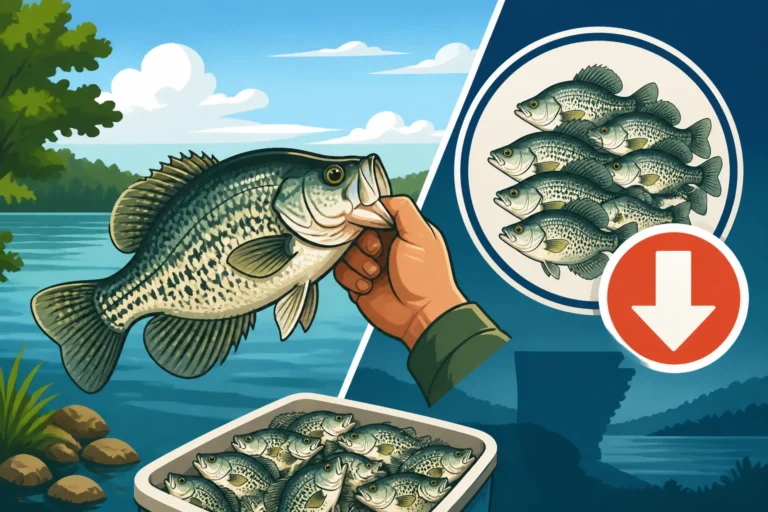
For another popular species, the Statewide crappie daily limit is 20 fish in most Arkansas waters. Knowing these numbers before you even wet a line is paramount. It can feel like a lot to remember, especially if you're targeting multiple species, but it's part of being a responsible angler. Carry a copy of the AGFC regulations, or better yet, download the AGFC app to your phone for quick reference. Missing these limits can lead to citations and fines, which nobody wants after a fun day on the lake. Remember, these daily limits apply from midnight to midnight, so you can't just restart your count after an afternoon nap!
Minimum and Maximum Size Limits
Beyond the number of fish you can keep, many species also have strict rules about their length. These "size limits" are in place for critical ecological reasons, primarily to allow fish to reach a certain age and size to reproduce, contributing to the overall health of the fishery. Protecting these spawning-age fish ensures a vibrant population for years to come. For example, when targeting Smallmouth Bass Rules on Arkansas's Moving Waters Statewide, you'll often find a minimum length requirement, meaning any smallmouth caught below that length must be released. This ensures these hard-fighting fish have a chance to grow larger and contribute to the population before being harvested.
Similarly, for crappie, a highly sought-after panfish, Crappie must be 9 inches or longer to keep in Arkansas in most waters. This allows the smaller crappie to mature, ensuring a consistent supply of keeper-sized fish. Some regulations might even have a "slot limit," where fish within a certain size range must be released, but those outside that range (smaller or larger) can be kept. This is often used for trophy management to protect a specific age class of fish. It’s vital to have a reliable measuring device with you – a bump board or a measuring tape – to accurately gauge your catch before deciding whether to keep or release. When in doubt, always err on the side of caution and release the fish.
Lake-Specific and Tailwater Exceptions
Now, here’s where things can get a little tricky and why simply knowing the statewide rules isn't always enough. Many of Arkansas’s premier fishing destinations have their own unique set of regulations that supersede the general statewide rules. These localized exceptions are put in place by the AGFC to manage specific fisheries more effectively, often due to unique ecological factors, heavy fishing pressure, or species management goals. For instance, if you're heading to Lake Monticello, you’ll find that the Lake Monticello Bass and Crappie Exceptions mean different daily and size limits than you’d find on, say, Lake Ouachita. The specific Lake Monticello crappie limit drops to 15 fish per day, rather than the statewide 20.
Another prime example is the state's famous tailwater fisheries, like the Norfork River. These cold-water environments are home to sensitive trout populations, and as such, they have very specific and often stricter rules. The Norfork Tailwater Trout Limit Rules in Arkansas are a prime example, often dictating not only daily limits but also specific bait restrictions or catch-and-release zones. The same goes for crappie on Lake Cargile Crappie Limit Rules, where you might find a specific number of fish allowed in certain size ranges. It’s absolutely essential to check the current AGFC regulations for the specific body of water you plan to fish before you go. A quick search on the AGFC website or a glance at the printed guide's special regulations section can save you a lot of headache and potential fines.
Understanding Possession Limits and What Changed
For years, the concept of "possession limits" added another layer of complexity to Arkansas fishing regulations, especially for those of us who enjoy multi-day fishing trips or have a deep freezer dedicated to our catch. It often led to confusion and constant mental arithmetic, trying to keep track of what was in the boat, what was in the cooler, and what was already processed back at camp.
The Old Possession Limit Rule
Historically, Arkansas had a statewide possession limit that essentially meant you could only have a certain number of fish in your possession at any given time, regardless of when or where they were caught. This often translated to a rule that you couldn't possess more than twice the daily creel limit of any given species. For example, if the daily limit for bass was five, your possession limit might have been ten. This was particularly frustrating for anglers who stayed at a cabin for a few days or had a freezer at home. You’d catch your limit on day one, clean them, and put them in the freezer. Then on day two, you could only keep enough to reach your possession limit again, even if you hadn't caught any new fish that day.
It was a constant source of stress for many, trying to remember what was at the house versus what was in the boat. Many honest anglers accidentally over-possessed simply due to confusion or miscalculation, especially after a couple of successful days on the water. It made long weekend trips, where you might accumulate a good haul over several days, a real headache to manage legally. You had to be hyper-vigilant about what counted as "possession" and where the "final point of storage" was, which sometimes felt like it needed a lawyer to interpret.
The New Possession Limit Rule (2026-27 onwards)
Thankfully, the AGFC heard the frustrations of anglers loud and clear, and they've made a significant, angler-friendly change. As of the 2026-27 fishing season, Arkansas eliminated statewide possession limits for the 2026-27 season for most species! This is truly fantastic news for everyone who loves to fish in Arkansas. This major shift means that the previous rules about how many fish you could have stored at home, in your cooler, or in your freezer are, for the most part, gone.
So, What changed with Arkansas's fishing possession limits in 2026-27?? Basically, the focus is now squarely on the daily creel limit. You are still bound by the daily limit for any given species, meaning you can only harvest that specified number of fish per day. However, once those fish are taken to your "final point of storage" – be it your home, a freezer at a lodge, or another permanent location – they no longer count against a statewide possession limit. This simplifies things immensely, allowing anglers to accumulate a legal catch over multiple days without the constant worry of accidentally exceeding an overarching possession cap. It’s a move that truly shows the AGFC is listening to the fishing community.
Practical Implications for Anglers
This new rule has some wonderful practical implications that will make fishing in Arkansas even more enjoyable and less stressful. The biggest takeaway is How the new possession rule affects multi-day fishing trips. Now, if you're planning a week-long stay at a fishing lodge on Beaver Lake or a cabin on the White River, you can confidently catch your daily limit each day, process your fish, and store them without needing to fret about a cumulative possession cap. As long as you respect the daily creel limit each time you go out, you're good.
This change means less time spent meticulously counting fish in multiple coolers and more time actually enjoying your time on the water. It validates the desire of many anglers to bring home a good supply of fish over an extended trip, making those longer excursions far more rewarding and compliant. You can focus your energy on finding the fish and enjoying the scenery, rather than doing complex math in your head. It's a huge win for angler convenience and certainly makes it easier to justify stocking up on tackle and gear from retailers like Amazon, knowing you can legally fill your freezer without the added stress of an ambiguous possession limit.
Specific Regulations for Different Fish Species
Arkansas is a state blessed with incredible fishing diversity, from the cold-water trout streams of the Ozarks to the warm-water reservoirs teeming with bass and crappie. But with that diversity comes a need for species-specific regulations. What works for a largemouth bass won't necessarily apply to a rainbow trout, and understanding these nuances is crucial for legal and successful angling.
Bass Regulations (Largemouth, Smallmouth, Spotted)
Bass fishing is arguably the most popular angling pursuit in Arkansas, with abundant populations of largemouth, smallmouth, and spotted (Kentucky) bass. For largemouth bass, the Largemouth Bass Daily Limit in Arkansas is generally 5 fish statewide. However, remember those lake-specific exceptions? Some lakes, like Lake Monticello, have unique slot limits or stricter size rules to manage their populations. For instance, Lake Monticello allows only one bass 16 inches or longer to be kept. It’s imperative to identify your catch correctly, as distinguishing between these three bass species can sometimes be tricky for beginners, but it's essential for adhering to species-specific rules.
Smallmouth bass, often found in the clear, rocky streams and rivers of the Ozarks, have their own set of rules. For Smallmouth Bass Rules on Arkansas's Moving Waters Statewide, you'll typically find a daily limit of two fish, with a minimum length of 12 inches. These regulations are designed to protect the often slower-growing smallmouth and ensure healthy breeding populations in their sensitive river habitats. Spotted bass, while often lumped in with largemouth due to their similar appearance, also have slightly different characteristics and can be found in many of the same waters as largemouth, but often prefer slightly deeper, clearer water. Always consult the AGFC guide for the exact body of water you're fishing, as specific regulations for each bass species can vary by location, ensuring you're compliant whether you're chasing a trophy largemouth or a feisty smallmouth.
Trout Regulations (Rainbow, Brown, Cutthroat)
Arkansas boasts some of the finest trout fishing in the country, particularly in its cold-water tailwaters below the major dams. However, these unique fisheries come with some of the most stringent and complex regulations. For instance, the Arkansas Trout Permit Rules are always in effect if you plan to keep any trout. On the legendary White River, below Bull Shoals Dam, and on the Norfork River, you'll encounter specific daily limits and often mandatory catch-and-release zones. The Norfork Tailwater Trout Limit Rules in Arkansas, for example, typically limit anglers to two rainbow trout per day, with special regulations about the length of fish that can be kept or must be released.
Many tailwaters also have specific bait and tackle restrictions, often prohibiting the use of live minnows or multiple hooks to protect the trout. Fly-fishing-only zones or artificial lure-only sections are not uncommon. Even the Spring River Brown Trout Minimum Length in Arkansas is specifically set at 16 inches, reinforcing the importance of knowing the particular rules for each body of water you visit. These regulations are designed to sustain delicate cold-water ecosystems and foster trophy trout growth, which is why Arkansas is such a draw for trout anglers. Always carry a measuring tape and familiarize yourself with trout identification, as rainbow, brown, cutthroat, and brook trout (though rarer in Arkansas) each have distinct characteristics.
Crappie and Panfish Regulations
Crappie, both black and white, are immensely popular in Arkansas for their delicious taste and sporting fight. The Crappie Size and Daily Limit in Arkansas is generally 20 fish per angler per day, with a minimum length of 9 inches across most statewide waters. This allows crappie to reach a healthy size before being harvested, promoting a robust fishery. However, as with bass, there are important exceptions. At Lake Monticello, for instance, the Lake Monticello crappie limit drops to 15 fish per day, and at Lake Cargile, the Lake Cargile Crappie Limit Rules are even more specific, allowing only 7 of your 15 crappie to be 12 inches or longer.
These localized rules are crucial for managing specific lake populations that might experience different fishing pressures or growth rates. Beyond crappie, a variety of other panfish, like bluegill, redear sunfish (shellcrackers), and warmouth, are abundant and provide excellent fishing opportunities, especially for families and beginners. For most panfish species, the daily limits are quite generous, often around 50 fish, and typically without specific size restrictions, though it’s always wise to release the very small ones to grow larger. These easy-to-catch species are a fantastic way to introduce new anglers to the sport.
Catfish and Other Species
Arkansas’s rivers and lakes are also prime grounds for various catfish species, including channel, blue, and flathead catfish. These bottom-dwellers are prized for their size and flavor, and their regulations are generally a bit simpler than those for game fish. For channel and blue catfish, the statewide daily limit is often 10 fish, though this can vary. Flathead catfish usually have a lower daily limit, often around 5 fish, due to their slower growth rate and unique predatory habits. There are usually no statewide size limits for catfish, but always double-check.
When it comes to fishing methods, trotlines and jug lines are popular and legal ways to catch catfish in Arkansas, but they come with their own set of rules. For example, trotlines must be checked at least once every 24 hours, and all lines must be properly marked with the angler's name and license number. Certain waters might have restrictions on the number of hooks or the type of bait allowed on these lines. Beyond catfish, Arkansas also offers opportunities for species like striped bass, often found in large reservoirs like Norfork Lake and Lake Hamilton, with their own specific daily and size limits. Always consult the current AGFC regulations for detailed information on all species you plan to target, including their specific daily limits and any gear restrictions.
Important "Do's and Don'ts" and Penalties
Even with all the best intentions, it's easy to overlook a small detail that could lead to trouble. Understanding the explicit "do's and don'ts" of fishing in Arkansas is just as important as knowing your daily limits. After all, nobody wants a fantastic day on the water to end with a citation or a confiscated catch. Staying informed and compliant ensures a pleasant experience for everyone.
Legal Fishing Methods and Gear Restrictions
Arkansas allows a variety of fishing methods, but there are definitely some key restrictions. For general rod and reel fishing, most common tackle is perfectly fine. However, certain areas, especially designated trout waters like sections of the White River or Norfork River, may have "artificial lures only" or even "fly-fishing only" restrictions. This means no live bait, no powerbait, and often, no treble hooks beyond a single hook on an artificial lure. Always check the specific regulations for these sensitive areas before you go. Snagging, which is intentionally hooking fish in any part of the body other than the mouth, is largely illegal in Arkansas, with very few exceptions for specific species and seasons. Bowfishing is another method with its own set of rules, particularly regarding what species can be harvested and in what waters.
It's also important to note what bait is permissible. While worms, crickets, and prepared baits are generally fine, the use of live minnows may be restricted in some trout streams to prevent the introduction of invasive species or diseases. Always ensure your gear is in good working order, and if you're purchasing new items, be sure they comply with Arkansas regulations. You can find a huge variety of compliant rods, reels, lines, and lures, including those specifically designed for Arkansas's diverse fisheries, by searching on Amazon. Having the right, legal gear is part of being prepared.
Respecting Private Property and Access
This is a big one, and it's all about common courtesy and legal boundaries. Just because a stream or lake looks inviting doesn't mean you automatically have the right to access it. Much of Arkansas's beautiful landscape, including prime fishing spots, is privately owned. It is your responsibility as an angler to know whether you are on public or private land. Fishing from the bank often means you are on someone's property, and if there are no clear public access points, you need explicit permission from the landowner to be there. Trespassing, even for fishing, can lead to serious consequences.
Public access points, such as those at state parks, national forests, or Corps of Engineers recreation areas, are clearly marked and are your best bet for hassle-free bank fishing. When floating rivers, remember that while the water itself might be public, the streambed and banks are often private. Stick to public access points for launching and taking out, and avoid wading or bank fishing on private land without permission. Respect "No Trespassing" signs without exception. Being a good steward of the land and respecting property rights ensures that public access remains available and that landowners remain friendly to anglers.
Penalties for Non-Compliance
Let's not sugarcoat it: getting caught breaking fishing regulations in Arkansas can lead to some unpleasant consequences. The Arkansas Fishing License Penalties and Requirements are in place for a reason, and game wardens are diligent about enforcing them. The most common violation is often fishing without a valid license or trout permit. If you're caught, What's the penalty for fishing without a license in Arkansas? can include significant fines, typically ranging from a couple of hundred dollars to potentially more, depending on the severity and whether it's a repeat offense. In addition to monetary fines, wardens often have the authority to confiscate your catch, and in more severe cases, your fishing gear, including rods, reels, and even boats, could be seized.
Beyond licensing issues, exceeding creel limits, possessing undersized fish, or using illegal methods can also result in hefty fines and penalties. In extreme cases, or for habitual offenders, violations could even lead to jail time or the suspension of your fishing privileges. The AGFC takes its conservation mission seriously, and these penalties reflect the importance of maintaining healthy fish populations. It’s always far cheaper and less stressful to simply follow the rules, purchase the correct licenses and permits, and adhere to all limits and restrictions. When a game warden approaches, be polite, cooperative, and have your license readily available (either physically or on your phone).
Special Fishing Opportunities and Exemptions
While the regulations can seem dense, Arkansas also offers some fantastic programs and exemptions designed to encourage fishing, introduce new anglers to the sport, and honor certain groups. These opportunities provide a chance to experience Arkansas's waters under slightly different rules or with specific benefits.
Arkansas's Free Fishing Weekend
One of the most exciting annual events for anglers in Arkansas is the Arkansas Free Fishing Weekend Guide. This special weekend, usually held on the first full weekend of June, is designed to encourage residents and non-residents alike to try fishing without the usual license requirement. For many, it's the perfect opportunity to introduce kids or friends to the sport without the upfront cost of a license. The exact dates shift slightly each year, but it's consistently around early June. The best part? Free Fishing Weekend runs Friday noon to Sunday midnight in Arkansas, giving you ample time to get out there.
During this special event, Do you need any license during Arkansas's Free Fishing Weekend?? No, you don't! The AGFC waives the requirement for all fishing licenses and trout permits. This means you can fish for bass, crappie, catfish, and even trout in designated waters without purchasing any state permits. It’s an incredible gesture from the AGFC to promote outdoor recreation. While the license requirement is waived, all other fishing regulations – such as daily creel limits, size limits, and bait restrictions – still apply. So, you still need to know what you can keep, how big it needs to be, and what methods are allowed for your target species and location. It's truly a fantastic opportunity for new anglers to experience the thrill of fishing in Arkansas.
Disability and Veteran Exemptions
Arkansas also recognizes and honors its residents with disabilities and military veterans through specific licensing provisions. For Arkansas residents with a permanent and total disability, special lifetime hunting and fishing licenses are available at a reduced rate. These licenses provide lifelong access to the state's fishing opportunities, eliminating the need for annual renewals. The specific requirements involve providing proof of disability, usually through a formal doctor's certification or Social Security Administration documentation.
Similarly, military veterans residing in Arkansas may qualify for certain benefits regarding their fishing licenses. Often, disabled veterans can obtain specific licenses at reduced rates or even free of charge, depending on their level of disability. These programs are a small token of appreciation for their service and sacrifices. It's always best for individuals in these categories to contact the AGFC directly or visit their website's licensing section to understand the precise eligibility requirements and application process for these valuable exemptions. These programs truly make fishing more accessible and affordable for those who have given so much.
Tournament Angler Considerations
For those who take their fishing to a competitive level, particularly in bass tournaments, there are a few additional considerations beyond the standard recreational fishing licenses. While most local club tournaments don't require special permits beyond your regular fishing license, larger, sanctioned events might have specific requirements. The Tournament Angler License Rules in Arkansas typically stipulate that while a special "tournament license" isn't generally a standalone requirement for individual anglers, the tournament organizers themselves often need to register their event with the AGFC.
This registration helps the AGFC track fishing pressure, monitor specific bodies of water, and ensure compliance with live release practices, which are crucial for the health of tournament-caught fish. As an individual tournament angler, your primary responsibility remains having a valid Arkansas fishing license and, if applicable, a trout permit if the tournament takes place in trout waters. Always check with the tournament director for any additional rules or permits specific to that event or weigh-in procedures. They will usually provide guidance on any AGFC requirements for participants. Responsible tournament practices, including proper fish care during weigh-ins and immediate release, are highly encouraged by the AGFC to ensure the sustainability of the sport.
Arkansas Statewide Fishing Regulations Overview
To help you keep track of some of the most common regulations across Arkansas's waters, here's a quick reference table. Remember, these are statewide general guidelines. Always consult the current AGFC Fishing Guide for specific water body exceptions before you fish.
| Species | Statewide Daily Limit | Statewide Minimum Length | Notes |
|---|---|---|---|
| Largemouth Bass | 5 | 12 inches | Exceptions at specific lakes (e.g., Lake Monticello: 1 bass 16" or longer). |
| Smallmouth Bass | 2 | 12 inches | On moving waters; check specific river sections for variations. |
| Spotted Bass | 10 | None | Often grouped with Largemouth in creel limits; check specific regulations. |
| Crappie (Black/White) | 20 | 9 inches | Exceptions at specific lakes (e.g., Lake Monticello: 15 fish, Lake Cargile: 15 fish, 7 can be 12" or longer). |
| Rainbow Trout | 5 | None | Requires Trout Permit to keep. Tailwater limits often 2 fish, with specific length restrictions. |
| Brown Trout | 5 | None | Requires Trout Permit to keep. Tailwater limits often 2 fish, with specific length restrictions (e.g., Spring River 16"). |
| Channel Catfish | 10 | None | Often combined with Blue Catfish for a total limit. |
| Blue Catfish | 10 | None | Often combined with Channel Catfish for a total limit. |
| Flathead Catfish | 5 | None | Lower limits due to slower growth rates. |
| Bream/Sunfish | 50 | None | General category for bluegill, redear, warmouth, etc. |
Disclaimer
Please remember that this guide provides general information about Arkansas fishing regulations. Regulations are subject to change, and specific rules can vary significantly by body of water, species, and season. It is always the angler's responsibility to consult the most current official Arkansas Game and Fish Commission (AGFC) regulations guide before fishing. This content is for informational purposes only and should not be considered legal advice.