Arkansas Fishing Seasons Guide
Have you ever stared at your fishing gear, wondering if today is even the day to hit the water, or if you're just setting yourself up for disappointment? It's a common frustration for anglers in Arkansas – our beautiful state offers such a diverse array of fishing opportunities, but knowing when and where to target specific species can feel like trying to solve a complex puzzle. This comprehensive guide is here to untangle that mystery, walking you through Arkansas's dynamic fishing seasons, so you can confidently plan your next trip and maximize your chances of a successful, enjoyable outing.
Understanding Arkansas's Diverse Fishing Seasons
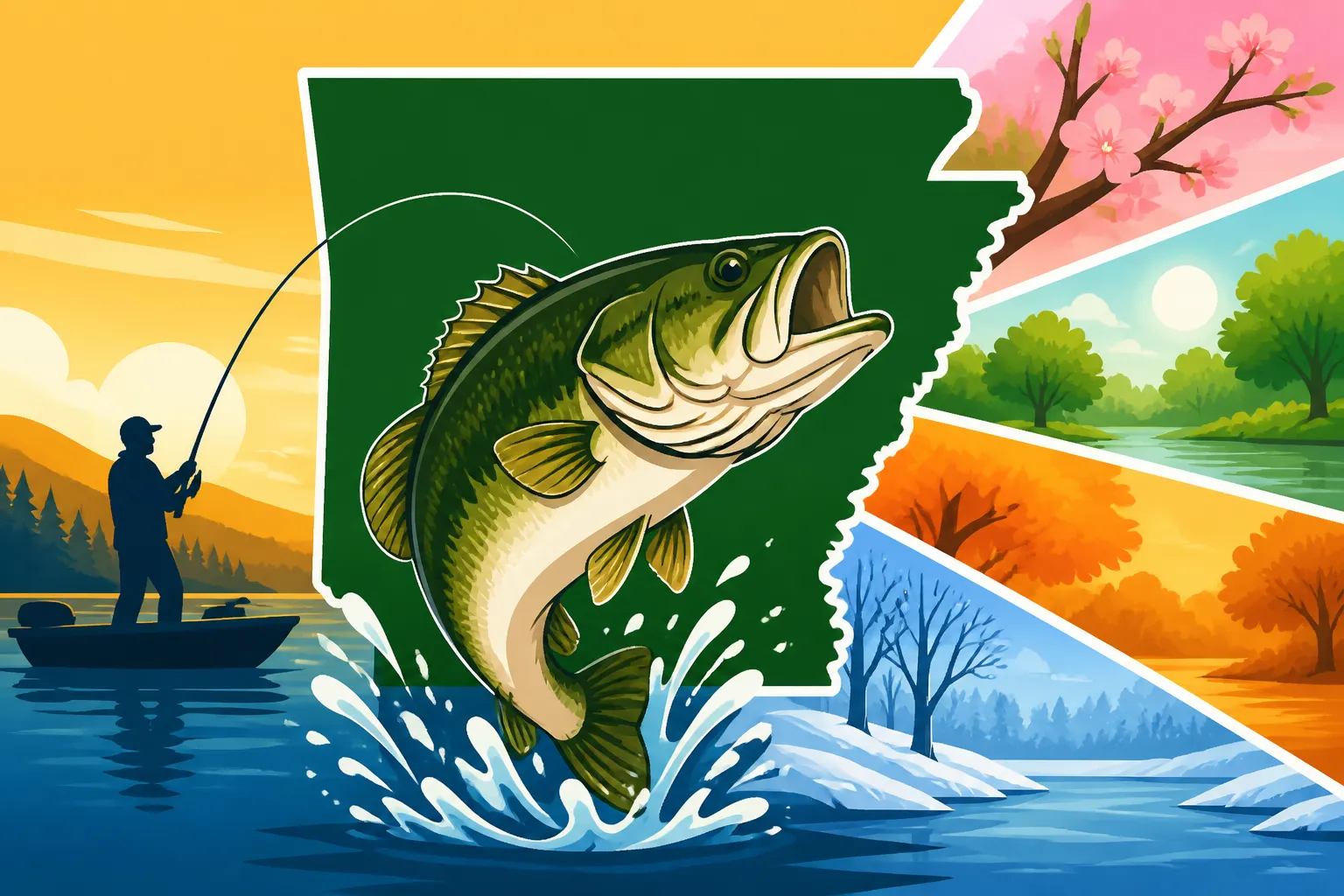
Arkansas truly is "The Natural State," and its rich, varied landscape means our fishing experiences can shift dramatically from one month to the next. From the cold, clear waters of the Ozark Mountain streams to the sprawling, nutrient-rich lakes of the Delta, each region and each body of water operates on its own seasonal rhythm. Understanding these overarching patterns is the first step to becoming a more effective angler here. It’s not just about the calendar date; it's about water temperature, fish biology, and how our weather influences everything from their feeding habits to their spawning rituals.
The Impact of Arkansas's Unique Geography on Fishing
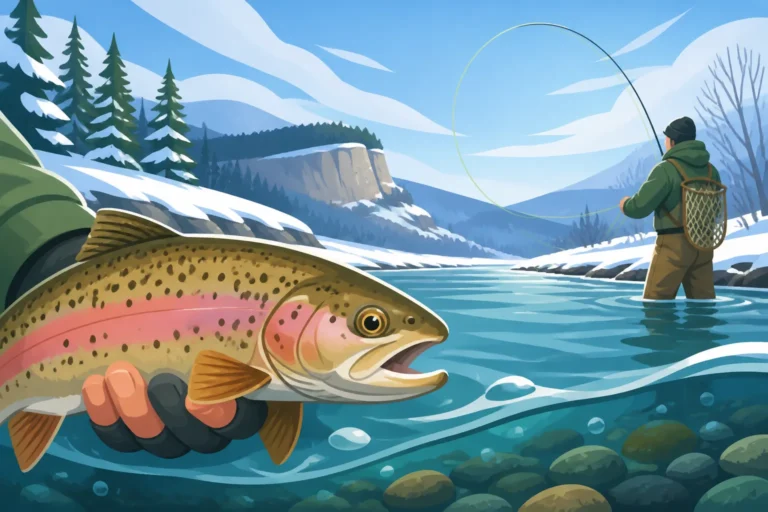
Arkansas's fishing landscape is a mosaic of habitats. Up in the northern part of the state, you'll find the majestic Ozark and Ouachita Mountains, home to pristine rivers like the White River and Norfork River, famous for their cold-water trout fisheries. These rivers are fed by deep, cold reservoirs like Bull Shoals Lake and Norfork Lake, which dictate the water temperature and flow in the tailwaters below their dams. This means that while other parts of the state might be sweltering in summer, these trout streams remain consistently cool, offering unique year-round opportunities.
Head south and east, and you encounter the vast, fertile plains of the Arkansas Delta. Here, rivers like the Arkansas River itself and numerous bayous and oxbow lakes offer incredible warm-water fishing for species like bass, crappie, and catfish. The water temperatures here fluctuate much more with the ambient air, driving distinct seasonal patterns for these species. Even within a single lake, different sections can behave differently depending on depth, cover, and how much sun exposure they get. Knowing your specific fishing spot's characteristics is almost as important as knowing the time of year. For a deeper dive into specific locations, check out our guide on the Best Fishing Spots in Arkansas.
Seasonal Shifts and Fish Behavior
Fish, like all creatures, are profoundly influenced by their environment. Water temperature is perhaps the single most critical factor determining fish activity. As water warms in spring, fish metabolism speeds up, making them more active and hungry. This triggers spawning rituals, moving many species into shallower, more accessible areas. Conversely, as water cools in fall and winter, their metabolism slows, and they often retreat to deeper, more stable thermal zones, requiring different tactics from anglers.
The availability of food also plays a huge role. Spring hatches, summer insect activity, and fall baitfish migrations all dictate where fish will be and what they'll be willing to bite. Understanding these natural cycles helps you predict fish movements and choose the right baits and techniques. For instance, after a big rain, water levels might rise, pushing fish into newly flooded cover, while a prolonged drought can concentrate them in deeper pools. Being observant of these subtle shifts in the environment will greatly improve your fishing success.
Spring Fishing: The Spawn Frenzy
Ah, spring! For many anglers in Arkansas, this is the most anticipated time of year. The air warms, the trees bud, and the waters come alive with a renewed energy. This season is synonymous with the "spawn," a period when many of our most popular game fish move into shallower waters to reproduce, making them more concentrated and often more aggressive. It's a fantastic time for both seasoned pros and beginners to connect with fish.
Targeting Bass During the Pre-Spawn and Spawn
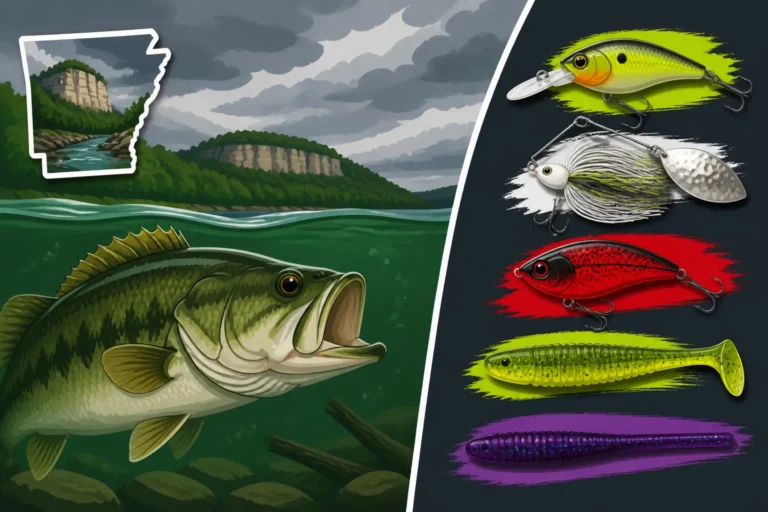
When the water temperatures start to climb into the 50s and then 60s Fahrenheit, bass anglers in Arkansas get really excited. This period, known as the pre-spawn, sees largemouth bass, smallmouth bass, and even spotted bass (Kentucky bass) moving from their deeper wintering grounds towards shallower spawning areas. They're gorging themselves, building up energy for the arduous spawning process, making them incredibly vulnerable to a well-placed lure. You’ll often find them lurking around points, humps, and channel swings adjacent to spawning flats. Big, aggressive baits like crankbaits, spinnerbaits, and jig-and-trailer combos are fantastic for eliciting reaction strikes during this phase.
As water temperatures creep into the mid-60s, typically from late March through May depending on the region and specific lake, the bass spawn kicks into full gear. Bass will move onto hard bottoms in shallow coves, often near submerged brush, docks, or even bare banks, to create their beds. During this time, they become extremely protective of their nests. Presenting baits like soft plastics (creature baits, worms, lizards) or even small jigs directly onto or near a bed can provoke a defensive strike. Remember to practice ethical catch-and-release when targeting bedding bass to ensure successful reproduction. To learn more about this crucial period, explore our guide on Arkansas Bass Spawn Timing by Water Temperature. Many anglers stock up on their favorite soft plastics and jigs from retailers like Amazon for this exact purpose.
Crappie's Shallow Water Movement
Just like bass, crappie also make a dramatic move to the shallows in spring, often a little earlier than bass. As water temperatures hit the high 50s to low 60s, both black crappie and white crappie migrate to brush piles, submerged timber, and shallow weed beds in preparation for their spawn. This is arguably the most popular time to catch crappie in Arkansas, as they become incredibly accessible. They'll stack up in tight schools, making it possible to catch a limit in short order once you find them.
Light tackle is key for crappie fishing during the spawn. Small jigs, often 1/16 to 1/8 ounce, tipped with soft plastic bodies in chartreuse, white, or black-and-chartreuse are deadly. Live minnows fished under a bobber are also incredibly effective. Look for them in water as shallow as 1-3 feet, especially in stained water, around structure. Lakes like Lake Conway and Lake Nimrod are notorious for their excellent spring crappie fishing. For detailed insights into their spring habits, consult our article on the Arkansas Crappie Spring Spawn Pattern.
Early Season Panfish Opportunities
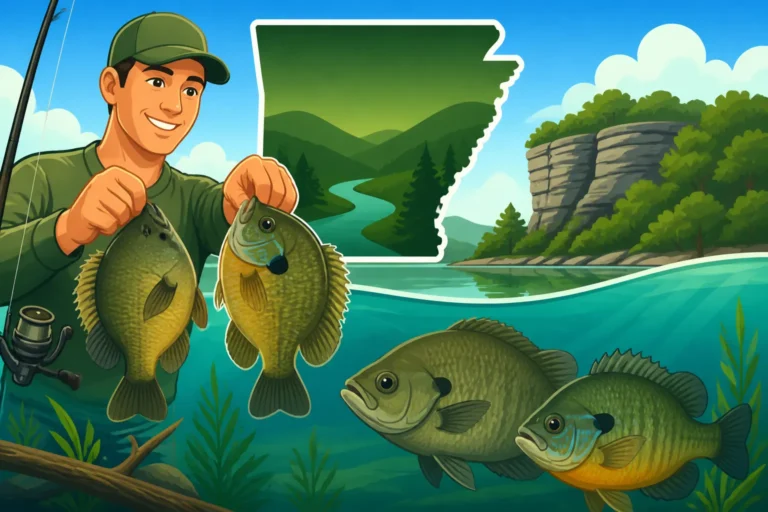
Don't overlook the humble, yet feisty, panfish during spring! Bluegill, sunfish, and redear sunfish also spawn as water temperatures rise, often immediately following the crappie. They move into very shallow areas, sometimes even shallower than crappie, building saucer-shaped beds on sandy or gravelly bottoms. These species are perfect targets for kids and beginners, offering fast action and a rewarding experience.
Simple setups are all you need: a light spinning rod, a small hook, a bit of bobber, and some live bait like crickets, worms, or even mealworms. Small jigs and poppers can also be incredibly effective for bluegill. Look for large colonies of beds in protected coves or along shallow banks. Their aggressive strikes and tenacious fight on light tackle make them a perennial favorite. Many Arkansas state parks with fishing access offer fantastic bank fishing opportunities for panfish in the spring, making for a perfect family outing.
Summer Fishing: Heat, Depths, and Early Mornings
As the vibrant flush of spring gives way to the dog days of summer in Arkansas, fishing takes on a different character. The intense heat can push fish into deeper, cooler waters, and activity often concentrates around dawn and dusk. While it can be more challenging, summer fishing offers unique opportunities for specific species and techniques.
Deep Water Strategies for Largemouth and Striped Bass
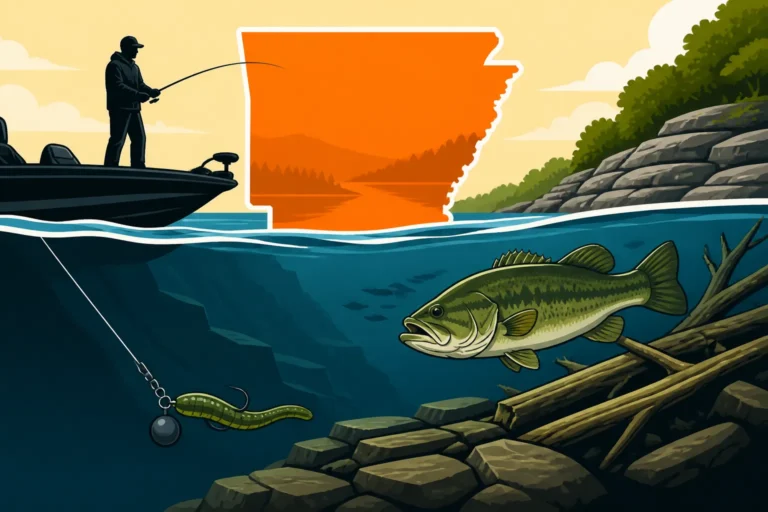
When the scorching summer sun heats up the surface waters, especially in larger reservoirs, largemouth bass often retreat to deeper, cooler, and more oxygenated zones. This means anglers need to shift their focus from shallow-water tactics to offshore structures. Look for bass on main lake points, ledges, humps, and submerged brush piles in depths ranging from 15 to 30 feet or more, especially if there's a thermocline. Electronic fish finders become invaluable tools for locating these submerged structures and the schools of baitfish that bass will follow.
Techniques like deep-diving crankbaits, Carolina rigs, shaky heads, football jigs, and drop shots are excellent for probing these depths. Live bait, like large shiners or shad, can also be incredibly effective when fished on these deep structures. Patience and a good understanding of your electronics are key to consistent summer bass success.
However, if there's one species that truly thrives in Arkansas's large reservoirs during summer, it's the striped bass. Lakes like Norfork Lake and Lake Hamilton are renowned for their trophy stripers. These powerful fish follow massive schools of baitfish, often threadfin or gizzard shad, into the cooler, oxygenated water layers. Trolling with large artificial lures or live bait (like gizzard shad) in the middle of the lake, often at specific depths where the bait is holding, is a popular and effective technique. You can learn more about this exciting fishery in our guide on Norfork Lake Striped Bass Season. Early mornings and late evenings can also see stripers busting bait on the surface, offering thrilling topwater action.
Catfish Action in Warm Waters
Summer is prime time for catfish in Arkansas! Channel catfish, blue catfish, and flathead catfish are all highly active in warm water, making them readily available in rivers, lakes, and even farm ponds across the state. They're opportunistic feeders, and the abundance of natural forage in summer keeps them on the hunt.
For channel and blue catfish, bottom fishing with a variety of baits is incredibly effective. Stink baits, chicken livers, cut bait (shad or sunfish), and even worms are all great choices. Look for them in deeper holes in rivers, around channel edges in lakes, or near submerged cover. Jug fishing and trotlining are also very popular and productive methods for catching multiple catfish in Arkansas during the warmer months. Flathead catfish, being more predatory, often prefer live bait like sunfish or small perch, fished near heavy cover or log jams.
Early Morning and Night Fishing Tactics
When the midday sun turns the water into a bath, fish activity often slows to a crawl. This is when smart anglers pivot to early mornings or late-night fishing excursions. Just before dawn, as temperatures begin to drop and light levels are low, many species, especially bass, will move into shallower water to feed. Topwater lures, spinnerbaits, and shallow-running crankbaits can produce explosive strikes during this golden hour.
As the sun sets and darkness falls, a whole new world of fishing opens up. Night fishing is particularly popular for catfish, as they are primarily nocturnal feeders. Glow-in-the-dark baits or those that emit strong scents can be irresistible. Crappie can also be caught at night under submersible lights, which attract baitfish and then the crappie themselves. Even some bass anglers will target shallow-water bass at night using dark-colored jigs or worms, relying on sound and vibration rather than sight. Always remember to prioritize safety when fishing in the dark, and make sure your Arkansas Fishing License Rules and Costs are in order, even for night trips.
Fall Fishing: The Feeding Blitz
After the heat of summer, fall brings a welcome change to Arkansas's fishing scene. Cooler air temperatures gradually drop water temperatures, signaling to fish that it's time to put on the feedbag before winter sets in. This "feeding blitz" can make for some of the most exciting and productive fishing of the entire year.
Bass Schooling and Foraging Frenzy
As autumn progresses and water temperatures fall from the 70s into the 60s and 50s, largemouth and smallmouth bass in Arkansas become incredibly aggressive. They'll often school up, particularly in open water, chasing down huge schools of baitfish (shad are a primary target) that are also trying to bulk up. This creates fantastic opportunities for anglers targeting these predatory fish. Look for "jumpers" or "breakers" – bass actively busting bait on the surface, especially in the mornings and evenings.
Fast-moving baits are the name of the game during the fall feeding frenzy. Topwater lures, lipless crankbaits, jerkbaits, and swimbaits are excellent for imitating fleeing baitfish. If fish are deeper, spoons and Alabama rigs can be deadly. Points, humps, and channel bends where baitfish congregate are prime areas. On smaller lakes or rivers, bass will often stage near creek mouths or backwaters as bait moves in and out. This season is also a great time to fish for largemouth bass on Lake Ouachita or Bull Shoals Lake, where they put on serious weight.
Crappie's Return to Structure
Much like bass, crappie also transition from their deep summer haunts to more accessible areas in the fall, making them a fantastic target. As water temperatures drop, usually into the 60s, crappie will move shallower and relate tightly to structure. You'll find them concentrating around brush piles, standing timber, dock pilings, and bridge abutments, often in depths of 10-20 feet. They're still feeding heavily, but perhaps not with the same frenzy as in spring, making them a bit more subtle to catch.
Vertical jigging with small jigs (1/16 to 1/8 ounce) tipped with soft plastics or live minnows is a highly effective technique. Spider rigging, where multiple rods are used to present baits at different depths around the boat, is also popular. Pay attention to your fish finder to locate schools of crappie and the baitfish they are targeting. The White River National Wildlife Refuge offers excellent crappie fishing in its timber-filled lakes during the fall. For information on specific limits, check out the Crappie Size and Daily Limit in Arkansas.
Fall Trout Fishing on Tailwaters
While Arkansas's famous trout tailwaters offer year-round fishing, fall brings a special charm and often some of the best fishing for larger, more elusive brown trout. As the water temperatures remain consistently cold due to dam releases, trout become very active. Fall also brings the brown trout spawn, and while regulations often protect spawning fish, the pre-spawn activity can be phenomenal.
Fly anglers will find success with various nymph patterns, streamers imitating baitfish, and occasionally dry flies during midge or mayfly hatches. Spin anglers can use small inline spinners, stick baits, or scented baits like PowerBait or corn. The cooler, crisper air of fall makes for a truly pleasant fishing experience on rivers like the White River below Bull Shoals Dam or the Norfork River. Many anglers consider this the best time to target a trophy brown trout. Don't forget your Arkansas Trout Permit Rules before you head out.
Winter Fishing: Cold Water Challenges and Rewards
Winter fishing in Arkansas might not be for everyone, especially those who prefer balmy weather. However, for dedicated anglers willing to brave the chill, it can offer some incredibly rewarding experiences, often with less competition on the water. Fish metabolism slows down, requiring different strategies, but the rewards can be substantial, especially for specific species.
Year-Round Trout Opportunities
The cold-water tailwaters of Arkansas truly shine in winter. The White River, Norfork River, and Little Red River maintain consistently cool temperatures year-round thanks to dam releases, making them ideal habitats for trout even when other waters freeze over (which rarely happens in Arkansas). In fact, some of the biggest brown trout are caught during the colder months, often by anglers using large streamer patterns or targeting slower, deeper pools.
Trout become less active in winter, but they still need to feed. Slow, deliberate presentations are key. Nymphing under an indicator, drifting small jigs, or slowly retrieving spoons and stick baits can be very effective. Look for trout concentrated in deeper runs, eddies, and pools where they can conserve energy. Early mornings might be frigid, but later in the day, as the air warms slightly, fish can become more active. Check out our guide on the White River Fly Fishing Season Guide for Arkansas Anglers for more in-depth winter tactics.
Locating Deep Water Crappie
Crappie can be a challenging but rewarding target in winter. They will typically move to deeper, more stable thermal zones, often suspending over deep submerged brush piles, timber, or channel drops. Their metabolism is slow, so they won't chase baits very far. Precision and patience are paramount.
Using a good fish finder to locate these deep-water schools is almost essential. Once located, vertical jigging directly over their heads with tiny jigs (1/32 to 1/16 ounce) tipped with soft plastics or small live minnows is the most effective method. Some anglers prefer to use electronics to "sight fish" for crappie, watching their jig descend on the screen to meet the fish. Focus on the main lake basins of larger reservoirs like DeGray Lake or Lake Ouachita. Even in winter, you can find quality crappie if you're willing to go deep.
Slower, More Deliberate Bass Fishing
Winter bass fishing in Arkansas requires a significant shift in mindset. Gone are the days of aggressive power fishing. Bass are lethargic, conserving energy, and they want an easy meal. They'll often be found in deep-water haunts, sometimes grouped tightly together. Think slow-moving, subtle baits.
Jigs, spoons, and Alabama rigs can still be effective, but presented much more slowly. Football jigs crawled along deep ledges, spoons jigged vertically, or even a slow-rolled swim bait can entice strikes. On warmer, sunny winter days, bass might move up onto shallower, sun-exposed rock banks for short periods, making jerkbaits a good option. Focus on areas with direct sunlight, structure, and proximity to deep water. This is when a strong, robust fishing line from brands like Berkley or P-Line, readily available on Amazon, becomes crucial for detecting those subtle winter bites.
Year-Round Trout Fishing on Arkansas's Famous Tailwaters
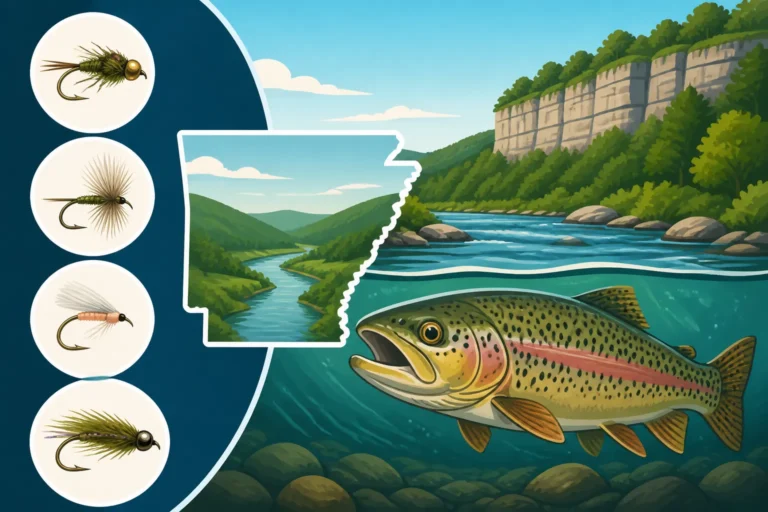
Arkansas is blessed with some of the finest trout fishing in the South, primarily due to the cold-water discharges from our hydroelectric dams. These "tailwaters" create unique, riverine environments perfectly suited for rainbow, brown, cutthroat, and brook trout. While the general advice above applies, each tailwater has its own personality and subtle seasonal nuances.
Seasonal Nuances of the White River
The White River, especially the sections below Bull Shoals Dam, is world-renowned for its trout fishing, particularly for trophy brown trout. While it’s a year-round fishery, seasonal variations do exist.
- Spring: Higher water flows are common as the dam generates more electricity, which can make wading difficult but excellent for drift boat fishing. Hatches of caddisflies and midges are frequent, offering good dry fly opportunities.
- Summer: Flows can be more consistent or even lower, allowing for more wading access. Terrestrial patterns (hoppers, ants, beetles) become effective, alongside nymphs and small streamers. Early mornings are crucial.
- Fall: This is prime time for big brown trout. As mentioned, the brown trout spawn in fall, and aggressive fish can be targeted with large streamers and egg patterns (where legal). Water levels are often ideal for wading and floating.
- Winter: Consistent flows and cold water mean stable conditions. Trout are in deeper pools and runs. Nymphing is highly effective, and large streamers can still tempt a trophy. Winter fishing can be solitary and incredibly peaceful.
You can delve deeper into specific rules for this amazing water body in our Arkansas Fishing Rules for Lakes, Rivers and Tailwaters guide.
Norfork Tailwater Strategies Throughout the Year
The Norfork Tailwater, below Norfork Dam, is another exceptional trout fishery, often known for its abundance of rainbow trout and impressive brown trout. It's a shorter river than the White, but equally productive.
- Spring: Similar to the White, spring means higher flows and active trout. Caddis and mayfly hatches can be prolific. Spin anglers do well with small jigs and scented baits.
- Summer: The Norfork remains cool and productive. Terrestrials, nymphs, and small streamers are key. This river is often more wadeable than sections of the White, offering great access.
- Fall: Excellent brown trout fishing, with many anglers specifically targeting the larger browns. Streamers and egg patterns are effective. The fish are actively feeding.
- Winter: Consistent cold water makes the Norfork a reliable winter trout destination. Nymphing with small patterns is the most consistent producer. It’s a great place for solitude and a chance at a true trophy. Always be aware of the specific Norfork Tailwater Trout Rules in Arkansas which often include catch-and-release only sections or special size limits.
Bull Shoals Tailwater's Consistent Action
The tailwater immediately below Bull Shoals Dam, often referred to as the Bull Shoals Tailwater or the upper White River, is frequently fished by guides and anglers from towns like Cotter and Bull Shoals. It's an area famous for consistent trout populations and diverse fishing conditions depending on the generation schedule.
- Spring: High flows from dam generation can make this section a moving water challenge, but excellent for drift boats. Caddis and mayfly activity.
- Summer: Even with high heat, the water remains frigid, keeping trout happy. Productive with nymphs, small spoons, and live bait.
- Fall: Excellent for brown trout, as with other tailwaters. The consistent cool water means active fish.
- Winter: This section is a winter haven for trout anglers, offering reliable action when other waters are slow. Deep nymphing and small jigs are effective. Always monitor the generation schedules before heading out, as water levels can change rapidly. For specific regulations, our guide on Bull Shoals Tailwater Trout Rules in Arkansas is a valuable resource.
Special Considerations for Each Species by Season
To truly master fishing in Arkansas, it helps to narrow down the seasonal approach to specific species. While there are general patterns, each fish has its own quirks and preferences that change throughout the year.
Largemouth Bass: From Shallow to Deep
- Spring: Pre-spawn sees them cruising points and humps with crankbaits and spinnerbaits. Spawn time means pitching soft plastics to visible beds in shallow coves.
- Summer: They dive deep to main lake structure – ledges, humps, and brush. Use deep-diving crankbaits, jigs, Carolina rigs, and drop shots. Early morning topwater bite is also good.
- Fall: Bass follow baitfish into creek arms and onto main lake points. Aggressive fishing with lipless crankbaits, jerkbaits, and topwater lures.
- Winter: Slow down! Fish deep points, creek channels, and humps with jigs, spoons, and slow-rolled swimbaits. Look for them tightly schooled.
Crappie: Tracking Their Seasonal Movements
- Spring: The easiest time! They’re shallow, around brush, timber, and docks, spawning. Jigs and minnows under a bobber are deadly.
- Summer: They move deeper, often suspending over brush piles or in timber on main lake. Vertical jigging or spider rigging with electronics is key.
- Fall: Crappie move back shallower, relating to structure in 10-20 feet of water. Vertical jigging and minnows are still effective.
- Winter: Deep water, often 20-40 feet, suspending over structure. Very subtle bites. Use tiny jigs and ultra-light line, often "sight fishing" with electronics.
Striped Bass: The Ultimate Predator's Calendar
- Spring: Often found shallower as they follow baitfish preparing to spawn (though they don't successfully reproduce in most Arkansas lakes). Trolling big baits or live shad is effective.
- Summer: They go deep to find cooler, oxygenated water, following baitfish. Trolling in the thermocline or vertical jigging with heavy spoons is common. Early morning topwater action can be explosive.
- Fall: Stripers return to more open water, chasing schooling baitfish. Look for surface activity or target them on main lake points and humps with large lures or live bait.
- Winter: They remain active, often suspending in deep water, or congregating around warm water discharges if available. Trolling or downlining live bait can be productive. The Norfork Lake in particular is known for its incredible trophy striped bass, which you can read about in our Trophy Striped Bass Fishing in Arkansas guide.
Here's a quick reference table for general seasonality:
| Species | Spring (Mar-May) | Summer (Jun-Aug) | Fall (Sep-Nov) | Winter (Dec-Feb) |
|---|---|---|---|---|
| Largemouth Bass | Pre-spawn on points, spawn in shallows; active | Deep structure (ledges, humps); early/late bite | Schooling, feeding frenzy; aggressive shallow to mid-depth | Deep, slow; jigs, spoons, subtle presentations |
| Smallmouth Bass | Similar to largemouth, in rocky streams/lakes | Deeper, rocky structure; active | Active, chasing bait in rocky areas | Deep, slow; jigs, tubes, dropshots |
| Crappie | Shallow spawn, brush piles; very active | Deep brush, suspending; vertical jigging | Back to mid-depth structure; active | Deep, suspended; slow vertical jigging |
| Catfish | Active, pre-spawn; good on cut bait/worms | Prime time! Rivers, lakes; night fishing | Active, feeding up before cold | Slow, deep; can be caught if targeted |
| Striped Bass | Following bait, shallower trolling/live bait | Deep trolling, schooling; early morning surface | Chasing bait, aggressive | Deep, active; trolling, live bait |
| Trout (Tailwaters) | Active, caddis/mayfly hatches; good flows | Consistent cool water; nymphs, terrestrials | Prime for browns; streamers, eggs, nymphs | Consistent, deep nymphing; slow streamers |
| Panfish | Shallow spawn, beds; very active, easy to catch | Mid-depth cover; active early/late | Deeper cover, still active | Slow, deep cover; often sporadic |
Navigating Seasonal Regulations and Permits
Even with the best fishing knowledge, it’s crucial to stay on the right side of the law. Arkansas fishing regulations can vary not only by species but also by specific water body and even by season. Ignorance of the rules is never an excuse, and a quick check can save you from a hefty fine or, worse, losing your fishing privileges.
Key Regulatory Dates and Changes
The Arkansas Game and Fish Commission (AGFC) typically publishes its fishing regulations annually, usually effective from July 1st. It's essential to get a copy or check their website for the most up-to-date information, as rules can change. These regulations cover everything from daily creel limits and possession limits to size restrictions and specific tackle requirements for certain waters. For example, some trout streams have special catch-and-release only sections or require single, barbless hooks.
While there aren't typically seasonal closures for most game fish in Arkansas, there are critical dates to be aware of:
- Free Fishing Weekend: Arkansas usually offers a Free Fishing Weekend in early June. This is a fantastic opportunity for new anglers or families to try fishing without needing a license. Our Arkansas Free Fishing Weekend Guide has all the details on dates and rules.
- Trout Stream Special Regulations: Specific sections of the White, Norfork, and Little Red Rivers often have unique regulations that can change. Always check the AGFC guide for the specific reach you plan to fish.
- Lake-Specific Exceptions: Some lakes, like Lake Monticello or Lake Cargile, have special regulations for species like bass or crappie that differ from statewide limits. Make sure you're aware of these if you're fishing a specific trophy lake. Our guide on Arkansas Fish Size and Daily Limits covers many of these nuances.
It's always a good practice to download the current AGFC regulations onto your phone or print a copy before each season or before visiting a new body of water.
Essential Permits for Specific Species or Waters
Beyond your general fishing license, Arkansas requires additional permits for certain types of fishing.
- Arkansas Fishing License: This is your foundational permit. All residents 16 and older, and all non-residents regardless of age (unless specifically exempt), need a valid fishing license. There are various options, including annual, 3-day trip, and even lifetime licenses for seniors. You can find detailed information on Arkansas Fishing License Types Explained.
- Trout Permit: If you plan to fish for trout in the designated trout waters and intend to keep your catch, you must purchase an Arkansas Trout Permit in addition to your regular fishing license. This permit helps fund the state's incredible trout program. Even if you're just catch-and-release on some sections, having an Arkansas Trout Permit Rules makes sure you're covered for all eventualities. You can often purchase both your fishing license and trout permit online or at a local sporting goods store. Companies like Academy Sports + Outdoors or Bass Pro Shops, which also have online storefronts like Amazon, make it convenient to acquire licenses and any specialized gear you might need.
Staying informed about these regulations is not just about avoiding fines; it's about being a responsible angler and contributing to the conservation efforts that make Arkansas such a fantastic fishing destination. Every license and permit purchase helps maintain and enhance our fisheries for future generations.
Disclaimer
The information provided in this guide is for general informational purposes only and is subject to change. Fishing regulations in Arkansas are set by the Arkansas Game and Fish Commission (AGFC) and can vary by season, body of water, and species. Always consult the most current official AGFC fishing regulations before planning any fishing trip to ensure compliance. This guide is not a substitute for official legal advice or current regulations.