Winter Fishing Patterns on Arkansas Reservoirs
Winter fishing on Arkansas reservoirs can feel like a completely different ballgame than the milder seasons. Many anglers pack up their gear as soon as the leaves fall, missing out on some truly incredible opportunities, but also struggling with the dramatic shifts in fish behavior, the biting cold, and the general challenge of finding active fish. If you've ever felt frustrated by a lack of bites when the temperatures drop, this guide is for you. We're going to dive deep into the specific patterns, strategies, and preparations you need to turn those chilly days into successful fishing adventures on the Natural State's beautiful reservoirs.
Understanding the Winter Challenge
When the mercury dips and the Arkansas winter truly sets in, the fishing landscape transforms. It's not just colder for us, it's profoundly different for the fish. Many anglers mistakenly believe fish simply stop eating or become entirely dormant, leading them to stay home and miss out on some truly unique opportunities. However, fish are cold-blooded creatures, and their metabolism slows down, making them less active, but certainly not inactive. Understanding this fundamental shift is the first step to cracking the winter code.
The Cold Reality: Why Fish Change
Imagine your own energy levels on a frigid winter day compared to a warm summer afternoon. You're likely moving slower, consuming more energy just to stay warm, and probably not running a marathon. Fish experience a similar phenomenon. As water temperatures plummet, their metabolic rate drops significantly. This means they require less food, move more slowly, and often congregate in specific areas that offer the most stable conditions and accessible forage.
For game fish like bass, crappie, and stripers, this often translates to moving out of shallow, exposed areas that were productive in summer and fall. They seek refuge in deeper, more stable water where the temperature fluctuations are less severe. This deeper water acts like a thermal blanket, providing a consistent environment. They're still feeding, but their feeding windows might be shorter, and their strikes much more subtle. You won't typically see them chasing bait across vast areas like they do in spring; instead, they're often grouped tightly, conserving energy, waiting for an easy meal to pass by.
Dispelling Winter Fishing Myths
There are so many misconceptions about winter fishing that keep people off the water. The biggest one, as mentioned, is that "fish don't bite in winter." This couldn't be further from the truth. While the bite might be different – slower, less aggressive – fish absolutely have to eat to survive. Another common myth is that you need a huge boat with tons of electronics to succeed. While electronics certainly help, particularly in finding those deeper schools, bank anglers and small boat owners can still have fantastic days if they know where to look and how to present their baits.
Many anglers also assume that winter fishing is only for trout on tailwaters, overlooking the incredible potential of our state's reservoirs for other species. While trout fishing on rivers like the White River and Norfork Tailwater is legendary during the colder months, reservoirs like Lake Ouachita, Bull Shoals Lake, and Beaver Lake still hold abundant populations of bass, crappie, and stripers that can be caught with the right approach. The key is adaptation. Forget your summer patterns; this is a new game. You might be surprised to learn that some of the biggest fish of the year are caught in winter because these larger, more mature fish are often less affected by cold fronts and are more prone to seeking out stable, deepwater forage.
Key Factors Influencing Winter Reservoir Fishing
Successfully tackling winter fishing on Arkansas reservoirs means paying close attention to a few critical factors that dictate where the fish will be and how they'll behave. These aren't just minor details; they are the roadmap to finding consistent action when many other anglers have hung up their rods. Understanding water temperature, forage movement, and how weather patterns impact these elements is crucial.
Water Temperature Stratification
One of the most significant changes in winter reservoirs is how the water column itself changes. Unlike summer, when a thermocline forms (a distinct layer of rapidly changing temperature), winter brings a process called "turnover" or "isothermal" conditions in many deeper reservoirs. This means the water column is often a more uniform temperature from top to bottom, or at least the deeper water stabilizes at around 39 degrees Fahrenheit (4 degrees Celsius), which is the temperature at which water is most dense. This stable, slightly warmer water near the bottom (or at least more stable than the surface) becomes a magnet for fish seeking comfort and consistency.
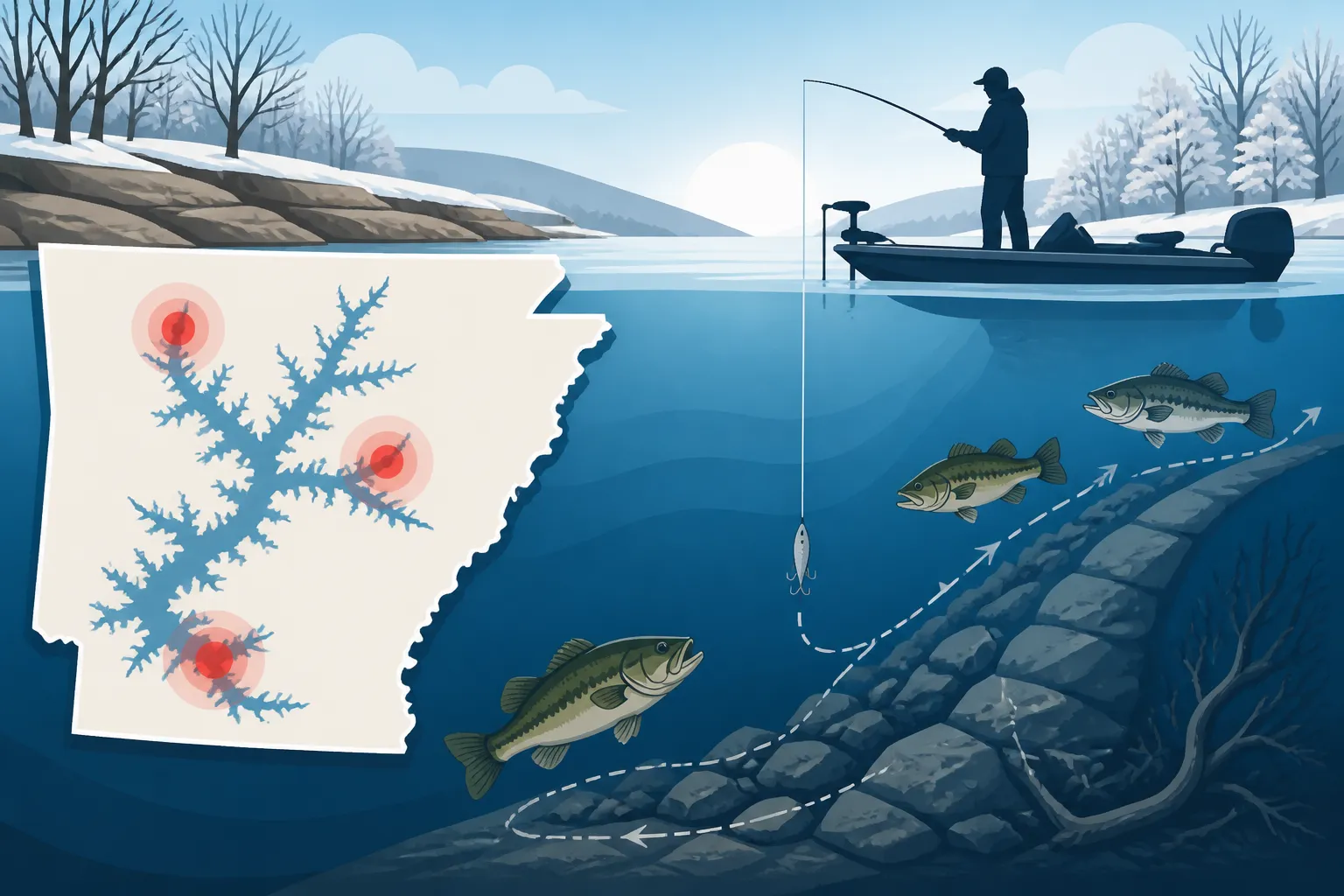
Fish will congregate in these deeper zones, often near submerged timber, bluff walls, or channel swings. This is why having good sonar is invaluable; it allows you to literally "see" these schools of fish suspended at specific depths. Even without high-tech gear, knowing that fish are likely to be deeper than in other seasons can guide your bait presentations. The key is to find the right depth within that stable zone. Sometimes it’s 30 feet, other times it’s 60 feet, depending on the lake and current conditions. This deepwater preference is a huge deviation from, say, the Arkansas Bass Spawn Timing by Water Temperature in spring, where fish are mostly in shallow areas.
Forage and Baitfish Movement
Fish go where the food is, regardless of the season. In winter, baitfish – primarily shad – are highly susceptible to cold water. They become sluggish and often group into massive schools in deeper, warmer pockets of the reservoir. Predators like bass, crappie, and stripers follow these baitfish movements like hungry wolves tracking a herd. If you find the bait, you're usually not far from the game fish.
These baitfish schools often position themselves near major creek channels, points, and humps in the main lake or larger coves. They might suspend over deep water or hug the bottom near structure. Anglers using modern fish finders can often see these dense bait balls, sometimes looking like a "Christmas tree" on the screen. Identifying the depth and location of these baitfish is paramount. Once you locate them, you can then focus on presenting your lure at or just below the school, as predators often lurk beneath, waiting to ambush from below. Think about what a huge advantage it is to precisely drop a lure onto a bait ball, a technique that is a core part of How to Find Crappie in Deep Water in winter.
Weather Patterns: Fronts and Sunshine
Winter weather is notoriously fickle, and cold fronts are a constant companion. A strong cold front can shut down fishing faster than you can say "ice water." The sudden drop in air temperature, often accompanied by clear, bluebird skies and high pressure, makes fish incredibly lethargic. They might move even deeper or become so inactive that they're nearly impossible to tempt.
However, mild, cloudy days with stable or rising temperatures (even if only slightly) can trigger surprisingly good bites. Overcast conditions can sometimes encourage fish to move shallower, or at least become more active in their deep haunts. Prolonged periods of stable cold weather can also lead to more predictable patterns. The sun, while pleasant for the angler, often drives fish deeper and can make them more wary. Pay close attention to the forecast: a warming trend, even a slight one, after a bitter cold snap, can be a prime time to hit the water. These are the windows of opportunity you're looking for, rather than immediately after a harsh arctic blast.
Species-Specific Winter Patterns
Each popular game fish in Arkansas reservoirs has its own unique way of dealing with winter. While the general rule is "go deep and slow," the specifics vary, and understanding these nuances will significantly increase your chances of success. It's about tailoring your approach to the species you're targeting.
Largemouth and Smallmouth Bass Tactics
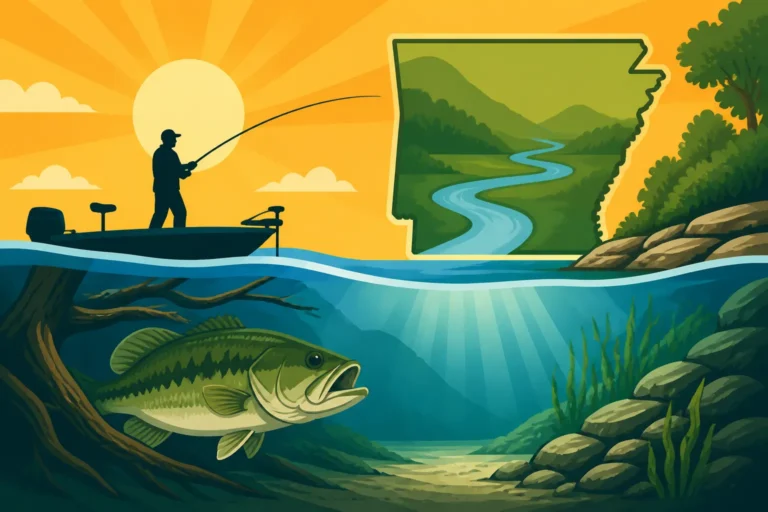
Bass in winter become a different creature entirely. They transition from aggressive ambush predators to more subtle, depth-oriented dwellers. For largemouth bass, this often means retreating to the deepest cover available: submerged timber, rock piles, bluff walls, and creek channel swings. They'll often school up in these areas, making them easier to locate if you find the right spot. They're looking for stable water and easy meals.
Smallmouth bass, particularly in rocky, clear water reservoirs like Bull Shoals Lake or Beaver Lake, will also move deeper, but they'll often relate more to main lake points, ledges, and offshore humps. They love transition zones where deep water quickly gives way to shallower structure. The bite for both species will be subtle – a slight "tick," a feeling of heaviness, or just a dead weight on your line. You'll need to use finesse techniques: jigs, spoons, and dropshot rigs are king. When targeting How to Find Bass in Cold Water, the retrieve speed needs to be agonizingly slow, often just barely moving the lure. On a good electronics unit, you might see them suspended at 40-60 feet, hugging the bottom or an underwater timber pile.
Crappie: Deep Water Schools
Crappie are arguably one of the most reliable winter targets on Arkansas reservoirs. They school up in massive numbers in deep water, often suspending over creek channels, around standing timber, or under bridge pilings. Finding one crappie in winter usually means finding dozens. Once you locate a school, you can often catch them one after another.
Key depths for winter crappie can range anywhere from 20 to 50 feet, depending on the lake and the location of baitfish. Vertical jigging directly over these schools is incredibly effective. Small jigs (1/16 to 1/8 ounce) tipped with a soft plastic like a Bobby Garland Baby Shad or a tiny spoon are deadly. Live minnows, fished on a dropshot or a simple jig head, are also hard for winter crappie to resist. Many anglers employ multiple rods, setting them at different depths until they pinpoint where the fish are holding. This method is explored in great detail in Crappie Jigging Basics for Beginners. On a chilly morning, finding that perfect school can lead to a cooler full of delicious crappie, making the cold worthwhile.
Striped Bass and Hybrid Striper Pursuits
Striped bass and their hybrid cousins are powerful predators that remain active in cold water, often even more so than bass. They relentlessly chase baitfish, making them a thrilling winter target. On reservoirs known for stripers, like Norfork Lake or Lake Hamilton, these fish will follow vast schools of shad into deep coves or main lake basins.
Winter striper fishing often involves a combination of live bait and artificial lures. Trolling large artificial lures or live bait (like gizzard shad) on downriggers or planer boards is popular, allowing you to cover vast amounts of water at specific depths. When stripers are found schooling, vertical jigging heavy spoons or large flutter spoons can also be incredibly effective. Sometimes, they'll even surface chase bait in the dead of winter, creating explosive topwater action, though this is less common than in warmer months. The sheer size and fighting power of a winter striper, especially a trophy-class fish, make the cold absolutely worth enduring. Learning Deep Water Striper Fishing Techniques is essential for success here.
Catfish: Slow and Steady
While not always the first species people think of for winter reservoir fishing, catfish can still be caught consistently, albeit with a slower approach. Channel catfish, blue catfish, and flathead catfish will all reduce their activity in colder water, but they still need to feed. They tend to congregate in deeper holes, main lake channels, and humps, often near structure or mud flats where baitfish might be present.
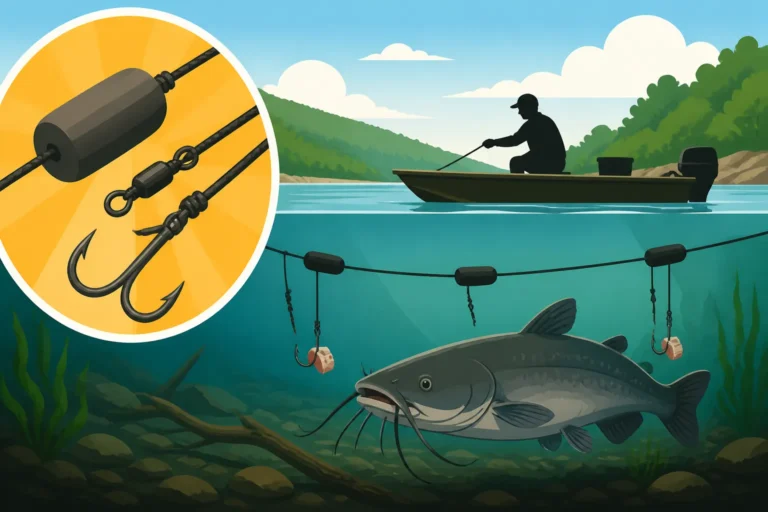
For channel and blue catfish, bottom fishing with cut bait (shad or skipjack are excellent choices), nightcrawlers, or shrimp is effective. The key is to keep your bait directly on the bottom in known deep haunts. Flathead catfish are more solitary and primarily prefer live bait, but even they will respond to a slowly presented live bait near deep structure. Winter catfishing requires patience; you're often waiting for a fish to slowly mouth the bait rather than aggressively strike. Consider using a heavier setup with a good catfish rod and reel, perhaps even a setup you ordered from Amazon specifically for this purpose, to handle any trophy cats that might be lurking in the depths.
Winter Fishing Techniques and Lures
Successfully catching fish in cold water isn't just about finding them; it's about presenting your bait in a way that appeals to their reduced metabolism and lethargic state. Forget the fast, erratic retrieves of summer; winter demands subtlety, precision, and often, a lot of patience.
Slow and Subtle Presentations
This is the golden rule for winter fishing: slow down. Fish aren't going to chase a fast-moving lure very far. They're conserving energy, and they want an easy meal. This means your retrieve speed should be glacial. If you think you're going too slow, slow down even more.
Jigs, spoons, and dropshot rigs are perfect for this. With a jig, you might lift it a few inches off the bottom and let it fall, letting the soft plastic undulate slowly. With a spoon, a slow lift-and-drop, or "spooning," is incredibly effective, mimicking a dying baitfish. Dropshot rigs allow your bait to hover tantalizingly in the fish's face with minimal movement, perfect for suspended fish. Even jerkbaits, when paused for 10-20 seconds between twitches, can draw strikes. The key is to keep the lure in the strike zone for as long as possible, giving the fish ample time to decide to bite without having to expend much energy. This is a drastically different approach compared to what you'd typically do in warmer months, as detailed in Bass Fishing Techniques by Season.
Vertical Jigging and Electronics
When fish are schooled up tight in deep water, vertical jigging becomes an unstoppable technique. This is especially true for crappie, but also highly effective for bass, stripers, and even catfish. The concept is simple: get your lure directly on top of the fish you see on your sonar and work it vertically.
Modern electronics are invaluable here. You can literally watch your lure fall on the screen, see the fish below it, and adjust your presentation in real-time. If they're not biting when you jig aggressively, try barely twitching the lure, or holding it still. Some days, they'll hit it on the fall; other days, it's a subtle pick-up when the lure is suspended motionless. Popular lures for vertical jigging include blade baits, heavy metal spoons, and small, soft plastic jigs. Brands like Strike King, Johnson, and Cotton Cordell make excellent options for spoons and blade baits that can be found on Amazon. Mastering this technique, particularly by combining it with accurate electronics, can make you a winter fishing wizard.
Power Fishing in Winter?
While finesse and slow presentations dominate winter fishing, there are occasional windows for "power fishing," even in cold water. This usually occurs during periods of stable, slightly warmer weather, especially on the warmest part of the day, or immediately after a cold front breaks and a warming trend begins. On these days, fish might be slightly more active and willing to chase a little more.
One such power technique involves yo-yoing a large lipless crankbait or a heavy jigging spoon over deep structure. Another is slowly working a large, deep-diving crankbait along a channel edge. The key is that "slowly." Even in these more active windows, you're not burning baits; you're working them with deliberate, heavy movements designed to trigger a reaction strike from a lethargic fish. This isn't a technique you'd use all day, every day in winter, but it's a good one to have in your arsenal for those fleeting moments of increased fish activity.
Prepping for Cold Weather Success
Catching fish in winter is only half the battle; staying comfortable and safe while doing it is equally important. Freezing hands, numb feet, and equipment malfunctions can quickly ruin a good day on the water. Proper preparation is key to enjoying those crisp winter mornings and turning them into memorable fishing trips.
Essential Gear for Angler Comfort
Layering is your best friend when fishing in cold weather. Start with a moisture-wicking base layer (like merino wool or synthetic materials) to pull sweat away from your skin. Add a warm mid-layer, such as a fleece jacket or a down vest. Finish with a waterproof and windproof outer layer. A good quality fishing suit from brands like Simms, Grundens, or even a more budget-friendly option found on Amazon, will make a world of difference.
Don't forget the extremities! Insulated, waterproof gloves are a must, perhaps even a pair of thin liners under thicker gloves for dexterity. A warm hat, preferably one that covers your ears, is crucial, as is a neck gaiter or balaclava. For your feet, thick wool socks and insulated, waterproof boots are non-negotiable. Chemical hand warmers and foot warmers are also small, inexpensive luxuries that can make a huge difference in your comfort levels throughout the day. Remember, if you're uncomfortable, you won't focus, and your fishing will suffer.
Here's a quick checklist for essential winter fishing gear:
| Item | Description | Why it's Essential |
|---|---|---|
| Base Layer | Moisture-wicking (wool/synthetic) top & bottom | Keeps you dry by wicking sweat away, preventing chill |
| Mid Layer | Fleece jacket, down vest, or insulated pullover | Provides critical warmth and insulation |
| Outer Layer | Waterproof, windproof jacket & bibs/pants | Protects against rain, snow, and biting wind |
| Insulated Gloves | Waterproof, warm, allowing some dexterity | Prevents frostbite, maintains hand function |
| Warm Hat | Beanie or stocking cap, covering ears | Significant heat loss occurs through the head |
| Neck Gaiter/Balaclava | Fleece or wool tube for neck and face | Protects exposed skin from windburn and cold |
| Insulated Boots | Waterproof, rated for cold temperatures | Keeps feet dry and warm, prevents frostbite |
| Wool Socks | Thick, moisture-wicking | Adds extra insulation and keeps feet comfortable |
| Hand/Foot Warmers | Chemical packets | Provides supplemental heat for extremities |
| Thermos | Filled with hot coffee, tea, or soup | Internal warmth and a comforting boost |
Boat and Equipment Winterization Checks
If you're heading out on the reservoir in a boat during winter, ensure your vessel is ready for the cold. Check your battery's charge, as cold weather can reduce its efficiency. Make sure your bilge pump is working properly, and consider having a spare. Keep an emergency kit on board with extra layers, a first-aid kit, a charged cell phone, and a whistle or air horn.
Your fishing line also requires attention. Cold water can make monofilament line stiff and prone to memory. Fluorocarbon and braided lines tend to hold up better in cold temperatures. Check your guides for ice accumulation, which can cause line abrasion and break-offs. Carry a small de-icing spray for your reels if necessary. Don't forget to review Arkansas Fishing Regulations Guide and Arkansas Fish Size and Daily Limits as rules can sometimes change or have specific nuances for certain waters, even in winter. A quick check before you launch can save you a headache later.
Moreover, ensure your boat's engine is properly maintained. A sudden breakdown in freezing temperatures is more than just an inconvenience; it can be a serious safety hazard. Regular maintenance, especially before the cold sets in, is essential for reliable operation. Always tell someone where you are going and when you expect to return, especially when fishing alone in winter. Safety first, always.
Disclaimer
Fishing regulations, conditions, and best practices can change. Always consult the latest official Arkansas Game and Fish Commission regulations before heading out. The information provided here is for general guidance and educational purposes only. Always prioritize safety and environmental responsibility on the water.