Best Fish Species for Ice-Free Winter Fishing
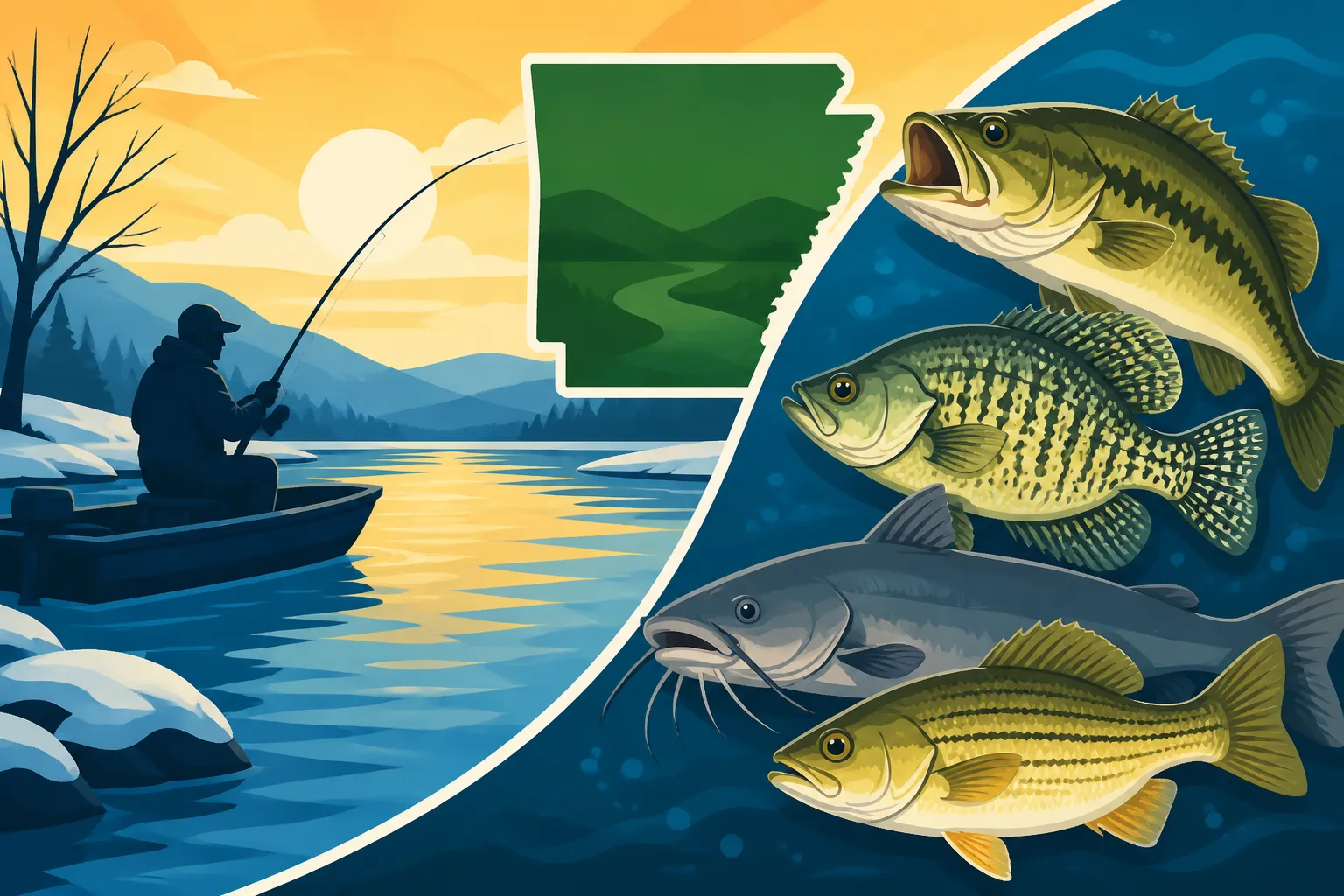
There's a unique frustration that comes with a sudden cold snap in Arkansas, isn't there? You've been enjoying relatively mild fall fishing, and then, seemingly overnight, the temperatures drop, and you start to see those dreaded skim coats of ice forming on the quiet coves. For an avid angler, the thought of putting away the rods and reels for weeks or even months due to widespread ice cover can be truly disheartening. But here in Arkansas, thanks to our diverse waterways and generally milder winters, you don't have to surrender your fishing passion entirely. This guide is all about helping you discover the best fish species that remain active and catchable, ensuring you can keep your lines wet even when the mercury dips and the threat of widespread ice keeps other states' anglers indoors.
Understanding Winter Fish Behavior in Ice-Free Waters
It's easy to assume that all fish just "shut down" when the water gets cold, but that's a bit of an oversimplification. While it's true that their metabolism slows down, certain species are far more resilient and even thrive in the cooler, ice-free conditions that often characterize an Arkansas winter. Knowing how fish behave in these conditions is the first step to continued success.
Cold-Blooded Realities and Metabolic Shifts
Remember, fish are cold-blooded creatures, meaning their body temperature mirrors the water around them. When the water gets colder, their internal processes, from digestion to movement, naturally slow down. They don't have the internal furnace we do to stay warm. This means they're not going to be chasing down fast-moving lures with the same vigor they would in spring or summer. They conserve energy, making every feeding opportunity count.
Think of it like this: if you were trying to save energy in a chilly house, you wouldn't be sprinting around. You'd move slowly, carefully, and only exert energy when absolutely necessary. Fish operate on a similar principle in cold water. They're still hungry, they still need to eat, but their strikes will often be more subtle, their movements more deliberate. This metabolic shift is precisely why understanding which species are built for these conditions is key.
The Impact of Stable Temperatures
One of the often-overlooked aspects of winter fishing success is the importance of stable water temperatures. While the air might fluctuate wildly from day to day, the deeper sections of our lakes and rivers tend to maintain a more consistent temperature. Fish will gravitate towards these areas, seeking comfort and thermal stability. This means they often school up, making them a more concentrated target if you can find them.
So, while the surface might be a frigid 40 degrees, a thermocline might hold water in the mid-40s or low-50s at 20-30 feet, creating a comfortable zone for certain species. Learning to read your electronics and target these deeper, more stable environments is paramount. This congregation makes them prime targets once located, turning what might seem like a needle-in-a-haystack search into a rewarding winter outing.
Top Species for Arkansas's Milder Winter Waters
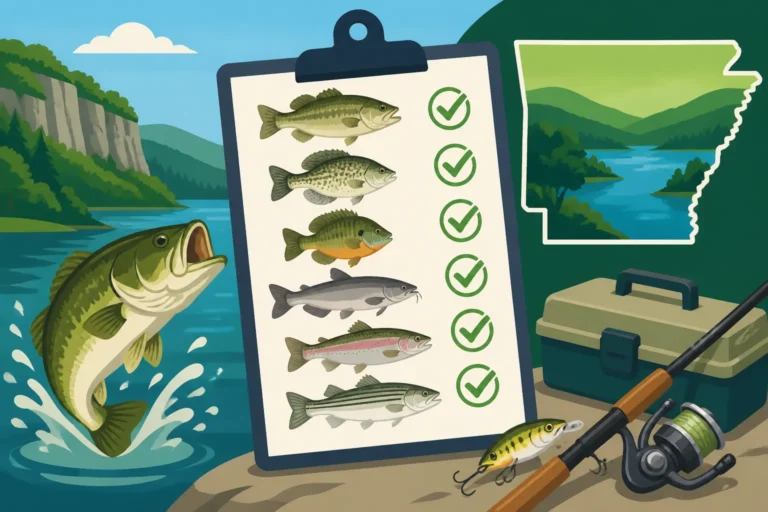
When you're looking to escape the winter fishing doldrums, Arkansas offers some fantastic opportunities for ice-free angling. Certain species simply handle the cold better than others, remaining active and willing to bite, making them your go-to targets for winter success.
Crappie: The Winter Schoolers
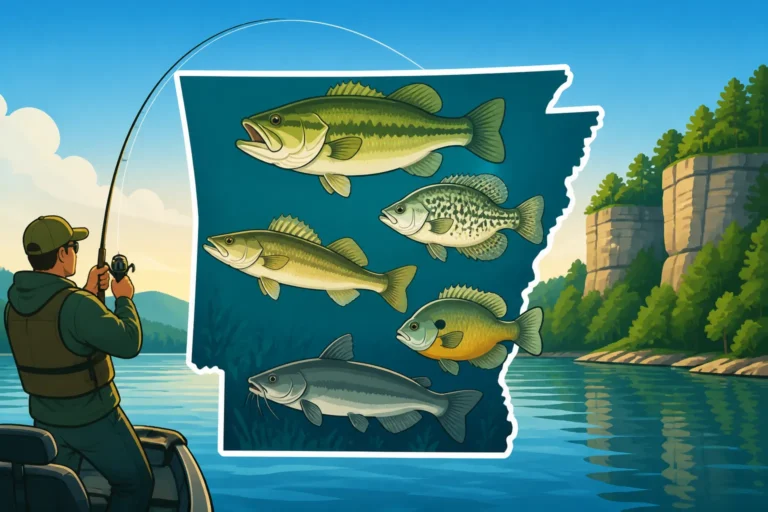
Crappie are absolute champions of winter fishing in Arkansas. While they might not be as aggressive as their springtime counterparts, they tend to school up tightly in deeper water, often suspending over structure like brush piles, submerged timber, or along deep creek channels. Finding one crappie in winter often means finding a whole school. This schooling behavior is a huge advantage for anglers, as it allows for concentrated effort once a school is located.
Your approach for crappie in winter needs to be refined. Forget the fast retrieves; slow and steady wins the race. Tiny jigs, often 1/16 to 1/32 ounce, tipped with a small minnow or a soft plastic, are incredibly effective. Vertical jigging or slow-trolling these baits right in their face is often the ticket. Many anglers swear by Best Bait for Crappie Fishing and targeting depths of 20-40 feet depending on the lake and water clarity. Lakes like Lake Ouachita, DeGray Lake, and Lake Conway are renowned for their winter crappie fisheries. Remember to check Crappie Size and Daily Limit in Arkansas before you go!
Catfish: The Bottom Dwellers
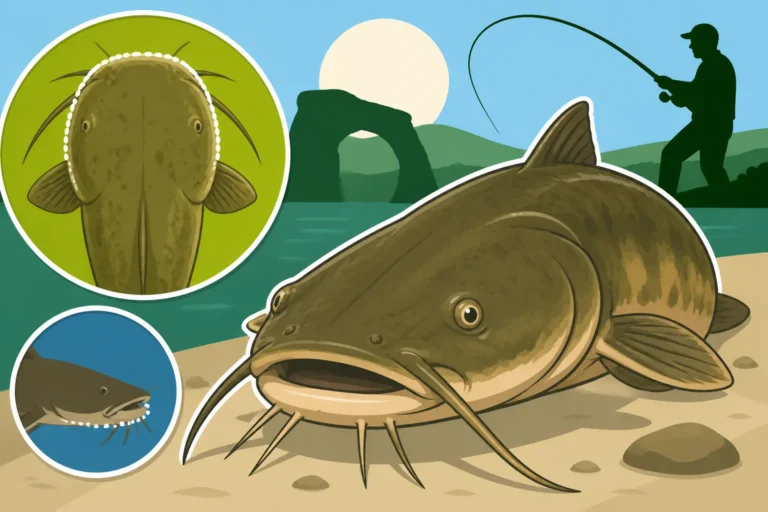
Don't discount catfish when the weather turns cold. While they might not be as active as during the warmer months, both channel catfish and blue catfish remain catchable throughout the winter in Arkansas's ice-free waters. They'll often move to deeper holes in rivers or the main lake channels in reservoirs, seeking out those more stable temperatures. These fish are opportunistic feeders, and a slow-moving, scent-heavy bait presented on the bottom can be irresistible.
For winter catfishing, focus on deep channels, river bends, and the areas around submerged structures. Cut bait, shrimp, or even prepared baits can be very effective. Since their metabolism is slower, they're not likely to chase a bait, so presenting it directly in their zone and leaving it there for extended periods is a good strategy. Channel Catfish in Arkansas Lakes and Rivers are abundant, and targeting them during winter can yield some surprisingly large catches, especially the big blue cats. Look for quality treble hooks and strong line on retailers like Amazon to handle those potential lunkers.
Trout: The Cold-Water Kings
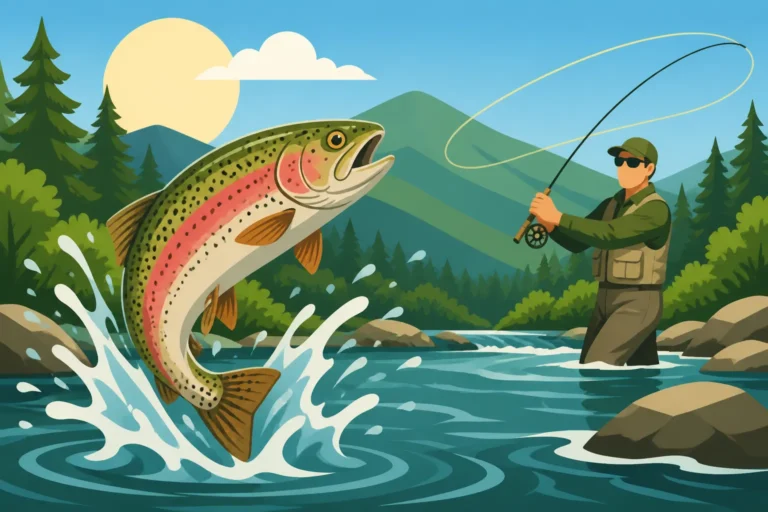
For many Arkansas anglers, winter fishing means one thing: trout. Our state is blessed with world-class trout fisheries, particularly in the tailwaters below our major dams, such as the White River and the Little Red River. These rivers release cold, oxygen-rich water year-round, making them ideal habitats for rainbow, brown, cutthroat, and brook trout, even when other lakes are too warm in summer or too cold in winter. This makes them perfect for year-round, ice-free fishing.
Trout in these tailwaters remain active throughout the winter. Fly fishing with nymphs, midges, or streamers can be incredibly productive, as can spin fishing with small inline spinners, spoons, or scented artificial baits. Drifting live worms or power bait under a float is also a popular and effective method. The key is to understand the current and present your bait naturally. Whether you're targeting Rainbow Trout Fishing Below Bull Shoals Dam or looking for a trophy brown, these rivers are consistent winter producers. Always be mindful of specific regulations, such as those found in Bull Shoals Tailwater Trout Rules in Arkansas or Norfork Tailwater Trout Rules and Season, as these waters often have unique limits and catch-and-release zones.
Gear and Tactics for Winter Success
Successfully targeting fish in ice-free winter conditions often comes down to adapting your gear and techniques. Fish are lethargic, so your presentation needs to match their mood. It's less about speed and more about precision and patience.
Slow and Low Presentation
This is the golden rule for winter fishing. Faster retrieves or aggressive jigging that might work in warmer months will often spook cold-water fish or simply be ignored. Your baits need to be presented slowly, often right in the strike zone, giving the fish ample time to decide if they want to expend the energy to eat.
For crappie and panfish, this means slow vertical jigging with tiny jigs, letting them fall almost imperceptibly, or very slow trolling with spider rigging setups. For catfish, it means bottom fishing with static baits, allowing the scent to disperse. For trout, it's often a dead drift with nymphs or very slow retrieves with spinners. Consider adding some extra weight to get your lures down to the fish quickly, then work them with minimal movement. A sensitive rod and reel combo, like those found on Amazon, will help you detect those subtle winter bites that often feel more like a sponge than a strike.
Bait Choices for Chilly Bites
Your bait selection is crucial. High-action artificial lures are often less effective unless worked extremely slowly. Live bait, with its natural movement and scent, is often king in cold water. Small minnows for crappie, worms for trout, and cut bait or prepared stink baits for catfish are generally excellent choices.
When using artificials, think scent and subtle action. Scented soft plastics for crappie or trout can be incredibly effective, as can small jigs tipped with an attractant. Small, dense spoons or inline spinners can also work for trout, but again, the retrieve must be methodical and slow. Remember, the fish aren't going to chase much, so your bait needs to be appetizing and easy to acquire. Best Bait for Blue Catfish in Arkansas will often involve natural options that emit a strong odor.
Where to Find Your Winter Haul in Arkansas
Finding fish in the winter in ice-free conditions isn't just about what you use, but where you use it. Fish naturally gravitate towards certain areas that offer them thermal comfort and readily available food without expending too much energy.
Deep Channels and Drop-offs
In Arkansas's large reservoirs like Bull Shoals Lake, Norfork Lake, or Lake Ouachita, deep main lake channels and sharp drop-offs are winter magnets. These areas offer more stable water temperatures compared to shallow flats or coves, providing a comfortable sanctuary for many species. Fish will often stage right on the edges of these channels or suspend over them, waiting for food to drift by.
Using your boat's electronics to identify these deeper contours, ledges, and any submerged brush or timber along them is critical. Look for schools of baitfish, and you'll often find the predators nearby. This is where those crappie schools congregate, and where larger bass or catfish might be holding. Learning to interpret your sonar in these deeper zones is a skill that will pay dividends in the winter. For more general guidance, check out Best Lakes in Arkansas for Bass, Crappie, and Catfish.
Tailwaters: The Year-Round Cold-Water Havens
As mentioned earlier, Arkansas's tailwater rivers, fed by the deep, cold waters released from our major dams, are exceptional winter fishing destinations. Rivers like the White River below Bull Shoals Dam, the Norfork River, and the Little Red River maintain consistent, cold temperatures year-round, preventing ice formation in most sections and providing a stable environment for trout.
These rivers are often the most reliable ice-free fishing spots in the state. Trout are actively feeding, and the consistent flow means you can often find them in predictable holding patterns. Look for deep runs, eddies, and seams where slower water meets faster currents. These spots offer trout a place to rest out of the main current while still having access to drifting food. Drifting baits or flies through these zones is a classic and highly effective winter technique. For specific rules and guidance, always consult resources like the Arkansas Fishing Regulations Guide. Even for a quick check, an app on your phone (downloaded from app stores like Amazon Appstore) can be handy to confirm current regulations.
Consider Rivers and Smaller Streams
Beyond the large tailwaters, many of Arkansas's smaller rivers and streams often remain ice-free, especially in the southern and central parts of the state, or those with decent flow. These can offer excellent opportunities for targeting smallmouth bass in the Ozarks or various panfish and catfish in the warmer-running lowland rivers.
The key with these smaller waterways is to look for deeper pools, undercut banks, and logjams where fish can find shelter from cold currents and predators. While you might not find the same concentrated schools as in a big reservoir, the peace and quiet of a winter river can be incredibly rewarding. Keep an eye on local conditions, and don't be afraid to explore. Winter Fishing Patterns on Arkansas Reservoirs might give you some insights that can be adapted to river systems, too. And remember, the rules about What Counts as a Final Point of Storage for Fish in Arkansas apply here as well.
| Fish Species | Typical Winter Habitat | Preferred Winter Baits/Lures | Winter Tactic Focus |
|---|---|---|---|
| Crappie | Deep channels, brush piles, submerged timber, open water schools | Small jigs (1/16-1/32 oz), minnows, scented soft plastics | Vertical jigging, slow trolling, suspending baits |
| Catfish | Deep holes, river bends, main lake channels, log jams | Cut bait, shrimp, prepared stink baits | Bottom fishing, static presentations, heavy scent |
| Trout | Tailwater runs, eddies, seams, deep pools | Nymphs, midges, small spinners, scented artificials, worms | Dead drifting, slow retrieves, targeting currents |
Fishing in Arkansas during the colder months can be an incredibly rewarding experience, offering peaceful solitude and often some of the biggest fish of the year. Don't let the cooler temperatures keep you off the water; with the right approach and targeting these resilient species, you can enjoy ice-free angling all winter long.
Disclaimer
This article is for general informational purposes only and does not constitute professional advice. Laws, prices and regulations vary by location and change over time. Consult a qualified professional for guidance on your specific situation.