Best Lakes in Arkansas for Bass, Crappie, and Catfish
It's incredibly frustrating when you're itching to get out on the water, but you're not quite sure where to go in the vastness of Arkansas to catch the fish you're dreaming of. Whether you're after the thrilling fight of a big bass, the consistent bite of crappie for a fish fry, or the brute strength of a monster catfish, knowing the prime spots makes all the difference. This guide will take you through the very best lakes in Arkansas renowned for each of these popular species, helping you pinpoint your next angling adventure with confidence.
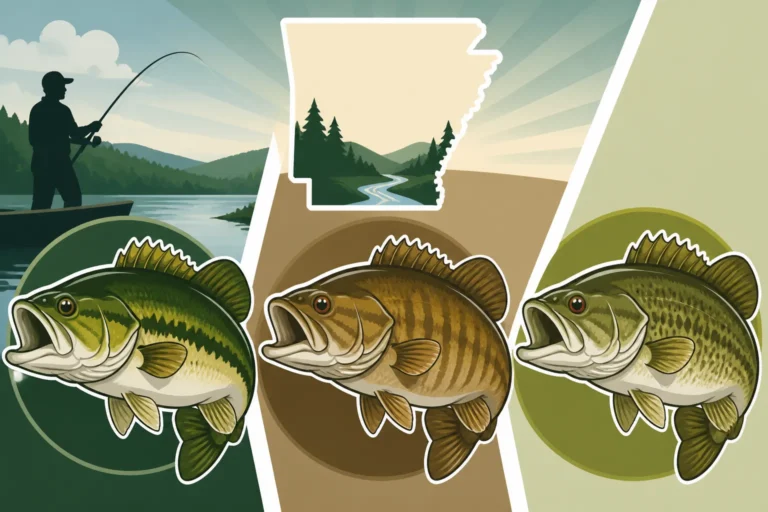
Chasing Trophy Bass: Top Lakes for Arkansas Largemouth and Smallmouth
When it comes to bass fishing in Arkansas, anglers are truly spoiled for choice. The state boasts an incredible diversity of lakes, from clear-water impoundments in the Ozarks to timber-filled reservoirs further south, each offering unique challenges and rewards for bass enthusiasts. Targeting these hard-fighting fish is a passion for many, and Arkansas's waters deliver consistently.
The Ozark Gems: Bull Shoals and Beaver Lake
Up in the stunning Ozark Mountains, you'll find two of Arkansas's most celebrated bass fisheries: Bull Shoals Lake and Beaver Lake. These massive, clear-water reservoirs are legendary for their largemouth and, especially, smallmouth bass populations. The rocky bluffs, deep points, and abundant submerged timber create a complex and inviting habitat that trophy bass absolutely thrive in. Fishing these lakes can be a bit different from shallower, stained waters; the clarity means fish are often deeper or holding tighter to cover, requiring a more finessed approach or precision casting.
Anglers often find success here by focusing on creek channels, main lake points, and deep structure. During the warmer months, bass will often suspend over deep water or hug those rocky ledges, making deep-diving crankbaits, heavy jigs, and drop shots incredibly effective. For those who love the explosive strikes of topwater, early morning and late evening bites around shoreline cover or main lake points can be absolutely phenomenal. Smallmouth here are often found around rocky outcrops and gravel flats, and they put up a phenomenal fight, often leaping clear of the water. If you're serious about battling these bronzebacks, you'll want to check out Smallmouth Bass Fishing in Arkansas's Ozark Streams for more on their preferences, though these lakes are true gems. Don't forget to explore Best Bass Fishing Spots on Bull Shoals Lake for specific hotspots. You might even find some excellent spinnerbaits or specialized jig heads on Amazon that are perfect for these clear-water conditions.
Central Arkansas Powerhouses: Lake Ouachita and DeGray Lake
Moving south into central Arkansas, Lake Ouachita and DeGray Lake stand out as phenomenal bass fisheries, especially for largemouth. Lake Ouachita, often touted as Arkansas's largest lake, is a pristine jewel known for its exceptional water quality and abundant standing timber. The sheer amount of natural cover – from vast timber stands to hydrilla beds and rocky shorelines – provides endless opportunities for bass to ambush unsuspecting prey. DeGray Lake, another Corps of Engineers lake, offers a similar clear-water experience with plenty of submerged structure and creek channels to explore.
Fishing on these lakes often involves picking apart the vast cover. Texas-rigged worms, creature baits, and jigs are staples for punching through vegetation or probing the depths of submerged timber. Spinnerbaits and buzzbaits can be deadly when bass are active around the edges of cover, particularly during the spawn and post-spawn periods. Many anglers will focus on points, humps, and submerged roadbeds, especially during the hotter summer months when bass move deeper to find cooler water and consistent oxygen levels. These lakes also have healthy populations of spotted bass (Kentucky bass), which add another exciting dimension to the fishing experience. You can learn more about this incredible fishery in Lake Ouachita: Arkansas's Largest Lake for Bass and Crappie Fishing and Bass Fishing at DeGray Lake in West-Central Arkansas.
Filling the Livewell: Prime Crappie Lakes Across the State
If there's one fish that brings a smile to almost every angler's face in Arkansas, it's the crappie. These delicious panfish are sought after for their prolific numbers and excellent table fare. Whether you prefer vertical jigging around brush piles or spider rigging open water, Arkansas has an abundance of lakes where crappie thrive, making it easy to fill a cooler.
Delta Delights: Lake Dardanelle and Lake Chicot
In the eastern and central parts of Arkansas, where the landscape flattens and merges with the rich Delta region, lakes like Dardanelle and Chicot offer some of the best crappie fishing experiences. Lake Dardanelle, part of the Arkansas River system, is a vast body of water known for its diverse habitat, including flooded timber, backwater sloughs, and channel swings. This variety creates endless opportunities for crappie to hide and feed. Lake Chicot, Arkansas's largest natural lake and an oxbow of the Mississippi River, is similarly rich in timber and submerged cover, making it a crappie paradise.
Anglers targeting crappie on these lakes often focus on submerged brush piles, standing timber, and the edges of creek channels. During the spring spawn, crappie move into shallower water, making them accessible to bank anglers and those in smaller boats. Minnows under a bobber are always a classic, but small jigs (1/16 to 1/8 ounce) in chartreuse, white, or black-and-chartreuse combinations are incredibly effective. It's crucial to pay attention to your Crappie Must Be 9 Inches or Longer to Keep in Arkansas, as size limits ensure sustainable fishing. For those who want to stock up on a variety of crappie jigs and soft plastics, Amazon has an extensive selection that can be delivered right to your door before your next trip.
Southern Hotspots: Lake Monticello and Millwood Lake
Further south in the state, Lake Monticello and Millwood Lake are two other fantastic destinations for crappie anglers. Lake Monticello, specifically designed for crappie and bass, is famous for its abundant standing timber and relatively shallow average depth, making it incredibly productive. Millwood Lake, located on the Little River, also features extensive flooded timber and cypress trees, providing ideal crappie habitat. These waters can be a maze of cover, which is exactly what crappie love.
On Lake Monticello, anglers often employ spider rigging techniques, presenting multiple baits at different depths around the timber lines and channel edges. Vertical jigging alongside standing trees or working jigs slowly through brush piles are also highly effective. It’s important to note that Lake Monticello Crappie Limit Drops to 15 Fish Per Day, a specific regulation put in place to manage the fishery and ensure continued quality. Millwood Lake offers similar challenges and rewards, with anglers often finding success by exploring the extensive cypress flats and dead timber. During colder months, crappie will often move to deeper structures like old river channels or submerged roadbeds, where a good fish finder is invaluable for locating schools. For a deeper dive into this unique southern fishery, check out Lake Millwood Fishing Guide in Southwest Arkansas.
Battling Bottom Dwellers: Arkansas's Best Catfish Waters
For those who love the raw power and delicious taste of catfish, Arkansas offers some truly exceptional opportunities. From the mighty river systems to vast reservoirs, the state's waters hold impressive populations of channel, blue, and flathead catfish, many of which reach truly enormous sizes. There's nothing quite like the thudding run of a big cat on the end of your line.
River Monsters: The Arkansas River and Lower White River
When it comes to trophy catfish, the Arkansas River is in a league of its own. This major waterway, flowing through the heart of the state, is home to massive blue catfish that can exceed 100 pounds, as well as plenty of hefty channel and flathead catfish. The constant flow, deep scour holes, log jams, and diverse bottom structure create a perfect environment for these powerful bottom dwellers. The lower White River, particularly its sections closer to the Arkansas River confluence, also offers fantastic catfishing opportunities, especially for blues and flatheads.
Anglers targeting these river giants often use heavy-duty gear and robust baits. Cut bait, such as shad, carp, or even chicken liver, is a perennial favorite for channel and blue catfish. Live bait, like sunfish or small carp, is often the go-to for flathead catfish, which prefer a living meal. Techniques such as trotlining and jug fishing are popular and effective methods for covering large areas and increasing your chances of hooking into a trophy. Setting up a series of jugs or a long trotline along deep channels or near submerged cover can yield incredible results, though it requires careful planning and adherence to regulations. For more on angling in this impressive waterway, read Fishing the Arkansas River for Bass and Catfish. You'll want to make sure you have strong hooks and durable line, which you can easily find on Amazon.
Lake Giants: Lake Dardanelle and Lake Ouachita
While rivers are prime spots, several Arkansas lakes also hold incredible populations of big catfish. Lake Dardanelle, mentioned earlier for its crappie, is also a phenomenal catfish lake due to its connection to the Arkansas River system. The deep river channels and numerous submerged structures within the lake offer prime habitat for blues and channels. Lake Ouachita, with its expansive deep waters and abundant forage, also boasts a robust catfish population, particularly channel and blue cats, with flatheads found in the timbered creek arms.
On lakes, anglers often focus on deep holes, main lake points where current is present, or around humps and submerged timber. Fishing the thermocline (the layer where warm surface water meets cooler deep water) during summer can also be very effective, as catfish will often hold there. Popular methods include anchoring and deploying multiple rod setups with various baits, or drift fishing large sections of the lake with cut or live bait. During colder months, catfish tend to congregate in deeper pockets, making them predictable targets if you can locate them. Exploring Catfish Fishing Spots on Arkansas's Lake Ouachita can give you an edge on this massive lake.
Multi-Species Meccas: Lakes That Offer a Diverse Catch
Sometimes you don't want to limit yourself to just one species. You want options, the chance to catch a variety of fish in a single outing. Luckily, Arkansas has several lakes that are true multi-species meccas, offering excellent fishing for bass, crappie, and catfish all in the same waters. These lakes are perfect for a family outing or for the angler who enjoys switching tactics throughout the day.
Lake Conway: A Fisher's Paradise Near the Capital
Lake Conway, located near Little Rock, is a prime example of a lake that truly shines for multiple species. This large, shallow impoundment is famous for its incredible amounts of standing timber and cypress trees, which provide unparalleled cover and forage for a diverse fish population. It's the kind of lake where you can target bass in one cove, then move just a short distance to find crappie holding tight to a brush pile, and even set out some lines for catfish in the deeper channels.
Its shallow nature and abundant cover make it incredibly productive, especially during the spring and fall. Bass anglers will find plenty of opportunities pitching jigs and soft plastics into the timber, or working spinnerbaits along the weed lines. Crappie anglers can have a field day vertical jigging or slow trolling minnows through the dense stands of trees. For catfish, the deeper creek channels and open pockets within the timber are excellent spots for setting out lines with stink baits or cut bait. It’s a very accessible lake, often seen as a fantastic spot for beginners or families, and you can find many good bank fishing spots too. Learn more about this popular central Arkansas spot in Lake Conway Bass Fishing Near Little Rock, Arkansas.
Dardanelle and Ouachita: Consistently Productive Lakes
We've already highlighted Lake Dardanelle and Lake Ouachita for individual species, but it's worth emphasizing their incredible versatility as multi-species fisheries. Their size, diverse habitat, and healthy forage bases mean that anglers can reliably target bass, crappie, and catfish—often on the same trip.
On Lake Dardanelle, the confluence of a major river system with extensive backwaters and timber creates a dynamic environment. You can find excellent bass fishing along riprap and rocky points, crappie in the flooded timber and brush piles, and monster catfish in the main river channel and deeper holes. Similarly, Lake Ouachita's pristine waters and vast submerged structure cater to all three. Bass thrive around the timber and rocky points, crappie are abundant in the brush piles and standing trees, and large catfish roam the deeper sections and creek channels. The key to fishing these lakes for multiple species is often understanding the lake's topography and moving between different types of habitat to match what each species prefers at a given time. Flexibility in your tackle and approach is a huge asset here.
Maximizing Your Trip: Essential Lake Fishing Strategies
Having the right lake is only half the battle; knowing how to approach that lake and its fish can make all the difference between a slow day and a banner one. Effective strategies combine understanding fish behavior, proper gear, and adherence to local regulations. It can be quite frustrating to show up at a prime spot only to realize your tackle box is missing that crucial lure, or worse, you're not legal!
Understanding Seasonal Patterns and Fish Behavior
Fish behavior is heavily influenced by the seasons and water conditions. What works in spring won't necessarily work in the heat of summer or the chill of winter. In spring, for example, many species like bass and crappie move shallow for their spawn, making them more accessible. This is when you'll find them around docks, shallow cover, and warming flats. As summer sets in, fish often retreat to deeper, cooler waters, concentrating around structure like ledges, humps, and submerged timber. Early mornings and late evenings are often the most productive times in summer when fish move shallower to feed.
Fall sees a resurgence of activity as fish feed heavily in preparation for winter, often scattering across different depths as baitfish move. Winter, while challenging, can be incredibly rewarding, especially for species like crappie and catfish that school up in predictable deep-water locations. Knowing these general patterns is crucial for consistent success. Keeping an eye on the water temperature is also vital; it's a huge indicator of where fish will be and how active they'll be. Dive deeper into these changes with Arkansas Fishing Seasons Guide and Best Time of Year to Fish in Arkansas.
Gear Up for Success: Rods, Reels, and Bait
Having the right equipment is non-negotiable for a successful fishing trip. For bass, a medium-heavy rod paired with a baitcasting reel is versatile enough for most techniques, from pitching jigs to throwing crankbaits. For crappie, a lighter, more sensitive spinning rod (often 6-7 feet long) with a small reel spooled with light line (4-6 lb test) is ideal for jigging or using small minnows. Catfish, especially the bigger ones in rivers, require heavy-action rods, strong reels with plenty of line capacity, and stout hooks designed to handle powerful runs.
Don't skimp on bait either. Live bait like minnows for crappie, worms for panfish, and shad or sunfish for catfish are often irresistible. For artificials, a variety of colors and sizes of jigs, crankbaits, spinnerbaits, and soft plastics will give you options. It's a good idea to research what's been working recently on your chosen lake. A good tackle box, maybe one you picked up from Amazon, that's well-organized with a variety of lures and essential tools like pliers, line cutters, and a measuring tape, will make your day much smoother.
Navigating Regulations and Access
Before you even wet a line, understanding Arkansas's fishing regulations is paramount. This includes having the appropriate Arkansas Fishing License Rules and Costs, especially if you're a nonresident. Always check the specific size and daily limits for the species you're targeting on your chosen lake, as these can vary significantly from statewide regulations, as seen with Arkansas Fish Size and Daily Limits. Lake Monticello's crappie limit is a prime example of localized rules.
Access to the lakes is another consideration. Most major lakes have numerous public boat ramps and often designated bank fishing areas or fishing piers. Some of the more remote spots might require a 4×4 vehicle or a bit of a hike. Always be mindful of private property, and respect local signage. A little planning goes a long way in ensuring a legal and enjoyable day on the water.
Best Lakes for Bass, Crappie, and Catfish: At a Glance
To help you visualize the prime spots for each of your target species, here's a quick reference table. Remember, many of these lakes offer excellent multi-species opportunities, so don't be afraid to explore beyond a single target!
| Lake Name | Primary Species Highlighted | Secondary Species (Also Excellent) | Key Features for Anglers |
|---|---|---|---|
| Bull Shoals Lake | Bass (Largemouth, Smallmouth) | Crappie, Catfish | Clear water, deep points, rocky bluffs, abundant structure. |
| Beaver Lake | Bass (Largemouth, Smallmouth) | Crappie, Catfish | Clear water, rocky structure, timber, great scenery. |
| Lake Ouachita | Bass (Largemouth), Catfish | Crappie, Striped Bass | Pristine, standing timber, deep channels, diverse habitat. |
| DeGray Lake | Bass (Largemouth) | Crappie, Catfish | Clear water, submerged structure, recreation facilities. |
| Lake Dardanelle | Crappie, Catfish | Bass (Largemouth, Spotted) | River system, flooded timber, backwaters, diverse habitat. |
| Lake Chicot | Crappie | Catfish, Panfish | Largest natural lake, extensive timber, oxbow lake features. |
| Lake Monticello | Crappie | Bass (Largemouth) | Specifically managed, abundant standing timber, shallower. |
| Millwood Lake | Crappie, Catfish | Bass (Largemouth) | Extensive flooded timber, cypress trees, river system. |
| Arkansas River | Catfish (Blue, Flathead) | Bass (Largemouth), Crappie | Major river, deep holes, strong currents, trophy potential. |
| Lake Conway | Bass (Largemouth), Crappie | Catfish, Panfish | Shallow, incredibly dense standing timber, highly productive. |
This article is for general informational purposes only and does not constitute professional advice. Laws, prices and regulations vary by location and change over time. Consult a qualified professional for guidance on your specific situation.