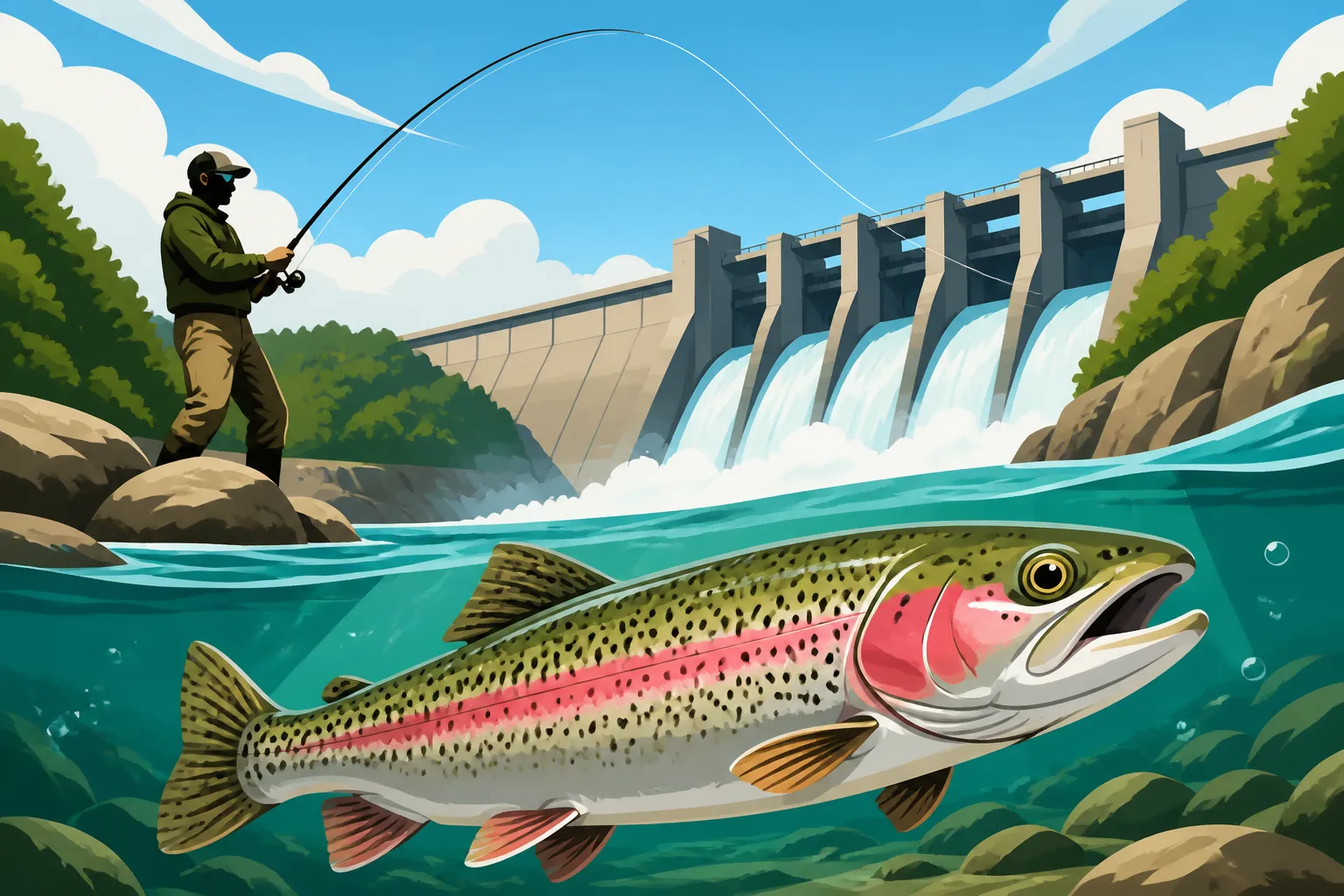
Rainbow Trout Fishing Below Bull Shoals Dam
There’s nothing quite like the draw of the White River below Bull Shoals Dam for an angler. However, if you’ve ever cast your line into its crystal-clear waters, you know the humbling truth: these rainbow trout are notoriously wary, and catching them consistently requires more than just luck. This comprehensive guide is here to unravel the mysteries of this famed tailwater, equipping you with the knowledge, techniques, and gear you need to conquer the challenge and experience the thrill of landing Arkansas’s magnificent rainbow trout.
Understanding the Unique Waters Below Bull Shoals Dam
Fishing below a major dam isn't like fishing a natural river. The White River tailwater below Bull Shoals Dam is a world unto itself, shaped entirely by the controlled release of water from the reservoir above. This creates a highly specialized environment that, while challenging, is also incredibly productive for trout. Ignoring these unique characteristics is like trying to catch bass in a trout stream – you're just setting yourself up for frustration.
The Tailwater Environment and Its Influence on Trout
The very nature of a tailwater fishery, particularly one as significant as the White River below Bull Shoals, means the water is drawn from the deep, frigid bottom of the massive reservoir. This results in consistently cold, oxygen-rich water flowing downstream, creating ideal conditions year-round for trout, especially rainbow trout, that thrive in cooler temperatures. This constant cold shock to the river ecosystem is the primary reason trout flourish here, unlike many other streams in the warmer parts of Arkansas. What's often overlooked by newcomers, though, is how dramatically this can change. Water generation schedules from the dam dictate everything from flow rates to water levels, transforming the river from a placid stream to a raging torrent within hours. This ebb and flow means trout are constantly adjusting their positions, and so must you.
The constant flow of cool water also fuels an incredibly rich invertebrate ecosystem. Below the dam, you'll find an astonishing abundance of aquatic insects like scuds, sowbugs, and various midge species, along with juvenile baitfish. These creatures form the backbone of the trout's diet, growing fat and happy in the consistent conditions. Understanding what the trout are feeding on at any given moment is absolutely critical to success. If you're using a generic lure when the trout are gorging on tiny midges, you're going to have a long, quiet day. The health and vigor of the rainbows here are a direct reflection of this pristine, food-rich environment, making them strong fighters and highly sought after by anglers.
Primary Forage for Rainbow Trout in the White River
Rainbow trout in the White River are opportunistic feeders, but they have a distinct preference for the abundant aquatic life unique to the tailwater. Their diet is overwhelmingly dominated by invertebrates that flourish in the cold, clear water. Scuds and sowbugs, which are small, shrimp-like crustaceans, are present in staggering numbers and are a year-round staple. Midges, in their larval, pupal, and adult forms, are another constant food source, particularly when the water flow is stable. Caddisflies and mayflies, while not as prevalent as in some freestone rivers, still provide important hatches at certain times of the year, especially during periods of lower, more natural flow. Imitating these tiny, subtle food items is often the key to unlocking consistent bites.
Beyond the insect menu, rainbow trout will also key in on baitfish, particularly during higher flows or when larger predators like brown trout are on the prowl. Shad and various minnow species can become important dietary components, especially for bigger rainbows looking for a more substantial meal. Sculpins, small bottom-dwelling fish, are also part of the mix, particularly in rocky areas. It's not uncommon to find rainbows with full bellies of these smaller fish. Even terrestrial insects that fall into the water, like grasshoppers or ants, will be consumed. The sheer diversity of food sources means that trout can be picky, and matching the hatch, or at least the general size and profile of the predominant forage, becomes a crucial skill that separates successful anglers from those who leave frustrated. This is where having a diverse tackle box, easily assembled from resources like Amazon, can really pay off.
Essential Gear for Targeting White River Rainbows
The right tools for the job can make all the difference, especially when you're dealing with the sometimes finicky rainbow trout of the White River tailwater. Trying to use your heavy bass rod or a basic fly rod not suited for this environment will quickly lead to disappointment. Let's talk about what truly sets you up for success.
Rods, Reels, and Line for Tailwater Trout Fishing
For those who prefer spin fishing, a light to ultralight action rod is absolutely paramount. We're talking about rods in the 6-foot 6-inch to 7-foot range, with a fast or extra-fast tip. This sensitivity allows you to detect the often incredibly subtle takes of a trout in current, which can sometimes feel like nothing more than a slight pause in your line. Pair this with a small, lightweight spinning reel, typically in the 1000 to 2000 series. Smooth drag is non-negotiable; these trout, even average-sized ones, will make strong runs in the current, and a sticky drag means broken lines. For line, opt for 4 to 6-pound test monofilament or fluorocarbon. Fluorocarbon offers excellent abrasion resistance against rocks and is nearly invisible underwater, a huge advantage in the White River's clear sections. A clear monofilament leader of 2-4 pounds is also often a good idea, extending beyond your main line for added stealth.
Fly fishing is incredibly popular on the White River, and for good reason. A 4 to 6-weight fly rod, usually 8 feet 6 inches to 9 feet long, is the standard. This weight offers a good balance of delicate presentation for small nymphs and enough backbone to handle larger trout and cast streamers. A matching fly reel with a reliable disc drag is essential. You'll typically be using a weight-forward floating line, which helps with mend and presentation. The leader system is where things get technical: a long tapered leader (9-12 feet) ending in a fine tippet (5x to 7x, sometimes even 8x for the most challenging conditions) is crucial for convincing wary trout that your fly is a natural food item. Remember, stealth in presentation is often more important than the exact fly pattern when trout are spooky, and a long, light leader achieves that. You can find a vast selection of these specialized lines and leaders from reputable brands on Amazon.
Baits, Lures, and Flies for Consistent Success
When it comes to spin fishing, the White River rainbows have a few favorites. Prepared baits like PowerBait (especially those scented with corn or garlic) and various salmon egg imitations are incredibly effective, particularly for recently stocked fish and those actively feeding on the bottom. These are often fished on a small hook with a few split shots to get them down to the desired depth. For artificial lures, small inline spinners like Rooster Tails and Panther Martins in sizes #0 to #2 are deadly, especially when retrieved through current seams or eddies. Small, silver or gold spoons, jigs tipped with miniscule soft plastics, or even tiny crankbaits can also elicit strikes. The key here is presenting a small, natural-looking profile that can withstand the current.
Fly fishing offers an incredible array of options. Nymphs are undoubtedly the workhorses of White River fly fishing. Patterns like the Pheasant Tail, Hare's Ear, Zebra Midge, San Juan Worm, and various scud imitations are absolute must-haves. These flies mimic the natural aquatic insects that make up the bulk of the trout's diet. You'll often fish these under an indicator, adjusting depth until you find where the fish are holding. Streamers, like the Woolly Bugger in olive, black, or white, are excellent for imitating baitfish and can provoke aggressive strikes from larger trout. They are often fished by stripping them through deeper pools or along structure. Finally, dry flies offer the most visual and exciting fishing, though they are highly situational. During specific hatches of midges, caddis, or mayflies, matching the emerging insects with a well-presented dry fly can be incredibly rewarding. Having a selection of these, or the materials to tie them, can easily be sourced from retailers like Amazon for convenience.
Waders, Boots, and Safety Essentials
Any serious angler exploring the White River below Bull Shoals Dam will quickly learn the absolute necessity of reliable waders and wading boots. The river bottom is a mix of slippery rocks, gravel, and sometimes mud, and the water can be deceptively deep and fast-moving. Chest waders are the standard, keeping you dry and warm in the chilly water. Pair these with felt-soled or studded wading boots for superior traction. Trust me, losing your footing in strong current is no fun, and safety should always be your top priority. Make sure your waders fit well and aren't too tight, especially when layering underneath for warmth.
Beyond keeping you dry, safety essentials are critical. A wading staff is a game-changer for stability, especially when moving through unfamiliar water or during periods of generation. A personal flotation device (PFD) or wading belt is highly recommended, especially if you plan to wade during rising water or in deeper sections. The water can rise rapidly, and currents can become powerful enough to sweep you off your feet. Always wear a hat and polarized sunglasses; the hat protects you from the sun, and polarized lenses cut through the glare, allowing you to spot submerged structure and, sometimes, even cruising trout. Layers of clothing are also important, as temperatures can fluctuate dramatically throughout the day, particularly with the cold water chilling the air close to the surface. Being prepared means you can focus on the fishing, not on being cold, wet, or unsafe.
Mastering Techniques for White River Rainbow Trout
Catching rainbow trout in the White River isn't just about having the right gear; it's about knowing how to use it effectively in this unique environment. These fish are educated, and a sloppy presentation will often result in nothing more than a few curious stares.
Spin Fishing Strategies for the Tailwater
When spin fishing for White River rainbows, precision and presentation are key. One of the most common and effective methods is bottom bouncing with prepared baits like PowerBait or salmon eggs. The trick here is to use just enough weight (small split shot or a tiny sliding sinker) to get your bait down to the bottom without anchoring it completely. You want it to tumble naturally with the current, mimicking a free-drifting food item. Cast slightly upstream and let your bait drift downstream, maintaining a tight line to feel for subtle bites. A trout often won't hammer the bait; it might just be a slight tap or a momentary cessation of the line's drift.
Another productive strategy involves casting and retrieving small inline spinners or spoons through current breaks and eddies. Trout often hold in these calmer pockets, waiting for food to be swept past them. Cast upstream or across the current, letting the lure swing naturally before beginning a slow, steady retrieve. Experiment with retrieve speeds and angles to see what triggers a strike. Sometimes a twitch or pause can make all the difference. Remember, the clear water means stealth is important; avoid heavy footsteps on the bank and keep your casts smooth. Many experienced anglers often tie a small swivel above their leader to prevent line twist when using spinners, a small but significant detail often found among items on Amazon that enhance your fishing experience.
Fly Fishing Approaches: Nymphing, Streamers, and Dries
Nymphing is undeniably the most consistent fly fishing technique on the White River, as trout spend the majority of their time feeding subsurface. The most common approach is indicator nymphing, where one or more weighted nymph patterns are suspended beneath a strike indicator. The goal is a drag-free drift that matches the speed of the current. Pay close attention to your indicator; any hesitation, twitch, or sudden movement could signal a take. Adjusting the depth of your flies is crucial; sometimes trout are hugging the bottom, other times they might be suspended mid-column. A technique called "Euro nymphing" or "tightline nymphing" is also gaining popularity, particularly in higher flows, allowing for even greater sensitivity to subtle bites without an indicator.
Streamer fishing can be incredibly effective for enticing larger, more aggressive rainbow trout, especially during periods of higher water or when they're keying in on baitfish. Patterns like the Woolly Bugger, Clouser Minnow, or Sex Dungeon can be stripped erratically through deeper pools, current seams, and around submerged structure. The idea is to imitate a struggling baitfish, triggering a predatory response. Finally, dry fly fishing offers the pinnacle of visual excitement. While often less consistent than nymphing, if you encounter a hatch of midges, caddis, or mayflies, carefully presenting a matching dry fly can lead to explosive surface strikes. This requires accurate casting, delicate presentation, and a keen eye to spot rising fish. Knowing your Best Time of Year to Fish in Arkansas can give you an edge in predicting when these hatches might occur.
Reading the Water: Where Rainbows Hold and Feed
Successful trout fishing hinges on your ability to "read the water" – to interpret the currents, depths, and structures to locate where fish are likely holding and feeding. In the White River tailwater, rainbow trout are constantly seeking out areas that offer a combination of food, shelter, and reduced current. Look for current seams, which are the lines where fast water meets slower water. Trout will often sit just inside the slower water, waiting for food to be swept by in the faster current. These are prime feeding lanes.
Eddies, the swirling pockets of water behind large rocks, logs, or other obstructions, are another hot spot. They provide a resting place out of the main current while still offering access to passing food. Deeper pools and runs are excellent holding lies, especially during periods of low light or higher water temperatures. Don't overlook submerged structure like fallen trees or large boulders; these provide both cover from predators and current breaks. Pay attention to changes in depth and bottom contour as well. A sudden drop-off or a rise in the riverbed can create a natural ambush point. By carefully observing the water and understanding how trout utilize their environment, you can significantly increase your chances of finding and catching these elusive rainbows.
Optimal Timing and Conditions for Rainbows
Just like any wild animal, the behavior of rainbow trout in the White River is heavily influenced by the clock and the weather. Being in the right place at the right time, under the right conditions, is half the battle.
Best Times of Year to Target Rainbow Trout
While the White River offers year-round trout fishing, certain seasons stand out for rainbow trout. Spring (March-May) is a fantastic time. As water temperatures begin a slight rise (though still cold from the dam), trout become more active, recovering from winter and preparing for or finishing their spawning. Insect activity increases, and the fish are often aggressive. This is a prime time for both nymphs and some early dry fly action.
Fall (September-November) is arguably the peak season for many White River anglers. The cooler air temperatures lead to stable water temperatures, and the trout are actively feeding to bulk up for winter. This period often sees incredible insect hatches, making for excellent dry fly opportunities in addition to consistently good nymphing. The crisp air and vibrant fall foliage also add to the overall experience. Even in winter (December-February), fishing can be excellent, particularly on warmer, sunny days. The cold, consistent water keeps the trout active, and there's often less fishing pressure. This can be a great time to target larger fish, often with nymphs or streamers fished slowly. Summer (June-August) can be challenging due to higher recreational boat traffic and warmer air temperatures, but early mornings and late evenings can still produce, especially by targeting deeper, cooler sections of the river. The Best Trout Fishing Spots in Arkansas can often pinpoint specific areas that remain productive even in tougher conditions.
Understanding Water Generation Schedules and Their Impact
The single most critical factor influencing fishing below Bull Shoals Dam is the power generation schedule. The release of water from the dam dramatically alters the river's flow and depth, directly impacting trout behavior and angler access. During periods of low generation, the river is often wadable, and trout spread out into feeding lanes. This is generally preferred for fly fishing and bank fishing. However, during periods of high generation, the water can rise several feet, creating strong, fast currents that make wading dangerous or impossible. While challenging, high water can concentrate trout along the banks and in eddies, making them accessible from boats or from specific bank access points with the right techniques.
It is absolutely imperative to check the power generation schedule before you head out. These schedules are often published online by the power authority and can change rapidly. Not only does this inform your fishing strategy (e.g., whether to wade or fish from a boat), but it's also a crucial safety measure. Rising water can quickly cut off wading anglers from the bank, and the currents become incredibly powerful. Always err on the side of caution. Even short generation bursts can impact fishing for hours, so understanding the patterns and planning your trip around them, or having flexible tactics, is essential for a productive day on the water.
Weather Factors and Their Role in Trout Behavior
Beyond water generation, various weather factors play a significant role in how and where White River rainbow trout feed. Air temperature can influence insect activity and, consequently, trout feeding patterns. On colder days, trout might be less active and hold deeper, while warmer, stable days can bring them to the surface. Cloud cover often encourages trout to feed more actively, as the reduced light makes them feel less vulnerable to predators and gives them more confidence to move into shallower feeding areas. Overcast days can be some of the best fishing days.
Barometric pressure is another subtle but important factor. Stable or rising pressure often correlates with more active feeding, while rapidly dropping pressure (often associated with approaching storms) can sometimes shut fish down, making them less willing to bite. Wind can also play a role, making casting difficult, especially for fly anglers, but it can also stir up insects or dislodge terrestrial food into the water. Learning to adjust your approach based on these conditions – changing your depth, switching fly patterns, or trying different retrieve speeds – is part of becoming a seasoned tailwater angler. Sometimes, a change in weather can mean the difference between a tough day and a banner day, so always be prepared to adapt.
Regulations and Conservation for Sustainable Fishing
Fishing in any vibrant fishery comes with a responsibility, and the White River below Bull Shoals Dam is no exception. Understanding and adhering to regulations, coupled with practicing conservation, ensures that this incredible resource remains healthy for future generations of anglers.
Arkansas Fishing Regulations Specific to White River Trout
Arkansas has specific regulations for trout fishing, particularly in special regulation areas like the White River tailwater. First and foremost, anyone aged 16 or older needs an Arkansas fishing license. If you're specifically targeting or keeping trout, you'll also need to purchase an additional trout permit. Don't get caught without one, as the penalties can be steep. You can find detailed information on Arkansas Fishing License Rules and Costs and Arkansas Trout Permit Rules.
When it comes to daily limits and size restrictions, it’s crucial to be aware of the specific rules for the White River. While general statewide trout limits exist, the White River often has special regulations zones that can vary by section. For example, in many sections of the White River tailwater, the general daily limit for trout is often five (5) fish, but with specific length restrictions for certain species or sections. For rainbow trout below Bull Shoals Dam, the daily limit is generally set to ensure a healthy population, with specific rules about how many fish of a certain length can be kept. For instance, on the Bull Shoals tailwater, the daily limit for trout is often two (2) fish, of which only one (1) may be over 14 inches long. This is similar to what's seen on the Norfork tailwater. Always consult the current Arkansas Game and Fish Commission regulations guide for the most up-to-date and precise information for the exact section of river you plan to fish. Understanding these nuances is critical to avoiding fines and contributing to the conservation of this precious fishery. You can look into Bull Shoals Tailwater Trout Rules in Arkansas for more specific details.
Practicing Catch and Release Effectively
For many anglers targeting the White River's magnificent trout, particularly the larger, wilder specimens, catch and release is a deeply cherished practice. It's not just about letting a fish go; it's about doing so in a way that maximizes its chances of survival. Minimizing stress is paramount. This means landing the fish as quickly as possible without overplaying it. The longer a fight, the more lactic acid builds up in the fish's muscles, making recovery harder.
Proper handling techniques are non-negotiable. Always wet your hands before touching a fish to protect its delicate slime coat, which is its primary defense against disease. Use barbless hooks, or pinch down the barbs on your hooks; this makes removal much quicker and causes less damage to the fish's mouth. Avoid netting fish if possible, but if you must, use a net with rubber or knotless mesh to prevent scale and fin damage. Keep the fish in the water as much as possible, only lifting it briefly for a photo if desired. If a fish seems sluggish, gently hold it upright in the current, allowing water to flow over its gills until it swims away under its own power. These simple steps ensure that the next angler, or even you on another day, can enjoy the thrill of catching that same beautiful rainbow trout. It's a small effort that yields huge returns for the health of the fishery.
Local Resources and Making the Most of Your Trip
Fishing is an adventure, but a little local knowledge and planning can turn a good trip into a truly unforgettable one. Especially on a unique fishery like the White River tailwater, tapping into local expertise is invaluable.
Connecting with Local Expertise: Guides and Bait Shops
For first-time visitors or those looking to unlock the White River's deeper secrets, hiring a local fishing guide is an unparalleled investment. These guides spend hundreds of days a year on the water; they know the current conditions, the generation schedules, what the trout are feeding on, and exactly where they're holding. They provide expert instruction, put you on fish, and often supply all the necessary gear, which can be a huge relief if you're traveling light or just starting out. They can teach you subtleties that would take years to learn on your own. Looking into How to Book a Fishing Guide in Arkansas is a great first step.
Even if a guide trip isn't in the cards, don't underestimate the wealth of knowledge available at local bait and tackle shops. Places like Dally's Ozark Fly Fisher in Cotter or various tackle shops around Bull Shoals aren't just places to buy gear; they are community hubs for anglers. The staff live and breathe this river and can offer up-to-the-minute reports on water conditions, hot flies or baits, and general advice. While you might purchase a good deal of your staple gear, like a new pair of waders or a selection of flies, from a convenient online retailer like Amazon, supporting these local shops for your daily bait, specific local fly patterns, or the latest scoop is crucial. They are often the pulse of the fishery and a friendly source of information.
Accommodation and Amenities Around Bull Shoals Dam
Making the most of your White River fishing trip extends beyond just the time spent on the water. The area around Bull Shoals Dam offers a variety of accommodation and amenity options to suit different preferences and budgets. For those who love the outdoors, Bull Shoals-White River State Park offers fantastic camping facilities right on the river, with easy access to boat ramps and fishing spots. There are also numerous private campgrounds and RV parks in the nearby towns of Bull Shoals, Lakeview, and Cotter. These often provide amenities like showers, laundry, and even small general stores.
If you prefer a roof over your head, you'll find a range of lodges, cabins, and motels. Many of these are specifically geared towards anglers, offering boat parking, guide services, and fish cleaning stations. Small, family-run lodges often provide a cozy, personalized experience. For dining, you'll find local diners and cafes offering hearty meals in these charming small towns. And don't forget the opportunity to explore the surrounding area; the Bull Shoals-White River State Park also has hiking trails, and the Bull Shoals Caverns offer a different kind of underground adventure for non-fishing family members. Planning your stay thoughtfully ensures a comfortable and enjoyable trip, making your time off the water as relaxing as your time on it.
| Feature | Spin Fishing | Fly Fishing |
|---|---|---|
| Rod Type | Ultralight to Light Action (6'6" – 7') | 4-6 Weight (8'6" – 9') |
| Reel Type | Small Spinning Reel (1000-2000 series) | Matching Fly Reel (smooth disc drag) |
| Line Type | 4-6 lb Monofilament or Fluorocarbon | Weight-Forward Floating Line (long tapered leader) |
| Primary Baits/Lures | PowerBait, Salmon Eggs, Inline Spinners, Spoons | Nymphs (Pheasant Tail, Midge), Streamers (Woolly Bugger), Dry Flies |
| Technique Focus | Bottom Bouncing, Casting & Retrieving Lures | Nymphing (Indicator/Euro), Stripping Streamers, Dry Fly Presentation |
| Typical Target | Stocked Rainbows, Active Feeders | All Trout, Particularly Wary & Wild Fish |
| Stealth Required | High | Very High |
Disclaimer
This article is for general informational purposes only and does not constitute professional advice. Laws, prices and regulations vary by location and change over time. Consult a qualified professional for guidance on your specific situation.