Fish Species Guide for Norfork Lake Anglers
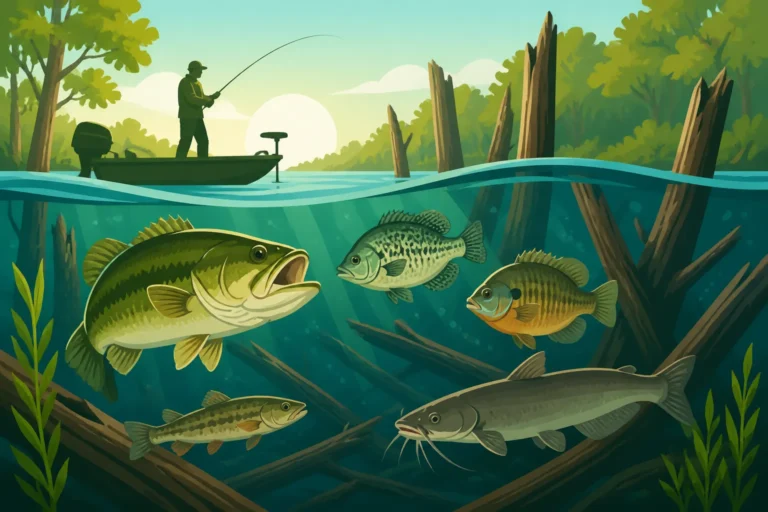
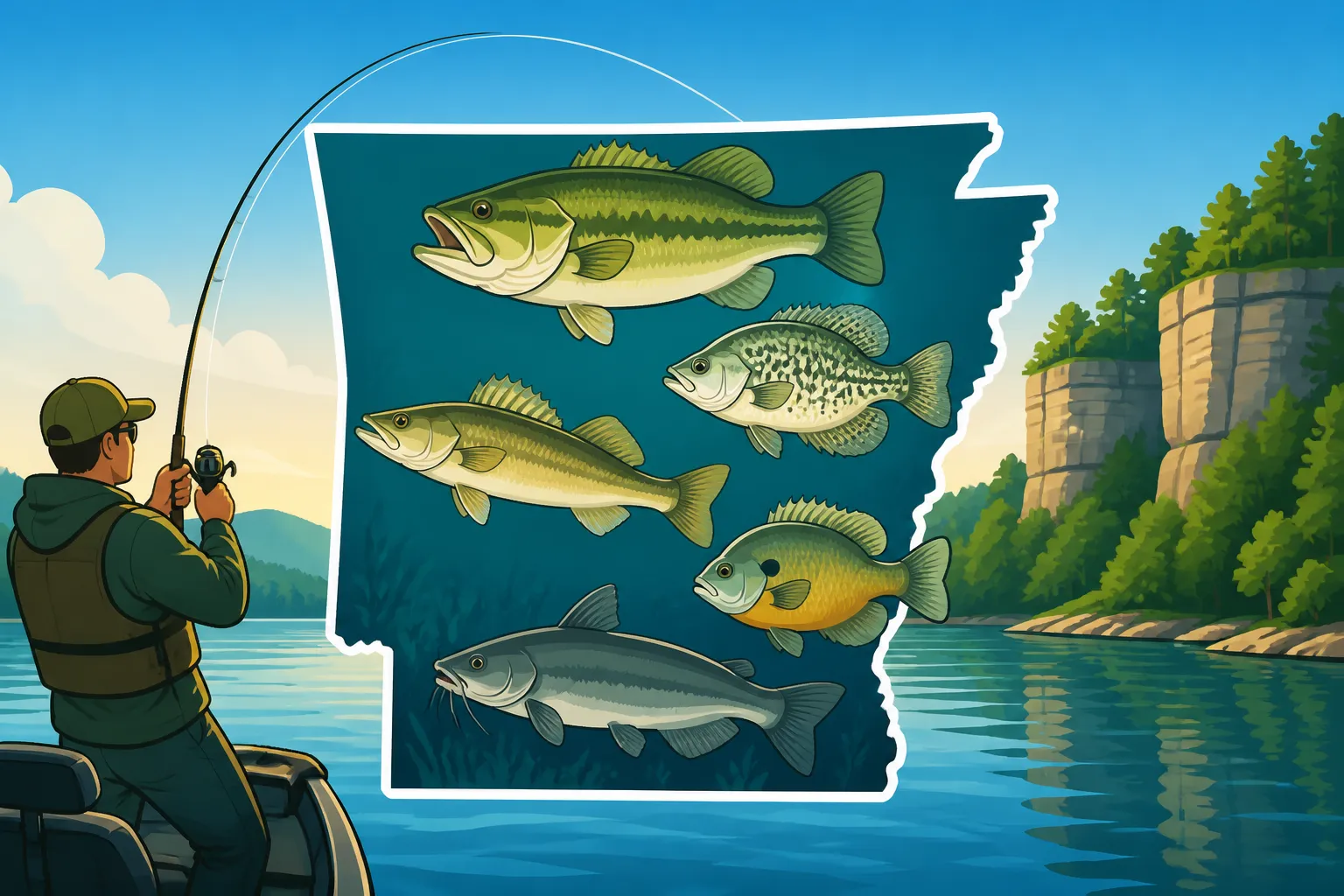
One of the biggest joys, and sometimes challenges, of fishing Norfork Lake is figuring out what species are biting and where to find them. This incredible Ozark reservoir is a true gem, but its deep, clear waters and diverse structure mean you can spend a lot of time guessing if you don't have a solid understanding of its resident fish. This comprehensive guide is here to equip Norfork Lake anglers, from seasoned veterans to excited newcomers, with the knowledge they need to confidently target the lake's most popular game fish and make every cast count.
The Reigning King: Norfork Lake's Striped Bass
When most people think of Norfork Lake, the first fish that often comes to mind is the mighty striped bass. These hard-fighting giants are legendary here, offering an adrenaline-pumping experience unlike any other freshwater fish in Arkansas. But catching them consistently requires understanding their habits and habitats.
Locating Norfork Lake's Trophy Stripers
Norfork Lake's striper population thrives in its deep, cool, and oxygen-rich waters, especially during the warmer months. They are pelagic, meaning they roam the open water, often following massive schools of baitfish like threadfin and gizzard shad. During the pre-spawn and early spawn periods in spring, you might find them shallower, pushing bait into coves or along points, but typically, they’re holding in deeper water, sometimes 30 to 80 feet down, or even deeper depending on the season and time of day.
Modern electronics are an absolute game-changer for locating these fish. Look for large schools of baitfish, often appearing as dense clouds on your fish finder, and then watch for the tell-tale arches of stripers hovering beneath or within those schools. Key areas to focus on are the main lake channel, long points that drop off into deep water, and creek channels that wind through the reservoir. In cooler weather, they might cruise shallower flats or channel swings. Many anglers specifically seek out Best Striper Fishing Spots on Norfork Lake, Arkansas to increase their chances.
Essential Techniques for Striper Success
Catching Norfork stripers often boils down to presenting the right bait or lure at the right depth. Live bait is king for many trophy hunters. Large gizzard shad or threadfin shad, often caught with a cast net from the lake itself, are irresistible to big stripers. You can fish them free-lined behind the boat or with a downrigger to get them to the desired depth. Trolling is another highly effective method, especially for covering vast expanses of water. Using planer boards and umbrella rigs, or simply deep-diving crankbaits, allows you to target fish at various depths. You might even find success with large swimbaits or spoons when stripers are actively feeding. For those exhilarating topwater bites, especially at dawn or dusk, throwing large walk-the-dog baits or poppers can be incredibly effective when stripers are busting bait on the surface. If you're looking to stock up on trolling gear or large swimbaits, you can find a wide selection on Amazon.
Seasonal Striper Patterns
The behavior of Norfork Lake stripers shifts dramatically with the seasons. In winter, they tend to congregate in massive schools in the deeper parts of the lake, often relating to the main river channel. This is when vertical jigging with heavy spoons or large soft plastics can be productive. As spring arrives and water temperatures rise, stripers become more active, often moving shallower and feeding aggressively. This is a fantastic time for both live bait and artificials. Best Month to Catch Striped Bass at Norfork Lake Arkansas is usually spring or fall.
Summer fishing requires anglers to follow the thermocline – the layer of water where temperatures rapidly change. Stripers will typically hold just above or within this cooler, oxygenated water. Downriggers and deep trolling become indispensable during these hot months. When fall approaches and the lake begins to cool, stripers once again move shallower, often feeding voraciously on schooling baitfish, making for some incredible action.
Black Bass Bonanza: Largemouth, Smallmouth, and Kentucky Bass
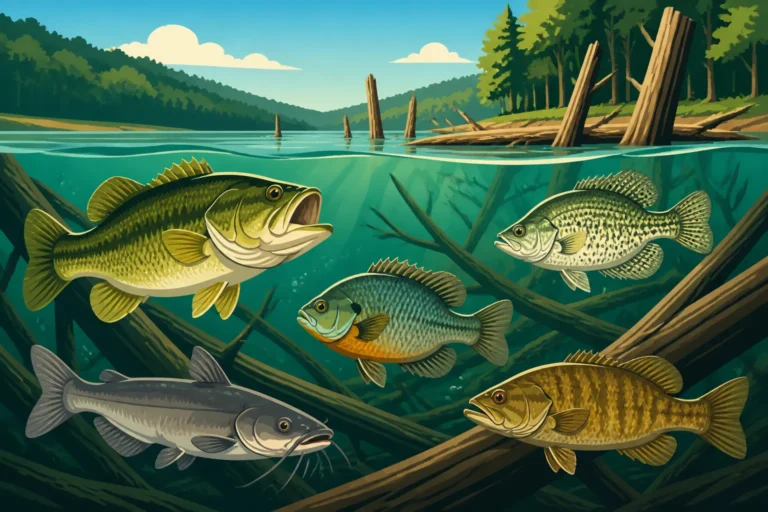
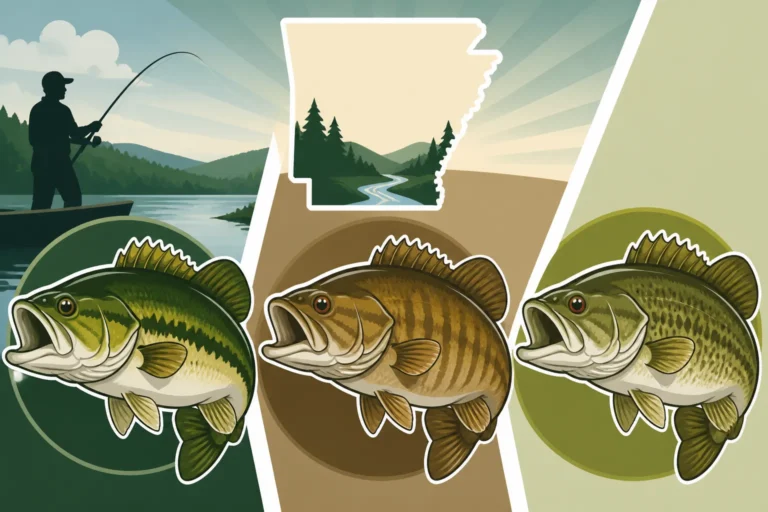
Beyond the stripers, Norfork Lake is a phenomenal destination for black bass fishing. It holds a healthy population of all three major black bass species: largemouth, smallmouth, and Kentucky (spotted) bass. Each offers a unique challenge and prefers slightly different habitats and presentations.
Understanding Norfork's Diverse Bass Population
The key to consistent bass fishing on Norfork is understanding the subtle differences between these three species. Largemouth bass, with their characteristic dark lateral line and a jaw that extends past the eye, typically prefer shallow, cover-rich areas. Think standing timber, submerged brush piles, boat docks, and weed beds if they are present. They are ambush predators. Smallmouth bass, on the other hand, are the bronze beauties of the lake. They have vertical bars or blotches, a jaw that doesn't extend past the eye, and prefer rocky structure: main lake points, bluff ends, humps, and gravel banks. They love clear, oxygenated water and are often found deeper than largemouth. Kentucky (spotted) bass share traits with both. They have rows of spots on their lower belly, a jaw that extends just past the eye, and often inhabit similar rocky structures to smallmouth, but will also relate to deep timber and creek channels. Understanding these preferences helps immensely when targeting a specific species. You might find a good primer on identification in How to Identify a Largemouth Bass.
Tactics for Each Bass Species
Your approach will vary depending on which bass you're after. For largemouth, focus on those visible or submerged cover elements. Texas-rigged plastic worms, jigs flipped into brush, spinnerbaits around docks, and topwater frogs over matted vegetation (if present) are all highly effective. For smallmouth, think rocky and open. Crankbaits that mimic crawfish, shaky head jigs, tube baits, and jerkbaits worked along rocky points and bluff walls can be deadly. Smallmouth are often caught while targeting Smallmouth Bass Fishing in Arkansas's Ozark Rivers. Kentucky bass are often caught using techniques similar to smallmouth, favoring deep diving crankbaits, drop shots, and spoons on deeper points and humps. They frequently school and can be caught on soft plastics or small swimbaits when they're chasing bait. Don't forget to check out Best Lures for Largemouth Bass Fishing for more ideas.
Bass Fishing Hotspots on Norfork
Norfork Lake offers a plethora of bass fishing hotspots. For largemouth, explore the many coves with standing timber, especially those with flooded cedar trees. Docks are always great targets. The upper reaches of the lake and its major arms like the Bennetts River arm or the Big Creek arm, which tend to have more stained water and timber, can be excellent. For smallmouth and Kentucky bass, focus on the main lake points, especially those with steep drops, bluff ends, and underwater humps that rise out of deep water. The mid-lake and lower lake sections with their clearer, rockier characteristics are prime smallmouth territory. Areas around the dam and major creek channels are also productive. These types of features are often discussed when looking at Best Bass Fishing Spots on Bull Shoals Lake, a neighboring lake with similar characteristics.
Crappie and Catfish: Panfish and Bottom Dwellers
While stripers and bass get a lot of attention, Norfork Lake also boasts fantastic fishing for crappie and catfish, offering different challenges and delicious rewards.
Norfork's Crappie: Where and How to Catch Them
Norfork Lake is home to both black and white crappie, with black crappie being more prevalent in its clearer waters. Crappie are structure-oriented fish, and on Norfork, that means looking for brush piles, standing timber, and man-made fish attractors. During the spring spawn, crappie move into shallow coves, often around flooded willows or shallow brush, making them highly accessible to bank anglers or those in small boats. The rest of the year, they typically suspend around deeper brush piles, ledges, and creek channels.
Jigging with small jigs (1/16 to 1/8 ounce) tipped with minnows or soft plastic crappie tubes is a go-to technique. Spider rigging, where multiple rods are deployed from the front of the boat, slowly presenting baits at various depths, is also very popular for locating schools. Pay close attention to your electronics to find these fish, often suspended just above or within cover. For specific regulations, remember that Crappie must be 9 inches or longer to keep in Arkansas. You can find a good selection of crappie jigs and minnow buckets on Amazon, making it easy to gear up.
Catfish: The Lake's Resilient Bottom Feeders
Norfork Lake supports a healthy population of channel, blue, and flathead catfish. These powerful bottom dwellers offer a different kind of fight and are excellent table fare. Channel catfish are the most common and are often found in tributaries, coves, and river channels, feeding on anything from dead bait to invertebrates. Blue catfish grow to impressive sizes and prefer large river channels and open water, often schooling. Flathead catfish are solitary predators that prefer live bait and inhabit areas with heavy cover like logjams or rocky crevices in deep water.
Your bait choice is crucial for catfish. Channel cats will readily hit stink baits, cut bait, chicken livers, or even worms. Blue cats, especially the bigger ones, are best targeted with fresh cut bait from shad or carp. Flatheads almost exclusively prefer live bait like sunfish or small carp, presented near heavy cover. Focus your efforts in creek and river channels, deep holes, and along rocky bluff walls, especially at night when catfish are most active. For tips on bait, check out Best Bait for Blue Catfish in Arkansas. Heavy rods, robust reels, and strong line are essential for tackling these powerful fish.
Other Fun Catches: Sunfish and Hybrid Stripers
Norfork Lake isn't just about the big three; it also offers great opportunities for panfish and even a surprising bonus species.
Sunfish and Bream: Easy Fun for All Ages
For a relaxed day on the water, or introducing kids to the joys of fishing, Norfork's sunfish (often collectively called bream) are a perfect target. Bluegill, redear sunfish, and green sunfish are abundant in the lake's shallower coves, around docks, and near any submerged vegetation or brush. They're eager biters and offer consistent action, making them ideal for beginners.
Simple setups are all you need: a cane pole or a light spinning rod with a bobber, a small hook, and some natural bait. Crickets, worms, and even small pieces of bread are highly effective. Focus on shaded areas, particularly near structure, during sunny days. These fish are usually not too picky and provide a lot of fun. For family-friendly advice, refer to Bluegill Fishing Tips for Kids in Arkansas. A small tackle box with hooks, bobbers, and weights can be easily assembled from items found on Amazon.
Hybrid Striped Bass: The Power of Two
While not as common as pure stripers, hybrid striped bass (a cross between a striped bass and a white bass) are also present in Norfork Lake. These fish offer a phenomenal fight, often hitting harder than their pure striper cousins. They tend to be a bit more tolerant of warmer water and can sometimes be found shallower or in more accessible areas than the deep-dwelling pure stripers.
Hybrid stripers often school and chase baitfish, so look for active feeding frenzies on the surface, especially during low-light conditions. Trolling crankbaits, casting swimbaits, or even using live shad can entice a strike. They provide an unexpected, exciting bonus to any Norfork Lake fishing trip.
Norfork Lake Species Summary
To help you keep track of Norfork Lake's diverse fishery, here's a quick overview of the main species:
| Species | Primary Habitat | Best Baits/Lures | Average Size (Common Catch) | Fight Intensity |
|---|---|---|---|---|
| Striped Bass | Main lake channels, deep points, open water | Live shad, large swimbaits, deep-diving crankbaits | 10-30 lbs (can be 50+ lbs) | Extreme |
| Largemouth Bass | Shallow coves, timber, docks, brush piles | Plastic worms, jigs, spinnerbaits, topwater | 1-5 lbs (can be 10+ lbs) | High |
| Smallmouth Bass | Rocky points, bluff walls, humps, clear water | Crankbaits, tube baits, jerkbaits, shaky heads | 1-4 lbs (can be 6+ lbs) | High |
| Kentucky Bass | Deep points, rocky banks, creek channels | Drop shots, small crankbaits, swimbaits, jigs | 1-3 lbs (can be 5+ lbs) | Medium-High |
| Crappie | Brush piles, standing timber, docks | Small jigs, minnows | 0.5-1.5 lbs (can be 3+ lbs) | Medium |
| Channel Catfish | Tributaries, coves, river channels, deep holes | Cut bait, stink bait, worms, chicken livers | 1-10 lbs (can be 20+ lbs) | Medium |
| Blue Catfish | Main river channels, open water, deep holes | Fresh cut bait (shad, carp) | 5-30 lbs (can be 100+ lbs) | High |
| Flathead Catfish | Logjams, rocky crevices, deep cover | Live sunfish, live carp | 10-40 lbs (can be 80+ lbs) | Very High |
| Sunfish/Bream | Shallow coves, docks, submerged vegetation | Worms, crickets, small poppers | 0.1-0.5 lbs | Low-Medium |
| Hybrid Striper | Open water, main lake points, chasing bait | Live shad, swimbaits, topwater, trolling lures | 5-15 lbs | Very High |
Remember, successful fishing on Norfork Lake often comes down to adapting to conditions, staying persistent, and having a good understanding of what lives beneath the surface. Don't forget to double-check local regulations for specific limits and sizes, as these can change. You might also want to review Arkansas Fishing License Requirements for Out-of-State Anglers or Arkansas Fishing License Rules and Costs before heading out. Tight lines!
Disclaimer
This article is for general informational purposes only and does not constitute professional advice. Laws, prices and regulations vary by location and change over time. Consult a qualified professional for guidance on your specific situation.