Best Bait for Arkansas Crappie
Oh, the elusive crappie! We've all been there, standing on the bank or sitting in a boat, convinced we've got the perfect spot, only to feel that frustrating lack of bites. It's a common dilemma in Arkansas, where these delicious panfish tease us with their abundance but can be finicky about what they'll actually strike. This guide is all about cutting through that confusion, helping you understand the best baits for Arkansas crappie, and more importantly, why those baits work in different situations, so you can fill your cooler and enjoy some of the best eating fish in our waters.
Understanding Crappie Preferences in Arkansas Waters
Crappie, whether you're targeting the black or white varieties, are fascinating fish. They're opportunistic feeders but they also have distinct preferences that change with the seasons and water conditions. Cracking the code to their appetites is the first step toward consistent success on any Arkansas lake or river.
What Makes Crappie Bite: The Basics
Crappie are primarily sight feeders, which means they use their eyes to hunt for food. They often school up around submerged structures like brush piles, standing timber, or old creek channels, ambushing smaller prey as it swims by. Their diet largely consists of small minnows, tiny crustaceans, and insects. This fundamental understanding is crucial because it informs every bait choice you'll make. If your bait doesn't look like, move like, or sometimes even smell like their natural forage, you're fighting an uphill battle.
Think about it: a crappie hiding in the dark shadows of a deep brush pile isn't going to chase down a fast-moving lure meant for a bass. They prefer an easy meal, something that's either slow-moving, suspended at their level, or appears distressed. This is especially true for larger, more experienced crappie, often referred to as "slabs." They've seen it all, and they tend to be a bit lazier, waiting for the perfect opportunity. Their predatory instincts are strong, but so is their drive for efficiency.
The Role of Water Conditions
Water conditions are arguably just as important as the bait itself, influencing everything from crappie location to their activity levels and, subsequently, their willingness to strike. Ignoring these factors is like trying to use a snow shovel in a desert—it simply won't work well.
Water Clarity and Color
Clear water often means crappie are more reliant on their eyesight and can be pickier. In these conditions, natural-looking baits, subtle colors, and smaller profiles tend to perform better. Imagine a crystal-clear spring-fed lake: a bright, gaudy jig might spook them, while a translucent or muted color, perhaps tipped with a live minnow, looks much more natural and appealing. Conversely, in stained or muddy water, visual appeal decreases, and fish rely more on vibration and scent. This is where brighter colors (chartreuse, orange, pink) and baits that displace more water, creating a stronger vibration, can really shine. For instance, if you're fishing a post-rain lake that's a bit turbid, a chartreuse tube jig might outfish a natural shad-colored one by a mile.
Water Temperature and Depth
Temperature dictates crappie metabolism. In colder water, they're sluggish. Their feeding windows are shorter, and they prefer baits that are presented slowly, often right in their face. This means vertical jigging a small bait directly into a submerged tree might be your best bet. As water warms up in spring and summer, their metabolism increases, making them more active and willing to chase. This is when you can experiment with faster retrieves, covering more water. Crappie are also highly sensitive to light, often retreating to deeper, shadier waters during bright daylight hours, especially in summer. Understanding that they'll seek out thermal refuges or move to different depths based on the sun means adjusting your bait presentation to those specific depths. If you're struggling in shallow water during midday, chances are the fish have moved deeper, seeking out the cooler, shadier depths. How to Find Crappie in Deep Water is a fantastic resource to explore this further.
Live Bait Favorites for Arkansas Crappie
When it comes to crappie fishing, sometimes you just can't beat the real thing. Live bait has an undeniable appeal—the natural movement, the scent, the undeniable "realness" that often triggers even the most finicky crappie to bite.
Minnows: The Uncontested Champion
If there's one bait that consistently ranks supreme for crappie, it's the humble minnow. Their natural swimming action and scent are incredibly effective. In Arkansas, you'll find anglers using various types, from shiners to fatheads, but the key is usually a lively minnow that's the right size.
Types, Rigging, and Presentation
The most common minnows used for crappie are often called "crappie minnows" or "goldfish minnows" (which are actually feeder minnows, not true goldfish). Small shiners or fathead minnows are ideal, typically ranging from 1 to 2.5 inches. You want them small enough for a crappie's mouth but substantial enough to present a good meal.
Rigging a minnow is simple but crucial for success:
- Through the back: The most common method is to hook the minnow lightly through the dorsal fin, just behind the head, making sure to avoid the spine. This allows the minnow to swim naturally and stay alive longer. This is great for suspending under a bobber or slow-trolling.
- Through the lips: Hooking a minnow through both lips (bottom to top) is another excellent option, especially if you're doing a slight retrieve or vertical jigging. It keeps the minnow horizontal and often presents a more natural profile.
Presentation is key: Crappie often prefer a slow, almost stationary presentation.
- Under a bobber: This is classic. Set your bobber so the minnow is suspended just above structure or at the depth where you're marking fish. A slip bobber is particularly effective here, allowing you to easily adjust your depth. How to Slip Bobber Fish for Crappie is a great article for mastering this technique.
- Tightlining: No bobber, just a small sinker (split shot) a few inches above the hook, allowing the minnow to swim freely. This is excellent for feeling subtle bites in deeper water or when casting and slowly retrieving.
- Tipping a jig: Combine the best of both worlds! A small minnow on a crappie jig (we'll talk more about jigs soon) adds irresistible scent and natural movement to an artificial lure.
Where to Buy Minnows
You can find live minnows at almost any local bait shop, many sporting goods stores, and even some gas stations across Arkansas. It's always a good idea to call ahead, especially during busy seasons, to make sure they're stocked up. For those who plan ahead or prefer convenience, you can often order bait tanks and aerators, and even some live bait supplies, through retailers like Amazon to keep your minnows lively on longer trips.
Worms and Critters: More Than Just Bass Bait
While minnows get most of the glory, other live baits can be surprisingly effective for crappie, especially when conditions call for something a little different. Don't overlook these options, particularly if you're trying to appeal to a broader range of panfish that might also be schooling with crappie.
Small Worms and Grubs
Crappie, especially smaller ones, have a soft spot for small invertebrates.
- Red wigglers (small earthworms): These little dynamos are fantastic. They offer scent and a tantalizing wiggle that crappie find hard to resist. Hook them once through the middle, allowing both ends to dangle and squirm. They're especially good when fishing around decaying leaves or mud bottoms where crappie might be rooting for food.
- Mealworms and wax worms: These are often used for trout or bluegill, but crappie will absolutely hit them, especially suspended under a small bobber in clear water. Their creamy color and subtle movement can be very attractive. You can sometimes find these in pet stores or online, and they stay lively for a long time in cool conditions.
Crickets: A Summer Treat
When summer heats up, and insects are buzzing around, crickets can be a secret weapon. While more commonly associated with bluegill, crappie will readily take them, particularly when they're feeding closer to the surface or around shoreline vegetation where insects might fall into the water. Rigging a cricket is simple: a small hook lightly through the thorax. Fish them under a tiny bobber or let them drift naturally near structure. They offer a unique natural vibration that can call in fish.
Artificial Baits That Produce in Arkansas
Sometimes, you don't want to deal with the hassle of keeping live bait alive, or you're looking to cover more water and actively hunt for crappie. This is where artificial baits become your best friends. Modern crappie lures are incredibly effective, mimicking everything from tiny minnows to insects, and can be deadly if presented correctly.
Jigs: Versatility is Key
If minnows are the king of live bait, jigs are the undisputed monarch of artificial crappie lures. Their versatility in size, color, and design makes them adaptable to almost any crappie fishing scenario you'll encounter in Arkansas. How to Rig a Jig for Crappie Fishing is a great read to get all the details on various rigging methods.
Sizes, Colors, and Types
Crappie jigs come in a dizzying array of options, but a few basics will get you started in Arkansas:
- Sizes: Most crappie jigs range from 1/32 ounce to 1/8 ounce. Lighter jigs (1/32, 1/16 oz) are perfect for shallow water, slow retrieves, or when fish are finicky. Heavier jigs (1/8 oz) help you get down to deeper fish quickly, especially in current or windy conditions.
- Colors: This is where personal preference and local knowledge come into play. A good rule of thumb: natural colors (shad, minnow, watermelon) for clear water; bright, high-contrast colors (chartreuse, orange, pink, black/chartreuse) for stained or muddy water. In between, colors like white, blue/white, and green are always solid choices. Having a variety is crucial. Sometimes, a subtle change from one shade of chartreuse to another can make all the difference.
- Types:
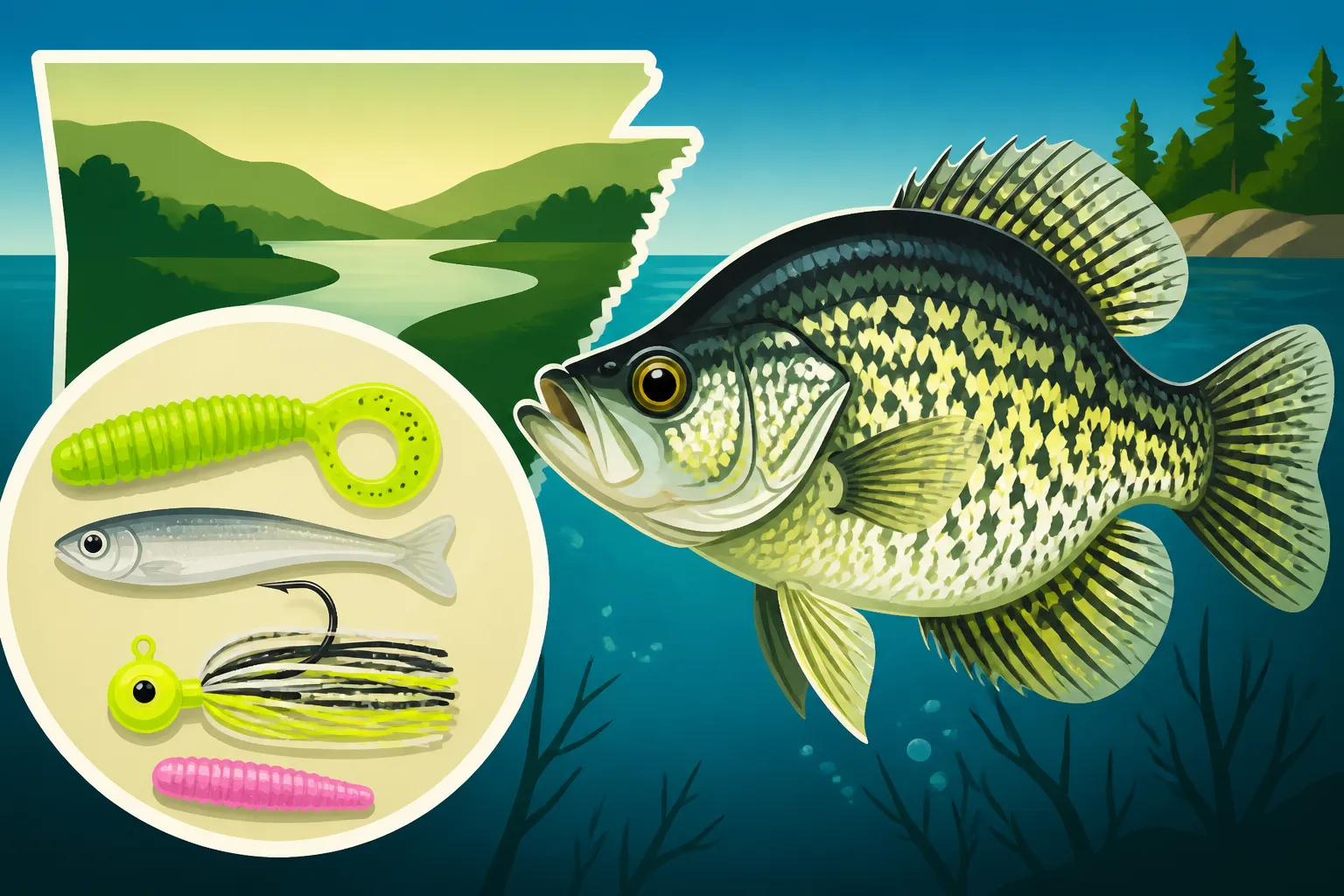
- Tube jigs: These are incredibly popular for a reason. Their hollow body and tentacles create a lot of action and displacement in the water, mimicking a small critter or minnow. They're excellent for vertical jigging or casting and retrieving.
- Hair jigs: Made from natural materials like deer hair or marabou, these jigs breathe and pulse in the water with the slightest movement, creating a lifelike action that's hard for crappie to ignore. Marabou jigs are particularly deadly in cold water due to their subtle, undulating movement.
- Spider jigs: Featuring multiple legs or tails, these are designed to have a bulkier profile and often produce a unique vibration. They're great for situations where you want a more aggressive presentation.
Techniques: Vertical Jigging, Casting, and Trolling
The beauty of jigs is their adaptability to different fishing techniques:
- Vertical Jigging: This is a classic method, especially for crappie holding tight to structure like brush piles or submerged trees. Drop your jig directly over the structure, let it hit bottom, then slowly lift and drop it, mimicking a struggling baitfish. The key is to keep your bait in the strike zone for as long as possible.
- Casting and Retrieving: Ideal for covering more water, especially in open areas or along weed lines. Cast your jig out, let it sink to your desired depth, then retrieve it with a slow, steady crank, adding small twitches or pauses. Experiment with different retrieve speeds until you find what the crappie want.
- Trolling: Many Arkansas anglers slow-troll multiple jigs behind the boat, particularly in large reservoirs like Bull Shoals or Norfork. This allows you to cover vast areas and find schools of crappie. Spider jigs or tube jigs are often favored for trolling, sometimes in tandem rigs.
Small Crankbaits and Spinners
While jigs dominate the artificial bait scene for crappie, don't overlook small crankbaits and spinners. These lures can be incredibly effective, especially when crappie are aggressive or scattered over open flats.
Crankbaits for Crappie
Yes, crankbaits! Not the big bass-sized ones, but tiny versions designed for panfish. These lures typically range from 1 to 2 inches and have a small bill that makes them dive to a specific depth.
- When to use: Crappie crankbaits are fantastic when crappie are actively chasing baitfish in open water, often during the summer and fall. They're also great for covering water quickly to locate fish.
- How to retrieve: A steady retrieve is usually best, letting the crankbait wobble and dive. Experiment with pauses; sometimes, a crappie will hit it as it floats up slightly. Colors mimicking shad or baitfish are usually most effective, but bright patterns can work in stained water. Retailers like Amazon offer a wide selection of these smaller crankbaits, making it easy to find specific diving depths and colors.
Spinners and Spinnerbaits
Small inline spinners (like tiny Rooster Tails or Mepps) and micro spinnerbaits are another excellent choice. The flash and vibration they create are powerful attractants.
- When to use: These are great for clear water, especially around weed edges or along shorelines where crappie might be ambushing prey. The flash can draw fish from a distance.
- How to retrieve: A slow, steady retrieve is usually all it takes to get the blade spinning. The key is to keep it just above the crappie's level. For spinnerbaits, the skirt provides added action, making them a good choice for slightly murkier water or when you want a bulkier profile.
Soft Plastics and Tipped Jigs
Soft plastics have revolutionized crappie fishing, offering an incredible variety of shapes, sizes, and actions. They're often fished on a plain jig head, giving you maximum versatility.
Crappie Magnets and Tiny Swimbaits
The world of crappie soft plastics is vast.
- Crappie Magnets (and similar micro-jigs): These tiny plastic baits, often with a split tail or curled tail, are designed to create subtle action with minimal movement. They come in an incredible range of colors and are best fished on a 1/32 or 1/16 ounce jig head. They're fantastic for vertical jigging, casting, or even tight-lining. Their small profile and vibrant colors can be irresistible.
- Tiny Swimbaits: Mimicking small baitfish, these lures have a paddle tail that kicks and vibrates on the retrieve. They are excellent for active crappie and for covering water. Sizes usually range from 1.5 to 2.5 inches. Again, natural colors are great for clear water, while brighter colors excel in stained conditions. Look for brands that offer scent impregnation, as this can give you an extra edge.
Adding a Minnow for Scent and Action
Sometimes, artificial just isn't quite enough. This is where tipping your jig with live bait becomes a secret weapon. A small piece of a minnow, a whole small minnow, or even a tiny worm on the hook of your soft plastic jig can be the ultimate crappie enticer. The plastic provides the visual appeal and action, while the live bait adds crucial scent and a subtle, natural movement that often seals the deal. This is particularly effective in cold water or when fish are heavily pressured and wary. It’s also a great way to conserve your live minnows if you only brought a few along.
Seasonal Strategies for Crappie Bait in Arkansas
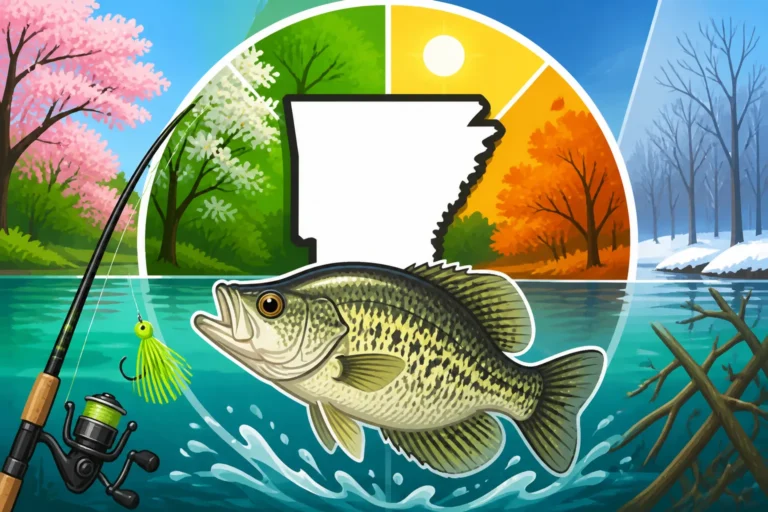
Arkansas crappie fishing is a year-round affair, but what works in spring might not work in winter. Adapting your bait choices and presentation to the season is paramount for success. Understanding these seasonal shifts is key to becoming a consistent crappie angler.
Spring Spawn: Shallow Water Success
Spring is arguably the most exciting time for crappie fishing in Arkansas. As waters warm, crappie move from their deeper wintering grounds into shallower water to spawn, making them more accessible and often more aggressive. This is when they're particularly concentrated and eager to feed before, during, and after the spawn.
Pre-Spawn, Spawn, and Post-Spawn Baits
- Pre-Spawn (Late Winter to Early Spring): As water temperatures climb into the low 50s Fahrenheit, crappie start to stage in deeper water adjacent to their spawning flats. They're feeding heavily, building energy for the spawn. This is a great time for moving baits like small crankbaits or slow-trolled jigs that cover water. They're active and looking for a substantial meal.
- Spawn (Mid-Spring): When water temperatures hit the high 50s to low 60s, crappie move shallow to build nests and lay eggs. They'll be found in 2-6 feet of water around brush, stumps, weed beds, and even submerged roots. During this time, vertical jigging a small live minnow or a brightly colored tube jig (chartreuse, pink, or orange) directly into their beds can be deadly. They're territorial and will strike to protect their nests, even if not actively feeding. Remember that When Do Crappie Spawn in Arkansas can vary slightly depending on the specific lake and region.
- Post-Spawn (Late Spring to Early Summer): After the spawn, crappie often retreat to slightly deeper water, typically 8-15 feet, recovering from the strenuous spawning activity. They're still feeding, but often less aggressively. Small jigs, especially soft plastics with subtle action, or live minnows presented slowly are highly effective. They might be a bit lethargic but will still hit an easy meal.
Summer: Deeper Water Tactics
Summer in Arkansas means warmer surface temperatures and often bright sunlight, pushing crappie into deeper, cooler, and shadier hideouts. This is when your electronics and knowledge of structure become invaluable.
Finding Crappie in Brush Piles and Thermoclines
- Brush Piles: Crappie absolutely love submerged brush piles, standing timber, and old creek channels in summer. These structures offer shade, ambush points, and often hold baitfish. Use your depth finder to locate these spots, then vertically jig live minnows or small jigs directly into the structure. Patience is key, as bites can be subtle.
- Thermoclines: In many deeper Arkansas lakes, a thermocline forms in summer, which is a layer of water with a rapid temperature change. Crappie often suspend just above or within this layer, seeking comfortable temperatures and oxygen levels. Trolling jigs or small crankbaits at this specific depth can be incredibly effective for targeting suspended fish.
- Night Fishing: Don't overlook night fishing in summer! Crappie often move shallower after dark, drawn to artificial lights that attract baitfish. Anchoring over a brush pile and using a submersible light can create a crappie magnet. Live minnows or white and chartreuse jigs are excellent choices under the lights.
Fall: Transition and Feeding Frenzies
Fall is another fantastic time for crappie fishing in Arkansas. As water temperatures begin to cool, crappie become much more active, often schooling up and feeding aggressively in preparation for winter.
Active Fish, Schooling Patterns, and Versatile Baits
- Active Fish: In fall, crappie are often chasing baitfish in open water and moving along creek channels. This is a great time to cover water. Trolling multiple jigs or small crankbaits at various depths can help you locate schools quickly.
- Schooling Patterns: Crappie will often form large schools in the fall, making it possible to catch many fish once you find them. They might be suspended over deeper water or relating to main lake points and humps. Keep an eye on your electronics for those tell-tale arches.
- Versatile Baits: Both live minnows and artificial jigs (especially tube jigs and small swimbaits in natural shad patterns) are highly effective. The key is to match the hatch—if crappie are feeding on small shad, use a bait that mimics that profile and color. Pay attention to Fall Fishing Patterns for Bass and Crappie as they often share similar areas during this active feeding time.
Winter: Slow and Steady Wins the Race
Winter crappie fishing in Arkansas can be challenging but incredibly rewarding. Crappie are lethargic in cold water, but they still need to eat. The key is to slow everything down.
Slow Presentations and Cold-Water Bait Choices
- Slow and Subtle: In winter, crappie metabolism slows dramatically. They won't chase a fast-moving bait. Instead, they'll often hold tight to deep structure, conserving energy. Your presentation needs to be excruciatingly slow and subtle. Vertical jigging is king.
- Small Baits: Tiny jigs (1/32 or even 1/64 ounce), often tipped with a live minnow or a piece of Berkley PowerBait Crappie Nibbler, are ideal. Marabou jigs are particularly effective because their natural fibers pulse and move with very little angler input, creating a lifelike action even when barely moving.
- Location: Look for crappie in deep channels, under bridges, around standing timber, or in brush piles in 20-40 feet of water. They'll be tightly schooled. Once you find them, you can often pick off several fish from a single spot. Patience is truly a virtue here.
- Electronics: Your depth finder is your best friend in winter. It helps you pinpoint schools and present your bait directly to them.
Essential Gear and Presentation Tips
Having the right bait is only half the battle. To truly excel at crappie fishing in Arkansas, you need to pair that bait with appropriate gear and master effective presentation techniques. It's about creating the whole package that convinces a crappie to bite.
Rods, Reels, and Line for Crappie
Crappie fishing isn't about heavy-duty gear; it's about finesse.
- Rods: Opt for a light to ultralight spinning rod, typically 5 to 7 feet long. A fast or extra-fast action rod will give you the sensitivity to feel those often subtle crappie bites and the backbone to set the hook. For vertical jigging or spider-rigging, longer poles (8-14 feet) are popular for extending your reach and holding multiple lines. Best Rod Setup for Crappie Jigging goes into more detail on specialized setups.
- Reels: A small spinning reel (500 to 1000 series) that balances well with your rod is perfect. It should have a smooth drag system for those times you hook into a true slab crappie.
- Line: Light line is crucial for crappie. 4 to 6-pound test monofilament or fluorocarbon is standard. Monofilament offers a bit of stretch and is easy to work with, while fluorocarbon is nearly invisible underwater and has less stretch, offering more sensitivity. Braided line in 6-10 pound test can also be used, especially for deep-water jigging, but many anglers will add a fluorocarbon leader for stealth. Best Line for Vertical Jigging Crappie elaborates on line choices for different techniques.
Presentation Techniques: Making Your Bait Irresistible
Even the best bait won't work if you don't present it effectively. This is where the artistry of crappie fishing truly comes into play.
- Slow Retrieve, Pauses, and Jigging Motions: Crappie are not usually chasing machines. A slow, steady retrieve with occasional pauses is often more effective than a fast one. For jigs, a subtle lift-and-drop motion, or a gentle quiver, is usually all it takes. Imagine a wounded baitfish—it's not darting wildly. When vertical jigging, keep your rod tip high and make tiny, almost imperceptible movements. Sometimes, simply holding the bait absolutely still is the best presentation.
- Staying in the Strike Zone: Crappie often prefer to hit baits that are level with them or slightly above. Use your electronics to determine the depth crappie are holding, then make sure your bait is presented at that exact level. If they're at 15 feet, don't fish your bait at 20.
- Double Rigs: To increase your chances and experiment with different baits or depths, consider a double-jig rig. This involves tying two jigs on separate dropper loops a foot or two apart on your main line. You can use different colors, sizes, or even tip one with a minnow and leave the other bare. This also helps you quickly determine what crappie are biting on that particular day.
Finding Crappie: Where to Cast Your Bait
You can have the perfect bait, but if you're not putting it in front of fish, you won't catch anything. Knowing where to look for crappie in Arkansas is just as important as knowing what bait to use.
- Structure and Cover: Crappie are structure-oriented fish. They love brush piles, submerged timber, stump fields, rock piles, bridge pilings, dock pilings, and even weed lines. These spots offer protection from predators, shade from the sun, and ambush points for baitfish. Many Arkansas lakes, especially the Corps of Engineers reservoirs, are known for their abundant submerged timber. Crappie Fishing Tips for Arkansas Timber Lakes provides excellent advice for these challenging but rewarding environments.
- Depth Finders: Modern electronics are a game-changer. Use your depth finder to locate schools of crappie and identify key structures. Once you find a brush pile or a school of fish, mark it on your GPS so you can return to it.
- Migration Routes: During different seasons, crappie will use specific migration routes between their deep-water haunts and shallow spawning grounds. Learning these patterns on your favorite lake can lead to consistent success. Often, these routes follow old creek channels or riverbeds. For instance, Where to Catch Crappie on Lake Ouachita or Where to Catch Crappie on DeGray Lake will often discuss the best structures and depths for different times of year.
Local Favorites and Unique Arkansas Crappie Bait Insights
While the general principles of crappie fishing hold true, there are always those local nuances and clever tricks that veteran anglers in Arkansas have picked up over the years. These insights can give you a significant edge, turning a slow day into a memorable one.
Specific Arkansas Lake Considerations
Arkansas boasts a diverse array of crappie fisheries, from vast clear impoundments to murky river backwaters and oxbow lakes. What works best can often depend on the specific body of water you're fishing.
- White River National Wildlife Refuge: This area, known for its flood-plain lakes and timber-filled backwaters, often presents stained to muddy water conditions. In these environments, crappie rely heavily on vibration and scent. Brighter colored jigs (chartreuse, orange), often tipped with a minnow or scent, can be very effective. The dense timber also means vertical presentations are often necessary. Check out Crappie Fishing at Arkansas's White River National Wildlife Refuge for more localized tips.
- Large Clear Reservoirs (e.g., Bull Shoals, Norfork, Ouachita): In these clearer, deeper lakes, crappie can be more finicky. Natural colors, smaller profiles, and stealth become paramount. Live minnows, subtle hair jigs, or small soft plastics in shad or minnow patterns are often preferred. Anglers here might also fish deeper, suspending baits over structure or along thermoclines, particularly in summer. Remember that even within these lakes, there are specific regulations; for example, Crappie Size and Daily Limit in Arkansas typically applies, but some lakes like Lake Monticello Crappie Limit Drops to 15 Fish Per Day and Lake Cargile Crappie Limit Rules have their own special exceptions.
- Smaller, Stained Lakes (e.g., Lake Conway, Lake Millwood): Many smaller Arkansas lakes tend to have stained water. Here, a mix of natural and bright colors works well. Crappie can often be found relating to shallow cover, making casting jigs and minnows under a bobber a great strategy.
Combining Baits for Maximum Effect
Don't be afraid to experiment and combine elements to create the most irresistible offering. Smart anglers know how to leverage the strengths of different baits.
- Jig and Minnow Combo: This is a classic for a reason. The jig provides visual attraction, profile, and action, while the minnow adds natural scent and an undeniable, subtle live movement. This combination is particularly effective when crappie are finicky, in cold water, or when you're targeting larger "slab" crappie. The minnow adds that extra temptation.
- Double-Rigged Jigs: As mentioned earlier, using two jigs on a single line allows you to test different colors, sizes, or even jig types simultaneously. For example, you might put a chartreuse tube jig on the bottom and a white marabou jig above it. This helps you quickly dial in on what crappie are preferring on any given day without constantly re-tying. It also increases your chances of a double hook-up, which is always a thrill!
The table below offers a quick comparison of some of the best crappie baits to help you decide what to tie on next.
| Bait Type | Pros | Cons | Ideal Conditions/Season | Best Presentation | Mentioned Brands/Notes |
|---|---|---|---|---|---|
| Live Minnows | Natural movement & scent, highly effective, versatile. | Requires care to keep alive, can be messy, specific sizes needed. | Year-round, especially cold/finicky fish. | Under bobber, tightlining, tipped. | Easily found at local bait shops. |
| Tube Jigs | Great action, many colors, versatile. | Can be less effective in very clear water without tipping. | Year-round, stained to clear water. | Vertical jigging, casting/retrieving, trolling. | Many brands, available on Amazon. |
| Marabou Jigs | Lifelike subtle pulse, excellent in cold water. | Can foul easily in current, less durable than plastics. | Cold water, clear to stained water. | Slow vertical jigging, subtle retrieves. | Various artisan makers. |
| Soft Plastics | Wide variety of shapes/colors, durable, clean. | Lack natural scent/action unless tipped. | Year-round, versatile. | Jigging, casting, slow retrieve. | Crappie Magnets, many brands on Amazon. |
| Small Crankbaits | Covers water quickly, good for active fish, aggressive. | Can be too aggressive for finicky fish, depth limitations. | Spring/Fall, active fish, open water. | Steady retrieve, trolling. | Many small lure brands on Amazon. |
| Inline Spinners | Flash and vibration attracts fish, covers water. | Can twist line, less effective in deep/heavy cover. | Clear water, active fish, shallow to mid-depth. | Steady retrieve. | Rooster Tails, Mepps. |
No matter which bait you choose, remember that crappie fishing is a blend of science and art. Pay attention to the conditions, observe how the fish are reacting, and don't be afraid to switch things up. The more time you spend on the water in Arkansas, the better you'll get at reading the crappie and knowing exactly what they want. Happy fishing, fellow angler!
Disclaimer
This article is for general informational purposes only and does not constitute professional advice. Laws, prices and regulations vary by location and change over time. Consult a qualified professional for guidance on your specific situation.