Channel Catfish in Arkansas Lakes and Rivers
There's nothing quite like the thrill of a bent rod and the powerful tug of a channel catfish on the other end. For many anglers in Arkansas, chasing these whiskered warriors is a beloved pastime, offering both a fun fight and a delicious meal. But if you're new to the game, or simply looking to refine your technique, it can sometimes feel overwhelming to know where to start, what bait to use, or even how to properly identify your catch amidst the state's abundant catfish population. This comprehensive guide is here to untangle those mysteries, offering seasoned advice and practical tips to help you successfully target channel catfish across Arkansas's diverse lakes and rivers.
Understanding the Channel Catfish: Identification and Habitat
Before you can catch them, you've got to know what you're looking for! Arkansas is home to several species of catfish, and while they all share some common traits, the channel catfish has distinct characteristics and preferred habitats that set it apart. Misidentifying your catch can lead to confusion about regulations or even missed opportunities to catch more of your target species.
Key Identification Features
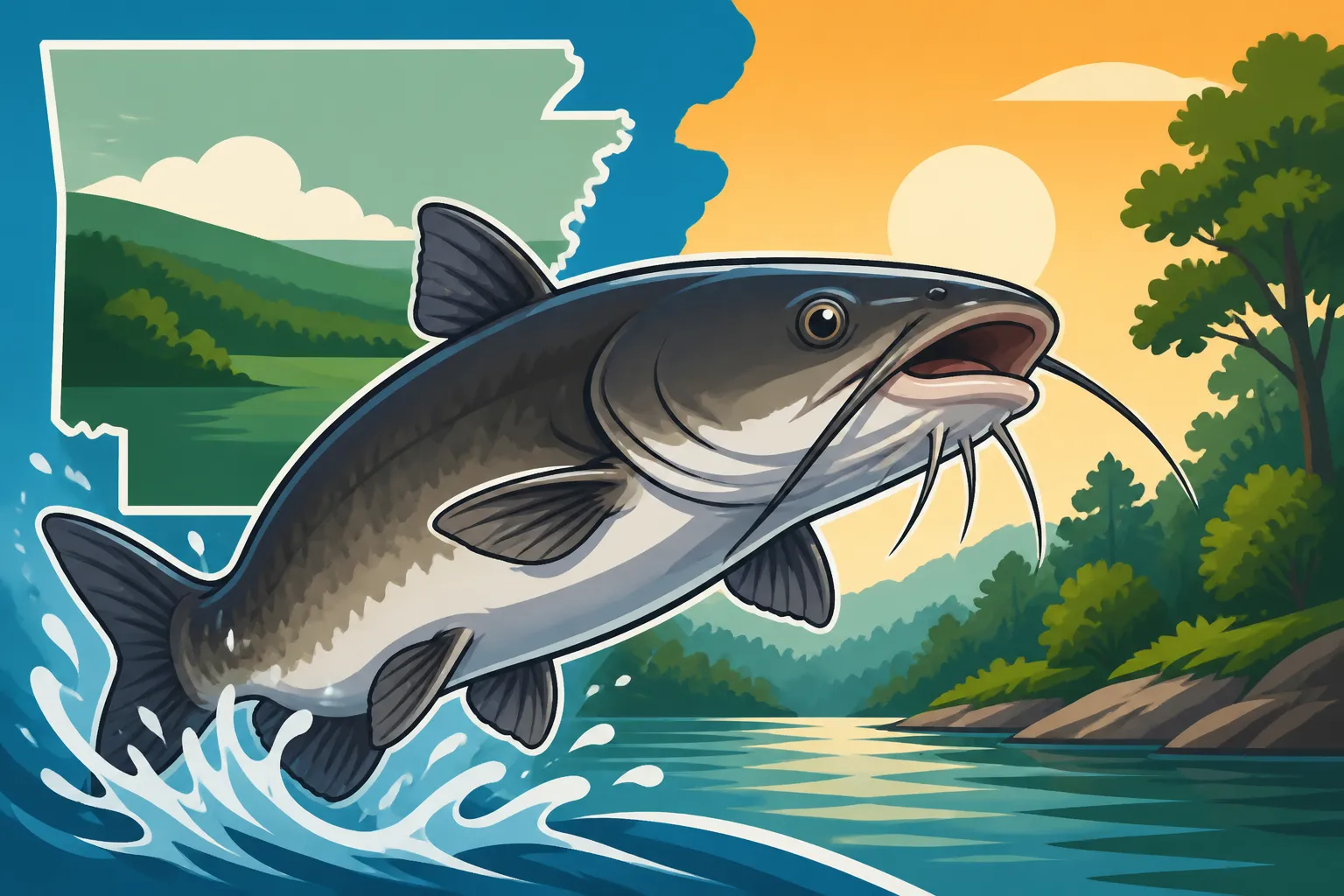
Channel catfish are often mistaken for blue catfish, especially when they're on the smaller side. However, there are some clear telltale signs that will help you distinguish them. Picture a classic catfish: that's usually the channel cat. They have a sleek, elongated body, and their most striking feature is their deeply forked tail, much more pronounced than the flathead's rounded tail or even the blue cat's moderately forked one. Their color can vary quite a bit, from an olive-brown to a slate gray on their backs, often fading to a silvery-white on their bellies. Younger channel cats, in particular, will display distinct dark spots along their sides, which tend to fade as they mature.
Another key characteristic is the number of rays in their anal fin. While this might sound a bit technical, it's a reliable way to tell the difference. Channel catfish typically have 24-29 rays in their anal fin, a number that's usually lower than a blue catfish, which can have 30 or more. If you're ever in doubt, gently count those rays. Their barbels, or whiskers, are also usually darker on top and lighter underneath, adding to their distinctive appearance.
Preferred Habitats in Arkansas
Channel catfish are incredibly adaptable, which is why you can find them in nearly every major water body across Arkansas. They thrive in a wide range of environments, from the slow, murky backwaters of the Delta to the clearer, flowing rivers of the Ozarks. Generally, they prefer areas with moderate current or sluggish flow, often seeking out deeper holes, submerged timber, or rocky crevices where they can hide and ambush prey.
In Arkansas's large reservoirs, you'll often find them congregated around creek channels, old river beds, and along the edges of flats, especially those with some brush or standing timber. Rivers like the Arkansas River are absolute hotbeds for channel cats, particularly in the calmer pools and eddy lines downstream from wing dams or other current breaks. Even smaller farm ponds and oxbow lakes can hold impressive numbers of channel catfish, making them a fantastic target for anglers of all skill levels. They truly are the everyman's catfish in Arkansas.
Here's a quick comparison of common catfish species in Arkansas:
| Feature | Channel Catfish | Blue Catfish | Flathead Catfish |
|---|---|---|---|
| Tail Shape | Deeply forked | Moderately forked | Slightly notched to rounded, often straight |
| Body Shape | Sleek, elongated | Heavy-bodied, robust | Broad, flattened head, robust body |
| Coloration | Olive-brown to slate gray, often spotted (young) | Slate blue to silvery-gray, no spots | Mottled brown to olive, dark spots/blotches |
| Anal Fin Rays | 24-29 | 30-35+ | 14-17 |
| Jaw | Upper jaw slightly overlaps lower | Upper jaw slightly overlaps lower | Lower jaw protrudes beyond upper |
| Typical Diet | Omnivorous (insects, crustaceans, small fish) | Omnivorous (fish, mussels, crayfish) | Piscivorous (live fish, crayfish) |
| Habitat | Rivers, lakes, ponds, moderate current | Large rivers, reservoirs, deeper channels | Rivers, slow-moving pools, heavy cover, live bait |
Top Arkansas Waters for Channel Catfish
Arkansas is blessed with an abundance of excellent fishing spots, and many of them offer fantastic opportunities for channel catfish. Whether you prefer fishing from the bank, a boat, or even just a quiet dock, you'll find plenty of places to wet a line. Targeting the right waters can significantly increase your chances of a successful outing. For a more general overview, you might also want to check out our guide on Best Catfish Spots in Arkansas.
Major Rivers: Arkansas River and White River
The Arkansas River is perhaps the most iconic channel catfish destination in the state. From Fort Smith down to its confluence with the Mississippi, the Arkansas River Navigational System provides miles upon miles of prime habitat. The lock-and-dam system creates pools and tailwaters that are absolutely loaded with channel cats. Anglers frequently find success fishing below the dams, where baitfish are often stunned by the turbulence, creating easy meals for opportunistic catfish. The numerous backwaters, oxbows, and slower current areas also provide perfect hideouts. Look for areas with fallen trees, rocky banks, or deeper scour holes. Early morning and late evening often yield the best results, though night fishing can be incredibly productive here too.
The White River, especially its lower reaches, also holds a healthy population of channel catfish. While the upper White River is famed for its trout, once you get below the major dams and into the warmer, slower stretches, channel cats become a prime target. The river's meandering course, with its many sandbars, cut banks, and submerged logs, provides ample structure for them. Fishing along current breaks or in the deeper pools where the river bends can be very effective. These rivers offer vast expanses, so scouting with a depth finder or simply observing local fishing patterns can be very helpful.
Large Reservoirs: Lake Ouachita and Greers Ferry Lake
Arkansas's big impoundments are not just for bass and crappie; they also boast impressive channel catfish populations. Lake Ouachita, known for its clear waters and pristine beauty, might surprise some with its excellent channel cat fishing. While the clarity can sometimes make them a bit more cautious during the day, they are very active at night or during low-light conditions. Focus on the main lake points, submerged timber, and the mouths of creeks that feed into the lake. Deeper humps and ledges in 15-30 feet of water can also hold good numbers, especially in warmer months.
Greers Ferry Lake is another fantastic reservoir for channel catfish. This lake offers diverse habitat, from steep rocky bluffs to expansive flats with standing timber. Channel cats here can be found patrolling the shoreline in spring and fall, but during the heat of summer, they often retreat to deeper, cooler water. Target creek channels, the main river channel that runs through the lake, and areas with brush piles or submerged structure. Don't overlook the shallower coves and feeder creeks after a good rain, as new food sources wash into the lake. A good sonar unit can be a huge asset in locating these fish in the deeper sections.
Effective Techniques and Baits for Channel Catfish
Channel catfish are often described as being willing biters, which makes them an excellent target for anglers of all experience levels. However, using the right techniques and, crucially, the right bait, can turn a good day into a truly epic one. There's a reason they're so popular: they'll hit a wide variety of offerings! You can learn even more about general catfish strategies in our Catfish Fishing Techniques Guide.
Bait Selection: Stink Baits, Cut Bait, and More
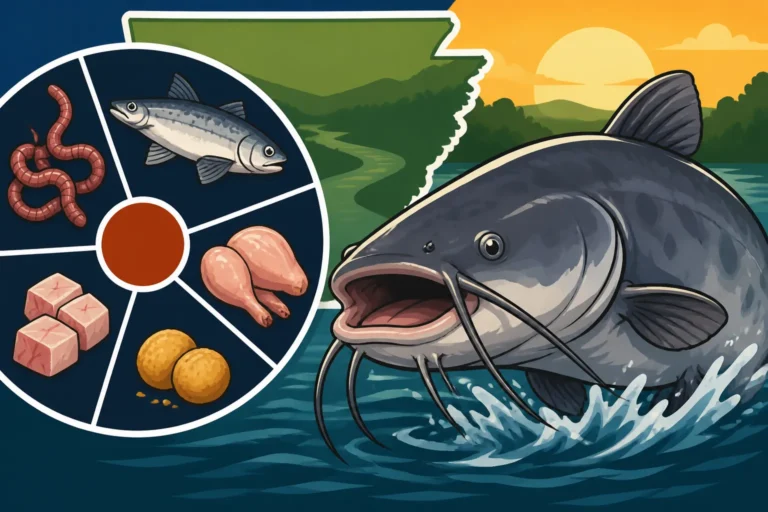
When it comes to bait, channel catfish are not particularly picky, but some options definitely stand out. Stink baits are arguably the most popular choice for channel cats. These pre-prepared baits, often in dip form or punch form, are designed to emit a strong odor that catfish find irresistible. Brands like Triple S and Sonny's are commonly used and can be incredibly effective, especially in stained or murky water where their scent trail travels far. You can find a good variety of these on Amazon or at any local bait shop. The key is to use a bait holder hook or a sponge hook to keep the soft bait on.
Cut bait is another top-tier choice. Freshly cut shad, skipjack herring, perch, or even hot dogs (yes, hot dogs!) can be incredibly productive. The natural oils and scent released from the cut flesh are powerful attractants. Use small chunks, roughly 1-2 inches in size, for channel cats. For bigger fish, you might go slightly larger. Chicken livers are a classic for a reason; they're bloody, smelly, and channel cats absolutely devour them. The main challenge with chicken livers is keeping them on the hook, but clever rigging techniques or using a small piece of nylon stocking can help.
Beyond these, live worms (nightcrawlers, redworms), crawfish, and even corn can catch channel cats, especially in smaller ponds or when they're feeding opportunistically. Remember, their sense of smell is highly developed, so anything that releases a strong scent will usually get their attention.
Rigging and Presentation
Simplicity is often the name of the game when it comes to rigging for channel catfish. A basic Carolina rig is a go-to for many anglers. This involves a sinker (egg sinker or no-roll sinker) sliding freely above a swivel, followed by a leader (typically 12-24 inches of monofilament or fluorocarbon) and a hook. The sliding sinker allows the fish to pick up the bait without feeling immediate resistance. For heavier currents, a three-way swivel rig or a Santee Cooper rig can keep your bait in the strike zone more effectively by presenting it slightly off the bottom.
Choosing the right hook is also important. Circle hooks, in sizes 2/0 to 5/0, are highly recommended. They are designed to hook the fish in the corner of the mouth, which is much safer for the fish if you plan to release it and helps prevent gut-hooking. Plus, with circle hooks, you don't need to set the hook aggressively; just reel in when you feel the bite, and the hook will do the work. The beauty of these simple rigs is that they are highly versatile and can be used whether you're bank fishing, boat fishing, or setting trotlines.
Seasonal Patterns and Best Times to Fish
Understanding how channel catfish behave throughout the year can dramatically improve your success rate. Like most fish, their activity levels and locations change with water temperature and food availability. Fishing at the right time of day or during the right season can make all the difference.
Spring and Spawning Season
Spring is a fantastic time to target channel catfish in Arkansas. As water temperatures begin to rise into the 60s Fahrenheit, channel cats become very active, feeding heavily to prepare for the spawn. They'll move into shallower areas, especially around creek mouths, flats, and submerged cover. This is a great time for bank anglers, as the fish are often accessible closer to shore.
The actual spawning period usually occurs when water temperatures are in the mid-70s, typically from late May through early July, depending on the specific water body. During this time, male channel catfish become very protective of their nests, which are often found in dark, secluded spots like hollow logs, undercut banks, or rock crevices. While they may not feed as aggressively during the peak of the spawn, they are still catchable, often hitting baits out of territorial aggression rather than hunger. After the spawn, they'll resume their aggressive feeding patterns to recover, making late spring and early summer prime time.
Summer and Fall Tactics
Summer fishing for channel catfish can be incredibly productive, especially during low-light conditions. As surface waters warm up, channel cats often retreat to deeper, cooler waters during the day. Look for them in deeper river channels, along thermal breaks, or around submerged structure in reservoirs. Night fishing becomes exceptionally effective in summer. Channel cats are nocturnal feeders, and the cooler water temperatures at night make them much more comfortable and active. Setting up jug lines or trotlines, or simply fishing with a rod and reel from the bank or boat using glow sticks, can yield impressive catches under the stars. Learn more about night fishing in our Night Fishing Techniques for Catfish guide.
Fall sees water temperatures begin to drop, and channel catfish once again become very active, fattening up before winter. They'll often spread out, foraging widely for food. The cooler temperatures make them comfortable throughout the day, so you can often find good fishing from morning to evening. Look for them on flats, along channel edges, and around baitfish schools. As fall progresses and water temperatures continue to drop into the 50s and 40s, their metabolism slows, and they'll move into deeper wintering holes. While they'll still bite, their activity will be less frantic than in spring or early fall.
Cooking and Conservation: Enjoying Your Catch Responsibly
There's nothing quite like fresh-caught catfish, and channel cats are widely regarded as one of the best-eating freshwater fish. But enjoying your catch comes with the responsibility of ensuring healthy fish populations for future generations of anglers.
Preparing Your Catch for the Table
Channel catfish have firm, white, flaky meat with a mild flavor, making them incredibly versatile in the kitchen. Filleting them is a common practice, and a sharp fillet knife makes the job much easier. If you're new to filleting, there are plenty of online tutorials, or you can pick up a good quality fillet knife and cutting board on Amazon to get started. Many anglers prefer to remove the dark red meat along the lateral line, as this can sometimes contribute to a stronger, more "fishy" flavor.
Once filleted, the possibilities are endless. Classic preparations include breading and deep-frying, often served with hushpuppies, coleslaw, and tartar sauce. They're also excellent grilled, baked, or even blackened. Smaller channel cats (1-3 pounds) tend to have the best texture and flavor, often being described as sweeter. Larger fish can still be delicious but might have a slightly firmer texture. Remember to keep your catch on ice to preserve its freshness until you're ready to clean and cook it.
Practicing Responsible Angling
Conservation is key to ensuring that Arkansas's waters remain abundant with channel catfish. Always familiarize yourself with the current Arkansas Fishing Regulations Guide, especially regarding daily limits and any specific length restrictions for the waters you're fishing. While channel catfish are generally managed with generous limits due to their prolific nature, it's still important to only take what you need and will consume.
Consider practicing catch-and-release for larger, older breeder fish. These larger individuals contribute significantly to the genetic health of the population. When releasing fish, handle them gently, minimize their time out of the water, and ensure they are revived before letting them go. Using circle hooks, as mentioned earlier, greatly increases the survival rate of released fish by preventing deep hooking. Responsible disposal of bait, line, and trash also goes a long way in keeping our beautiful lakes and rivers clean and healthy for all to enjoy.
Essential Gear for Channel Catfish Anglers
Having the right equipment can make your channel catfish outing much more enjoyable and successful. You don't need a boatload of expensive gear, but a few key items will go a long way.
Rod and Reel Combos
For channel catfish, a medium to medium-heavy action spinning or baitcasting rod, typically 6 to 8 feet long, is ideal. This length provides good casting distance and enough backbone to handle a fighting fish, without being too cumbersome. Pair this with a reliable spinning reel (size 3000-5000) or a baitcasting reel spooled with 12-20 pound test monofilament or braided line. Braided line offers superior strength-to-diameter ratio and sensitivity, which can be a huge advantage when fishing deeper or in current. However, mono is more forgiving and often preferred by beginners.
Many anglers even purchase dedicated catfish rods, which tend to have a softer tip for bite detection but a strong backbone for hauling in bigger fish. You can find excellent, affordable rod and reel combos perfectly suited for catfishing from numerous brands. Checking out reviews on Amazon can help you decide which one might be right for your budget and fishing style.
Terminal Tackle and Accessories
Beyond the rod and reel, a few key pieces of terminal tackle are essential. You'll need an assortment of sinkers, including egg sinkers (1/2 oz to 2 oz) for Carolina rigs, and flat no-roll sinkers (1-3 oz) for river fishing where current is strong. Swivels (barrel swivels or ball bearing swivels, sizes 2-6) are crucial for connecting your main line to your leader and preventing line twist. As discussed, circle hooks in sizes 2/0 to 5/0 are highly recommended.
Don't forget the leader material – a good quality monofilament or fluorocarbon in 15-30 pound test. A sturdy landing net with a rubberized mesh is invaluable for safely landing larger catfish and is much better for the fish than trying to hoist them by the line. Other useful accessories include a headlamp or flashlight for night fishing, pliers or a hook remover for unhooking fish, a cooler with ice to keep your bait fresh and your catch cold, and a cutting board and fillet knife for processing your fish after the trip. A small tackle box or bag to keep all these essentials organized will make your time on the water much more efficient and enjoyable.
Disclaimer: This article is for general informational purposes only and does not constitute professional advice. Laws, prices and regulations vary by location and change over time. Consult a qualified professional for guidance on your specific situation.