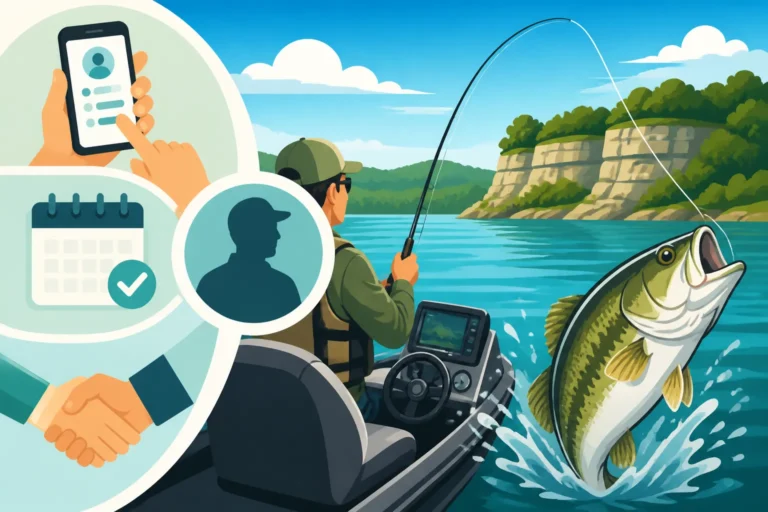
Arkansas Fishing Guides and Charters: The Complete Booking Guide
Deciding to book a fishing guide in Arkansas can be one of the best decisions you make for your angling adventure, but let's be honest, the process can feel a bit overwhelming. With so many guides out there, different types of trips, and varying price points, it's easy to get lost in the details and wonder if you're making the right choice. This comprehensive guide is here to cut through the confusion, walk you through everything you need to know about finding, booking, and enjoying a fantastic guided fishing trip in the Natural State, ensuring you get the most out of your time on the water without the usual headaches.
Why Consider an Arkansas Fishing Guide?
Many anglers, especially those visiting Arkansas for the first time, often deliberate whether to hire a guide or try to navigate the waters themselves. While the DIY spirit is admirable, there are compelling reasons why investing in a guided trip can significantly enhance your experience, turning a good day into an unforgettable one. It's about more than just catching fish; it's about learning, efficiency, and unlocking secrets that only locals truly know.
Tapping into Local Expertise
Arkansas waters, from the vast expanses of Lake Ouachita to the intricate currents of the White River, are incredibly diverse and can be complex to decipher on your own. A local fishing guide isn't just someone with a boat; they are a living, breathing encyclopedia of the local ecosystem. They've spent countless hours on these waters, observing patterns, tracking fish movements, and understanding how everything from weather fronts to water generation schedules impacts the bite.
Think about it: instead of spending half your day trying to find a decent fishing spot or figuring out what bait the fish might be interested in, a guide already knows. They understand the nuances of how the fish respond to different conditions, which structure holds the lunkers, and what specific presentation will trigger a strike. This deep, intimate knowledge of the fishery saves you invaluable time and effort, letting you focus purely on the joy of fishing. They can also provide insights into Arkansas Fishing Seasons Guide and what species are most active at different times of the year.
Maximizing Your Catch and Experience
Let's face it, one of the main reasons we go fishing is to catch fish! A guided trip dramatically increases your chances of success. Guides are professional problem-solvers; if one spot isn't producing, they move. If one lure isn't working, they switch. They're constantly analyzing the conditions and adapting their approach to put you on fish. This means less frustration and more action, which is particularly great for families or novice anglers who might get discouraged if the bites aren't coming.
Beyond just catching, a guide can elevate your entire experience. They often share fascinating local stories, point out wildlife, and teach you advanced techniques you might never have learned otherwise. Imagine learning how to read the seams in a trout stream or how to properly work a jig for deepwater crappie directly from someone who does it every day. This educational aspect transforms a simple fishing trip into a valuable learning experience that you can apply to future adventures.
Convenience and Equipment Provided
One of the biggest advantages of booking a guide is the sheer convenience. You don't have to worry about trailering a boat, navigating unfamiliar ramps, or wondering if you have the right gear. A good guide provides almost everything you need: a fully equipped boat, high-quality rods and reels, a wide array of appropriate lures and baits, and often even safety equipment like life jackets. This is especially beneficial if you're traveling from out of state or simply don't have all the specialized equipment required for a particular type of fishing, like fly fishing on the White River.
This convenience extends to the little things too. Many guides will handle the fish cleaning at the end of the trip, leaving you with neatly filleted catches ready for the cooler. Some even offer lunch or snacks on full-day trips. All you usually need to bring are your personal essentials, your fishing license (which is a non-negotiable, even on a guided trip – see Arkansas Fishing License Rules and Costs), and a cooler to take your bounty home. It truly allows you to show up, relax, and focus solely on the fishing experience.
Types of Guided Fishing Trips Available in Arkansas
Arkansas is a true angler's paradise, boasting an incredible variety of waters and fish species. Because of this diversity, fishing guides in the state often specialize in particular areas or types of fishing. Understanding the different options available will help you narrow down your search and find the perfect trip for your angling goals.
White River Trout Guides
When most people think of guided fishing in Arkansas, the world-renowned White River often comes to mind, especially for trout. The cold, clear waters released from the bottom of several dams, such as Bull Shoals and Norfork, create prime habitat for rainbow, brown, cutthroat, and brook trout. Guides on the White River are experts at navigating these tailwater fisheries, understanding the generation schedules that dictate water levels, and employing specific techniques to entice these wary fish.
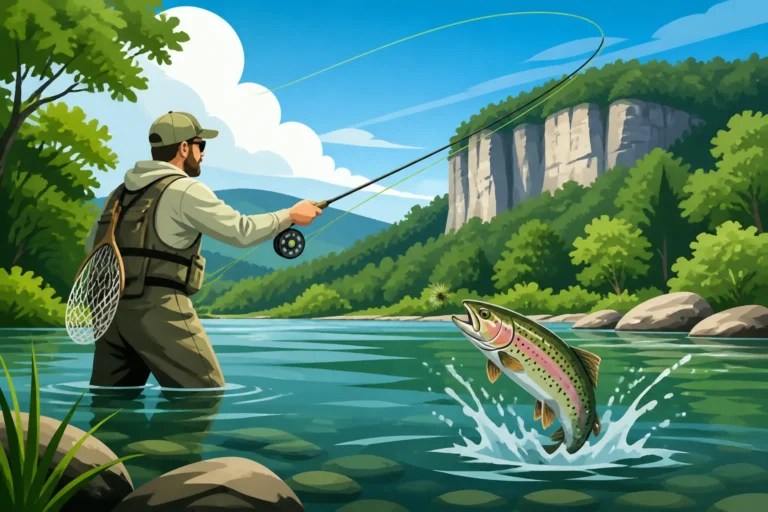
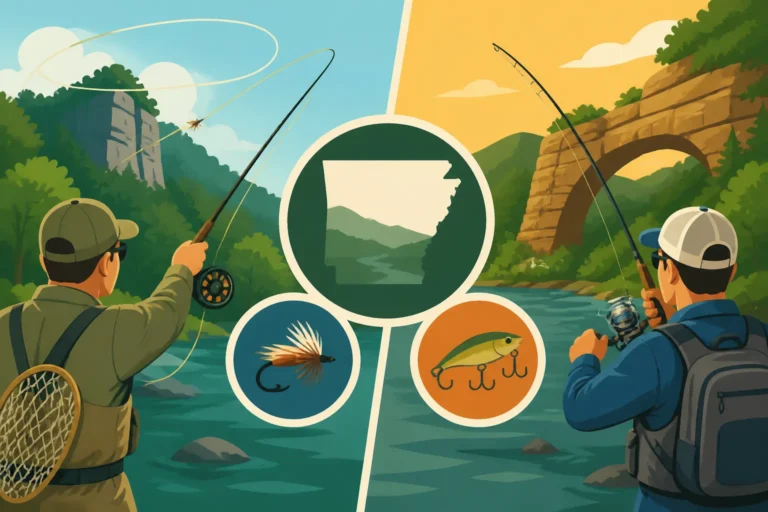
These trips typically involve drifting downstream in specialized jon boats or drift boats, using either spin-fishing tackle or fly-fishing gear. You'll find guides specializing in Trout Fishing Below Bull Shoals Dam on the White River or targeting the larger brown trout that call the lower sections home. Whether you're a seasoned fly angler looking for a trophy brown or a beginner hoping to catch your first rainbow, a White River guide can tailor the experience to your skill level and preferences. They know the best drifts, the most productive holes, and which flies or baits are working on any given day.
Lake Fishing for Bass and Stripers
Beyond the coldwater trout streams, Arkansas is home to some incredible warm-water lakes that offer exceptional opportunities for bass, crappie, and especially striped bass. Lakes like Norfork, Bull Shoals, Ouachita, and Hamilton are famous for their healthy populations of game fish, and many guides focus specifically on these sprawling reservoirs.
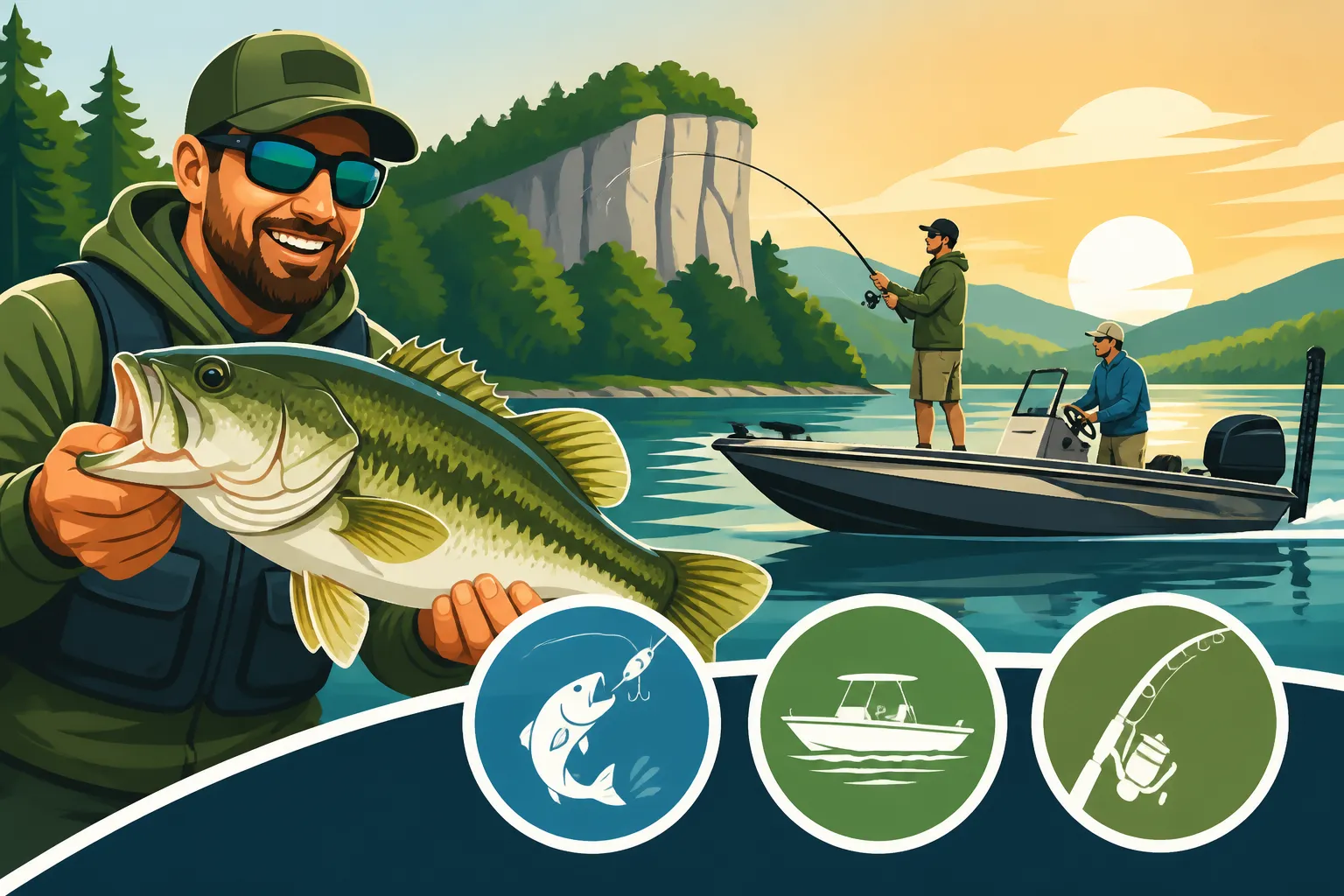
For bass enthusiasts, guides on lakes like Lake Ouachita: Arkansas's Largest Lake for Bass and Crappie Fishing or Beaver Lake will put you on schools of largemouth, smallmouth, and Kentucky bass. They often utilize advanced electronics to locate structure and fish, employing techniques like jigging, crankbait fishing, or throwing topwater lures depending on the season and conditions. If you're after a true powerhouse fish, consider a guided trip for striped bass on Norfork Lake or Lake Hamilton. These guides are often equipped with specialized gear for trolling large baits or vertical jigging for trophy-sized stripers, which can often exceed 30 or even 40 pounds! These trips can be exhilarating and are a fantastic way to target some of Arkansas's biggest game fish.
Specialty Trips and Fly Fishing
While trout and conventional lake fishing are the most common, Arkansas's diverse fisheries also support various specialty guided trips. For instance, some guides specialize in targeting crappie on lakes like DeGray or Lake Conway, using spider rigging or specific jigging techniques. Others might focus on catfishing on the Arkansas River or one of the state's larger lakes, employing trotlines, jug lines, or bottom fishing techniques.
Fly fishing, while often associated with trout, isn't limited to the White River. Some guides offer Fly Fishing the White River in Northwest Arkansas or other smaller streams for smallmouth bass or even panfish. These trips often provide a more intimate experience with nature and a unique challenge for anglers looking to hone their casting skills. If you have a specific species or technique in mind, it's always worth asking potential guides if they offer that particular type of trip. Many are happy to customize an outing to match your interests.
What to Look for in a Reputable Arkansas Fishing Guide
Choosing the right fishing guide can make all the difference between a mediocre day and a truly memorable one. It's not just about who has the nicest boat; it's about safety, expertise, professionalism, and personality. When you're entrusting someone with your time and money, you want to be sure you're in good hands.
Licensing, Insurance, and Safety
First and foremost, a reputable Arkansas fishing guide must be properly licensed and insured. This isn't just a formality; it's a critical safety and legal requirement. Guides operating commercially on public waters generally need specific permits from the Arkansas Game and Fish Commission (AGFC), and often from federal agencies like the U.S. Army Corps of Engineers if operating on Corps lakes. They should also carry liability insurance, which protects both them and you in the unlikely event of an accident. Never hesitate to ask a potential guide about their licensing and insurance. A professional guide will be happy to provide this information.
Beyond official documentation, observe their commitment to safety. Does their boat appear well-maintained? Do they provide properly fitted life jackets (and insist on wearing them when appropriate, especially on swift rivers or for children)? A good guide prioritizes your safety above all else, from safe boat operation to having a well-stocked first-aid kit on board. When researching guides, online platforms like FishingBooker often verify guide licenses, adding a layer of assurance.
Experience and Specialization
While a new guide can be eager and knowledgeable, a guide with years of experience often brings an invaluable depth of understanding to the table. They've seen more water conditions, adapted to more fishing challenges, and have a finely tuned intuition about where the fish are. Consider how long they've been guiding professionally in Arkansas and on the specific waters you plan to fish.
Furthermore, look for a guide who specializes in the species and techniques you're interested in. A fantastic trout guide on the White River might not be the best choice if your heart is set on catching trophy striped bass on Norfork Lake, and vice-versa. Many guides proudly list their specialties on their websites or social media, so pay attention to what they highlight. Their specialization ensures they have the right gear, expertise, and passion for your chosen adventure.
Customer Reviews and Reputation
In today's digital age, one of the most powerful tools for vetting a guide is customer reviews. Platforms like Google Reviews, Facebook, and dedicated fishing booking sites like FishingBooker are full of firsthand accounts from previous clients. Pay attention to what people praise (or criticize) in their reviews. Are guides described as patient, knowledgeable, and good with kids? Do they consistently put clients on fish? Are they punctual and professional?
A guide's reputation isn't just built on how many fish they catch, but also on their personality, communication skills, and overall professionalism. You'll be spending several hours with this person, so a good rapport is crucial. Look for consistent positive feedback about their teaching ability, enthusiasm, and ability to make the trip enjoyable for everyone on board, regardless of their fishing experience. Negative reviews, while sometimes inevitable, can also be telling if there's a recurring theme of issues.
Understanding Arkansas Fishing Guide Costs
One of the most common questions anglers have is, "How much does a guided fishing trip in Arkansas cost?" It's a fair question, and while I can't give you exact dollar figures (prices fluctuate, you know how it is!), I can certainly help you understand the factors that shape these costs and what you can generally expect. Thinking of it this way helps set realistic expectations and prevents sticker shock.
Factors Influencing Price
Several key factors play into the cost of an Arkansas fishing guide trip. The first is duration. Just like booking a hotel, you'll generally find options for half-day trips (typically 4-5 hours) and full-day trips (usually 8+ hours). Naturally, a full-day excursion will cost more due to the extended time on the water, increased fuel usage, and the guide's commitment for the entire day. For instance, Half-Day White River Trout Trips in Arkansas will typically be less expensive than their full-day counterparts.
Group size is another significant factor. Most guide services price their trips for two anglers, with an additional charge for a third or fourth person (if the boat capacity allows). This is because more anglers mean more gear, more bait, and often more work for the guide in terms of untangling lines, netting fish, and providing individual attention. The type of fishing also plays a role; highly specialized trips, such as fly-fishing for trophy brown trout or deep-water striper trolling, might command a higher rate due to the specialized equipment, advanced techniques, and perhaps the lower catch rates associated with truly massive fish. Finally, demand and season can impact pricing. Peak seasons for popular species or during holidays might see slightly higher rates.
What's Typically Included (and What's Not)
A reputable Arkansas fishing guide trip usually includes a good deal of what you'll need. You can almost always expect the boat, fuel, and the guide's professional services and expertise. This covers their knowledge, navigation, and putting you on fish. Rods, reels, and tackle are almost universally provided, ensuring you have quality gear appropriate for the target species and conditions. Bait and lures are also typically covered in the base price, meaning you don't have to worry about buying minnows or expensive flies. Many guides will also provide safety equipment like life jackets.
However, there are a few things that are almost never included. The most important is your Arkansas fishing license and any required permits (like a trout permit if you're fishing designated trout waters). You are solely responsible for purchasing these before your trip. Your guide can't do it for you, and you risk significant penalties if you're caught without them. Arkansas Fishing License Penalties and Requirements are serious, so don't skip this step! Other things usually not included are food and drinks (though some guides offer bottled water, it's best to bring your own), sunscreen, hats, and appropriate clothing. Finally, tips for your guide are customary and not included in the base price, which we'll discuss next.
Tipping Etiquette
Just like in many service industries, tipping your fishing guide is a widely accepted practice and a way to show appreciation for their hard work, knowledge, and efforts to make your trip a success. It's often where people get a little confused, wondering what's appropriate. While there's no strict rule set in stone, a good rule of thumb is to tip around 15-20% of the total trip cost.
Consider what goes into a guide's day: they might be up hours before you to scout fishing spots, prepare the boat, and get bait. They work tirelessly on the water, often for many hours under varying weather conditions, to ensure you have a good experience. After the trip, there's boat cleaning, equipment maintenance, and prep for the next day. If your guide was professional, helpful, patient, and put you on some fish, a tip in that 15-20% range is a great way to say thank you. If they went above and beyond, perhaps a bit more. If the experience wasn't great, you can adjust accordingly, but remember that some factors, like tough fishing conditions, are beyond a guide's control.
| Trip Duration | Typical Inclusions | Angler Responsibilities | Typical Tipping Range (of trip cost) |
|---|---|---|---|
| Half-Day (4-5 hours) | Guide, boat, fuel, rods, reels, tackle, bait/lures, basic safety gear | Fishing license, trout permit (if applicable), food/drinks, sunscreen, proper clothing, cooler for catch | 15-20% |
| Full-Day (8+ hours) | Guide, boat, fuel, rods, reels, tackle, bait/lures, basic safety gear | Fishing license, trout permit (if applicable), food/drinks, sunscreen, proper clothing, cooler for catch | 15-20% |
| Specialty Trips (e.g., Fly Fishing) | Guide, boat, fuel, specialized rods, reels, flies, basic safety gear | Fishing license, trout permit (if applicable), food/drinks, sunscreen, proper clothing, cooler for catch | 15-20% |
The Booking Process: From Inquiry to Confirmation
Booking a fishing guide should be a straightforward process, but it pays to be organized and ask the right questions upfront. Navigating the options and ensuring everything is aligned for your trip can save you headaches down the road.
Researching and Comparing Guides
Your journey to a great guided trip begins with research. Start by identifying the specific body of water or type of fishing you're most interested in. Are you dreaming of Trophy Brown Trout Records on the White River or big bass on a large lake? Once you know your target, you can begin searching for guides who specialize in that area. Online search engines are a great starting point, but don't overlook dedicated booking platforms.
Sites like FishingBooker specialize in connecting anglers with reputable guides worldwide, including many excellent options across Arkansas. They often provide detailed profiles for each guide, showcasing their specialties, boat features, pricing structures, and, crucially, customer reviews. This allows you to easily compare several options in one place, read authentic feedback, and even send inquiries directly to multiple guides. It's an efficient way to get a feel for who's out there and what they offer without having to sift through dozens of individual websites.
Key Questions to Ask Before Booking
Once you've shortlisted a few guides, it's time to reach out. Don't be shy about asking questions; a good guide will appreciate your thoroughness. Here are some essential queries:
- Availability: Is the guide available on your preferred dates? If not, do they have alternatives or can they recommend another trusted guide?
- Pricing and Inclusions: Confirm the total cost for your group size and desired trip duration. Reiterate what is and isn't included (e.g., "Does this price include all tackle and bait? What about fish cleaning?").
- Fishing License/Permits: Confirm what licenses and permits you need to purchase beforehand. For example, if you're trout fishing, you'll need a Resident Trout Permit Cost in Arkansas in addition to your regular fishing license.
- Target Species/Techniques: Discuss your expectations. What species are biting best during your visit? What techniques will be used? This helps manage expectations.
- What to Bring: Get a clear list of recommended items: clothing, food, drinks, cooler, and any personal gear.
- Deposit and Cancellation Policy: This is vital. Understand their policy for booking deposits, cancellations due to weather, or if you need to reschedule.
Deposits, Cancellations, and Rescheduling
Almost every reputable fishing guide will require a deposit to secure your booking, especially for popular dates. This deposit typically represents a portion of the total trip cost and acts as a commitment from both parties. Make sure you understand if it's refundable and under what conditions. Guides run a business, and last-minute cancellations can be very costly for them.
It's equally important to understand their cancellation policy, particularly regarding weather. While guides are experienced in navigating various conditions, there are times when severe weather (lightning, extreme winds, heavy fog) makes fishing unsafe or unproductive. A good guide will prioritize your safety and will either reschedule your trip or offer a refund for your deposit if they have to cancel due to unsafe conditions. It's always best to discuss these scenarios upfront so there are no surprises or disappointments on either side.
Preparing for Your Guided Arkansas Fishing Trip
The anticipation of a fishing trip is half the fun! Once your guide is booked, it's time to start thinking about what you need to do to prepare. A little foresight can go a long way in ensuring you're comfortable, compliant with regulations, and ready to enjoy every moment on the water.
Essential Gear and Clothing
Even though your guide provides the specialized fishing gear, you'll still need to bring some personal items to ensure your comfort and safety. Start with weather-appropriate clothing. Arkansas weather can be unpredictable, so layers are always a good idea, even on what seems like a warm day. Bring a rain jacket, regardless of the forecast, as pop-up showers are common. For sunny days, consider lightweight, long-sleeved shirts for sun protection, and definitely a hat and polarized sunglasses. Sunscreen is an absolute must, even on cloudy days, as water reflects UV rays.
Comfortable, non-slip shoes are crucial for boat safety. Avoid open-toed shoes if possible. Don't forget any personal medications you might need. While your guide will likely have a basic first-aid kit, specific prescriptions are your responsibility. A small backpack or dry bag is handy for keeping your personal items organized and protected from spray.
Understanding Licenses and Regulations
This cannot be stressed enough: you are responsible for having the correct Arkansas fishing license and any necessary permits before you step on the boat. Your guide cannot legally take you fishing without them. The requirements vary based on your residency status (resident vs. nonresident) and what species you're targeting. For instance, if you're fishing for trout in a designated trout stream, you'll need a trout permit in addition to your basic fishing license. Children under a certain age are usually exempt, but it's best to check the latest AGFC regulations or ask your guide about Do Kids Need a Fishing License in Arkansas?.
You can typically purchase licenses online through the AGFC website, at sporting goods stores like Walmart or Academy Sports + Outdoors, or at authorized license vendors across the state. It's usually quick and easy. Don't wait until the morning of your trip, as technical glitches or closed stores could delay your start. Have your license printed or readily available on your phone to show to your guide or any game warden who might check.
Food, Drinks, and Personal Items
A day on the water, whether half or full, can make you hungry and thirsty. While some guides might offer bottled water or a light snack on a full-day trip, it's always wise to pack your own food and drinks. Bring plenty of water, some snacks, and maybe a sandwich or two for longer outings. A small cooler is perfect for this, and it can double as a place to store your catch if your guide doesn't have dedicated fish storage.
In addition to your essentials, consider any personal items that will enhance your enjoyment. A camera is great for capturing memories (just make sure it's protected from water). Binoculars can be fun for wildlife viewing. And if you're prone to motion sickness, take preventative medication before you head out, as even calm lake waters can feel a bit rocky in a boat. Being prepared means you can relax and fully immerse yourself in the fishing experience.
Making the Most of Your Time on the Water
You've done the research, booked the trip, and prepared all your gear. Now it's time for the fun part: hitting the water with your guide! To ensure you have the best possible experience, remember that it's a partnership. Your actions and attitude can significantly contribute to the success and enjoyment of the day.
Communication with Your Guide
Effective communication is absolutely key. Before you even leave the dock, have a brief chat with your guide about your expectations for the day. Are you hoping to catch a lot of fish, or are you more interested in learning new techniques? Are you set on a particular species, or are you happy to target whatever is biting best? Being clear about your goals helps your guide tailor the trip to your preferences.
Throughout the day, continue to communicate. If you're struggling with a particular casting technique, don't understand an instruction, or feel uncomfortable with something, speak up! Your guide is there to help and wants you to succeed. Similarly, if you're having a blast, tell them! Positive feedback is always appreciated. Being an engaged, open communicator ensures both you and your guide are on the same page, leading to a smoother and more enjoyable outing.
Active Participation and Learning
A guided trip is more than just a boat ride; it's an opportunity to learn from a seasoned professional. Be an active participant in the fishing process. Watch how your guide rigs tackle, observe their casting techniques, and pay attention to how they read the water or operate their electronics. Ask questions! "Why did you choose that lure?" "What does that sonar reading mean?" Most guides love to share their knowledge, and you'll come away not just with fish, but with valuable skills you can use on future trips.
Practice the techniques they teach you, even if you feel a bit clumsy at first. The more you try, the faster you'll improve. Even if the fishing is slow, an inquisitive mind can make the day incredibly rewarding. Learning to identify Largemouth Bass vs Smallmouth Bass: What's the Difference? on the fly, or understanding how current affects a drift, can turn a quiet moment into a profound lesson.
Respecting the Environment and Wildlife
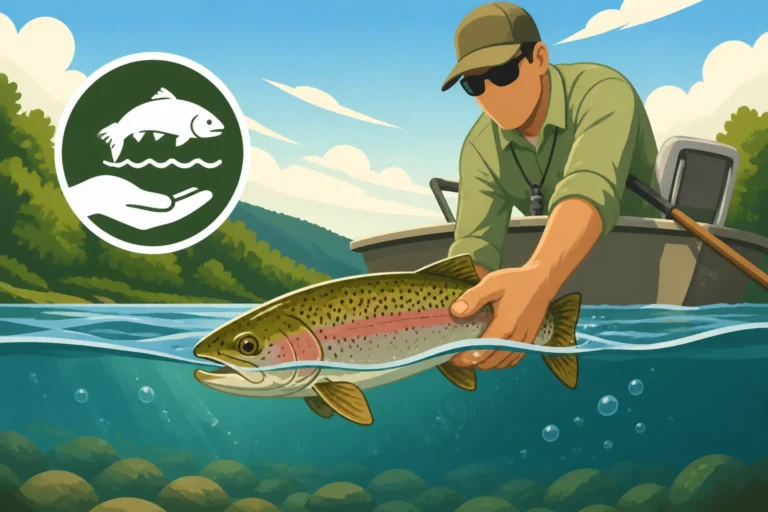
Arkansas boasts some of the most beautiful natural landscapes and pristine waters in the country, and it's imperative that we all do our part to keep them that way. Always follow your guide's instructions regarding environmental etiquette. This means practicing catch-and-release properly for fish you don't intend to keep, handling fish with wet hands, and supporting conservation efforts. Many guides are passionate conservationists and will appreciate your respect for the resource.
Be mindful of litter – ensure all trash, including discarded fishing line, is secured and brought back to shore. Respect wildlife by observing them from a distance and not disturbing their natural habitats. Remember, you're a guest in their home. A responsible angler leaves no trace and contributes to the health of the fishery for generations to come. Your guide will often lead by example in this regard, and following their lead helps preserve the precious resources that make Arkansas such a fantastic fishing destination.
Popular Regions and Fishing Destinations for Guided Trips
Arkansas is a state of incredible topographical diversity, which translates directly into a wide array of fishing opportunities. From the mountainous Ozarks to the flat, fertile Delta, each region offers unique waters and target species for guided adventures.
Northern Arkansas (Ozarks)
The northern part of Arkansas, dominated by the ancient Ozark Mountains, is arguably the state's most famous fishing destination, especially for trout. The cold tailwaters below several large dams have created world-class trout fisheries. The White River is king here, particularly the sections below Bull Shoals Dam and Norfork Dam. Here, you'll find numerous guides specializing in White River Trout Fishing Guide: Arkansas's Trout Fishing Capital, targeting rainbow, brown, and even cutthroat trout. Towns like Cotter, Mountain Home, and Bull Shoals are hubs for these operations. Anglers flock here for the chance at trophy brown trout and consistent rainbow action.
Beyond the White, major impoundments like Norfork Lake and Bull Shoals Lake offer fantastic guided trips for largemouth bass, smallmouth bass, crappie, and monster striped bass. These lakes are known for their clear waters, deep coves, and abundant structure. Guides on these lakes use a variety of techniques, from spoon jigging for stripers to pitching jigs for bass around submerged timber. The scenery alone is worth the trip, with rugged bluffs and lush forests surrounding the pristine waters.
Central and Southern Arkansas Lakes
As you move south, Arkansas's landscape changes, and so do its premier fishing destinations. The central and western parts of the state boast some incredible lake fishing. Lake Ouachita, near Hot Springs, is Arkansas's largest lake and a fantastic spot for guided bass and crappie trips. Its clear waters, numerous islands, and deep timber make it a favorite for many guides. Lake Ouachita: Arkansas's Largest Lake for Bass and Crappie Fishing is celebrated for its largemouth and spotted bass, as well as robust crappie populations.
Nearby, Lake Hamilton (also in Hot Springs) and DeGray Lake are popular for striped bass and bass fishing. Lake Hamilton is known for its trophy stripers, with guides often employing specialized trolling techniques. DeGray Lake, a Corps of Engineers lake, offers excellent fishing for bass, crappie, and even catfish, with guides frequently targeting its abundant structure. Further south, lakes like Lake Monticello are renowned for their incredible largemouth bass fishing, sometimes with specific regulations to protect these trophy fisheries, like those noted in Lake Monticello Bass and Crappie Exceptions.
River Systems Beyond the White River
While the White River gets much of the trout fishing spotlight, Arkansas has many other river systems that offer unique guided fishing experiences. The Arkansas River, a massive waterway flowing through the heart of the state, is excellent for guided trips targeting robust populations of catfish (channel, blue, and flathead) and largemouth bass. Guides on the Arkansas River often focus on the lock-and-dam systems and oxbow lakes, which hold abundant fish.
Smaller, more intimate rivers in the Ouachita and Ozark regions, such as the Little Missouri River and the Caddo River, offer opportunities for guided float trips targeting smallmouth bass, spotted bass, and even some trout in certain stretches. These trips are often more about the experience of floating through scenic wilderness while casting to feisty stream fish. These rivers provide a different kind of guided adventure, focusing on wade fishing or smaller drift boats, perfect for those looking to escape the larger lake crowds and connect with nature. It’s always worth asking guides if they offer trips on these less-traveled, but equally rewarding, waters.
Disclaimer
This article is for general informational purposes only and does not constitute professional advice. Laws, prices and regulations vary by location and change over time. Consult a qualified professional for guidance on your specific situation.