Best Crappie Lakes in Arkansas
Trying to figure out which lakes in Arkansas hold the best crappie can feel like a never-ending quest. You spend hours researching, driving, and casting, only to come up short or find inconsistent results. It’s frustrating when you’re just trying to enjoy a relaxing day on the water and bring home some delicious slabs. This comprehensive guide is here to cut through the noise, revealing the absolute best crappie lakes across Arkansas, helping you plan your next successful fishing adventure.
Understanding Arkansas Crappie Fishing
Crappie fishing in Arkansas is a beloved pastime, and for good reason. These panfish are abundant, relatively easy to catch, and fantastic table fare. But what exactly makes a lake a "crappie hotspot" in the Natural State? It often comes down to a combination of habitat, forage, and management practices by the Arkansas Game and Fish Commission (AGFC). Knowing a bit about the crappie themselves, and what they prefer, is key to understanding why certain lakes shine.
Black Crappie Versus White Crappie
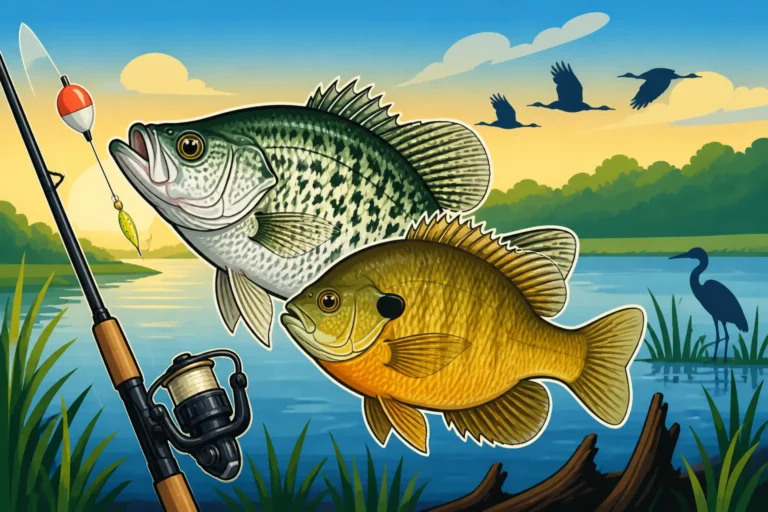
In Arkansas, you’ll primarily encounter two species of crappie: black crappie and white crappie. While they share many similarities, they do have distinct preferences and appearances. Black crappie typically prefer clearer water with more vegetation and structure. They have a more speckled appearance and usually have 7 or 8 dorsal spines. White crappie, on the other hand, are often found in more turbid waters and tend to favor open water areas with submerged timber or brush piles. They usually have distinct vertical bars on their sides and possess 5 or 6 dorsal spines. Understanding these subtle differences, as detailed in our guide on Black Crappie vs White Crappie in Arkansas, can help you tailor your approach to the specific conditions of a lake. Both species grow to impressive sizes in Arkansas, offering exciting opportunities for anglers seeking those "slab" crappie.
Essential Crappie Habitat and Forage
Crappie are masters of ambush, so their habitat preferences revolve around areas where they can hide and dart out to strike unsuspecting baitfish. This means you’ll often find them congregating around various forms of submerged structure. Think about timber, brush piles, submerged creek channels, bridge pilings, boat docks, and even old roadbeds. These structures provide cover from predators and serve as prime hunting grounds. AGFC often deploys artificial brush piles in many lakes to enhance crappie habitat, which is a huge benefit to anglers.
Their primary food source? Small baitfish, like shad and minnows. Lakes with healthy populations of these forage fish will generally support a thriving crappie population. The clarity and depth of the water also play a significant role. Crappie are light-sensitive, so in clear lakes, they might be found deeper or tighter to cover during the day, moving shallower at dawn, dusk, or on cloudy days. In stained or turbid water, they might be more dispersed and shallower throughout the day. Paying attention to these environmental factors, along with knowing the Best Bait for Arkansas Crappie, can significantly improve your chances.
Northern Arkansas Crappie Hotspots
Northern Arkansas, particularly the Ozark Mountain region, is a treasure trove for crappie anglers. The region boasts a collection of large, deep, clear-water reservoirs created by the U.S. Army Corps of Engineers, each with unique characteristics that make them prime crappie territory.
Bull Shoals Lake: A Crappie Paradise
Bull Shoals Lake, sprawling across the Arkansas-Missouri border, is renowned not just for its monstrous bass and trout, but also for its incredibly healthy crappie population. This massive reservoir is a deep, clear impoundment of the White River, offering an abundance of submerged timber, bluff walls, and creek channels where crappie thrive. Anglers here often target both black and white crappie, with many reports of "slab" fish exceeding the 1-pound mark. The sheer size of Bull Shoals means there's always a new spot to explore, from the upper reaches with more standing timber to the main lake points and deep humps.
During the spring, crappie push into shallower coves and feeder creeks for the spawn, making them accessible to bank anglers and boaters alike. As the weather warms, they retreat to deeper brush piles, submerged cedar trees, and creek channel ledges, often holding at depths of 15-30 feet. Spider rigging with multiple poles, single-poling jigs, or live minnows are popular and effective techniques. AGFC maintains numerous marked brush piles, which are goldmines for crappie. If you’re planning a trip, consider exploring a Bull Shoals Lake Fishing Guide for Bass and Crappie to get a head start on local patterns.
Norfork Lake: Deep Waters, Big Crappie
Just east of Bull Shoals lies Norfork Lake, another stunning Ozark reservoir known for its crystal-clear waters and impressive crappie fishery. While Norfork often steals the spotlight for its trophy striped bass, its crappie population is equally robust, offering consistent action, especially for those who enjoy fishing deeper structures. The lake's deep, cool waters allow crappie to grow large, with both black and white crappie commonly caught.
Like Bull Shoals, Norfork Lake’s crappie follow seasonal patterns. In spring, they migrate into warmer, shallower coves, often congregating around flooded timber, old foundations, and brush piles in depths of 5-15 feet. This is prime time for casting small jigs or fishing minnows under a bobber. During the summer and winter months, crappie move to deeper water, often suspending over creek channels, around large bluff points, and in the extensive standing timber. Using a good fish finder is almost essential here to locate schools of crappie and their preferred submerged structure. Trolling jigs or slow-trolling live minnows along contours are effective methods for finding active fish.
Beaver Lake: Ozark Mountain Slabs
Nestled in Northwest Arkansas, Beaver Lake is a stunning, clear-water reservoir that provides excellent crappie fishing, particularly for black crappie. The lake's rocky shores, numerous coves, and deep channels, combined with plenty of standing timber and brush, create ideal crappie habitat. While Beaver Lake is a popular destination for bass anglers, crappie enthusiasts will find plenty to keep them busy, often pulling out impressive "slab" crappie.
Spring is a fantastic time on Beaver Lake, as crappie move into the backs of coves and creek arms to spawn. Look for them around shallow brush, dock pilings, and any available cover. Small jigs in chartreuse, white, or black-and-chartreuse are perennial favorites, as are live minnows. As the seasons change, crappie transition to deeper water, suspending around submerged timber, bridge pilings, and along bluff lines. Vertical jigging or "shooting" jigs under docks can be incredibly effective when fish are holding tight to structure. Many local anglers also have private brush piles they’ve sunk, creating their own secret hotspots. For detailed access points, check out Bank Fishing Access Points on Arkansas's Beaver Lake.
Central Arkansas Crappie Sanctuaries
Moving south into the heart of Arkansas, you’ll find a different style of crappie fishing – often in lakes that are shallower, more stained, or filled with more natural cover. These central Arkansas lakes offer equally exciting opportunities for crappie anglers.
Greers Ferry Lake: Clear Waters, Abundant Crappie
Greers Ferry Lake, a beautiful, sprawling reservoir in north-central Arkansas, is famous for its clear, deep waters and excellent fishing for a variety of species, including crappie. The lake’s diverse topography, with numerous coves, bluff walls, and standing timber, creates a perfect environment for both black and white crappie to thrive. While the lake's clear water can sometimes make crappie a bit trickier to locate in certain conditions, their abundance more than makes up for it.
During the pre-spawn and spawn, crappie move into the warmer, shallower coves and creek arms, often concentrating around submerged cedars, brush piles, and shallow docks. This is a prime time to use small jigs or minnows fished under a float. As summer progresses, the crappie typically retreat to deeper waters, suspending over creek channels, along bluff lines, and in the extensive standing timber that characterizes many parts of the lake. Successful summer and fall strategies often involve slow-trolling jigs or minnows at various depths until active schools are located. Always remember to check Crappie Size and Daily Limit in Arkansas before you head out, as regulations can vary.
Lake Conway: Timber-Filled Crappie Goldmine
Lake Conway, located just north of Little Rock, is a stark contrast to the clear-water reservoirs of the Ozarks. It's Arkansas's largest man-made Game and Fish Commission lake, known for its shallow, timber-filled waters and incredible crappie fishing. If you love fishing flooded timber, Lake Conway is your crappie paradise. The lake's countless acres of submerged stumps, cypress trees, and brush provide an unparalleled amount of cover for crappie, making it a truly unique angling experience.
Crappie here are abundant, and anglers often employ specialized techniques like "spider rigging" – using multiple rods with jigs or minnows to cover a wide area around the timber. Another popular method is "tight-lining" or vertical jigging directly into the dense cover. Spring is a fantastic time when crappie move to the shallower edges of the timber and into the numerous small coves for spawning. During the hotter months, they often hold deeper within the timber or along the edges of the lake’s many channels. Lake Conway truly exemplifies Crappie Fishing Tips for Arkansas Timber Lakes, and mastering these methods can lead to some incredible catches.
Southern and Western Arkansas Crappie Havens
Venturing into the southern and western regions of Arkansas reveals yet more fantastic crappie fishing opportunities. These lakes, while different in character from their northern and central counterparts, are equally productive and offer diverse angling experiences.
Lake Ouachita: Scenic Beauty and Productive Crappie
Lake Ouachita, near Hot Springs, is often touted as one of the cleanest lakes in the nation, and its crystal-clear waters support a thriving crappie population. As Lake Ouachita: Arkansas's Largest Lake for Bass and Crappie Fishing, it offers a huge expanse of water with countless coves, islands, and submerged timber creating ideal conditions. Both black and white crappie are present, growing to impressive sizes in this pristine environment.
The spring spawn sees crappie moving into the shallower coves, around submerged brush, and particularly the dozens of small islands that dot the lake. Casting small jigs or fishing minnows under a float are highly effective. As the season progresses, crappie on Lake Ouachita tend to suspend over deeper brush piles, especially around creek channels and along the edges of the main lake. Many anglers rely on their electronics to pinpoint these schools and then present vertical jigs or slow-troll live minnows. The sheer beauty of Lake Ouachita, combined with its productive crappie fishery, makes it a top destination for anglers.
DeGray Lake: Consistent Crappie Action
DeGray Lake, a beautiful Corps of Engineers lake southwest of Hot Springs, is another gem for crappie enthusiasts. While perhaps not as widely known for crappie as some other lakes, DeGray consistently produces good numbers of healthy crappie, making it a reliable choice for a fun day on the water. The lake features clear water, numerous standing timber areas, and man-made brush piles that are regularly maintained by AGFC.
Crappie at DeGray follow predictable seasonal patterns. In early spring, they can be found in shallow coves, especially around submerged brush and any available timber. This is an excellent time for tight-lining jigs or using slip bobbers with minnows. As summer arrives, crappie retreat to deeper water, often suspending over creek channels, around deep points, and in the extensive standing timber. Trolling small crankbaits or jigs, or vertically jigging over identified structure, are common successful techniques. The excellent facilities at DeGray Lake State Park, including DeGray Lake's Boat Ramps and Campsites Guide in Arkansas, make it a convenient and family-friendly crappie destination. If you're looking for local expertise, a platform like FishingBooker can connect you with experienced crappie guides on DeGray Lake who know the seasonal patterns inside and out.
Lake Monticello: Specialized Crappie Rules
Lake Monticello, located in southeast Arkansas, is a true standout for crappie, though it comes with some specific regulations designed to protect and enhance its trophy crappie fishery. This lake is known for producing exceptionally large white crappie, often in the 1.5 to 2-pound range, and sometimes even larger. Its fertile waters and extensive timbered areas create an ideal environment for rapid crappie growth.
Because of its unique potential, Are crappie limits different at Lake Monticello and Lake Cargile? Yes, they are. Lake Monticello has a more restrictive daily limit compared to the statewide standard. Instead of the usual 20, Lake Monticello crappie limit drops to 15 fish per day. However, there is no minimum length limit, allowing anglers to keep fish of all sizes up to the daily creel. This specific regulation helps ensure the sustainable growth of its trophy-sized fish. Anglers often target the abundant standing timber and brush piles using jigs and minnows. Spider rigging is highly effective, as is single-poling through the timber. Early spring and late fall are particularly productive, but good fishing can be had year-round if you adapt your techniques to the conditions. Understanding How the Lake Monticello crappie rule differs from statewide limits is crucial for a successful and legal trip.
Crappie Fishing Techniques for Arkansas Lakes
While the specific spots are important, knowing how to fish for crappie effectively is just as vital. Different seasons and lake conditions call for different approaches. Mastering a few key techniques will put more crappie in your cooler, no matter which Arkansas lake you visit.
Seasonal Strategies and Patterns
Crappie behavior is heavily influenced by water temperature and the time of year. Understanding these seasonal patterns is fundamental to consistent success.
- Spring (Pre-Spawn & Spawn): This is arguably the most popular time for crappie fishing. As water temperatures rise into the 50s and 60s, crappie move from deeper wintering grounds into shallower coves, creek arms, and protected areas to spawn. Look for them around submerged brush, fallen trees, boat docks, and even shallow weed beds in 2-15 feet of water. This is when they're most accessible. Light spinning gear with small jigs (1/32 to 1/8 ounce) tipped with minnows or soft plastics is deadly. Fishing minnows under a slip bobber is also highly effective. Knowing When Do Crappie Spawn in Arkansas can help you hit this peak window.
- Summer: Once the spawn is over and water temperatures really heat up, crappie move to deeper, cooler water. They often suspend over creek channels, along bluff walls, and around deep brush piles or standing timber, typically at depths of 15-30 feet or more. This is when vertical presentations shine. Trolling jigs or small crankbaits can help locate scattered schools, while vertical jigging or slow-trolling live minnows directly over identified structure is productive. Night fishing under lights can also be very effective as crappie are drawn to the baitfish attracted by the light.
- Fall: As water temperatures cool, crappie become more active and start feeding heavily in preparation for winter. They'll often move back into shallower areas, though usually not as shallow as in spring. Look for them around main lake points, channel swings, and brush piles in 10-20 feet of water. Trolling, casting jigs, and fishing minnows are all viable options. This can be some of the most consistent crappie fishing of the year.
- Winter: During the coldest months, crappie typically retreat to deeper, more stable water. They'll often school tightly over main lake channels, deep brush piles, or around submerged timber. They can be found anywhere from 20 to 50 feet deep, depending on the lake. While bites can be subtle, locating a school often means you can catch many fish in one spot. Vertical jigging with tiny jigs or dead-sticking minnows are common winter tactics.
Top Baits, Lures, and Rigs
The world of crappie baits and lures is vast, but a few staples consistently produce results in Arkansas waters.
- Live Minnows: These are arguably the most effective crappie bait, especially when presented under a bobber or slow-trolled. Crappie simply can't resist a live, wiggling minnow.
- Jigs: Small jigs, usually 1/32 to 1/8 ounce, are incredibly versatile. They come in countless colors and styles, allowing you to match the hatch or provoke a strike in various water conditions. Popular colors include chartreuse, white, black-and-chartreuse, and various shad imitations. Crappie Jigging Basics for Beginners is a great resource to get started.
- Soft Plastics: Tiny soft plastic bodies designed for crappie jigs, such as tube baits, grub tails, or minnow imitations, are excellent. They can be fished solo or tipped with a minnow for added attraction.
- Spider Rigging: This technique, popular on lakes like Conway, involves using multiple rods (often 4-8) extending from the bow of the boat, each with a jig or minnow rig. The boat moves slowly, covering a wide swath of water, allowing you to present baits at different depths and locations simultaneously. This is highly effective for locating scattered fish in timber or over open flats.
- Slip Bobber Rigs: A classic setup for fishing minnows or jigs at a precise depth, especially in spring. The slip bobber allows you to cast a long distance and then have your bait descend to a predetermined depth, making it great for targeting fish around shallow cover.
When you're out on the water, don't be afraid to experiment with different presentations, depths, and colors until you find what the crappie are biting on that day. A little trial and error often pays big dividends.
Planning Your Arkansas Crappie Trip
A successful crappie fishing trip to Arkansas involves more than just picking a lake and showing up. A little planning goes a long way, from understanding regulations to considering professional guidance.
Licenses and Regulations
Before you even think about wetting a line, make sure you have the proper licenses. Every angler 16 years of age and older needs an Arkansas fishing license. There are various types, including annual resident and nonresident licenses, as well as shorter-term options like the Arkansas Resident 3-Day Fishing License or Arkansas Nonresident 3-Day Trip License if you're just visiting for a short period. You can easily purchase them online through the AGFC website or from authorized vendors like Walmart, Academy Sports + Outdoors, or local bait shops. Checking Arkansas Fishing License Rules and Costs is always a good idea to stay informed.
Beyond the general license, it's crucial to be aware of the specific Arkansas Fishing Regulations Guide for the water body you plan to fish. As noted with Lake Monticello, crappie size and daily limits can vary significantly from statewide regulations for certain lakes or even specific sections of a river. Always double-check the current AGFC Fishing Guidebook for any special regulations before you go, especially for minimum length requirements (like Crappie must be 9 inches or longer to keep in Arkansas in most waters) and daily creel limits (the Statewide crappie daily limit is 20 fish in most Arkansas waters).
When to Go: Best Time to Fish for Crappie
While you can catch crappie year-round in Arkansas, certain times offer better consistency and larger catches. Generally, the spring (March-May) is considered prime time due to the pre-spawn and spawning movements that bring crappie into shallower, more accessible waters. This is when many anglers catch their biggest numbers and even their largest "slabs." The Best Time to Catch Crappie in Arkansas article dives into this more deeply.
Fall (September-November) is another fantastic period. As water temperatures cool, crappie become very active, feeding aggressively in preparation for winter. They're often found in predictable patterns around structure and can provide excellent action.
Summer can be productive, but it often requires fishing deeper water and adapting to the crappie's light-sensitive nature. Winter fishing, while challenging, can lead to incredible catches if you can locate those tightly schooled fish in deeper water. Cloudy days, especially in spring and fall, often encourage crappie to be more active throughout the day, as do stable weather patterns.
Hiring a Crappie Fishing Guide
For those looking to maximize their chances, especially if you're new to an Arkansas lake or crappie fishing in general, hiring a local fishing guide can be an invaluable investment. Guides have intimate knowledge of the lake, seasonal patterns, and specific crappie hotspots. They know what baits and techniques are working best on any given day, and they provide all the necessary gear.
A guide can teach you new techniques, help you understand crappie behavior, and put you on fish much faster than if you were to explore on your own. Platforms like FishingBooker make it easy to find and book experienced crappie guides across Arkansas, whether you're targeting Bull Shoals, DeGray, or any other prime lake. They can often cater to different skill levels, from beginners to experienced anglers, and even offer Kid-Friendly Fishing Charters in Arkansas if you’re planning a family outing. To learn more about selecting the right professional, check out our guide on How to Book a Fishing Guide in Arkansas.
Arkansas Crappie Lakes Comparison
To help you quickly compare the top crappie lakes we’ve discussed, here’s a handy table outlining some key characteristics.
| Lake Name | Primary Crappie Species | Typical Depths (feet) | Key Habitat | Best Seasons | Special Regulations | Notes |
|---|---|---|---|---|---|---|
| Bull Shoals Lake | Black & White | 15-40 | Timber, Bluffs, Brush Piles | Spring, Fall | Statewide limits | Deep, clear Ozark lake, excellent for "slab" crappie. |
| Norfork Lake | Black & White | 15-40 | Timber, Bluffs, Creek Channels | Spring, Fall, Winter | Statewide limits | Clear Ozark lake, good for deep-water crappie, alongside trophy stripers. |
| Beaver Lake | Black | 10-30 | Docks, Brush, Timber, Bluffs | Spring, Fall | Statewide limits | Northwest Arkansas gem, known for black crappie, great for jigging docks. |
| Greers Ferry Lake | Black & White | 10-30 | Timber, Bluffs, Brush Piles | Spring, Fall | Statewide limits | Beautiful, clear lake, consistent producer. |
| Lake Conway | White | 5-20 | Extensive Flooded Timber | Spring, Fall | Statewide limits | Shallow, timber-filled lake, spider rigging heaven, great for numbers. |
| Lake Ouachita | Black & White | 15-35 | Timber, Islands, Brush Piles | Spring, Fall | Statewide limits | Pristine, clear lake near Hot Springs, abundant structure. |
| DeGray Lake | Black & White | 10-30 | Timber, Brush Piles, Channels | Spring, Fall | Statewide limits | Consistent crappie action, good for families, excellent state park facilities. |
| Lake Monticello | White | 5-20 | Extensive Flooded Timber | Spring, Fall | 15 fish daily limit, no length limit | Trophy white crappie fishery, unique regulations for quality. |
No matter which of these fantastic Arkansas crappie lakes you choose, adapting to the conditions, understanding crappie behavior, and having the right gear will set you up for a successful and enjoyable day on the water.
Disclaimer
Fishing regulations and conditions can change. Always consult the latest Arkansas Game and Fish Commission (AGFC) regulations before fishing. This guide is for informational purposes only and does not constitute legal advice.