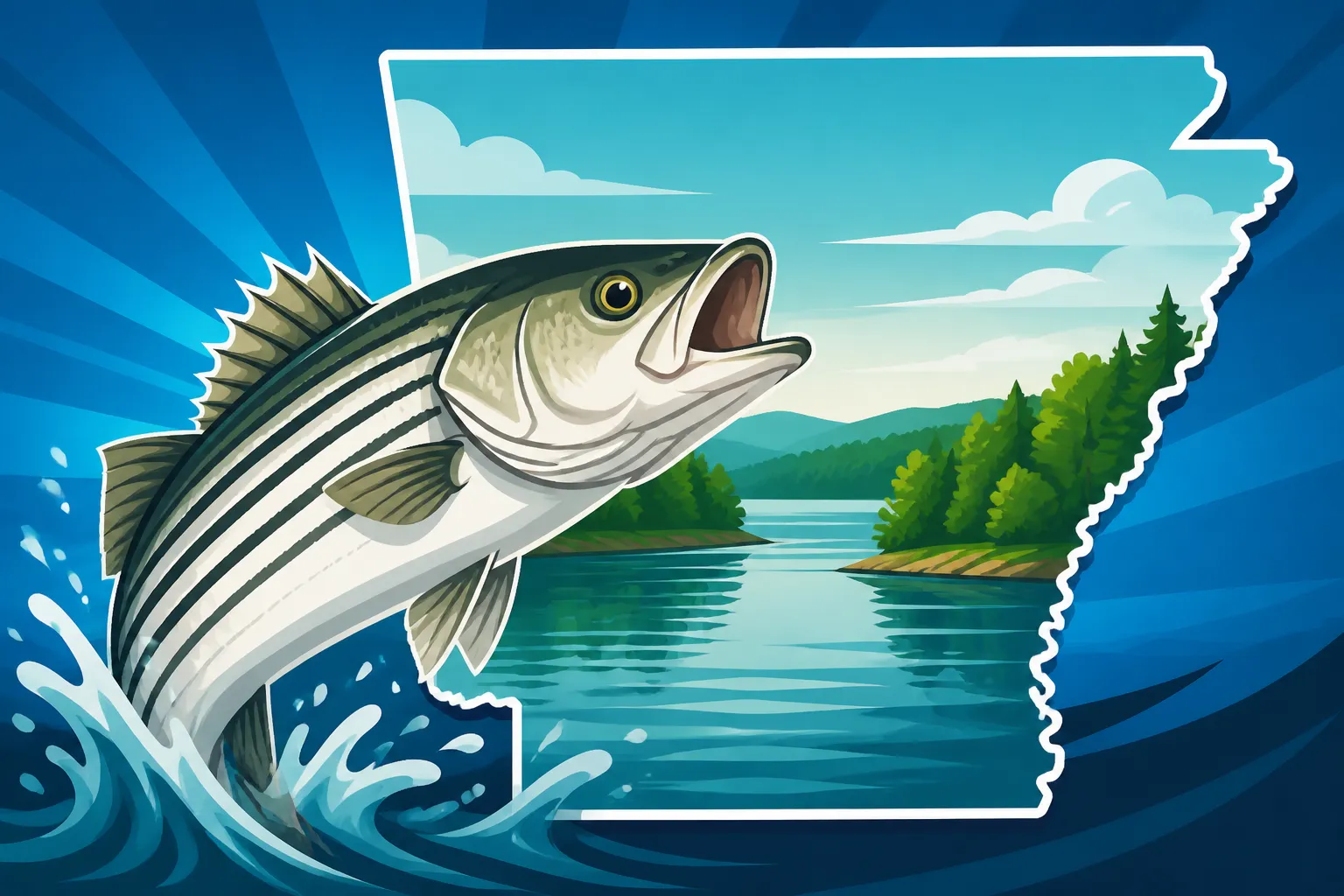
Best Striper Lakes in Arkansas
Trying to find those elusive, hard-fighting striped bass in Arkansas can feel like searching for a needle in a haystack, especially when you're dreaming of that monster striper tugging on your line. It's easy to get overwhelmed by all the options, wondering which lake truly holds the potential for a memorable catch. This comprehensive guide is here to cut through the confusion, revealing the very best striper lakes across Arkansas and equipping you with the knowledge to make your next big catch a reality.
The Allure of Arkansas Striped Bass Fishing
There's something undeniably special about a striped bass. For anglers across Arkansas, the pursuit of these powerful fish is more than just a pastime; it's an obsession. They're built for speed and strength, and when you hook into one, you know you're in for a real fight. Many folks come to Arkansas specifically for the chance to tangle with these magnificent creatures, and for good reason. The state boasts some truly world-class striper fisheries, making it a bucket-list destination for many.
Why Stripers Are Such a Prized Catch
Imagine reeling in a fish that feels like a freight train on the other end of your line – that's a striped bass for you. They don't just nibble; they smash baits with an aggressive strike that sends adrenaline coursing through your veins. Their sheer size is a major draw, with many Arkansas lakes producing trophy-class stripers well over 30 pounds, and sometimes even pushing into the 50-pound range. It's not uncommon to hear tales of anglers battling these beasts for what feels like an eternity, only to emerge victorious with a fish that will be talked about for years. This fight isn't just about strength; it's also about their endurance. They'll make long, powerful runs, testing your gear and your resolve, making every landed striper a true accomplishment.
Beyond the raw power, stripers are also beautiful fish, with their distinctive dark stripes running along their silvery bodies. They're also excellent table fare, offering firm, flaky white meat that's delicious prepared in countless ways. For many, a successful striper trip means not just an incredible fight, but also a fantastic meal to share with family and friends. This combination of thrilling sport and culinary delight elevates striped bass to a prime position in the hearts of Arkansas anglers.
Understanding Striped Bass Behavior in Lakes
To consistently catch stripers, you really need to get inside their heads, or at least understand their general patterns. Unlike their saltwater brethren, freshwater stripers in lakes are landlocked and adapt their behavior to these environments. They are pelagic fish, meaning they prefer open water, often suspending in deep areas. They thrive in large, deep reservoirs with plenty of baitfish, like shad and herring, which form the cornerstone of their diet. If you can locate the bait, you're usually not far from the stripers.
Their activity often revolves around water temperature and oxygen levels. In warmer months, they'll seek cooler, deeper waters, often congregating around thermoclines or near dam discharges. During cooler periods, they might move shallower, especially during low-light conditions or when actively chasing bait. Understanding these movements is crucial. Watching for surfacing baitfish, diving birds, or even the tell-tale "boils" where stripers aggressively push bait to the surface can give away their presence. This constant hunt for food makes them a challenging but rewarding target for those willing to put in the time to learn their habits.
Norfork Lake: Arkansas's Striper Sanctuary
When anyone talks about trophy striped bass fishing in Arkansas, Norfork Lake is almost always the first name that comes up. It's legendary for a reason, and if you're serious about catching a true monster striper, this is where you need to be. The lake's deep, clear waters and abundant forage base create the perfect environment for stripers to not only survive but thrive and grow to immense sizes. It's not just a lake; it's a striped bass factory.
Why Norfork Stands Out for Trophy Stripers
Norfork Lake has a reputation that precedes it, and it's well-deserved. This lake is known for consistently producing some of the largest stripers in the state, with fish weighing in at 40, 50, and even 60+ pounds not being uncommon. The sheer size of the lake, with its countless coves, points, and deep channels, provides an incredible amount of habitat for these fish. More importantly, Norfork boasts an incredibly healthy population of gizzard shad and threadfin shad, which are the primary food source for growing massive stripers. The combination of deep, cool water, ample cover, and an all-you-can-eat buffet of baitfish means stripers here have everything they need to reach gargantuan proportions.
Another key factor is the management efforts by the Arkansas Game and Fish Commission, which focuses on maintaining a robust striper population. This commitment, coupled with the natural advantages of the lake itself, creates an unparalleled opportunity for anglers seeking a true trophy. It's a place where dreams of a personal best often become reality, and the stories of epic battles on Norfork are shared around campfires for generations. Many anglers specifically seek out Norfork for Trophy Striped Bass Fishing in Arkansas.
Key Fishing Areas and Techniques on Norfork
Fishing Norfork effectively for stripers often involves covering a lot of water. Trolling is a hugely popular and effective method, especially with large artificial baits like bucktail jigs, umbrella rigs, or deep-diving crankbaits. Anglers often target main lake points, submerged islands, and creek channels, particularly where there are significant depth changes. Using downriggers or lead core line helps present baits at the precise depths where stripers are suspended. Live bait, especially large gizzard shad or threadfin shad, is also incredibly productive, either fished on planer boards or free-lined near schools of bait.
Keep a close eye on your electronics; your fish finder will be your best friend. Look for large schools of baitfish, often appearing as dense clouds on your screen, and the tell-tale arches of stripers lurking beneath or around them. Prime areas often include the major creek arms such as Big Creek, Pigeon Creek, and the areas near the dam, especially during periods of generation. Early mornings and late evenings are often the most productive times, but deep-water stripers can be caught throughout the day. It's often recommended to consider a guided trip with one of the many experienced Arkansas Fishing Guides and Charters: The Complete Booking Guide who specialize in Norfork stripers, as their local knowledge can significantly cut down on your learning curve.
Best Seasons for Norfork Stripers
While Norfork Lake offers striper fishing year-round, certain seasons truly shine. Spring, particularly from March through May, is a fantastic time as stripers become more active and are often found shallower, chasing baitfish in the warming waters. This is a great time for casting large lures or fishing live bait near points and coves. As summer heats up, the stripers move deeper, seeking cooler, oxygenated water. This is when trolling deep or using downriggers becomes crucial. Night fishing also becomes highly effective in the summer, with anglers often targeting stripers under lights, attracting baitfish to their boats.
Fall is another prime season, from September through November, as water temperatures begin to drop and stripers become incredibly active, feeding aggressively in preparation for winter. They can be found in various depths, often moving shallower during low light. Winter fishing, while colder, can also be very rewarding, especially on milder days, as stripers tend to school up tightly and can be found in predictable deep-water locations. Understanding the Norfork Lake Striped Bass Season can dramatically increase your chances of success, ensuring you're there when the bite is on.
Lake Ouachita: A Hidden Gem for Stripers
Lake Ouachita, often celebrated for its clear waters and excellent bass and crappie fishing, also holds a fantastic, though sometimes overlooked, striped bass fishery. While perhaps not as famous for its stripers as Norfork, it consistently produces big, healthy fish and offers a different kind of angling experience. Its sprawling layout and deep structure make it a compelling destination for those looking for a diverse striper hunt.
Uncovering Ouachita's Striper Potential
Lake Ouachita, Arkansas's largest lake, is a true marvel. Its incredibly clear waters, pristine shoreline, and vast expanses of deep water provide an ideal, albeit distinct, habitat for striped bass. These stripers might not always grab the headlines like those from Norfork, but they are here in force, growing large and providing thrilling battles. The lake's deep channels, rocky bluffs, and numerous submerged islands create complex underwater terrain where stripers can ambush bait. The clarity of the water means these fish often rely on their keen eyesight, making stealth and proper lure presentation key.
The abundant forage, primarily threadfin and gizzard shad, ensures the Ouachita stripers have a rich food source. While the average size might be slightly smaller than Norfork's giants, Ouachita regularly yields stripers in the 20-30 pound range, with larger fish certainly present. For anglers seeking a beautiful setting, less crowded waters, and a consistent chance at a quality striper, Lake Ouachita truly shines. It's truly one of The Top Arkansas Lakes for Bass, Crappie, and Catfish, including some impressive stripers.
Effective Strategies for Ouachita Stripers
Fishing for stripers on Lake Ouachita often mirrors techniques used on other large reservoirs but with a slight adjustment for the clear water. Trolling with umbrella rigs, large swimbaits, or deep-diving crankbaits is highly effective, especially along main lake points, channel swings, and around the deep ends of major creek arms. The clearer water often means using more natural bait colors or choosing lures that mimic the local shad population. Live bait, particularly large shad or even sunfish, free-lined or fished under planer boards, can be deadly, especially when stripers are less aggressive.
Another productive technique is "down-lining" live bait in deep water, especially during the warmer months when stripers suspend over submerged timber or deep structure. Your sonar is crucial for finding schools of bait and the stripers lurking beneath them. Popular areas to target include the main lake basin near the dam, the area around Brady Mountain, and the deep sections of the Ouachita River arm. Watching for surface activity – birds diving, or actual fish boils – can indicate active feeding, offering a prime opportunity for casting topwater lures or quickly dropping a jig into the commotion.
When to Plan Your Ouachita Striper Trip
Lake Ouachita provides excellent striper fishing almost year-round, but like any fishery, there are peak times. Spring and fall are often considered the best seasons for consistent action. In spring, as the water warms, stripers move shallower, making them accessible to a wider range of techniques, including casting. During the fall, cooling water temperatures trigger an aggressive feeding frenzy, as stripers bulk up for winter, often leading to explosive topwater action or fast-paced trolling.
Summer fishing requires anglers to target deeper, cooler waters, often at night or during the low light hours of dawn and dusk. This is when the deep-water techniques like down-lining live bait really shine. Winter can be tough due to cold fronts, but on milder days, stripers will school up tightly in deep pockets, making them vulnerable to vertical jigging or slow trolling. Always check the local conditions and reports, but generally, late spring and early fall offer the most comfortable weather and productive fishing for Striped Bass Fishing on Arkansas's Lake Ouachita.
Lake Hamilton: Hot Springs' Striper Hotspot
For those looking for a quality striper fishery with the added bonus of being right on the doorstep of a vibrant city, Lake Hamilton is your answer. Nestled within Hot Springs, this lake is incredibly popular, not just for its recreational opportunities but for its surprisingly robust striped bass population. It offers a convenient, often action-packed striper fishing experience that combines urban accessibility with serious angling potential.
The Unique Appeal of Hamilton for Stripers
Lake Hamilton is quite distinct from the other major striper lakes in Arkansas. While it's also a deep, clear reservoir, its location within the city of Hot Springs, with all the associated development, gives it a unique character. Despite the bustling activity, the lake holds a thriving population of striped bass, some of which grow to impressive sizes. The fish here benefit from a strong forage base of shad, and the deeper sections of the lake, particularly near the dam and in the main river channel, provide excellent habitat. The presence of significant structure, including docks, submerged timber, and bridge pilings, also creates ambush points for these powerful predators.
What truly makes Lake Hamilton appealing is its accessibility. You can be enjoying the amenities of Hot Springs one moment and battling a big striper the next. This makes it a fantastic destination for vacationing anglers or those looking for a quick, productive outing without having to travel to more remote locations. It's a fantastic spot for Striper Fishing on Lake Hamilton in Hot Springs, Arkansas combining convenience with exciting fishing.
Top Tactics and Locations on Lake Hamilton
Due to Lake Hamilton's unique blend of deep open water and developed shorelines, a variety of techniques prove effective for stripers. Trolling is a perennial favorite, particularly with umbrella rigs, deep-diving crankbaits, or large swimbaits, targeting the main river channel, major points, and the deep areas around the Lake Hamilton Dam. Anglers often focus on depths between 20-50 feet, adjusting based on the time of year and water temperature. Live bait, especially gizzard shad, fished on planer boards or free-lined, is also highly productive, particularly near schools of baitfish.
Night fishing under lights is a very popular and often incredibly effective technique on Lake Hamilton, especially during the warmer months. The lights attract baitfish, which in turn attract hungry stripers. Another strategy is to target the deeper brush piles and submerged structures, which often hold both bait and stripers. Keep an eye out for surface activity near the bridges and causeways, as stripers will occasionally push shad to the surface in these areas. For local knowledge and a hassle-free trip, consider booking a guide through a service like FishingBooker, which can connect you with experienced Hamilton striper guides.
Navigating Seasonal Changes for Hamilton Stripers
Lake Hamilton stripers exhibit predictable seasonal patterns that savvy anglers can exploit. In the spring, as water temperatures rise, stripers become more active and can be found shallower, often chasing bait in coves and along main lake points. This is a great time for casting artificial lures or trolling near the surface. As summer arrives and the lake heats up, stripers retreat to the cooler, deeper waters. Night fishing becomes incredibly effective, and during the day, anglers focus on trolling deep or fishing live bait in the main channel.
Fall is another fantastic season, with cooling temperatures re-energizing the stripers and triggering strong feeding patterns. They'll often move back shallower, and topwater action can explode during low light conditions. This period is excellent for covering water with trolling motor or actively casting to visible schools of fish. Winter fishing can be slower, but on milder days, stripers will congregate in deep holes and channels, making them vulnerable to vertical jigging or slow trolling with live bait. Being aware of these seasonal shifts is key to consistently catching stripers on Lake Hamilton.
Bull Shoals Lake: A Giant with Growing Striper Opportunities
Bull Shoals Lake, a massive reservoir spanning the Arkansas-Missouri border, is primarily renowned for its exceptional bass and crappie fishing. However, in recent years, its striped bass fishery has steadily grown in prominence, offering fantastic opportunities for anglers willing to explore its immense waters. While perhaps not as focused on stripers as Norfork, Bull Shoals consistently produces good numbers of quality fish, and with its vast expanse, there's always a chance for a true heavyweight.
Exploring Bull Shoals' Striper Fishery
Bull Shoals Lake is an absolute behemoth, a jewel of the Ozarks with its incredibly clear, deep waters and extensive shoreline. While the White River tailwater below the dam is famous for trout, the lake itself has quietly developed into a significant striper destination. The lake's cold, deep water, combined with an abundant population of threadfin and gizzard shad, provides an excellent environment for striped bass to grow large and strong. Its numerous arms, coves, and main lake points offer diverse habitats that stripers utilize throughout the year.
The sheer size of Bull Shoals means there's less fishing pressure on its striper population compared to some other lakes. This can translate into less wary fish and a more rewarding experience for those who learn its patterns. Anglers often find the northern arms and the main lake areas near the dam to be particularly productive. The lake offers a sense of wilderness, with fewer crowds than more developed lakes, making for a tranquil yet exciting striper hunt.
Tips for Landing Stripers on Bull Shoals
Fishing Bull Shoals for stripers requires patience and a good understanding of its vast structure. Trolling is a primary method, much like on Norfork, using large artificial baits such as umbrella rigs, big swimbaits, or deep-diving crankbaits. Focus on the main lake channels, bluff walls, and major points, paying close attention to your depth finder to locate baitfish schools and suspended stripers. During summer, stripers will often be found in the deepest, coolest sections, requiring lead core line or downriggers to get baits to the right depth.
Live bait, particularly large shad, is incredibly effective on Bull Shoals. Anglers often use planer boards to spread out their baits or free-line them near schools of actively feeding fish. Keep an eye on prominent features like submerged humps, roadbeds, and creek channels, as these act as highways and ambush points for stripers. Early morning and late evening often provide the best casting opportunities, especially for stripers chasing bait in shallower coves or along rocky banks. For a serious fishing adventure, consider exploring the Best Fishing Spots on Bull Shoals Lake for comprehensive insights into its productive areas.
Essential Gear and Tips for Arkansas Striper Lakes
Successfully tackling striped bass in Arkansas's lakes isn't just about knowing where to go; it's also about having the right tools and strategies in your arsenal. These are powerful fish, and they demand appropriate gear and a thoughtful approach. Don't skimp on quality, as a lost fish due to inferior tackle is a frustrating lesson no one wants to learn.
Must-Have Tackle for Striped Bass
When it comes to striper fishing, robust gear is non-negotiable. You'll want a medium-heavy to heavy action spinning or baitcasting rod, typically 7 to 8 feet long, capable of handling powerful fish and heavy lures. Pair this with a high-quality reel spooled with at least 20-30 pound monofilament or, even better, 30-60 pound braided line. Braid offers superior sensitivity and strength, but you'll want to use a fluorocarbon leader (30-50 lb test) for abrasion resistance and stealth in clear waters.
For artificial lures, a selection of large bucktail jigs (1-3 oz), deep-diving crankbaits (like those from Norman Lures or Bomber Lures), and umbrella rigs are essential. Swimbaits, both hard and soft plastic, also work wonders. If you plan on live bait fishing, a good cast net for catching shad, a large livewell to keep them frisky, and appropriate circle hooks (5/0 to 8/0) are crucial. Don't forget heavy-duty swivels, lead weights (1-3 oz egg sinkers are common), and a sturdy landing net or a Boga Grip to safely handle these large fish. For deeper trolling, downriggers or lead core line can be game-changers, allowing you to present baits precisely where the stripers are holding. You'll want to explore Best Live Bait for Striped Bass options for your specific lake and season.
General Strategies for Success
Consistency in striper fishing often comes down to dedication and adaptability. First, always prioritize locating baitfish. Stripers are constantly on the hunt, so if you find the food, you're usually close to the predators. Use your electronics religiously to scan for schools of shad and the larger fish lurking below. Pay attention to water temperature, oxygen levels, and current, especially near dam discharges, as these factors heavily influence striper location.
Fish during peak times. Early mornings, late evenings, and overcast days are generally most productive, as stripers are less light-shy and more actively feeding. Night fishing, especially under lights, can also be incredibly effective during warmer months. Don't be afraid to experiment with different depths, retrieve speeds, and lure colors until you find what the fish are keying in on that particular day. Finally, safety first! Always have a life vest, especially when navigating large lakes, and be aware of weather changes. Knowing the Best Time of Year to Fish in Arkansas will help you plan your trips around prime striper seasons.
Finding a Great Guide
While self-guided trips can be incredibly rewarding, hiring a local guide, especially for your first few trips to a new lake, can dramatically increase your chances of success and shorten your learning curve. A good striper guide knows the local waters intimately, understands seasonal patterns, has the right gear, and can quickly put you on fish. They can teach you specific techniques for that lake, show you productive spots, and even help you understand how to read your electronics better.
Many excellent guides operate on Norfork, Ouachita, and Hamilton. Services like FishingBooker make it easy to find and book reputable guides with reviews and clear pricing. Before booking, don't hesitate to ask questions about their experience, what's included in the trip (bait, tackle, licensing, etc.), and what their typical success rates are. A guided trip is an investment, but the knowledge gained and the potential for a trophy catch can be invaluable. This can be especially helpful if you are new to the area or trying Striped Bass Trolling Techniques for the first time.
| Lake Name | Primary Species Targeted | Best Time of Year | Key Techniques | Max Depth (Approx.) |
|---|---|---|---|---|
| Norfork Lake | Striped Bass (Trophy) | Spring, Fall | Trolling (umbrella rigs, deep cranks), Live bait (shad), Night fishing | 200+ ft |
| Lake Ouachita | Striped Bass, Largemouth Bass, Crappie | Spring, Fall | Trolling (swim, crank), Live bait (shad), Down-lining, Night fishing | 200+ ft |
| Lake Hamilton | Striped Bass, Largemouth Bass, Crappie | Spring, Fall, Summer (Night) | Trolling (swim, crank), Live bait (shad), Night fishing under lights | 150+ ft |
| Bull Shoals Lake | Striped Bass, Largemouth Bass, Smallmouth Bass, Crappie | Spring, Fall | Trolling (umbrella rigs, deep cranks), Live bait (shad), Vertical Jigging | 200+ ft |
Disclaimer
The information provided in this guide is for general informational purposes only. Fishing conditions, regulations, and fish behavior can change rapidly. Always consult the latest Arkansas Game and Fish Commission regulations before heading out and ensure you have the appropriate Arkansas Fishing License Rules and Costs and permits. Local knowledge from guides, bait shops, and recent fishing reports is invaluable for current conditions.