Crappie and Bream Fishing at the White River National Wildlife Refuge in Arkansas
Anglers often get frustrated trying to pinpoint the best fishing spots, especially in vast, complex environments like the White River National Wildlife Refuge. With its intricate network of lakes, sloughs, and bayous, knowing exactly where to cast for specific species like crappie and bream can feel like solving a daunting puzzle. This comprehensive guide is designed to cut through that confusion, giving you the insider knowledge you need to successfully target these popular panfish within the stunning, wild waters of this unique Arkansas gem.
Understanding the White River National Wildlife Refuge Fishery
The White River National Wildlife Refuge isn't just another fishing hole; it's a dynamic, living ecosystem that demands a deep understanding to fish effectively. It's a place where the wild heart of Arkansas beats strong, offering a truly immersive experience for those willing to learn its rhythms.
The Unique Environment and Its Impact on Fishing
The White River National Wildlife Refuge, spanning over 160,000 acres in eastern Arkansas, is truly a world unto itself. It's a breathtaking mosaic of bottomland hardwood forests, ancient cypress-tupelo swamps, and, most importantly for us anglers, a vast, intricate network of oxbow lakes, winding sloughs, and tranquil bayous that are living remnants of the White River's historical meandering. This isn't your typical open-water reservoir fishing experience; here, you're constantly adapting to dynamically fluctuating water levels, navigating dense submerged timber, and understanding a nuanced ecosystem that directly dictates fish behavior and accessibility. The sheer wildness of this place can be intimidating, but it's also what makes it so incredibly rewarding and unlike any other fishing destination.
The periodic, natural flooding from the mighty White River acts as both a blessing and a challenge for anglers. On one hand, these floods tirelessly replenish the refuge's diverse waters with essential nutrients, fresh oxygen, and a continuous influx of forage species, creating incredibly fertile grounds where crappie, bream, and countless other fish species flourish. This annual rejuvenation process is vital to the health and productivity of the fishery. On the other hand, the dramatic shifts in water levels can drastically transform the aquatic landscape, making once-familiar fishing spots unrecognizable and posing significant navigation challenges for even experienced boaters. The fish themselves adapt to these changes, often scattering widely during high water or becoming highly concentrated in specific areas as water recedes, seeking out predictable cover and food sources. Truly mastering fishing here means developing a keen understanding of this ever-present ebb and flow.
Moreover, the refuge’s designation as a wildlife haven means that much of its charm lies in its untouched, natural state. You won't find marinas with bait shops on every corner, nor will you see brightly lit docks. This requires anglers to be self-reliant and well-prepared, carrying all necessary supplies and contingency plans. The dense vegetation and extensive submerged wood, while providing excellent fish habitat, also demand particular fishing strategies and robust gear to minimize frustrating snags and lost tackle. Being observant of subtle changes in water color, current, and the active presence of baitfish are all critical cues that can lead to big rewards in such a dynamic environment.
Primary Crappie and Bream Species Found Here
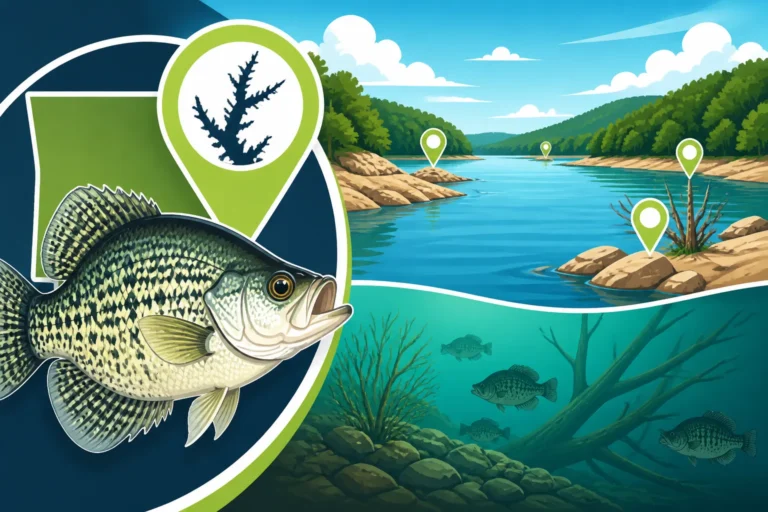
When you’re talking about panfishing in the White River National Wildlife Refuge, you’re primarily looking at two fantastic, abundant species: crappie and bream. For crappie, both the black crappie and white crappie make their home here, offering excellent opportunities for anglers of all skill levels. Black crappie generally prefer clearer, stiller waters with plenty of dense submerged structure like fallen trees, cypress knees, and brush piles. They are often found suspending within or just outside of this cover. White crappie, on the other hand, are a bit more tolerant of murkier conditions and can be found in the main river channels, bayous, and larger oxbows, often schooling in open water near channel drops or larger submerged logs.
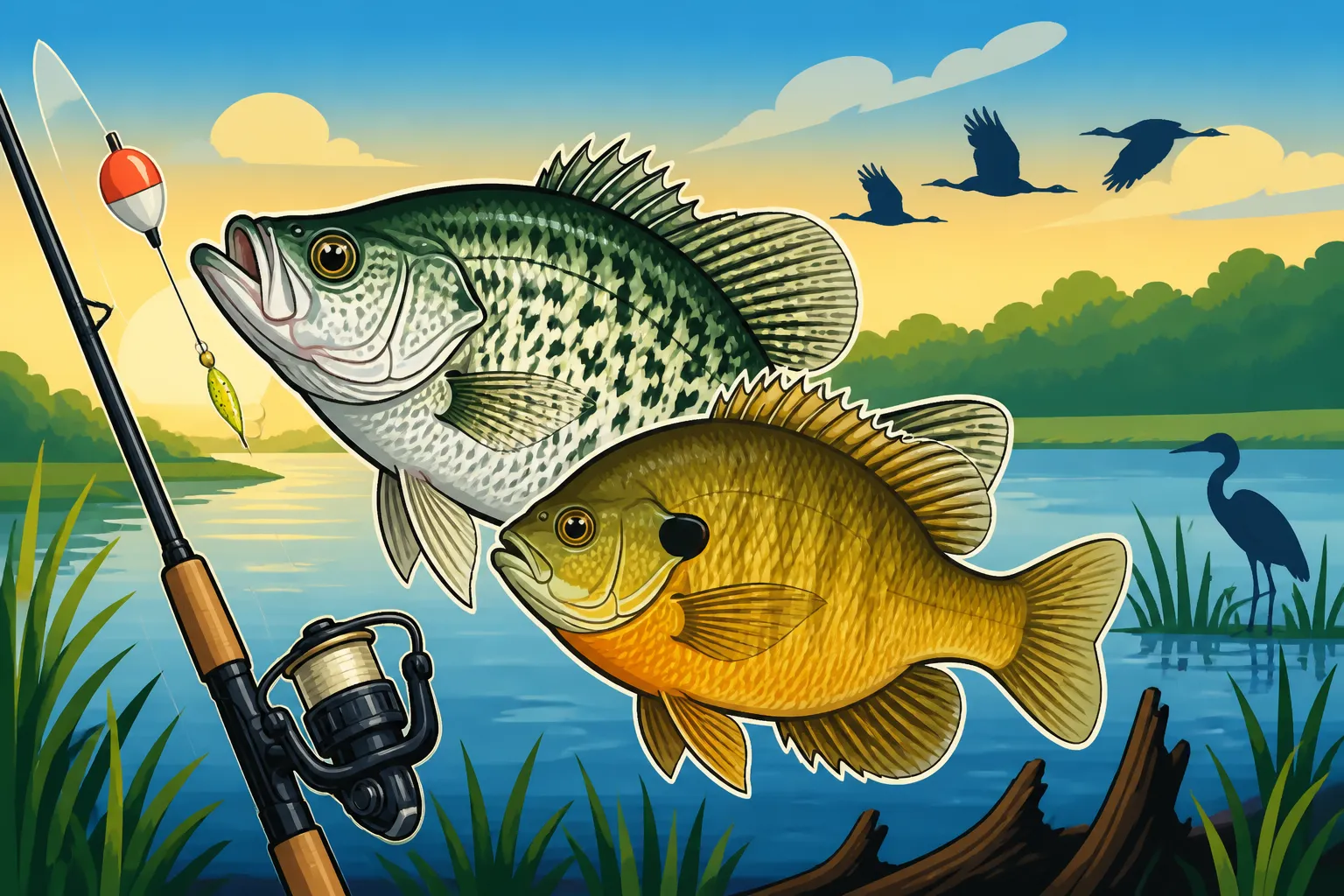
Bream, a wonderfully diverse and general term for various panfish, are truly abundant throughout the refuge and represent a consistent angling opportunity. The most common species you'll encounter are bluegill, typically found in thick aquatic vegetation, around lily pads, and near shallow cover, and redear sunfish (affectionately known as shellcrackers), which prefer slightly deeper, clearer water where they can forage on snails and other bottom-dwelling invertebrates. You might also hook into feisty warmouth and green sunfish, adding delightful variety to your catch and ensuring there's rarely a dull moment. These species are not only a blast to catch, providing spirited fights especially on light tackle, but they also offer some of the absolute best eating among freshwater fish. Knowing your target species helps you fine-tune your approach, from bait selection to preferred habitat, maximizing your chances of a full cooler.
Best Spots for Crappie Fishing within the Refuge
Crappie, whether black or white, are a favorite target for many anglers in the refuge due to their aggressive bites and delicious fillets. Finding them, however, means understanding their distinct preferences within this unique landscape.
Targeting Black Crappie in Timbered Lakes
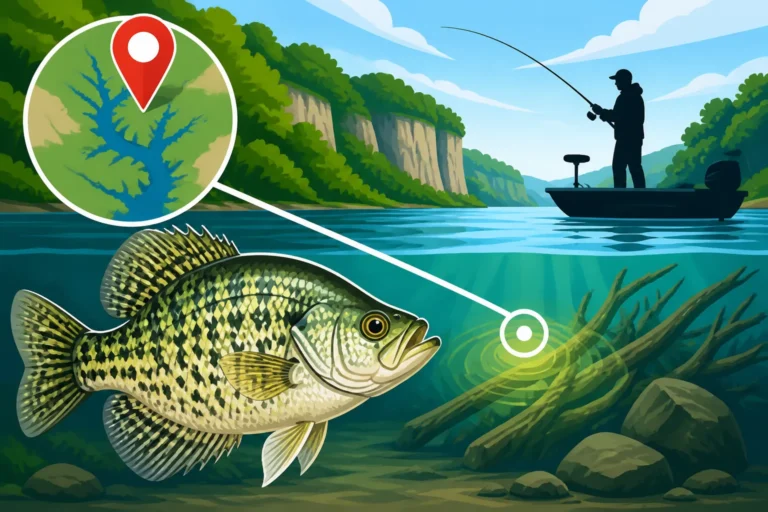
If your heart is set on catching black crappie, you absolutely need to direct your focus to the refuge's extensive timber-filled lakes and sloughs. These fish are intensely structure-oriented, and the seemingly endless maze of ancient cypress trees, gnarly fallen logs, and intricate submerged brush piles provides the ideal ambush points they crave. Lakes like Timber Lake Fishing Spots Inside the White River Refuge are prime examples where this kind of cover is not just abundant, but truly defines the fishing environment. When water levels are stable and relatively clear, black crappie will often suspend themselves vertically within the timber, particularly around the outer edges of the submerged forest or in deeper, isolated pockets where they feel secure.
The key to success here is often a combination of patience and precision. Vertical jigging with small, lightweight jigs (typically 1/32 to 1/8 ounce) or presenting live minnows dropped directly into the densest cover can be incredibly effective. Many experienced anglers employ a technique known as "spider-rigging," where multiple rods are deployed from the boat, each presenting a different depth and bait combination, allowing you to slowly and systematically navigate through the timber while covering a wide area. Remember, the clearer the water, generally the better for black crappie, so actively seek out those secluded pockets or quieter sloughs that haven't been churned up by recent high water or heavy current. These undisturbed areas offer both crucial protection and a steady supply of insect larvae and small baitfish for crappie to gorge on, making them prime targets.
White Crappie in Backwaters and Oxbows
White crappie, while also undeniably fond of structure, tend to exhibit a slightly more nomadic behavior and can tolerate a wider range of water conditions compared to their black crappie cousins. This adaptability makes them an excellent target in the refuge’s myriad backwaters and expansive oxbow lakes. These oxbows are essentially old river bends that have been naturally cut off from the main White River channel over time, creating semi-isolated bodies of water that are incredibly fertile. During periods of higher water, these areas become exceptionally productive as new food sources are washed in, and white crappie eagerly move in to feed, stage, and eventually spawn.
When fishing these areas, look for prominent brush piles, submerged stumps, and even standing timber that lines the banks of these oxbows. White crappie are well-known for schooling up tightly, so once you manage to find one, chances are you've stumbled upon an entire concentration of them. Trolling small crankbaits that mimic baitfish or casting jigs and live minnows near these submerged structures can yield consistently excellent results. Pay very close attention to any subtle current breaks – even in seemingly still backwaters, small changes in water flow can concentrate baitfish, and consequently, attract actively feeding crappie. Knowing the subtle differences between these two crappie species, as thoroughly detailed in our guide on Black Crappie vs White Crappie in Arkansas, can significantly refine your targeting strategy and put more fish in your boat.
Top Locations for Bream (Bluegill and Other Panfish) Action
Bream fishing offers consistent action and is a fantastic way to introduce new anglers to the sport. The White River National Wildlife Refuge provides a picturesque backdrop for these feisty fighters.
Finding Bluegill in Shallow, Vegetated Areas
Bream, especially the ever-popular bluegill, are the unsung heroes of many family fishing trips and reliably provide consistent action throughout the refuge, often saving the day when other species are finicky. Their preferred habitat is typically shallow, calmer water with abundant aquatic vegetation, expansive lily pad fields, and lush submerged grass beds. These areas offer bluegill both critical protection from larger predators and a rich, continuous buffet of insects, insect larvae, and small invertebrates. Such ideal conditions for bluegill are plentiful within the White River National Wildlife Refuge, particularly in the quieter, secluded coves and the slower-moving, less-disturbed sections of the sloughs and bayous.
When targeting bluegill, always think "shallow and cover." Your best bet is to cast small baits like lively crickets, juicy red worms, or even tiny micro-jigs directly near any visible structure or dense vegetation. A simple slip bobber rig, allowing you to suspend your bait at the perfect depth just above the weeds, is often all you need, making it an incredibly accessible and effective method for anglers of all ages, especially younger ones. The pure joy of watching a bobber disappear under the surface after a bluegill strike is an undeniable thrill. The best part is that once you locate a productive patch of bluegill, you'll often catch them one after another, providing continuous entertainment and a steady stream of delicious fish for the frying pan. This makes the refuge an ideal location for a relaxed, productive day of Bream Fishing Spots in the White River National Wildlife Refuge, Arkansas.
Other Panfish Opportunities
While bluegill might be the most common and universally recognized bream, the refuge provides excellent chances to catch a variety of other panfish species, including redear sunfish, warmouth, and green sunfish. Redear sunfish, often referred to as "shellcrackers," are particularly sought after by seasoned anglers for their robust fighting spirit and exceptional table fare. These intriguing fish tend to inhabit slightly deeper, clearer water than bluegill, frequently congregating near hard bottom areas and shell beds where they diligently forage on snails and other mollusks. Using a small piece of nightcrawler, a tiny jig tipped with a Berkley Gulp! cricket imitation, or even a small beetle spin near these suspected shell beds can be very effective in coaxing a bite from a shellcracker.
Warmouth and green sunfish, while typically smaller in stature than a trophy bluegill, are just as eager to bite and can provide incredible action, especially for light tackle enthusiasts. They are often found in similar habitats to bluegill, particularly around heavy cover like dense log jams, submerged stumps, and thick weed mats. These additional species add an exciting and diverse element to your panfish catch, ensuring that there's always something willing to take your bait, even on slower days. For a truly rewarding and varied panfish experience, consider venturing into some of the more Remote Fishing Spots Inside Arkansas's White River Refuge, where less fishing pressure often translates to more active and less wary fish.
Essential Techniques and Baits for Success
Mastering a few key techniques and understanding bait preferences will significantly increase your catch rates for both crappie and bream within the refuge's unique environment.
Crappie Fishing Strategies (Jigging, Minnows)
When it comes to successfully fishing for crappie in the White River National Wildlife Refuge, versatility and adaptability are undeniably your best friends. Live minnows remain a perennial favorite and an incredibly effective bait, especially when fished under a sensitive bobber near submerged timber or slowly trolled along channel edges. However, artificial lures can be just as deadly, particularly small jigs ranging from 1/32 to 1/8 ounce, presented in a vibrant array of colors. Popular choices include chartreuse, pristine white, classic black, or various combinations thereof, as knowing What Colors Work Best for Crappie Jigs in Arkansas can indeed make a substantial difference in your catch rate. Many accomplished anglers find consistent success with vertical jigging directly into dense cover, gently dropping their lure or minnow into brush piles and around the gnarly bases of cypress trees where crappie often hold tight.
Another highly effective technique for covering water and actively locating schools of crappie in the deeper oxbows and sloughs is known as spider-rigging. This method involves deploying multiple rods (often up to four or six) from the bow of the boat, each with a different depth and bait presentation, allowing you to systematically sweep an area. Given that crappie frequently suspend themselves at very specific depths, utilizing a reliable fish finder or sonar unit is absolutely invaluable for identifying these schools and targeting them precisely. Don't be afraid to continually experiment with different retrieve speeds, jigging motions, and even subtle pauses until you discover the exact presentation that triggers a consistent bite on any given day.
Bream Fishing Strategies (Worms, Crickets, Poppers)
Bream fishing, particularly for prolific bluegill, is often characterized by its simplicity and the enduring effectiveness of tried-and-true methods. The classic red worm or a lively cricket, fished under a small, sensitive bobber, remains an incredibly effective and highly enjoyable way to catch these eager panfish. These natural baits are virtually irresistible to bream, and the exhilarating visual cue of a bobber disappearing beneath the surface is always a thrilling moment, especially for younger anglers experiencing the excitement of a bite. Light tackle, such as ultralight spinning gear spooled with 4-6 pound test monofilament line, significantly enhances the fight of even a modest bluegill, making every catch feel like a trophy.
For those who prefer the challenge and satisfaction of artificial lures or fly fishing, tiny jigs, miniature spinners, and topwater poppers can yield fantastic results, particularly for larger, more aggressive bream. Casting a small popper (think a tiny Jitterbug or a foam beetle imitation) near lily pads, over submerged grass beds, or along the edges of fallen timber during the magical hours of dawn or dusk can provoke explosive topwater strikes from robust bluegill and warmouth. When selecting your bait, always consider what forage is readily available and natural in the immediate area; often, the fish are keyed into local insect hatches or small invertebrates. Precisely knowing the Best Bait for Bluegill Fishing will certainly give you a noticeable edge and lead to a more productive day on the water.
Navigating the Refuge: Access Points and Regulations
Successfully fishing the White River National Wildlife Refuge isn't just about knowing where the fish are; it's also about understanding how to get there and what rules apply to ensure a safe and legal trip.
Key Access Points and Boat Ramps
Accessing the White River National Wildlife Refuge can be a bit challenging for newcomers, as it's a truly vast and often remote area that retains its wild character. While there are numerous potential entry points scattered throughout its expanse, identifying reliable and accessible boat ramps is absolutely crucial for deeper exploration of its expansive waters. Most primary access points are conveniently located off Highway 1, which runs parallel to and along the western boundary of the refuge. Popular and more developed spots include the boat ramps situated near St. Charles and those deeper within the refuge that are accessible via various well-maintained gravel roads. It's always a highly recommended practice to consult a detailed paper map in conjunction with a modern GPS app that features up-to-date satellite imagery, as fluctuating water levels can significantly affect the usability and even the existence of certain ramps. Many anglers find local expertise invaluable, and platforms like FishingBooker can help you connect with experienced guides who specialize in navigating the refuge's unique waters.
For the most current information on specific locations and real-time conditions, checking the Arkansas Game and Fish Commission (AGFC) website or directly calling the refuge headquarters is highly recommended before you embark on your trip. This proactive step ensures you are fully aware of any temporary closures, specific conditions, or advisories, especially after heavy rainfall events or during prolonged periods of high or low water. Up-to-date information on Boat Access Points for the White River National Wildlife Refuge will be an indispensable resource for meticulously planning your entry and exit strategies, ensuring a smooth and safe experience.
Important Regulations and Permits to Know
Fishing within the confines of a national wildlife refuge comes with its own distinct set of rules and regulations, and it’s absolutely critical to be intimately aware of them to avoid any unwelcome issues or penalties. Beyond your standard Arkansas Fishing License Rules and Costs, which everyone 16 years of age and older is legally required to possess, the White River National Wildlife Refuge frequently imposes specific regulations concerning fishing methods, species-specific harvest limits, and even motor restrictions or seasonal closures on particular lakes or areas. These regulations are meticulously crafted and strictly enforced to protect the delicate and irreplaceable ecosystem, conserve fish populations, and ensure sustainable fishing opportunities for all future generations of anglers.
It is absolutely imperative to always obtain a refuge-specific regulation brochure, which can typically be found at check stations, visitor centers, or readily downloaded from the official U.S. Fish and Wildlife Service website. Pay extremely close attention to the daily creel limits (how many fish you can keep in a single day) and any length restrictions, particularly for crappie, as these can vary significantly from statewide regulations. For instance, precisely knowing the Minimum Size Limit for Keeping Crappie in Arkansas is non-negotiable and essential for legal harvest. Additionally, some designated areas within the refuge may require the exclusive use of non-toxic shot for hunting or fishing, or specific bait restrictions might be in place to prevent the introduction of invasive species. Staying fully informed isn't just about merely avoiding penalties; it's fundamentally about being a responsible and ethical steward of this incredible, federally protected natural resource.
Planning Your Trip: When to Go and What to Bring
A successful fishing trip to the White River National Wildlife Refuge involves more than just good tackle; it requires careful planning around seasons, water conditions, and essential gear.
Seasonal Considerations for Crappie and Bream
Timing your fishing trip to the White River National Wildlife Refuge can dramatically influence your overall success and the quality of your experience. For crappie, the spring spawn (typically occurring between March and April, though dependent on fluctuating water temperatures) is often considered the most productive time, as fish aggressively move into shallower waters to lay their eggs, making them more concentrated and accessible to anglers. However, the fall season can also offer exceptional crappie fishing as they actively feed in preparation for the colder winter months. For bream, the period from late spring through early fall is generally prime time, with their prolific bedding activity often peaking in the warmer months of May and June.
The refuge's incredibly unique and dynamic environment dictates that current water levels are an absolutely paramount factor. High water conditions can scatter fish widely and make navigation treacherous, while conversely, extremely low water can concentrate fish but severely limit boat access to many prime areas. It's a delicate and ever-changing balance. Always make it a priority to check current river levels for the White River (specifically targeting readings near St. Charles or Clarendon) before finalizing your outing. Understanding the Best Time to Fish White River Refuge Lakes for Crappie will undoubtedly provide you with a significant advantage, and many savvy anglers even consult online resources like FishingBooker to review recent catch reports and assess guide availability, which can often hint at the most active and productive seasons.
Gear Essentials and Local Considerations
Beyond your fundamental rods, reels, and tackle boxes, a truly successful and comfortable trip to the White River National Wildlife Refuge requires some specific and often unique considerations for your gear. A good quality boat, ideally a johnboat or a sturdy flat-bottom boat, is frequently essential for safely and efficiently navigating the often shallow sloughs, intricate backwaters, and timber-filled lakes. A reliable, powerful trolling motor will quickly become your absolute best friend for quietly working through dense cover without spooking wary fish, allowing for precise bait presentation. And don't ever forget a robust, well-functioning anchor to hold your position in current or wind!
Given the often remote and untamed nature of many parts of the refuge, it is absolutely critical to always pack plenty of fresh drinking water, nutritious snacks, and a comprehensive first-aid kit for any unexpected emergencies. High-quality insect repellent is unequivocally non-negotiable, especially during the warmer, more humid months when mosquitoes and gnats can be relentless. Sunscreen, a wide-brimmed hat, and polarized sunglasses are also critical for protection against the intense Arkansas sun and for spotting submerged structure. While you might be inclined to embark on a solo adventure, particularly if you are new to the area, considering hiring a local guide through reputable platforms like FishingBooker can provide invaluable, up-to-the-minute insights into current conditions, hot spots, and the safest navigation routes, especially if it's your maiden voyage into this complex fishery. These experienced guides often possess an intimate knowledge of the intricate and ever-changing refuge waters, maximizing your chances for an incredibly memorable and productive day on the water.
| Species | Preferred Habitat | Best Time to Fish | Recommended Bait/Lure | Key Tip for Refuge Fishing |
|---|---|---|---|---|
| Black Crappie | Clearer, stiller waters; dense submerged timber, cypress knees | Spring spawn (Mar-Apr), Fall | Live minnows, small jigs (chartreuse, white, black) | Vertical jigging directly into dense cover. |
| White Crappie | Murkier waters; backwaters, oxbows, brush piles | Spring spawn (Mar-Apr), Fall | Live minnows, small crankbaits, jigs (roadrunners) | Troll slowly along oxbow banks and channel edges. |
| Bluegill | Shallow, calm water; aquatic vegetation, lily pads, grass beds | Late Spring-Early Fall (esp. May-June) | Crickets, red worms, small jigs, topwater poppers | Focus on visible vegetation and shallow cover. |
| Redear Sunfish | Slightly deeper, clearer water; near shell beds | Late Spring-Early Fall | Worms, Berkley Gulp! cricket imitations, small jigs | Target hard bottom and shell beds with bottom baits. |
| Warmouth | Heavy cover like log jams, dense weeds, submerged brush | Spring-Fall | Worms, small jigs, tiny spinners | Cast into dense woody cover and structure. |
Disclaimer
Please remember that fishing regulations and conditions can change rapidly and without prior notice. Always consult the latest Arkansas Game and Fish Commission (AGFC) guidelines and any specific rules or advisories issued by the U.S. Fish and Wildlife Service for the White River National Wildlife Refuge immediately before your trip. Your safety should always be your top priority when enjoying the outdoors, and adhering to all regulations ensures a sustainable future for this incredible fishery.