Where to Fish for Bass on Lake Hamilton
Finding the perfect bass fishing spot on a lake as sprawling and varied as Lake Hamilton can feel like trying to find a needle in a haystack, especially when you're facing constantly changing conditions or just aren't familiar with its nuances. It’s a common frustration, believe me. This comprehensive guide is here to cut through that confusion, giving you the insider knowledge and specific locations you need to consistently hook into some fantastic bass on Lake Hamilton.
Understanding Lake Hamilton's Bass Habitat
Lake Hamilton, nestled right in the heart of Hot Springs, Arkansas, is a true jewel, but its diverse underwater landscape is what makes it a phenomenal bass fishery. You’ve got everything from shallow, brushy coves to deep, clear channels, and understanding these different environments is key to knowing where the bass will be at any given time. It's not just a big pool of water; it's a collection of micro-habitats, each holding potential.
Structure and Cover: Docks, Brush Piles, and Humps
Bass, like many predatory fish, are creatures of habit and comfort. They love structure and cover because it offers them ambush points for prey, protection from predators, and refuge from harsh sunlight or strong currents. On Lake Hamilton, this means paying close attention to the countless boat docks that line its shores. These aren't just for tying up boats; they create shade, attract baitfish, and often have submerged poles or brush piles underneath them that are absolutely irresistible to bass. When you're cruising past, don't just look at the docks – imagine what’s hidden beneath them.
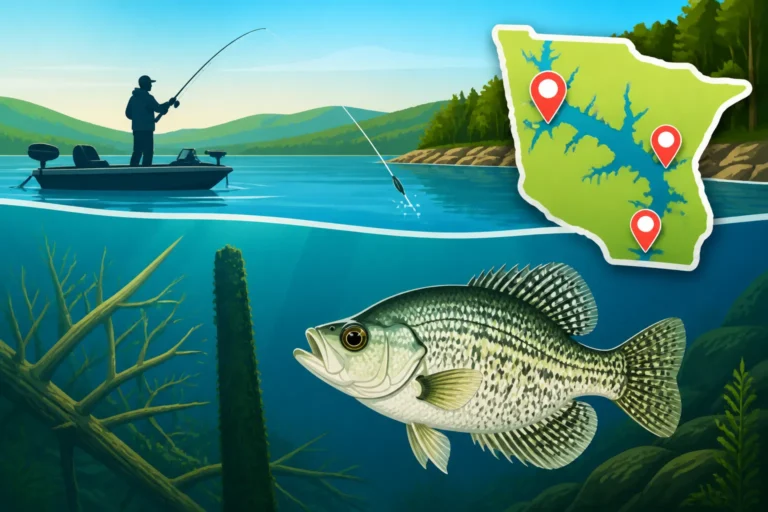
Beyond the visible docks, the lake is also rich with submerged brush piles, often placed by anglers or the Arkansas Game and Fish Commission to enhance fish habitat. These can be found in various depths, from shallow coves to deeper channel edges. Learning to use your electronics, like a good fish finder, to identify these hidden gems is a game-changer. Humps, those underwater hills or rises, are also prime bass territory. They act like magnets for baitfish, which, in turn, draws in the bass. Look for areas where the depth changes abruptly around these humps; bass often stage on the edges, waiting for an easy meal. Many anglers also report success around fallen timber and rock bluffs, especially in the spring and fall.
Water Conditions: Depth and Clarity
Lake Hamilton's water conditions can vary quite a bit depending on the season, recent rainfall, and even which arm of the lake you're fishing. Generally, the lake tends to be quite clear, especially in the main lake and lower sections. This clarity often means bass are more sensitive to light and might hold a bit deeper or closer to dense cover. On sunny days, they’ll bury themselves in the thickest brush or hug the deepest shade a dock can offer.
The depth also plays a massive role. The main channel of Lake Hamilton can reach depths of over 100 feet in some areas, but the bass typically aren't hanging out in the absolute abyss. Instead, they'll relate to specific depth contours, especially along creek channels, points, and humps that drop off into deeper water. In the summer, when surface temperatures soar, bass will often seek cooler, more oxygenated water in these deeper zones. Conversely, in spring and fall, they'll push shallower, following the baitfish and seeking optimal spawning temperatures. Understanding these depth preferences throughout the year is crucial. Always check water temperature readings to help you pinpoint where the bass are likely to be.
Prime Bass Fishing Spots on Lake Hamilton
Lake Hamilton has a lot of water, and while bass are pretty much everywhere, some spots are consistently more productive than others. These are the areas that hold a combination of ideal structure, cover, and forage, making them perennial favorites for local anglers.
Hot Springs Marina Area and Nearby Coves
The area around the Hot Springs Marina and the coves directly adjacent to it is a fantastic starting point for bass anglers. This region is a labyrinth of docks, seawalls, and small pockets that offer a ton of cover. Bass frequently patrol these docks, especially in the cooler parts of the day or under cloudy skies. Think about all the little nooks and crannies these structures create; they're perfect for ambushing bait. The boat ramps on Lake Hamilton Near Hot Springs also offer good shore access if you're not in a boat.
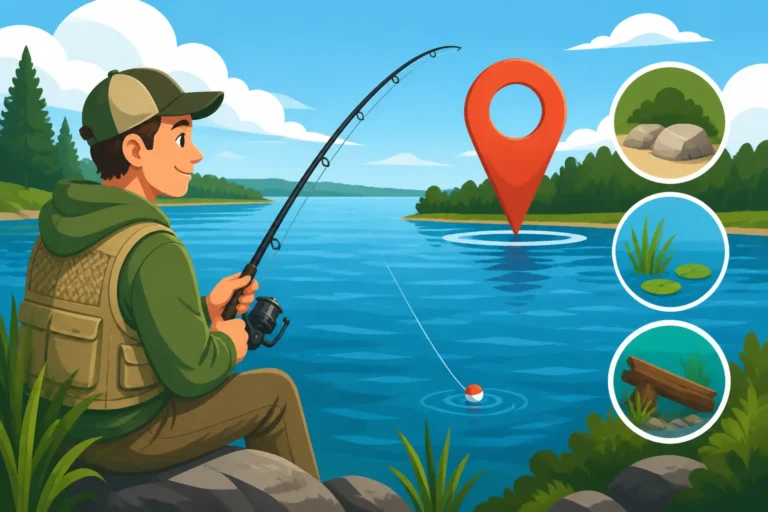
Beyond the docks, the nearby coves are often teeming with activity. Look for areas with visible brush, lily pads, or even shallow rock piles. These coves can be excellent during the spring spawn, providing warmer, protected waters for bass to build their nests. Even outside of spawning season, these areas hold plenty of resident bass that are just looking for an easy meal. Try flipping jigs or Texas-rigged worms under docks, or casting spinnerbaits and crankbaits along the seawalls. Many anglers find that pitching soft plastics right into these shadowed areas produces some aggressive strikes.
Mid-Lake Islands and Submerged Roadbeds
As you move towards the mid-lake section, you’ll encounter some fascinating features that are absolute bass magnets: the islands and submerged roadbeds. These aren't always obvious from the surface, but they create incredible underwater topography. There are several islands scattered throughout Lake Hamilton, and their rocky shorelines and surrounding drop-offs are fantastic for smallmouth and largemouth bass alike. Look for points extending off these islands or submerged humps nearby.
Perhaps even more intriguing are the submerged roadbeds. Lake Hamilton was created by damming the Ouachita River, and many old roads and foundations were flooded. These underwater highways act as travel corridors and feeding grounds for bass. They provide a consistent hard bottom, which fish love, and often have remnants of old timber or concrete. These are best found using good sonar and GPS mapping. Once you locate a submerged roadbed, you can often follow it for considerable distances, finding bass holding on the edges, especially where it intersects a creek channel or a deeper drop-off. A good guide or pre-trip research, possibly through services like FishingBooker that offer insights into local hotspots, can often provide coordinates for these less-obvious, but highly productive, locations.
Ouachita River Arm and Upper Reaches
The upper reaches of Lake Hamilton, where the Ouachita River feeds into it, offer a completely different kind of bass fishing experience. This area tends to be shallower, with more riverine characteristics, including current, timber, and a slightly different forage base. The water here can also be a bit stained compared to the main lake, especially after heavy rains, which can often concentrate bass and make them more aggressive. This contrasts quite a bit with what you might find on a lake like Lake Ouachita: Arkansas's Largest Lake for Bass and Crappie Fishing, which has a more open, clear water feel.
Focus your efforts on the bends of the old river channel, standing timber, and any visible laydowns along the banks. The current, even subtle, in this upper arm can position bass in predictable ambush points. Spinnerbaits, buzzbaits, and squarebill crankbaits can be incredibly effective here, especially when targeting active fish around cover. Don't overlook the myriad of small pockets and feeder creeks that branch off the main river arm; these can be phenomenal during the pre-spawn and spawn when bass are seeking warmer, calmer water. Even in the summer, bass will often hold tight to the cover in these shallower, fertile areas, particularly during low-light conditions.
Seasonal Bass Patterns and Techniques for Lake Hamilton
Bass fishing on Lake Hamilton isn't a one-size-fits-all endeavor. What works in spring will likely fail miserably in summer. Understanding how bass behave through the seasons and adapting your techniques accordingly is the hallmark of a successful angler.
Spring Spawn and Pre-Spawn Tactics
Spring is arguably the most exciting time to fish for bass on Lake Hamilton. As the water temperatures begin to climb into the 50s and 60s, bass start moving from their deeper wintering grounds towards shallower spawning areas. This period, known as the pre-spawn, is when bass are feeding heavily to build energy for the rigors of spawning. They’re often concentrated in staging areas like main lake points, secondary points inside coves, and creek channel swings.
During pre-spawn, crankbaits, jerkbaits, and lipless crankbaits can be incredibly effective for covering water and locating these aggressive, hungry fish. Once the water hits the mid-60s, the bass move onto their beds in protected, shallow coves. This is the spawn, and sight fishing can be very productive if the water clarity allows. Flipping and pitching jigs, creature baits, or soft plastic lizards into visible beds can trigger strikes from territorial bass. Remember to respect the fish during this vulnerable time and practice catch-and-release, especially for large females. Also, be mindful of the Largemouth Bass Daily Limit in Arkansas as you're enjoying the spring bite.
Summer Deep Water and Night Fishing
Summer on Lake Hamilton means hot weather, hot water, and often, tough fishing during the brightest parts of the day. The bass tend to retreat to deeper, cooler water, often suspending over brush piles, congregating around submerged humps, or relating to deep dock pilings. This is when your electronics truly shine. Look for schools of baitfish and bass clustered nearby in 15-30 feet of water, sometimes even deeper.
Vertical jigging spoons, drop-shot rigs, and deep-diving crankbaits are go-to presentations for these deep-water bass. Another fantastic summer tactic, and often the most productive, is night fishing. The bass become much more active as the sun sets and the water cools. They’ll move shallower to feed on baitfish under lights or cruise the edges of docks and seawalls. Topwater lures, spinnerbaits, and large worms fished slowly around lighted areas can lead to some incredible action after dark. The article Night Fishing Spots on Lake Hamilton delves deeper into this exciting technique.
Fall Feeding Frenzy and Transition Areas
As the days shorten and water temperatures begin to drop in the fall, Lake Hamilton's bass go on a major feeding binge, stocking up for winter. This is a highly active and often very predictable time to fish. Bass will follow baitfish into shallower coves and creek arms, especially during the mornings and evenings. They’ll also relate to main lake points and channel swings as they transition.
Look for schooling activity, especially around points and humps. Topwater lures, spinnerbaits, and ChatterBaits can draw explosive strikes from aggressive bass chasing shad. Squarebill crankbaits fished around shallow cover and jigs pitched into brush piles are also excellent choices. As fall progresses and temperatures continue to fall, bass will start moving into deeper pockets of coves, relating to the last remaining green vegetation or deeper docks before settling into their winter patterns. This is when some of the Best Time to Fish Lake Hamilton Arkansas for Bass truly shines.
Winter Slow Rolls and Suspended Bass
Winter fishing on Lake Hamilton can be challenging, but it can also produce some of the biggest bass of the year if you’re patient and precise. Bass are much less active in the cold water, often schooling up in deep creek channels, on submerged humps, or suspending over deep timber. They typically won't chase a bait far, so slower presentations are key.
Jigs, especially football jigs or finesse jigs, fished excruciatingly slowly along bottom contours can be effective. Spoon fishing vertically over deep schools of bait and bass is another productive technique. Consider suspending jerkbaits over deep water, pausing them for long periods to entice a lethargic bass. Blade baits and Ned rigs can also get bites from cold-water bass. Patience is a virtue in winter; focus on a few key spots and work them thoroughly with slow, deliberate retrieves.
Essential Tips for Bass Fishing Success on Lake Hamilton
Consistent bass fishing success on Lake Hamilton isn't just about knowing where the fish might be; it's about having the right tools, understanding the nuances of the water, and sometimes, learning from the pros.
Bait and Lure Selection
The sheer variety of baits and lures available can be overwhelming, but a few categories are consistently productive on Lake Hamilton for bass. For covering water, crankbaits (both shallow and deep diving), spinnerbaits, and vibrating jigs (like a Z-Man ChatterBait) are excellent choices. Choose colors that mimic local forage, like shad or crawfish, or bright, attention-grabbing colors in stained water. Soft plastics are indispensable: Texas-rigged worms, creature baits, and senkos are perfect for flipping into cover or working slowly along the bottom. Jigs, especially casting jigs and football jigs, are excellent for pitching into brush piles or dragging along ledges.
When it comes to topwater action, buzzbaits, poppers, and walking baits (like a Heddon Super Spook) can provide thrilling strikes, particularly during low-light conditions or over shallow grass. Don't forget jerkbaits, especially suspending models, which can be dynamite in cooler water or for finicky suspended fish. Always have a variety on hand, and don’t be afraid to experiment. Many anglers find the information in Best Lures for Largemouth Bass Fishing helpful for tailoring their tackle box.
| Season | Preferred Depths | Key Lure Categories | Specific Lures/Baits |
|---|---|---|---|
| Spring | 5-15 feet (pre-spawn) | Crankbaits, Jigs, Soft Plastics | Lipless Crankbaits, Texas Rigs, Swim Jigs |
| 2-8 feet (spawn) | Flipping Baits, Soft Plastics | Jigs, Creature Baits, Lizards | |
| Summer | 15-30+ feet | Deep Diving Crankbaits, Spoons | Drop Shot, Jigging Spoons, Large Worms |
| Night fishing: 2-10 feet | Topwater, Spinnerbaits, Worms | Buzzbaits, Whopper Ploppers, Large Senkos | |
| Fall | 5-20 feet | Topwater, Spinnerbaits, Jigs | Buzzbaits, Squarebill Crankbaits, Football Jigs |
| Winter | 20-40+ feet (or suspended) | Jigs, Finesse Baits, Jerkbaits | Football Jigs, Ned Rigs, Suspending Jerkbaits |
Boat and Electronics Usage
Having a reliable boat is definitely a huge advantage for navigating Lake Hamilton's vast waters and accessing its best bass fishing spots. But it's not just about the boat itself; it's how you equip and use it. Modern electronics are invaluable. A good fish finder with down imaging and side imaging capabilities can reveal those hidden brush piles, submerged roadbeds, and even schools of baitfish and bass that you'd never see otherwise. Learning to interpret what your sonar is telling you takes practice, but it's a skill that will exponentially improve your success.
GPS mapping systems are also critical for marking hotspots, navigating safely, and returning to productive areas. Take the time to learn your unit inside and out before you hit the water. Beyond electronics, a strong trolling motor is essential for silently positioning your boat, especially when fishing docks or shallow coves. Anchor poles, like those from Minn Kota or Power-Pole, are fantastic for holding your boat precisely in position, allowing you to thoroughly dissect a piece of cover without drifting. Remember, stealth and precision are often the keys to unlocking a quality bite. If you're looking to explore the different ways to get on the water, you might want to consider Boat Ramps on Lake Hamilton Near Hot Springs.
Local Knowledge and Guide Services
While this guide provides a solid foundation, there's no substitute for local knowledge. Conditions on Lake Hamilton can change rapidly due to weather, water generation, and fishing pressure. Talking to local bait shop owners, other anglers at the ramp, or even joining local online fishing forums can provide invaluable, up-to-the-minute insights. These folks often have their fingers on the pulse of the lake and can share recent patterns or hot spots.
For those truly looking to accelerate their learning curve or maximize a limited fishing trip, consider hiring a local fishing guide. Guides spend hundreds of days on the water each year and possess an intimate understanding of Lake Hamilton's bass patterns, techniques, and secret spots. A guided trip isn't just about catching fish; it's a crash course in how to fish the lake effectively. You can often find reputable local guides through services like FishingBooker, which can connect you with experienced professionals who specialize in bass fishing on Lake Hamilton. This can be especially helpful if you're new to the area or want to learn specific techniques like Bass Fishing Techniques by Season. They can teach you the subtle nuances that only years on the water can reveal.
Disclaimer
The information provided in this article is for general guidance and informational purposes only. Fishing conditions, regulations, and fish behavior can change rapidly. Always consult the latest Arkansas Game and Fish Commission regulations before heading out on the water. Exercise caution, practice safe boating, and be aware of weather conditions. The author and publisher are not responsible for any accidents, injuries, or legal issues that may arise from using this information.