Are crappie limits different at Lake Monticello and Lake Cargile?
It can be incredibly frustrating when you're just trying to enjoy a peaceful day on the water, only to be hit with a maze of different fishing regulations depending on which lake you visit. You've got your gear ready, your bait picked out, and then you start wondering, "Wait, is the crappie limit here the same as it was last weekend?" This guide is here to clear up that confusion, specifically addressing the crappie limits at Lake Monticello and Lake Cargile in Arkansas, so you can fish with confidence and stay on the right side of the rules.
Understanding Statewide Crappie Regulations in Arkansas
Before we dive into the specifics of Lake Monticello and Lake Cargile, it's crucial to understand the baseline: the statewide crappie regulations that apply to most waters across Arkansas. Think of these as the general rules of thumb, the foundation upon which more specialized lake-specific regulations are built. For most of our beautiful Arkansas lakes and rivers, anglers can typically expect a daily creel limit and a minimum length requirement for crappie.
Generally, the Arkansas Game and Fish Commission (AGFC) sets the statewide crappie daily limit at 20 fish. That means, on most bodies of water, you can bring home twenty crappie in a single day. Sounds pretty straightforward, right? Well, almost. There's also a minimum length requirement that goes hand-in-hand with that limit. Statewide, crappie must be 9 inches or longer to keep in Arkansas. You can't just keep any crappie you catch; it has to be of legal size to ensure the healthy growth and reproduction of the fish population. This minimum length helps prevent overharvesting of younger fish, giving them a chance to mature and spawn, contributing to a sustainable fishery for all of us. These rules are put in place for a good reason – to maintain healthy fish populations and ensure that our kids and grandkids can enjoy crappie fishing just as much as we do. It's a delicate balance, and sometimes that balance requires specific adjustments for individual bodies of water, which is precisely why some lakes have their own unique limits.
Specific Crappie Limits at Lake Monticello
Now, let's talk about Lake Monticello, a popular spot for many crappie enthusiasts in Arkansas. This lake often gets special attention from the AGFC due to its unique characteristics and the fishing pressure it receives. If you're heading out to Lake Monticello, you absolutely cannot rely on the general statewide crappie limits. You'll need to be aware of the specific rules that apply to this particular body of water.
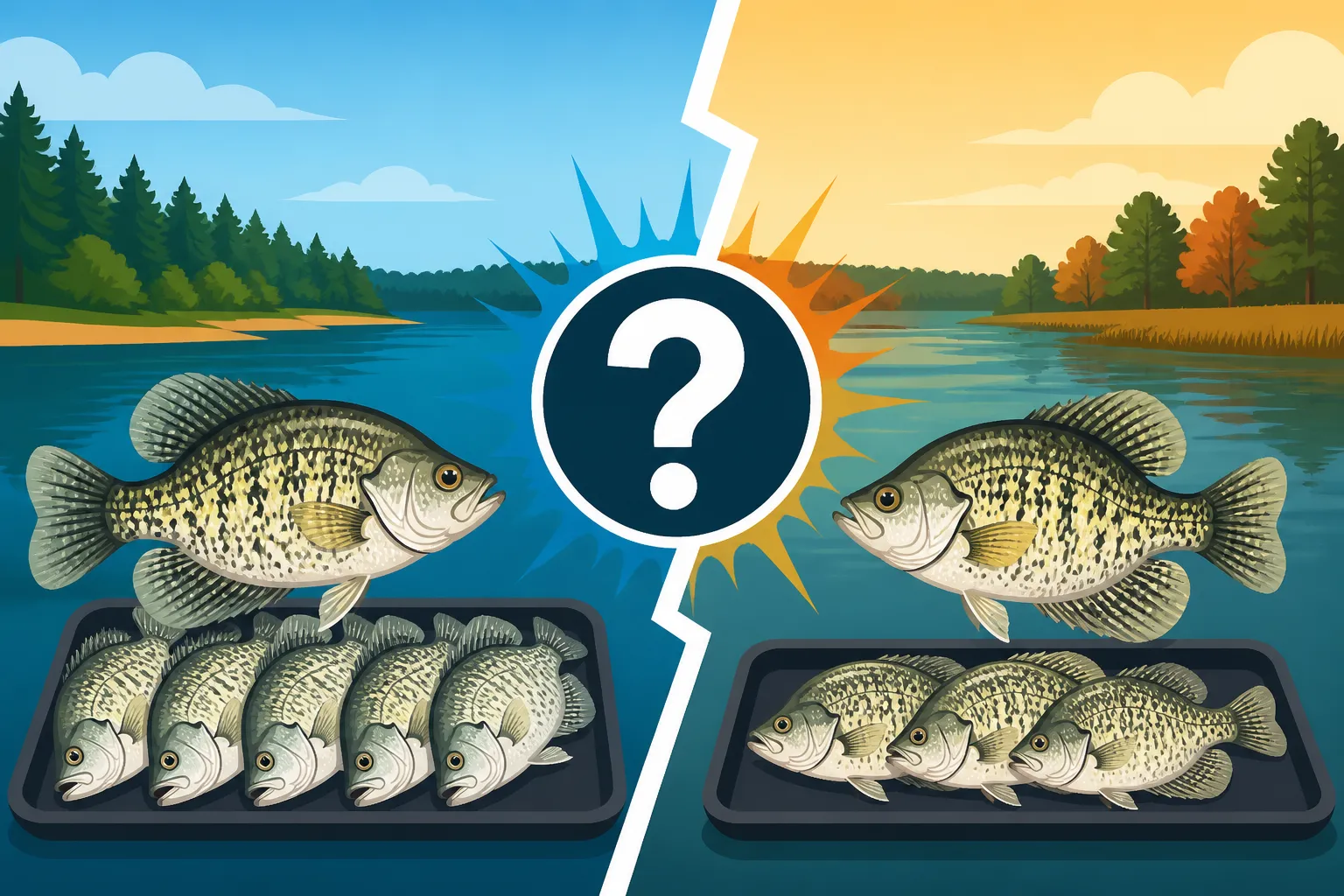
At Lake Monticello, the daily crappie limit is actually lower than the statewide standard. Instead of 20 fish, the Lake Monticello crappie limit drops to 15 fish per day. That's a five-fish difference, which can easily lead to a violation if you're not paying close attention. It’s not just the quantity that changes; the reasoning behind it is usually about managing the local fish population to ensure quality fishing for years to come. Often, lakes with heavy fishing pressure or specific ecological conditions require more restrictive limits to prevent overharvesting and allow the crappie population to thrive. Imagine catching a bunch of smaller crappie, thinking you're well within the statewide limit, only to realize you've gone over the Lake Monticello specific rule. It's a real bummer, and something we all want to avoid. So, when you're packing your tackle box with those favorite jigs and minnows, double-check that you remember this particular limit. A quick search on your phone or a glance at the latest AGFC regulations (you can often find these in waterproof guides on Amazon that attach to your tackle box) can save you a lot of headache. Understanding how the Lake Monticello crappie rule differs from statewide limits is your first step to a successful and legal fishing trip here.
Specific Crappie Limits at Lake Cargile
Moving over to Lake Cargile, another crappie hotspot in Arkansas, you'll find yet another set of specific regulations that differentiate it from the statewide rules and even from Lake Monticello. Lake Cargile often has its own set of nuances, particularly when it comes to managing the size structure of its crappie population. These differences are designed to create a balanced fishery, promoting the growth of larger, healthier fish.
For crappie at Lake Cargile, the daily limit is similar to Lake Monticello, set at 15 fish per day. However, here’s where it gets a little more specific and requires extra vigilance: there’s often a slot limit or a specific rule regarding the number of larger fish you can keep within that 15-fish limit. For instance, the regulations might stipulate that only 7 of your 15 Lake Cargile crappie can be 12 inches or longer. This is a classic example of a "protected slot limit" in action, designed to protect the breeding-size fish and ensure they have a chance to reproduce, while allowing anglers to keep a good number of smaller, pan-sized fish. It's a fantastic management tool that ensures there are always enough larger crappie in the lake to produce the next generation, ultimately leading to better fishing for everyone. You might be out there, having a fantastic day, pulling in crappie after crappie. You've got your 15 fish, but then you realize 10 of them are over 12 inches. Now you've got to carefully release three of those bigger fish back into the water, which can be a tricky situation. It underscores the importance of measuring your fish as you catch them and keeping a mental tally of how many large ones you've already kept. A good, easily accessible measuring device (many anglers swear by the retractable ones found on Amazon that clip to your vest) is an absolute must-have for Lake Cargile.
Why These Lakes Have Different Rules and How to Stay Compliant
It's completely normal to wonder why on earth some lakes have such specific and often different rules compared to the general statewide regulations. It can feel like the Arkansas Game and Fish Commission (AGFC) is just trying to make things complicated, but trust me, there's always a very good reason behind these nuanced regulations. Understanding the "why" can make it a lot easier to accept and follow the "what."
Ecological Considerations and Management Goals
The primary reason why some Arkansas lakes have stricter limits than others, or just different limits altogether, comes down to highly localized ecological considerations and specific management goals. Every lake is its own unique ecosystem, with varying depths, forage bases, water temperatures, and fishing pressures. What works for a massive reservoir like Lake Ouachita might not work for a smaller, more intensively fished lake like Monticello or Cargile.
For instance, at Lake Monticello, the AGFC might have observed that the crappie population was experiencing too much harvest pressure on larger fish, potentially impacting the breeding stock. By reducing the daily creel limit to 15 fish, they give those fish a better chance to survive, grow, and reproduce. In contrast, at Lake Cargile, the introduction of a specific slot limit (like only 7 of 15 crappie being 12 inches or longer) is a common strategy to protect the middle-sized, fast-growing crappie that are crucial for future trophy potential, while still allowing anglers to keep a healthy number of smaller fish for the frying pan. These rules are scientific decisions, often based on extensive fish surveys, angler harvest data, and population models. It's about ensuring sustainable fishing for generations to come, not just for next weekend.
Staying on the Right Side of the Regulations
Given these varying rules, staying compliant is paramount, not just to avoid penalties (which can be stiff, as outlined in Arkansas Fishing License Penalties and Requirements), but also to contribute to the health of our fisheries. Here's how you can make sure you're always informed:
- Consult the Latest AGFC Guidebook: This is your bible. The Arkansas Fishing Regulations Guide is published annually and is available online on the AGFC website, at most sporting goods stores, and local bait shops. Pick one up every year, or download the PDF to your phone.
- Check AGFC Website/App: The AGFC website is regularly updated, and many states now offer fishing apps that provide real-time access to regulations, often even with location-based services. Always check for specific lake regulations before you head out.
- Ask Local Bait Shops: The folks who run the local bait and tackle shops are often invaluable sources of information. They deal with anglers every day and usually know the ins and outs of local regulations, especially for the popular species like crappie.
- Invest in a Waterproof Regulations Chart: For those who prefer a physical copy that can withstand the elements, consider a laminated or waterproof regulations chart. You can often find these, or even small waterproof cases for your phone to view digital versions, on Amazon. It's a small investment that can save you a lot of hassle.
When you're comparing the Resident Annual Fishing License Cost in Arkansas to the cost of a nonresident license, remember that your license fee helps fund these critical conservation efforts. Knowing the rules for each specific body of water is a part of being a responsible angler and helps ensure the long-term enjoyment of Arkansas fishing for everyone.
Here's a quick comparison of the crappie limits:
| Regulation Aspect | Statewide (Most Waters) | Lake Monticello | Lake Cargile |
|---|---|---|---|
| Daily Creel Limit | 20 crappie | 15 crappie | 15 crappie |
| Minimum Length | 9 inches | 9 inches | 9 inches |
| Special Restrictions | None | None | Only 7 of 15 can be 12+ inches |
Essential Tips for Crappie Fishing at Monticello and Cargile
Knowing the regulations is just one piece of the puzzle; actually catching crappie is the fun part! Both Lake Monticello and Lake Cargile are fantastic crappie fisheries, each with its own charm and challenges. To maximize your success while adhering to the specific limits, here are some essential tips for both lakes.
Targeting Crappie at Lake Monticello
Lake Monticello is known for its structure and timber, which crappie absolutely love. When you're out there, focus on these key areas.
- Look for Structure: Crappie tend to congregate around submerged brush piles, standing timber, and creek channels. If you have a fish finder, use it to locate these hidden gems. Many anglers will even sink their own brush piles (within regulations, of course) to create prime crappie habitat.
- Jigging and Minnows: The classic crappie combo of small jigs (1/32 to 1/16 ounce) tipped with minnows or soft plastics is often deadly here. Bright colors like chartreuse, white, or pink often work well. You can find a huge variety of crappie jigs and soft plastics on Amazon, perfect for experimenting with different presentations.
- Depth is Key: Depending on the time of year and water temperature, crappie will suspend at different depths. In the spring, they might be shallower, preparing for the Arkansas Crappie Spring Spawn Pattern. In warmer months, they often move to deeper, cooler waters, suspending around structure. Experiment with your depth until you find the biting zone.
- Seasonal Patterns: The best time to catch crappie in Arkansas varies, but spring and fall are typically prime times at Monticello. During the spring spawn, crappie move into shallower waters, making them easier to target. In the fall, they feed heavily before winter, offering another excellent opportunity.
Maximizing Success at Lake Cargile
Lake Cargile, with its unique size restrictions, requires a slightly different approach if you're aiming to fill your limit responsibly.
- Size-Specific Tactics: Since you have a limit on larger fish, consider how you approach your fishing. If you've already kept your 7 crappie over 12 inches, you might switch to smaller baits or focus on areas known to hold smaller fish to fill out the rest of your 15-fish limit.
- Brush Piles and Drop-offs: Like Monticello, Lake Cargile's crappie love structure. Look for brush piles, submerged trees, and abrupt drop-offs along creek channels. These areas provide both cover and ambush points for crappie.
- Spider Rigging: Many anglers at Cargile have success with "spider rigging," using multiple long rods extended from the boat to cover a wider area and present baits at different depths simultaneously. This can be particularly effective for locating schools of crappie. If you're new to this, there are great starter kits and individual rod holders available on Amazon.
- Live Bait is King: While jigs work, live minnows are often irresistible to crappie, especially if they are a bit finicky. Present them under a slip bobber or tight-line them directly over structure.
- Electronics are Your Friend: A good fish finder is crucial for both lakes, but especially for navigating the specific size limits at Cargile. It helps you locate schools of fish and identify potential hot spots quickly, allowing you to focus your efforts and manage your catch more efficiently.
Remember, whether you're at Lake Monticello or Lake Cargile, responsible angling means knowing and respecting the rules. Always have a measuring device handy, and don't hesitate to release fish if they don't meet the legal requirements or if you've already reached your specific lake limit. Happy fishing!
Disclaimer
The information provided in this guide is for general informational purposes only and is subject to change. Fishing regulations in Arkansas are set by the Arkansas Game and Fish Commission (AGFC) and can be updated annually or as deemed necessary. Always consult the most current official AGFC fishing regulations guidebook or their official website before heading out to fish to ensure complete compliance.