Boat Ramps on the Arkansas River Near Fort Smith
It’s a common scenario for anglers, isn't it? You've got your boat loaded, your gear ready, and that eager anticipation to hit the water, only to pull up to an unfamiliar launch and wonder if it’s the right one for your boat, or if the water levels are even cooperative. Finding reliable boat ramps on the Arkansas River near Fort Smith, especially when river conditions can change, can feel like a bit of a puzzle. This guide is here to untangle that frustration, offering a comprehensive look at the best public access points so you can spend less time guessing and more time fishing.
The Quest for Easy Water Access on the Arkansas River Near Fort Smith
The Arkansas River, particularly around the Fort Smith area, is a magnificent stretch of water, teeming with fishing opportunities and scenic beauty. However, actually getting onto that water with your boat requires knowing the ins and outs of the local boat ramps. It's not just about finding a concrete slab; it's about understanding the specific characteristics of each ramp, its suitability for different types of vessels, and how the river itself influences usability. Many anglers, especially those new to the area or those with larger boats, often struggle to identify the most convenient and safe spots.
Navigating Fort Smith's Riverfront Landscape
Fort Smith sits right on the confluence of the Arkansas River and the Poteau River, giving it a unique riverfront geography. This means the immediate area can range from bustling urban stretches to more natural, undeveloped banks. For boaters, this presents a mixed bag. You might find ramps nestled close to city parks and amenities, or you might need to venture slightly outside the immediate city limits for a more secluded experience. Understanding this landscape is key to choosing a ramp that fits your trip's purpose, whether you're launching a small jon boat for a quick catfish run or a larger bass boat for a serious tournament prep. The clarity of the water, the strength of the current, and even the amount of nearby boat traffic can all vary greatly depending on where you choose to put in.
The Lock and Dam System's Impact on River Access
A significant feature of the Arkansas River is the McClellan-Kerr Arkansas River Navigation System, a series of locks and dams designed to facilitate commercial navigation. While this system makes the river navigable for barges, it also creates distinct "pools" of water. For anglers, this means water levels are generally stable within a pool, but launching access points are often tied to these structures or the communities they serve. Near Fort Smith, you're primarily concerned with the area around Lock and Dam 13 (Ozark-McClure) and Lock and Dam 14 (Webbers Falls, though that's just across the border in Oklahoma). The ramps are typically designed to be usable across a range of pool elevations, but extreme high or low water events can still impact functionality. Always checking the current river conditions is paramount, as a ramp that's perfectly fine one week might be partially submerged or completely exposed the next.
Your Go-To Boat Ramps in and Around Fort Smith
When you’re ready to get your boat wet and feel that rush of being on the Arkansas River, knowing exactly where to go makes all the difference. Fort Smith boasts a couple of key public access points that most local anglers rely on, along with a few others that might serve specific needs or offer a different starting point for your fishing adventure.
Fort Smith Park Boat Ramp: The Heart of River Access
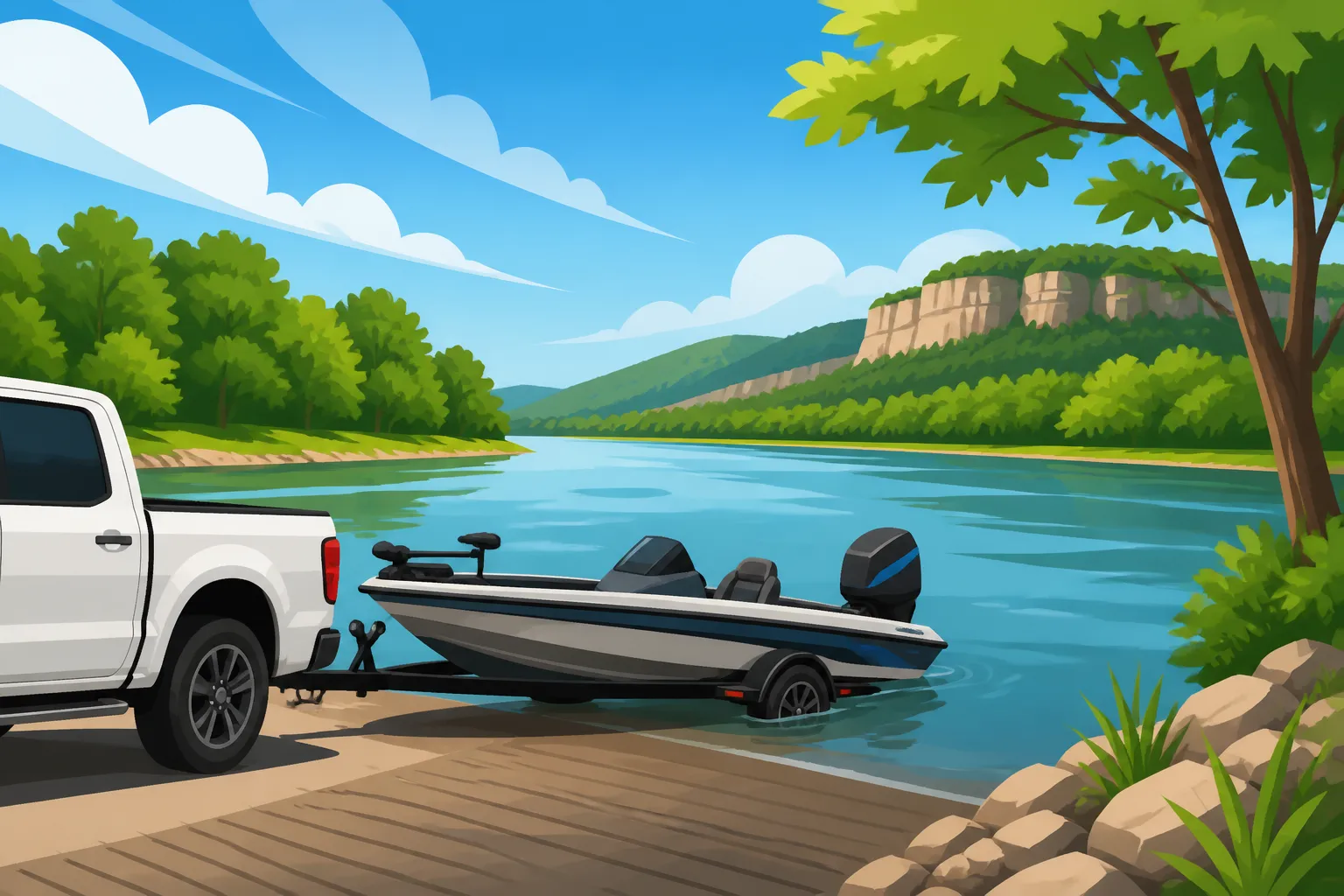
Without a doubt, the most popular and convenient boat ramp for anglers directly in Fort Smith is the one located within Fort Smith Park, often referred to locally as the Riverfront Park boat ramp. This ramp is a true lifeline for local boaters, offering robust infrastructure designed to handle significant traffic.
Located right on the city's riverfront, this ramp is easily accessible and provides a gateway to some fantastic fishing grounds. You’ll typically find multiple concrete lanes here, which is a huge plus, especially during peak fishing seasons or on weekends. There's nothing worse than arriving at a one-lane ramp only to find a line of frustrated boaters. The wide lanes here mean less waiting and more smoothly coordinated launches and retrievals, which everyone appreciates.
Beyond the ramp itself, the amenities at Fort Smith Park are a major draw. There’s ample parking available for trucks and trailers, which is a crucial consideration when you’re planning a day out on the water. Many smaller ramps lack adequate parking, forcing you to park a considerable distance away, or worse, illegally. Here, you'll generally have enough space. You'll also usually find well-maintained restrooms nearby, which is a convenience often overlooked until you really need it. Additionally, a courtesy dock is usually present, allowing you to temporarily tie off your boat while you park your trailer, or while waiting for your fishing buddies to board. This is especially helpful for solo anglers or those with larger boats that are trickier to manage alone.
The Fort Smith Park ramp is suitable for nearly all types of recreational fishing boats, from bass boats and pontoon boats to smaller aluminum jon boats. It offers direct access to the main channel of the Arkansas River, providing opportunities to fish for a variety of species, including largemouth bass, catfish, and crappie. If you’re looking to explore the river, perhaps even casting a line for some impressive blue catfish, this is your prime starting point. Remember to check out topics like Fishing the Arkansas River for Bass and Catfish for tips on what to target once you're on the water.
Other Notable Ramps for Arkansas River Anglers
While the Fort Smith Park ramp is the primary hub, the Arkansas River Valley has other points of access that, depending on your specific destination or preferences, might be worth considering. These ramps might be a little further afield but still serve anglers who launch near Fort Smith.
One such option that often comes up in local angler discussions is the access points related to the Ozark-McClure Lock and Dam (L&D 13). While a short drive upstream from Fort Smith, these ramps give you access to a different section of the river pool. You'll typically find a Corps of Engineers park or designated access area nearby, often with basic amenities. These spots can sometimes be less crowded than the main Fort Smith ramp, offering a bit more solitude, especially during the week. They're excellent for those looking to fish the upper reaches of the Fort Smith pool or explore different river habitats.
Another consideration, although technically just across the border in Oklahoma, is the Webbers Falls Lock and Dam (L&D 14) area. For anglers living on the western side of Fort Smith or those willing to drive a bit, this area provides good access. Many local anglers consider the entire stretch of river in this general vicinity as "local water," and ramps here can be viable alternatives. Just be mindful of any specific Oklahoma fishing regulations if you plan to cross state lines for your fishing, though your Arkansas Fishing License Rules and Costs will typically apply within Arkansas waters.
When looking for specific information on these less central ramps, or if you're trying to find a local fishing guide who knows all the hidden gems and best launch spots, resources like FishingBooker can be incredibly useful. Many experienced guides list their services there, and they often provide details about where they launch and what kind of access points they utilize, giving you insider knowledge without having to scout every ramp yourself.
Here's a quick overview of the key boat ramps:
| Ramp Name | Location (General) | Lanes | Parking | Courtesy Dock | Restrooms | Notes |
|---|---|---|---|---|---|---|
| Fort Smith Park Boat Ramp | Fort Smith Riverfront | 2-3 | Ample | Yes | Yes | Most popular, full amenities, central access. |
| Ozark-McClure L&D 13 Access | Upstream from Fort Smith | 1-2 | Moderate | Often | Often | Less crowded, access to different river section. |
| Webbers Falls L&D 14 Access | Downstream, OK (near) | 1-2 | Moderate | Often | Often | Good option for western Fort Smith anglers, check state lines. |
Essential Considerations for a Smooth Launch and Retrieve
Successfully getting your boat in and out of the water is about more than just backing up your trailer. It involves a combination of preparation, awareness of river conditions, and courteous behavior at the ramp. Ignoring these aspects can quickly turn a fun outing into a frustrating ordeal.
Understanding Current River Conditions and Levels
The Arkansas River is a dynamic system, and its conditions can change. Water levels, current speed, and even turbidity (how clear or muddy the water is) are vital factors that can affect ramp usability and safety. What was a perfectly fine launch last week might be tricky this week.
Before you even leave your driveway, make it a habit to check the river conditions. The U.S. Geological Survey (USGS) provides real-time water data for various gauges along the Arkansas River, including points near Fort Smith. These gauges offer crucial information on river height and flow rate. A rising river might mean stronger currents, potentially making launching and retrieving more challenging, especially for smaller boats. Conversely, extremely low water could expose the end of the ramp, making it difficult to get your prop deep enough, or worse, damaging your equipment on unseen obstructions. Muddy water after heavy rains can also make navigating the ramp slippery and reduce visibility in the water, adding another layer of challenge. Taking a few minutes to check these details can save you hours of trouble at the ramp.
Mastering Boat Ramp Etiquette and Safety
Boat ramps are shared spaces, and practicing good etiquette not only makes things smoother for everyone but also enhances safety. There’s a flow to efficient ramp use, and understanding it is key.
First and foremost, prepare your boat before you get on the ramp. This means loading all your gear, securing rods, putting in the drain plug (a classic oversight!), and removing your boat cover in the staging area before you're next in line. Nothing holds up a ramp more than someone spending 15 minutes getting ready while blocking the access.
When it's your turn, be efficient. Back your boat down smoothly, launch quickly, and move your boat away from the ramp area to a courtesy dock (if available) or a safe waiting spot while you park your trailer. The same applies to retrieval: have your vehicle ready, back down, load your boat, and then pull forward off the ramp before you start tidying up or securing your boat for the road.
Safety is paramount. Always be aware of your surroundings – other boaters, swimmers (though rare at ramps), and children. Be cautious of slippery ramps, especially after rain or when algae has built up. If you're launching alone, consider bringing a long rope to secure your boat while you park, preventing it from drifting away. And of course, always wear your life jacket when launching and retrieving, especially if the current is strong. Remember, these are public spaces, and courtesy goes a long way in ensuring everyone has a pleasant and safe experience.
Beyond the Launch: Maximizing Your Arkansas River Fishing Trip
Getting your boat in the water is just the first step. The real fun begins when you’re out on the Arkansas River, exploring its vast stretches and targeting the numerous species that call it home. Understanding the fishing opportunities and knowing how to connect with local expertise can turn a good day into a truly memorable one.
Prime Fishing Opportunities Accessible from Fort Smith Ramps
Launching from Fort Smith's boat ramps opens up a world of fishing possibilities. The Arkansas River is renowned for its diverse fishery, offering something for every type of angler.
Catfish are a huge draw here, with healthy populations of channel catfish, blue catfish, and flathead catfish. The deep holes, submerged timber, and swift currents found in various stretches of the river are prime habitats. Many anglers specifically launch near Fort Smith to target trophy-sized blue catfish, using traditional bottom-fishing techniques with cut bait or live bait. If you're interested in really getting into catfishing, you might want to read our guide on Catfish Fishing Techniques Guide.
Bass fishing is also popular. While not always as clear as some highland lakes, the river offers excellent opportunities for largemouth bass, especially in backwater sloughs, oxbows, and areas with submerged cover or riprap. Smallmouth bass can also be found in certain rocky areas and tributaries. Many local tournaments are held on this stretch of river, proving its quality as a bass fishery. For beginners, getting familiar with the specific patterns on a river system is crucial, so consider checking out Bass Fishing Techniques for Beginners.
Beyond these, you can find crappie in calmer backwater areas and around brush piles, especially during certain times of the year. White bass often make strong runs, particularly in spring, providing fast and furious action. The beauty of the Arkansas River is its versatility; you can often switch targets throughout the day based on what's biting. To get a better sense of what's active when, our guide on the Best Time of Year to Fish in Arkansas could be very helpful.
Connecting with Local Expertise for Your Adventure
Even with the best ramps and general knowledge, the Arkansas River can be a complex fishery. The nuances of current, water temperature, bait choices, and prime fishing spots often require years of experience to master. This is where local expertise truly shines.
If you're new to the area, or simply want to maximize your chances of a successful trip, consider hiring a local fishing guide. These professionals spend countless hours on the water, understanding the seasonal patterns, the best baits for specific conditions, and exactly where the fish are hiding. They can quickly put you on fish, teach you valuable techniques, and make your trip exponentially more productive and enjoyable. Many reputable guides who fish the Arkansas River near Fort Smith are available, often specializing in particular species like trophy catfish or bass. You can find many of these experienced guides listed on platforms like FishingBooker, making it easy to browse their specialties, rates, and availability. They often launch from the very ramps we've discussed, taking all the guesswork out of the logistics for you. Even if you only book a guide for a half-day, the insights you gain can dramatically improve your future solo trips. Plus, a guide will know all about the Arkansas Fish Size and Daily Limits to keep you compliant with regulations.
Remember, the goal is to enjoy your time on the water. With the right information about boat ramps and a willingness to learn from the river's unique character, your Arkansas River fishing adventures near Fort Smith are bound to be memorable.
Disclaimer
Please be aware that fishing regulations, river conditions, and public access points can change. Always consult the official Arkansas Game and Fish Commission (AGFC) website for the most current rules and regulations before heading out. Check local weather and river conditions, including water levels and currents, to ensure a safe and enjoyable trip. This guide is for informational purposes only and does not substitute for official directives or local expert advice.