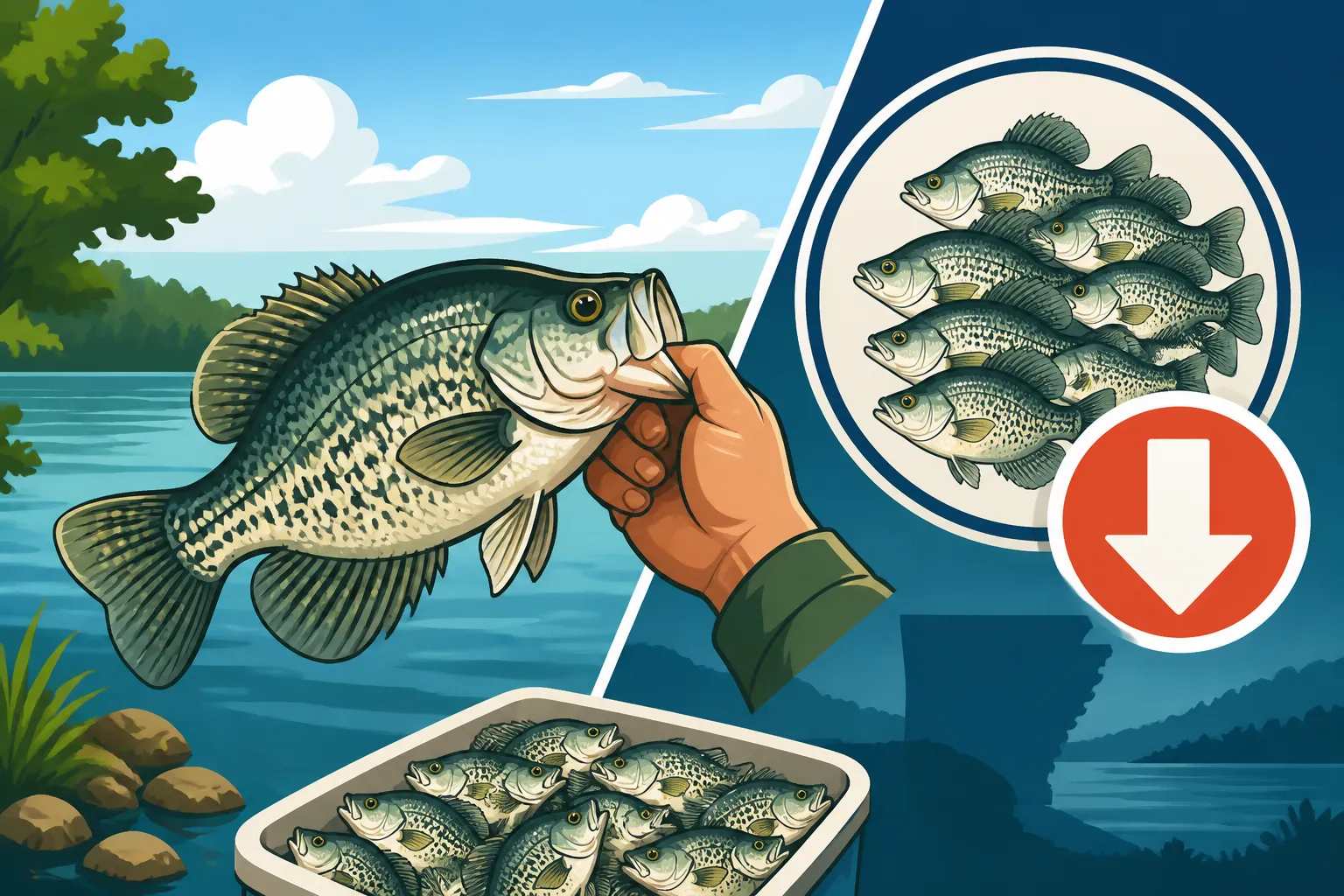
Lake Monticello crappie limit drops to 15 fish per day
It can be incredibly frustrating when you're planning a fishing trip, especially for a specific species like crappie, only to find out that the rules have changed for your favorite lake. Anglers heading to Lake Monticello, brace yourselves: the crappie daily limit has recently been reduced. This guide will clarify the new Lake Monticello crappie limit, explain how it differs from statewide rules, and offer practical advice to ensure your next crappie outing is both successful and fully compliant with Arkansas Game and Fish Commission regulations.
Understanding the New Crappie Limit at Lake Monticello
When you're out on the water, the last thing you want is a surprise from a game warden about a regulation you missed. It's a common scenario that the Arkansas Game and Fish Commission (AGFC) implements specific regulations for individual bodies of water to manage fish populations effectively. Lake Monticello is a prime example of this tailored approach, particularly when it comes to crappie. Knowing these localized rules is just as crucial as having the right bait or finding the perfect spot.
The Specifics of the 15-Fish Daily Limit
For those who love to chase crappie on Lake Monticello, the daily limit has been set at 15 fish. This isn't just a recommendation; it's a hard and fast rule that all anglers must abide by. What does this mean in practical terms? It means that from the moment you start fishing until you pack up for the day, the total number of crappie you harvest cannot exceed 15. This limit applies per angler, per day, regardless of how many trips you make to the lake on that particular day. It’s a significant change for some, especially if you were used to more generous limits elsewhere or in previous seasons.
It's also important to remember that this 15-fish daily limit is often paired with a minimum length requirement. For crappie statewide, the general rule is that they must be 9 inches or longer to keep in Arkansas. Always double-check the current AGFC regulations specifically for Lake Monticello, as minimum length requirements can also vary from the statewide standard for certain lakes, though the 9-inch rule is quite common. You can usually find small, inexpensive measuring tapes, often available on Amazon, that clip right onto your tackle box or vest, making it easy to measure your catch quickly and accurately before deciding to keep or release.
This adjustment in the daily limit directly impacts how you plan your fishing trip, especially if you're aiming to fill a cooler for a fish fry. Instead of focusing solely on quantity, you might find yourself becoming more selective, targeting larger, healthier fish within that 15-fish quota. It encourages a more thoughtful approach to harvesting, aligning with the lake's ecological needs.
Why Limits Change: Conservation and Management
You might be asking why these limits are always shifting and changing. It's a fair question! The AGFC doesn't just pull numbers out of a hat. These changes, like the one at Lake Monticello, are usually the result of careful scientific study and analysis of fish populations within a particular lake. Biologists monitor factors like spawning success, growth rates, overall population health, and angler harvest data. If they notice that crappie populations are declining, or if the average size of fish is getting smaller, adjusting limits becomes a necessary conservation tool.
Think of it this way: if too many crappie are being harvested too quickly, especially younger fish that haven't had a chance to reproduce multiple times, the overall health of the fishery can suffer in the long run. By reducing the daily limit to 15 fish, the AGFC aims to ensure that there are enough crappie remaining in Lake Monticello to maintain a healthy breeding population, allowing for sustainable fishing opportunities for years to come. This proactive management prevents overfishing and helps the lake continue to be a fantastic crappie destination.
These adjustments are often part of a broader management plan for a specific body of water. Each lake has its unique characteristics, from water depth and forage base to angler pressure. A rule that works perfectly for a large, deep reservoir might not be suitable for a smaller, shallower lake like Monticello. That's why you often see "exceptions" to statewide rules for particular lakes, a concept highlighted when comparing something like the Statewide Creel Limits Versus Possession Limits in Arkansas. It's all about balancing angler enjoyment with ecological responsibility, ensuring that our natural resources remain abundant.
Comparing Lake Monticello's Rules to Statewide Crappie Regulations
Understanding the general rules is fundamental to fishing anywhere in Arkansas, but the devil is often in the details, especially when specific lakes have their own set of guidelines. It's easy to assume that one rule fits all, but that's rarely the case in fisheries management. Let's look at how Lake Monticello's new crappie limit stacks up against the broader regulations across the state.
Arkansas's General Crappie Guidelines
For most waters in Arkansas, the statewide crappie daily limit is 20 fish. This is the baseline number that many anglers are familiar with, and it applies to countless lakes, rivers, and impoundments across the state. This 20-fish limit is generally considered quite generous, reflecting healthy crappie populations in many areas. Along with this, the standard minimum length is 9 inches, meaning any crappie you keep must measure at least that long from the tip of the nose to the tip of the tail.
This general rule provides a good framework, but it's crucial to remember that it's just that – a general rule. Think of it like a speed limit on a highway; there's a general limit, but then you encounter school zones or construction areas with different, more restrictive limits. The same applies to our lakes. If you're not specifically fishing a body of water with special regulations, you'd typically follow this 20-fish, 9-inch minimum guideline. For a comprehensive overview of these general rules, checking the official AGFC Arkansas Fishing Regulations Guide is always the best course of action. They update it annually, and it's your go-to source for all things legal on the water.
So, when you consider that Lake Monticello's limit has dropped to 15 fish per day, you can immediately see a distinction from the standard. It means that while you might be able to keep 20 crappie from Lake Ouachita or Greers Ferry Lake, you'll need to be more conservative with your catch at Monticello. This difference is precisely why checking specific lake regulations is non-negotiable before heading out.
Other Waterbody Exceptions: Lake Cargile for Context
Lake Monticello isn't alone in having specific crappie regulations that deviate from the statewide norm. In fact, many popular fishing destinations across Arkansas have tailored rules designed to optimize their unique fisheries. A great example for comparison is Lake Cargile, which also has specific rules for crappie that differ from the statewide standard. On Lake Cargile, for instance, the crappie limit drops to 15 fish per day, but with an additional nuance: only 7 of those 15 fish can be 12 inches or longer. This adds another layer of complexity, requiring anglers to not only count their fish but also measure them carefully based on different length categories.
This comparison truly highlights how the Lake Monticello crappie rule differs from statewide limits and why understanding these nuances is so important. These localized rules are not meant to confuse anglers but to effectively manage the resources of specific water bodies. Lake Cargile's rule, for example, is likely aimed at protecting larger, reproductively mature crappie while still allowing for a reasonable harvest of smaller fish. It's a fine balance that fisheries biologists constantly strive to achieve.
Therefore, before you plan any crappie trip in Arkansas, take a few minutes to consult the AGFC website or their official guide for the specific lake you intend to fish. Whether it's the Lake Cargile Crappie Limit Rules or the regulations for Lake Monticello, a quick check can save you from potential fines and ensure you're fishing responsibly. These specific regulations are put in place because these lakes are managed intensively to ensure they remain some of the Best Crappie Lakes in Arkansas for years to come.
| Waterbody | Daily Crappie Limit | Minimum Length | Additional Rules |
|---|---|---|---|
| Most Arkansas Waters | 20 fish | 9 inches | None |
| Lake Monticello | 15 fish | 9 inches | None |
| Lake Cargile | 15 fish | 9 inches | Only 7 of 15 can be 12 inches+ |
Practical Tips for Adhering to Crappie Limits
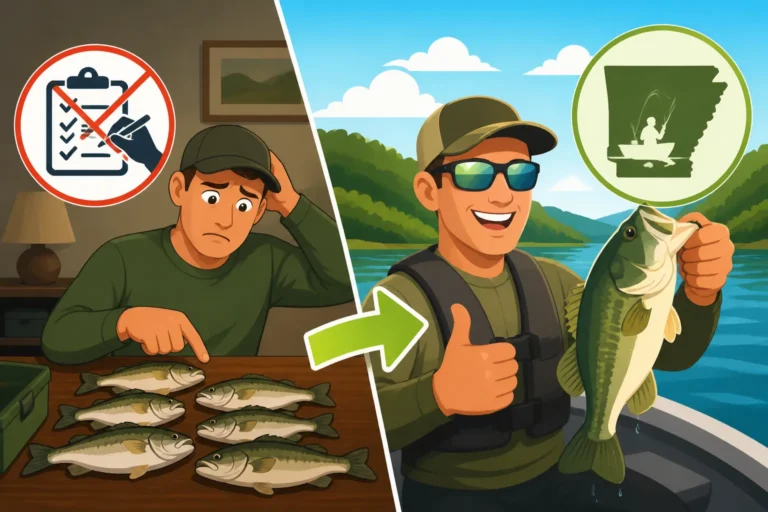
Navigating fishing regulations can feel like a chore, but it's a vital part of being a responsible angler. When specific limits, like the 15-fish daily quota at Lake Monticello, are in place, it pays to have a system to ensure you're always compliant. Nobody wants their enjoyable day on the water to end with a citation or a lesson from a game warden about rules they should have known.
Counting Your Catch: Staying Compliant on the Water
The most straightforward way to adhere to the 15-fish crappie limit at Lake Monticello is to keep a precise count of every fish you decide to retain. This might sound obvious, but in the heat of a crappie bite, it's easy to lose track. A simple clicker counter, often used by golfers, or even a small notebook and pencil, can be invaluable tools. You can find these items easily, sometimes even in bulk on Amazon, allowing you to keep one in every tackle box. As soon as a crappie goes into your livewell or cooler, mark it down. This simple habit prevents accidental over-harvesting.
Another critical aspect of compliance is understanding the Crappie must be 9 inches or longer to keep in Arkansas. Always have a reliable measuring device on hand. A foldable ruler or a specialized fish measuring board will do the trick. Measure each crappie immediately upon catching it. If it doesn't meet the 9-inch minimum, it must be released quickly and carefully to maximize its chances of survival. This combination of accurate counting and precise measuring is your best defense against inadvertently breaking regulations. It also helps you appreciate the growth rate of the fish you're targeting.
Beyond simply counting, consider how you handle your catch throughout the day. If you're using a livewell, it's easy to see your fish and keep track. If you're putting fish on a stringer or directly into a cooler, you might want to verbally count them out as they go in or use a physical marker. It’s better to be overly meticulous than to guess. After all, the goal is to enjoy your time fishing, not worry about penalties for fishing without a license in Arkansas or violating catch limits.
Essential Gear for Crappie Fishing at Monticello
Having the right gear isn't just about catching more fish; it's also about fishing smarter and staying compliant with regulations. For crappie fishing at Lake Monticello, a few key pieces of equipment can make all the difference, both in your success and your adherence to the new 15-fish limit.
First off, a sensitive crappie rod is paramount. Crappie bites can be incredibly subtle, often feeling like nothing more than a slight tick or the rod tip loading up. A good ultralight or light action rod, typically 6 to 7 feet long, paired with a small spinning reel spooled with 4-6 pound test monofilament or fluorocarbon line, will help you detect those light bites. Brands like BnM Poles or Lew's offer excellent crappie-specific setups that enhance your feel and make landing those papermouths a joy. These setups also minimize stress on the fish if you're practicing catch and release for undersized crappie.
Next, consider your terminal tackle. Jigs are king for crappie, and having a variety of sizes and colors is crucial, especially when trying to discern the Best Time to Catch Crappie in Arkansas or what they're biting on. Small marabou jigs, tube jigs, and hair jigs in sizes from 1/32 to 1/8 ounce are go-to choices. Don't forget your crappie minnows! Live minnows under a bobber remain a classic and highly effective method. A quality crappie rig for fishing with minnows can also make a huge difference. You can often find multi-packs of popular crappie jigs and minnow buckets on Amazon, making it easy to stock up before your trip.
Finally, don't overlook a good quality fish basket or a functioning livewell. With the 15-fish limit, you want to ensure any crappie you keep stay fresh and healthy until you're ready to head home. If you're fishing from the bank, a collapsible fish basket is ideal. For boat anglers, a well-aerated livewell is a must. And, of course, your measuring device should always be within easy reach – perhaps even tied to your tackle box with a lanyard so it doesn't accidentally end up in the lake!
Maximizing Your Crappie Success at Lake Monticello
Fishing for crappie at Lake Monticello, especially with the specific 15-fish limit, becomes a game of strategy, skill, and local knowledge. It's not just about tossing a line in the water; it's about understanding the nuances of the lake, the habits of the crappie, and employing techniques that consistently put quality fish in your boat or on the bank. Let's delve into how you can make your next trip to Monticello a memorable one, while staying well within the new regulations.
Prime Spots and Seasonal Patterns for Monticello Crappie
Lake Monticello, being an impoundment, features a diverse underwater landscape that crappie love to inhabit. The key to finding them often lies in locating submerged structure. Look for standing timber, brush piles, submerged creek channels, and bridge pilings. These areas provide cover, ambush points for feeding, and protection from predators. Many seasoned Monticello anglers will use their electronics to pinpoint these underwater brush piles, often marked by local anglers or even placed by the AGFC for habitat improvement. It's truly a local secret, often passed down through generations of anglers who have mastered the art of finding those hidden crappie hotspots.
Seasonal patterns also dictate crappie location and behavior, so knowing the Best Time to Catch Crappie in Arkansas is crucial. In spring, as water temperatures rise, crappie move into shallower waters for their spawn. This is when you'll find them around flooded timber, shallow brush, and even riprap along the banks. As summer progresses, they tend to move deeper, often congregating around submerged creek beds or brush piles in 10-20 feet of water, especially during the hotter parts of the day. Fall sees them moving shallower again as baitfish return to the banks, while winter finds them deep, often suspended over structure or in the deepest parts of channels.
Understanding these seasonal movements allows you to adapt your approach. For example, during the spring spawn, a simple bobber and minnow rig cast near shoreline cover can be incredibly effective. However, in summer, you might need to vertical jig over deep brush piles or troll crappie jigs along contour lines to locate active fish. Local knowledge from bait shops around Monticello can also be a goldmine for current conditions and what's biting.
Effective Techniques and Baits for Slab Crappie
To consistently catch crappie at Lake Monticello, especially aiming for those "slab" crappie within your 15-fish limit, you need a versatile approach to techniques and baits. While live minnows are almost universally effective for crappie, having a few artificial presentations in your arsenal can significantly increase your catch rate, particularly when the fish are finicky or actively chasing.
Jigging is arguably the most popular and effective technique for crappie. This involves using small jigs (1/32 to 1/8 ounce) fished either vertically over structure or cast and retrieved slowly. For vertical jigging, position your boat directly over a brush pile or submerged timber you've located on your sonar. Drop your jig down until it's just above the structure, and use a subtle lift-and-drop motion. The key is to keep the jig moving but not too erratically. Knowing how to Rig a Jig for Crappie Fishing correctly can make all the difference, ensuring your bait presents naturally to lurking crappie.
When it comes to baits, beyond live minnows, soft plastic crappie tubes, grubs, and tiny swimbaits are incredibly versatile. Colors matter, and it's always wise to have a variety on hand. Common effective colors include chartreuse, white, black/chartreuse, and various shad patterns. Sometimes a bright, obnoxious color will trigger a strike, while other times a natural, subtle pattern is preferred. If you're just starting out, picking up a crappie jig kit, many of which are available on Amazon with a wide array of colors and sizes, is a fantastic way to get started. Don't forget to tip your jigs with a small piece of minnow or scent attractant for added appeal.
Another highly effective, though perhaps less common, technique is spider rigging, particularly from a boat. This involves deploying multiple rods (up to the legal limit per angler, which is often 3 in Arkansas, but always check) from the front or sides of your boat, each with a different jig or minnow presentation. You slowly troll or drift, covering a wider area and presenting baits at different depths. This method is excellent for covering water and locating schools of crappie, especially when they are scattered or not holding tightly to visible structure. Remember, even with multiple rods, your 15-fish daily limit for Lake Monticello still applies to your total catch.
Disclaimer
Please note that fishing regulations, including daily limits and size restrictions, are subject to change by the Arkansas Game and Fish Commission (AGFC). While this article provides the most accurate information available at the time of writing, it is the angler's sole responsibility to consult the current official AGFC Fishing Guidebook or website before heading out to fish. Compliance with all state and local regulations is mandatory.