Fish Species That Live in Arkansas’s Ozark Streams
There's nothing quite like the clear, cool waters of an Arkansas Ozark stream, but if you're like many anglers, you might wonder exactly what finned treasures lurk beneath the surface. It can be a bit daunting to arrive at a beautiful stream, tackle box in hand, and not know which species you're most likely to encounter or what gear will give you the best chance. This guide will take you on a deep dive into the fascinating fish species that call Arkansas's Ozark streams home, helping you understand their habitats and how to target them.
The Unique Ecosystem of Ozark Streams
The Ozark streams are truly a marvel, offering a stark contrast to the slow-moving, often murky waters found in other parts of Arkansas. Anglers often come to these parts of the state for a completely different fishing experience, and the unique characteristics of the environment play a huge role in the types of fish that thrive here.
What Makes Ozark Streams So Special for Fish?
Imagine crystal-clear water, so clear you can often see the stream bed even in deeper sections, rushing over gravel and rock. This isn't just picturesque; it's a vital component of the Ozark stream ecosystem. These streams are typically spring-fed, which means they maintain a relatively consistent, cool temperature year-round, even through the heat of summer. This constant, cool flow is a lifeline for many species, especially certain types of trout and smallmouth bass, which prefer cooler, oxygen-rich environments. The clear water also means that fish rely heavily on sight, making different fishing techniques and lure choices crucial. You're not just casting blindly into a muddy bank here; you're often targeting specific structures you can see.
The abundant insect life, both aquatic and terrestrial, provides a rich food source. Mayflies, caddisflies, stoneflies, and various minnow species form the base of the food chain, supporting larger predators. This makes for fantastic opportunities for fly fishing, where matching the hatch can lead to incredible success. When you're standing in one of these streams, you can literally feel the vibrant life all around you.
How Geology Shapes Fish Habitats
The very bedrock of the Ozarks — primarily limestone — plays a fundamental role in shaping these streams and the habitats they provide. As water flows over and through this limestone, it dissolves minerals, contributing to the water's unique chemistry and the formation of gravel bars, undercut banks, and deep scour pools. These features aren't just scenic; they are critical hiding spots, feeding lanes, and spawning grounds for fish.
Think about a smallmouth bass: they love to ambush prey from behind submerged rocks or in the eddy currents created by boulders. Trout, on the other hand, often prefer the deeper, faster-moving runs where oxygen levels are high and insect larvae drift by. The continuous erosion and deposition of gravel create perfect spawning beds for many species, while overhanging trees and exposed root wads offer crucial shade and cover. Understanding the geology helps you "read the water" and predict where fish might be holding. You might find yourself wading across vast gravel bars, only to find a deep, dark pool just upstream, knowing that's where the bigger fish are likely to be lurking. If you're looking to understand the broader Arkansas Fishing Regulations Guide, knowing these geological nuances can help you apply the rules more effectively to specific stream conditions.
Iconic Game Fish of the Ozarks
When most anglers dream of fishing Arkansas's Ozark streams, they're often thinking of a few key species known for their fighting spirit and beauty. These fish are not just popular; they are integral to the unique identity of these flowing waters.
Smallmouth Bass: The Fighter of the Ozarks
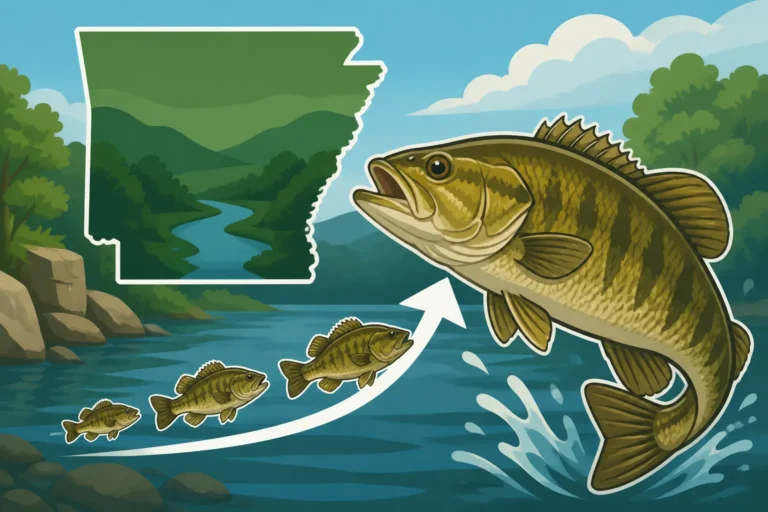
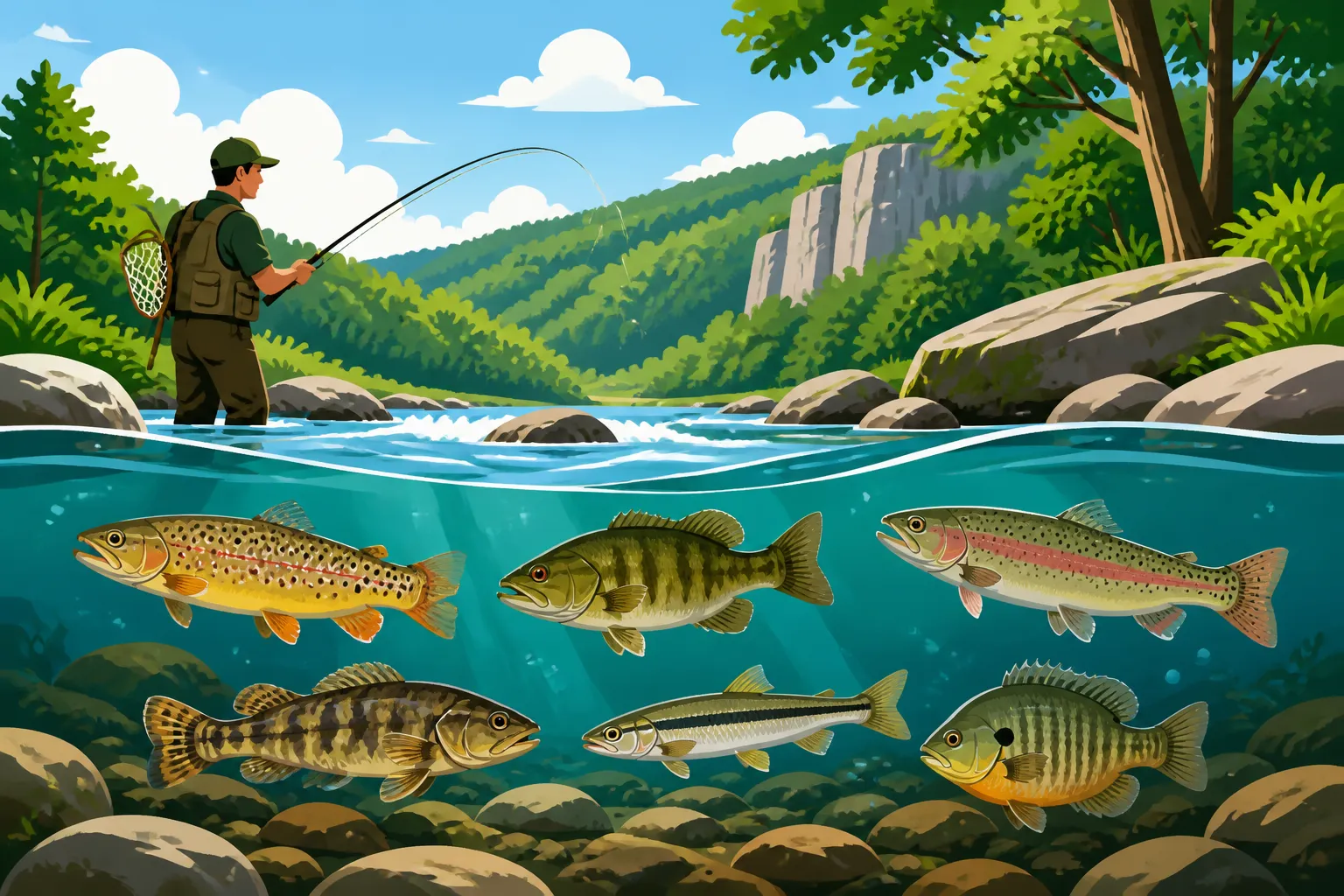
Ah, the smallmouth bass! If there's one fish that truly embodies the spirit of an Ozark stream, it's the smallmouth. Often called "brown bass" or "bronzebacks," these fish are renowned for their incredible fighting ability, pulling hard and making acrobatic leaps when hooked. They are perfectly adapted to the clear, rocky, flowing waters of the Ozarks. Unlike their largemouth cousins, smallmouth prefer current, and you'll find them holding in riffles, runs, and the deeper pools around rocky structures.
Their diet consists mainly of crawfish, various minnows, and aquatic insects. This means that presentations mimicking these food sources are often most effective. Small crankbaits, jigs, spinnerbaits, and soft plastics are all go-to lures. Fly anglers also have a blast targeting smallmouth with crawfish patterns, streamers, and poppers. Catching a good-sized smallmouth on light tackle in a pristine Ozark stream is an experience that keeps anglers coming back year after year. It's a true test of skill and patience, and the reward is always a memorable battle. For a deeper dive into their specific rules, check out Smallmouth Bass Rules on Arkansas's Moving Waters Statewide. You'll find that there are often length and creel limits in place to protect these precious populations, like the Minimum length for smallmouth bass on flowing waters in Arkansas.
Glimpsing the Elusive Ozark Bass
While smallmouth bass are the undisputed kings of the Ozark streams, another bass species sometimes makes an appearance, often causing a moment of confusion. The Kentucky bass, also known as a spotted bass, can be found in some Ozark streams, particularly in the lower gradient sections or where streams transition into larger rivers or reservoirs. They share some characteristics with both largemouth and smallmouth but have their own distinct features, such as a rough patch of teeth on their tongue and more pronounced spots along their lateral line.
Kentucky bass tend to be a bit less stream-focused than smallmouth, often preferring areas with more submerged timber or slightly less current. While they don't quite have the same "leap and fight" reputation as a smallmouth, they are still tenacious fighters and a welcome catch. Identifying them correctly can be tricky, but knowing they are present adds another layer of excitement to your Ozark stream adventure. If you're curious about their nuances, you might find more details in Kentucky Bass (Spotted Bass) Fishing in Arkansas.
Trout: Coldwater Gems
For many, the mention of Ozark streams immediately brings to mind trout fishing. While not all Ozark streams are natural trout habitats, the cold, clear tailwaters below major dams—like those on the White River or Norfork River—have become world-class trout fisheries. Here, you'll primarily find rainbow trout and brown trout, with occasional cutthroat and brook trout stocked in certain areas.
Rainbow trout are perhaps the most common, known for their vibrant colors and willingness to strike a variety of baits and lures. Brown trout, on the other hand, are often more elusive and grow to much larger sizes, making them a true trophy species. They can be incredibly wary, especially in the super-clear water, demanding stealth and precise presentations. Fly fishing is particularly popular for trout in these streams, using everything from tiny nymphs to larger streamers, but spin anglers also find great success with small inline spinners, spoons, and various PowerBait or natural baits. These coldwater environments are incredibly sensitive, and anglers often practice catch-and-release to preserve the populations. Getting a guided trip on these waters is an experience in itself, offering unparalleled opportunities to learn the nuances of this specialized fishing. For specific spots, consider checking out Best Trout Fishing Spots in Arkansas. You can learn more about specific species by reading Rainbow Trout Fishing Below Bull Shoals Dam and Brown Trout on the White River, and even learn How to Tell Rainbow Trout from Brown Trout.
Beyond the Game Fish: Other Notable Species
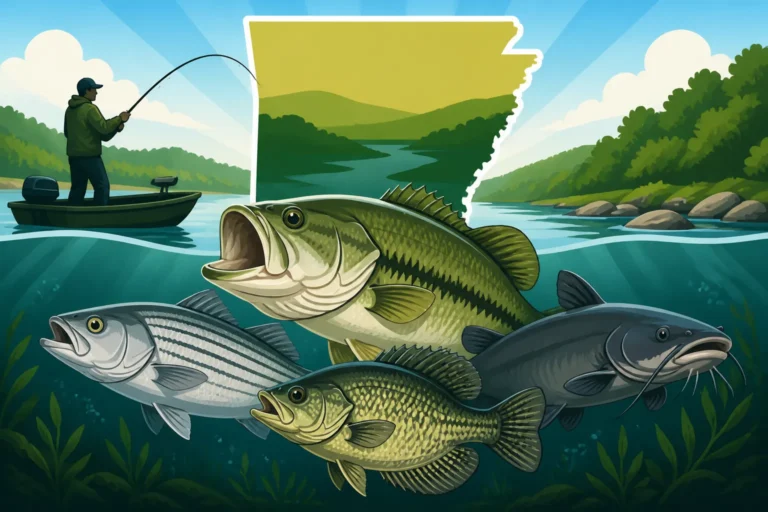
While the bass and trout often steal the spotlight, the Ozark streams are teeming with a diverse array of other fish species that contribute to the ecosystem and offer fantastic fishing opportunities, especially for families or those looking for a more relaxed outing.
Diverse Panfish for Family Fun
Panfish are the unsung heroes of many fishing trips, especially when introducing kids or new anglers to the sport. They're abundant, eager to bite, and a blast to catch on light tackle. In Ozark streams, you'll find several species that fit this bill perfectly.
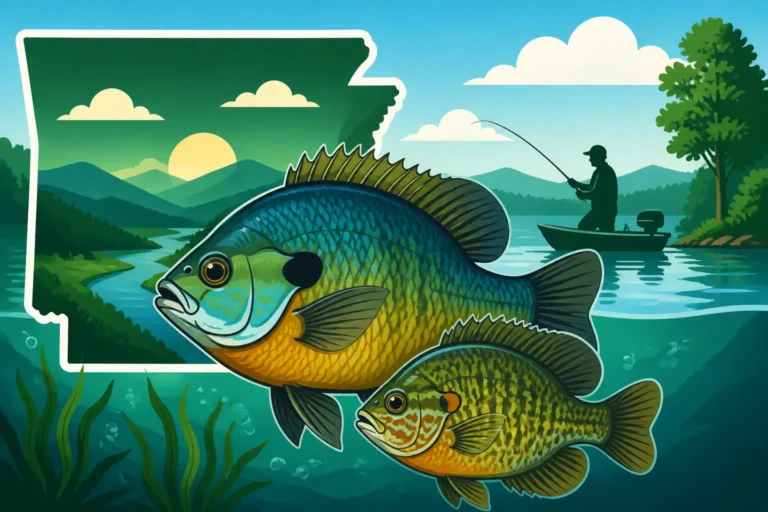
- Bluegill: These ubiquitous sunfish are often the first fish a child catches, and for good reason. They are found in slower pools and eddies, often near submerged vegetation or woody debris. A simple setup—a hook, a worm, and a bobber—is often all it takes. They put up a surprisingly spirited fight for their size, and they're delicious on the dinner plate. For beginners, understanding Bluegill Fishing for Arkansas Beginners can be incredibly helpful.
- Green Sunfish: Similar to bluegill but often with a more robust body and a larger mouth, green sunfish are equally aggressive. They'll readily hit small baits, flies, and tiny lures. You'll find them in similar habitats to bluegill, often sharing the same pools.
- Rock Bass: Sometimes called "goggle-eye," rock bass are a true Ozark stream specialist. They prefer rocky bottoms and clear water, often lurking in the same areas as smallmouth bass. They have large eyes and a mottled, olive-brown coloration, blending perfectly with their environment. Rock bass are feisty fighters and can be caught on small jigs, spinners, or natural baits like worms. They are a wonderful addition to any stream angler's creel.
These panfish are perfect for a casual afternoon of fishing, providing constant action and a chance to enjoy the serene beauty of the Ozarks. Grabbing some basic tackle on Amazon before your trip can ensure you have everything you need for a fun outing with the family.
Bottom Dwellers: Catfish and Suckers
Not all fish in Ozark streams are sleek, fast-moving predators. The bottom-dwelling species play a crucial role in the ecosystem, acting as scavengers and forage for larger fish and wildlife.
- Channel Catfish: While often associated with larger rivers and lakes, channel catfish can certainly be found in the deeper, slower pools of many Ozark streams. They prefer areas with some current and structure, such as downed trees or rocky overhangs. They are opportunistic feeders, eating everything from insects and small fish to decaying organic matter. For anglers, cut bait, chicken livers, or commercial stink baits are often effective. Catching a channel catfish on light tackle in a stream can be quite a challenge, as they pull hard and refuse to give up. You can learn more about them in Channel Catfish in Arkansas Lakes and Rivers.
- Hog Suckers: These unique fish are true indicators of clean, flowing water. With their distinctive fleshy, pig-like snout, hog suckers use their mouths to scrape algae and invertebrates from rocks and gravel on the stream bottom. While not typically targeted by sport anglers, they are a fascinating species to observe and often appear as bycatch when fishing with worms or small jigs near the bottom. Their presence is a good sign that the stream is healthy and supports a robust aquatic ecosystem.
- Other Suckers and Minnows: The Ozarks are home to a variety of other sucker species and numerous types of minnows that form the crucial base of the food web. While you might not specifically fish for them, understanding their presence helps paint a complete picture of the stream's biodiversity.
These species, though less glamorous than the trophy fish, are vital to the health and balance of the Ozark stream environment.
Conservation and Responsible Angling in the Ozarks
The beauty and productivity of Arkansas's Ozark streams are not a given; they are the result of incredible natural processes and, increasingly, dedicated conservation efforts. As anglers, we have a profound responsibility to protect these pristine waters and the fish that inhabit them.
Protecting Fragile Stream Ecosystems
Ozark streams are incredibly delicate. Their clear waters and sensitive aquatic life can be easily impacted by pollution, habitat degradation, and overfishing. That's why practicing responsible angling is paramount.
- Catch and Release: For many species, especially smallmouth bass and trout, catch and release is highly encouraged, particularly for larger breeding-sized fish. Learning proper handling techniques—minimizing time out of water, using wet hands, and using de-barbed hooks—can greatly increase a fish's survival rate. It ensures that future generations of anglers can enjoy the same incredible fishing experiences.
- Leave No Trace: Pack out everything you pack in. This includes all fishing line, bait containers, and any other trash. Even small pieces of litter can degrade water quality and harm wildlife. Consider carrying a small trash bag with you, and perhaps even picking up any stray litter you find.
- Respect Private Property: Many Ozark streams flow through private land. Always be mindful of property lines and seek permission before crossing or fishing on private property. Access points are often clearly marked, and respecting landowners helps maintain access for all anglers.
- Support Conservation: Look for opportunities to support local conservation groups or initiatives focused on protecting the Ozark waterways. Your efforts can make a real difference in preserving these natural treasures for generations to come. Understanding Arkansas Fishing License Penalties and Requirements also highlights the importance of adhering to regulations, which are often designed with conservation in mind.
Essential Gear for Ozark Stream Fishing
Having the right gear can make all the difference in your Ozark stream fishing experience. Given the unique characteristics of these waters, a few key items are particularly helpful.
| Gear Type | Recommended for Ozark Streams | Why It's Important |
|---|---|---|
| Rod & Reel | Light to Medium-Light Spinning or Fly Rod (6-7 ft) | Allows for accurate casting in tight quarters, handles spirited fights, protects light line. |
| Line | 4-8 lb Test Monofilament or Fluorocarbon; Fly Line appropriate for rod weight | Clear, low-visibility lines are crucial in clear water. |
| Waders | Lightweight Breathable Waders with Felt-Sole Boots | Essential for accessing prime fishing spots and staying dry and warm in cold water. |
| Lures/Baits | Small crankbaits, jigs, inline spinners, soft plastics (e.g., crawfish imitations), live worms, minnows | Mimic natural prey; clear water means realism can be key. |
| Polarized Sunglasses | High-quality polarized lenses | Cuts glare, allowing you to see fish, structure, and navigate safely in clear water. |
| Pliers/Hemostats | Small, sturdy pliers or hemostats | Essential for quickly and safely removing hooks, especially when practicing catch-and-release. |
For smallmouth and panfish, a light spinning setup is perfect. A 6-foot, 6-inch to 7-foot rod with a fast action, paired with a small reel spooled with 6-pound test line, is a versatile choice. You can find excellent options on Amazon for rods, reels, and a wide array of lures. Fly anglers will want a 3- to 5-weight fly rod for trout and panfish, or a 6-weight for larger smallmouth, coupled with appropriate leaders and tippet.
Waders are almost a necessity for effective stream fishing, allowing you to wade into the currents and access areas unreachable from the bank. Breathable waders are great for warmer months, and a good pair of felt-soled wading boots will give you the grip you need on slippery rocks. Always prioritize safety when wading—use a wading staff in unfamiliar or fast-moving water.
Lastly, don't forget a small tackle box or vest, a net (preferably rubberized for fish safety), and maybe a waterproof camera to capture the memories. The goal is to be prepared, comfortable, and ready to embrace the unparalleled beauty and excitement of fishing in Arkansas's Ozark streams. Happy angling!
Disclaimer
This article is for general informational purposes only and does not constitute professional advice. Laws, prices and regulations vary by location and change over time. Consult a qualified professional for guidance on your specific situation.