Bluegill Fishing for Arkansas Beginners
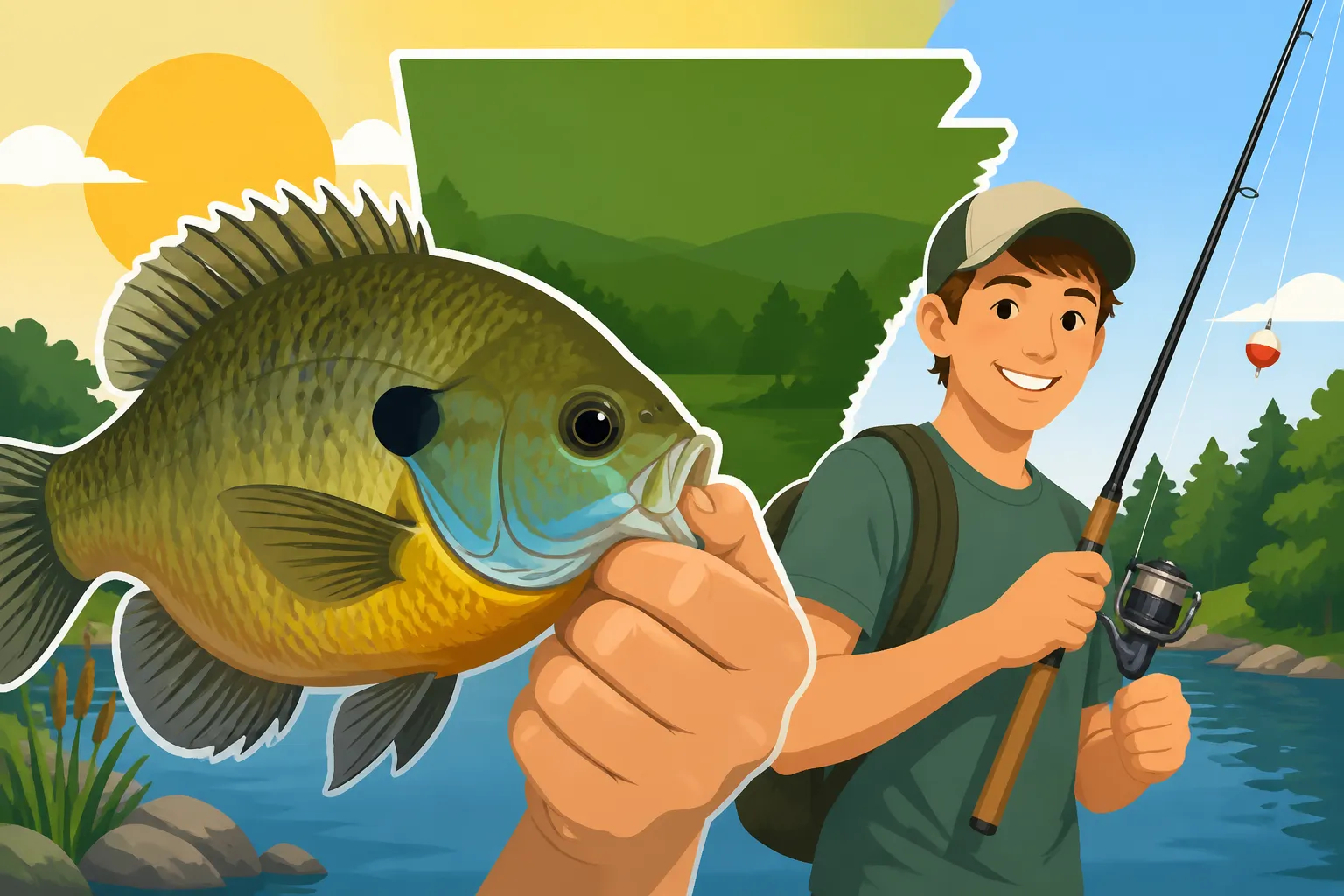
For many who are just starting out in the world of angling, or perhaps trying to introduce the joy of fishing to their children, the sheer variety of fish, tackle, and techniques can feel incredibly overwhelming. But don't let that stop you from enjoying the beautiful waters of the Natural State! This guide is designed to cut through the complexity and equip beginner anglers with everything they need to confidently and successfully target one of Arkansas's most beloved and easiest-to-catch species: the humble, yet feisty, bluegill.
Why Bluegill are the Perfect Starter Fish for Arkansas Anglers
When you're dipping your toes into fishing, or even better, introducing a youngster to the sport, you want an experience that's fun, forgiving, and offers plenty of action. Bluegill, thankfully, check all these boxes and then some. They're like the friendly ambassadors of the aquatic world, always willing to give a new angler a thrill.
Abundance and Accessibility Across Arkansas
One of the greatest things about bluegill is just how common they are. You don't need to venture to some remote, secret fishing hole to find them. They thrive in virtually every pond, lake, and slow-moving stream across Arkansas, from the smallest farm ponds in the Delta to the vast Corps of Engineers lakes in the Ozarks. This widespread availability means that no matter where you are in the state, a good bluegill spot is likely just a short drive away. This makes spontaneous fishing trips incredibly easy to plan, which is a huge bonus when you're trying to keep young anglers engaged. Imagine being able to grab a couple of rods and some bait and be at a productive fishing spot within minutes – that's the bluegill advantage.
They aren't picky about their environment either, so long as there's some cover and food. This means that even smaller, more accessible bodies of water like city park ponds can hold healthy populations. For beginners, this accessibility is invaluable because it removes the barrier of needing specialized boats or equipment to reach prime fishing grounds. Bank fishing for bluegill is not just possible, it's often incredibly effective, making it a truly welcoming target for anyone looking to just enjoy an afternoon by the water.
The Thrill of the Fight for Their Size
Don't let their relatively small stature fool you; bluegill are known for being surprisingly strong fighters! When hooked, even a palm-sized bluegill will put a decent bend in a light rod and pull with an energy that belies its size. This makes for an incredibly exciting experience, especially for new anglers who are just learning the feel of a fish on the line. There's nothing quite like that tug to spark a lifelong passion for fishing.
This spirited fight provides immediate gratification, which is crucial for maintaining interest. Unlike some larger, more elusive species that might require hours of waiting, bluegill often bite readily, and when they do, they give you a memorable tussle. This quick action and lively fight build confidence, reinforce good technique, and keep the smiles coming, making bluegill an ideal fish for anyone looking to have a consistently engaging and rewarding experience on the water.
Educational Opportunities and Simple Gear Needs
Bluegill fishing offers a fantastic classroom for learning basic angling principles without the pressure of complex setups or techniques. You can learn about casting, setting the hook, proper fish handling, and even some rudimentary fish behavior simply by targeting bluegill. Their willingness to bite means you get frequent opportunities to practice these skills, solidifying them much faster than if you were chasing a more finicky species.
The gear required for bluegill is also incredibly simple and affordable. You don't need a high-end rod and reel, intricate lures, or advanced electronics. A basic spinning rod or even a cane pole, some line, a small hook, a bobber, and a bit of bait is all it takes. This low barrier to entry means you can get started without a significant investment, allowing you to try the sport out before committing to more specialized equipment. In fact, you can find incredibly affordable combo kits on platforms like Amazon that include everything you need to get started, making it easier than ever to grab your gear and hit the water. This simplicity ensures the focus remains on the fun of fishing, rather than on fiddling with complicated equipment.
Understanding Bluegill: Biology, Habits, and Where They Live in Arkansas
To consistently catch bluegill, it helps to understand a little bit about them – what they eat, where they like to hang out, and how they behave. Knowing their basic biology and habits will empower you to find them more easily and present your bait effectively.
Bluegill Habitat and Preferred Structures
Bluegill, members of the sunfish family, are lovers of warm, shallow waters with plenty of cover. Think of any area where they can hide from predators, ambush small prey, and feel secure. This often translates to areas with submerged vegetation like lily pads, cattails, or hydrilla beds. These grassy areas offer both protection and a buffet of insects and small invertebrates. You'll also find them congregating around fallen trees (known as "laydowns" or "brush piles"), docks, rock piles, and bridge pilings. Any kind of structure that breaks up the open water and provides shade or hiding spots is a potential bluegill hotbed.
In many of Arkansas's larger reservoirs, bluegill will often be found along the shallow banks, especially where there's a gradual slope leading to deeper water. They use these transition areas to forage in the shallows and quickly retreat to deeper, safer water if danger approaches. Farm ponds, with their often abundant aquatic vegetation and shallower depths, are classic bluegill havens. Even in rivers, look for them in slower-moving backwater eddies, oxbow lakes, or quiet coves where the current isn't as strong, and vegetation or submerged wood offers sanctuary.
What Bluegill Eat: A Varied Diet
Bluegill are opportunistic feeders, which is great news for anglers because it means they're not usually too picky about their meals. Their diet consists primarily of aquatic insects, insect larvae, small crustaceans, and even tiny fish fry when available. They'll also readily munch on worms, snails, and various plant matter. This diverse diet is why so many different baits are effective for bluegill; if it looks small and edible, they'll likely give it a try.
You'll notice that bluegill have relatively small mouths, a key indicator when choosing your hook size. They spend a lot of time "pecking" and "nipping" at food items, rather than gulping them down whole. This feeding behavior often translates to those light, subtle bites you feel on your line. Understanding this helps you anticipate their strike and know when to set the hook. Knowing they eat a variety of small, natural foods also helps inform your bait choices, leaning towards things that mimic their natural forage. You can learn more about Best Bait for Bluegill Fishing in a dedicated guide.
The Bluegill Spawning Cycle in Arkansas
Bluegill typically begin their spawning activities when water temperatures consistently reach the mid-60s Fahrenheit, which in Arkansas usually means late spring through early summer. This period, often from May into July, can be an incredibly productive time for anglers because bluegill gather in large numbers in shallow water to build and guard their nests. They are prolific spawners, with males creating circular, saucer-shaped depressions in sandy or gravelly bottoms, often in colonies.
During the spawn, bluegill are particularly aggressive and territorial. The males will fiercely guard their nests, driving away any intruders, including anything that resembles food near their spawning beds. This protective instinct makes them much easier to locate and catch as they are concentrated in predictable, shallow areas and are quick to strike at anything that invades their space. After the initial spawn, bluegill can continue to spawn in waves throughout the summer, especially after a full moon, offering repeated opportunities for great fishing action in the shallows.
Essential Gear for Beginner Bluegill Fishing
One of the beautiful aspects of bluegill fishing is that you don't need to break the bank to get started. Simple, affordable gear is often the most effective, making it perfect for beginners and families.
Rods, Reels, and Line: Keeping it Light
For bluegill, the key is light tackle. This not only makes the fight more exciting but also allows you to cast lighter baits and feel those subtle bites. A light or ultra-light spinning rod and reel combo is ideal. These rods are typically 5 to 6 feet long, flexible, and paired with a small spinning reel. The flexibility of a light rod is crucial for casting small baits and absorbing the lunges of a feisty bluegill without tearing the hook out of its delicate mouth.
When it comes to line, a monofilament line in the 4 to 6-pound test range is perfect. Monofilament is forgiving, has a bit of stretch, and is easy to tie knots with, which are all excellent qualities for beginner anglers. Avoid anything heavier, as it can reduce sensitivity and make casting light baits more difficult. You don't need anything fancy here; basic fishing line will do the trick. If you're looking for an ultra-simple approach, a classic cane pole with a fixed line is also an excellent and traditional choice, especially for younger kids.
| Gear Item | Description | Why it's Good for Bluegill Beginners |
|---|---|---|
| Rod | Light or Ultra-Light Spinning Rod (5-6 ft) | Sensitive, casts small baits, makes fights exciting. |
| Reel | Small Spinning Reel (size 1000 or 2000) | Easy to use, balances well with light rods. |
| Line | Monofilament (4-6 lb test) | Good knot strength, forgiving, good sensitivity for bluegill. |
| Hooks | Small Aberdeen or Baitholder Hooks (size #8 to #12) | Fits bluegill's small mouth, good for small baits. |
| Bobbers | Small Clip-On or Slip Bobbers | Visual bite indicator, keeps bait at desired depth. |
| Sinkers/Weights | Small Split Shot Weights | Adds casting weight, helps bait sink naturally. |
Hooks, Bobbers, and Weights: The Basics
Your terminal tackle – the stuff at the end of your line – is where simplicity truly shines for bluegill. For hooks, you'll want small ones, typically size #8 to #12 Aberdeen or Baitholder hooks. Aberdeen hooks are thin-wired, which makes them easier to remove from a fish's mouth without causing too much harm, and they straighten out if snagged, sometimes saving your line. Baitholder hooks have small barbs on the shank to help keep your bait on, which can be helpful with squirmy worms. Remember, bluegill have small mouths, so a small hook is essential for a good hook-set.
Bobbers (also known as floats) are your visual indicators. A small, clip-on bobber is the easiest for beginners to use. It tells you exactly where your bait is and, more importantly, when a fish is biting! When that bobber twitches, dips, or disappears, it's time to set the hook. For weights, a few small split shot sinkers are all you need. These small, pinch-on weights add just enough casting weight to get your bait out there and help it sink naturally, without overpowering the bait's presentation.
Bait Options: From Live to Artificial
When it comes to bait, bluegill aren't particularly fussy, which again makes them a great target for beginners. Live bait is almost always king for bluegill, and the undisputed champion is the common red wiggler or piece of a nightcrawler. These worms are readily available at bait shops, many gas stations, or even your own backyard after a rain. Crickets are another excellent choice, especially during warmer months. Just make sure to use small pieces of worm or a single cricket, as their mouths are small.
Beyond live bait, small artificial options can also be effective. Tiny jigs, often less than 1/32nd of an ounce, tipped with a small plastic grub or tube bait can entice bluegill. You can also find scented dough baits specifically designed for panfish that work well. A visit to the local tackle shop or a quick browse on Amazon will reveal a plethora of options. For those just starting out, a simple setup of a hook, bobber, and a piece of worm is incredibly effective. Remember to check out How to Rig a Worm Under a Bobber for Bluegill for step-by-step instructions.
| Bait Type | Description | Pros | Cons |
|---|---|---|---|
| Red Wigglers | Small, lively worms | Highly effective, readily available, natural scent. | Can be messy, worms can be fragile. |
| Nightcrawlers | Larger earthworms, cut into pieces | Very attractive, durable on the hook. | Need to be cut, can be too large for small bluegill. |
| Crickets | Live crickets, impaled on hook | Excellent for aggressive bluegill, natural. | Can be hard to keep on hook, lively (can jump off). |
| Mealworms | Larvae of mealworm beetle | Clean, easy to handle, appealing to bluegill. | Less lively than worms, sometimes less readily available. |
| Corn | Canned kernel corn | Inexpensive, clean, easy to use, readily available. | Less natural movement, may attract other species. |
| Small Jigs | Tiny jig heads (1/32 to 1/16 oz) with soft plastics | Versatile, can catch other species, reusable. | Requires more active fishing, some skill needed. |
Simple Techniques for Catching Bluegill
Bluegill fishing is a masterclass in simplicity. You don't need complex maneuvers or advanced electronics. Basic, intuitive methods are often the most productive, making it perfect for anglers of all ages and skill levels.
Bobber Fishing: The Visual Method
Bobber fishing is, without a doubt, the quintessential method for bluegill. It's visual, exciting, and incredibly effective. The setup is straightforward: tie a hook to your line, pinch on a small split shot weight a few inches above the hook, and then attach a bobber about 1-3 feet above the weight. The depth you set your bobber will depend on how deep the bluegill are holding, which is often related to water temperature and available cover. Start shallow (around 1-2 feet) and adjust deeper if you're not getting bites.
Once your rig is set, simply cast it out near structure – those brush piles, lily pads, or dock pilings we talked about. Watch your bobber intently. Bluegill bites often start with a subtle "wiggle" of the bobber, followed by a series of dips, and then, if the fish commits, the bobber will usually disappear completely under the water. That's your cue to gently, but firmly, lift your rod tip to set the hook. This technique is fantastic for teaching kids because the visual cue of the bobber going down is so engaging. You can even combine this with Kid-Friendly Fishing Techniques for an unforgettable family outing.
Bottom Fishing: When They're Deeper
While bluegill are often found in the shallows, sometimes they'll retreat to slightly deeper water, especially during the hottest parts of the day or when seeking refuge from heavy boat traffic. In these situations, bottom fishing can be more effective. This method removes the bobber and instead relies on a heavier weight to get your bait directly to the bottom. A simple bottom rig involves tying a small hook to a leader line, with a heavier sinker (like an egg sinker or a heavier split shot) attached above the leader, allowing the hook to lie on the bottom.
Cast your bait out and let it sink to the bottom. Keep a slight tension on your line or watch your rod tip for subtle taps and bounces. Bluegill bites on the bottom can be very light, so sensitivity is key. You might feel a series of gentle taps before a more sustained pull. This technique is particularly useful if you're fishing from a dock or bank into deeper water, or if you're trying to reach bluegill hiding beneath submerged brush piles that are a bit further down.
Small Lures and Flies: Active Angling
For those who enjoy a more active style of fishing, bluegill will readily strike small artificial lures and flies. Tiny inline spinners, like a small Rooster Tail or Mepps Aglia, are very effective. Cast them out and retrieve them slowly and steadily, letting the blade flash and vibrate. Bluegill will often hit these with surprising aggression. Small jigs, as mentioned before, are also excellent. Tipped with a small plastic grub, these can be cast and slowly retrieved, or even jigged vertically off the bottom if you're fishing from a boat or kayak.
Fly fishing for bluegill is also a highly enjoyable pursuit and a fantastic way to practice your casting. Small poppers, foam spiders, or wet flies like a small Prince Nymph or Woolly Bugger can be incredibly effective. The delicate presentation of a fly often entices bluegill that might be shy of heavier conventional tackle. While it might seem a step beyond "beginner," trying a simple fly setup can be very rewarding. In fact, some of the skills learned from Best Beginner Fly Fishing Setup for Trout can be adapted for bluegill.
Finding the Best Bluegill Spots in Arkansas
Arkansas is blessed with an abundance of water, and that means plenty of prime bluegill habitat. Knowing where to look, whether it's a bustling public lake or a quiet private pond, will drastically increase your chances of success.
Public Lakes and Reservoirs
Many of Arkansas's larger public lakes and reservoirs, especially the ones managed by the Arkansas Game and Fish Commission (AGFC) or the Army Corps of Engineers, are teeming with bluegill. Lakes like Lake Conway, Lake Ouachita, DeGray Lake, and even parts of the Arkansas River system offer fantastic bluegill opportunities. These larger bodies of water often have numerous coves, shallow flats, and flooded timber that provide ideal habitat. Look for areas with standing timber, submerged brush piles, or dense beds of lily pads. Public access points, like boat ramps and designated bank fishing areas, are great places to start.
Don't be afraid to explore. Even a quick scout around the edges of a larger lake can reveal promising bluegill habitat. Public docks and fishing piers are also excellent spots, as they often have submerged structure from their construction and provide easy access to deeper water where bluegill might be holding. Check out resources on Where to Catch Bluegill in Arkansas for specific locations and tips on these public waters.
Local Ponds and Small Water Bodies
For many beginners and families, local ponds and smaller water bodies are the true bluegill goldmines. These can include municipal park ponds, neighborhood lakes, and numerous private farm ponds throughout the state. The appeal of these smaller waters is their accessibility and often higher concentrations of fish, making for more consistent action. When fishing ponds, again, look for structure: fallen trees, shallow weed beds, or even spillways and culverts where bluegill might congregate.
Keep in mind that if you're fishing on private land, you always need to obtain permission from the landowner first. This is not only a matter of courtesy but also a legal requirement. Many of these ponds are stocked and managed, and the bluegill populations can be truly impressive. For those around the capital city, there are often Kid-Friendly Fishing Ponds Near Little Rock that are specifically managed for easy access and good catches.
Understanding the Importance of Cover
No matter the body of water, the common denominator for finding bluegill is almost always cover. Bluegill are prey species, and they rely heavily on structure and vegetation to hide from larger predators like bass, crappie, and catfish. They also use these areas to ambush their own food sources. So, when you're scouting a potential fishing spot, always ask yourself: "Where would a small fish hide?"
This means targeting areas like submerged brush piles, standing timber, docks, lily pad fields, cattail lines, rock beds, and even simply shaded areas along the bank. The more cover an area has, the more likely bluegill are to feel safe and congregate there. Even during their spawning season, they'll often build their nests in colonies near some form of protective cover. Always remember that bluegill are looking for security and food, and cover provides both in abundance.
Beyond the Catch: Handling, Cleaning, and Eating Your Bluegill
Catching bluegill is certainly a blast, but for many, the experience extends beyond the hook-set. Proper handling of your catch, whether you're releasing them or keeping them for the frying pan, is an important part of responsible angling. And let's be honest, bluegill are delicious!
Responsible Catch and Release Practices
If you're not planning to keep your bluegill, practicing responsible catch and release is vital for maintaining healthy fish populations. The first rule is to handle the fish as little as possible. Wet your hands before touching the fish to protect its delicate slime coat, which acts as a protective barrier against disease. Avoid squeezing the fish, especially around its internal organs.
Use a pair of needle-nose pliers or a dedicated hook remover, which you can easily find on Amazon, to quickly and gently remove the hook. Small, thin-wired hooks (like the Aberdeen hooks recommended earlier) are often easier to remove cleanly. If the hook is deeply swallowed, it's often better to simply cut the line as close to the hook as possible rather than tearing at the fish's throat. Release the fish gently back into the water, allowing it to swim away on its own. For kids, this is a great lesson in respecting wildlife and ensuring future fishing opportunities. Remember, always consult the Arkansas Fishing Regulations Guide for any specific catch limits.
Cleaning and Filleting Your Bluegill
If you plan to enjoy a delicious bluegill dinner, cleaning them is a straightforward process, even if they're small. You can either scale and gut them whole, or fillet them for boneless meat. For beginners, filleting might seem daunting, but with a sharp fillet knife (and extreme caution!), it's quite simple after a few practice runs. There are countless online videos demonstrating the technique. The basic steps involve making a cut behind the gill plate down to the backbone, turning the knife, and running it along the backbone to remove the fillet.
For larger bluegill, filleting yields a decent amount of flaky, white meat. For smaller ones, simply scaling and gutting them, then frying them whole (head and all, or with the head removed), is a classic Southern method. Regardless of how you choose to clean them, get them on ice as soon as possible after catching to preserve their freshness and flavor.
Simple and Delicious Bluegill Recipes
When it comes to eating bluegill, their mild, flaky, white meat is absolutely delicious and holds up well to a variety of cooking methods. For many, nothing beats a classic shore lunch of fried bluegill. Simply dredge the fillets or whole, cleaned fish in a seasoned cornmeal mixture, and fry them in hot oil until golden brown and crispy. This simple preparation really lets the natural flavor of the fish shine through. This is just one of the many reasons why Is Bluegill Good to Eat? gets a resounding "yes!" from anglers across Arkansas.
Beyond frying, bluegill can also be baked, grilled, or pan-seared. They make excellent fish tacos when flaked and seasoned, or can be added to stews and chowders. Because of their mild flavor, they pair well with a variety of seasonings and sauces. Whether you're serving them up as a centerpiece of a family meal or enjoying them as a snack after a productive day on the water, bluegill offer a truly rewarding culinary experience that completes the entire angling adventure.
| Cooking Method | Description | Best For | Notes |
|---|---|---|---|
| Pan-Frying | Dredged in seasoned cornmeal or flour, fried in shallow oil until crispy. | Whole or filleted fish. | Classic method, creates a crispy exterior and flaky interior. |
| Deep-Frying | Fully submerged in hot oil after breading. | Filleted fish. | Very crispy, quick cooking, excellent for larger quantities. |
| Baking/Roasting | Baked with butter, lemon, herbs, or vegetables. | Whole or filleted fish. | Healthier option, retains moisture, great for milder flavors. |
| Grilling | Cooked over an open flame, often in a fish basket or foil. | Filleted fish. | Adds a smoky flavor, good for slightly larger fillets, requires care. |
| Fish Tacos | Flaked, seasoned, and served in tortillas with toppings. | Filleted fish. | Creative, flavorful, and a great way to use smaller amounts of fish. |
Disclaimer
This article is for general informational purposes only and does not constitute professional advice. Laws, prices and regulations vary by location and change over time. Consult a qualified professional for guidance on your specific situation.