Best Fish Species to Target in Fall
Fall fishing in Arkansas can be a bit of a mystery for many anglers. The scorching summer heat is finally giving way, but the fish aren't always where you left them in August, and the patterns that worked just weeks ago might leave you scratching your head. If you've ever felt frustrated by the sudden change in fish behavior once those first cool fronts roll through, you're not alone. This comprehensive guide is here to demystify autumn angling in the Natural State, helping you understand which fish species become prime targets in the crisp fall weather and how you can maximize your chances for a successful and enjoyable trip.
Understanding Fall Transitions and Fish Behavior
The magic of fall fishing in Arkansas really begins with understanding what's happening beneath the surface. It’s not just the leaves changing color; the entire aquatic ecosystem is undergoing a significant shift, and the fish are reacting to it in predictable ways. Ignoring these transitions is often the biggest mistake anglers make, leading to those frustrating days where the fish just aren't biting.
The Cooling Water Conundrum
As air temperatures drop, so too do the water temperatures in Arkansas's vast lakes, rivers, and streams. This isn't a sudden flip of a switch; it's a gradual process that can vary greatly from northern Arkansas's Ozark waters to the southern delta regions. Early fall might still feel like late summer in some areas, with surface temperatures only slowly declining. But as more cold fronts push through, particularly in late October and November, that cooling really kicks in. This cooling period is absolutely crucial because it dictates the metabolism and activity levels of different fish species.
Think about it from a fish's perspective: their world is cooling down, and their internal clocks are telling them winter is coming. This often triggers a strong feeding instinct, a "last hurrah" to pack on calories before the lean times of winter. For cold-water species like trout, this is fantastic news; they become much more active and eager to feed. For warm-water species like bass and crappie, it means a period of intense feeding before they slow down considerably. The frustration comes when anglers expect summer patterns to hold, or when they don't adjust their techniques for the varying speeds of the fall cool-down. It's a dynamic period, and being aware of these temperature shifts is your first step to success.
Baitfish Movement and Their Impact
Another enormous factor in fall fishing success is the movement of baitfish. As the water cools, baitfish like shad and minnows often migrate from deeper, open water into shallower coves and creek arms. They're searching for warmer water, food sources, and sometimes just congregating in huge schools. And where the baitfish go, the predatory fish follow. This is a critical pattern to observe because it can concentrate game fish into easily identifiable areas.
Imagine a huge school of shad flickering just beneath the surface in a protected cove. You can bet that bass, crappie, and even striped bass are not far behind, actively herding and feeding on them. This "bait migration" can make certain areas absolutely red-hot for a few weeks. However, it also means that other areas, which were productive all summer, might become completely devoid of game fish. Anglers who stick to their favorite summer brush piles or deep humps might miss out entirely if the bait has moved on. Keeping an eye on what the baitfish are doing, whether it's through your electronics or just by observing surface activity, is key to locating those hungry fall predators. The bite can be furious when you find them, but a ghost town if you don't.
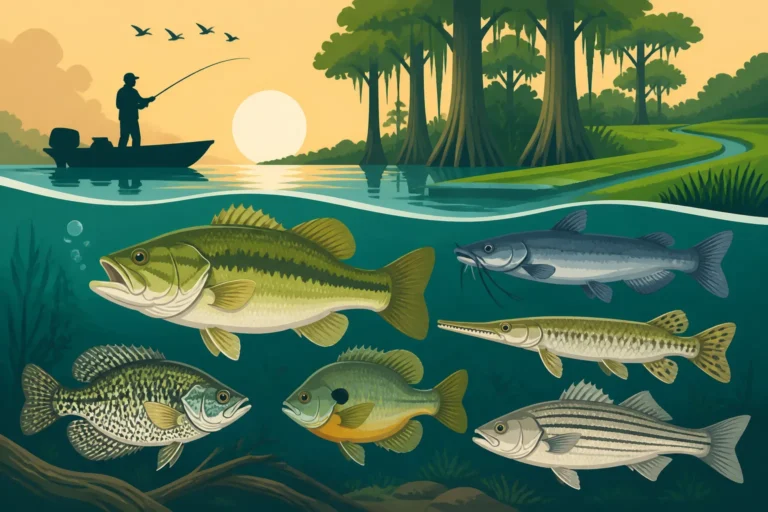
Top Fall Fish Species in Arkansas and Why They Shine
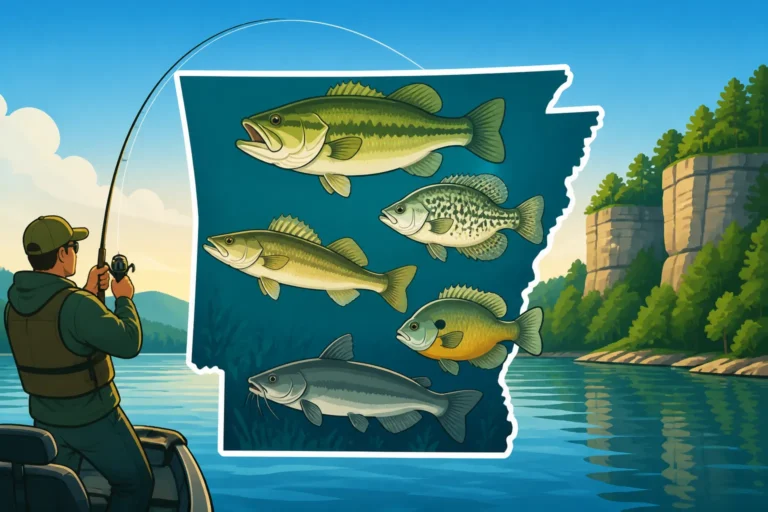
Arkansas offers an incredible diversity of fishing, and fall is a fantastic time to target several key species. Knowing which ones are most active can help you plan your trips effectively. This time of year often brings some of the most exciting fishing, if you know where to look and what to cast.
Largemouth Bass: The Autumn Feast
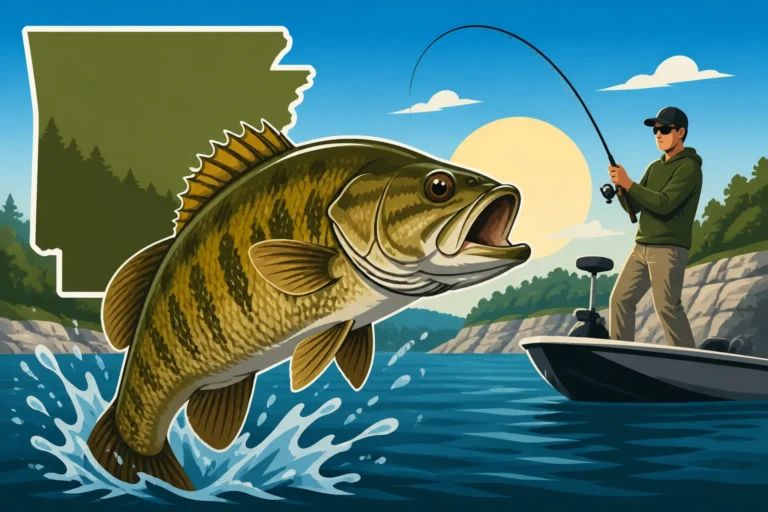
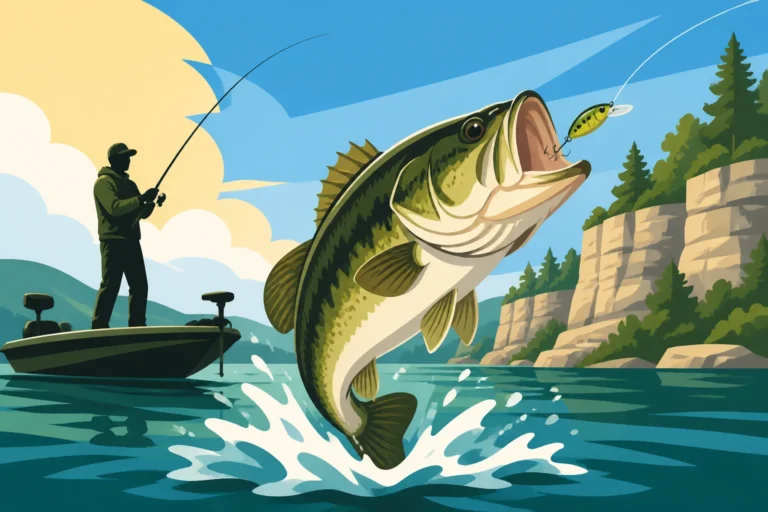
For many anglers, chasing largemouth bass in the fall is a highlight of the fishing calendar. After the lethargy of the brutal summer heat, these fish truly wake up. As water temperatures start to dip into the 60s and eventually the 50s, largemouth bass go on a serious feeding binge. They're looking to bulk up for winter, and this means they’re actively chasing down baitfish. You'll often find them schooling up and pushing bait into shallow coves, along main lake points, and around channel swings.
The beauty of fall bass fishing is that they can be caught in a variety of ways. Topwater lures can still be incredibly effective during early fall mornings or cloudy days, mimicking fleeing baitfish. Spinnerbaits and crankbaits become absolute weapons as bass key in on those schools of shad. You might even find success with jigging spoons or jerkbaits in deeper water as the season progresses. The key is to be mobile and follow the bait. If you find the bait, you'll find the bass. It's a time when you can catch both good numbers and impressive sizes, making it a very rewarding experience. If you want to know more about year-round patterns, check out our guide on Fall Fishing Patterns for Bass and Crappie.
Crappie: Schooling for Success
Crappie are another phenomenal fall target in Arkansas. As lake temperatures cool, both black and white crappie begin to school up, often moving from their deeper summer haunts towards shallower, structure-rich areas. Creek channels, bridge pilings, standing timber, and brush piles in 8-20 feet of water become prime real estate. Much like bass, they're following the baitfish, and when you find one crappie, you're likely to find a whole school.
Vertical jigging with small jigs (1/16 to 1/8 ounce) tipped with minnows or soft plastics is incredibly effective. Sometimes, a simple slip bobber rig with a minnow can produce fantastic results, especially if the crappie are suspended at a specific depth. The fall bite can be some of the most consistent crappie fishing of the year, offering incredible action and a full cooler if you hit it right. It's a social fish, too, making it a great species for a multi-person boat trip. Anglers looking to explore the differences between species can read our Black Crappie vs White Crappie in Arkansas article.
Trout: Tailwater Trophies
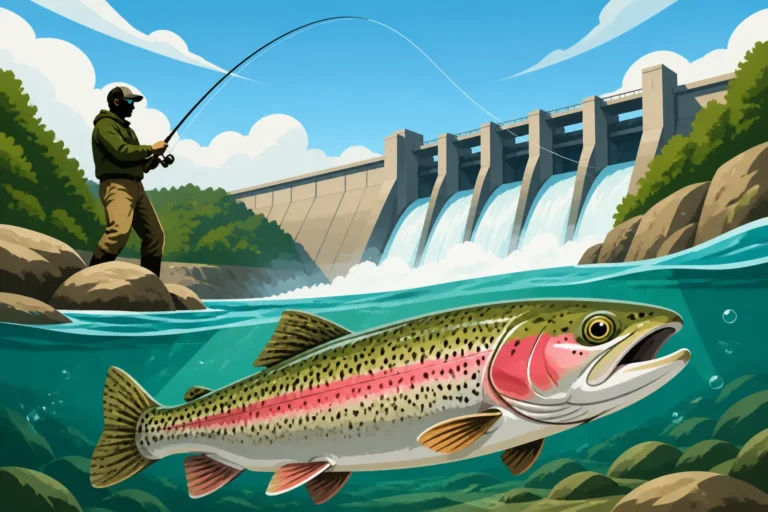
For cold-water aficionados, fall means prime trout fishing on Arkansas’s incredible tailwaters, particularly the White River and Norfork River. While trout are present year-round, the cooling water temperatures in the fall make them incredibly active and aggressive. The White River, fed by the cold waters released from the bottom of Bull Shoals Lake, maintains ideal trout temperatures even when other waters are cooling down naturally. This consistent cold water, combined with ample bug hatches and baitfish, creates a vibrant ecosystem where rainbow, brown, cutthroat, and brook trout thrive.
Fly fishing becomes exceptionally good as trout key in on emergers, nymphs, and sometimes even dries during hatches. Spin fishermen will find success with small inline spinners, spoons, stickbaits, or drifted PowerBait or worms. The fall season often brings out the biggest brown trout, which become highly predatory as they prepare for their spawn. It’s a truly special time to be on these rivers, with the added bonus of stunning autumn foliage along the banks. If you're planning a trip to these renowned waters, our Arkansas Tailwater Trout Fishing Guide has all the details you need.
Striped Bass: The Lake Lurkers
Striped bass are absolute powerhouses, and fall is a fantastic time to tangle with them on lakes like Norfork, Bull Shoals, and Ouachita. These nomadic giants spend their summers in deeper, cooler water, but as the surface temperatures drop and oxygen levels stabilize throughout the water column, they become much more active and willing to chase bait in various depths. They’ll often push large schools of shad to the surface in explosive feeding frenzies, creating incredible topwater action.
Trolling with large crankbaits or live bait (like gizzard shad) is a popular and effective method for covering water and finding active schools. Jigging spoons or heavy bucktail jigs can also be deadly when stripers are holding deeper on structure. The fight of a fall striper is legendary, offering an adrenaline rush that few other freshwater fish can match. They're also often found in large schools, so if you hook one, there are likely many more nearby. Learn more about targeting these powerful fish with our guide to Arkansas Striped Bass Fishing Techniques.
Catfish: Still on the Prowl
While not always the first species people think of for fall, catfish, particularly channel and blue catfish, remain excellent targets in Arkansas waters. As the water cools, their metabolism does slow a bit, but they still need to feed heavily before winter truly sets in. You might not find them in the blazing hot shallow water spots of summer, but they'll still be actively cruising creek channels, river bends, and deeper flats, often congregating in schools.
Bottom fishing with traditional baits like cut bait, chicken livers, or prepared stink baits remains highly effective. Look for them along drop-offs, humps, and submerged timber. Fall can actually be a great time for catching larger blue catfish, as they're often more concentrated and willing to take a bait. Plus, cooler temperatures mean more comfortable fishing for the angler! For those seeking these whiskered warriors, Catfish Species Found in Arkansas offers deeper insights into what you can find.
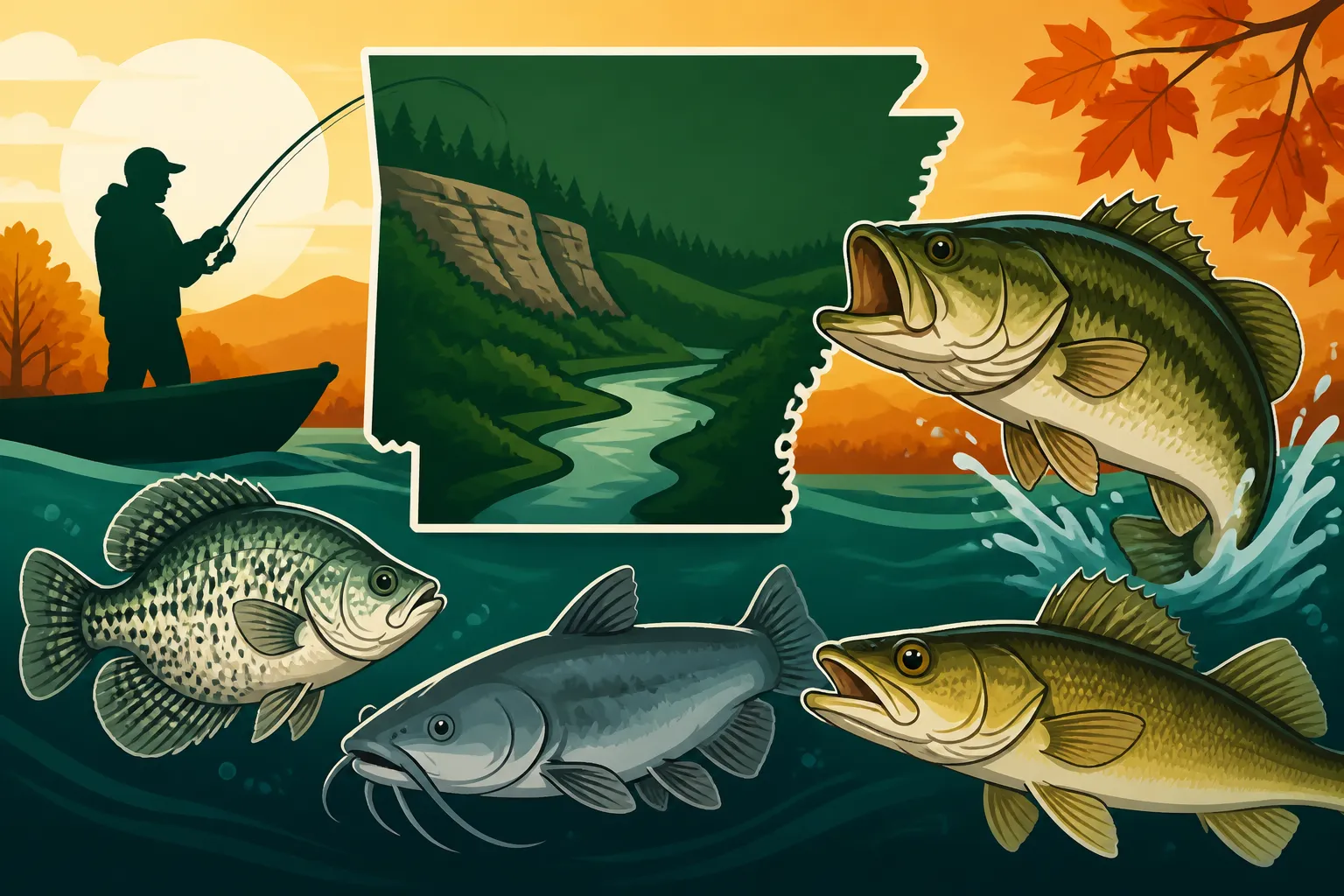
Here's a quick overview of some top fall species:
| Species | Typical Fall Location | Ideal Water Temp Range (F) | Common Fall Baits/Lures | Notes |
|---|---|---|---|---|
| Largemouth Bass | Shallow coves, points, creek arms, brush | 55-70 | Crankbaits, Spinnerbaits, Jigs, Jerkbaits, Topwater | Aggressive feeding, follow baitfish. |
| Crappie | Brush piles, standing timber, channel edges | 50-65 | Small Jigs (tipped w/ minnows), Minnows, Spider rigging | Schooling behavior, excellent eating. |
| Trout | Tailwaters (White, Norfork, Little Red) | 40-58 | Flies (Nymphs, Streamers), Spinners, Spoons, PowerBait | Very active, especially large brown trout before spawn. |
| Striped Bass | Main lake points, open water, deep humps | 55-70 | Live Shad, Large Crankbaits, Trolling, Jigging Spoons | Chase bait to surface, powerful fight. |
| Catfish | Creek channels, river bends, deep holes | 50-70 | Cut Bait, Chicken Livers, Worms, Prepared Baits | Still active, can catch big blues in deeper water. |
Essential Fall Fishing Strategies and Gear
Knowing which fish to target is only half the battle; the other half is adjusting your strategies and having the right gear. Fall fishing isn't just about showing up; it's about being prepared for the unique challenges and opportunities this season presents.
Adjusting Your Approach
The biggest mistake you can make in the fall is fishing the way you did in August. Fish behavior changes dramatically with dropping temperatures and bait movements. Firstly, start shallow, then go deep. In early fall, fish might still be in shallower water, especially early in the day. As the sun gets higher and the air cools, they might retreat to slightly deeper cover. Conversely, in late fall, fish might start deeper but move shallow for short feeding windows. Experiment with depths until you find where the active fish are.
Secondly, match the hatch (or the baitfish). Fall is all about the baitfish. If you see shad skipping on the surface or flickering on your sonar, use lures that imitate them in size, profile, and color. Silver, chrome, white, and shad patterns are often excellent choices. You might also need to slow down your retrieve as the water cools, especially for bass and crappie. While stripers might still chase fast-moving lures, a slower, more deliberate retrieve can be key for other species whose metabolism is dialing back. Remember, fish are often concentrated in the fall, so once you find a productive area, work it thoroughly. Don't be afraid to make multiple passes or spend time dissecting a single brush pile or channel bend. Our article on Best Time of Day to Catch Bass can help refine your timing even further.
Key Gear for Fall Success
Having the right tackle can make all the difference, and it doesn't always mean buying the most expensive items. Here are some general considerations for your fall fishing arsenal:
- Rod and Reel Combos: A medium-light to medium power spinning rod with a fast action is incredibly versatile for crappie, smaller bass, and trout. For bigger bass and stripers, a medium-heavy baitcasting setup will give you the power you need. Ensure your reels are spooled with fresh line; fluorocarbon or braided line with a fluorocarbon leader are excellent choices for their sensitivity and strength. You can often find great deals on reliable combos on Amazon.
- Lure Selection:
- Bass: A diverse tackle box should include lipless crankbaits, squarebill crankbaits, jerkbaits, spinnerbaits (especially with willow leaf blades for flash), jigging spoons, and finesse jigs or soft plastics for slower presentations.
- Crappie: Tiny jigs (1/32 to 1/8 ounce) in various colors (chartreuse, white, black/chartreuse) are essential, along with small minnows. Spider rigging setups can also be a game-changer for covering water.
- Trout: Inline spinners (Rooster Tail, Panther Martin), small spoons (Kastmaster), soft plastic baits (PowerBait, Gulp!), and small crankbaits are go-to options for spin fishermen. Fly anglers will need a selection of nymphs (zebra midges, prince nymphs), emergers, and perhaps some small streamers.
- Stripers: Large crankbaits, big swimbaits, heavy spoons, and live bait rigs for shad are crucial.
- Catfish: Heavy-duty rods and reels are a must, along with strong mono or braided line. A good selection of circle hooks, weights, and swivels is important for various bottom fishing rigs.
- Layered Clothing: This is probably the most overlooked "gear" for fall. Mornings can be freezing, but afternoons can be surprisingly warm. Dressing in layers allows you to adapt to changing temperatures throughout the day, ensuring comfort. A good waterproof and windproof outer layer is also invaluable.
- Electronics: If you have a boat, good sonar and GPS are indispensable for locating baitfish schools, submerged structure, and following creek channels. Side imaging or down imaging can show you exactly where fish are holding. Even a handheld GPS can help you mark productive spots for future trips. Don't forget to grab a fresh set of batteries for your fish finder from Amazon before you head out!
- Net: A sturdy landing net is crucial for all species, ensuring a safe landing for both you and the fish.
By understanding the seasonal shifts and equipping yourself with the right tools and mindset, you're not just fishing; you're adapting to the dynamic waters of Arkansas. This will undoubtedly lead to more successful and enjoyable outings as the weather cools and the fish prepare for winter. Whether you're chasing the explosive bite of a striper or the subtle tap of a crappie, fall in Arkansas offers an incredible angling experience.
Disclaimer
This article is for general informational purposes only and does not constitute professional advice. Laws, prices and regulations vary by location and change over time. Consult a qualified professional for guidance on your specific situation.