Largemouth Bass Size Limits on Arkansas Lakes
There's nothing quite as frustrating as reeling in a beautiful largemouth bass, only to realize you're not entirely sure if it meets the legal size requirements to take home, or worse, if you're accidentally violating a specific lake's rules. The patchwork of fishing regulations can feel confusing, with statewide rules often having special exceptions for popular lakes. This guide is here to untangle those knots, helping you understand the largemouth bass size limits on Arkansas lakes so you can fish with confidence and stay on the right side of the law.
Why Size Limits Exist for Largemouth Bass
It might seem like an extra hoop to jump through, but size limits for fish, especially popular game fish like largemouth bass, are crucial for maintaining healthy ecosystems and ensuring there are plenty of fish for future generations. These rules aren't just arbitrary numbers; they're based on sound biological principles and extensive research by wildlife agencies.
Protecting Spawning Populations
One of the primary reasons for size limits is to protect the bass during their most critical reproductive periods. Imagine if every angler kept every large, healthy bass they caught – soon enough, the prime breeding stock would dwindle. Minimum length limits, and sometimes even slot limits, are designed to ensure that a good number of fish reach maturity and have the chance to spawn at least once, if not multiple times, before they're harvested. This safeguards the population's ability to replenish itself, ensuring a sustainable fishery for all of us. Without these protections, popular lakes could quickly become overfished, leading to fewer and smaller bass for everyone.
Promoting Healthy Fish Growth
Beyond protecting spawners, size limits also help manage the overall health and size structure of the bass population. By encouraging the release of smaller fish, these regulations allow them more time to grow, not only in length but also in weight and robustness. This is particularly important in waters where fish might grow slower or face intense fishing pressure. When anglers adhere to these limits, it contributes to a more balanced ecosystem, where there's a healthy mix of different age classes and sizes of fish. It also means that when you do keep a fish, it's a more substantial catch, making all that effort on the water feel even more rewarding.
Statewide Largemouth Bass Size and Daily Limits
For the vast majority of lakes, rivers, and ponds across Arkansas, the rules for largemouth bass are straightforward. This statewide regulation acts as a baseline, and it's what you should default to unless you've confirmed a specific exception for the body of water you're fishing. It's always a good idea to double-check the latest regulations, perhaps by downloading the official guide from the Arkansas Game and Fish Commission website or picking up a physical copy from a local sporting goods store.
The "Five Fish" Daily Creel Limit
Across almost all Arkansas waters, the daily creel limit for largemouth bass is five fish. This means that in any 24-hour period, you can only legally possess five largemouth bass that you've kept. This isn't five fish for your whole trip if you're staying for a few days; it resets daily. So, if you catch and keep five legal bass on Monday, you can do the same on Tuesday. However, it’s crucial to understand that these fish count towards your limit as soon as they are no longer immediately released. So, if it's in your livewell, on your stringer, or in your cooler, it's counted toward your daily five. Even if you plan on eating them later, they count toward that daily total. If you're on a multi-day trip, remember that Daily creel limits still apply even without a possession limit in Arkansas.
Minimum Length Requirements
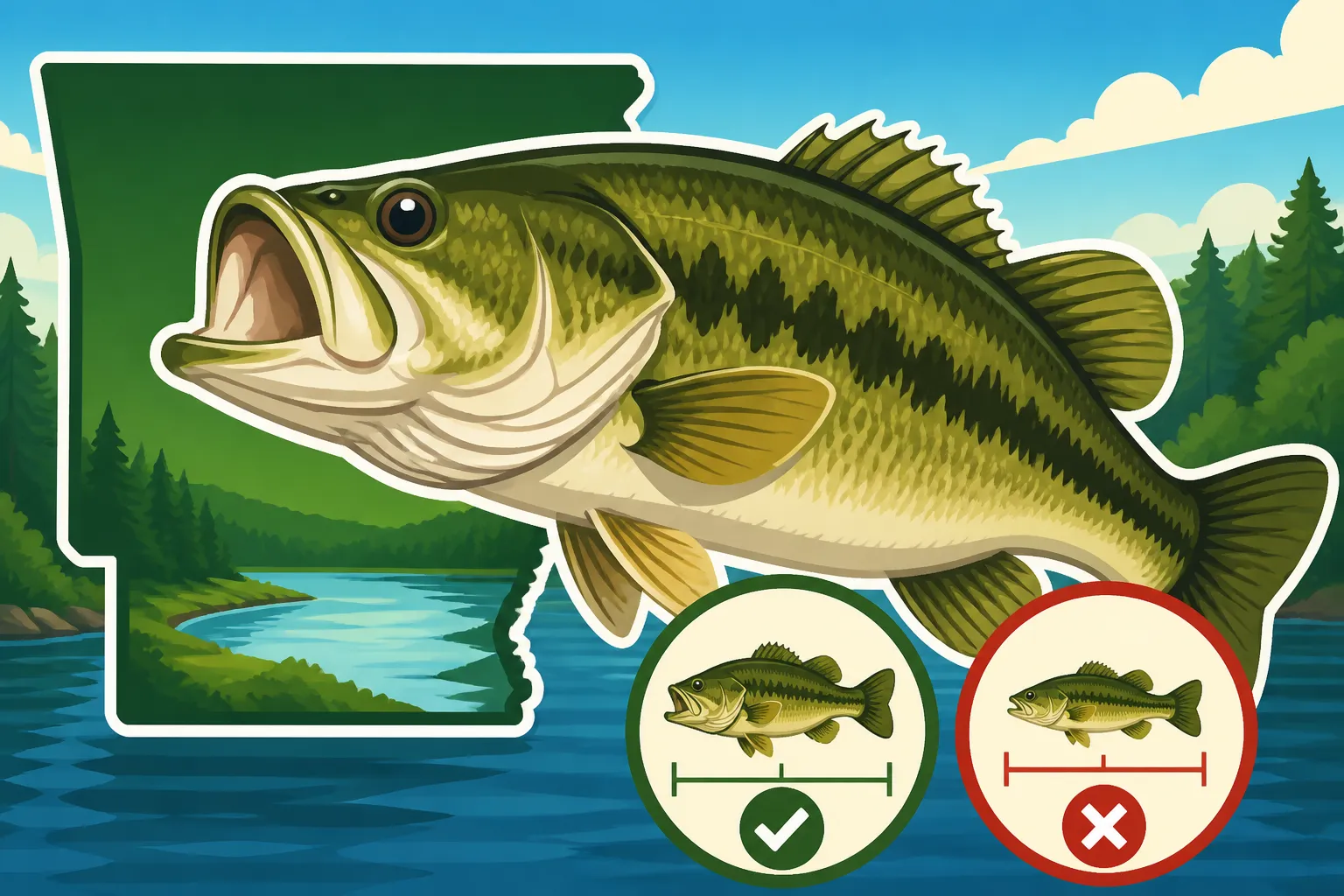
In addition to the daily creel limit, there's a standard minimum length requirement for largemouth bass in most Arkansas waters. Generally, a largemouth bass must be 13 inches or longer to be legally kept. This is measured from the tip of its snout to the end of its tail, with the tail pinched to get the longest possible measurement. Any bass shorter than 13 inches must be immediately released unharmed. This minimum length helps ensure that bass have had a chance to grow and mature. Largemouth bass daily limit statewide is 5 fish, but always remember that minimum length.
Specific Lake Exceptions for Largemouth Bass in Arkansas
Now, here's where things can get a little tricky, and it's why I always recommend checking the specific regulations for the lake you plan to visit. While the statewide rules are a great starting point, some popular lakes in Arkansas have special regulations designed to optimize their unique fisheries. These exceptions are put in place for specific conservation goals, like promoting trophy bass growth or managing an overpopulation of smaller fish.
Lake Monticello's Unique Bass Rules
Lake Monticello is a prime example of a lake with specific largemouth bass regulations that differ from the statewide standard. It's a fantastic lake, known for its strong bass fishery, and to keep it that way, the Arkansas Game and Fish Commission has implemented a unique rule: while the daily limit remains five largemouth bass, anglers are only allowed to keep one bass 16 inches or longer. This means you can keep five fish, but only one of them can be a trophy-sized bass. The remaining four fish must be under 16 inches. This slot limit is designed to protect larger, breeding-size bass while encouraging the harvest of smaller fish, which can sometimes become overpopulated and stunt the growth of the overall fishery. It's a bit different, so if you're heading to Lake Monticello, make sure this rule is etched in your memory. Is there an exception to the largemouth bass limit at Lake Monticello? Yes, there is, and it's a significant one.
Other Notable Lake Variations
While Lake Monticello has a very specific and often discussed exception, it’s worth noting that other lakes might also have their own nuanced rules. For instance, sometimes certain impoundments or sections of rivers might have slightly different length limits or even catch-and-release only sections for specific species during certain times of the year. The key takeaway here is never assume. Before you wet a line in any new or even familiar body of water in Arkansas, take a few minutes to consult the current Arkansas Game and Fish Commission regulations guide. You can find these guides online, often as a downloadable PDF, or pick up a printed version at bait shops, Walmarts, or local sporting goods stores like those that might carry Amazon fishing gear. This small bit of homework can save you a lot of headache and potential fines down the road. You can always check out resources like Arkansas Fishing Regulations Guide for the most up-to-date information.
How to Measure Your Catch Correctly
Okay, so you've hooked into a nice largemouth, and you need to figure out if it's a keeper or needs to go back into the water. Knowing how to accurately measure your fish is just as important as knowing the limits themselves. A few inches can make all the difference, and guessing can lead to issues.
Laying the Fish Flat
The standard way to measure a fish in Arkansas is to lay it flat on a measuring board or a flat surface. Position the fish so its mouth is closed and gently pushed up against the head stop of your measuring device. This ensures you're getting an accurate starting point. Don't try to measure a fish while it's flopping around in your hands or held at an angle; it's nearly impossible to get a precise reading that way. A good, sturdy measuring board is an invaluable piece of gear for any angler, and you can find many options from brands available on Amazon or at your local tackle shop.
Pinching the Tail
Once the fish's snout is against the head stop, gently but firmly pinch the tail fin together. This extends the tail to its maximum possible length. Read the measurement at the very end of the pinched tail. That's your official length. If your fish measures exactly 13 inches, it's a keeper. If it's 12 and 7/8 inches, it's not. There's no rounding up in the eyes of the law, so be precise! If there's any doubt, especially if it's very close to the minimum, it's always best practice to release the fish. It's better to be safe than sorry and ensure that fish gets to grow even bigger.
What Happens if You Break the Rules (Accidentally or Not)
Nobody wants to get a ticket, especially when you're out trying to relax and enjoy the beautiful natural resources Arkansas has to offer. But the reality is, fishing without understanding or adhering to the regulations can lead to serious consequences, whether it was an honest mistake or not. Ignorance of the law is generally not a valid defense, so it's on each angler to know the rules before they cast a line.
Potential Fines and Citations
Getting caught with an undersized bass, or more than the daily limit, can result in a citation from an Arkansas Game and Fish Commission officer. The penalties can vary depending on the severity of the violation, but they often include fines, court costs, and potentially even the loss of your fishing privileges. A simple mistake could cost you significantly more than a fishing license and a measuring board would have. For instance, the penalties for offenses like Penalties for Fishing Without a License in Arkansas can be quite steep, and violating size and creel limits is no different. It's a quick way to turn a fun day on the water into a very expensive one.
The Importance of Knowing Before You Go
This is why that pre-trip research is so incredibly important. Take the time to look up the current regulations for your specific body of water. If you're unsure, ask local bait shop owners, experienced anglers, or contact the Arkansas Game and Fish Commission directly. They are there to help you understand the rules, not just enforce them. Think of it as part of your fishing preparation, just like checking the weather or packing your tackle box. Being prepared and informed means you can focus on the joy of fishing, rather than worrying about potential legal troubles. It also contributes to the overall conservation effort, ensuring that these fantastic fishing opportunities remain for everyone.
To make things a little easier, here’s a quick summary of typical largemouth bass regulations:
| Category | Statewide Rule (Most Waters) | Lake Monticello Exception |
|---|---|---|
| Daily Creel Limit | 5 fish per day | 5 fish per day |
| Minimum Length | 13 inches | All fish count towards daily limit |
| Special Length Rules | None (all fish 13"+ count towards 5) | Only 1 fish can be 16 inches or longer |
| Release Requirement | Bass under 13 inches must be released | Bass under 13 inches must be released; 4 of your 5 fish must be under 16 inches |
Remember, this table is a summary and always verify with the most current official AGFC regulations for the specific body of water you intend to fish. Things change, and staying informed is your best defense. For general information on licenses, check out Arkansas Fishing License Rules and Costs. For more detailed species information, you might find Largemouth Bass Fishing in Arkansas Largemouth, Smallmouth, and Kentucky Bass Explained useful.
Disclaimer
This article is for general informational purposes only and does not constitute professional advice. Laws, prices and regulations vary by location and change over time. Consult a qualified professional for guidance on your specific situation.