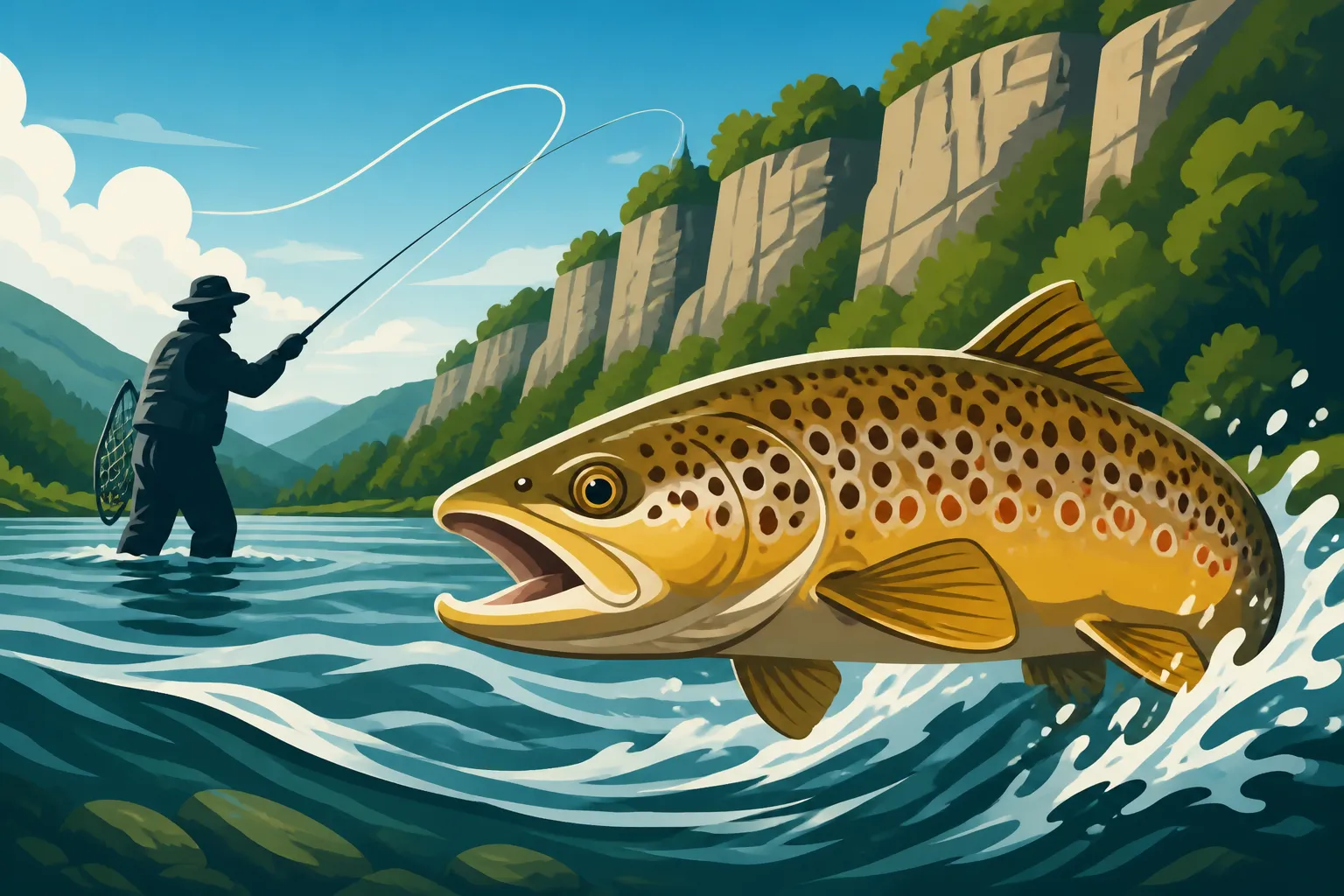
Brown Trout on the White River
The White River in Arkansas isn't just a trout stream; it's a legendary cold-water haven forged by the majestic dam at Bull Shoals Lake. Many anglers come here hoping for a memorable day, but chasing the truly magnificent brown trout requires understanding the very unique ecosystem this river provides. These aren't your typical stocked fish; White River browns are often wild, wary, and wise. This guide will walk you through everything you need to know to increase your chances of landing one of these magnificent fish, from understanding their habitat to the best gear and techniques.
The White River's Premier Brown Trout Waters
The White River in Arkansas isn't just a trout stream; it's a cold-water haven forged by the majestic dam at Bull Shoals Lake. Many anglers come here hoping for a memorable day, but chasing the truly magnificent brown trout requires understanding the very unique ecosystem this river provides. These aren't your typical stocked fish; White River browns are often wild, wary, and wise.
The Role of Bull Shoals Dam in Creating a Trout Paradise
Imagine a river that flows warm, then suddenly, just below a massive concrete structure, transforms into a chilly, oxygen-rich current. That's the magic of the Bull Shoals Dam. The water released from the depths of Bull Shoals Lake is consistently cold, providing the perfect year-round habitat for trout, especially the brown trout that thrive in colder, faster-moving water. This consistent temperature also means a stable environment for the insects and baitfish they feed on, allowing them to grow to impressive sizes. It’s a delicate balance, and understanding the generation schedules is key to knowing when and where the fish might be most active. You'll find that these tailwaters behave very differently from natural spring-fed streams.
The depth and volume of water releases directly influence everything from current speed to water clarity, impacting where the brown trout will hold and what they'll be feeding on. High water might push them to the banks seeking calmer eddies, while low water exposes more structure and concentrates fish in deeper pools. Being aware of the daily generation schedule, often posted by the Army Corps of Engineers, can give you a significant advantage in planning your outing. It’s not just about getting on the water; it’s about getting on the right water at the right time. This constant flow of cold, clear water is what truly sets the White River apart and makes it one of the premier brown trout destinations. For more on what makes this river special, check out What Makes the White River Different from Other Trout Rivers. You can also learn more about general trout fishing in this specific area by reading Trout Fishing Below Bull Shoals Dam on the White River.
Why Brown Trout Thrive in These Specific Conditions
Brown trout are incredibly resilient and adaptable, but they truly flourish in environments that mimic their ancestral European homes: cold, clear, well-oxygenated water with plenty of cover. The White River delivers on all fronts. The consistent cold temperatures, rich aquatic insect life, and abundant forage species like sculpins, shad, and smaller trout create an ideal environment for brown trout to grow large and robust. They are also known for their predatory nature, often ambushing prey from hidden lies, making them a formidable and exciting target for anglers.
Unlike rainbow trout, which are often stocked heavily and can be a bit more forgiving, many of the trophy brown trout in the White River are wild-spawned or have been in the river long enough to become extremely wary. They've learned to survive, growing larger by being opportunistic predators. They seek out deep pools, undercut banks, fallen timber, and rocky ledges where they can hide and dart out to strike. This makes them a challenging but incredibly rewarding catch, often requiring a subtle approach and careful presentation. Understanding these preferences is the first step to unlocking the secrets of the White River's legendary browns, especially if you're keen to discover Where to Find Brown Trout in Arkansas.
Mastering White River Brown Trout Techniques
Catching a White River brown trout often requires a blend of patience, observation, and adaptability. These fish aren't always eager to bite, and their keen senses make a stealthy approach paramount. Whether you prefer the rhythmic cast of a fly rod or the versatility of spinning tackle, having a strategic plan will dramatically improve your success on these famous waters.
Effective Fly Fishing Strategies for Wary Browns
Fly fishing on the White River for brown trout is an art form, demanding precision and an understanding of insect hatches and subsurface feeding. Often, the most productive technique is nymphing, where you present weighted fly patterns that imitate aquatic insects drifting along the riverbed. This requires careful depth control, often achieved with strike indicators and split shot, and keen eyesight to detect subtle strikes. Dead-drifting nymphs through deep runs, seams, and around structure where brown trout are likely to hold is incredibly effective. For those looking to get into this, a good selection of flies, including various nymph and larva patterns, can be found on sites like Amazon, ensuring you have the right patterns for various conditions.
Another thrilling method is streamer fishing, especially when targeting larger, more aggressive brown trout. Streamers imitate baitfish like sculpins or shad, and stripping them erratically through likely holding water can provoke a violent strike. This is often done with heavier fly rods to handle the larger flies and potential trophy fish. Streamers are particularly effective in higher water or during low-light conditions when browns are more actively foraging. During specific hatches or when browns are visibly rising, dry fly fishing can also be incredibly exciting, though it often targets actively feeding fish rather than the more elusive, bottom-hugging browns. For a deeper dive into specific fly patterns, check out Best Fly Patterns for Tailwater Trout.
Spin Fishing Tactics for Diverse River Conditions
Spin fishing offers a different set of advantages, particularly for covering water efficiently and presenting a wider array of lures. Small crankbaits, jerkbaits, and swimbaits that imitate baitfish are incredibly effective, especially when worked along current breaks, submerged timber, or rocky shorelines. The key is to match the hatch, not just in terms of size and color, but also in action and depth. Trout love an easy meal, so a lure that mimics a struggling baitfish can be irresistible, triggering aggressive strikes from territorial browns.
Another highly productive spin fishing technique involves using jigs tipped with soft plastics or live bait (where permitted). Drifting these presentations along the bottom, much like nymphing with a fly rod, can entice strikes from browns that are feeding subtly near the riverbed. The White River's current can be strong, so using enough weight to maintain bottom contact without snagging is crucial. Experiment with different retrieve speeds and jigging motions until you find what triggers a bite. For tips on covering ground effectively and maintaining a stealthy approach while moving along the river, consider Best Technique for Wade Fishing a Tailwater.
Essential Gear for Brown Trout Anglers
Having the right equipment can make all the difference between a frustrating day and a successful one on the White River. Brown trout are powerful fighters, and the river itself can be challenging with its varying flows and submerged obstacles, so investing in reliable, appropriate gear is crucial for a productive and enjoyable trip.
Rods, Reels, and Line: Matching Your Method
Whether you're dedicated to fly fishing or prefer the versatility of spin fishing, selecting the appropriate rod, reel, and line setup is foundational for brown trout success. For fly anglers targeting White River brown trout, a 9-foot, 5 or 6-weight fly rod is a versatile choice for nymphing and smaller streamers, offering a good balance of power and sensitivity. This setup is forgiving enough for beginners but still has the backbone to handle larger fish. If you're primarily throwing larger streamers, struggling with wind, or specifically targeting trophy-sized fish, a 7 or 8-weight rod might be more appropriate. Pair this with a reliable disc-drag reel capable of holding at least 100 yards of backing to give those powerful browns room to run. Floating lines are standard for dry flies and nymphing, while sink-tip or full sinking lines are essential for deep streamer presentations.
Spin fishermen often find success with medium-light to medium power rods, typically 6'6" to 7'6" in length. These rods offer the backbone to cast lures a good distance and handle strong, surging fish, yet retain enough sensitivity to detect the subtle 'thump' of a brown trout picking up a jig. A quality spinning reel in the 2000-3000 size range, spooled with 6 to 10-pound test monofilament or fluorocarbon, is ideal. Many anglers prefer fluorocarbon leaders for its near invisibility underwater and excellent abrasion resistance against the White River's rocky bottom and submerged timber. Braided line as a main line can also be highly effective for its zero-stretch sensitivity, especially when fishing deep, but a fluorocarbon leader is almost always a good idea to prevent fish from seeing your mainline.
Top Baits, Lures, and Flies for White River Browns
When it comes to enticing White River brown trout, variety in your offerings is key, and having a diverse selection in your tackle box or fly vest is absolutely essential for adapting to changing conditions. For spin anglers, small, realistic crankbaits and jerkbaits in natural colors (like silver, gold, black back/silver side, or crawfish patterns) are often irresistible, especially those with an erratic action. Spoons, inline spinners, and soft plastic swimbaits (particularly those mimicking local forage like sculpins) can also be highly effective, especially in areas with good current flow. Always check the latest Arkansas Game and Fish Commission regulations regarding bait restrictions before you head out, as live bait rules can vary.
Fly anglers will want a robust selection of nymphs, streamers, and some emerger and dry flies. Essential nymph patterns include weighted Hare's Ears, Pheasant Tails, Prince Nymphs, and Caddis Larva, often in sizes 12-18, to imitate the abundant aquatic insect life. For streamers, patterns like Woolly Buggers (in olive, black, or brown), Sculpzillas, and articulated baitfish imitations can be deadly for aggressive browns, especially when stripped with a retrieve that mimics a fleeing baitfish. Having a variety of weights for nymphs and sizes for streamers is crucial for adapting to different water conditions and depths. It's smart to stock up on these versatile patterns, and many anglers find great deals and a wide selection of fishing gear, from leaders to specific fly patterns, available for purchase through Amazon.
Timing Your Trip for Trophy Brown Trout
The White River holds the potential for truly massive brown trout, but catching one often comes down to precise timing. Understanding the river's seasonal rhythms and even daily generation schedules can drastically improve your chances of encountering one of these elusive giants. For those dreaming of a record-breaking catch, knowing when to be on the water is paramount. You might also be interested in Trophy Brown Trout Records on the White River to see what's possible and fuel your aspirations.
Seasonal Opportunities for Brown Trout
While brown trout can be caught year-round on the White River, certain seasons stand out for their potential to yield trophy-sized fish. Fall is often considered prime time by many seasoned anglers. As water temperatures begin to cool and brown trout prepare for their spawning run, they become more aggressive and move into shallower areas, sometimes even becoming visible, making them more accessible and territorial. Larger streamers and baitfish imitations are particularly effective during this period, as the fish are actively feeding to build energy reserves. The beautiful autumn foliage also makes for a stunning backdrop to your fishing adventure, offering a dual reward of natural beauty and incredible fishing.
Winter offers another excellent opportunity, especially for experienced anglers willing to brave the colder temperatures. The river tends to be less crowded, and large brown trout are still actively feeding, often concentrating in deeper, slower pools where they can conserve energy and find stable food sources. Smaller nymphs and careful, subtle presentations are often key during these colder months, as the fish can be more lethargic. Spring can be fantastic as insect hatches become more prolific, and post-spawn browns regain their energy and become more active, though the river can also experience fluctuating water levels due to spring rains and dam releases. Summer fishing for browns generally means targeting them in deeper, oxygen-rich waters during low light periods, but it can still be productive if you know where to look. For a comprehensive look at the White River's seasons and how they impact trout activity, check out the White River Fly Fishing Season Guide for Arkansas Anglers. For even more insight on targeting big fish, see Best Time to Catch Trophy Trout on the White River in Arkansas.
The Impact of Water Generation Schedules
The daily operation of the Bull Shoals Dam is arguably the single most influential factor on White River brown trout fishing. When the generators are running, water levels rise, and current speeds increase, often making the fish more active as they ambush dislodged food particles and baitfish swept downstream. During these high-water periods, brown trout often move to the edges of the main current, finding calmer seams and eddies where they can hold without expending too much energy, waiting for prey to come to them. Targeting these current breaks with heavier nymphs or larger streamers is a proven tactic, as the increased flow provides excellent cover and a conveyor belt of food.
Conversely, during periods of low or no generation, the river recedes, exposing more gravel bars and concentrating fish in deeper channels and pools. This can be fantastic for wade fishing, as more access opens up, allowing anglers to reach spots typically only accessible by boat. However, it also means the fish can be warier in the clearer, slower water. Stealth, longer leaders, and precise, delicate presentations become even more critical when the water is low and clear. Always check the Army Corps of Engineers generation schedule before heading out; it’s a game-changer for planning your approach and knowing where the fish are likely to be holding, making the difference between an okay day and a truly memorable one.
Conservation and the Future of White River Browns
The White River's brown trout fishery is a precious resource, one that has been carefully managed and nurtured over the years to become one of the premier trout destinations in the country. To ensure that future generations can enjoy the same incredible angling opportunities, responsible fishing practices and strict adherence to regulations are absolutely paramount. This isn't just about following rules; it's about being a diligent steward of this unique natural treasure.
Understanding Catch-and-Release for Trophy Fish
Many anglers come to the White River with dreams of catching a trophy brown trout, but for these larger, older fish, catch-and-release is often encouraged to help sustain the population. Brown trout can grow to impressive sizes here, and releasing those larger specimens ensures they can continue to reproduce and contribute their strong genetics to the future of the fishery. If you do plan to release fish, it's vital to handle them with extreme care to maximize their survival chances. Minimize their time out of water, use wet hands when handling to protect their protective slime coat, and support their body horizontally to avoid damaging internal organs. Removing hooks gently and quickly, ideally with a specialized de-hooking tool, is also crucial.
Barbless hooks are highly recommended as they cause less damage and are significantly easier to remove, greatly increasing the fish's survival rate upon release. While you're allowed to keep some fish according to daily limits, many responsible anglers choose to release the biggest ones to ensure the trophy potential of the river endures for years to come. It’s a small sacrifice that pays huge dividends for the future of the fishery and helps maintain the reputation of the White River as a destination for truly large trout. For specific size and limit considerations on tailwaters, it’s always good to review topics like Trout Limits on the Norfork Tailwater in Arkansas, as principles can often be similar across regulated trout waters in the region.
Navigating Regulations and Special Limits
Arkansas has specific regulations in place to protect its trout fisheries, and the White River is no exception. These rules can include daily creel limits (the number of fish you can keep per day), minimum or maximum length limits (often referred to as slot limits, where fish within a certain size range must be immediately released), and sometimes even specific gear restrictions for certain zones or times of year. These regulations are meticulously designed by the Arkansas Game and Fish Commission (AGFC) to protect spawning populations, allow younger fish to grow into larger, more robust specimens, and manage overall fish populations sustainably.
It's absolutely essential to consult the latest AGFC regulations guide before each trip. These guides are usually available online on the AGFC website, at local bait shops, and AGFC offices. Ignorance of the law is never an excuse, and violating regulations can result in significant fines and other penalties. For example, specific brown trout minimum lengths might apply in some areas, such as the regulation discussed in Spring River Brown Trout Minimum Length in Arkansas, which provides a useful point of comparison for how these rules are implemented on different rivers within the state. Always carry your valid Arkansas fishing license and any required trout permits, which you can often purchase conveniently online or even from an Amazon vendor specializing in outdoor gear accessories, making sure you're always fishing legally and responsibly.
Comparing Brown Trout to Other White River Species
While brown trout are often the prized target, the White River is home to a vibrant ecosystem supporting multiple trout species. Understanding how brown trout differ from their rainbow and cutthroat cousins can help you refine your techniques and appreciate the diversity of the fishery, making you a more knowledgeable and successful angler.
Brown Trout vs. Rainbow Trout: Key Differences for Anglers
Anglers on the White River will encounter both brown and rainbow trout, and while they share the same cold water, their behaviors and appearances are quite distinct. Brown trout are generally more elusive and wary. They tend to be more solitary, holding tight to substantial cover like logs, undercut banks, or deep holes, often ambushing prey with sudden, powerful strikes. They are known for their larger, more aggressive predatory nature, making them a challenging and often intense fight. Visually, browns are identifiable by their golden-brown to olive backs, lighter sides adorned with prominent dark spots (often distinctively ringed with lighter halos), and usually a yellowish belly. They typically have a more elongated, torpedo-like body shape compared to rainbows.
Rainbow trout, on the other hand, are often more numerous due to extensive stocking programs and can be a bit more opportunistic feeders, sometimes found in schools in more open water. They are known for their spectacular acrobatic jumps when hooked, adding an exciting dimension to the fight. Their coloration typically features an iridescent, often vibrant pink or red, lateral stripe running along their silvery sides, with numerous small dark spots over their entire body, including the tail fin. While both offer fantastic angling experiences, the stealth, patience, and precise presentation required for consistently catching brown trout often elevates it to a different level of angling challenge and reward. If you're ever unsure which fish you've caught, it's worth reviewing how to distinguish them, as thoroughly described in How to Tell Rainbow Trout from Brown Trout.
The Elusive Cutthroat and Brook Trout in Arkansas Waters
While less commonly encountered in the mainstem of the White River than browns and rainbows, astute anglers might occasionally encounter cutthroat and brook trout in certain sections or in the colder, more pristine tributary streams of Arkansas. Cutthroat trout are easily identified by the distinct red or orange slash marks under their lower jaw, which gives them their evocative name. They also have numerous small dark spots, often concentrated more towards the tail. They tend to prefer colder, higher-elevation streams and can be quite aggressive feeders, readily rising to dry flies.
Brook trout, with their beautiful worm-like markings (vermiculations) on their olive-green backs and vibrant red and yellow spots often ringed with blue halos, are a truly stunning sight to behold. They are also characterized by striking white leading edges on their lower fins. Brook trout are cold-water specialists and are generally found in the coldest, most pristine headwater streams and spring-fed creeks, making them a rarer and highly prized catch in the warmer, larger mainstem of the White River. While not primary targets in the White River, encountering one of these less common species is a special treat and speaks volumes to the health and incredible diversity of Arkansas's trout fisheries. Considering their differences in habitat preference and fighting style can also help you understand why Is Brown Trout Harder to Catch Than Rainbow Trout? is a frequently asked question among passionate anglers.
| Feature | Brown Trout | Rainbow Trout |
|---|---|---|
| Typical Habitat | Solitary, cover-oriented (logs, undercut banks, deep holes) | More open water, sometimes schooling |
| Appearance | Golden-brown to olive, dark spots with halos, yellowish belly | Silvery with iridescent pink/red stripe, small dark spots all over |
| Feeding Behavior | Wary, predatory, ambush hunter, often nocturnal | More opportunistic, active during daylight |
| Fight Style | Strong, deep runs, powerful head shakes | Acrobatic jumps, quick, energetic runs |
| Primary Forage | Baitfish (sculpins, shad), large insects, crustaceans | Insects (aquatic & terrestrial), crustaceans, smaller baitfish |
| Wild vs. Stocked | Strong wild-spawned populations, very elusive | Heavily stocked, also thriving wild populations |
Disclaimer
This article is for general informational purposes only and does not constitute professional advice. Laws, prices and regulations vary by location and change over time. Consult a qualified professional for guidance on your specific situation.