Smallmouth Bass Rules on Arkansas’s Moving Waters Statewide
Few things are as exhilarating as feeling that distinct tug on your line, fighting a feisty smallmouth bass, only to realize you’re unsure about the specific rules for keeping it from Arkansas’s incredible moving waters. It’s a common frustration, trying to decipher what applies where. This guide is dedicated to clearing up all the confusion, detailing the precise statewide regulations for smallmouth bass in Arkansas's rivers and streams, so you can fish with confidence and stay on the right side of conservation.
The Allure of Arkansas Smallmouth Bass on Moving Waters
Arkansas isn't just known for its massive largemouth bass; it's a hidden gem for smallmouth enthusiasts, particularly in its breathtaking moving waters. These bronzebacks are revered for their aggressive strikes and acrobatic fights, often leaving anglers breathless and hooked for life. Understanding their habitat and how to identify them is the first step toward a successful and compliant fishing trip.
Where Smallmouth Thrive in the Natural State
Smallmouth bass, often affectionately called "bronzebacks," are creatures of clean, cool, and rocky flowing water. Unlike their largemouth cousins who prefer weedy, slower-moving areas, smallmouths are perfectly adapted to the dynamic environments of rivers and streams. In Arkansas, this means you'll find them predominantly in the crystalline waters of the Ozark and Ouachita Mountains. Rivers like the legendary Buffalo River, the popular Crooked Creek, the scenic Caddo River, or sections of the Little Missouri River are prime examples where smallmouth truly flourish. They cling to rocky bottom structures, ambush prey around boulders, and hide in swift currents, making them a thrilling challenge to locate and catch. Their preference for these pristine, often remote, river systems adds to the adventure, drawing anglers seeking a more wild and untamed fishing experience.
Identifying Arkansas Smallmouth Bass
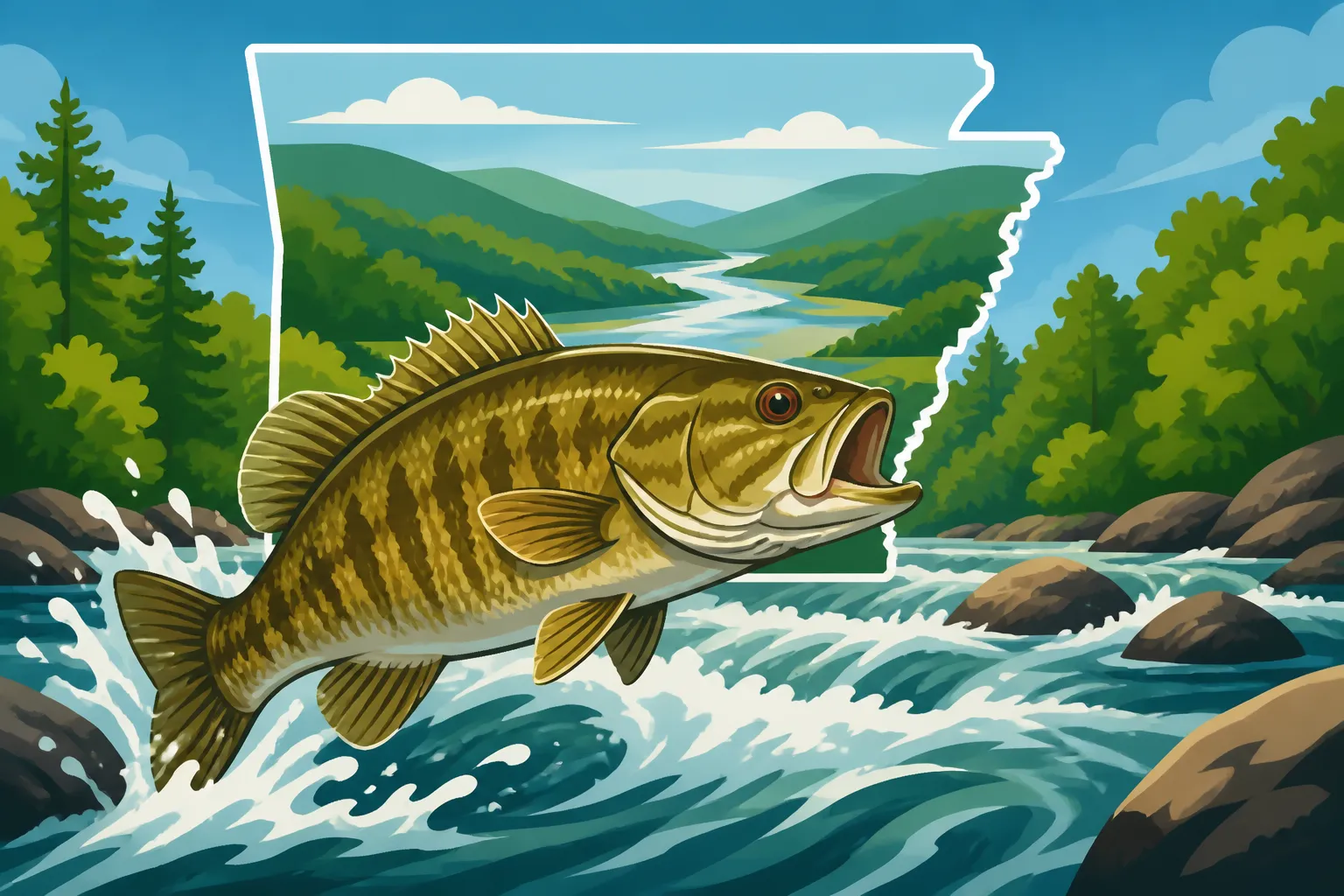
Correctly identifying your catch is absolutely critical for compliance, as regulations can differ significantly between bass species. Smallmouth bass have a distinct bronze to brown coloration, often with subtle, vertical bars or blotches along their sides, which can vary in intensity depending on their specific habitat. Their most distinguishing feature is the jawline: when their mouth is closed, the upper jaw does not extend beyond the back of their eye, unlike a largemouth bass where it typically does. They also tend to have a uniform dorsal fin, without the deep division seen in largemouths. Knowing these subtle differences is key, especially when you're targeting smallmouth in areas where other bass species, like spotted bass or largemouth, might also be present. A common question among anglers is "Smallmouth vs Largemouth Bass: Which Fights Harder?", but for regulatory purposes, precise identification is paramount. Take a moment to examine your catch carefully; it can save you a lot of trouble down the line.
Statewide Regulations for Smallmouth Bass in Moving Waters
Navigating fishing regulations can sometimes feel like trying to untangle a particularly stubborn fishing knot, but when it comes to smallmouth bass on Arkansas's moving waters, the rules are thankfully clear and consistently applied statewide. These regulations are thoughtfully designed by the Arkansas Game and Fish Commission (AGFC) to ensure the health and sustainability of these prized fisheries for generations to come.
Daily Limits and Minimum Length Requirements
For smallmouth bass caught in any of Arkansas's flowing rivers and streams, the statewide regulation specifies a daily creel limit of 2 fish. This means that within any given 24-hour period, you can legally keep no more than two smallmouth bass from these waters. Complementing this creel limit is a strict minimum length requirement: any smallmouth bass you intend to keep must be at least 12 inches long. This isn't a suggestion; it's a hard rule. If you land a smallmouth that measures less than 12 inches, it must be immediately and carefully released back into the water from which it was caught. These specific numbers – a Smallmouth bass limit on Arkansas's moving waters is 2 fish and a Minimum length for smallmouth bass on flowing waters in Arkansas – are cornerstones of smallmouth conservation in the state and are applied uniformly across all moving waters unless a highly localized, well-advertised exception is in place for a particular river segment, which is rare for smallmouth.
Why Size and Creel Limits Are Crucial for Conservation
These seemingly simple numbers aren't arbitrary; they are the result of careful scientific study and represent a strategic approach to managing a delicate natural resource. The 12-inch minimum length ensures that most smallmouth bass have at least one opportunity to spawn before they can be harvested. This allows them to contribute to the next generation of fish, maintaining healthy population levels. Imagine if everyone kept every smallmouth they caught, regardless of size – the younger fish wouldn't get a chance to grow, and the older, breeding fish would quickly be depleted. The daily limit of 2 fish further safeguards the population, preventing excessive harvest pressure on these slower-growing, stream-dwelling fish. It's about striking a balance: allowing anglers to enjoy their sport while also guaranteeing that the smallmouth populations can thrive. This approach is fundamental to why the AGFC has implemented rules like "Why smallmouth bass must be over 12 inches to keep", ensuring robust fisheries for the future.
Special Smallmouth Bass Regulations and Zones
While the statewide regulations for smallmouth bass on moving waters are quite consistent, it's always smart to be aware of how broader regulatory frameworks might interact, and to understand the practices that go beyond just legal compliance, pushing towards true stewardship of our natural resources.
Navigating Specific River Sections and Exceptions
When it comes to smallmouth bass on moving waters, the beauty of Arkansas's regulations is their general statewide consistency for this particular species and habitat. The 2-fish daily limit and 12-inch minimum length apply broadly to rivers and streams across the state. However, the world of fishing regulations can be intricate, and it’s always prudent for anglers to remember that while the statewide moving water rule is dominant for smallmouth, it’s not uncommon for other species or particular river sections to have their own nuances. For instance, some rivers might have specific zones with different regulations for trout, or unique slot limits for other bass species that aren't smallmouth. While specific smallmouth exceptions on moving waters are rare, a wise angler always keeps an eye on the most current AGFC Fishing Guidebook. This comprehensive resource, available online or at most tackle shops and sporting goods stores like those found through an Amazon search, is your ultimate authority. It’s always best to briefly consult the official "Arkansas Fishing Regulations Guide" before heading out, just to ensure you're up-to-date on any potential, albeit unlikely, localized changes that could affect your smallmouth pursuit.
Understanding Catch-and-Release Practices
Beyond simply adhering to the legal limits, many smallmouth bass anglers in Arkansas embrace catch-and-release, recognizing its profound benefits for maintaining healthy fish populations. Even if you're well within the legal creel limit, practicing responsible catch-and-release can significantly contribute to the sustainability of these fisheries, especially for trophy-sized fish. The goal is to minimize stress and injury to the fish, maximizing its chances of survival once returned to the water. This means handling the fish as little as possible, keeping it in the water if you can, and always wetting your hands before touching it to protect its slime coat. Using single, barbless hooks or de-barbing your treble hooks on lures can make hook removal much easier and less traumatic. If the fish is deeply hooked, it’s often better to cut the line as close to the hook as possible rather than attempting to rip the hook out. Quickly snapping a photo and gently supporting the fish until it swims away under its own power are hallmarks of an ethical angler.
Essential Gear and Responsible Angling for Smallmouth
Fishing for smallmouth bass in Arkansas's moving waters is an experience that calls for specific gear and a mindset rooted in environmental responsibility. The right tools not only increase your chances of success but also make the process more enjoyable and efficient, while good stewardship ensures these beautiful places remain vibrant for everyone.
Recommended Tackle for River Smallmouth
Smallmouth bass fishing in rivers and streams generally calls for a lighter, more sensitive setup than what you might use for their largemouth cousins. A medium-light to medium action spinning rod, typically in the 6'6" to 7' range, paired with a matching spinning reel spooled with 6-10 lb fluorocarbon or monofilament line, is a fantastic starting point. This provides enough backbone to fight powerful fish in current, yet enough sensitivity to detect subtle bites. For lures, think smaller profiles that mimic the forage found in rocky rivers. Small crankbaits, like those from Rapala or Berkley, are highly effective, especially models that dive just a few feet to bump along the bottom structure. Spinnerbaits with smaller blades, tube baits, and Ned rigs (using buoyant soft plastics like those from Z-Man, which you can easily find on Amazon) are also deadly. Topwater lures, particularly during dawn and dusk, can provide explosive strikes that are hard to beat. Having a good selection of these in a well-organized tackle box, readily available from online retailers like Amazon, will prepare you for whatever the river throws your way. Remember, matching the hatch and adjusting to water conditions is key, so having a variety of lure types and colors can be a game-changer.
Ethical Considerations and Environmental Stewardship
Being a responsible angler extends far beyond simply adhering to the daily limits and size restrictions; it’s about becoming a steward of the natural environment we cherish. When fishing Arkansas's pristine moving waters for smallmouth, practicing "leave no trace" principles is paramount. This means packing out everything you pack in – and perhaps even a little extra trash you might find. Be mindful of stream banks and vegetation, avoiding unnecessary damage, especially when wading or launching a kayak or canoe. Respect private property signs and always seek permission before accessing private land. Additionally, ensure you have your proper Arkansas Fishing License Rules and Costs and, if you happen to be fishing in designated trout waters where smallmouth also reside, confirm you have an Arkansas Trout Permit Rules as well. These are crucial not just for legal fishing but because the funds from these licenses directly support conservation efforts. Equipping yourself with items like a quality dry bag for trash, or comfortable waders for wading (both readily available from retailers like Amazon), can help you be more effective and environmentally conscious on the water. Every little bit of thoughtful practice contributes to keeping our rivers wild and healthy.
Common Misconceptions and Troubleshooting Compliance
Even with clear regulations, questions and misunderstandings can arise. When you’re out on the river, the last thing you want is to be second-guessing whether you’re fishing legally. Let’s tackle some common points of confusion to ensure your smallmouth fishing trip in Arkansas's moving waters is smooth and worry-free.
Clarifying "Moving Waters" vs. Impoundments
One of the most frequent points of confusion for anglers is precisely what "moving waters" entails, and how regulations might differ between a free-flowing river and a large reservoir. For smallmouth bass, the statewide regulations of a 2-fish daily limit and a 12-inch minimum length specifically apply to rivers and streams. These are the dynamic, current-driven environments where smallmouth naturally thrive. While smallmouth bass can sometimes be found in the upper reaches of large reservoirs, which might have some current, the core "moving water" rules are designed for the true riverine habitats. Impoundments, or lakes formed by dams (like Beaver Lake or Greers Ferry Lake), often have their own specific regulations for bass species, which might differ from those on rivers. For instance, largemouth bass on a particular lake might have a different size or creel limit. The key takeaway here is to remember that for smallmouth bass, the rules discussed in this guide are directly applicable to the flowing rivers and streams that snake across Arkansas. This statewide consistency for smallmouth on these moving waters simplifies things considerably, but always understand the type of water you're fishing.
What Happens If You Exceed the Limit or Keep Undersized Fish?
Ignorance of the law is never an excuse, especially when it comes to wildlife regulations. Getting caught with more than the legal daily limit of two smallmouth bass, or possessing a smallmouth under the 12-inch minimum length, can lead to serious consequences. Game wardens frequently patrol Arkansas's prime smallmouth rivers, and they are adept at spotting non-compliance. Violations typically result in fines, which can be substantial, and may even involve the confiscation of your fishing gear or boat. Beyond the monetary penalties, a violation can also affect your future fishing privileges in Arkansas. Nobody wants to deal with "Penalties for Fishing Without a License in Arkansas", and similar penalties apply to over-limits or undersized fish. It's crucial to carry a measuring device (a simple ruler or tape measure works fine) and to use it immediately and accurately if you're unsure about a fish's length. If it's short, release it gently. The risk simply isn't worth the reward, and respecting these limits is fundamental to being a responsible angler and preserving the fishery for everyone.
Planning Your Arkansas Smallmouth Adventure
With a solid understanding of the regulations, you're now better equipped to plan an unforgettable smallmouth bass fishing trip to Arkansas's moving waters. Knowing when to go and how to access these beautiful rivers are crucial elements for maximizing your success and enjoyment.
Timing Your Trip for Success
The timing of your smallmouth bass fishing trip to Arkansas's moving waters can significantly impact your success. While smallmouth can be caught year-round, certain seasons offer prime conditions. Late spring through early fall generally provides the most consistent action. As water temperatures rise into the 50s and 60s Fahrenheit in late spring, smallmouth become more active and begin their spawning rituals. This pre-spawn and spawn period can be incredibly productive. Throughout the summer, especially during the cooler parts of the day like early morning or late evening, smallmouth remain active, often congregating around oxygenated riffles and deeper pools. As fall arrives and water temperatures begin to cool, smallmouth aggressively feed in preparation for winter, making it another fantastic time to target them. Always keep an eye on weather forecasts and current river conditions; clear, stable water levels are typically best. For a broader overview of seasonal opportunities, check out our guide on the "Best Time of Year to Fish in Arkansas".
Navigating Access and Public Lands
Accessing Arkansas's best smallmouth rivers requires a bit of planning, as many prime stretches run through a mix of public and private land. Luckily, the state offers numerous public access points, particularly along its more popular rivers. State parks, national forests, and designated Arkansas Game and Fish Commission (AGFC) access points often provide boat ramps for canoes and kayaks, or clear pathways for wade fishing. For instance, rivers like the Buffalo or the Caddo River have well-established access points for float trips. Wade fishing is a fantastic way to explore smaller streams or specific sections of larger rivers, allowing you to stealthily approach prime smallmouth habitat. Always consult maps from the AGFC or the U.S. Forest Service to identify legal access points. While navigating, remember that respecting private property boundaries is crucial. For more details on specific river locations, resources like "Arkansas's Best Rivers for Trout, Bass, and Catfish" or even specific guides like "Access Points for the Little Missouri River in Arkansas" can be invaluable for planning your entry and exit points.
| Regulation Aspect | Statewide Rule (Moving Waters) | Important Notes |
|---|---|---|
| Daily Limit | 2 fish | Applies to smallmouth bass caught in all flowing rivers and streams across Arkansas. This means you can keep up to two smallmouth bass within a 24-hour period while actively fishing. |
| Minimum Length | 12 inches | Any smallmouth bass caught under 12 inches must be immediately and gently released back into the water. Measure accurately from the tip of the nose to the tip of the tail with mouth closed. |
| Possession Limit | Daily limit while fishing (2 fish) | Arkansas has eliminated statewide possession limits at your "final point of storage" (e.g., home). However, you cannot possess more than the daily limit while in the act of fishing or transporting them directly from the point of harvest to your final destination. |
| Species ID | Crucial to distinguish from other bass | Knowing the difference between smallmouth, largemouth, and spotted bass is vital, as regulations can vary by species. Misidentification can lead to violations. Consult an AGFC guide or reliable identification resources if unsure. |
| License Required | Yes, for anglers 16 and older | All resident and non-resident anglers 16 years of age and older must possess a valid Arkansas fishing license. Check AGFC regulations for specific license types and exemptions (e.g., senior anglers). |
Disclaimer
The information provided in this guide is intended for general informational purposes only and is based on current Arkansas Game and Fish Commission (AGFC) regulations as understood at the time of writing. Fishing regulations are subject to change without notice. While every effort has been made to ensure accuracy, readers are strongly advised to consult the official and most up-to-date AGFC fishing regulations guide or website before any fishing trip to confirm all current rules, limits, and specific zone exceptions. Failure to do so could result in penalties.