Arkansas Bass Spawn Fishing Guide
There's nothing quite as frustrating as feeling like you've missed the absolute prime window for bass fishing, especially during the highly anticipated spawn. Anglers often struggle to pinpoint when those big bass move shallow, what they're doing once they get there, and how their behavior shifts as soon as the eggs are laid. This guide is dedicated to demystifying the Arkansas bass spawn, providing you with detailed insights into timing, techniques, and locations so you can hit the water with confidence and significantly increase your chances of a successful and memorable day.
Understanding the Arkansas Bass Spawn Cycle
The bass spawn is more than just a single event; it's a critical, multi-stage process driven by instinct and environmental cues. Missing even one stage can mean missing out on some of the year's most exciting fishing. In Arkansas, understanding this cycle is key to consistent success.
The Science Behind the Spawn
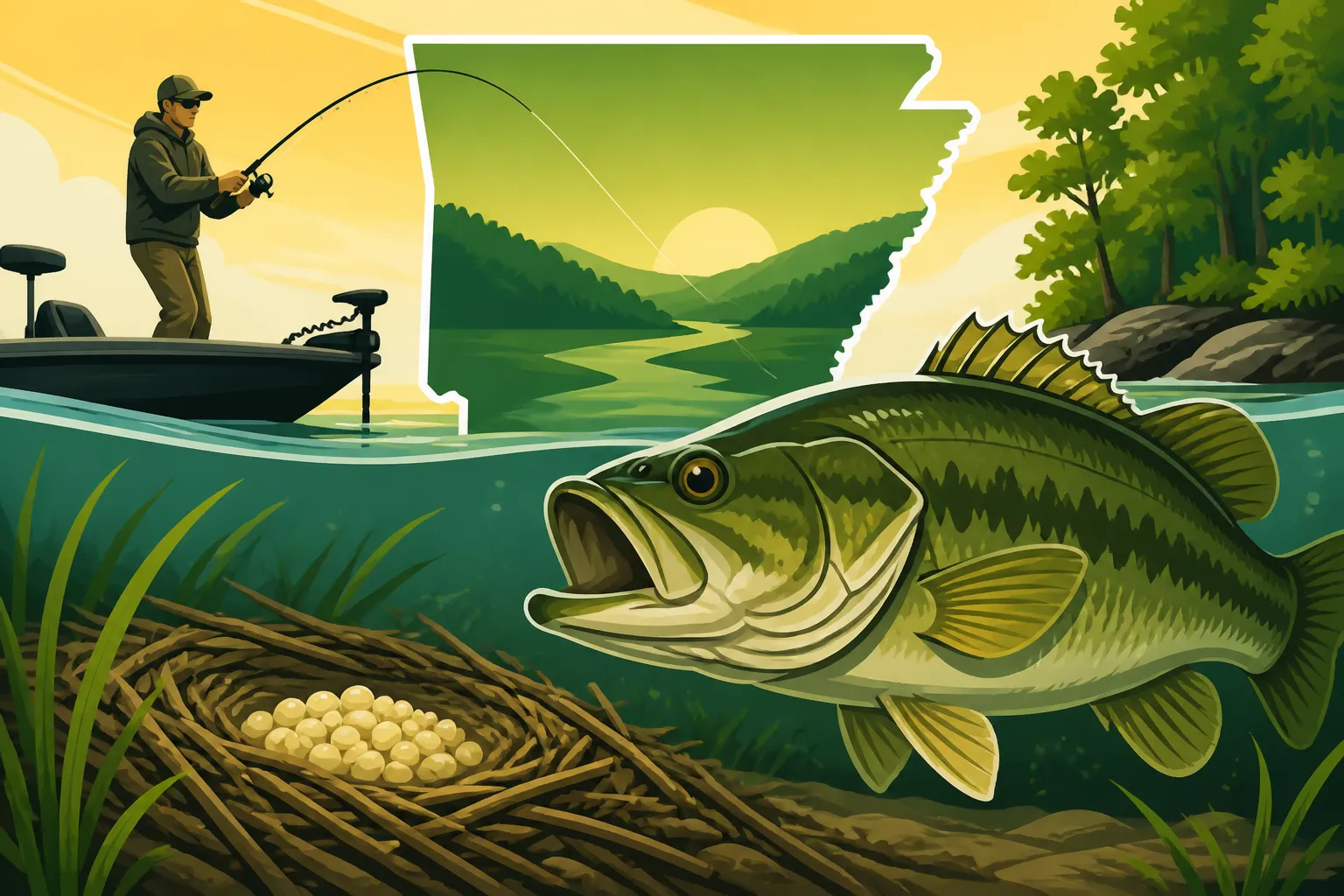
At its heart, the bass spawn is about reproduction. Male bass prepare nests, typically shallow depressions in the bottom, where females deposit their eggs. The males then guard these eggs and the fry (baby bass) after they hatch, sometimes for several weeks. This period is biologically demanding for the bass, making them behave predictably, yet also making them quite vulnerable. It’s an ancient ritual, and it happens every single year, bringing the bass into accessible, shallower waters.
What many anglers don't realize is how truly dependent this whole process is on external factors. It's not just a switch that flips on a certain date. Instead, it's a gradual progression, starting with longer daylight hours triggering hormonal changes in the fish. Then, as water temperatures slowly climb, the bass begin to stage, moving from their deeper winter haunts towards those shallower, sun-warmed areas. It's a precise dance orchestrated by nature, and understanding the rhythm is your first step to success.
Factors Influencing Spawn Timing
The biggest driver for the bass spawn in Arkansas is undoubtedly water temperature. Most largemouth bass will start moving into pre-spawn patterns when water temperatures consistently reach the mid-50s Fahrenheit, with the actual spawning activity kicking off around 60-68 degrees. Smallmouth bass, which are also prevalent in many of our rocky Ozark streams and clearwater lakes, often spawn a little earlier, sometimes in water as cool as 50-55 degrees.
Beyond temperature, other factors play significant roles. The moon phase, for example, often correlates with major spawning pushes. Full moons and new moons, particularly in late spring, are often cited by seasoned anglers as triggering peak spawning activity, likely due to increased tidal pull in larger systems, or simply as a biological clock mechanism. Furthermore, regional variations across Arkansas's diverse landscapes mean that bass in the warmer southern lakes, like Lake Monticello, might spawn earlier than those further north in colder bodies of water like Bull Shoals Lake or Beaver Lake. Wind direction, sunlight penetration, and even specific lake characteristics like water clarity and available cover all contribute to when and where bass decide to drop their eggs. It's truly a complex equation, but water temperature remains the most reliable indicator. For a deeper dive into the specifics, check out our guide on Arkansas Bass Spawn Timing by Water Temperature If you're looking for more general information on how seasonal changes impact fish behavior, our Arkansas Fishing Seasons Guide.
Pre-Spawn: The Feeding Frenzy
Before the actual spawning begins, bass enter a crucial "pre-spawn" phase. This is often considered one of the most exciting times to fish, as bass are actively feeding and bulking up for the energy-intensive spawning process.
Locating Pre-Spawn Bass
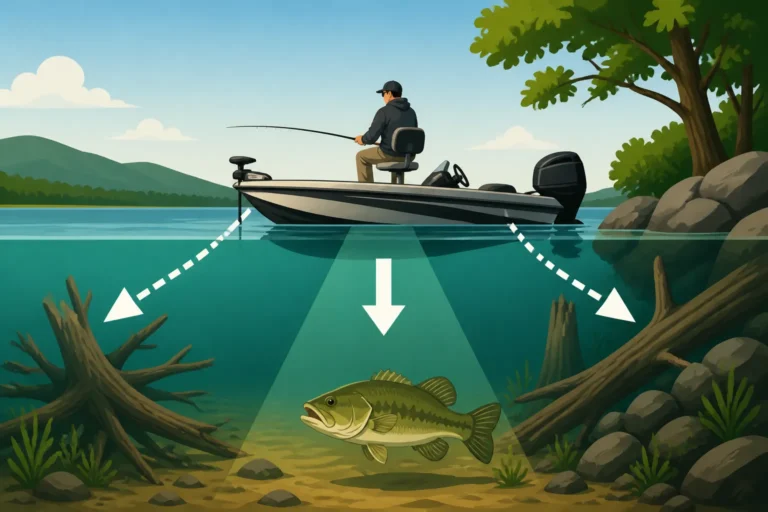
During the pre-spawn, bass are transitioning from their deeper winter holding areas to shallower spawning grounds. They won't just appear out of nowhere in the shallows; they follow predictable routes. Look for them in "staging areas" – these are typically points, humps, or submerged timber lines that offer access to both deeper water for safety and proximity to the eventual spawning flats. Think of them as waiting rooms. These spots are often adjacent to creek channels or old river beds that serve as highways for the bass as they move up.
Bass will often congregate in these areas, particularly on the northern banks of lakes, which receive more direct sunlight and warm up faster. You'll find them actively hunting baitfish, crawfish, and anything else that provides a good meal. Brush piles, rock piles, and even docks that offer a bit of shade or cover can be prime locations. The key is finding those transition zones where deep water meets shallow water, giving the bass options to move up and down with fluctuating temperatures or weather conditions. Our article on Pre-Spawn Bass Fishing Patterns has even more detailed insights on these movements.
Best Baits and Techniques for Pre-Spawn
Because bass are aggressively feeding in the pre-spawn, you can often get away with more powerful, reaction-strike baits. Crankbaits are absolute workhorses during this time, especially those that mimic shad or crawfish. Medium-diving crankbaits can effectively cover those staging areas, banging off structure and triggering strikes. Lipless crankbaits, like the iconic Bill Lewis Rat-L-Trap, are fantastic for covering large areas quickly and eliciting reaction bites in cooler water.
Another highly effective presentation is a slow-rolled bladed jig, or ChatterBait. Its unique vibration and flash are irresistible to hungry bass. Spinnerbaits are also excellent, especially on cloudy days or in stained water. For a more subtle approach, football jigs fished slowly along the bottom, mimicking crawfish, can be deadly. Don't forget about jerkbaits, particularly when bass are suspended or in clearer water; their erratic action can trigger some incredible strikes. When it comes to stocking up, you can find a wide variety of these proven pre-spawn baits on Amazon, ensuring you have the right tools for the job. Our Best Bait for Bass by Season guide offers a broader look at bait selection throughout the year.
The Spawn Itself: Nesting and Protecting
This is the phase everyone talks about – when bass are actively on their beds. While it can be incredibly exciting, it also requires a different approach and a strong sense of ethical angling.
Identifying Spawning Beds
Spawning beds are typically circular depressions, often about the size of a dinner plate or larger, cleared by the male bass on the lake or river bottom. They'll often be found in shallow, protected coves, pockets, or along the inside bends of creeks where the water warms up quickly and there's minimal current. Look for areas with a hard bottom composition, like gravel, sand, or shell beds, which are ideal for egg adhesion. Spawning beds are usually near some form of cover – a submerged log, a dock post, a rock, or even a lily pad stem – which offers protection for the eggs and fry from predators.
In clearer lakes like Bull Shoals Lake or Beaver Lake, you might actually be able to spot these beds with your eyes, especially on a sunny day with polarized sunglasses. In more stained waters, you'll need to rely more on subtle clues, like irregularities in the bottom contour or shadows that might indicate a cleared area. Bass on beds are often quite visible, either a dark male guarding the nest, or a lighter female hovering over it. Take your time, cruise slowly with a trolling motor, and really pay attention to what the bottom looks like in those classic spawning zones.
Techniques for Bed Fishing
Sight fishing for bedding bass is a specialized technique that requires patience and precision. Once you spot a bed, approach it slowly and quietly. The goal is to present your bait in a way that annoys the bass guarding the nest, triggering a "strike" out of aggression rather than hunger. Texas-rigged soft plastics, such as lizards, worms, or creature baits, in natural or bright colors (like white or chartreuse for visibility), are excellent choices. Pitch your bait past the bed and slowly drag it into the nest. Let it sit there, twitching it occasionally. The bass might pick it up and move it, or it might just stare at it.
Persistence is key. Sometimes it takes many casts and different presentations to get a bass to commit. Ethical considerations are paramount during this time: many anglers practice catch-and-release with bedding bass to minimize stress on the fish and allow them to return to guard their nests. If you do catch one, handle it quickly and gently, releasing it right back to the bed. Remember, the goal is to enjoy the sport, not to deplete the resource, especially during such a vulnerable period for the fish. Our guide on Bass Fishing Techniques for Beginners covers some fundamental casting and retrieval methods that will be helpful here.
Post-Spawn: Recovery and Summer Patterns
After the intensity of the spawn, bass enter a recovery phase, often dispersing from the shallow beds. This can be a challenging time for anglers, as bass are often lethargic and spread out.
Where Bass Go Post-Spawn
Immediately after spawning, both male and female bass are exhausted. The females have expended massive amounts of energy laying eggs, and the males have spent weeks guarding the nest, often foregoing food. They'll typically move off the beds and seek nearby cover to rest and recover. This usually means retreating to slightly deeper water – the nearest brush pile, log, rock pile, or channel swing. They're still relatively close to the spawning areas but are no longer actively guarding.
As they recover and begin to feed again, they'll often move to summer patterns, transitioning towards deeper main lake structure or dense shallow cover that provides ample shade and ambush points. Look for them on points, humps, ledges, and around submerged timber in depths ranging from 8 to 20 feet, depending on the lake and time of day. They're still going to be feeding, but often more subtly and strategically than in the pre-spawn frenzy. For more insights on how these patterns evolve into the warmer months, check out our article on Post-Spawn Bass Fishing Patterns.
Effective Post-Spawn Tactics
Because bass are recovering and can be somewhat finicky, finesse techniques often shine in the post-spawn. Drop-shot rigs, shaky heads, and wacky-rigged worms can be incredibly effective when fished slowly around cover. These presentations offer a subtle, easy meal for a bass that isn't willing to chase down an erratic crankbait. Light line, such as 6-10lb fluorocarbon, is often preferred for these clear-water, subtle approaches.
However, don't completely discount power fishing. As bass regain their strength, they'll ambush prey from cover. Topwater lures, such as walking baits and poppers, can be deadly in the early mornings and late evenings, especially around grass beds or flooded timber. Spinnerbaits and buzzbaits can also draw aggressive strikes, particularly in stained water or around thick cover. Don't be afraid to experiment, varying your retrieve speeds and depths until you find what triggers a bite. For those looking to stock up on new lures or finesse gear, Amazon provides a convenient platform to explore a vast array of options for post-spawn fishing. You might also find our guide on Best Lures for Post-Spawn Bass Fishing to be a useful resource.
Key Arkansas Lakes and Rivers for Bass Spawning
Arkansas is blessed with an abundance of fantastic bass fisheries, each with its unique characteristics that influence the spawn. Knowing which spots are historically productive can give you a significant advantage.
Lake Ouachita and DeGray Lake
Lake Ouachita, often called the "Striped Bass Capital of the World" but also a fantastic bass lake, and DeGray Lake are both renowned for their excellent bass fishing, including healthy spawning populations. These U.S. Army Corps of Engineers lakes, located in the Ouachita Mountains, offer incredibly clear water and abundant rock and timber cover. This means that identifying spawning beds can sometimes be a visual affair, making sight fishing a viable technique.
On Lake Ouachita, look for protected coves and shallow flats in the clearer southern end of the lake, particularly around the many islands and submerged timber. Areas near the Buckville and Brady Mountain boat ramps often hold excellent spawning habitat. The water here warms up a bit slower than some of the more central Arkansas lakes, so the spawn might be a touch later. For DeGray Lake, focus on the abundant timber and the backs of coves, especially in the state park areas. The lake's consistently clear water also means that bass will often spawn slightly deeper than in murkier lakes, sometimes in 4-6 feet of water rather than 1-3 feet. Both lakes boast healthy populations of largemouth and spotted bass. Discover more about Best Bass Fishing Spots on Lake Ouachita, Arkansas and Bass Fishing at DeGray Lake in West-Central Arkansas.
Bull Shoals and Beaver Lake
Up in the Ozarks, Bull Shoals Lake and Beaver Lake are jewels of the Arkansas fishing scene, known for their incredible smallmouth and largemouth bass fishing. These are deep, clear, impoundments of the White River system, and their size can be daunting. The spawn here often occurs slightly later than in the central and southern parts of the state due to cooler water temperatures.
On Bull Shoals, target the numerous protected coves and gravel pockets that pepper the lake's extensive shoreline. The clear water makes sight fishing possible, but also means bass can be more wary. Look for chunk rock and transition areas where rock meets gravel. Points leading into these coves are prime pre-spawn staging areas. Beaver Lake also offers fantastic opportunities, particularly in the upper sections where rivers feed into it, bringing slightly warmer water. Look for spawning activity in the numerous small arms and creeks, especially around submerged cedar trees and chunk rock. The consistent presence of smaller rock and gravel in these lakes provides ideal conditions for nest building. Our guide to Best Bass Fishing Spots on Bull Shoals Lake offers more localized advice.
Essential Gear and Tackle for the Spawn
Having the right gear makes all the difference when targeting bass during the spawn. It's not just about having any rod and reel; it's about having the right tools for the job.
Rods, Reels, and Line Choices
For pre-spawn power fishing, a medium-heavy to heavy action casting rod, typically 7 to 7.5 feet in length, paired with a baitcasting reel with a gear ratio around 6.4:1 to 7.1:1, is ideal. This setup provides the backbone needed for throwing heavier crankbaits, spinnerbaits, and bladed jigs, and has the power to pull big bass out of cover. Spool up with 15-20 lb fluorocarbon or monofilament line, which offers a good balance of strength, abrasion resistance, and castability. Fluorocarbon is especially popular due to its low visibility and sensitivity.
When bed fishing or employing post-spawn finesse techniques, a medium-light to medium action spinning rod, 6.5 to 7 feet long, paired with a small, lightweight spinning reel (size 2500-3000), is the go-to. Spool this setup with 8-12 lb fluorocarbon or braided line with a fluorocarbon leader. The lighter line and more forgiving rod action are crucial for making accurate, delicate presentations and for fighting fish on lighter tackle. Having a dedicated setup for each style will drastically improve your efficiency and effectiveness on the water.
Must-Have Baits and Lures
For the pre-spawn period, you'll want a selection of aggressive baits. Diving crankbaits from brands like Strike King or Rapala are essential, mimicking those early-season baitfish. Lipless crankbaits, as mentioned, are perfect for covering water. Spinnerbaits with tandem blades (like a Colorado/Willow combination) in white or chartreuse are fantastic in stained water. And for a truly versatile bait, a good bladed jig, perhaps a Z-Man ChatterBait Jack Hammer, is a must-have for vibration and flash.
During the actual spawn and into the post-spawn, transition to more subtle offerings. Soft plastic creature baits, lizards, and straight-tail worms are paramount for bed fishing, Texas-rigged or Carolina-rigged. Colors like green pumpkin, watermelon red, or white for visibility are great. For finesse, a good selection of shaky head jigs and drop shot worms from brands like Zoom Bait Company or Gary Yamamoto Custom Baits will cover your bases. And don't forget topwater for those early morning post-spawn bites – walking baits or popping frogs can be incredibly effective around cover. You can find all these essential lures and more on Amazon, often with great deals and quick shipping, ensuring you're always prepared. For more specific recommendations, our comprehensive guide on Arkansas Fishing License Rules and Costs can also provide some context on regulations for your tackle.
Reading the Water: Environmental Cues
Being able to interpret the signs the water gives you is like having a secret weapon. The bass spawn is incredibly sensitive to environmental conditions, and understanding these cues will tell you where and how to fish.
Interpreting Water Clarity and Temperature
Water clarity plays a huge role in how and where bass spawn. In clearer lakes like Lake Ouachita or Bull Shoals, bass might spawn slightly deeper, knowing they're more exposed to predators from above. They also tend to be more wary of presentations, so lighter line and more natural bait colors are often necessary. On the flip side, in stained or muddy water, bass will usually spawn shallower, relying on the murkiness for protection. Brighter baits and more noisy presentations (like spinnerbaits or bladed jigs) become more effective, as visibility is low.
As discussed, water temperature is the ultimate trigger. Bass will not begin spawning until the water reaches that critical temperature range of 60-68 degrees Fahrenheit. Beyond just the average temperature, look for specific areas that warm up faster. Northern banks, protected coves with dark bottoms, and shallower flats will always be a few degrees warmer than the rest of the lake. A good water thermometer is an indispensable tool during this period. Monitoring the daily fluctuations will help you predict fish movements. A sudden cold front can drop water temps and push bass back to deeper staging areas, effectively pausing the spawn, while a prolonged warming trend will accelerate it.
The Impact of Weather Patterns
Weather patterns directly impact bass behavior during the spawn. Stable, warm, and sunny weather with light winds is generally ideal. These conditions allow the shallow water to warm up consistently, encouraging bass to move onto beds and stay there. Overcast days, while not always as warm, can sometimes make bass less spooky, allowing them to remain on beds without feeling as exposed.
However, a sudden cold front can be devastating. A sharp drop in air temperature, combined with strong winds, can rapidly cool shallow water, sending bass scattering back to deeper water. They might suspend near cover or retreat to secondary points to wait for conditions to stabilize. Fishing immediately after a severe cold front can be tough, as bass become lethargic and tight-lipped. Heavy rains can also muddy up spawning areas, forcing bass to relocate or delay their spawning activity until the water clears. Always check the forecast and understand how recent weather has affected the specific body of water you're fishing. Being flexible and adaptable to these changing conditions is crucial for success during the spawn.
Conservation and Ethical Angling during the Spawn
While the bass spawn offers incredible fishing opportunities, it also comes with a heightened responsibility to protect the resource. Ethical angling practices during this sensitive time ensure healthy bass populations for future generations.
Catch-and-Release Best Practices
When targeting bedding bass, or any bass during the spawn, practicing responsible catch-and-release is vital. These fish are at their most vulnerable. If you do catch a bass off a bed, try to handle it minimally and return it to the water as quickly as possible. Prolonged exposure to air can be harmful, and keeping the fish off its nest for too long leaves eggs or fry vulnerable to predators. Wet your hands before handling the fish to protect its slime coat, and support its weight horizontally, avoiding hanging it vertically by the jaw.
If you plan on taking a picture, do it quickly and get the fish back in the water. Minimize excessive fighting that can completely exhaust the fish. Using circle hooks can also reduce gut-hooking, improving the fish's chances of survival. Always be mindful that the goal is not just to catch a fish, but to ensure the sustainability of the fishery. Understanding and adhering to these practices is a hallmark of a responsible angler. Our article on What Counts as a Final Point of Storage for Fish in Arkansas reminds us of the importance of responsible handling and possession limits.
Protecting Spawning Habitats
Beyond individual fish, protecting the actual spawning habitats is crucial. Avoid disturbing known spawning areas with excessive boat traffic or by wading directly through active beds. Be mindful of prop wash and loud noises that can spook fish off their nests. Many lakes, especially those managed by the Arkansas Game and Fish Commission (AGFC) or the Army Corps of Engineers, have conservation efforts in place to protect these critical areas.
Support local conservation groups and follow all state regulations regarding fishing during the spawn. While there aren't typically "no-fishing" zones specifically for bass during the spawn in Arkansas, being respectful of the environment and the fish's natural reproductive cycle is part of being a good steward of our waters. A healthy spawning population today means more and bigger bass for everyone to enjoy tomorrow. You can always check the latest Arkansas Fishing Regulations Guide for any updates or specific rules for the waters you plan to fish.
Arkansas Bass Spawn Calendar and Locations
Understanding the general timing and specific locations within Arkansas's major fisheries can greatly enhance your success. While exact dates vary year to year, there are reliable patterns to observe.
General Timing by Region
The bass spawn in Arkansas is a staggered event, largely influenced by the state's geography and the warming trends of its various bodies of water. Typically, the spawn begins earliest in the southern and central lakes, where water temperatures rise more quickly. Lakes like Lake Monticello, Lake Conway, and even the lower portions of the Arkansas River system often see initial spawning activity as early as late March, extending into April.
As spring progresses and temperatures climb further north, the spawn moves into the major Ozark impoundments. Lake Ouachita and DeGray Lake usually hit their stride in mid-April, sometimes stretching into early May. Finally, the truly northern lakes, such as Bull Shoals Lake and Beaver Lake, which are deeper and cooler, will experience their peak spawn later, often from late April through mid-May, and sometimes even into early June, especially for smallmouth bass. Keep an eye on local fishing reports and water temperature readings for the most accurate, real-time information.
Lake-Specific Spawning Hotspots
- Lake Ouachita: Look for spawning bass in the backs of large coves and pockets, particularly those with a mix of gravel and submerged timber. Areas around Buckville and Denby Bay are often productive. The clearer water here often means bass will spawn a bit deeper, often in 3-6 feet. The upper end of the lake, where the Ouachita River feeds in, can warm up earlier.
- DeGray Lake: The abundant timber and rocky shorelines make DeGray a prime spawning ground. Target protected coves with a hard bottom. The state park areas and many of the smaller coves around the main body of the lake will hold bedding fish. Like Ouachita, the clear water dictates slightly deeper beds.
- Bull Shoals Lake: This massive impoundment has countless coves and shallow flats that attract spawning bass. Focus on protected areas with gravel and chunk rock bottoms. The tributaries feeding into the lake, as well as the mid-lake region, tend to warm up first. Sight fishing can be effective here due to the clarity.
- Beaver Lake: The numerous creeks and river arms on Beaver Lake offer excellent spawning habitat. The upper section of the lake, particularly where the War Eagle Creek flows in, often sees earlier activity. Look for bass around submerged cedar trees, laydowns, and rocky banks in protected pockets.
- Lake Conway: As a shallower, often stained lake, Conway's spawn can be earlier and more concentrated. Target the numerous stumps, cypress trees, and lily pad fields in the lake's many bays and creeks. Bass will spawn very shallow here, sometimes in less than 2 feet of water.
- Arkansas River: Along the numerous oxbows, backwaters, and protected areas of the Arkansas River system, bass will move into shallow, calmer waters to spawn. Look for areas with dense vegetation, submerged wood, or rip-rap banks that offer protection from the current.
Understanding these localized preferences, combined with the general timing, will help you narrow down your search and spend more time fishing over productive water. Our guide on The Top Arkansas Lakes for Bass, Crappie, and Catfish provides even more detail on these and other great fishing destinations.
| Spawn Stage | Typical Water Temperature | Preferred Location | Recommended Baits (Examples) | Key Behavior |
|---|---|---|---|---|
| Pre-Spawn | 50-60°F | Secondary points, creek channel swings, transition zones | Crankbaits (shad/crawfish), Lipless Cranks, Spinnerbaits, Bladed Jigs | Aggressive feeding, staging near spawning areas, often schooling |
| Spawn | 60-68°F | Protected coves, shallow flats, hard bottoms near cover | Texas-rigged plastics (lizards, worms), Creature Baits (sight fishing) | Nest building, egg laying, males guarding nests, highly territorial |
| Post-Spawn | 68-75°F | Nearby cover, deeper structure, main lake points, ledges | Finesse (drop shot, shaky head), Topwater, Soft Jerkbaits | Resting, recovering, gradually resuming feeding, dispersing |
Disclaimer
Fishing regulations and conditions in Arkansas can change. Always consult the latest official regulations from the Arkansas Game and Fish Commission before heading out. The information provided in this guide is for general informational purposes only and should not be considered legal or professional advice.