What’s Biting in Arkansas During Free Fishing Weekend
That magical time of year is almost upon us when the Arkansas Game and Fish Commission throws open the doors to our incredible waters, allowing everyone, no matter their experience level, to cast a line without needing a fishing license. For many, the prospect of fishing without the usual licensing requirement during Free Fishing Weekend is exciting, but it often begs the question: "What in the world is actually biting right now?" It's a valid concern, especially if you're new to the sport or just looking for the easiest catch. This comprehensive guide will walk you through exactly which fish species are most active and catchable across Arkansas during this special weekend, ensuring your free fishing experience is both fun and fruitful.
Understanding Arkansas's Free Fishing Weekend
Free Fishing Weekend is truly one of the highlights of the year for families and aspiring anglers across the state. It’s a fantastic opportunity to introduce someone new to the joys of fishing or simply to enjoy the relaxation of the outdoors without the upfront cost of a license. However, like all good things, there are a few important details to keep in mind to make sure your experience is completely legal and enjoyable.
When Does Free Fishing Weekend Happen?
The Arkansas Game and Fish Commission (AGFC) designates the first full weekend of June as Free Fishing Weekend. This means it typically kicks off at noon on Friday and runs all the way through midnight on Sunday. It’s always held at this time of year, making it a reliable fixture on the calendar for planning family outings or just a spontaneous trip to your local lake or pond.
This timing isn't arbitrary; early June often coincides with some of the most active fishing conditions for many popular species across Arkansas. The weather is usually warm and pleasant, and many fish are transitioning into their summer patterns after the spring spawn, making them eager to bite. It’s a wonderful initiative designed to remove a barrier for participation, encouraging more people to connect with Arkansas's abundant natural resources. Imagine taking your kids or grandkids, who might be hesitant about fishing, out for a stress-free day where the only thing you need to worry about is baiting a hook and enjoying the moment.
What the Free Weekend Doesn't Cover
Now, here's where a common misconception can trip up even experienced anglers: "free fishing" doesn't mean all rules are suspended. While the statewide fishing license requirement is indeed waived during this specific window, you still need to adhere to all other established regulations. This includes obeying all Arkansas Fish Size and Daily Limits for every species you target. Conservation is key, and these limits are in place to ensure healthy fish populations for years to come.
Crucially, any specialized permits, like the Arkansas Trout Permit Rules, are not waived. If you plan on fishing in designated trout waters, such as the famous White River or the Norfork Tailwater, and you intend to keep trout, you absolutely must have a current trout permit. This is a critical distinction, as violating trout permit rules can lead to fines, even during Free Fishing Weekend. It's always a good idea to quickly review the Arkansas Fishing Regulations Guide before heading out, just to make sure you're fully prepared and informed about any specific body of water you plan to visit.
Top Species to Target During Free Fishing Weekend
Early June in Arkansas brings with it a vibrant array of fishing opportunities. The waters are warming up, and many fish species are actively feeding, making them prime targets for anglers, especially those just starting out. Knowing which species are most likely to cooperate can significantly boost your confidence and the fun factor of your Free Fishing Weekend adventure.
Crappie: A Family Favorite
Crappie are, without a doubt, one of the best species to target during Free Fishing Weekend, especially if you're bringing along new anglers or kids. These panfish are known for their schooling behavior and willingness to bite, often making for fast-paced action that keeps everyone engaged. By early June, crappie are typically finished with their spring spawn and are starting to move from very shallow waters to slightly deeper cover, often congregating around submerged brush piles, standing timber, boat docks, and bridge pilings.
For bait, you really can't go wrong with live minnows, fished under a bobber or slowly trolled. Small jigs, particularly in white, chartreuse, or black-and-chartreuse combinations, are also incredibly effective. Look for them in depths ranging from 8 to 20 feet, often suspending just above structure. Popular crappie hotspots like Lake Ouachita, DeGray Lake, and Lake Conway are excellent choices. Just remember to check the Crappie Size and Daily Limit in Arkansas for the specific body of water you're fishing, as some lakes, like Lake Monticello and Lake Cargile, have special regulations.
Largemouth Bass: The Thrill of the Fight
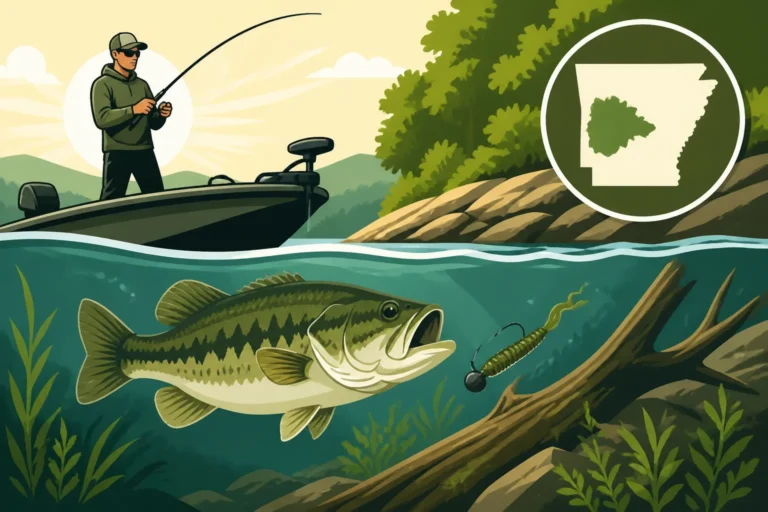
If you're looking for a bit more of a challenge and the excitement of a hard-fighting fish, largemouth bass are definitely biting in Arkansas during Free Fishing Weekend. While the peak of their spring spawn might be over, bass are still actively feeding and can be found relating to cover in various depths. They’re often recovering from the rigors of spawning and are looking for easy meals, making them susceptible to a variety of presentations.
For beginners, casting a simple plastic worm (like a Texas-rigged Senko) around submerged brush, weed lines, or fallen trees can be incredibly effective. Small crankbaits or spinnerbaits worked along points or creek channels are also great options. In the early mornings or late evenings, don't overlook topwater lures fished over sparse vegetation or near docks – the explosive strike of a largemouth can be truly exhilarating! Lakes like Beaver Lake, Greers Ferry Lake, and Bull Shoals Lake are renowned for their bass fishing. Always make sure you're aware of the Largemouth Bass Daily Limit in Arkansas to stay within legal bounds.
Catfish: Easy and Rewarding
For those who prioritize a relaxed fishing experience with a high chance of success, catfish are the perfect target during Free Fishing Weekend. They are abundant in many Arkansas waters, grow to impressive sizes, and are not particularly finicky eaters, making them incredibly accessible for new anglers. Early June is an excellent time for catfish, as the warming water really gets them on the prowl.
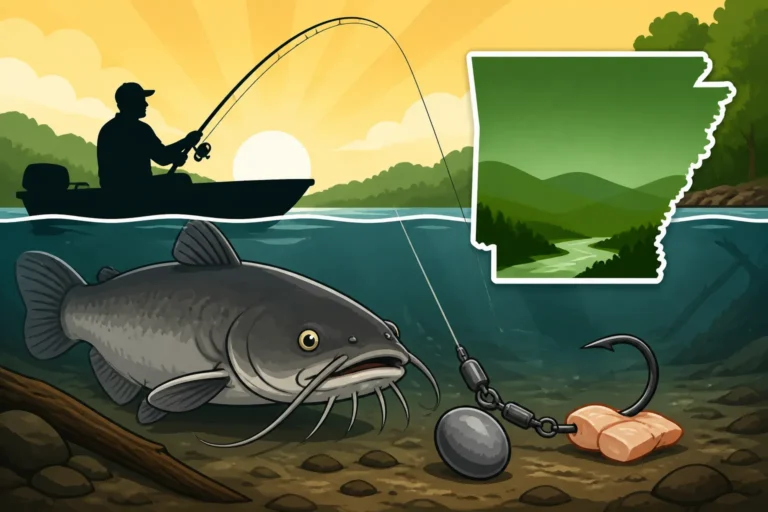
The beauty of catfish angling lies in its simplicity. A basic bottom fishing rig—a hook, a weight (like an egg sinker), and a swivel—is all you need. As for bait, catfish aren't picky! Popular choices include chicken livers, cut bait (like shad or sunfish), nightcrawlers, and various prepared stink baits. You can find many of these baits easily at local bait shops or even some pre-packaged options on Amazon if you plan ahead. Focus your efforts on deeper holes, river bends, the mouths of creeks, or main lake channels, especially during dusk and into the night when they are most active. Channel catfish are the most commonly caught species, but don't be surprised if you hook into a larger blue or flathead catfish in bigger rivers and reservoirs.
Panfish Galore: Bluegill and Bream
When it comes to introducing someone to fishing, especially children, you simply cannot beat the sheer joy of catching panfish. In Arkansas, this largely means bluegill and other types of bream. They are abundant, cooperative, and provide consistent action that can hook a new angler for life.
Why Panfish are Perfect for Beginners and Kids
Bluegill and other bream are the unsung heroes of beginner fishing. They're found in almost every pond, lake, and slow-moving river throughout Arkansas, making them incredibly accessible. Their aggressive nature means they're usually eager to bite, eliminating long periods of waiting that can quickly lead to boredom for younger or less patient anglers. Plus, their relatively small size makes them easy for little hands to handle, giving kids confidence in reeling in their own catch.
Beyond the ease of catching, panfish provide a fantastic sensory experience. Watching a bobber dip and disappear beneath the surface is pure excitement, and even a small bluegill puts up a spirited fight on light tackle. It's truly a foundational fishing experience, teaching basic casting, baiting, and fish-handling skills in a low-pressure environment. Many state parks, like those around Family-Friendly Fishing Spots at DeGray Lake State Park, have specific ponds or areas managed for panfish, making them ideal destinations for Free Fishing Weekend.
Best Baits and Rigging for Panfish
Fishing for panfish couldn't be simpler, which is another reason they're perfect for Free Fishing Weekend. You don't need fancy equipment or complex techniques. A simple cane pole or an ultra-light spinning rod and reel combo is more than sufficient. For bait, go natural and go small. Live worms (like red wigglers or pieces of nightcrawlers) and crickets are absolute magnets for bluegill. You can often find these at gas stations, convenience stores, and bait shops. Even small pieces of corn or bread can work in a pinch.
The classic rigging involves a small hook (size 8 or 10 is usually perfect), a tiny split shot weight a few inches above the hook to help cast and sink the bait, and a bobber. The bobber serves multiple purposes: it keeps your bait at a desired depth, and it provides a clear visual indicator when a fish bites. Cast your baited hook near lily pads, submerged vegetation, fallen logs, or around boat docks. These are the places where panfish love to hide and ambush their insect prey. You can easily find affordable pre-rigged bobber and hook kits or individual components on Amazon, making it super convenient to get geared up for a last-minute trip.
River Fishing Opportunities During Free Fishing Weekend
While lakes and ponds often get most of the attention during Free Fishing Weekend, Arkansas's rivers offer their own unique and exciting opportunities. Depending on where you are in the state, you can find a variety of fish species eager to bite, providing a different kind of angling experience compared to still waters.
Bass and Panfish in Warmer Rivers
Many of Arkansas's rivers, particularly in the central and southern parts of the state, offer fantastic fishing for bass and panfish. Rivers like the Arkansas River for Bass and Catfish, the Little Missouri River, or the Caddo River can be teeming with fish by early June. In these warmer, often slower-moving river sections, you'll find largemouth bass, spotted bass (also known as Kentucky bass), and various species of sunfish thriving.
These river fish often relate to current breaks, which are areas where the water flow is interrupted, creating a calmer spot behind an obstacle. Look for them behind fallen trees, large rocks, or in eddies along the bank. Casting small crankbaits, spinnerbaits, or plastic worms (similar to lake techniques) can be very effective for bass. For panfish, the same worm-and-bobber setup works wonders in slower pockets and backwaters. Wade fishing can be a particularly enjoyable way to access these river spots, allowing you to stealthily approach prime fish-holding cover. Just be mindful of water levels and currents, especially if you're unfamiliar with the river.
Important Note on Trout Streams
Now, this is an absolutely crucial point that cannot be overstated: Free Fishing Weekend does NOT waive the requirement for a trout permit on designated trout waters. Arkansas is famous for its incredible trout fisheries, particularly the tailwaters below major dams like the White River below Bull Shoals Dam or the Norfork Tailwater. These waters are managed specifically for trout, and a special Arkansas Trout Permit Rules is always required if you intend to fish for or keep trout in these areas.
Even if you're not planning to keep any trout and are simply practicing catch-and-release, the permit is typically still required in these specific zones. This is to help fund the robust stocking programs and management efforts that make these trout fisheries world-class. So, while the idea of free fishing might tempt you to try your hand at trout, please remember that the standard rules apply for these unique, cold-water environments. If you’re unsure about specific locations, always consult the current AGFC regulations or verify whether you need a Do you need a trout permit to keep trout in Arkansas?. Otherwise, stick to the warmer waters for your license-free angling adventure!
Gear Recommendations for Your Free Fishing Weekend
One of the beautiful things about Free Fishing Weekend is that it removes a financial barrier, making it easier for new anglers to try out the sport. You certainly don't need a boatload of expensive gear to have a successful and fun day. In fact, keeping it simple is often the best approach, especially for beginners.
Essential Basic Tackle for New Anglers
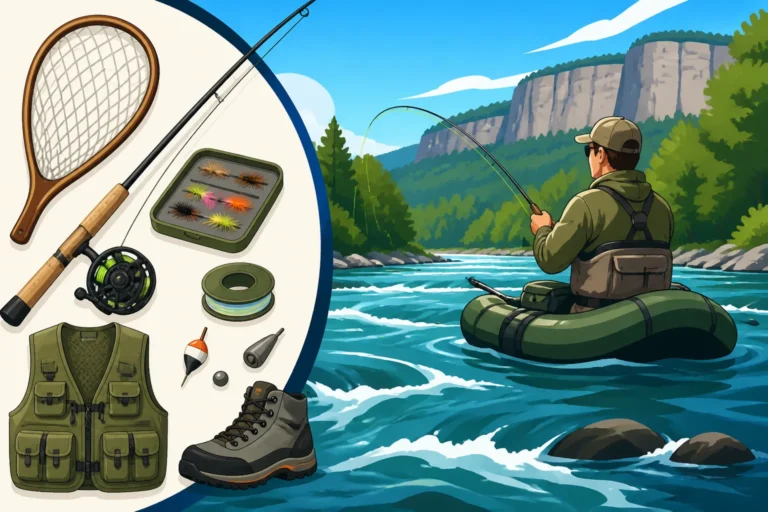
To get started, a basic spinning rod and reel combo is truly all you need. You can find very affordable yet reliable combos at sporting goods stores or even major retailers. A medium-light or medium action rod, about 6 to 7 feet long, spooled with 6-10 pound monofilament line, will be versatile enough for most species you'll encounter. This setup is forgiving for beginners and capable of handling everything from bluegill to a decent-sized bass or catfish.
Beyond the rod and reel, a small tackle box stocked with a few key items will serve you well:
- Hooks: A variety of sizes, from small (size 8-10) for panfish to medium (size 2-1/0) for bass and catfish.
- Sinkers: A selection of split shot weights and a few egg sinkers will cover most needs for bottom fishing or getting your bait down.
- Bobbers: Both small slip bobbers and fixed clip-on bobbers are useful.
- Swivels: Small barrel swivels (size 7-10) help prevent line twist.
- Lures: While live bait is great, having a few small artificial lures like Beetle Spins, small curly-tail grubs, or simple plastic worms can be fun to try for bass and crappie.
- Pliers/Forceps: Essential for removing hooks safely from fish, and from yourself if things get tangled!
- Line Clippers: Small scissors or nail clippers work fine for trimming fishing line.
Many of these beginner-friendly items, including basic tackle kits, can be conveniently ordered from Amazon and delivered right to your door before the big weekend.
Comfort and Safety Gear for a Fun Day
Beyond the fishing tackle, packing a few essential items for comfort and safety can make all the difference in turning a good day into a great one. You're going to be outside, likely for several hours, so preparation is key.
First and foremost, sun protection is a must. A wide-brimmed hat, sunglasses, and a good quality sunscreen with at least SPF 30 will protect you from Arkansas's strong June sun. Stay hydrated by bringing plenty of water; a cooler packed with ice and drinks is always a good idea. Snacks are also crucial, especially for kids, to keep energy levels up.
Depending on your fishing location, insect repellent can be a lifesaver, as mosquitoes and other biting insects can be prevalent near water in early summer. If you plan to be in or near a boat, or if you're fishing with children near deep or fast-moving water, life vests are non-negotiable for safety. Even if you're just fishing from the bank, wearing comfortable, quick-drying clothing and sturdy shoes will enhance your experience. A small first-aid kit for minor cuts or scrapes is also a smart addition to your fishing bag. Being prepared for the elements ensures you can focus on the fishing, not on discomfort.
Maximizing Your Free Fishing Weekend Experience
Free Fishing Weekend is more than just catching fish; it's about enjoying the outdoors, learning new skills, and making memories. While success in fishing is never guaranteed, there are several steps you can take to significantly increase your chances of a fun and productive outing.
Planning Your Trip and Spot Selection
A little bit of planning goes a long way, especially for Free Fishing Weekend. Start by checking the local weather forecast so you can dress appropriately and be prepared for any changes. While the licensing requirement is waived, understanding local water conditions, like water levels or recent rainfall, can give you an edge. Many local bait shops or online forums for Arkansas fishing often provide valuable, up-to-date fishing reports that can tell you what's biting where.
When choosing a spot, consider accessibility. For beginners and families, locations with easy bank access, picnic areas, and restrooms are ideal. Many Arkansas State Parks offer fantastic fishing access, some even with docks or piers, making them perfect for your Free Fishing Weekend outing. Think about places like Lake Frierson State Park, Village Creek State Park, or even the numerous small city or county-managed ponds. If you're targeting a specific species, research their preferred habitats; for example, if you want crappie, look for areas with submerged timber. Generally, fishing during the cooler parts of the day – early morning or late evening – often yields the best results as fish are more active.
Embracing the Learning Curve and Catch-and-Release
For many, Free Fishing Weekend might be their very first time holding a fishing rod. It’s important to approach the experience with an open mind and a sense of adventure. Don't get discouraged if the fish aren't biting immediately. Fishing is often called "the art of patience" for a reason! Use this time to practice casting, learn how to tie basic knots, and observe the natural environment around you. The goal isn't just a full stringer, but a full heart.
It's also a wonderful opportunity to learn about and practice ethical angling, including responsible catch-and-release. If you're not planning to keep your catch, or if you've already met your daily limit, learning how to properly release a fish ensures it swims away healthy to be caught another day. This involves handling the fish gently, minimizing its time out of water, and using wet hands to protect its slime coat. You might want to consider going to your local library or checking out videos on Amazon Prime Video beforehand to learn proper techniques. This mindful approach to fishing fosters a deep respect for wildlife and contributes to the sustainability of Arkansas's incredible fisheries.
What's Biting in Arkansas During Free Fishing Weekend Table
To help you quickly decide what to target, here’s a handy table summarizing the best species, optimal baits, and ideal locations for your Free Fishing Weekend adventure:
| Species | Best Baits | Ideal Locations | Beginner Friendliness | Notes |
|---|---|---|---|---|
| Crappie | Live minnows, small jigs (chartreuse, white) | Submerged brush, standing timber, boat docks, bridge pilings (8-20 ft deep) | High | Great for numbers. Fish around structure. Check local Crappie Size and Daily Limit in Arkansas. |
| Largemouth Bass | Plastic worms (Texas rig), crankbaits, spinnerbaits, topwaters | Weed lines, fallen trees, points, creek channels | Medium | More challenging but rewarding. Active in post-spawn. Best early/late. Remember Largemouth Bass Daily Limit in Arkansas. |
| Catfish | Chicken livers, cut bait, nightcrawlers, stink bait | Deeper holes, river bends, main lake channels, low-light conditions | High | Simple to catch, often large. Excellent for bank fishing, especially at dusk. |
| Bluegill/Bream | Worms (red wigglers), crickets, small artificial lures | Lily pads, docks, submerged vegetation, small ponds | Very High | Perfect for kids and new anglers. Constant action keeps it fun. |
| River Bass/Panfish | Plastic worms, small crankbaits, worms, crickets | Current breaks, eddies, fallen logs in warmer river sections (e.g., Arkansas River for Bass and Catfish) | Medium | Offers a different, often more active, experience. Be aware of currents. |
Disclaimer
Please remember that fishing conditions can vary greatly depending on weather, water levels, and other environmental factors. Always consult the latest Arkansas Game and Fish Commission regulations before heading out to ensure you are aware of all rules and requirements, including those for special permits like trout stamps. This guide is for informational purposes only and should not replace official regulations.