Best Lures for Post-Spawn Bass Fishing
Oh, the post-spawn period for bass fishing in Arkansas! It’s a time that can really test an angler's patience, often leaving you scratching your head wondering where all those big bass went. One minute they're on beds, the next they've seemingly vanished, leaving behind nothing but memories of aggressive strikes. If you've been struggling to connect with those finicky post-spawn largemouths and smallmouths, you're certainly not alone. This comprehensive guide is here to unravel the mystery, showing you exactly which lures to tie on to consistently catch bass during this sometimes-challengating transition.
Understanding Post-Spawn Bass Behavior in Arkansas Waters
Before we even talk about specific lures, it's crucial to understand what the bass are doing right after they finish their spawning duties in places like Lake Ouachita or Beaver Lake. This isn't like the pre-spawn frenzy where they're gorging themselves, or the spawn itself where they're locked onto beds. Post-spawn bass are often in one of a few states: exhausted and recuperating, guarding fry, or transitioning to their summer haunts. Knowing this behavior is the secret sauce to choosing the right bait.
The Recovery Phase
Immediately after the spawn, both male and female bass are typically quite depleted. The females, especially, have expended massive amounts of energy laying eggs, and the males have been tirelessly guarding the nests. This often means they’re not aggressively feeding. Instead, they’re looking for easy meals, or simply resting in nearby cover. You'll find them recuperating in slightly deeper water adjacent to spawning flats, often tucked into brush piles, submerged timber, or under docks. Think about those areas in Lake Conway or even the backwaters of the Arkansas River where the water might be a bit stained. They're not chasing fast-moving baits with gusto; they want something that appears vulnerable and requires minimal effort to ambush.
Guarding Fry and Fry Ball Dynamics
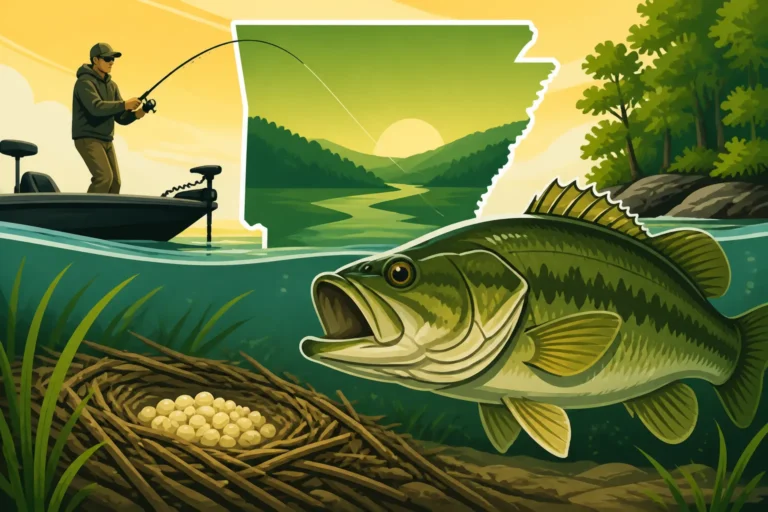
This is a really cool and important aspect of post-spawn behavior, primarily for the male bass. After the eggs hatch, the male bass will diligently guard the school of tiny fry, often for several weeks. These fry balls, as they're called, are like magnets for predators, so the male bass is constantly on high alert, chasing off anything that gets too close. This protective instinct is a prime opportunity for anglers. While the male isn't "feeding" in the traditional sense, he will aggressively strike anything perceived as a threat to his offspring. Lures that mimic small baitfish, bluegill, or even another bass can provoke these territorial strikes. You might see this happening along shallow grass lines or rocky banks on lakes like Greers Ferry Lake.
Transitioning to Summer Patterns
As the water temperatures continue to climb and the recovery phase wanes, bass slowly begin to shift towards their deeper, more stable summer patterns. This transition can be gradual, and you'll find bass scattered between shallow cover and offshore structures. Some might linger in the cooler, deeper pockets of coves, while others make a beeline for humps, ledges, or deep timber. During this period, their metabolism starts to pick up again, and they become more willing to chase. This is when a mix of presentations, from topwater to deep-diving crankbaits, can be effective, depending on where the fish are holding. Always pay attention to the water temperature; it's a huge indicator of what the fish are doing. For more on this, check out our guide on Post-Spawn Bass Fishing Patterns.
Top Lure Categories for Post-Spawn Success
Now that we've dug into the "why," let's get to the "what." Choosing the right lure for post-spawn bass fishing in Arkansas means presenting baits that appeal to either a recovering, a protective, or a transitioning fish. It's not about one magic bullet, but a versatile arsenal.
Soft Plastics: Versatility for Finicky Bass
When bass are lethargic or guarding fry, soft plastics are often your best friend. They can be presented slowly, mimicking an easy meal, or worked to provoke a territorial strike. The sheer variety available makes them incredibly adaptable.
Weightless Senkos and Stick Worms
These are absolute staples for post-spawn bass. Their subtle, natural fall is simply irresistible to bass that are a bit sluggish. Think about casting a 5-inch Yamamoto Senko or a Gary Yamamoto Custom Baits brand stick worm into pockets around boat docks, along sparse grass edges, or over submerged brush. The key is to let it sink on a slack line, allowing that tantalizing shimmy to do its work. Often, the strike comes on the fall, and it's a subtle tick rather than a violent thump. Many anglers stock up on these versatile baits on Amazon for convenience. This technique is fantastic for targeting individual fish you might spot guarding fry.
Creature Baits and Texas Rigs
When bass are tucked into thicker cover, such as brush piles or dense lily pads in the shallows of Lake Conway, a Texas-rigged creature bait is hard to beat. Brands like Zoom Bait Company and Strike King offer an array of creature baits that mimic crawfish or other aquatic critters. The Texas rig allows you to fish these baits weedless, minimizing snags as you punch through or drag them across cover. A slow drag and hop retrieve can be incredibly effective at drawing out a bass looking for an easy, protein-rich meal. This is also a great option when the fish are holding a bit deeper in timber. Our guide on How to Fish a Texas Rig for Bass goes into more detail.
Flukes and Jerkbaits
When bass are starting to transition and feed more actively, but aren't quite ready to chase a crankbait, a soft plastic jerkbait or "fluke" can be deadly. These baits, like the Zoom Super Fluke, can be twitched and paused to create an erratic, dying baitfish action. This is particularly effective around submerged vegetation, points, or over humps where bass might be cruising. It appeals to their predatory instinct without being overly aggressive. The key is to experiment with your retrieve – sometimes a long pause is all it takes to trigger a strike.
Topwater Lures: Explosive Strikes in the Shallows
The post-spawn period can be prime time for topwater action, especially in the early mornings, late evenings, or on overcast days. These lures are fantastic for bass that are cruising shallow flats, guarding fry, or recovering in low-light conditions.
Poppers and Chuggers
Nothing beats the adrenaline rush of a bass exploding on a topwater popper or chugger. These lures create a commotion on the surface that mimics a struggling baitfish or a bluegill, drawing strikes from protective male bass or those looking for an easy target. Cast them around shallow cover, over submerged grass, or near rocky banks. A classic Pop-R or a similarly designed chugger worked with a "pop-pause-pop-pause" retrieve can be incredibly effective. Consider trying this on the numerous coves of Lake Hamilton during those prime low-light hours.
Walking Baits
For a more subtle, yet equally enticing topwater presentation, walking baits like the Heddon Super Spook or a Zara Spook are excellent. These lures glide side-to-side across the surface in a "walk-the-dog" retrieve, mimicking a wounded baitfish. They are fantastic when bass are slightly more active but still prefer a horizontal presentation. Focus on open water adjacent to cover, points, or flats. The rhythmic action often calls fish up from surprisingly deep water.
Buzzbaits
If you're looking for a bit more aggression, a buzzbait can be a killer post-spawn option. The noisy blade churning on the surface creates a strong disturbance that can draw reaction strikes. This is especially effective when bass are protecting fry or when they've moved into thicker shallow cover like hydrilla beds. Reel it fast enough to keep it on the surface, varying your retrieve speed to find what the fish prefer. This can be great on lakes like Lake Dardanelle.
Crankbaits and Spinnerbaits: Targeting Deeper or Aggressive Fish
As bass move out of the immediate shallow spawning areas and start feeding more, reaction baits become incredibly productive. These lures cover water quickly and provoke aggressive strikes.
Shallow to Medium-Diving Crankbaits
When bass are recovering but still willing to chase a bit, or when they're transitioning to slightly deeper water (3-10 feet), a shallow to medium-diving crankbait is a go-to. Look for lures that mimic bluegill or shad, depending on the prevalent forage in your specific Arkansas lake. Cast them along channel swings, over submerged points, or around offshore humps. The deflection off cover can often trigger a strike from a wary bass. The Bomber Fat Free Shad is a classic choice for this scenario. Many anglers find a good selection of these on Amazon. Read more about How to Fish a Crankbait for Bass.
Spinnerbaits and Chatterbaits
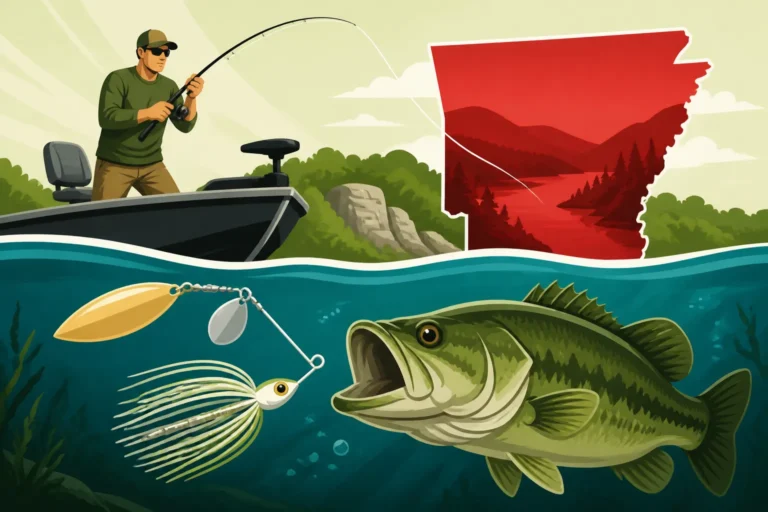
These are fantastic search baits for post-spawn, especially when you're looking for active fish or those guarding fry. A spinnerbait's flash and vibration can mimic baitfish or even a bluegill, drawing reaction strikes. Work them along grass lines, around stumps, or through sparse timber. Chatterbaits, like the Z-Man ChatterBait, combine the flash of a spinnerbait with the erratic action of a crankbait, creating a unique vibration that can be incredibly effective, especially in stained water or around active fry balls. Experiment with different blade combinations and skirt colors to match the conditions. You can learn more about How to Fish a Spinnerbait for Bass.
Comparing Lure Choices for Post-Spawn Bass
To help you make sense of all these options, here's a quick comparison of when and where to deploy each type of lure during the post-spawn period.
| Lure Type | Best Scenario | Target Depth | Retrieve Speed | Key Advantage |
|---|---|---|---|---|
| Weightless Senko | Lethargic/recovering bass, guarding fry | 0-10 ft | Slow, natural fall | Subtle, easy meal, weedless |
| Creature Bait | Heavy cover, deeper timber/brush | 3-20 ft | Slow drag/hop | Imitates crawfish/critters, weedless |
| Soft Plastic Fluke | Active but wary bass, open water cruising | 0-10 ft | Erratic twitch & pause | Mimics dying baitfish, versatile |
| Popper/Chugger | Low light, shallow cover, aggressive fry guarders | Surface (0-2 ft) | Pop-pause-pop-pause | High commotion, territorial strikes |
| Walking Bait | Low light, open water, active cruising | Surface (0-2 ft) | Walk-the-dog | Subtle, natural baitfish action |
| Buzzbait | Active shallow bass, thick cover, aggressive | Surface (0-3 ft) | Fast, steady retrieve | High disturbance, reaction strikes |
| Shallow Crankbait | Recovering/transitioning bass, open cover | 3-8 ft | Medium-fast | Covers water, triggers reaction, deflects off cover |
| Spinnerbait | Active bass, searching, grass/timber | 3-15 ft | Medium-fast, varied | Flash & vibration, covers water, reaction strikes |
| Chatterbait | Active bass, stained water, vegetation | 3-15 ft | Medium-fast, varied | Unique vibration, weedless, reaction strikes |
Seasonal Nuances and Water Conditions
Arkansas is a diverse state when it comes to fishing environments, from the clear, rocky waters of the Ozarks to the stained, timber-filled lakes of the Delta region. These variations directly impact the effectiveness of your post-spawn lure choices.
Clear Water vs. Stained Water
In clear water lakes like Bull Shoals or Beaver Lake, bass tend to be more wary. Your lure selection should lean towards more natural colors (green pumpkin, watermelon seed) and more subtle presentations. Weightless Senkos, unweighted flukes, and walking baits often shine here. The key is subtlety and realistic action. On the other hand, in stained or muddy waters, such as many areas of the Arkansas River or Lake Millwood, bass rely more on vibration and profile. This is where bright colors (chartreuse, white), louder crankbaits, spinnerbaits, and chatterbaits really come into their own. The increased water turbidity makes it harder for bass to see, so they detect baits through their lateral line.
Importance of Water Temperature
Water temperature is a critical factor throughout the fishing season, but especially during the post-spawn transition. As we discuss in our Arkansas Fishing Seasons Guide, cooler post-spawn temperatures (low 60s) might mean fish are still recovering and prefer slower, more subtle baits. As temperatures climb into the 70s and beyond, bass become more active and start moving towards their summer patterns, making reaction baits and faster retrieves more effective. Always carry a thermometer and pay attention to surface temps; it will tell you a lot about the bass's mood.
Wind and Cloud Cover
Don't underestimate the impact of weather. A little wind can often be your friend during post-spawn. It breaks up the water's surface, making bass feel more secure and less likely to spot you or your boat. This is an excellent time for topwater lures and spinnerbaits, as the chop makes their action even more enticing. Overcast conditions also tend to keep bass more active in shallower water throughout the day, whereas bright, sunny days will push them deeper or into dense cover, making finesse presentations more important.
Pro Tips for Maximizing Your Post-Spawn Lure Effectiveness
Beyond just choosing the right lure, how you present it and your overall approach can make a huge difference. These small adjustments can turn a slow day into a successful one.
Vary Your Retrieve
This is perhaps the single most important tip for post-spawn bass fishing. Bass can be incredibly finicky during this period. What worked yesterday might not work today, and what works for one fish might not work for the next. Experiment with retrieve speeds, pauses, and cadences. For a soft plastic, try long pauses versus short hops. For a crankbait, vary your reeling speed and try to deflect it off submerged structure. With topwater, change up the pop-pause rhythm. The fish will tell you what they want, but only if you give them options.
Focus on Transition Areas
Remember, post-spawn bass are often moving from their spawning flats to deeper summer holding areas. This means you should concentrate your efforts on the routes they take: secondary points, creek channel swings, points of islands, and the edges of flats where they drop off into deeper water. These "transition areas" act as highways and pit stops for bass. Look for cover along these routes – stumps, brush piles, rock piles, or even a lonely dock. This can be especially productive on lakes with a lot of structure, like Lake Ouachita.
Downsize Your Baits and Lines
Sometimes, less is more during the post-spawn. If bass are particularly lethargic or pressured, downsizing your lure size and using lighter line can make a big difference. Instead of a 5-inch Senko, try a 4-inch version. Move from a 1/2 oz spinnerbait to a 3/8 oz or even 1/4 oz. Lighter line (e.g., 8-10 lb fluorocarbon for finesse, 12-15 lb for light Texas rigs) can offer a more natural presentation and increase your strike ratio, especially in clear water. This applies even more so if you're targeting smallmouth bass on Arkansas's moving waters, as their natural forage might be smaller.
Don't Forget the Fry Guarders
As mentioned earlier, male bass guarding fry are incredibly aggressive towards anything they perceive as a threat. If you spot a dark spot moving in the shallow water, or a male bass suddenly darting out from under a dock, there's a good chance he's protecting a fry ball. Cast a small swimbait, a weightless fluke, or even a small topwater popper directly into the area. The strike might not be out of hunger, but out of pure territorial defense, and it can be one of the most exciting bites of the day!
Keep an Eye on the Forage
Finally, always observe what the bass are eating. Are you seeing schools of shad flicking on the surface? Or are there bluegill darting around docks? Matching the hatch, both in terms of lure size and color, can be incredibly effective. If shad are prevalent, opt for chrome, white, or translucent lures. If bluegill are the primary forage, green pumpkin, chartreuse, or even a bluegill-pattern crankbait might be the ticket. Adapting your presentation to mimic the local prey will always give you an edge, whether you're on Lake DeGray or any other fantastic Arkansas fishery. You can often find a wide variety of these specific color patterns on platforms like Amazon, making it easy to experiment without visiting multiple stores.
Navigating the post-spawn period can be a puzzle, but with the right understanding of bass behavior and a well-equipped tackle box, you can turn those frustrations into fantastic fishing memories. It's all about adapting, observing, and knowing which lure to reach for when those Arkansas bass are playing hard to get.
Disclaimer
The information provided in this guide is for general informational purposes only. Fishing conditions, regulations, and fish behavior can vary widely based on location, time of year, and other environmental factors. Always consult the latest regulations from the Arkansas Game and Fish Commission before heading out to fish. Fishing involves inherent risks, and safety precautions should always be taken.