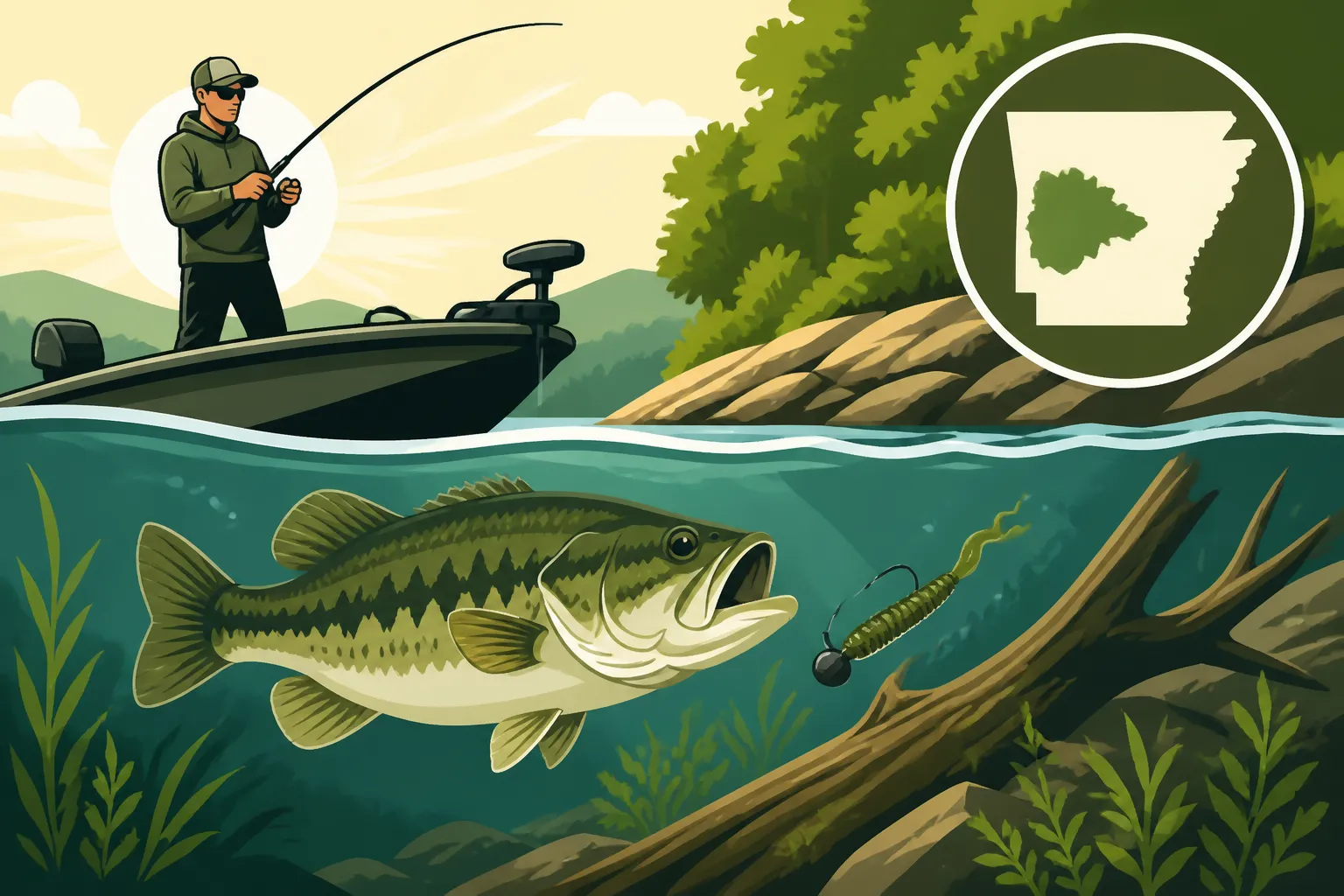
Post-Spawn Bass Fishing Patterns
The post-spawn period for bass fishing can be one of the most frustrating times on the water. You've just come off the excitement of the spring spawn, where bass were often predictable and aggressive, and now it feels like they've vanished into thin air. Many anglers find themselves struggling to locate fish and figure out what they want to bite. This comprehensive guide will help you understand the dynamics of post-spawn bass fishing patterns in Arkansas, offering practical strategies to turn those head-scratching days into successful outings.
Understanding the Post-Spawn Slump in Arkansas
After the intense biological imperative of spawning, bass enter a recovery phase that can make them incredibly challenging to catch. It's not that they're gone; they're just undergoing a significant change in behavior, location, and appetite.
Why Bass Become Elusive After Spawning
Imagine running a marathon and then being expected to immediately go out and sprint. That's essentially what bass do during the spawn. They expend a tremendous amount of energy building nests, guarding eggs, and protecting fry. This strenuous activity leaves both male and female bass exhausted, emaciated, and often injured. Their primary focus shifts from aggressive feeding and reproduction to recovery and healing. They often retreat from shallow, visible areas to more secluded, deeper waters where they can recuperate without the constant stress of defending a nest or expending energy on territorial disputes. This immediate post-spawn period, sometimes called the "post-spawn funk," is when anglers feel like the fish have simply disappeared. They're often lethargic, less interested in chasing baits, and much harder to entice.
Key Environmental Factors Affecting Post-Spawn Bass
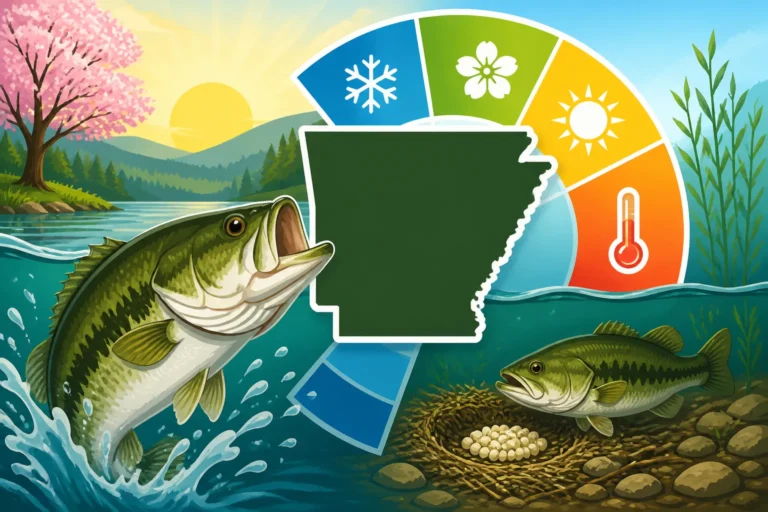
The environment plays a huge role in how quickly bass recover and resume their normal feeding patterns. Water temperature is paramount; as spring gives way to summer, rising water temperatures push bass deeper, seeking cooler, more stable conditions. In many Arkansas lakes, this means moving from shallow flats to creek channels or offshore humps. Oxygen levels can also become a factor, especially in deeper, stratified lakes during warmer months. Stable weather patterns are also beneficial for bass recovery. Sudden cold fronts or drastic changes in barometric pressure can prolong the post-spawn slump, making bass even more difficult to locate and trigger. Conversely, a stretch of warm, stable weather can accelerate their recovery and get them back on the bite sooner. Understanding these nuances is crucial for any angler planning a trip to catch bass.
The Post-Spawn Recovery Phase
The post-spawn period isn't a single, uniform stage; it’s a gradual transition from exhaustion to renewed vigor. Initially, right after they leave the beds, bass are at their weakest. Males might stick around the beds a little longer to guard fry, while females quickly move off to deeper water to rest and regain strength. As days pass, their energy levels slowly rebound, and they begin to seek out forage more actively. This recovery phase sees them moving from deeper resting spots to "staging areas" where they can ambush baitfish more efficiently. These staging areas are often transition zones between deep and shallow water, providing quick access to both security and feeding opportunities. Eventually, they'll fully recover and settle into their summer patterns, often congregating in schools in deeper, offshore locations. The duration of this recovery can vary greatly depending on the individual fish, the specific body of water, and prevailing environmental conditions.
Locating Post-Spawn Bass in Arkansas Waters
Finding post-spawn bass requires a significant shift in strategy from the pre-spawn and spawn periods. You can't just cruise the shallow banks and expect to find them anymore. They've moved, and so must you.
Targeting Transition Areas and Secondary Points
Once bass leave their spawning beds, they don't just disappear into the abyss. They often move to nearby transition areas that offer a combination of depth, cover, and access to food. Think about points that drop off into deeper water, the edges of submerged grass beds, or the mouths of creek channels. These are prime locations where bass can suspend, rest, and ambush baitfish. Secondary points, which are smaller points or humps inside a larger cove or bay, are particularly productive. These spots offer a natural stopping point for bass migrating from the shallow spawning grounds to deeper, main lake structure. They'll often hold fish for a few days or even weeks as they gradually move further out. Fan-casting these areas with search baits like crankbaits or spinnerbaits can help you quickly identify if fish are present. Look for any subtle changes in bottom contour or cover that could hold a recovering bass.
Focusing on Cover and Structure
Post-spawn bass, especially the females, are looking for comfort and concealment. This means they will gravitate towards various types of cover and structure. Submerged timber, brush piles, rock piles, ledges, and even docks provide shade, ambush points, and a sense of security. In lakes like Lake Ouachita or Greers Ferry Lake, the abundance of standing timber and rock bluffs offers countless hideouts. Bass might be tucked tightly into these spots, making them hard to detect with electronics, but they're there. Don't be afraid to slow down and meticulously work these areas. A flipping and pitching approach with jigs or Texas-rigged worms can be incredibly effective when bass are buried in dense cover. The key is to present your bait right into their living room, practically on their nose, to trigger a reaction bite.
Understanding Deep Water and Offshore Haunts
As the post-spawn period progresses and water temperatures rise, many bass will eventually migrate to deeper, more stable environments. This is where you start looking for offshore humps, deep points, ledges, and creek channels in the main lake. These are often the same areas where you'll find them during the peak of summer, just perhaps not in their full summer schooling patterns yet. Using your boat's electronics – specifically side-imaging and down-imaging – becomes absolutely critical here. You'll be looking for schools of baitfish, submerged brush piles, or even individual bass suspended over deeper water. While the initial post-spawn might see them in 5-15 feet of water, as summer approaches, they could be as deep as 20-40 feet or more, depending on the lake's thermocline. Pay attention to how the Post-Spawn Bass Fishing Patterns shift throughout the day, as fish might move up shallower to feed during low light conditions before retreating to deeper water as the sun climbs high.
Effective Lures and Techniques for Post-Spawn Bass
The post-spawn bite can be finicky, requiring a mix of aggressive and subtle presentations. Having a versatile tackle box is essential.
Topwater and Reaction Baits for Active Feeders
While many post-spawn bass are lethargic, there are always some active fish, especially during low-light conditions or when baitfish are schooling near the surface. This is when topwater lures can be absolutely deadly. Poppers, walking baits like a Heddon Super Spook, and buzzing frogs over matted vegetation can draw explosive strikes. The visual appeal and disturbance these baits create can sometimes trigger a reaction even from a sluggish bass. For slightly deeper, but still aggressive fish, reaction baits like spinnerbaits (especially tandem willow leaf blades for vibration and flash), bladed jigs such as the Z-Man ChatterBait, or lipless crankbaits can cover a lot of water quickly. These baits are excellent for probing grass lines, the edges of timber, or shallow points. The key is to match your retrieve speed to the bass's activity level – sometimes a fast, erratic retrieve works best, other times a slower, more methodical approach is needed.
Soft Plastics and Finesse Tactics for Finicky Bass
When bass are truly in their post-spawn funk, or when fishing pressure is high, finesse tactics with soft plastics often become the most consistent way to get bites. Texas-rigged worms, creature baits, and senkos are workhorses during this period. Weightless senkos fished around docks or sparse cover offer a slow, natural fall that's often irresistible. Drop-shot rigs excel when fish are suspended over deep structure or holding tightly to vertical cover. The ability to present a small, subtle bait directly in their strike zone without much movement is key. Neko rigs or shaky heads with small worms also shine, particularly when targeting How to Fish Deep Structure for Bass. These presentations mimic injured or easy-to-catch prey, appealing to bass that aren't willing to expend much energy chasing. Having a good selection of soft plastics in natural colors, especially greens and browns, will serve you well. You can find excellent selections of these baits on platforms like Amazon, offering a wide variety of brands and styles to experiment with.
Crankbaits and Jerkbaits for Covering Water
Crankbaits and jerkbaits are indispensable tools for locating and catching post-spawn bass, especially when you need to cover significant amounts of water. Shallow-diving crankbaits are great for probing those transition areas, secondary points, and the outer edges of grass beds. They effectively imitate baitfish and can deflect off cover, triggering reaction strikes. Medium and deep-diving crankbaits become critical as bass move deeper, allowing you to effectively target ledges, humps, and creek channels. Varying the retrieve speed, incorporating pauses, and "ripping" the bait through cover can provoke strikes. Jerkbaits, with their erratic darting action, are fantastic for enticing bass that are suspended or somewhat hesitant to commit. The key with jerkbaits is the pause; letting the bait suspend motionless for several seconds can often draw a strike from an otherwise uninterested fish. Experiment with different colors and sizes to match the local forage in Arkansas's diverse water bodies. A good general rule for How to Fish a Crankbait for Bass is to select one that dives just deeper than the target depth.
Adapting to Arkansas's Diverse Post-Spawn Conditions
Arkansas offers a huge variety of fishing environments, and what works on one lake might not work on another during the post-spawn.
Lake-Specific Strategies for Major Reservoirs
Arkansas is home to some incredible reservoirs, each with its own character during the post-spawn. On large, clear, deep lakes like Bull Shoals Lake or Norfork Lake, post-spawn bass often move quickly to deep, offshore structure. Here, long casts with deep crankbaits, jigging spoons, or Carolina rigs on main lake points and humps become essential. Understanding the thermocline and where baitfish are holding is crucial. For anglers seeking Largemouth Bass Fishing Tips for Beginners on Bull Shoals Lake, focus on main lake points and bluff ends where bass can transition between deep and shallow water.
In contrast, shallower, more stained lakes like Lake Conway or the timber-filled sections of Lake Ouachita might see bass relating more to standing timber, stumps, or submerged brush piles in slightly shallower depths. Flipping and pitching jigs or heavy Texas-rigged creature baits into dense cover will be more productive. On these lakes, the fish often don't go as deep, preferring to stay hidden within the vast amounts of structure. Each major reservoir demands a slightly nuanced approach based on its unique characteristics.
River and Stream Tactics for Moving Water
Fishing post-spawn bass in Arkansas's rivers and streams, such as portions of the White River or the Arkansas River, presents a different set of challenges and opportunities. Moving water typically means bass don't have to go as deep to find cooler, oxygenated water. Instead, they'll often hold in current breaks – eddies behind rocks, logs, or bridge pilings – where they can rest and ambush prey with minimal effort. Look for current seams, undercut banks, and feeder creek mouths. Smallmouth bass, in particular, will relate heavily to rock current breaks and gravel bottoms in clearer streams.
Spinnerbaits, small crankbaits, and soft plastics rigged on jig heads are excellent choices here. Position your boat or wade upstream and cast downstream, allowing your bait to drift naturally through potential holding areas. Pay close attention to subtle changes in current speed or bottom composition, as these are key indicators of where a post-spawn bass might be hunkered down, waiting for an easy meal. Smallmouth Bass Fishing on Bull Shoals Lake in its riverine sections often requires this exact kind of current-focused thinking.
Dealing with Changing Weather and Water Levels
Post-spawn bass, already recovering, are particularly sensitive to environmental changes. A sudden cold front can shut down the bite entirely, sending bass deeper and making them even more lethargic. When this happens, slow down your presentation, downsize your baits, and focus on vertical presentations like jigging spoons or drop shots in deep cover. On the other hand, a stable warm front can invigorate them, pushing them shallower to feed, making topwater and reaction baits more effective, especially early and late in the day.
Water levels, particularly on reservoirs, also play a crucial role. Rising water can push bass into newly flooded cover, like bushes or grass, creating new ambush points. Falling water, however, concentrates fish, often pulling them off shallow flats into adjacent creek channels or deeper main lake structure. Always check local lake conditions and weather forecasts before heading out. Sometimes, the best strategy is simply to wait out an extreme weather swing if the fish aren't cooperating.
Essential Gear and Setup for Post-Spawn Success
Having the right tools for the job can make all the difference when dealing with finicky post-spawn bass.
Rod, Reel, and Line Choices for Versatility
Versatility is key for post-spawn fishing, as you'll likely be rotating through various techniques. A good all-around setup would be a 7-foot medium-heavy action casting rod paired with a high-speed baitcasting reel (7.1:1 gear ratio or higher). This combination gives you the power for setting hooks and pulling fish out of cover, while also offering the sensitivity for finesse presentations. For line, fluorocarbon in 12-17lb test is a great choice for many moving baits and soft plastics due to its low stretch and abrasion resistance, which is perfect when fishing around rocky banks or submerged timber. For topwater or heavy flipping, 30-50lb braided line can be advantageous due to its strength and lack of stretch, especially when paired with a fluorocarbon leader. A dedicated spinning rod (6'9" to 7'2" medium action) with 8-10lb fluorocarbon or braided line is also invaluable for truly light finesse techniques like a shaky head or drop shot, where subtle bites are common.
Must-Have Accessories and Electronics
Beyond your basic rod and reel setups, several accessories can significantly improve your post-spawn success. A good pair of polarized sunglasses is non-negotiable for spotting subtle changes in water color, submerged cover, or even cruising fish, especially in clearer waters. A robust landing net helps secure those hard-fought bass, minimizing lost fish at the boat. As mentioned earlier, advanced electronics are your best friend for finding fish in deeper, offshore haunts. A high-quality fishfinder with side-imaging, down-imaging, and GPS mapping capabilities (like those from Humminbird or Garmin) can literally show you where the fish are hiding. This is particularly useful for identifying submerged brush piles, rock formations, and baitfish schools that indicate bass presence. Don't forget a well-stocked assortment of hooks, weights, and swivels appropriate for the various soft plastic and Texas-rigging techniques you'll employ.
Stocking Your Tackle Box with Post-Spawn Baits
Your post-spawn tackle box should reflect the diverse behaviors of bass during this period. You'll want a selection of:
- Topwaters: Poppers, walking baits, and frogs for those active morning/evening bites.
- Reaction Baits: Spinnerbaits (1/2 oz to 3/4 oz), bladed jigs, and lipless crankbaits for covering water and triggering strikes.
- Crankbaits: Shallow, medium, and deep divers in various colors to match local forage (e.g., shad, bream).
- Jerkbaits: Suspending models in natural colors for neutral to slightly active fish.
- Soft Plastics: An array of Texas-rig worms (7-10 inches), creature baits, senkos (5-6 inches), and finesse worms for shaky heads or drop shots.
- Jigs: Flipping jigs (3/8 oz to 1 oz) in black and blue or green pumpkin for heavy cover.
- Terminal Tackle: A variety of worm hooks (EWG and straight shank), bullet weights (1/8 oz to 1 oz), shaky head jigs, and drop shot weights.
Don't be afraid to experiment with colors. While natural colors generally work well, sometimes a bright chartreuse or bubblegum pink can trigger a reaction in stained water or when fish are highly pressured. Regularly checking what's new or highly-rated on platforms like Amazon can give you ideas for expanding your lure selection to stay ahead of the game.
| Lure Type | Target Depth | Presentation Focus | Conditions |
|---|---|---|---|
| Topwater | Surface | Imitate struggling baitfish, frogs | Low light, active |
| Spinnerbaits | Shallow-Mid | Vibration, flash, covering water | Stained water, wind |
| Crankbaits | Shallow-Deep | Mimic baitfish, deflect off cover | All-around, varied |
| Jerkbaits | Mid-Water | Erratic darting, long pauses | Clear water, neutral |
| Texas-Rigged Worms | All Depths | Weedless, subtle fall, through cover | Heavy cover, finicky |
| Drop Shot | Mid-Deep | Finesse, vertical presentation | Clear water, suspended |
| Jig | Bottom/Cover | Imitate crawfish, flipping heavy cover | Heavy cover, slow |
Common Mistakes and How to Avoid Them
Even experienced anglers can fall into traps during the post-spawn. Being aware of these common pitfalls can save you a lot of frustration.
Not Adjusting Your Approach from Pre-Spawn/Spawn
One of the biggest mistakes anglers make is continuing to fish the same areas and with the same techniques they used during the pre-spawn or spawn. Bass are no longer focused on beds; they're recovering and moving out. If you're still casting swim jigs to shallow spawning flats in June, you're likely to come up empty. You need to mentally "reset" your strategy. This means leaving those visible shallow targets and starting to probe those transition areas and deeper structures we've discussed. Your retrieve speeds might need to slow down significantly, and your bait choices should reflect bass that are less aggressive and more interested in an easy meal or a reaction strike. The fish have changed their address, and if you want to find them, you need to follow their lead. Thinking about the Pre-Spawn Bass Fishing Patterns and how they differ from current behavior is a critical first step.
Overlooking Key Forage and Baitfish
Bass, even when recovering, still need to eat. Understanding what their primary forage is and where that forage is located can give you a massive advantage. In many Arkansas lakes, shad and sunfish (like bream) are key components of the bass diet. Look for schools of baitfish on your electronics, especially suspended in open water or along creek channels. If you find the bait, you'll often find the bass nearby, even if they're not actively chasing. Match your lure size, color, and action to the prevalent baitfish. If bass are feeding on small shad, a smaller swimbait or a shad-pattern crankbait will be more effective than a large crawfish-pattern jig. Also, don't overlook crawfish, especially in rocky areas; a jig or creature bait in a brown or green pumpkin color can be deadly. Keeping an eye on what baitfish are doing also helps determine the Best Time of Day to Catch Bass during this period.
Patience and Persistence are Your Best Allies
Post-spawn fishing is rarely a wide-open bite. It can be a grind, with long periods of no activity interspersed with short bursts of feeding. This is where patience truly pays off. Don't get discouraged if you don't get a bite in the first few spots. Keep moving, keep trying different depths, and keep experimenting with different lures and retrieve speeds. Cover water, but also slow down and thoroughly pick apart promising areas. It might take dozens of casts to a brush pile with a jig to finally get a reaction. Persistence in trying new areas, working through different presentations, and maintaining a positive attitude will ultimately lead to more success. Remember, the fish are there; it's just a matter of figuring out their current mood and location. This period is a test of an angler's determination, and those who stick with it are often rewarded.
Disclaimer
Fishing conditions and regulations in Arkansas can change. Always consult the latest regulations set forth by the Arkansas Game and Fish Commission before heading out on the water. This guide is for informational purposes only and does not supersede official rules or guidelines.