How Big Do Striped Bass Get at Norfork Lake?
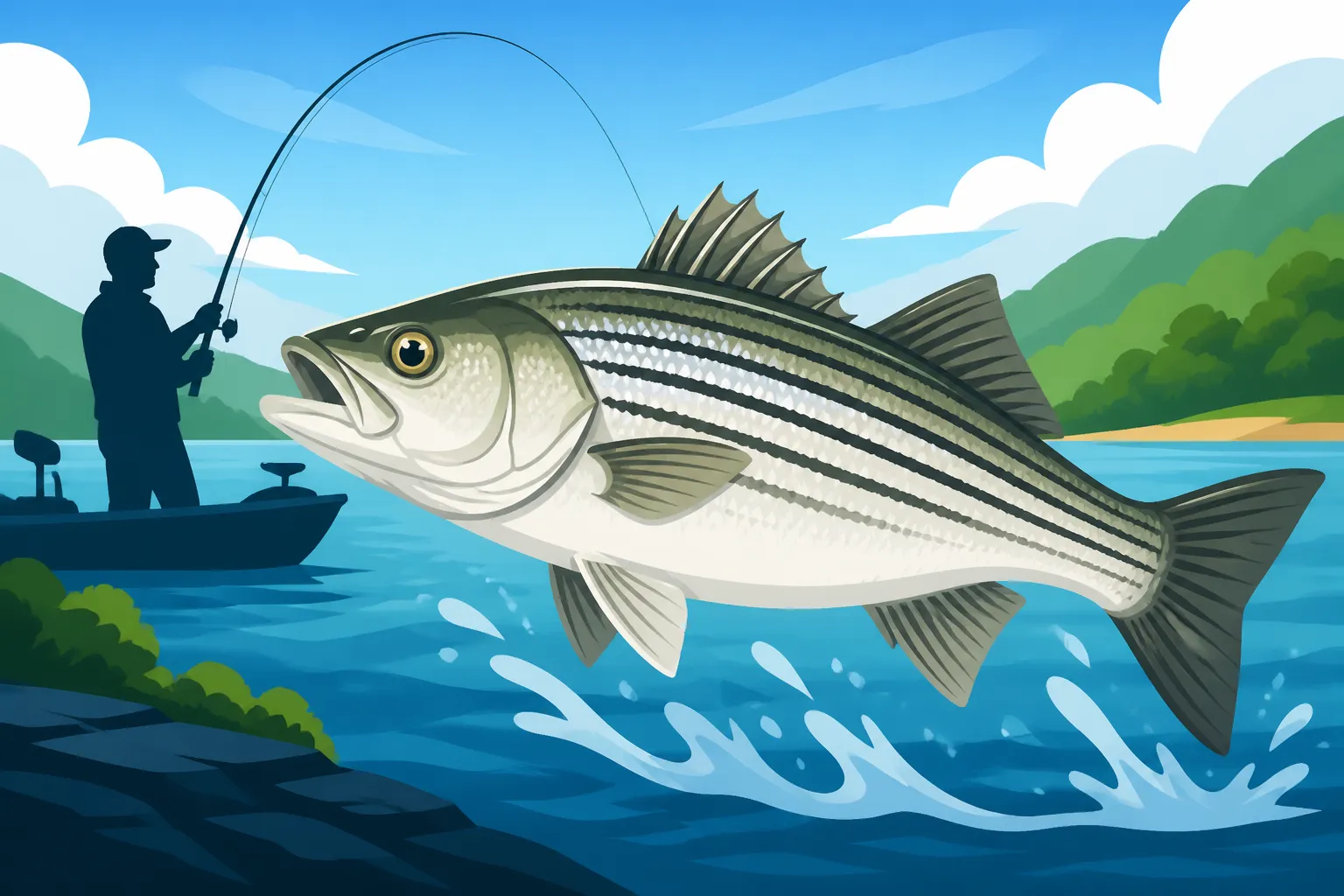
The thrill of chasing striped bass on Norfork Lake is something truly special for any angler in Arkansas. It’s a place where legends are born, and the question every angler has on their mind, whether they’re a seasoned veteran or a curious newcomer, is just how big those legendary Norfork Lake stripers can actually get. This guide will dive deep into the potential size of these incredible fish, exploring the factors that contribute to their immense growth and what you can realistically expect when you hook into one of Norfork's giants.
The Legendary Potential of Norfork Lake Striped Bass
Norfork Lake, nestled in the beautiful Ozarks, isn't just another body of water; it's a prime habitat for striped bass to grow to impressive, even record-breaking, sizes. Anglers often come here with dreams of tangling with a fish that will test their gear and their resolve, and Norfork rarely disappoints. The unique characteristics of this lake create an environment where stripers can thrive and reach truly massive proportions.
Why Norfork Lake is a Striper Heaven
What makes Norfork Lake such a powerhouse for striped bass? It really comes down to a perfect storm of environmental factors and robust fishery management. First off, Norfork is a deep, clear, cold-water reservoir. Stripers, especially the really big ones, prefer cooler, well-oxygenated water, and Norfork provides that in abundance, particularly in its deeper reaches. The lake's vast expanse means there's plenty of room for these pelagic fish to roam, find forage, and grow without feeling overly crowded.
Secondly, the forage base in Norfork Lake is exceptionally rich. Striped bass are voracious predators, and they need a consistent, high-quality food source to fuel their growth. Norfork is teeming with baitfish like threadfin and gizzard shad, which are essentially the protein shakes of the striper world. This constant supply of nutritious food allows stripers to pack on pounds rapidly. The management efforts by the Arkansas Game and Fish Commission also play a crucial role in maintaining a healthy population of both stripers and their prey, ensuring the ecosystem remains balanced and conducive to trophy fish production. You can learn more about Striped Bass Fishing in Arkansas in our dedicated guide.
The Phenomenon of Trophy Stripers
When we talk about "trophy" striped bass from Norfork Lake, we're not just talking about big fish; we're talking about truly monumental catches that push the scales. While many lakes across the country hold stripers, very few consistently produce fish that reach the sizes seen in Norfork. This is a lake where anglers routinely encounter stripers in the 20 to 30-pound range, and much larger fish are not uncommon. These are hard-fighting fish that demand respect and the right equipment.
The very largest specimens often come from anglers who dedicate themselves to understanding the lake's patterns, the fish's habits, and employing specialized techniques. It's not just luck; it's a combination of the right place, the right time, and the right approach. The allure of these giant stripers is a driving force for many anglers, drawing them back to Norfork season after season in pursuit of that fish of a lifetime. For those new to this pursuit, understanding Striped Bass Trolling Techniques can be a great starting point.
Average vs. Trophy Norfork Lake Striped Bass Sizes
It's important to distinguish between what constitutes an "average" catch on Norfork Lake and what we consider a true "trophy" fish. While any striper from Norfork is a powerful fighter, there's a significant difference between a good day on the water and landing a fish that will be talked about for years.
What to Expect on an Average Day
On a typical fishing trip to Norfork Lake, if you're targeting stripers, a successful outing might see you landing fish anywhere from 8 to 15 pounds. These are healthy, strong fish that put up a fantastic fight and are a blast to catch. Many anglers consider a 10-pound striper a solid catch, and you'll find plenty of them. These fish are often caught trolling with umbrella rigs, free-lining live bait, or even casting topwater lures during prime feeding windows.
Even an "average" Norfork striper will make your reel scream and your arms ache, providing an exhilarating experience that keeps anglers coming back. It’s important to have gear that can handle these strong runs; a medium-heavy rod with a reliable baitcasting or spinning reel spooled with at least 15-20 pound test line is a good starting point. For those looking for general Arkansas Fishing Seasons Guide, knowing when to go can increase your chances.
Chasing the Giants: Trophy Striper Dimensions
Now, for the big question: how big do they really get? Norfork Lake has a reputation for producing striped bass well into the 40 and 50-pound range. In fact, the lake has been known to yield some of the largest striped bass caught in inland waters anywhere. While specific records fluctuate and are updated regularly, it's not unheard of for stripers exceeding 60 pounds to be caught from Norfork Lake. These are truly rare, once-in-a-lifetime fish that require immense dedication, specialized techniques, and often, a bit of good fortune.
These massive stripers are often older fish that have survived many seasons, gorging themselves on Norfork's abundant shad population. They are incredibly powerful, capable of stripping hundreds of feet of line in a single run and testing every component of your tackle. Landing one of these giants is an epic battle that demands patience, skill, and the right strategy. You can imagine the story you'll have to tell after wrestling with a fish that size!
Here's a general comparison to set expectations:
| Category | Weight Range (Pounds) | Length Range (Inches) | Typical Age (Years) |
|---|---|---|---|
| Average Catch | 8-15 | 20-30 | 3-6 |
| Good Catch | 15-25 | 30-38 | 6-10 |
| Trophy Potential | 25-50+ | 38-50+ | 10-20+ |
This table is just a guideline, of course. Fish growth is highly variable, but it gives you an idea of the scale we're talking about at Norfork.
Factors Influencing Striper Growth and Size
Several critical elements contribute to how large a striped bass will grow in Norfork Lake. It’s a complex interplay of environmental conditions, genetics, and the fishing pressure they face. Understanding these factors can help you appreciate why Norfork stands out.
Food Availability and Diet
As mentioned, the abundance of forage fish like shad is paramount. Stripers are apex predators in the lake's food chain, and their growth is directly tied to how much they can eat. When shad populations are high, stripers have a seemingly endless buffet, allowing them to gain weight quickly. Conversely, if baitfish numbers decline for any reason, striper growth rates can slow down.
The size of the available baitfish also plays a role. Larger shad provide more calories, allowing stripers to grow more efficiently. It’s like us having access to a continuous supply of nutrient-dense meals versus having to hunt for scraps; the former is clearly going to lead to better growth. This healthy food chain is a key reason Norfork Lake can boast such large stripers.
Age and Genetics
Like all fish, striped bass grow throughout their lives, but their growth rate tends to slow down as they get older. The largest stripers are typically the oldest, having survived numerous seasons in the lake. Some individual fish may also have a genetic predisposition to grow larger than others, much like in any animal population. These "super-growers" are the ones that often become the record-breakers.
A striper's age can be estimated by examining its scales or otoliths (ear bones), which show growth rings similar to tree rings. The big, old fish have simply had more time to consume food and develop. This also means that catching a genuinely huge striper often involves targeting these older, more experienced fish that have learned to avoid anglers for years.
Water Quality and Habitat
Norfork Lake's excellent water quality, characterized by its deep, clear, and cool waters, is ideal for striped bass. These fish require specific oxygen levels and temperatures, especially when they reach larger sizes. The lake's structure, with its numerous coves, points, and deep channels, provides diverse habitats where stripers can ambush prey, seek shelter, and find comfortable temperature zones throughout the year.
The release of cold water from the bottom of the dam also contributes to favorable conditions, particularly for the trout fishery in the tailwater below, but the cooler main lake sections are crucial for stripers too. Proper habitat ensures that stripers have everything they need to not just survive, but to thrive and reach their maximum potential size. You can find more information on the species in this region in our Arkansas Fish Species: A Complete Guide to What's Swimming in Your Waters article.
Strategies for Targeting Norfork Lake's Largest Stripers
Catching an average striper on Norfork is fun, but if you're dreaming of a true giant, you'll need to adjust your approach. Landing one of those 30, 40, or even 50-pound beasts requires specific tactics, specialized gear, and a whole lot of patience.
Essential Gear for Big Stripers
Forget your light bass rod; when you're targeting Norfork's monster stripers, you need serious firepower. A heavy-action casting rod, typically 7 to 8 feet long, paired with a robust baitcasting reel capable of holding at least 300 yards of heavy monofilament or braided line is essential. Many anglers prefer braided line for its strength and sensitivity, often with a fluorocarbon leader for abrasion resistance and stealth. A line of 30-50 pound test is standard, but some go even heavier.
Your lures and bait need to match the size of the stripers you're after. Large live bait, like gizzard shad measuring 6-12 inches, is often the most effective. Heavy-duty hooks, swivels, and leader material are non-negotiable, as a weaker component will fail when that trophy fish decides to make its run. Investing in quality gear, perhaps from a trusted retailer like Amazon, is paramount; skimping on tackle is a surefire way to lose the fish of a lifetime. Always remember to check your knots!
Effective Techniques for Trophy Hunting
When targeting giant stripers on Norfork, precision and perseverance are key. Trolling large umbrella rigs or deep-diving crankbaits at specific depths where the fish are holding can be very productive. Downriggers are often employed to get baits to those deep thermal layers where big stripers lurk during warmer months. During cooler periods, or when fish are schooling on the surface, casting large topwater plugs or swimbaits can trigger explosive strikes.
Free-lining live shad is another highly effective method, especially when you can locate schools of stripers on your electronics. This involves letting a live shad swim naturally behind your boat, often weighted with a small sinker to keep it at the desired depth. This technique requires patience and careful boat control to present the bait convincingly. Sometimes, you'll find them suspended over deep points or along submerged creek channels. Learning to interpret your sonar and understand Deep Water Striper Fishing Techniques will give you a significant advantage.
Timing and Location
Understanding the seasonal movements and preferred habitats of Norfork's stripers is crucial. During the warmer months, big stripers will typically seek out deeper, cooler, more oxygenated water. This often means fishing main lake points, deep channels, and ledges. As water temperatures cool in the fall and winter, stripers may move into shallower coves and creek arms, following baitfish.
Early morning and late evening often provide the best bite, as stripers are typically more active during these low-light conditions. However, many trophy stripers are caught during the heat of the day by anglers meticulously working deep structure. Hiring a local guide, especially one specializing in trophy stripers, can drastically increase your chances, as they have an intimate knowledge of the lake's ever-changing patterns. They can also provide insights into Norfork Lake: One of Arkansas's Best Striped Bass Fisheries.
Keeping Your Catch and Regulations
Once you’ve successfully battled and landed a magnificent Norfork Lake striper, you’ll naturally want to know about keeping your catch and understanding the relevant regulations. It’s crucial to respect the rules to ensure the health and sustainability of this incredible fishery for generations to come.
Daily Limits and Size Restrictions
Like all game fish in Arkansas, striped bass on Norfork Lake are subject to specific daily limits and sometimes size restrictions. These regulations are in place to manage the population and prevent overfishing, ensuring there are always plenty of big fish for future anglers. While specific numbers can vary over time, a common daily limit for striped bass might be a certain number of fish, with a further restriction on the number of larger fish you can keep within that total. For instance, you might be allowed to keep a total of three stripers, but only one of them can be over a specific length.
It is absolutely vital to check the current Arkansas Game and Fish Commission (AGFC) regulations before you head out. These can be found on their website, at bait shops, or by picking up a copy of the annual fishing guide. Failing to adhere to these rules can result in penalties, which nobody wants after a fantastic day of fishing. Always measure your fish carefully if there's a size limit, and if it's not a legal keeper or you simply want to practice catch and release, ensure you handle the fish gently to maximize its survival chances. Arkansas Fishing Regulations Guide offers comprehensive details.
What to Do with Your Trophy Fish
If you've caught a true trophy striper and decide to keep it (within legal limits, of course), preparing it for the table is an option. Striped bass are excellent eating fish, especially when properly handled and cleaned shortly after being caught. Many anglers fillet their catch immediately, putting the fillets on ice to preserve freshness.
For those truly monumental catches you want to preserve as a memory, consider taking detailed measurements and high-quality photographs before carefully releasing the fish. There are taxidermists who specialize in creating replicas based on photos and measurements, allowing the fish itself to continue contributing to the fishery. If you do keep it, make sure you have a cooler large enough to accommodate such a large fish; these aren't small catches that easily fit into a standard lunchbox! It’s a great idea to have a large cooler from brands like Igloo or Yeti, readily available on Amazon, to keep your catch fresh for the journey home.
Importance of Conservation
The incredible size and abundance of striped bass in Norfork Lake are a testament to successful conservation and management efforts. As anglers, we all have a role to play in protecting this resource. Practicing responsible catch and release, especially for the largest breeding fish, helps ensure the future health of the population. Minimizing stress on released fish by using proper handling techniques, such as wet hands, quick release times, and minimizing air exposure, is crucial.
Remember, the goal is not just to catch fish, but to ensure that future generations can enjoy the same incredible fishing experiences we do. Understanding the life cycle of these magnificent fish and respecting their habitat will keep Norfork Lake a legendary striper destination for years to come. For more on general rules, check out Arkansas Fishing License Rules and Costs.
Disclaimer
This article is for general informational purposes only and does not constitute professional advice. Laws, prices and regulations vary by location and change over time. Consult a qualified professional for guidance on your specific situation.