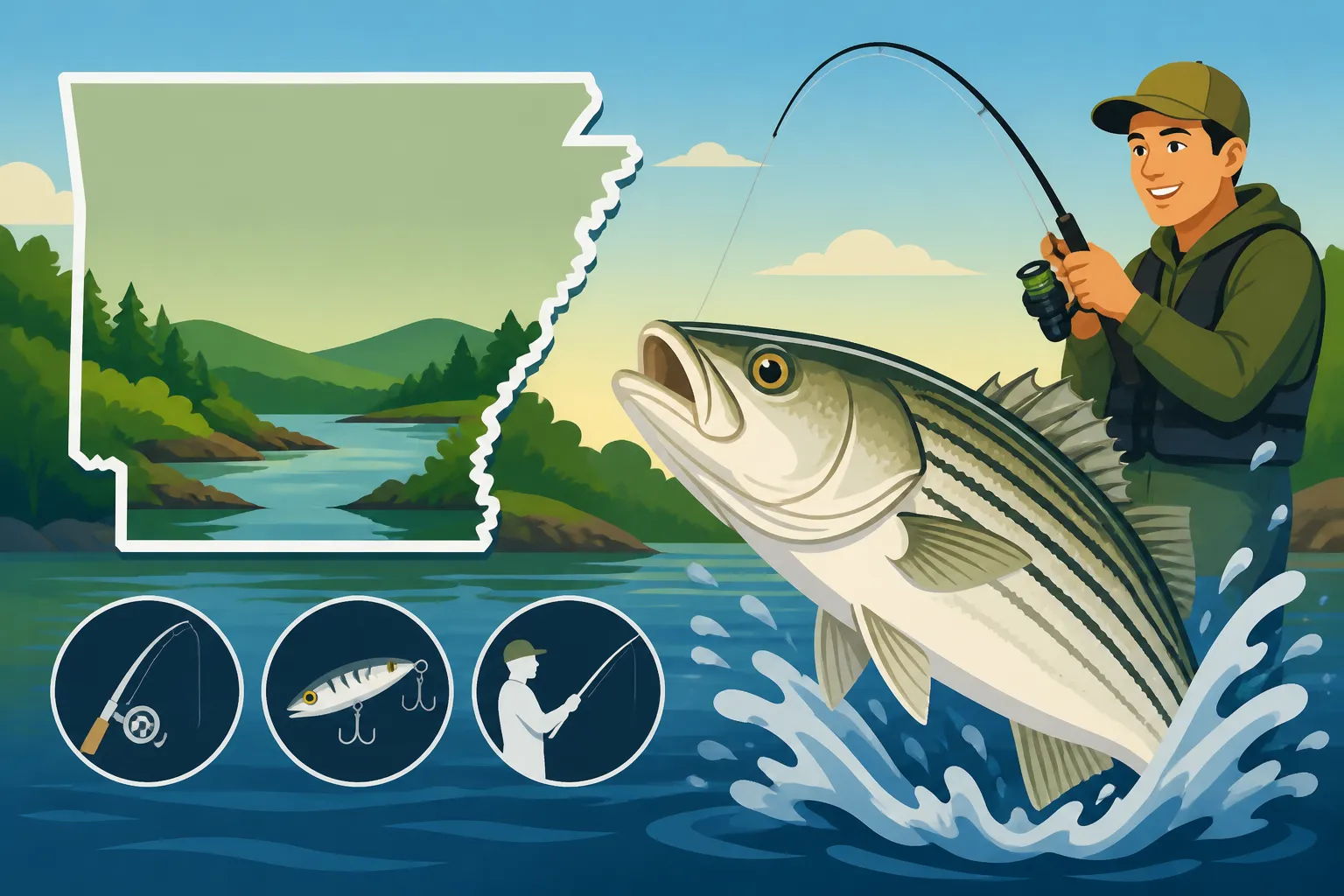
Striped Bass Fishing Tips for Arkansas Beginners
For many new anglers venturing into the waters of Arkansas, the thought of tackling a powerful striped bass can feel incredibly daunting. These aren't your average panfish; stripers are known for their brute strength, blistering runs, and elusive nature, leaving many beginners feeling overwhelmed about where to even begin. But don't let their reputation scare you off! With the right knowledge and a few solid tips, you can absolutely enjoy the thrill of catching these magnificent game fish. This guide will equip you with foundational knowledge and actionable advice to confidently embark on your first striped bass fishing adventure in Arkansas.
Understanding Arkansas's Striped Bass Fishery
Before you even think about casting a line, it's crucial to understand a bit about striped bass and the unique environments they inhabit here in Arkansas. These fish are not native to all our waters, but thrive in specific man-made reservoirs where conditions mimic their natural ocean-run habitats. Knowing where they are and what makes them tick is half the battle.
Prime Striped Bass Lakes in Arkansas
Arkansas boasts some truly world-class striped bass fisheries, largely thanks to our deep, clear impoundments that provide the perfect environment for these powerful predators. When you're just starting out, focusing on these known hotspots will greatly increase your chances of success.
The undisputed king of striped bass fishing in Arkansas is often considered Norfork Lake. This massive reservoir, straddling the Arkansas-Missouri border, is famous for its healthy population of stripers, including some absolute giants. Anglers here often target fish that can easily tip the scales into the trophy class. Similarly, Lake Ouachita and Lake Hamilton, both popular recreation lakes, also hold fantastic populations of striped bass. These lakes offer deep, clear water and an abundance of baitfish, like threadfin and gizzard shad, which are the primary diet of stripers. Imagine the rush when you hook into a fish that feels like it's trying to pull your arm off, only to realize it's a massive striper from one of these lakes! For more on this, you might check out Striped Bass Fishing at Arkansas's Norfork Lake or Striped Bass Fishing at Arkansas's Lake Hamilton. These environments provide ample space for stripers to roam, grow, and chase schools of bait, making them prime hunting grounds for anglers.
Striped Bass Behavior Basics
Striped bass are highly predatory and constantly on the move, usually in schools, relentlessly pursuing baitfish. Their behavior is heavily influenced by factors like water temperature, light conditions, and the location of their food source. As a beginner, understanding these fundamental patterns can help you predict where the fish might be.
In cooler months, stripers often stay a bit deeper but can be found in more predictable patterns, sometimes schooling up in creek channels or around underwater humps. As the water warms in the spring and fall, they become more active and will frequently push bait to the surface, resulting in explosive "topwater boils" that are an angler's dream. During the heat of summer, stripers tend to seek refuge in deeper, cooler water, often suspending over structure or congregating around thermal stratification lines. They are also highly sensitive to light, often feeding most aggressively at dawn, dusk, or even throughout the night, especially in clear water. This relentless pursuit of bait is key to their nature; if you can find the bait, you're usually close to the stripers. Observing bird activity, like gulls diving into the water, can often clue you into surface feeding activity, indicating stripers pushing bait from below.
Essential Gear for the Beginner Striper Angler
You wouldn't bring a butter knife to a sword fight, and the same goes for striper fishing. These fish are strong, and having the right equipment isn't just about catching them; it's about being able to handle their power and land them safely. Don't skimp on your gear here; it will pay off in the long run.
Rods, Reels, and Line for Serious Striper Action
When it comes to rods and reels for striped bass, think heavy-duty. You'll need equipment capable of withstanding powerful runs and hauling in substantial fish. For rods, a medium-heavy to heavy action rod, typically 7 to 8 feet in length, is a good starting point. This length provides good casting distance and enough backbone to control a fighting fish. Paired with this, you'll want a sturdy spinning reel or a baitcasting reel with a reliable drag system and good line capacity. Look for reels in the 4000 to 6000 size range for spinning, or comparable baitcasters. The drag system is paramount, as a smooth drag prevents line breakage during those explosive initial runs. Many anglers find great value in brands known for their durability. You can browse various options and read reviews on platforms like Amazon to get a sense of what's available and fits your budget, looking for reels specifically designed for saltwater or heavy freshwater use, as these will stand up to stripers.
As for line, braided line is a popular choice due to its incredible strength-to-diameter ratio and lack of stretch, which provides excellent sensitivity. A braided line ranging from 30 to 50 lb test is a solid choice. You'll typically tie on a fluorocarbon leader of 20 to 40 lb test, which is nearly invisible in the water and abrasion-resistant, essential for sharp-toothed stripers around structure. Monofilament can also work, especially for trolling, but its stretch can sometimes make it harder to feel subtle bites. Consider the full setup: a robust rod, a reel with a superior drag, and strong, reliable line.
Lures, Baits, and Tackle That Attract Stripers
Striped bass are not particularly picky eaters, but they do respond well to offerings that mimic their natural prey. Having a selection of proven lures and the right live bait options can make a huge difference.
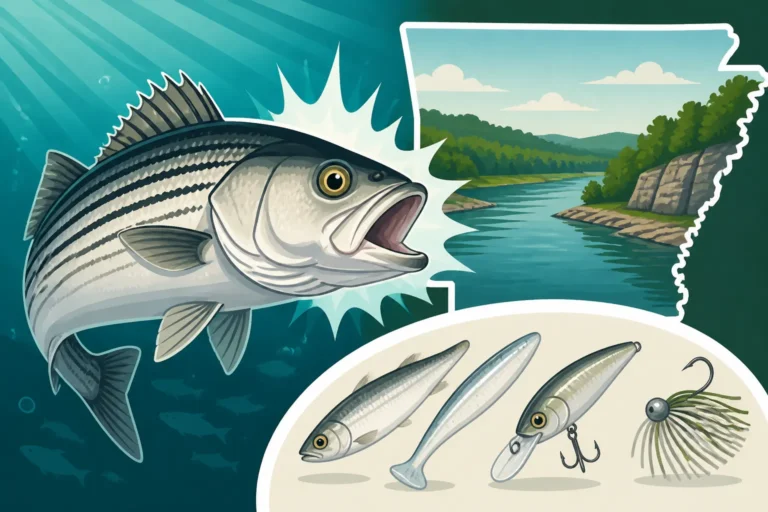
For lures, topwater plugs, large crankbaits, and big swimbaits are incredibly effective. Topwater lures, like poppers or walk-the-dog baits, are thrilling when stripers are busting on the surface. Imagine a large striper exploding on your lure, showering water everywhere – it's an unforgettable experience! Deep-diving crankbaits work well when trolling or casting to deeper schools. Soft plastic swimbaits, often rigged on heavy jig heads, are versatile and can imitate shad perfectly. When purchasing these, ensure they are durable enough to withstand repeated strikes from powerful fish. On Amazon, you can find multipacks of swimbaits or individual high-quality crankbaits. For live bait, gizzard and threadfin shad are hands-down the most effective. Learning how to cast net for your own bait is a valuable skill, or you can purchase them from bait shops if available. If live bait isn't an option, large shiners or even cut bait can sometimes entice a bite. Don't forget heavy-duty swivels, snaps, and appropriate sinkers if you plan on fishing vertically or with live bait. Hooks should be strong and sharp; consider something like a 6/0 to 8/0 circle hook for live bait fishing to ensure good hooksets and minimize deep hooking.
Essential Accessories for a Successful Trip
Beyond the core fishing tackle, a few key accessories will make your striper fishing experience safer, more comfortable, and more successful.
A good-sized landing net with a rubberized mesh is crucial for safely landing large stripers without injuring the fish or yourself. These fish are big and can cause quite a commotion boatside. A strong pair of pliers for hook removal is non-negotiable, as is a good measuring tape or bump board to ensure your catch meets legal size requirements. A large cooler filled with ice is also essential, especially if you plan on keeping your catch. Stripers are excellent table fare, but need to be kept cold immediately. Finally, safety gear such as a first-aid kit, life jackets, and a marine radio or fully charged cell phone are vital, especially on larger lakes where weather can change quickly. Sunglasses and a hat are also recommended for protection from the sun, and don't forget plenty of water and snacks for those long days on the water.
| Gear Category | Recommended Item | Key Features for Striper Fishing |
|---|---|---|
| Rod | Medium-Heavy to Heavy Action Spinning or Baitcasting | 7-8 feet length, strong backbone for fighting large fish, good casting distance |
| Reel | Spinning (4000-6000 size) or Baitcaster | Robust drag system, high line capacity, durable construction |
| Line | Braided Line (30-50 lb test) | Low stretch for sensitivity, high strength-to-diameter, paired with a fluorocarbon leader |
| Leader | Fluorocarbon (20-40 lb test) | Invisible in water, abrasion resistant, prevents line breakage |
| Lures (Topwater) | Poppers, Walk-the-Dog baits | Mimic struggling baitfish, create surface disturbance, effective during low light |
| Lures (Subsurface) | Large Crankbaits, Swimbaits (soft plastic) | Deep-diving for suspended fish, realistic baitfish imitation, durable for strong bites |
| Live Bait | Gizzard/Threadfin Shad | Primary food source, highly effective, best when fresh and lively |
| Hooks | Circle Hooks (6/0-8/0) | Essential for live bait, promotes jaw hooking, reduces gut hooking, strong and sharp |
| Landing Net | Large, Rubberized Mesh | Safely lands large fish, protects fish slime coat, prevents hook snags |
| Pliers | Long-Nose or Heavy-Duty | Safe and easy hook removal, essential for toothy fish |
| Cooler | Large, Insulated | Preserves catch quality with ice, keeps food/drinks cold |
| Safety | Life Jackets, First-Aid Kit, Communication Device | Personal safety, emergency preparedness, essential on large bodies of water |
Basic Techniques for Landing Arkansas Stripers
Once you have your gear sorted, it's time to talk tactics. Striped bass are often caught using a few primary methods, and as a beginner, mastering one or two of these will give you a great foundation for success.
Trolling and Downrigging: Covering Water Efficiently
Trolling is perhaps one of the most effective ways to locate and catch striped bass, especially on vast lakes like Norfork or Bull Shoals. It involves moving slowly through the water, dragging lures behind the boat at varying depths. This method allows you to cover a lot of water and present your lure to a wide range of fish. When trolling, you might use large crankbaits that dive to specific depths, or you can use planer boards to spread your lines out and cover a wider path.
For targeting deeper-dwelling stripers, downriggers are incredibly useful. A downrigger uses a heavy cannonball weight to carry your fishing line, with the lure attached, down to a precise depth. When a fish strikes, the line pops out of a release clip, allowing you to fight the fish directly without the weight of the cannonball. This technique is especially effective during the summer months when stripers are holding in cooler, deeper water. You'll want to experiment with different depths and speeds until you start getting bites, paying close attention to your electronics for signs of baitfish and fish arches. Many experienced anglers meticulously track their trolling patterns and depths. You can find robust downrigger setups on Amazon if you want to explore this technique further. For more detailed information, consider reading Striped Bass Trolling Techniques or Deep Water Striper Fishing Techniques.
Live Bait Fishing: The Gold Standard for Big Stripers
For many seasoned striper anglers, nothing beats live bait. Presenting a lively shad to a hungry striper is often the quickest way to entice a strike, especially from larger, more cautious fish.
The most common live bait presentation involves "freelining." This simply means hooking a live shad through the nose or back and letting it swim naturally behind the boat, with little to no weight. The key is to find schools of stripers on your sonar and position your boat upwind or upcurrent, allowing your bait to drift naturally into the fish. Sometimes, if the fish are deeper, you might add a small split shot or an egg sinker above a swivel to get the bait down faster. Another effective method is using a balloon or float to keep your bait at a specific depth, preventing it from swimming too deep or tangling. This method is fantastic when stripers are suspended at a consistent depth. Keeping your live bait healthy and active is critical, so a good bait tank with aeration is a worthwhile investment. When you see your rod tip violently bend and line start peeling off, you know a striper has found your bait!
Casting and Retrieval: Targeting Surface Action
When stripers are actively feeding on the surface, pushing baitfish into a frenzy, casting lures can be incredibly exciting and productive. This is often referred to as a "striper boil" or "topwater bite."
In these situations, quickly casting a topwater plug or a large soft plastic swimbait into the commotion is the way to go. The key is to get your lure into the feeding zone as fast as possible. For topwater lures, a steady retrieve that makes the lure "walk" or "pop" on the surface can drive stripers wild. For swimbaits, a simple cast and retrieve, allowing the lure to swim naturally, is often all it takes. Sometimes, allowing the swimbait to sink for a few seconds before retrieving can entice fish holding just below the surface activity. Pay attention to the direction the fish are moving and try to cast ahead of them. This is an active and visually thrilling way to catch stripers, offering some of the most memorable moments in fishing. Always be ready for a powerful strike right at the surface!
Timing Your Striper Adventure and Key Considerations
Catching stripers isn't just about having the right gear and techniques; it's also about being in the right place at the right time. Understanding the seasonal and daily patterns of these fish can significantly boost your success.
Best Seasons and Times of Day for Stripers
Arkansas stripers follow distinct seasonal patterns. Spring and fall are often considered prime times for surface action and shallower bites. During these periods, water temperatures are comfortable for stripers, and baitfish are often more active near the surface or in shallower coves. This is when you're most likely to encounter those exhilarating topwater explosions. Many anglers find the months surrounding the Norfork Lake Striped Bass Season to be particularly productive.
As summer heats up, stripers retreat to deeper, cooler waters, making trolling with downriggers or deep-water live bait presentations more effective. Early mornings, late evenings, and even night fishing can be incredibly productive during the summer, especially for larger fish that become more active under the cover of darkness. In winter, stripers will often school up tightly in deep channels, making them a bit harder to locate but potentially easier to catch once found. Dawn and dusk are almost always good times to fish for stripers, regardless of the season, as these low-light conditions provide an advantage for the ambush predators.
Weather and Water Conditions
Striped bass are influenced by weather, just like any other fish. Overcast days can sometimes extend surface feeding activity, as the diffused light makes them feel more comfortable hunting in shallower water. Strong winds can create current and push baitfish, concentrating stripers in certain areas. Conversely, a rapidly approaching cold front can often shut down the bite temporarily as fish become lethargic.
Water temperature is a critical factor. Stripers generally prefer water temperatures in the 55-70 degree Fahrenheit range. Understanding how temperature varies at different depths can help you locate the fish throughout the year. Your boat's sonar and temperature gauge become invaluable tools in this regard. Keep an eye on the weather forecast and check water reports if available from local bait shops or guides. A little research into current conditions can give you a significant edge.
Safety and Arkansas Regulations
Safety should always be your top priority, especially when fishing on large reservoirs that can quickly become rough. Always wear a life jacket, especially when moving at high speeds or in choppy conditions. Inform someone of your float plan, including where you're going and when you expect to return.
Beyond personal safety, it's absolutely critical to be aware of and abide by Arkansas fishing regulations. This includes having the correct fishing license, understanding species-specific length limits, and adhering to daily creel limits for striped bass. These regulations are in place to ensure the health and sustainability of our fisheries. For example, there might be specific rules on How Big Do Norfork Lake Stripers Get? or general guidelines regarding Arkansas Fishing License Rules and Costs. Always carry your valid Arkansas Fishing License Rules and Costs and any necessary permits. Regulations can change, so always check the latest guide from the Arkansas Game and Fish Commission before you head out. Being a responsible angler not only protects the resource but also ensures you have a worry-free day on the water.
Disclaimer
This article is for general informational purposes only and does not constitute professional advice. Laws, prices and regulations vary by location and change over time. Consult a qualified professional for guidance on your specific situation.