Arkansas Fish Species: A Complete Guide to What’s Swimming in Your Waters
It can feel overwhelming when you first dip your toes into Arkansas fishing, looking at a vast lake or a winding river and wondering, "What in the world is actually swimming in here?" You've heard tales of monster bass, feisty trout, and slab crappie, but knowing what fish call these waters home and how to even tell them apart is a whole different ballgame. This guide is here to untangle that mystery, giving you a comprehensive look at the diverse and abundant fish species that make Arkansas a true angler's paradise.
Why Arkansas is a Freshwater Angler's Dream
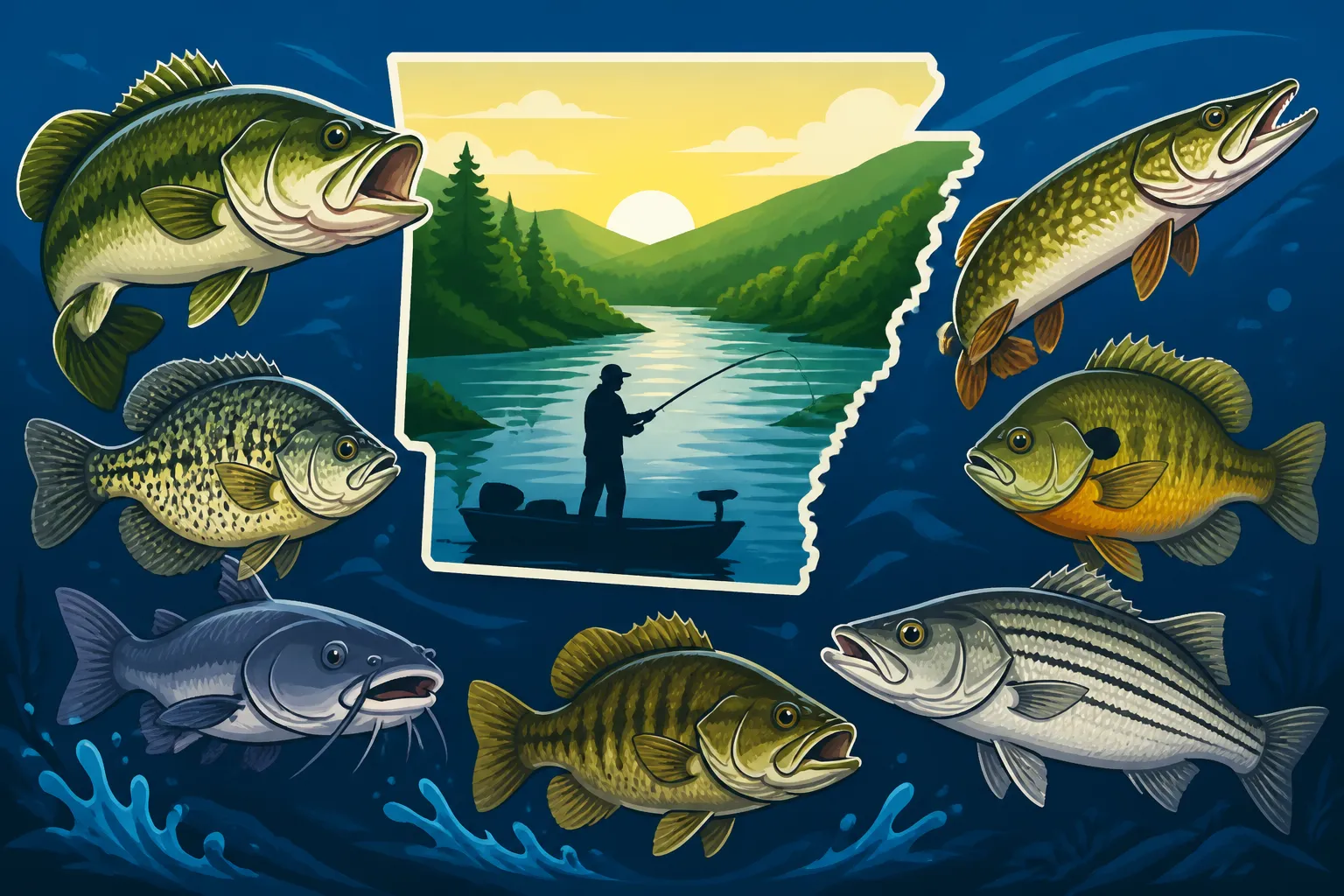
Arkansas truly earns its nickname, "The Natural State," especially when it comes to its incredible array of freshwater fish. From the cold, clear tailwaters of the Ozarks to the warm, timber-filled lakes of the Delta, you'll find an astonishing variety of aquatic environments, each supporting its own unique fish communities. This isn't just a state with a few good fishing holes; it's a living, breathing testament to biodiversity, offering anglers opportunities to pursue nearly 200 different species.
A Tapestry of Aquatic Ecosystems
What makes Arkansas so special for fish is its diverse geography. You have the mountainous regions of the Ozarks and Ouachitas with their rocky, spring-fed rivers and deep, clear reservoirs. These areas are prime territory for species like smallmouth bass and various trout. As you move eastward, you encounter the flatter lands of the Arkansas Delta, characterized by slow-moving rivers, oxbow lakes, and bayous, which are perfect for catfish, crappie, and largemouth bass. This gradient creates a fascinating "fish ladder" where different species thrive in their preferred habitats, offering anglers a constantly changing experience depending on where they cast their line.
Abundance and Accessibility
One of the greatest joys of fishing in Arkansas is not just the variety, but the sheer abundance of fish, often in places that are surprisingly accessible. Many of our state parks offer excellent bank fishing opportunities, complete with piers and easy access for families. The state's dedication to fisheries management, including stocking programs and habitat restoration, ensures that these populations remain healthy and robust year after year. Whether you're a seasoned pro with all the latest gear from Amazon or a beginner just starting with a simple rod and bobber, you're likely to find success. This commitment to maintaining healthy waters means you're not just fishing; you're participating in a vibrant, sustainable outdoor tradition.
The Mighty Bass Family: Kings of Arkansas Waters
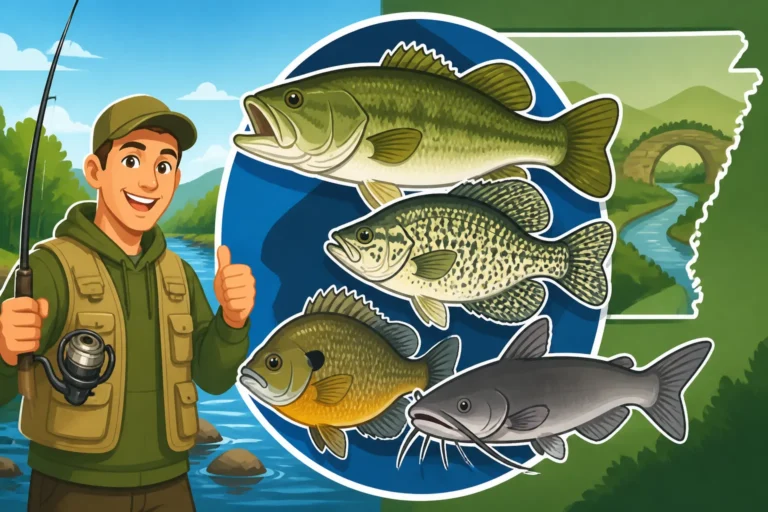
When you talk about game fish in Arkansas, the conversation almost always starts with bass. These powerful, intelligent fish are a challenge and a thrill to catch, and Arkansas boasts several popular species that draw anglers from all over. They're not just fun to catch; they're also a vital part of the state's angling economy and culture.
Largemouth Bass: The Classic Fighter
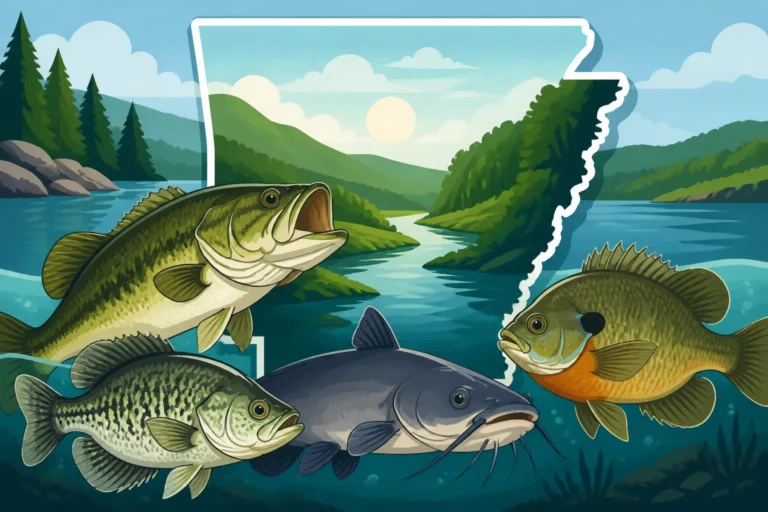
The largemouth bass ( Micropterus salmoides) is arguably the most sought-after freshwater game fish in North America, and Arkansas is no exception. These fish are characterized by their large mouths, which extend beyond the eye when closed, and a dark, horizontal stripe running down their olive-green body. They thrive in warm, fertile waters with plenty of cover, making lakes like Ouachita, DeGray, and Conway prime largemouth territory. They love hiding in submerged timber, lily pads, and brush, ambushing their prey with explosive strikes.
Anglers targeting largemouth bass use a wide variety of techniques, from topwater frogs over matted vegetation to deep-diving crankbaits along structure. The thrill of a largemouth smashing a surface lure is an experience every angler cherishes. For those looking to master this species, understanding their seasonal patterns, particularly during the spawn, is crucial. You can find robust populations in almost every major reservoir in the state, offering consistent action whether you're fishing from a boat or the bank.
Smallmouth Bass: The River and Rock Dweller
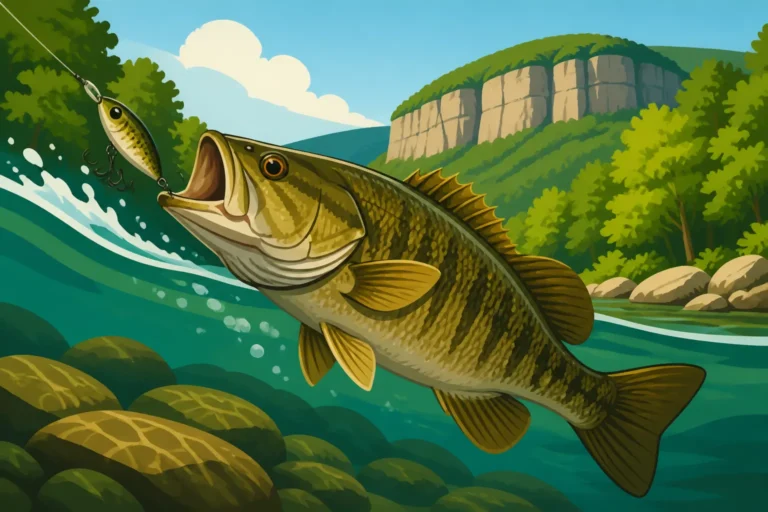
If you prefer the challenge of clear, rocky rivers and deep, cool lake points, then the smallmouth bass ( Micropterus dolomieu) is your quarry. Often found in the cooler, faster-moving waters of the Ozark streams and the deeper sections of lakes like Bull Shoals and Beaver, smallmouths are known for their incredible fighting ability, often leaping clear of the water when hooked. They have a smaller mouth compared to their largemouth cousins, with the jawline not extending past the eye, and vertical bars or mottling on their sides instead of a distinct horizontal stripe.
Fishing for smallmouths often involves lighter tackle and more finesse presentations, although they can be aggressive. Look for them around rocky points, ledges, gravel bars, and current seams in rivers. Smallmouth bass are incredibly sensitive to water quality and habitat, so their presence is often a good indicator of a healthy, clean ecosystem. They offer a fantastic challenge for anglers who enjoy a more strategic approach to their fishing. Check out Smallmouth Bass in Arkansas's Ozark Streams for more specific locations and tips.
Kentucky Bass (Spotted Bass): The Overlooked Gem
The Kentucky bass, also known as the spotted bass ( Micropterus punctulatus), often gets mistaken for its more famous relatives, but it's a formidable fighter in its own right. These bass have a jawline that typically extends to just under the eye, similar to a smallmouth, but they possess distinct rows of dark spots on their lower sides, which is a key identifier. They also have a rough patch of teeth on their tongue, which you can feel if you run your finger across it carefully. They prefer rocky, clear water but are more tolerant of turbidity than smallmouths and often coexist with largemouths.
Kentucky bass are particularly prevalent in reservoirs like Bull Shoals and Greers Ferry, and many river systems. They're often found deeper than largemouths and are quite aggressive, readily striking a variety of lures. They don't typically grow as large as largemouths, but they make up for it with their tenacious fight. Anglers often find them while targeting other bass species, only to be pleasantly surprised by the scrappy fight a spotted bass delivers. Understanding How to Tell Largemouth, Smallmouth, and Kentucky Bass Apart can really enhance your fishing experience.
Coldwater Charms: Trout of Arkansas Tailwaters
Arkansas might be famous for its warm-water bass fishing, but it holds a special secret: world-class trout fishing, particularly in the cold tailwaters below its major dams. These rivers offer incredible opportunities for anglers to pursue these beautiful, hard-fighting fish.
Rainbow Trout: The Colorful and Feisty Stocker
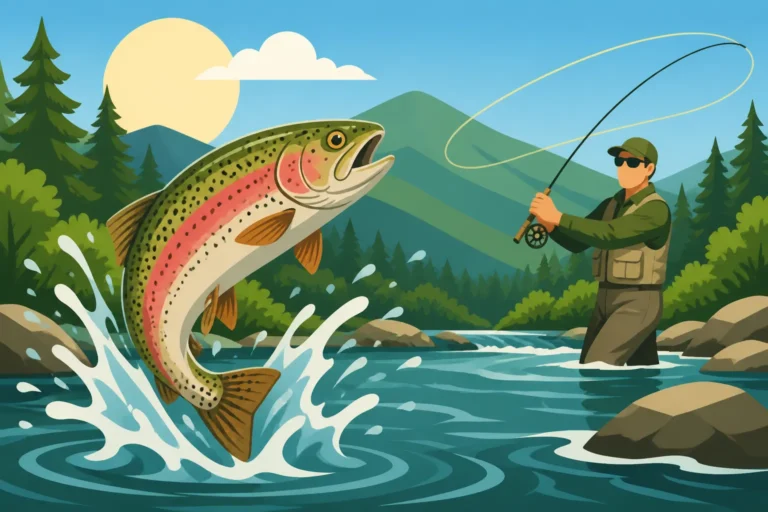
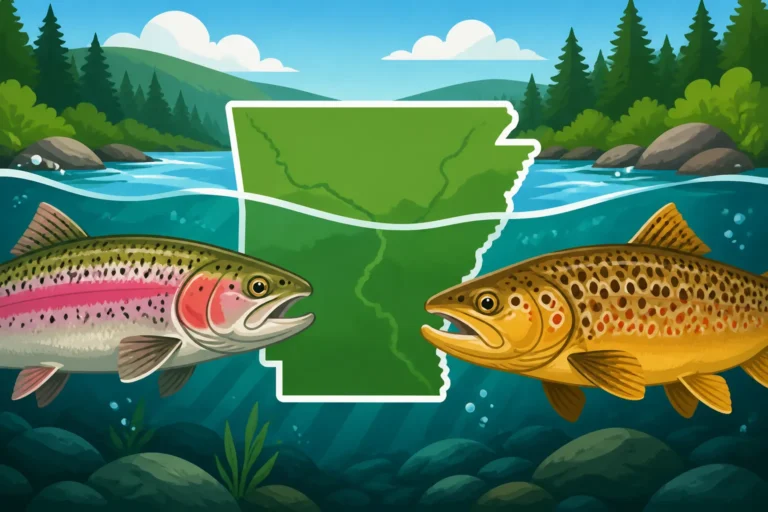
The rainbow trout ( Oncorhynchus mykiss) is the most commonly stocked trout species in Arkansas's cold-water fisheries. You'll recognize them by their distinctive pinkish-red stripe running down their side, often accompanied by numerous small black spots on their body and fins. They thrive in the consistent, cold flows of rivers like the White, Little Red, and Norfork tailwaters, which maintain year-round temperatures ideal for trout. The Arkansas Game and Fish Commission does an incredible job maintaining these fisheries through regular stocking, ensuring ample opportunities for anglers.
Rainbow trout are eager biters and can be caught using a variety of methods, from traditional bait like PowerBait and corn to artificial lures such as spinners and spoons, and even flies. They are a favorite among fly fishermen, who enjoy targeting them with nymphs, dries, and streamers. Catching a vibrantly colored rainbow trout in the stunning scenery of an Arkansas tailwater is a truly memorable experience. Many guides specialize in helping anglers pursue these beautiful fish, often providing all the gear you'd need, even from brands like Amazon. If you're new to trout fishing, the rainbow is an excellent species to start with. Read more about specific spots in Rainbow Trout Fishing Below Bull Shoals Dam.
Brown Trout: The Elusive Trophy Hunter
For those seeking a true challenge and the potential for a trophy fish, the brown trout ( Salmo trutta) is the undisputed king of Arkansas's trout waters. Brown trout are distinguished by their golden-brown to olive-green backs, fading to a lighter belly, and covered with dark spots, often ringed with a lighter halo, especially on their sides. They are much more elusive and wary than rainbow trout, and they can grow to impressive sizes in the nutrient-rich cold waters of the White and Little Red Rivers. Catching a large brown trout is often considered the pinnacle of trout fishing in the state.
Brown trout are known for their powerful runs and head shakes, making for an exhilarating fight. They are often more predatory than rainbows, keying in on baitfish and larger invertebrates. Anglers targeting browns will often use larger streamers, minnow imitations, or even live bait in some areas. Patience, stealth, and a good understanding of their habitat are crucial for success. These fish are true survivors and a testament to the health of Arkansas's premier trout rivers. If you're dreaming of a monster, dedicate some time to learning about Brown Trout on the White River.
Panfish Paradise: Crappie, Bream, and More
While bass and trout get a lot of glory, the panfish of Arkansas offer some of the most consistent action and delicious table fare. These smaller, schooling fish are perfect for family outings and provide endless enjoyment for anglers of all skill levels.
Black Crappie vs. White Crappie: The Slabs of the South
Crappie are perhaps the most popular panfish in Arkansas, cherished for their delicate white meat and their tendency to school in large numbers, leading to exciting fishing trips. Arkansas is home to both black crappie (Pomoxis nigromaculatus) and white crappie (Pomoxis annularis), and while they look similar, there are key differences. Black crappie typically have irregular, blotchy black spots all over their body and exactly seven dorsal fin spines. White crappie, on the other hand, usually have vertical bars or faint stripes on their sides and possess six dorsal fin spines. Both species can grow to "slab" size, meaning exceptionally large and thick-bodied fish.
Crappie fishing is a year-round pursuit, but it truly shines during the spring spawn when these fish move into shallow water to lay their eggs. They love brush piles, submerged timber, bridge pilings, and dock structures. Anglers typically use light tackle, small jigs, and live minnows to entice them. Lakes like Monticello, Cargile, Ouachita, and DeGray are renowned crappie fisheries. The ease of catching them and their delicious taste make crappie a staple for many Arkansas anglers. Knowing how to differentiate between Black Crappie vs White Crappie in Arkansas can sometimes help you find the hotspot as their preferred habitats can slightly differ.
Bluegill and Other Bream: The Childhood Favorites
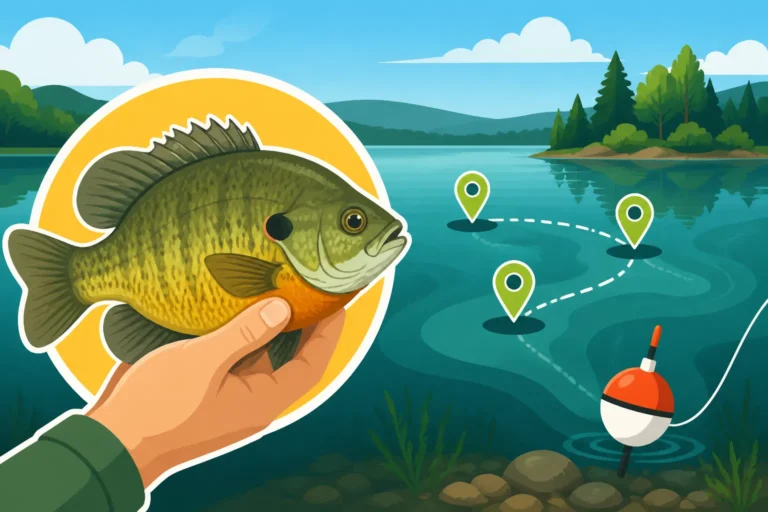
Bluegill (Lepomis macrochirus) are often the first fish many children catch, and for good reason! They are incredibly abundant, feisty for their size, and readily bite a variety of baits. You can identify a bluegill by its dark spot at the base of the dorsal fin, a small mouth, and a dark spot on the gill flap (the "ear flap"). Along with redear sunfish, green sunfish, and warmouth, bluegill are often collectively referred to as "bream" in the South. These panfish are found in virtually every pond, lake, and slow-moving river section across Arkansas.
Fishing for bluegill is simple and incredibly rewarding. A cane pole, a hook, a bobber, and some worms are all you need. They provide constant action, making them perfect for introducing kids to the joys of fishing. While they don't grow to trophy sizes, catching a stringer full of bluegill for a fish fry is a cherished summer tradition for many families. They are an essential part of the aquatic food web, serving as prey for larger game fish. For beginners, Bluegill Fishing for Arkansas Beginners offers excellent starting tips.
Bottom Dwellers and Big Fights: The Catfish Clan
When it comes to sheer power and a good meal, Arkansas's catfish species are hard to beat. These formidable bottom dwellers offer some of the most exciting and rewarding fishing experiences, especially for those seeking a true tug-of-war.
Channel Catfish: The Widespread Delicacy
The channel catfish (Ictalurus punctatus) is perhaps the most popular and widespread catfish species in Arkansas. They are easily identified by their slender body, deeply forked tail, and scattered dark spots on their sides (though these spots can fade with age and in larger individuals). They have barbels around their mouth, which act as highly sensitive feelers for detecting food. Channel cats thrive in a variety of habitats, from large rivers like the Arkansas River to small ponds and reservoirs across the state.
These opportunistic feeders will eat almost anything, making them a favorite target for anglers who enjoy using stink baits, cut bait, worms, or even hot dogs. Night fishing for channel catfish is particularly popular during the warmer months, as they are often more active after dark. They are renowned for their delicious, firm white meat, making them a top choice for a fish fry. Channel Catfish in Arkansas Lakes and Rivers will give you more insights into their preferred habitats and angling techniques.
Blue Catfish: The River Monsters
If you're looking for a truly enormous fish that will test your tackle and your strength, then the blue catfish (Ictalurus furcatus) is your target. Blues are the largest catfish species in North America, with the state record weighing an astounding amount. They are distinguished by their slate-blue coloration, a humped back, and a deeply forked tail, similar to a channel cat, but without the spots. They are primarily found in the larger rivers and reservoirs with significant current, such as the Arkansas River and its associated impoundments.
Blue catfish are powerful, open-water predators that feed on baitfish, mussels, and other aquatic organisms. Anglers targeting trophy blues often use heavy-duty gear, large cut baits (like shad or carp), and fish in deep channels or along river bends. The fight from a large blue cat can be epic, often involving long, powerful runs. These fish represent a significant challenge and a massive reward for dedicated catfishermen. If you're dreaming of a giant, then Blue Catfish Fishing in Arkansas is your guide to these leviathans.
Flathead Catfish: The Stealthy Ambush Predator
The flathead catfish (Pylodictis olivaris) is a unique member of the catfish family, easily identifiable by its distinctively flattened head, small eyes, and long, shovel-like lower jaw that extends beyond the upper jaw. Unlike other catfish that often scavenge, flatheads are voracious predators that prefer live bait and ambush their prey. They typically have a mottled brown or yellowish coloration, and their tail is slightly rounded or squared, not deeply forked like channel or blue cats.
Flatheads are often found in sluggish rivers, deep pools, and areas with heavy cover like log jams, brush piles, and undercut banks. They are nocturnal hunters, making them a popular target for night fishing enthusiasts who use trotlines, jug lines, or stout rods with live bluegill or sunfish as bait. While not as widespread as channel cats, they are present in many of Arkansas's larger river systems. Landing a big flathead is a testament to an angler's skill and patience, and they offer another excellent eating experience. For those ready for the challenge, exploring Flathead Catfish in Arkansas Waters can provide valuable information.
Pelagic Powerhouses: Striped Bass and Their Cousins
For anglers who love the thrill of a hard-fighting, open-water predator, Arkansas's striped bass fisheries are an absolute must-experience. These powerful fish offer some of the most intense battles you'll find in freshwater.
Striped Bass: The Freshwater Chargers
The striped bass (Morone saxatilis), often called "stripers," are truly magnificent fish that bring the power of their saltwater heritage to Arkansas's large reservoirs. They are characterized by their sleek, silver bodies with distinct, dark horizontal stripes running from head to tail. Stripers are pelagic, meaning they roam the open waters of large lakes like Norfork and Hamilton, constantly chasing schools of baitfish, primarily shad. They are regularly stocked by the Arkansas Game and Fish Commission to maintain these incredible fisheries.
Striped bass are notorious for their incredible strength and endurance once hooked, often making long, screaming runs that test even the most robust tackle. Anglers typically target them using trolling methods with large plugs or live bait (gizzard shad being a favorite). They are also known to surface in feeding frenzies, creating spectacular "boils" where they drive baitfish to the surface, offering exciting topwater action. Catching a trophy striper, especially one that can weigh 40 pounds or more, is a bucket-list achievement for many anglers. If you're heading to Norfork, definitely check out Striped Bass Fishing at Arkansas's Norfork Lake for insider tips.
White Bass: The Smaller, Schooling Relatives
Often confused with juvenile stripers, white bass (Morone chrysops) are a smaller, but equally feisty, member of the temperate bass family. They have a silvery body with horizontal stripes, but their stripes are usually fainter, sometimes broken, and only one stripe extends all the way to the tail. They also have a more pronounced arch in their back compared to the straighter profile of a striped bass. White bass are incredibly abundant in many Arkansas lakes and rivers, often schooling in huge numbers.
White bass are famous for their aggressive feeding behavior, especially during their spring spawning runs up tributary rivers where they can be caught by the hundreds. They readily strike small spinners, spoons, and jigs, making them an excellent target for light tackle and a fantastic option for high-action fishing days. Like stripers, they will often school and chase bait to the surface, offering fast and furious action. They are a blast to catch and provide excellent table fare. These fish offer a high-energy experience that is hard to beat, whether you're fishing from a boat or the bank.
Identifying Your Catch: Key Features and Tips
Knowing what you've caught isn't just about bragging rights; it's essential for complying with fishing regulations, which often have different size and creel limits for various species. Sometimes, distinguishing between similar-looking fish can be tricky, but with a few key identifiers, you'll be an expert in no time.
The Bass Test: Mouth, Spots, and Stripes
When you catch a bass in Arkansas, the first thing to check is its mouth and markings.
- Largemouth Bass: The upper jaw extends well beyond the back of the eye when the mouth is closed. They typically have a prominent dark, horizontal stripe down their side.
- Smallmouth Bass: The upper jaw typically does not extend beyond the back of the eye. Their sides often have vertical bars or mottled patterns, and their overall coloration is usually browner. They generally prefer cooler, clearer, rockier water.
- Kentucky (Spotted) Bass: The upper jaw extends to about the middle or back of the eye, similar to a smallmouth. The key feature is the presence of distinct rows of small, dark spots on their lower sides below the lateral line, and often a rough patch of teeth on their tongue.
These subtle differences become easier to spot with practice, but they are crucial for accurate identification, especially when different regulations apply.
Trout ID: Color, Spots, and Fin Count
Trout in Arkansas, primarily rainbows and browns, have distinct features.
- Rainbow Trout: Look for the distinctive iridescent pink or red stripe running horizontally along their side, usually with many small black spots scattered over their body, dorsal fin, and tail fin.
- Brown Trout: Tend to have more of a golden-brown or olive-green body color, with fewer, larger dark spots (often haloed with a lighter ring) on their sides and dorsal fin. They typically have no spots on their tail fin.
If you're unsure, counting fin rays or looking for specific spot patterns can also help. Remember, distinguishing these species is vital as their daily limits and special regulations can differ significantly in certain tailwaters.
Catfish Distinctions: Tail, Head, and Color
Identifying catfish mostly comes down to their tail shape and head profile.
- Channel Catfish: Have a deeply forked tail, a slender body, and typically scattered dark spots on their sides (though these can be absent in older fish).
- Blue Catfish: Also have a deeply forked tail, but their body is typically more robust, with a humped back, and they are uniformly slate-blue in color, lacking spots.
- Flathead Catfish: The easiest to identify with their distinctly flattened head, small eyes, and a lower jaw that protrudes beyond the upper. Their tail is square or slightly rounded, not forked, and they often have a mottled brown or yellowish coloration.
These characteristics are generally quite clear, helping you distinguish between species that can grow to vastly different sizes and prefer different baits. Check out this table for a quick visual reference:
| Fish Species | Key Jaw/Mouth Feature | Key Body Markings/Color | Tail Shape | Preferred Habitat |
|---|---|---|---|---|
| Largemouth Bass | Upper jaw extends past eye | Dark horizontal stripe | Slightly notched | Warm, vegetated lakes, slow rivers |
| Smallmouth Bass | Upper jaw doesn't extend past eye | Vertical bars/mottling, brownish | Slightly notched | Cool, clear, rocky rivers and lakes |
| Kentucky (Spotted) Bass | Upper jaw to middle/back of eye, tongue patch | Rows of spots below lateral line | Slightly notched | Rocky, clear lakes and rivers |
| Rainbow Trout | N/A | Pink/red stripe, black spots | Forked | Cold tailwaters, streams |
| Brown Trout | N/A | Golden-brown, dark haloed spots | Square/slightly forked | Cold tailwaters, streams |
| Black Crappie | N/A | Irregular black blotches | Forked | Clearer water, brush piles, docks |
| White Crappie | N/A | Faint vertical bars | Forked | Murkier water, brush piles, docks |
| Channel Catfish | N/A | Scattered dark spots | Deeply forked | Rivers, lakes, ponds |
| Blue Catfish | N/A | Uniform slate-blue | Deeply forked | Large rivers, deep lakes with current |
| Flathead Catfish | Flat head, protruding lower jaw | Mottled brown/yellow | Square/slightly rounded | Sluggish rivers, log jams, deep pools |
| Striped Bass | N/A | Dark, unbroken horizontal stripes | Forked | Large open reservoirs, main river channels |
| White Bass | N/A | Fainter, sometimes broken stripes | Forked | Rivers, lakes, open water |
Conservation and Future Fishing: Protecting Arkansas's Aquatic Treasures
As anglers, we have a responsibility to not only enjoy Arkansas's incredible fishing opportunities but also to protect them for future generations. Understanding and adhering to regulations, practicing ethical angling, and supporting conservation efforts are vital.
Adhering to Regulations and Limits
Arkansas has an intricate system of fishing regulations, including daily creel limits, length limits, and sometimes even specific gear restrictions for different species and bodies of water. These rules aren't designed to make your life harder; they are scientifically developed to manage fish populations, prevent overfishing, and ensure healthy ecosystems. It's truly a disservice to the amazing work done by the Arkansas Game and Fish Commission if we don't take the time to learn and follow these guidelines.
Always consult the latest Arkansas Game and Fish Commission (AGFC) regulations guide before you head out. What applies to bass in Lake Ouachita might be different for bass in Lake Monticello, and trout limits on the White River are certainly unique. Ignorance of the law is never an excuse, and game wardens are out there doing their job to protect these resources. Understanding the rules, like those detailed in Arkansas Fish Size and Daily Limits or Arkansas Fishing Regulations Guide, ensures you're a responsible participant in the sport.
Practicing Catch and Release and Ethical Angling
While keeping a few fish for dinner is a wonderful part of the angling experience, practicing catch-and-release, especially for larger or sensitive species, is crucial for sustaining healthy populations. Trophy fish, particularly large bass, trout, and catfish, are often the most productive spawners, contributing significantly to future generations. Releasing them allows them to continue their reproductive cycle.
When practicing catch and release, handle fish gently, minimize their time out of water, and use appropriate tools like de-hookers. Avoid dragging fish on rough surfaces. For fish that are deeply hooked or bleeding heavily, it's often more humane to keep them if they meet legal size limits, rather than releasing them to die. Being mindful of the fish's welfare not only ensures the future of the fishery but also shows respect for the creatures we pursue. Whether you're using barbless hooks for trout or a quality landing net for bass, being prepared can make all the difference.
Supporting Conservation Efforts
The health of Arkansas's fish species is directly linked to the health of its waters and surrounding habitats. Supporting organizations like the Arkansas Game and Fish Commission, either through purchasing your fishing license and trout permit (which directly fund conservation efforts) or by volunteering, helps ensure these precious resources are protected. Initiatives like habitat restoration, water quality monitoring, and educational programs are essential for preserving the diversity and abundance that makes Arkansas a premier fishing destination. Every license purchase, every responsible angling trip, and every bit of advocacy contributes to a thriving natural state, ensuring that the magic of Arkansas fishing continues for generations to come.
Disclaimer
This article is for general informational purposes only and does not constitute professional advice. Laws, prices and regulations vary by location and change over time. Consult a qualified professional for guidance on your specific situation.