Norfork Lake: One of Arkansas’s Best Striped Bass Fisheries
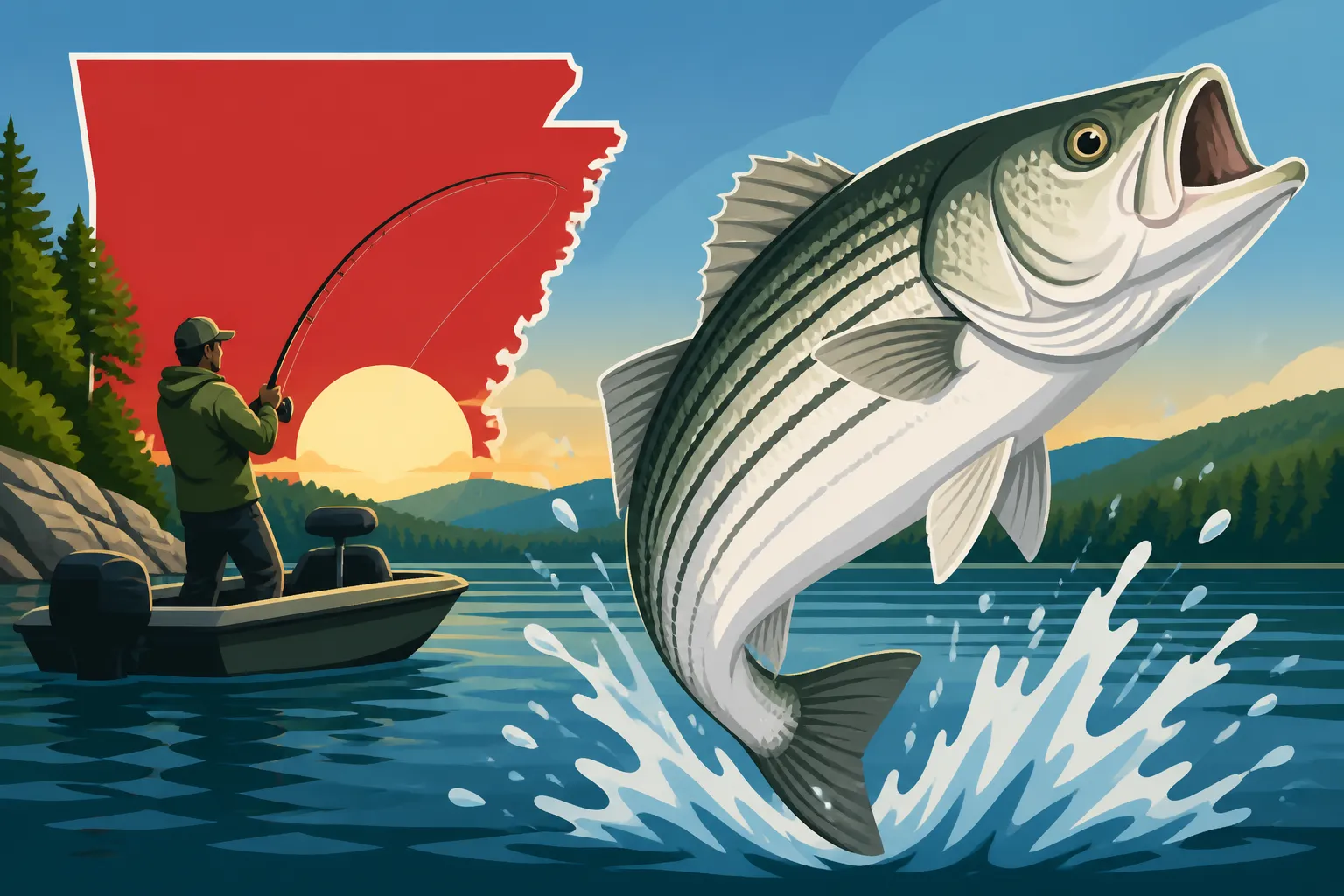
There's nothing quite like the raw power of a striped bass on the end of your line. Many anglers dream of battling a true trophy striper, but figuring out where to find these elusive giants in a vast lake can feel like searching for a needle in a haystack. If you're looking for that heart-pounding action in Arkansas, Norfork Lake is where dreams of big stripers become reality, and this guide will walk you through everything you need to know to make your next trip a successful one.
Why Norfork Lake is a Striper Paradise
Norfork Lake, nestled in the scenic Ozark Mountains, isn't just any lake; it's a meticulously managed, deep, clear-water reservoir that has earned its reputation as one of the premier striped bass fisheries not just in Arkansas, but across the entire country. Anglers come from far and wide, drawn by the promise of battling these freshwater titans.
The Lake's Unique Ecosystem for Stripers
What makes Norfork Lake so special for striped bass? It boils down to a perfect storm of environmental factors. The lake itself is a deep, sprawling body of water, covering over 22,000 acres and boasting more than 500 miles of shoreline. This immense size provides ample room for stripers to roam and grow. More importantly, Norfork is a "cold-water release" lake, meaning that water discharged from the bottom of the Norfork Dam creates a cool, oxygen-rich environment even in the heat of summer. Striped bass, being an anadromous species by nature (meaning they typically live in saltwater and spawn in freshwater rivers), thrive in these conditions, which mimic their natural coastal habitats.
The deep thermocline, a layer in the lake where water temperature changes rapidly, is critical. Below this layer, the water remains consistently cold, allowing stripers to find comfort zones throughout the year. Combine this with abundant forage, and you have a recipe for truly monstrous fish. Without this unique aquatic structure, striped bass simply wouldn't be able to grow to the sizes they do here.
Trophy Potential and Record-Breaking Catches
Norfork Lake has a storied history of producing truly massive striped bass. It’s not uncommon to hear tales of 30-pounders, 40-pounders, and even fish pushing the 50-pound mark being hauled in by lucky (and skilled) anglers. The sheer volume of robust baitfish, primarily gizzard and threadfin shad, combined with the ideal water conditions, allows these stripers to grow at an incredible rate. They have an almost endless buffet to feast on, packing on weight quickly.
Many local guides and seasoned anglers specifically target these trophy-class fish, often putting in long hours and employing specialized techniques just for that one explosive strike. If you're chasing the kind of fish that makes your arms ache and your reel scream, Norfork Lake is a place where you genuinely stand a chance. Just imagine the thrill of wrestling a powerful fish that could be a new personal best, or even challenge some of the state records. The allure of Where to Catch 40-Pound Stripers on Norfork Lake is a real driving force for many dedicated anglers.
Understanding Norfork's Striped Bass Behavior
To consistently catch stripers on Norfork, you need to think like a striper. Their movements and feeding patterns are heavily influenced by the seasons and the availability of their favorite meals. It's not just about showing up with a rod; it's about understanding the rhythm of the lake.
Seasonal Movements of Stripers
Striped bass are highly migratory within the lake, constantly on the move to find optimal water temperatures and forage.
- Spring (March-May): As water temperatures rise, stripers become more active and start moving into shallower areas, especially up the major creek arms and towards the rivers. This is often an excellent time for topwater action, particularly in the mornings and evenings, as they chase schooling baitfish near the surface. They’ll be looking for warmer pockets, and you'll find them closer to shore or around main lake points.
- Summer (June-August): This is when Norfork's depth really shines. As the surface water heats up, stripers retreat to the cooler, oxygenated depths, often congregating in the main lake basin or near the dam. They'll follow the thermocline, typically suspending at depths of 40-80 feet. This means deep trolling and live bait techniques become paramount. Finding bait balls with your electronics is key during these months.
- Fall (September-November): As the lake cools, stripers start to spread out again and become incredibly aggressive. They'll often feed heavily in preparation for winter. This is a fantastic time for both deep trolling and sometimes for aggressive surface feeding, especially in the mornings and evenings, as they push bait to the surface. Look for them moving back into the creek arms and shallower flats, chasing shad that are also starting to migrate.
- Winter (December-February): While challenging, winter fishing can yield some of the biggest stripers. The fish are often schooled tightly and are found deep, though not always as deep as in summer. They'll be lethargic but still actively feeding. Patience is a virtue, and slow, precise techniques are usually most effective. This is also a great time to hit the river sections where they might gather.
Understanding these patterns is crucial for anyone hoping to land a trophy fish. Knowing the Norfork Lake Striper Fishing Season can dramatically increase your chances of success.
Forage Base: The Importance of Shad
The sheer abundance of baitfish is what fuels Norfork's monster stripers. The lake is teeming with both gizzard shad and threadfin shad, which form the primary diet of striped bass. Gizzard shad can grow quite large, providing a substantial meal for bigger stripers, while threadfin shad are smaller and often school in massive numbers, creating explosive feeding frenzies.
Learning to locate these baitfish schools is perhaps the most critical skill for any Norfork striper angler. If you find the bait, you're usually not far from the stripers. High-quality electronics, like a good fish finder and mapping GPS, become your best friend in this pursuit. Watch for diving birds – gulls or loons – which often indicate baitfish being driven to the surface by hungry stripers below. Local fishing reports often pinpoint areas where shad are schooling, giving you a valuable head start.
Top Techniques for Catching Norfork Stripers
Striped bass on Norfork Lake require a specific approach. These aren't your typical panfish. They're powerful, wary, and demand techniques that can get your bait into their preferred strike zones.
Trolling for Deepwater Stripers
When those summer temperatures push stripers deep, or even during other seasons when they're holding over submerged structures, trolling becomes incredibly effective. This involves slowly moving your boat while dragging multiple lines at varying depths.
- Downriggers: These are essential for precisely controlling the depth of your lures. They allow you to present large crankbaits, umbrella rigs, or even live bait exactly where the fish are holding, often 40-80 feet down. You'll attach your fishing line to a clip on a heavy cannonball weight, which is then lowered to a precise depth. When a fish strikes, the line releases from the clip, allowing you to fight the fish directly.
- Planer Boards: These are used to spread out your lines horizontally from the boat, covering a wider area and allowing you to troll shallower baits without spooking fish with your boat's shadow or motor noise. They're particularly effective in the spring and fall when stripers might be higher in the water column.
- Umbrella Rigs: These multi-lure rigs simulate a school of baitfish, making them incredibly attractive to hungry stripers. They can be trolled behind downriggers or directly on heavy line, often with lead core or braid to get them deep.
- Large Crankbaits: Lures like large Spoonplugs, Bomber Long As, or deep-diving Rapalas are excellent choices for trolling. Color selection can vary, but chrome, shad patterns, and sometimes bright colors like chartreuse can be effective.
The key to Striped Bass Trolling Techniques on Norfork is patience and constant monitoring of your electronics to ensure you're in the right depth and near baitfish.
Live Bait Fishing
For many trophy hunters, nothing beats live bait. Stripers are opportunists, and a struggling live shad is an irresistible meal.
- Gizzard Shad, Threadfin Shad, and Blueback Herring: These are the top choices. Gizzard shad are excellent for larger stripers due to their size, while threadfin shad are more numerous and great for consistent action. Blueback herring, when available, are also a top producer.
- Sourcing Bait: You can catch your own bait using a cast net in shallow coves or around marinas, often at dawn. Alternatively, several local bait shops around Norfork Lake, like the one at Cranfield Marina or Norfork Resort & Marina, often sell fresh live bait. It's always a good idea to call ahead to confirm availability.
- Rigging: For suspended stripers, a free-lined or balloon-supported bait is common, allowing the shad to swim naturally at a target depth. For deeper fish, a Carolina rig with an egg sinker or a three-way swivel rig can be effective, getting the bait down to where the stripers are holding. Circle hooks are often preferred to prevent gut-hooking the fish, especially if you plan to release them.
Live bait fishing requires a good livewell to keep your bait healthy and lively. A lively bait will attract more attention. For many, live bait is the most consistent method for catching How Big Do Norfork Lake Stripers Get? and finding those truly massive fish.
Topwater and Surface Action
While deep water tactics dominate much of the year, there are magical moments on Norfork when stripers explode on the surface, especially during the spring and fall.
- Early Mornings and Late Evenings: These low-light conditions are prime times for topwater action. Stripers will push schools of shad to the surface, creating a chaotic display of splashing and feeding.
- Schooling Fish: Look for birds diving, baitfish scattering, and visible boils on the surface. When you see this, cast large topwater plugs like Heddon Super Spooks, Zara Spooks, or large poppers into the commotion. The key is to get your lure into the feeding zone quickly.
- Reaction Strikes: These surface feeding frenzies are often short-lived but incredibly exciting. The stripers are in full-on feeding mode, and the aggressive presentation of a topwater lure can trigger violent strikes. Be ready for a fight!
This surface action is often concentrated in specific areas, such as points leading into major coves or along the main lake channel where baitfish gather.
Prime Fishing Spots on Norfork Lake
Norfork Lake is huge, so knowing where to start can be daunting. Thankfully, certain areas consistently hold stripers due to their unique features and baitfish concentrations.
Major Coves and Creek Arms
These areas are often targets, especially during the cooler months of spring and fall when stripers are more active in shallower water.
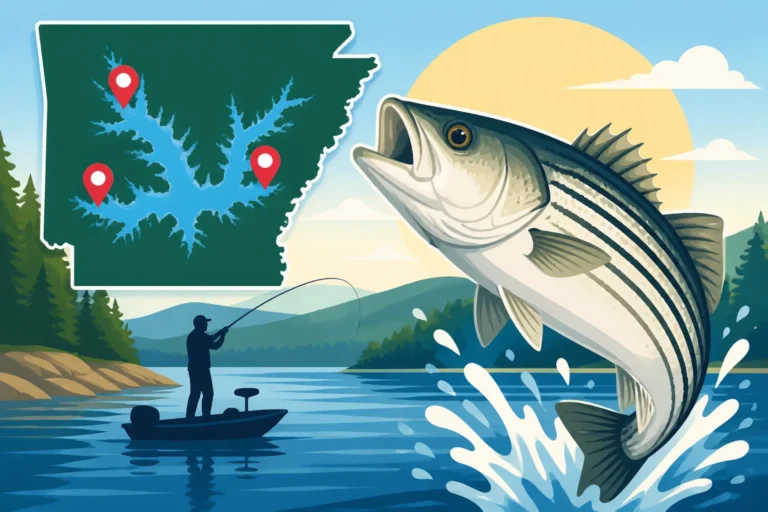
- Big Creek: Located on the western side of the lake, Big Creek is a vast and productive arm. Its numerous secondary points, submerged timber, and deep channels make it an excellent place to troll or fish live bait. The upper reaches can be especially good in spring.
- Cranfield Area: Near the dam on the southern end, the Cranfield area offers excellent access and deep water close to major structures. There are several boat ramps here, including the popular Cranfield Park boat launch. The main channel swing around Cranfield Point often holds suspended stripers.
- Brushy Creek: On the eastern side, Brushy Creek is another extensive area known for its striper population. It features plenty of coves, points, and humps that attract baitfish and, consequently, stripers.
When fishing these coves and creek arms, pay close attention to any current, which can concentrate baitfish, and any defined structure changes on your fish finder.
Main Lake Points and Humps
Stripers are ambush predators, and main lake points and humps provide perfect places for them to hide and wait for unsuspecting baitfish. These locations are productive year-round, but especially in summer when fish are deep.
- Submerged Structures: Norfork Lake has countless underwater islands, rock piles, and old roadbeds that create structure. These hidden gems are often loaded with baitfish and stripers. A good contour map and GPS are invaluable for locating these spots.
- Ledges and River Channels: The old North Fork River channel snakes its way through the lake, creating significant depth changes and ledges. Stripers frequently suspend along these ledges, moving up and down to feed. Using your electronics to identify the channel and fish holding on its edges is a classic Deep Water Striper Fishing Techniques method.
Many of these spots are documented by local guides, and you can often find clues in fishing forums or by observing where other boats are concentrated. However, always exercise caution when navigating unfamiliar waters, especially around submerged structures. For a more in-depth look at these honey holes, check out our guide on Best Striper Fishing Spots on Norfork Lake, Arkansas.
Specific Features: Docks, Marinas, and the Dam Area
While not always conventional striper spots, these areas can hold surprising numbers of fish under the right conditions.
- Docks and Marinas: In cooler months, baitfish often congregate around docks and marinas, especially those with lights at night. Stripers will follow them. Trolling or casting small swimbaits around the fringes of these areas, particularly early or late in the day, can be productive. Marina structures provide cover and can sometimes hold resident stripers.
- The Dam Area: The deep water near the Norfork Dam is a magnet for stripers, especially in the summer. The dam releases create current and pull baitfish, concentrating them. However, be aware of generation schedules and safety zones around the dam. Fishing too close to the intake gates or discharge areas can be dangerous and is often restricted. Always check local regulations before fishing near the dam.
These specific features require a nuanced approach, but they can be incredibly rewarding for those willing to explore beyond the more obvious hotspots.
Essential Gear and Tackle for Norfork Stripers
Tackling Norfork Lake's striped bass is not a job for light gear. These fish are notorious for their powerful runs and brute strength, so having the right equipment is non-negotiable.
Rods, Reels, and Line
Forget your ultralight spinning gear; you'll need robust setups to handle these heavyweights.
- Rods: Look for medium-heavy to heavy-action rods, typically in the 7 to 8-foot range. Rods designed for saltwater applications or muskie fishing often work well. They need enough backbone to set heavy hooks and enough power to turn a hard-charging striper. Brands like Ugly Stik or Shakespeare have reliable heavy-action options, while Okuma and Penn offer more specialized striper rods.
- Reels: Durable baitcasting reels with a good line capacity and a smooth, powerful drag system are essential. Reels like the Penn Squall or Shimano Tekota are popular choices. For spinning gear, you'll need a large, robust reel in the 5000-8000 size class from reputable brands like Shimano, Daiwa, or Penn. The drag system is your best friend when a 30-pound striper decides to make a run for it.
- Line: Spool up with heavy monofilament (20-30 lb test) for trolling with downriggers, or even better, braided line (30-60 lb test) for its sensitivity and strength. Braid has almost no stretch, which is crucial for deep hooksets. Many anglers will add a fluorocarbon leader (20-40 lb test) for abrasion resistance and invisibility, especially in Norfork's clear waters.
Don't skimp on your tackle; a cheap reel with a sticky drag will lead to heartbreak when that trophy striper takes off.
Electronics and Navigation
On a lake as vast and deep as Norfork, good electronics aren't just a luxury; they're a necessity.
- Fish Finders/Sonar: A high-quality fish finder with down imaging and side imaging capabilities is critical for locating baitfish schools and individual stripers. Brands like Humminbird (with their MEGA Imaging) and Lowrance (with their ActiveTarget) offer excellent clarity and detail. Learn to read your sonar to identify suspended fish, bait balls, and underwater structure.
- GPS and Mapping: Integrated GPS with detailed lake maps (like those from Navionics or LakeMaster) allows you to mark productive spots, navigate safely, and find submerged humps and channels. Knowing your exact position and where the underwater features are is paramount, especially when working specific points or ledges.
- Trolling Motors: A reliable electric trolling motor with GPS Spot-Lock capabilities (like those from Minn Kota or Garmin Force) is a game-changer for precise boat positioning, especially when fishing live bait or when you need to hold over a specific piece of structure.
Spending time learning your electronics before you hit the water will pay dividends. Understanding how to interpret what your screen is telling you is almost as important as having the gear itself.
Safety Gear
Norfork Lake is a large body of water, and safety should always be your top priority.
- Personal Flotation Devices (PFDs): Ensure you have enough Coast Guard-approved PFDs for everyone on board, and wear them, especially if you're in rough water or fishing alone.
- First Aid Kit: A well-stocked first aid kit is essential for any minor scrapes, cuts, or unexpected emergencies.
- Communication: Always have a fully charged cell phone. Consider a VHF marine radio for emergencies, especially if you plan to venture into more remote areas of the lake where cell service might be spotty.
- Weather Awareness: Check the weather forecast before you go, and be prepared for sudden changes. Norfork can get choppy quickly with strong winds, making navigation challenging.
- Navigation Lights: If you're out before dawn or after dusk, ensure your boat's navigation lights are functioning correctly.
Responsible boating and fishing habits ensure a safe and enjoyable trip for everyone.
Planning Your Norfork Striper Trip
A successful striper trip to Norfork Lake is often the result of careful planning. From timing your visit to considering professional help, there are several factors to consider.
When to Go for Norfork Stripers
The "best" time to fish Norfork depends on what you're hoping to achieve.
- Trophy Fish: Late fall through early spring (October-April) is often considered prime time for catching the biggest stripers. The fish are actively feeding, and the cooler water temperatures allow them to be more comfortable in a wider range of depths, sometimes even shallow.
- Consistent Action: Spring (March-May) and early fall (September-October) often provide the most consistent action, with stripers frequently schooling and feeding aggressively, sometimes on the surface.
- Summer Challenges: While summer can be challenging due to stripers holding deep, it's still possible to have great success with the right Deep Water Striper Fishing Techniques and electronics. You'll often find them schooled tightly, so once you locate them, the action can be fast.
For more detailed seasonal insights, our guide on Norfork Lake Striper Fishing Season can provide invaluable information. Remember that conditions can change rapidly, so always check local reports and weather forecasts before heading out.
Hiring a Guide for Norfork Lake
For many, especially first-timers or those looking for a truly epic experience, hiring a professional fishing guide is money well spent. Norfork Lake is enormous and complex, and local guides possess an unparalleled understanding of the lake's ever-changing conditions, striper movements, and the most productive techniques.
- Local Expertise: A good guide will know exactly where the fish are holding, what they're biting on, and the most effective way to target them. They have years of accumulated knowledge about specific spots, baitfish patterns, and seasonal nuances that would take you dozens of trips to learn on your own.
- Equipment and Bait: Guides typically provide all the necessary high-end rods, reels, tackle, and most importantly, the hard-to-find live bait. This saves you significant investment and hassle.
- Learning Opportunity: A guided trip isn't just about catching fish; it's also a fantastic learning experience. You can pick up invaluable tips and techniques that will make you a better angler in the long run.
- Increased Success: Your chances of landing a trophy striper dramatically increase with an experienced guide leading the way. They often put in pre-trip scouting to ensure the best possible fishing day for their clients.
If you're considering a guided trip, platforms like FishingBooker can be an excellent resource for finding reputable Norfork Lake striper guides. You can compare profiles, read reviews, and book directly with local experts who specialize in chasing these magnificent fish.
Regulations and Licenses
Before you even think about dropping a line, make sure you're properly licensed and familiar with the local regulations.
- Arkansas Fishing License: Every angler aged 16 and older needs a valid Arkansas fishing license. Non-residents also need a specific non-resident license. You can easily purchase these online through the Arkansas Game and Fish Commission website, at local sporting goods stores, or at some marinas around Norfork Lake. Our comprehensive guide on Arkansas Fishing License Rules and Costs can walk you through the process.
- Trout Permit: While Norfork is famous for stripers, it's worth noting that if you plan on fishing for trout in the tailwater below the dam, you'll need a separate trout permit in addition to your regular fishing license.
- Length and Daily Limits: Always check the current Arkansas Game and Fish Commission fishing regulations for specific length and daily limits for striped bass on Norfork Lake. These regulations can change seasonally or yearly, so it's crucial to have the most up-to-date information. Typically, there are specific size restrictions to protect the trophy fishery. Currently, on Norfork Lake, the daily limit for striped bass is 3 fish, and they must be 15 inches or longer, with only one fish over 25 inches allowed. Always double-check these details yourself before heading out.
Familiarizing yourself with these rules ensures a legal and responsible fishing trip.
Norfork Lake Striper Fishing Outlook
Norfork Lake continues to be an exceptional fishery for striped bass, attracting anglers seeking both numbers and trophy-sized fish. The Arkansas Game and Fish Commission actively manages the lake to maintain this balance, often stocking fingerlings to supplement the natural population and implementing regulations to ensure the long-term health of the fishery.
The future for Norfork stripers looks bright, with consistent reports of healthy populations and impressive growth rates. As long as the unique cold-water environment and abundant forage base are sustained, Norfork Lake will remain a top destination for striped bass enthusiasts. So, pack your heavy gear, do your research, and get ready for an unforgettable battle with one of Arkansas's most powerful game fish.
Disclaimer
The information provided in this guide is for general informational purposes only and is subject to change. Always consult the official Arkansas Game and Fish Commission regulations and local authorities for the most current rules, license requirements, and safety guidelines before engaging in any fishing activities. Fishing conditions, fish behavior, and regulations can vary, and personal safety should always be your top priority.