Crappie Fishing in Arkansas: Black and White Crappie Basics
Oh, the joy and sometimes the utter frustration of chasing crappie in Arkansas! If you've ever spent a beautiful morning on the water, watching your bobber intently, only to come up empty-handed while the angler next to you pulls in slab after slab, you know the feeling. It's enough to make you wonder if those wily crappie are playing some secret game you're not privy to. This guide is all about peeling back the layers on crappie fishing in the Natural State, giving you the real-world insights, tips, and strategies you need to find more success, whether you're targeting black or white crappie.
Understanding Arkansas's Crappie Species: Black vs. White
Before we even cast a line, it's crucial to understand the two main stars of our show: the black crappie and the white crappie. While both are fantastic sport fish and even better table fare, they have distinct preferences and characteristics that can make a huge difference in how you approach catching them. Many anglers just lump them together as "crappie," but knowing their subtle differences can really elevate your game.
Key Differences Between Black and White Crappie
It might seem like a minor detail, but distinguishing between black and white crappie can guide your fishing strategy significantly. Think of it like knowing the difference between a largemouth and a smallmouth bass – they're both bass, but you'd fish for them differently. Crappie are no different. Black crappie, for instance, tend to be a bit more finicky about water clarity and cover, while white crappie are often found in more turbid conditions.
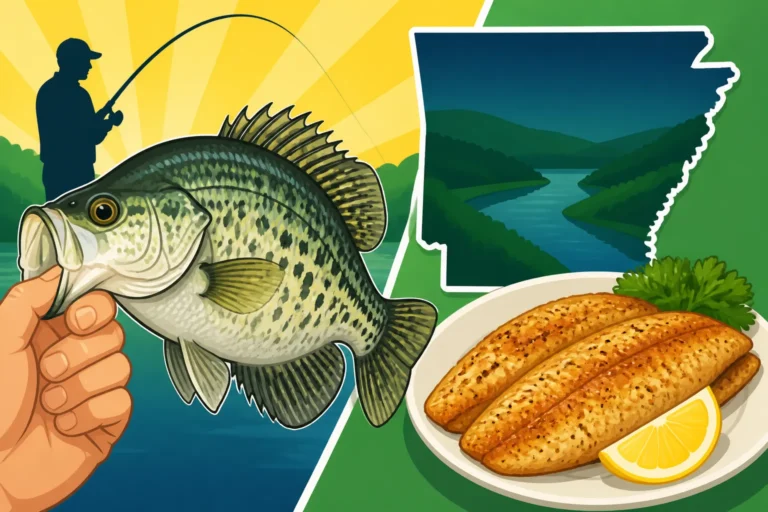
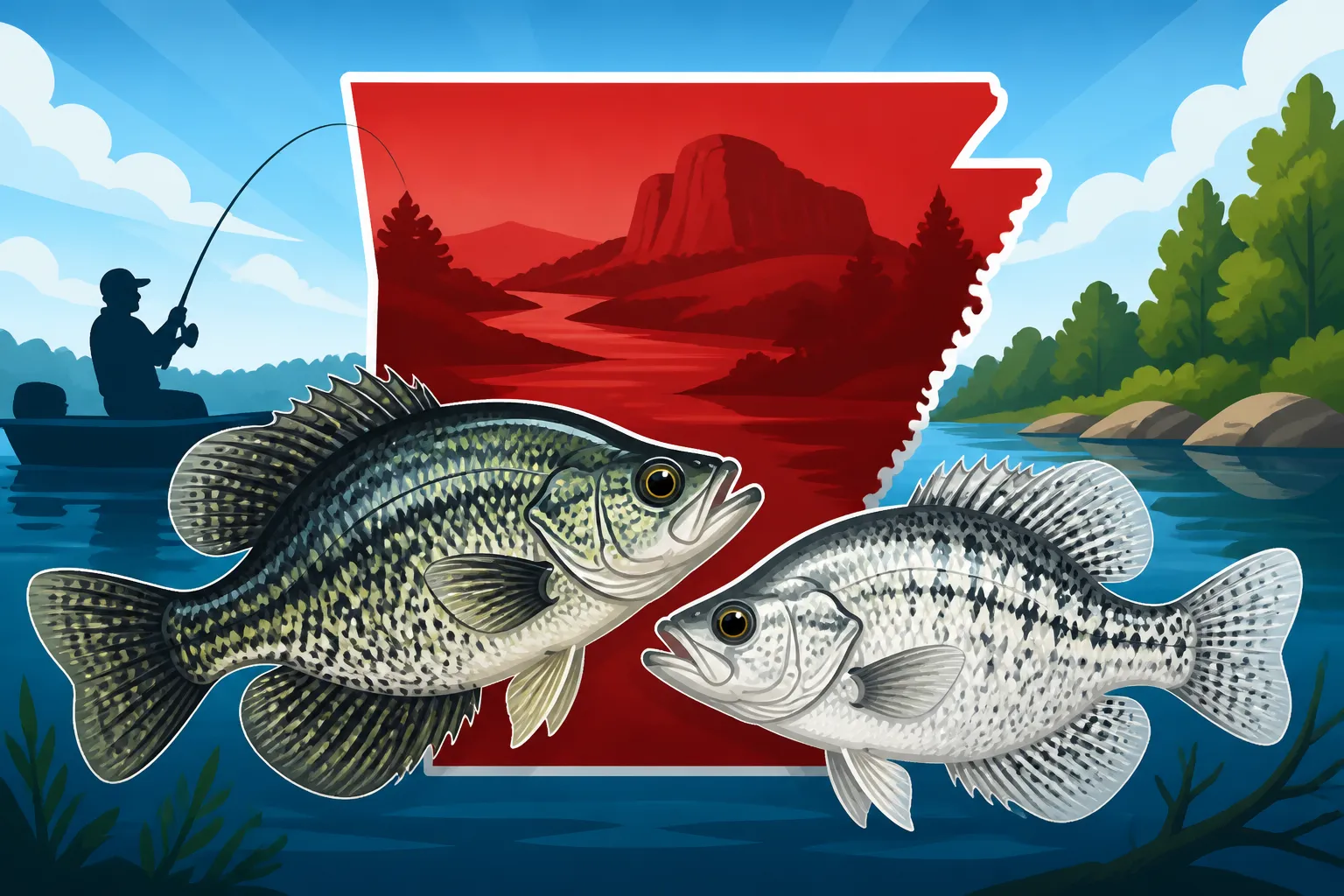
One of the easiest visual cues is their markings and dorsal fin. Black crappie typically have irregular dark blotches scattered over their silvery-gold bodies, almost like camouflage paint. They also have 7 or 8 spines in their dorsal fin, which will feel sharp if you carefully count them. White crappie, on the other hand, usually display more distinct, vertical dark bars on their sides, giving them a striped appearance. Their dorsal fin will generally have 5 or 6 spines, a subtle but consistent difference. Understanding these visual cues can help you adjust your presentation based on what species you're encountering most often.
Beyond appearances, their preferred habitats vary. Black crappie are often associated with clearer water and dense cover like submerged timber, brush piles, and lily pads. They love to hide out in these areas, ambushing unsuspecting baitfish. White crappie, however, are more tolerant of murky or turbid water and are frequently found in open water near channel drops, points, or along river bends. This difference in habitat preference means that the same lure or technique might not be equally effective for both species if you're not in their preferred territory. Knowing what you're seeing can help you quickly adjust your fishing spot or presentation.
Preferred Habitats and Feeding Behaviors
Just like humans have preferred restaurants and hangouts, black and white crappie have their favorite spots and ways of eating. When you're fishing in Arkansas, particularly on our larger reservoirs like Lake Ouachita or Greers Ferry Lake, you'll find both species, but they might not be right next to each other. Targeting the right habitat for the right species is key to filling your livewell.
Black crappie are ambush predators through and through. They thrive in areas with abundant submerged structure – think old creek channels choked with timber, brush piles sunk by local anglers, or dense stands of aquatic vegetation. These spots offer them protection from larger predators and excellent hiding places from which to dart out and snatch a minnow or a passing insect. They tend to be more solitary or in smaller groups compared to white crappie. When fishing for black crappie, focus your efforts on these intricate underwater landscapes, often requiring precise bait placement to get to them.
White crappie, conversely, are often more schooling fish and can be found in larger aggregations, particularly in open water. They tend to follow baitfish schools along main lake channels, bluff walls, or even suspended over deep water. While they also appreciate structure, it might be more subtle, like a submerged roadbed or a distinct drop-off. They're often found shallower during the spawn but will move to deeper, more open water during other times of the year. When you find one white crappie, there's a good chance many more are nearby, making them a fantastic target for anglers who enjoy active searching with electronics and covering more water. Their willingness to suspend in open water makes them a great target for trolling or spider rigging.
Prime Crappie Fishing Seasons and Timing in Arkansas
Crappie fishing in Arkansas isn't just a spring fling; it's a year-round affair, though some seasons certainly offer more action than others. Knowing when and where to find these delectable panfish throughout the year is crucial. The old saying "timing is everything" definitely applies to crappie, especially with their predictable movements influenced by water temperature.
Spring Crappie Spawn Patterns
Ah, spring crappie! This is arguably the most anticipated time of year for crappie anglers across Arkansas, and for good reason. As water temperatures begin to climb into the 50s and 60s Fahrenheit, crappie, both black and white, start their migration from deeper winter haunts to the shallower waters where they'll eventually spawn. This pre-spawn and spawn period is when they are most aggressive and concentrated, making them easier targets for eager anglers. If you want to experience some of the most consistent fishing of the year, this is it.
The spawn typically kicks off in March and can last well into May, depending on the specific lake or river system and, of course, the unpredictable Arkansas weather. During this time, crappie move into protected coves, shallow flats, and around submerged brush or docks in water often less than 10 feet deep. They're looking for firm bottoms, often gravel or sand, where they can lay their eggs. Males will guard the nests, becoming incredibly territorial and aggressive towards anything that comes near, including your jig or minnow. This is prime time for vertical jigging around cover or slowly drifting minnows under a bobber. Check out When Do Crappie Spawn in Arkansas for more detailed timing.
It's not just about the spawn itself; the pre-spawn period, when crappie are actively feeding to bulk up for the energy-intensive spawning process, can be equally productive. They'll be found slightly deeper, on points leading into spawning coves or along creek channels adjacent to shallow flats. They're hungry and willing to chase baits, offering a fantastic opportunity for anglers to intercept them before they settle onto their beds. This is when you might find some of the biggest "slab" crappie of the year.
Summer, Fall, and Winter Crappie Strategies
While spring gets all the glory, don't write off crappie fishing during the other seasons in Arkansas. Each season presents its own unique challenges and opportunities, often requiring different tactics and a deeper understanding of crappie behavior. Many anglers pack up their crappie gear after the spawn, missing out on some truly fantastic fishing.
As summer heats up, crappie will retreat from the super-shallow spawning grounds and move to deeper, cooler waters. They'll often suspend over submerged creek channels, around deep timber, or near thermoclines in the main lake. This can be a bit trickier than spring fishing, as they are often scattered and require more searching with electronics. Trolling with multiple rods and different lure depths (often called "spider rigging") becomes a highly effective technique during these months. You're covering a lot of water and presenting baits at various depths until you find their preferred zone. Another great strategy is to focus on night fishing under lights, especially on lakes like Lake Hamilton, where crappie are attracted to the illuminated baitfish.
Fall is a transition period, often bringing a renewed burst of activity as water temperatures cool. Crappie will start to move shallower again, similar to the spring, as they feed aggressively to prepare for winter. They might be found along drop-offs, bluff ends, and around shallow brush piles, often following schools of baitfish that are also moving shallower. This can be a great time for casting jigs or minnows. As winter sets in, crappie again retreat to deeper, stable water. They become less active, but they are still catchable. Vertical jigging directly over deep structure, often found with sonar, is the name of the game. They might school up tightly, so once you find a school, you can often catch several in one spot. Patience and precision are key during the colder months.
Top Crappie Fishing Spots and Lakes Across Arkansas
Arkansas is truly a crappie angler's paradise, boasting a diverse array of lakes and rivers that consistently produce excellent catches. From large Corps of Engineers reservoirs to smaller flood-control lakes, there's a crappie hotspot for every angler, no matter your preferred style of fishing. However, knowing where to go is half the battle, and some waters consistently outshine others for slab crappie.
Major Reservoirs for Trophy Crappie
When most folks think of trophy crappie in Arkansas, their minds immediately go to our sprawling reservoirs. These massive lakes, often impounded rivers, offer vast amounts of habitat, abundant forage, and the deep, stable water that allows crappie to grow to impressive sizes. If you're looking for that picture-perfect slab, these are the places to target.
One of the undeniable champions is Lake Ouachita. Known not only for its clear waters and natural beauty but also for its fantastic crappie population. Anglers routinely pull limits of healthy white and black crappie from Ouachita's numerous creek channels, submerged timber, and brush piles. The sheer size of the lake means there's always a new spot to explore, and its abundant forage base helps crappie grow quickly. Another powerhouse is DeGray Lake. This lake is known for having a good population of both species, with some particularly large white crappie found around its abundant standing timber and creek channels. The fishing around DeGray Lake State Park can be especially productive.
Then there's Greers Ferry Lake, a beautiful, deep lake in the Ozarks that offers excellent crappie fishing, particularly in the lower, murkier sections. Its countless coves and submerged structure provide ideal habitat. And we can't forget Bull Shoals Lake, which, while famous for bass and trout, also holds a significant crappie population, especially around its numerous bluffs and creek arms. These large reservoirs often have slightly different regulations or "exceptions" for crappie, so always check the latest Crappie Size and Daily Limit in Arkansas information before you head out. These lakes demand a bit more effort in terms of covering water, but the reward of a hefty cooler full of crappie is well worth it.
Smaller Lakes and River Systems with Strong Crappie Populations
Don't let the allure of the big lakes overshadow the fantastic crappie fishing available in Arkansas's smaller water bodies and river systems. Sometimes, these lesser-known gems can offer less crowded fishing and equally impressive catches, especially for anglers who prefer a more intimate setting or have smaller boats. These are often perfect for a casual weekend trip without needing to navigate huge expanses of water.
Lake Conway, located near Little Rock, is a prime example of a smaller, timber-filled lake that's absolutely teeming with crappie. Its shallow, stained waters and dense cypress trees and stumps create perfect cover for both black and white crappie. It's a fantastic spot for jigging around structure or drifting minnows. Another excellent option is Lake Monticello in Southeast Arkansas. While often celebrated for its trophy bass, Monticello also holds a very healthy crappie population, though it has its own specific regulations. For instance, the Lake Monticello Crappie Limit Drops to 15 Fish Per Day, so it's essential to be aware of these local rules.
River systems, particularly the lower stretches of the White River and the Arkansas River backwaters, can also be crappie goldmines. These areas often feature oxbow lakes, sloughs, and protected channels that offer excellent crappie habitat. The White River National Wildlife Refuge, for instance, is home to numerous timber-filled lakes that are incredible for crappie, especially black crappie, which thrive in that environment. Fishing these river systems often means adapting to current and finding slack water or eddies where crappie can hold. Each of these smaller bodies of water offers a unique crappie fishing experience, proving that you don't always need a giant lake to find great fishing.
| Lake Name | Primary Crappie Species | Common Habitat | Special Considerations |
|---|---|---|---|
| Lake Ouachita | Black, White | Submerged timber, brush piles, creek channels | Clear water, deeper crappie often |
| DeGray Lake | Black, White | Standing timber, creek channels, deep points | Often holds large white crappie |
| Greers Ferry Lake | Black, White | Coves, bluff ends, lower lake timber | Excellent fall/winter crappie in lower lake |
| Lake Conway | Black, White | Cypress trees, stumps, shallow timber | Shallow, stained water, great for jigging |
| Lake Monticello | Black, White | Timber, brush piles, structure | Lake Monticello Crappie Limit Drops to 15 Fish Per Day |
| Arkansas River Backwaters | White, Black | Oxbows, sloughs, protected channels | Focus on slack water, current breaks |
Essential Gear and Tackle for Arkansas Crappie Anglers
Let's face it, walking into a tackle shop or browsing online can be overwhelming with the sheer number of options available. But when it comes to crappie fishing, you don't need a boatload of expensive gear. A few key items, chosen wisely, will cover 90% of your crappie fishing needs in Arkansas. The goal is to be efficient, effective, and comfortable on the water.
Rods, Reels, and Lines for Crappie
Choosing the right rod, reel, and line combination is paramount for effective crappie fishing. Crappie have soft mouths, so a forgiving rod tip is crucial to prevent tearing the hook out, especially when they're mouthing a bait delicately. On the other hand, you still need enough backbone to pull a good-sized slab out of heavy cover. It's a fine balance, but definitely achievable.
For most crappie applications, a light to medium-light action spinning rod, typically 5 to 7 feet in length, is ideal. Many crappie specialists prefer longer rods, sometimes up to 10 or 12 feet, especially for "spider rigging" (trolling multiple baits) or for reaching into thick cover from a distance. The longer rods offer better line control and allow you to keep your baits spread out. Paired with a small, lightweight spinning reel (size 500 to 1000), you'll have a perfectly balanced setup. These reels are designed for light lines and offer smooth drag, which is essential when fighting a crappie that makes a sudden run.
As for line, visibility and sensitivity are key. Many crappie anglers opt for monofilament line in the 4 to 6-pound test range. Monofilament has a bit of stretch, which acts as a shock absorber when a crappie bites, further protecting its delicate mouth. Its buoyancy also helps keep lighter baits suspended. However, if you're fishing in really heavy cover and need more abrasion resistance and sensitivity, a super-thin braided line (like 6-10 pound test braid with a fluorocarbon leader) can be a game-changer. The no-stretch nature of braid gives you incredible feel for those subtle bites, though you'll need to be quick and light on the hookset. Don't overthink it, but having a few different setups, or at least understanding these options, will serve you well. You can find a fantastic selection of these light setups on Amazon.
Baits, Lures, and Terminal Tackle
The world of crappie baits and lures is vast, but often, simplicity is the most effective approach. Crappie are primarily predators of small baitfish and insects, so anything that imitates these will likely get their attention. Having a good assortment will allow you to adapt to changing conditions and crappie preferences throughout the day or season.
Live minnows are, without a doubt, a classic crappie killer. A lively small minnow, hooked lightly through the back or lips, presented under a bobber or slowly retrieved, is often irresistible. They're particularly effective when crappie are finicky or when fishing in cold water. You'll want a good minnow bucket and perhaps an aerator to keep them healthy. For artificials, jigs are king. Small soft plastic jigs, typically 1/16 to 1/8 ounce, in a variety of colors and tail styles (curly tails, paddle tails, tubes), are incredibly versatile. Chartreuse, white, black/chartreuse, and pink are perennial favorites. Experiment with different colors to see what the crappie are biting on a given day. Sometimes, a subtle shift in color can make all the difference.
Terminal tackle for crappie fishing is usually minimalist. Small, sharp Aberdeen hooks (size 2 to 6) are perfect for minnows. These hooks are designed to straighten out under pressure, preventing snags in brush, which is a huge bonus when fishing in crappie-rich cover. Split shots or small crimp weights are used to get your bait down to the desired depth. And of course, an assortment of bobbers – from small fixed bobbers for shallow water to slip bobbers for precise deep-water presentations – is essential. Having a well-stocked tackle box with these basics, perhaps picked up from Amazon for convenience, will ensure you're ready for any crappie scenario Arkansas throws your way.
Effective Techniques for Catching Crappie in Arkansas
Now that you've got your gear dialed in and know where to look, it's time to talk tactics. Crappie fishing isn't just about dropping a line in the water; it's about presenting your bait effectively, understanding crappie behavior, and adapting to the conditions. There are several tried-and-true techniques that consistently produce fish in Arkansas waters, each with its own nuances and ideal situations.
Jigging and Trolling Strategies
Jigging and trolling are two of the most popular and effective methods for catching crappie, especially on Arkansas's larger lakes. They cater to different situations, but both aim to get your bait in front of as many crappie as possible, often triggering a reaction strike from these opportunistic feeders.
Jigging is incredibly versatile. It can be done vertically (straight down) around structure like brush piles, docks, or submerged timber, or cast and retrieved. When vertical jigging, the idea is to position your boat directly over or very close to the structure where crappie are holding. Using your fish finder to pinpoint schools or brush is invaluable here. Slowly lower your jig or minnow to the depth where you're seeing fish, then impart a subtle jigging motion – a slight twitch, a gentle lift, and a pause. This technique is fantastic for precise presentations in tight cover and often works best when crappie are less active or concentrated. It's a patient angler's game, but it pays off with consistent catches.
Trolling, particularly "spider rigging" (using multiple long rods spread out from the boat), is a highly effective search method for covering large areas and finding scattered crappie, especially during summer and winter when they might be suspended in open water or along creek channels. You'll slowly motor along, pulling jigs or minnows at various depths until you hit a productive zone. Once you find them, you can either continue trolling through the school or stop and vertical jig. Another form of trolling, called "long-lining," involves letting out a lot of line behind the boat to keep your jigs shallower while the boat moves through deeper water, a great tactic for covering flats or shallow contours during the pre-spawn. These techniques allow you to present multiple bait options and depths simultaneously, increasing your odds.
Live Bait and Bobber Fishing Techniques
Sometimes, the simplest approach is the best, and live bait fishing with a bobber is a classic crappie technique that has put countless fish in the cooler. It's particularly effective for beginner anglers, kids, or when crappie are holding in shallow water and can be a fantastic way to introduce someone to the joys of Kid-Friendly Fishing Techniques. It's relaxing, often productive, and there's nothing quite like watching that bobber disappear under the surface.
The key to successful bobber fishing for crappie is setting the correct depth. You want your minnow or jig to be just above the crappie or in the strike zone of the cover they're hiding in. If you're fishing around submerged brush, set your bobber so your bait hangs just above the top of the brush. For shallow coves during the spawn, you might only need a foot or two of line below the bobber. Small, sensitive bobbers are best, as crappie often have a very subtle bite – sometimes just a slight dip or a slow drag is all you'll see. Using a slip bobber rig allows you to easily adjust your depth and cast farther, as the bobber slides freely on your line until it hits a small stopper knot.
Beyond minnows, small worms, or even tiny pieces of cut bait can work, though minnows are generally preferred. Hook your minnow through the back, just behind the dorsal fin, being careful not to hit its spine. This keeps it lively and swimming naturally, which is often the irresistible trigger for a lurking crappie. Cast your bobber rig near cover – docks, lily pads, submerged timber, or brush piles – and let it sit. The natural movement of the minnow will often entice a strike. If after a few minutes you don't get a bite, reel in and move to another spot. Crappie often school, so if there's one, there are usually more. This method is incredibly effective and provides that satisfying visual cue that anglers love.
Arkansas Crappie Regulations: Limits, Size, and Exceptions
Before you even think about putting a crappie in your cooler, it's absolutely crucial to be familiar with Arkansas's fishing regulations. These rules are in place to ensure healthy fish populations for future generations and to provide fair fishing opportunities for everyone. Ignorance of the law is never an excuse, and a run-in with an Arkansas Game and Fish Commission (AGFC) warden over a simple misunderstanding can quickly turn a fun day into a costly one.
Statewide Crappie Limits
The good news is that many of Arkansas's fishing regulations are standardized statewide, making it easier to remember the basics. However, the AGFC also implements specific exceptions for certain lakes or river sections to manage unique fisheries, which is where things can get a little tricky. Always carry a copy of the current AGFC Fishing Guide or have the app on your phone.
Statewide, for crappie, the general daily limit is 20 fish. This means you can keep up to 20 crappie (a combination of black and white crappie) per angler per day. This is a generous limit, allowing anglers to fill their coolers when the bite is on. The statewide minimum length for crappie is 9 inches. This means any crappie you catch shorter than 9 inches must be immediately released unharmed back into the water. This length limit helps protect juvenile fish, allowing them to grow to a more sustainable size and contribute to future spawns. These rules are generally consistent across most of our waters, providing a good baseline for crappie anglers.
It's important to remember that these are daily limits. Arkansas also has rules regarding possession limits, particularly what counts as a fish's What Counts as a Final Point of Storage for Fish in Arkansas. However, with the changes that have been implemented, the focus has largely shifted to daily creel limits. This means you should be mindful of how many fish you're catching each day on the water and not confuse that with how many you might have stored at home. Always measure your fish carefully and count your catch to stay within the legal bounds.
Lake-Specific Exceptions and Special Regulations
This is where paying attention to detail really matters! While the statewide limits provide a general guideline, many of Arkansas's most popular crappie fishing destinations have their own unique rules that supersede the general regulations. These exceptions are often put in place to address specific ecological needs of a particular lake or to manage for trophy potential.
For example, Lake Monticello, a fantastic crappie lake, has a specific crappie limit that differs from the statewide rule. The Lake Monticello Crappie Limit Drops to 15 Fish Per Day, down from the general 20. This is often done to help manage the overall population and ensure sustainable fishing pressure. Similarly, Lake Cargile, another productive crappie spot, also has unique regulations: Only 7 of Your 15 Lake Cargile Crappie Can Be 12 Inches or Longer. This means not only is the total daily limit different, but there's also a slot limit or a maximum number of larger fish you can keep, encouraging anglers to release the bigger breeding stock.
It's not just the daily limit or length; sometimes, other rules apply, like the use of trotlines or juglines, or specific times of year when certain fishing methods are restricted. Before heading out to any specific lake in Arkansas, especially if it's one you haven't fished recently, make it a habit to quickly review the latest AGFC fishing guide. You can usually find these online or pick up a physical copy at local sporting goods stores. It's a small effort that can save you a lot of grief and ensure your crappie fishing adventures remain enjoyable and legal.
Preparing Your Crappie Catch: Cleaning and Cooking Tips
There's a special kind of satisfaction that comes from cleaning and cooking the fish you've caught yourself. Crappie, in particular, are renowned for their delicate, flaky, and delicious white meat, making them one of the most sought-after panfish in Arkansas for the dinner table. If you've never cleaned a crappie before, don't worry, it's easier than you think, and with a few simple steps, you'll be enjoying your catch in no time.
Cleaning Crappie: Filleting vs. Gutting
The question of how to prepare your crappie for cooking usually comes down to two main methods: filleting or simply gutting and scaling. Both have their merits, and the best choice often depends on your preference and how you plan to cook them.
Filleting is the most popular method for crappie, especially for those who prefer boneless, skinless portions. It involves carefully removing the meat from either side of the fish, leaving behind the head, bones, and entrails. You'll need a sharp, flexible fillet knife and a steady hand. Start by making a cut behind the gills, down to the backbone, but not through it. Then, turn the blade flat and run it along the backbone towards the tail, separating the fillet from the rib cage. Flip the fillet over and carefully remove the skin. While it takes a little practice to get clean fillets, the result is beautiful, boneless pieces of pure crappie deliciousness. These fillets are perfect for frying, baking, or grilling. Plus, a good fillet knife can be easily found on Amazon.
Alternatively, some anglers prefer to simply gut and scale their crappie, leaving the head and bones intact. This method is quicker and less wasteful, as you get to cook and eat all the meat on the fish. To gut a crappie, make a shallow cut from the vent to the gills, open the cavity, and remove all the internal organs. Then, use a scaler or the back of your knife to remove the scales. This approach is often favored for pan-frying or deep-frying whole fish, as the bones actually help keep the meat moist and flavorful, and the skin can get delightfully crispy. Whichever method you choose, the key is to work quickly and keep your fish on ice to maintain freshness.
Popular Crappie Recipes and Cooking Methods
With their mild flavor and flaky texture, crappie are incredibly versatile in the kitchen. There are countless ways to prepare them, but a few methods stand out as tried-and-true favorites among Arkansas anglers.
Fried crappie is arguably the most iconic way to enjoy this fish. Whether you're cooking fillets or whole, scaled and gutted fish, the process is similar. Typically, you'll dredge your crappie in a seasoned cornmeal mixture, perhaps with some lemon pepper, garlic powder, and paprika for extra flavor. Then, deep fry them in hot oil (around 350-375°F) until golden brown and flaky. The result is a crispy exterior and tender, juicy meat – pure comfort food! Serve with hushpuppies, coleslaw, and a squeeze of fresh lemon, and you've got a classic Southern fish fry.
Beyond frying, crappie fillets can be baked, broiled, or grilled for a lighter, healthier meal. For baking, simply place seasoned fillets on a baking sheet, drizzle with olive oil or butter, and bake until cooked through. A little fresh dill, parsley, or a squeeze of lemon juice can elevate the flavors beautifully. Grilled crappie, especially if wrapped in foil with some vegetables, also offers a wonderful smoky flavor without overpowering the delicate fish. Don't be afraid to experiment with different marinades, rubs, or sauces. From simple lemon and butter to a spicy Cajun seasoning, crappie meat can handle a variety of flavors, making it a fantastic canvas for your culinary creativity. Enjoying your catch is the perfect culmination of a successful day on the water.
Troubleshooting Common Crappie Fishing Challenges
Even the most seasoned crappie anglers in Arkansas have those days when the fish just aren't biting, or when something unexpected throws a wrench in their plans. It's part of the fishing experience! But instead of getting frustrated and giving up, learning to troubleshoot common challenges can help you turn a slow day into a successful one. A little adaptability and knowledge go a long way.
Dealing with Tough Bites and Changing Conditions
You've done everything right: checked the weather, found a promising spot, and even bought the freshest minnows. Yet, the crappie seem to have lockjaw. This "tough bite" scenario is a common frustration, especially when conditions change unexpectedly, like a sudden cold front or a shift in water clarity. The key is not to stubbornly stick to your original plan.
One of the first things to consider during a tough bite is presentation. Are you using too heavy a jig for the depth? Crappie often prefer a slow, subtle fall. Downsize your jig to 1/32 or even 1/64 ounce, or switch to a lighter line to allow your bait to fall more naturally. Experiment with colors; sometimes a bright jig is too much, and a muted, natural color like smoke or clear glitter will get a strike. What Colors Work Best for Crappie Jigs in Arkansas is a great resource for this. Also, try different speeds and pauses in your retrieve or jigging motion. Crappie might want a very slow, almost imperceptible movement, or they might prefer a sudden dart to trigger a reaction.
Another factor is depth. Even if your electronics show fish at a certain depth, they might be higher or lower in the water column and only willing to strike if the bait is presented precisely. Slowly work your bait through different depths, starting from just above the structure and moving down. Changing weather conditions, particularly cold fronts, can make crappie lethargic and push them deeper, so be prepared to adjust. In stained or muddy water, sometimes adding a little scent to your jig or using a noisier lure (if crappie are active enough) can help them find your bait. Persistence and willingness to experiment are your best friends on a slow day.
Avoiding Snags and Lost Gear in Cover
Crappie love cover, and unfortunately, so do your jigs and hooks. Fishing around submerged timber, brush piles, and stumps means you're almost guaranteed to get snagged occasionally. Losing gear is not only frustrating but can also get expensive over time. While completely eliminating snags is impossible, you can significantly reduce them and minimize lost tackle with a few smart strategies.
One of the most effective ways to avoid snags is to use the right type of hook. As mentioned earlier, Aberdeen hooks are designed with a thin wire that will often bend straight under pressure, allowing you to retrieve it from a snag and simply bend it back into shape. This saves you countless jigs and minnow rigs. Another technique is to use weedless jigs, which have a small wire or fiber guard to deflect snags. These aren't perfect, but they can certainly help in moderately dense cover. When vertical jigging around heavy brush, try to keep your line as vertical as possible directly over the fish, which reduces the chance of your line catching on horizontal branches as you reel up.
If you do get snagged, don't just yank! Give your line some slack, then quickly snap your rod tip back towards the snag. Sometimes, the sudden slack and snap will dislodge the hook. If that doesn't work, try letting your line go completely slack, then slowly pulling from a different angle. In a boat, moving directly over the snag and gently pulling straight up can sometimes free it. Carrying a lure retriever, a device that slides down your line to push the snagged lure free, can also be a valuable tool. While snags are an unavoidable part of crappie fishing in prime Arkansas habitats, adopting these proactive strategies can help you spend more time fishing and less time re-tying.
Disclaimer
This article is for general informational purposes only and does not constitute professional advice. Laws, prices and regulations vary by location and change over time. Consult a qualified professional for guidance on your specific situation.