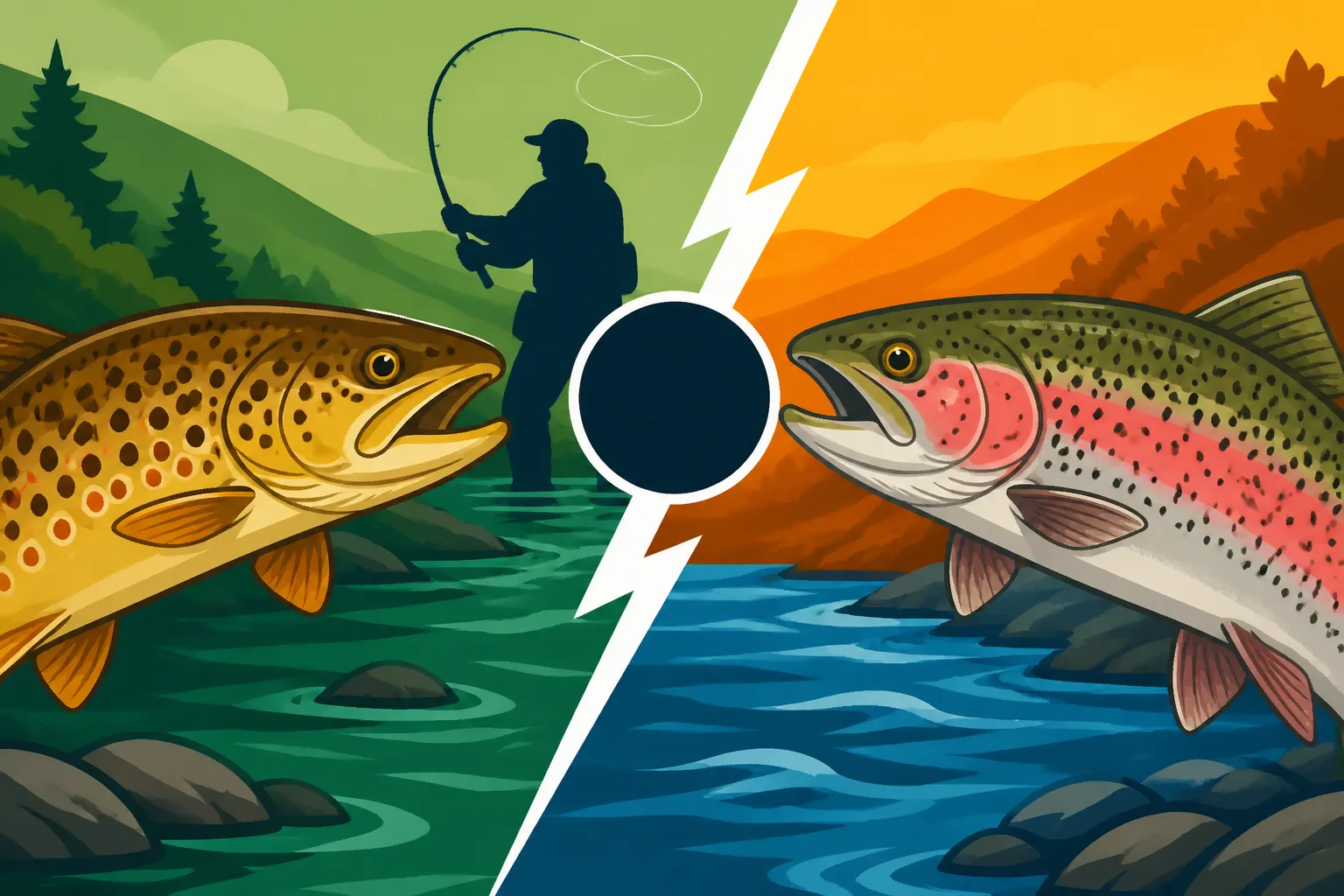
Is Brown Trout Harder to Catch Than Rainbow Trout?
The age-old question that often sparks lively debate among anglers, especially those venturing onto Arkansas's renowned trout streams, isn't just about bait or tackle, but about the fish themselves: are brown trout truly harder to catch than rainbow trout? Many seasoned anglers will nod vigorously, but understanding why that perception exists, and whether it holds true in every scenario, is key to improving your success with both beautiful species. This guide will dive deep into the distinct behaviors, habitats, and temperaments of brown and rainbow trout in Arkansas, helping you uncover the nuances of targeting each.
Understanding the Brown Trout's Elusive Nature
Brown trout, with their cunning intelligence and often solitary disposition, have earned a reputation for being notoriously difficult to catch. They are indeed a different beast than their rainbow counterparts, requiring a more thoughtful, patient, and often stealthy approach.
The Brown Trout's Survival Instincts
Brown trout are survivors. They are naturally warier than rainbows, especially larger, older specimens that have seen every fly, lure, and bait under the sun. These fish didn't get big by being foolish. They possess an innate caution, making them incredibly sensitive to vibrations, shadows, and unnatural presentations. If you're wading, a heavy footstep can send a brown scurrying for cover. If your shadow falls across their feeding lane, they might shut down for minutes. They often prefer to feed during low-light conditions, such as dawn, dusk, or even throughout the night, using the cover of darkness to their advantage. This nocturnal habit means that daytime anglers often miss their most active feeding windows, adding to the perception of their elusiveness.
Their preferred habitat also contributes to their mystique. Browns are champions of cover and structure. You'll find them tucked under submerged logs, deep within undercut banks, behind large boulders, or in dense weed beds, always with an escape route in mind. They aren't generally found cruising in open water like some rainbows might. Instead, they position themselves in ambush points, waiting for prey to drift by. This means you have to be precise with your casts, getting your offering right into their hiding spots without spooking them. It's a game of hide-and-seek, and the brown trout usually holds the winning hand unless you play by their rules. Brown Trout Fishing on Arkansas's White River is a prime example of where these instincts come into play.
How Brown Trout React to Pressure and Habitat Changes
Arkansas's most popular trout waters, like sections of the White River, experience significant fishing pressure, and brown trout react to this pressure by becoming even more guarded. In waters with heavy angler traffic, they quickly learn to associate human presence with danger. This heightened wariness means that even a perfectly tied fly or a meticulously presented lure might be ignored if the brown trout senses anything amiss. They have exceptional eyesight in clear water and can detect the slightest anomaly in presentation – a fly dragging unnaturally, a leader that's too heavy, or a lure with an odd retrieve.
Moreover, brown trout are highly sensitive to changes in their environment. Fluctuations in water flow, temperature, or clarity can dramatically alter their behavior. While some fish might adapt, brown trout often become lethargic or move to even deeper, more secure cover when conditions aren't ideal. They aren't as opportunistic as rainbows, who might still peck at an easy meal even when slightly uncomfortable. Browns, particularly the trophy specimens, demand precision, patience, and often, an understanding of their specific micro-habitat and feeding patterns in response to current conditions. You'll hear guides talk about "the one that got away" more often with browns because of their knack for detecting trouble and making a swift escape, especially after the hook set.
Food Preferences and Presentation Challenges
The diet of a brown trout, especially a larger one, further complicates the angling challenge. While they will eat insects, especially larger nymphs and dries, trophy browns are often piscivorous, meaning they prefer to feed on other fish like minnows, sculpins, and even smaller trout. This requires anglers to present larger, more imitative baits or flies – think streamers, jerkbaits, or swimbaits. Presenting these larger offerings naturally, especially in strong currents or around complex structure, is a skill in itself. Best Lures for Brown Trout Fishing often highlights this need for specific gear.
Getting a perfect drift with a nymph or streamer, allowing it to tumble naturally downstream without any drag, is crucial. Any unnatural movement, known as "drag," can immediately turn off a wary brown. This often necessitates longer leaders, lighter tippets, and strategic casting angles to counteract currents. For those fishing with conventional tackle, selecting the right bait and presenting it without heavy weights or unnatural motion is equally important. Unlike rainbows that might chase down a flashy spinner, a brown trout is more likely to wait for a vulnerable, natural-looking meal to come to them. Anglers who master the art of natural presentation, almost making their offering invisible to the line and weight, are the ones who consistently hook into those elusive brown trout.
The Rainbow Trout's More Cooperative Demeanor
While brown trout are the cunning professors of the river, rainbow trout often play the role of the eager students. This isn't to say they're easy, but generally speaking, they offer a more forgiving and often more action-packed experience for anglers.
Rainbow Trout's Feeding Habits and Aggression
Rainbow trout are generally more opportunistic and aggressive feeders. They are less wary of open water and more willing to chase down a meal. This often translates into more frequent strikes and a higher catch rate, especially for less experienced anglers. Their diet is quite broad, ranging from aquatic insects (nymphs, dries, emergers) to terrestrial insects, worms, salmon eggs, power bait, corn, and even small fish. This versatility in their diet means that a wider range of baits and lures can be effective. Best Bait for Rainbow Trout Below Bull Shoals Dam might include offerings that a brown trout would ignore.
When you find a school of rainbows actively feeding, whether it's rising to a hatch on the surface or congregating in a feeding lane for nymphs, they can be quite competitive. This competitive nature means they're often quicker to strike, fearing another fish will get the meal first. They're also known for their acrobatic fights, often leaping clear out of the water, which makes them incredibly exciting to catch. For many anglers, the thrill of seeing a rainbow jump and fight hard is a huge part of the appeal.
Stocked vs. Wild Rainbows: A Key Difference
A significant factor contributing to the perception of rainbow trout being easier to catch is the prevalence of stocked rainbow trout, especially in popular tailwater fisheries like the White River. These fish, often raised in hatcheries, are accustomed to being fed pellets and interacting with humans. When released into the wild, they initially retain some of this hatchery-conditioned behavior, making them less wary and more susceptible to a wider range of baits, including brightly colored PowerBait, corn, or simple worms fished under a bobber. They haven't yet developed the extreme caution that wild-bred fish, especially brown trout, possess.
Wild rainbow trout, on the other hand, especially those found in more remote streams or those that have survived in a tailwater for a longer period, can be just as challenging as brown trout. They develop similar instincts for survival, becoming wary of unnatural presentations and seeking out natural food sources. However, even these wild rainbows tend to be a bit more forgiving than brown trout in terms of aggression and willingness to strike, particularly when actively feeding. The population dynamics also play a role; in many Arkansas waters, rainbows are stocked in much higher numbers than browns, meaning there are simply more of them available to catch.
Preferred Habitats and Accessibility
Rainbow trout also tend to inhabit more varied and often more accessible parts of the river or lake. While they appreciate structure and current breaks, you'll frequently find them feeding in open riffles, runs, and even slower pools. They are less confined to deep, dark hiding spots and are more willing to move to find food. This makes them easier to locate for anglers, especially those without intimate knowledge of the waterway's hidden pockets.
Their willingness to feed in a wider variety of water types means you can often cover more ground and present your offerings in a broader range of settings. For a beginner, this accessibility is a huge confidence booster. You don't have to be a master caster to get a fly or lure into a productive rainbow trout spot. This isn't to say that pinpoint accuracy isn't rewarded, but the margin for error is often greater when targeting rainbows. Many of the designated "family-friendly" fishing spots often focus on areas with good rainbow populations due to their easier access and higher catch rates.
Factors Influencing Catchability Beyond Species
While brown trout might generally be considered harder to catch, it's crucial to remember that "harder" is a relative term and many external factors can significantly impact your success with either species. Attributing difficulty solely to the fish's species overlooks the intricate dance between angler, environment, and fish behavior.
Water Conditions and Weather
The prevailing water conditions and weather patterns can shift the "difficulty" scale dramatically for both brown and rainbow trout. For instance, clear, low water conditions often make all trout, especially browns, incredibly wary. Every ripple, every shadow, and every unnatural movement becomes magnified. In such conditions, even typically aggressive rainbows might become skittish. Conversely, slightly off-color water after a small rain, or a moderate increase in flow, can sometimes make both species more aggressive as they feel more secure and food is dislodged.
Cold fronts, sudden temperature drops, or bright, sunny days can put a damper on any trout's feeding activity, making them lethargic and less willing to strike. Overcast days, or those with light rain, are often preferred as they offer diffuse light and better cover for both the fish and the angler. Understanding how Weather and Water Temperature Fishing Tips affect trout can turn a "hard" day into a successful one, regardless of the species you're targeting. A brown trout that was impossible to catch under a blazing midday sun might become quite cooperative during a cloudy evening hatch.
Angler Skill and Presentation
Ultimately, the angler's skill level and the quality of their presentation are paramount. A highly skilled fly angler with perfect drifts, accurate casting, and an intimate understanding of insect hatches can consistently catch large brown trout that novice anglers wouldn't even detect. This mastery involves everything from choosing the right fly pattern and tippet size to understanding subtle takes and controlling line. Similarly, a conventional angler who can effectively "match the hatch" with artificial lures or present natural bait without suspicion will outfish others.
Conversely, an inexperienced angler might struggle to catch even a stocked rainbow if their technique is poor. Incorrect retrieve speeds, leader knots that aren't stealthy, or simply choosing the wrong bait for the conditions can lead to a frustrating day. The perceived difficulty often stems from the minimum skill floor required to consistently catch a particular species. Brown trout simply demand a higher baseline of skill, stealth, and technical execution from the angler. Mastering your craft, rather than blaming the fish, is always the path to improvement. On the White River, for example, a guide can help beginners overcome some of these challenges, as explored in First-Time Guided Fishing Trip Tips for Arkansas.
Location and Fishing Pressure
Where you're fishing and how much pressure that specific location receives also heavily influences the perceived difficulty. A wild, unpressured rainbow trout in a remote Ozark stream, while still generally more aggressive than a brown, might be harder to reach and trick than a large, well-fed brown trout in a less-frequented section of a popular tailwater. The very act of reaching a remote spot might be the "difficulty" rather than the fish's temperament.
Consider Trout Fishing Below Bull Shoals Dam on the White River. This area is renowned for both species. However, a brown trout in a heavily fished run directly below the dam might be incredibly sophisticated and wary due to constant human interaction, while a rainbow trout in a lesser-known eddy further downstream might be more willing to strike. Population density also plays a role; in areas with fewer fish, naturally, they'll be harder to come by. Therefore, "harder to catch" isn't a blanket statement about the species, but rather a complex equation involving fish biology, environmental conditions, and human factors.
Strategies for Targeting Each Species
Knowing the general tendencies of brown and rainbow trout is one thing, but translating that knowledge into successful fishing strategies is where the rubber meets the road. Each species often calls for a slightly different approach, both in terms of gear and technique.
Brown Trout Tactics: Patience and Stealth
When targeting brown trout, especially the larger, more elusive ones, your primary weapons are patience, stealth, and precision. Forget about covering vast expanses of water with rapid casts; think surgical strikes.
- Low Light, Big Meals: Browns are often most active at dawn, dusk, or even into the night. Plan your trips around these low-light periods. They also prefer larger meals. This means using larger streamers, articulated flies, jerkbaits, or swimbaits that imitate baitfish. Don't be afraid to experiment with bigger patterns.
- Target Structure: Always cast to cover. Undercut banks, fallen trees, large boulders, deep pools, and current seams near structure are prime brown trout real estate. Focus your efforts on these spots. Get your offering as close to the cover as possible without spooking the fish.
- Natural Presentation: Whether you're fly fishing or spin fishing, presentation is key. For fly anglers, achieving a truly drag-free drift with nymphs or streamers is critical. For spin fishermen, retrieving your lure slowly and subtly, mimicking an injured baitfish, can be deadly. Consider using fluorocarbon leaders for invisibility, like those you might find on Amazon, especially in clear water.
- Patience is a Virtue: You might make dozens of perfect casts to a likely brown trout lie before getting a strike. Don't get discouraged. Move slowly, observe the water, and be prepared for a sudden, aggressive take. Best Time to Fish the White River in Arkansas for Trout will often highlight these low-light hours.
- Heavy Leaders for Big Fish: While stealth is important, don't go too light on your leader or tippet if you're specifically targeting trophy browns. They can be incredibly powerful, and a snapped line on a once-in-a-lifetime fish is heartbreaking. Balance invisibility with strength.
Rainbow Trout Tactics: Versatility and Opportunity
Rainbow trout, being more active and less wary, allow for a more varied and often more active fishing style. You can cover more water and typically expect more frequent action.
- Diverse Bait and Lure Selection: Rainbows are less picky. This means you can often find success with a wide array of offerings. For bait fishermen, PowerBait, corn, worms, or salmon eggs are highly effective. For lure anglers, small spinners, spoons, and jigs often elicit strikes. Fly fishermen can do well with nymphs, dries, emergers, and smaller streamers.
- Covering Water: Unlike browns that often stay put, rainbows are more likely to move and chase. Don't be afraid to cast widely and frequently, working different parts of a riffle, run, or pool. Active retrieval methods that make your lure or fly appear lively can be very effective.
- Targeting Runs and Riffles: Rainbows frequently hold in faster-moving water where oxygen levels are high and food drifts by naturally. Focus on the heads and tails of runs, riffles, and current seams. These are often productive areas.
- Match the Hatch (When Applicable): While rainbows are opportunistic, if there's a specific insect hatch occurring, "matching the hatch" with appropriate fly patterns will dramatically increase your success.
- Sensitivity to Pressure: While more cooperative, heavily pressured rainbows can also become educated. If they're shutting down, try downsizing your lure or fly, switching to a more natural color, or slowing down your presentation. Sometimes a subtle shift is all it takes. Rainbow Trout Fishing on Arkansas's White River is a great resource for understanding where to find these fish.
Brown Trout vs. Rainbow Trout: A Quick Comparison
To help visualize the general differences in catching these two beloved Arkansas trout species, here's a handy comparison table. Remember, these are broad generalizations, and individual fish behavior can vary!
| Feature | Brown Trout | Rainbow Trout |
|---|---|---|
| General Temperament | Wary, cunning, solitary, often nocturnal | Opportunistic, aggressive, often school-oriented |
| Preferred Habitat | Heavy cover, undercut banks, deep pools, structure | Riffles, runs, open pools, varied water types |
| Primary Diet | Larger baitfish, crawfish, large insects, sculpins | Wide variety: insects, worms, pellets (stocked), small baitfish |
| Feeding Time | Dawn, dusk, night, low light | More active during daylight, especially mornings |
| Reaction to Pressure | Highly sensitive, become very wary | Can become wary, but often more forgiving |
| Fight Style | Deep dives, head shakes, strong runs | Acrobatic jumps, fast runs, good fight |
| Typical Gear | Finesse setups, larger streamers/lures, natural baits | Versatile, smaller spinners/spoons, PowerBait, flies |
| Presentation Need | Extreme stealth, drag-free, subtle | Good presentation, but more forgiving for mistakes |
| Difficulty Rating | Generally harder (especially wild, large fish) | Generally easier (especially stocked fish) |
Conclusion: The Thrill is in the Challenge
So, is brown trout harder to catch than rainbow trout in Arkansas? In general, yes, the consensus among many anglers is that brown trout, particularly larger, wild specimens, present a greater challenge. Their innate wariness, preference for cover, and often nocturnal feeding habits demand a higher level of stealth, patience, and technical skill. They are masters of evasion, making that successful hook-up a truly earned trophy.
However, this doesn't diminish the joy and challenge of catching rainbow trout. A wild rainbow in a remote stream, or an educated holdover in a popular tailwater, can still test an angler's abilities. And for sheer action and the thrill of an acrobatic fight, rainbows are hard to beat. The "difficulty" of fishing is often less about the species itself and more about the specific fish, the conditions, and the angler's approach.
Ultimately, both species offer incredible angling experiences in the beautiful waters of Arkansas. Don't let the reputation of either deter you. Instead, use this understanding to refine your strategies, embrace the unique challenges each fish presents, and enjoy every moment on the water. Whether you're after the cunning brown or the feisty rainbow, the reward is always in the pursuit.
Disclaimer
This article is for general informational purposes only and does not constitute professional advice. Laws, prices and regulations vary by location and change over time. Consult a qualified professional for guidance on your specific situation.