Weather and Water Temperature Fishing Tips
There's nothing quite as frustrating as planning a perfect fishing trip, waking up early, getting to your favorite spot on Lake Ouachita or the White River, only to find the fish have lockjaw. Often, it's not your technique or bait, but subtle shifts in weather and water temperature that have completely changed the game. This guide is all about helping you decode those environmental clues, turning potentially frustrating days into successful ones by understanding how conditions influence fish behavior in Arkansas.
Understanding Arkansas Weather's Impact on Fish Behavior
When you're out on the water, whether it's the vast expanse of Bull Shoals Lake or a quiet eddy on the Little Red River, the air around you and the water beneath you are constantly in flux. These seemingly small changes can have a monumental impact on how fish feed, where they hold, and how willing they are to bite. Ignoring them is like trying to drive blindfolded—you might get lucky, but mostly you'll just be frustrated.
Barometric Pressure and Fish Activity
Barometric pressure, the weight of the air pressing down on the earth's surface and, by extension, the water, is one of the most overlooked yet critical factors in fishing success. Think of it like this: fish have an air bladder that helps them regulate buoyancy. When the atmospheric pressure changes rapidly, it can affect this delicate system, causing discomfort or stimulating activity.
Before a major cold front rolls through, you often hear the meteorologist talk about falling pressure. During this period of dropping pressure, fish, especially species like largemouth bass, often go on a feeding spree. They sense the impending change and know that a period of discomfort or decreased feeding might be coming, so they gorge themselves. This is your prime window to throw aggressive baits like crankbaits or spinnerbaits. However, once the cold front actually arrives and the pressure is high and stable, fish tend to become less active. They'll often move deeper, hugging cover, and become much pickier eaters. Your presentation needs to slow down considerably, perhaps to a Carolina rig or a subtle jig, targeting them precisely where they hide. Similarly, crappie might move from open water brush piles to tighter cover in deep pockets when pressure drops. Learning to read these changes through a simple barometer or even a good weather app can truly transform your approach.
Wind's Influence on Fishing Conditions
Wind, while often an annoyance for anglers trying to maintain boat position or cast accurately, can actually be your best friend if you know how to use it. The surface chop created by wind naturally breaks up the water's surface, making it harder for fish to see you or your line. More importantly, wind creates current, even on still lakes, which pushes plankton and baitfish to one side of a body of water, concentrating them. Where the bait goes, the game fish follow.
A consistent wind blowing into a particular bank or point can create a "current break" that fish use as an ambush point. Bass and crappie will often stack up on the windy side of points, submerged humps, or rock piles, waiting for easy meals to drift by. This is also why areas with consistent wind often have better oxygen levels, further attracting fish. When fishing windy conditions, adjust your casting angle to use the wind to your advantage, or if it's too strong, look for wind-protected areas that might still hold fish that are avoiding the chop. For example, if the wind is blowing hard into a bluff wall on Beaver Lake, fish might be holding just outside the direct impact zone, taking advantage of the concentrated bait without fighting the full force of the wind. Using heavier lures to penetrate the wind and reach the bottom, or even anchoring upwind and drifting baits, can be highly effective. Remember, a little wind is often a good thing; it’s just about knowing how to fish it.
Rain, Runoff, and Water Clarity
Rainfall in Arkansas can be a mixed blessing for anglers. A gentle, steady rain on a cloudy day can be absolutely fantastic for fishing, especially for bass and trout. The low light conditions often encourage fish to move shallower and feed more aggressively, and the rain itself can mask your presence. Trout on the White River, for instance, often become more active during or immediately after a light rain, feeling more secure under the broken surface.
However, heavy, prolonged downpours, especially those that lead to significant runoff, can drastically change conditions for the worse, or sometimes, for the better, depending on how you adapt. When torrential rains hit, they wash sediment, nutrients, and even terrestrial insects into rivers and lakes. This can lead to highly stained or muddy water. In these situations, fish often move away from the main current and seek out clearer, calmer water in eddies, coves, or backwaters. They might also key in on specific smells, making baits like scented plastics or live bait more effective. Conversely, sometimes this runoff brings a surge of food, sparking a temporary feeding frenzy. If the water is only slightly stained, fish might actually be more comfortable, and their lateral lines can pick up vibrations better, making noisy baits or brightly colored lures stand out. Always assess the water clarity after rain and adjust your lure color and presentation accordingly – from bright chartreuse in muddy water to more natural tones in slightly stained conditions.
Deciphering Water Temperature for Different Species
If barometric pressure is the invisible hand of fishing, then water temperature is the lifeblood. Fish are cold-blooded creatures, meaning their metabolism, activity levels, and even their immune systems are directly tied to the temperature of the water around them. Understanding these thermal preferences is paramount to consistently finding and catching fish in Arkansas.
Optimal Temperature Ranges for Key Arkansas Species
Every fish species has a comfort zone, a specific range of water temperatures where they are most active, feed most efficiently, and reproduce. Deviate too far from this range, and they become lethargic, stressed, or simply leave the area. For example, cold-water species like trout thrive in cool, well-oxygenated water, while warm-water species like bass and crappie prefer much warmer conditions.
Here's a quick look at the general optimal temperature ranges for some of Arkansas's most popular game fish:
| Species | Optimal Water Temperature Range | Notes |
|---|---|---|
| Largemouth Bass | 65-75°F (18-24°C) | Peak feeding and spawning activity (spawn is typically 60-70°F). Can tolerate warmer, but become lethargic and seek shade/depth. |
| Smallmouth Bass | 60-70°F (16-21°C) | Prefer cooler, clearer water than largemouth. Often found in rocky areas of lakes and flowing Ozark streams. |
| Crappie | 60-70°F (16-21°C) | Very active and spawn when water hits the mid-60s. Will move shallow for feeding and spawning. |
| Rainbow Trout | 45-65°F (7-18°C) | Thrive in cold, oxygen-rich tailwaters. Anything above 70°F can be lethal. |
| Brown Trout | 45-65°F (7-18°C) | Similar to rainbows, but often more tolerant of slightly warmer water for brief periods and may seek deeper pools in warmer months. |
| Striped Bass | 60-70°F (16-21°C) | Can tolerate wider swings, but this is their most active feeding range. They follow baitfish into these preferred temperatures. |
| Catfish | 70-85°F (21-29°C) | Warm-water fish that remain active even in very hot conditions. Spawn in the mid-70s. |
These ranges aren't hard and fast rules, but vital guidelines. A quality fishing thermometer, readily available on platforms like Amazon, is an invaluable tool for taking accurate readings and helping you pinpoint fish. Knowing that bass are spawning around 60-70°F, as detailed in our guide on the Arkansas Bass Spawn Timing by Water Temperature, means you can focus on shallow, protected coves rather than deep main lake points. Similarly, understanding the 60-70°F optimal range for crappie helps you predict their spring movements, aligning with insights from our Arkansas Crappie Spring Spawn Pattern article.
The Thermocline and Deep-Water Fish
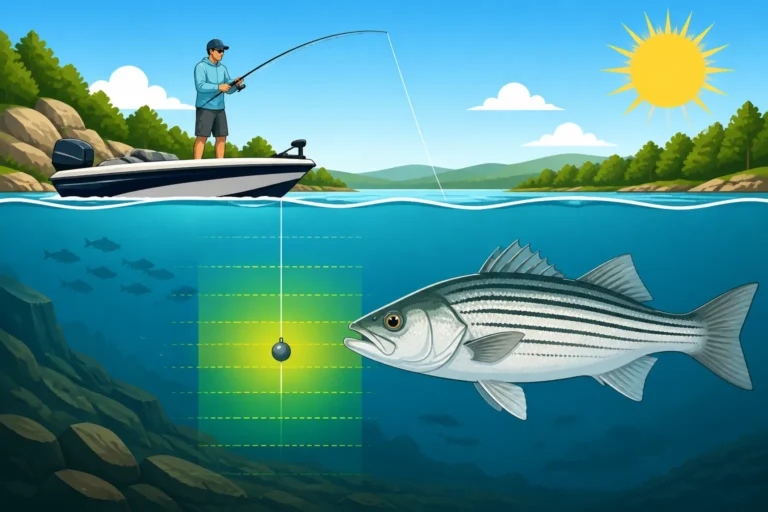
During the warmer months, especially from late spring through early fall, many of Arkansas's deeper lakes and reservoirs, like Norfork Lake or Greers Ferry, develop a phenomenon called a thermocline. This is a distinct layer within the water column where the temperature changes rapidly with depth, separating warmer, oxygen-rich surface water from colder, deeper, and often oxygen-depleted water.
Think of it as a hidden floor in the lake. Above the thermocline, you have plenty of oxygen but potentially very warm water. Below it, the water is cool, but oxygen levels can plummet to uninhabitable levels. This creates a "comfort zone" for many deep-water fish species, particularly during the summer. Bass, crappie, and especially striped bass will often stack up precisely within or just above this thermocline, taking advantage of the cooler water and available oxygen. Locating this layer with your fish finder (many modern units have temperature graphs) is a game-changer for summer fishing. You can often see baitfish congregating along it, and larger predatory fish nearby. Fishing above, in, or just below the thermocline with deep-diving crankbaits, jigging spoons, or even downriggers for suspended stripers, becomes incredibly effective.
Temperature Swings and Fish Reactions
Fish, like humans, don't much care for sudden changes. While a gradual warming or cooling trend can stimulate feeding, abrupt shifts in water temperature, often caused by cold fronts or sudden warm spells, can put fish into a state of shock or lethargy.
A classic example is a sharp cold front. The air temperature drops dramatically, often accompanied by high, clear skies and stable high barometric pressure. This can cause the shallow water temperature to plummet several degrees in a short period. As detailed in our Cold Front Fishing Techniques article, fish in these conditions become incredibly difficult to catch. Their metabolism slows, they often retreat to deeper, more stable water, and they become much less willing to chase a bait. You'll need to slow down your presentation, use smaller baits, and target tight cover or deep structure. Conversely, a sudden warming trend after a period of stable cold weather can sometimes ignite a bite, as fish respond to the increased comfort and metabolism. However, extreme heat waves that push water temperatures into the upper 80s or 90s can stress fish, making them sluggish and less interested in feeding during the heat of the day. Our guide on How to Fish After a Cold Front delves deeper into these specific adjustments. Always remember to consider the trend, not just the absolute temperature.
Seasonal Weather and Water Temperature Patterns in Arkansas
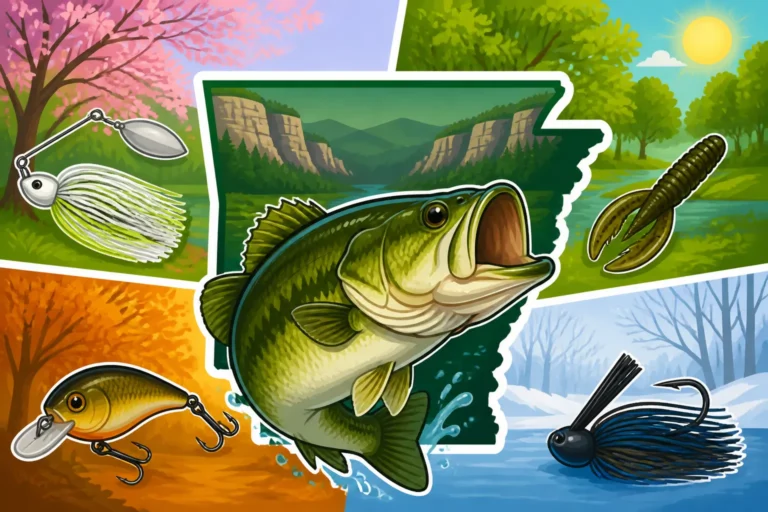
Arkansas experiences four distinct seasons, each bringing its own unique set of weather and water temperature dynamics that profoundly influence fishing conditions. Understanding these seasonal shifts is fundamental to being a successful angler throughout the year. Our comprehensive Arkansas Fishing Seasons Guide covers this in detail, but let's break down the interplay of weather and water temperature.
Spring: Warming Waters and the Spawn
Ah, spring in Arkansas! It’s arguably the most anticipated time of year for many anglers. After the long, cold winter, the days start getting longer, and the air temperatures gradually warm up. This translates directly to the water, which slowly begins its ascent from the frigid winter lows. This slow warming is the crucial trigger for a lot of fish activity, most notably the annual spawning rituals.
As water temperatures climb into the 50s and then into the 60s, fish like largemouth bass, smallmouth bass, and crappie begin their journey from deeper wintering grounds to shallower staging areas. They're looking for warmer, protected coves and flats where they can prepare to spawn. During the pre-spawn phase, when temperatures are often in the high 50s, fish are aggressively feeding to build energy reserves for spawning, making this an excellent time for targeting trophy fish. As the water hits that magic 60-70°F range, the actual spawn kicks off. You’ll find bass on beds in clear, shallow areas, and crappie moving into brush piles and submerged timber in just a few feet of water. Understanding the nuances of the Arkansas Bass Spawn Timing by Water Temperature or the Arkansas Crappie Spring Spawn Pattern is key. Post-spawn, fish are often recuperating and can be a bit sluggish, but they soon resume feeding to regain strength. The weather during spring can be fickle – bright, sunny days followed by cool, rainy fronts – so anglers need to be prepared for rapid changes in fish behavior.
Summer: Heat, Thermoclines, and Deep Bites
Summer in Arkansas means heat, plain and simple. Air temperatures routinely climb into the 90s, and surface water temperatures can easily reach the upper 80s, especially on shallower lakes. While this might sound like a deterrent, summer fishing can be incredibly productive if you understand how fish adapt to the heat.
During the hottest parts of the day, fish, much like us, seek refuge from the intense sun and warm water. This means they'll often move to deeper, cooler water, gravitate towards thick overhead cover like lily pads or docks, or tuck into shaded bluff walls on places like Beaver Lake. The formation of the thermocline, as discussed earlier, becomes incredibly important, as it provides that sweet spot of cooler, oxygenated water. Our guide on Summer Bass Fishing Patterns dives into how to adjust your strategy for these conditions. For species like striped bass, often found in deep, clear lakes like Norfork, the summer heat means they'll be suspended in the thermocline, chasing schools of baitfish. Tactics for Summer Striper Fishing at Norfork Lake Arkansas often involve trolling deep-diving baits or using live bait on downriggers to reach these suspended fish. Early mornings, late evenings, and even night fishing become prime times, as surface temperatures cool and fish feel more comfortable moving shallow to feed.
Fall: Cooling Waters and the Feeding Frenzy
Autumn is another fantastic time to fish in Arkansas. As the oppressive summer heat gives way to cooler air temperatures and crisp, shorter days, the water temperature begins a steady, gradual descent. This prolonged cooling period is often characterized by stable weather, making for very predictable and productive fishing.
Fish sense the impending winter and embark on a massive feeding frenzy to put on weight. This is a time of incredible opportunity for anglers. Baitfish, which have grown large over the summer, are also concentrated, and predatory fish follow them relentlessly. The "fall turnover," where the surface waters cool, become denser, and sink, mixing with deeper waters, temporarily disrupts things. However, once the lake stabilizes, it provides consistent oxygenation throughout the water column. You'll find bass aggressively chasing bait on main lake points, schooling on humps, and even moving into shallow coves. Crappie will be schooling up in brush piles and along channel edges. Our Fall Fishing Patterns for Bass and Crappie article explains how to capitalize on this intense feeding period. Focus on covering water with reaction baits like spinnerbaits, crankbaits, and topwaters, or targeting schooling fish with spoons and swimbaits.
Winter: Cold Water and Specialized Techniques
Winter fishing in Arkansas might not have the same widespread appeal as spring or fall, but for dedicated anglers, it can offer some of the most rewarding and uncrowded experiences. While air temperatures can be quite cold, often dipping below freezing, the water itself doesn't cool as quickly. Lakes and rivers typically remain ice-free, especially the larger reservoirs and tailwaters.
In winter, fish metabolism slows down significantly. They don't need to eat as often, and their movements become much more lethargic. This means they'll generally concentrate in deeper, more stable areas where water temperatures are slightly warmer, or where they can find structure and cover with minimal effort. Think deep creek channels, bluff ends, and standing timber. For bass and crappie, slow, methodical presentations are key. Jigs, shaky heads, or small spoons fished vertically or with extremely slow retrieves can be effective. Our Winter Fishing Patterns on Arkansas Reservoirs provides excellent tips for this season. This is also prime time for trout fishing on the state's legendary tailwaters like the White River below Bull Shoals Dam. The constant cold-water discharge from the dam creates a stable environment where trout remain active year-round. Our guide to Winter Trout Fishing on the Norfork Tailwater in Arkansas offers specific advice for these colder conditions, often involving tiny flies, small spoons, or powerbaits. Don't let the cold scare you; with the right gear and patience, winter can be incredibly productive.
Tools and Techniques for Weather and Water Temperature Angling
You can't effectively respond to weather and water temperature changes if you don't know what they are. This is where modern tools and thoughtful techniques come into play, giving you a real edge on the water.
Essential Gear for Monitoring Conditions
Gone are the days when guessing the water temperature was your only option. Today, anglers have access to a wealth of tools that provide real-time data, helping you make informed decisions. First and foremost, a reliable water thermometer is a must-have. You can find excellent, durable models on Amazon that will give you accurate readings of surface and sometimes subsurface temperatures. Knowing the exact temperature can help you pinpoint the precise depth where fish are most active, especially for species with narrow comfort zones like trout or spawning crappie. As discussed in How to Read Water Temperature for Bass Fishing, this simple device is a game changer.
Beyond temperature, staying abreast of weather conditions is vital. Many modern fish finders come equipped with temperature sensors built into the transducer, giving you continuous readings as you move. Look for models from brands like Humminbird or Lowrance. Additionally, don't underestimate the power of good weather apps on your smartphone. These apps can provide real-time barometric pressure readings (showing rising or falling trends), wind speed and direction, and impending rainfall. For example, knowing a strong cold front is approaching might prompt you to try aggressive tactics before its arrival. Finally, for those unpredictable Arkansas showers, a high-quality, lightweight rain suit, also easily found on Amazon, will keep you comfortable and focused on fishing, not on getting drenched.
Adjusting Lures and Presentation
Once you've gathered your data on weather and water temperature, the next step is to translate that information into effective lure and presentation choices. Fish activity levels are profoundly influenced by these conditions. When fish are cold or stressed (e.g., during a cold front or in very cold water), their metabolism slows, and they become lethargic. This means they are less likely to chase a fast-moving bait.
In these tough conditions, you need to slow down. Think about finesse tactics: small jigs, drop shots, shaky heads, or slowly retrieved worms. Your retrieves should be painstakingly slow, giving the fish ample time to decide to bite. Color can also play a role: in cold, clear water, subtle, natural colors often perform best. Conversely, when water temperatures are optimal and fish are active (like during the fall feeding frenzy or pre-spawn), you can get away with much more aggressive presentations. Crankbaits, spinnerbaits, topwaters, and fast-moving swimbaits can trigger reaction strikes. Consider brighter or more contrasting colors in stained water. The key is to match your lure and its presentation to the mood of the fish, which is directly linked to the environment. Live bait can also be a significant advantage in very challenging conditions, as it offers a natural scent and movement that can tempt even the most finicky fish.
Reading the Water and Interpreting Fish Behavior
Ultimately, all the tools and knowledge in the world won't help if you don't actively observe and interpret what the water is telling you. Reading the water means looking for subtle clues that indicate where fish might be and what they might be doing. This involves paying attention to current lines, which can concentrate baitfish and provide ambush points for predators. Observe the wind direction and how it’s affecting the surface chop or pushing debris. Are there baitfish schooling on the surface, or are birds diving to feed? These are all indicators of activity.
Even something as simple as water clarity can dictate your approach. If the water is muddy, fish might be shallow, near cover, and relying on their lateral line to detect vibrations, making noisy baits with strong profiles a good choice. If it's crystal clear, they might be deeper or require a much more subtle, natural presentation. Look for visible structure, changes in bottom composition, or depth contours that might offer fish refuge or feeding opportunities. The best anglers aren't just casting aimlessly; they are constantly processing information, making micro-adjustments to their boat position, lure choice, and retrieve speed based on the subtle clues around them. Patience, persistence, and a willingness to adapt are your most valuable assets when faced with ever-changing weather and water temperature conditions in Arkansas.
Disclaimer
Fishing involves inherent risks, and conditions can change rapidly. Always prioritize your safety, wear appropriate personal flotation devices, and be aware of local regulations. The information provided in this guide is for informational purposes only and should not be considered professional advice. Always check current weather forecasts and water conditions before heading out.