First-Time Guided Fishing Trip Tips for Arkansas
Planning your first guided fishing trip in Arkansas can feel like stepping into a whole new world, full of anticipation but maybe a few jitters about what to expect. You've heard the stories of trophy trout from the White River or monster stripers from Norfork, and now it's your turn, but how do you make sure it's an amazing experience? This comprehensive guide is here to walk you through everything a first-timer needs to know, making your initial foray into guided fishing in the Natural State as smooth and exciting as possible.
Understanding Why a Guided Trip is a Game Changer
Let's be honest, fishing can sometimes feel like a puzzle. Where are the fish hiding today? What bait are they hitting? How do I navigate this massive lake or tricky river system safely? These questions can be especially daunting in a new location, or when you're targeting a species you're not overly familiar with. That's where a guided trip truly shines, offering an unparalleled advantage to both novice and experienced anglers alike.
The Value of Local Expertise
Think of your fishing guide as a walking, talking encyclopedia of the local waterways. They spend countless hours on the water, day in and day out, observing patterns, tracking fish movements, and understanding the subtle nuances that make all the difference. This isn't just about knowing where the fish are generally found, but precisely where they are right now, given the current water levels, temperature, time of year, and even recent weather patterns.
For instance, if you're chasing the legendary brown trout on the White River, a guide won't just take you to a random spot. They know the specific runs, the submerged structures, and the current seams where those wary browns are likely to be holding, often switching up locations throughout the day based on activity. The same goes for chasing the elusive striped bass in Norfork Lake; guides understand their deep-water haunts and seasonal migration patterns, employing specialized tactics that would take years for an individual angler to master. This intimate knowledge often translates directly into more bites and a higher chance of landing that dream fish, turning what could be a frustrating day of searching into a successful day of fishing.
Equipment, Logistics, and Peace of Mind
One of the biggest hurdles for many first-time anglers, or those visiting from out of state, is the sheer amount of gear required. Do you have the right rods? The right reels? A boat capable of navigating these specific waters? What about safety equipment, or even just knowing the local regulations? A guided trip eliminates almost all of these concerns, providing a hassle-free experience that lets you focus purely on the fishing.
Guides typically supply all the necessary rods, reels, tackle, and even specialized baits that are proven performers in their specific waters. They'll have a comfortable and safe boat, complete with all the required safety gear. This means you don't have to worry about transporting your own equipment, investing in expensive gear you might only use once, or dealing with the logistics of boat launches and navigation. Beyond the gear, guides are also experts in the local regulations, ensuring you're compliant with all Arkansas Fishing License Rules and Costs and specific daily limits. This peace of mind allows you to truly relax and immerse yourself in the experience, knowing that an experienced professional is handling all the heavy lifting, from the moment you meet them until you're back on shore.
Choosing the Right Guide and Trip for You
Now that you're sold on the idea, how do you pick the perfect guide and trip for your first outing? Arkansas offers an incredible array of fishing opportunities, from cold-water trout streams to vast warm-water lakes, each requiring different expertise. It's not a one-size-fits-all situation, and taking a little time to research upfront will pay dividends in your overall enjoyment.
Matching Your Target Species and Location
Arkansas is diverse, boasting world-class fisheries for trout, bass, crappie, catfish, and even massive striped bass. Before you even look for a guide, think about what kind of fish you're most excited to catch. Are you dreaming of fly fishing for rainbow and brown trout on a pristine tailwater? Then you'll be looking for specific White River Fishing Guides: Arkansas's Trout Fishing Capital. If you're after the thrill of a striper fight, you'll want a guide specializing in lakes like Norfork or Hamilton, where these powerful fish thrive. Each guide often has a specific niche, a particular species, or a body of water where they excel.
When researching, look for guides who prominently feature the species and locations you're interested in on their websites or booking profiles. Don't hesitate to ask them directly about their experience with a particular fish or technique. Some guides might be generalists, but many are true specialists, and for a first-time guided trip, tapping into that specialized knowledge can be incredibly beneficial. For instance, if you're eyeing a trophy striper, you might seek out guides with a proven track record on Norfork Lake, known for its incredible Norfork Lake Striped Bass Season.
Half-Day vs. Full-Day: What to Expect
The duration of your guided trip is a crucial factor, especially for a first-timer. Most guides offer both half-day and full-day options, each with its own advantages.
A half-day trip typically lasts around 4-5 hours. This can be an excellent choice for beginners, families with younger children, or those on a tighter schedule. It's enough time to get a feel for the guided experience, learn some new techniques, and hopefully catch some fish, without committing to an entire day on the water. It's often less physically demanding and can be a great introduction to a new fishery. Keep in mind that for a half-day trip, the guide might focus on more accessible spots to maximize fishing time. You can compare the experiences more deeply by looking at resources like Full-Day vs Half-Day White River Trout Trips: Which to Book in Arkansas.
A full-day trip, usually 7-9 hours, offers a more comprehensive experience. It allows for more travel time to diverse fishing spots, more time for instruction, and often, the opportunity to target multiple species or explore different techniques. If you're truly passionate about fishing and want to maximize your learning and catching potential, a full-day trip is often the way to go. It allows for a more relaxed pace, more opportunities to adapt to changing conditions, and a deeper immersion into the local fishing scene. The cost difference is usually proportional, so consider your budget and stamina.
| Trip Type | Duration | Ideal For | Pros | Cons |
|---|---|---|---|---|
| Half-Day | 4-5 hours | Beginners, families with kids, shorter schedules | Less expensive, less physically demanding, good introduction | Less time on water, fewer locations, might feel rushed |
| Full-Day | 7-9 hours | Serious anglers, those wanting deep immersion, learning | More fishing time, more locations, diverse techniques, relaxed pace | More expensive, more physically demanding, requires full commitment |
Asking the Right Questions Before You Book
Before you commit to a guide, engage them in a conversation. This isn't just about price; it's about fit. You want to ensure their style matches your expectations. Many guides are listed on booking platforms like FishingBooker, which makes it easy to compare profiles and read reviews, but a personal chat is always invaluable. Here are some key questions to ask:
- What's included in the trip? Do they provide all fishing gear (rods, reels, tackle, bait)? Is water and snacks provided? Do they offer to clean your catch? Clarity on these details avoids surprises later.
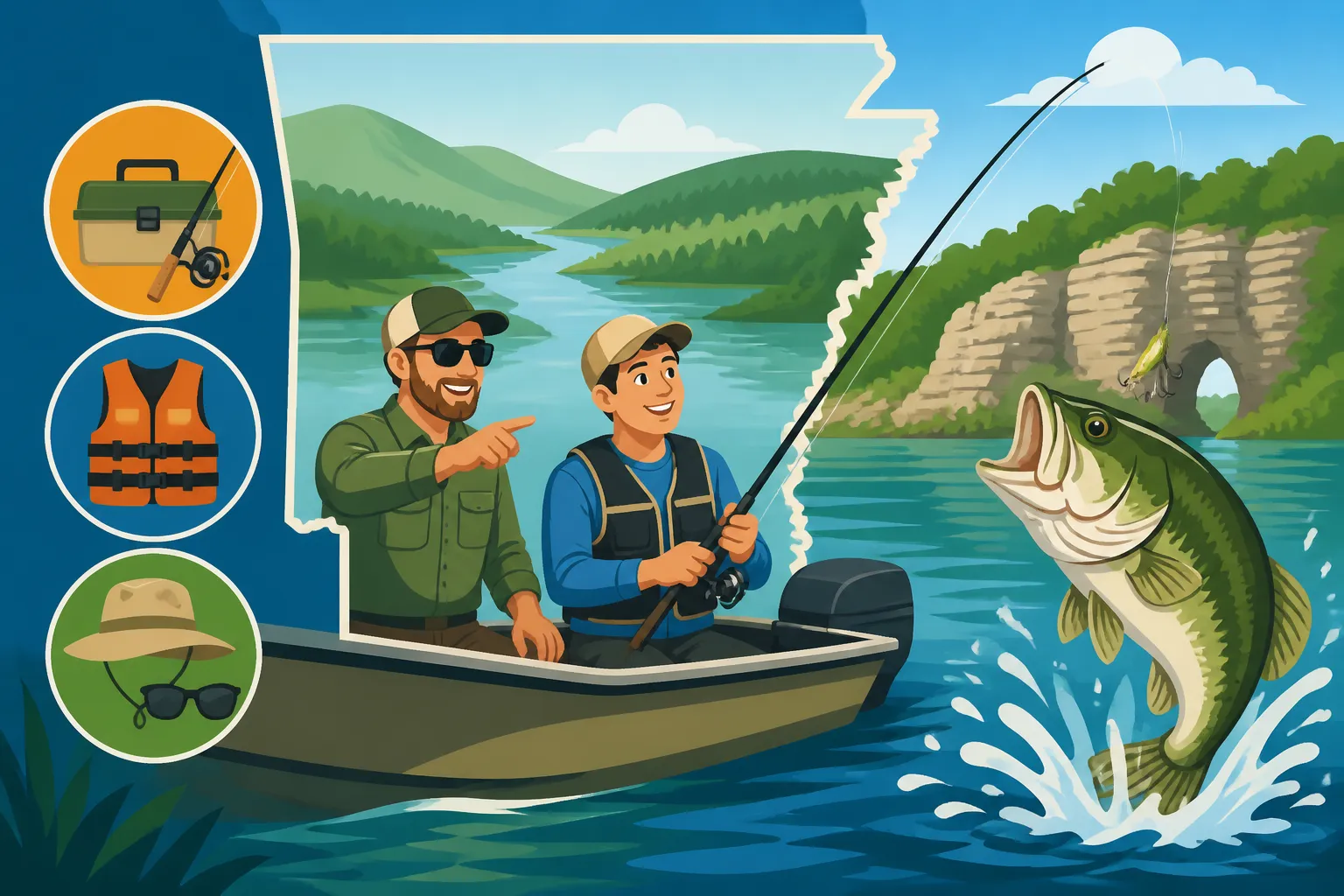
- What should I bring? Even if they provide gear, you'll need personal items like appropriate clothing, sunscreen, sunglasses, a hat, and your Arkansas Fishing License Requirements for Guided Trips.
- What's your cancellation policy? Life happens. Understand their policy regarding weather, personal emergencies, or guide availability.
- How many people can fish? Most guides have a limit on the number of anglers they can comfortably and safely accommodate, often due to boat size or the nature of the fishing. Make sure your group size works.
- What is your experience with first-timers/kids? If you're new to fishing or bringing children, look for guides who are patient and good instructors.
- What are the typical fish species caught this time of year? This helps manage expectations and confirms they're targeting what you want.
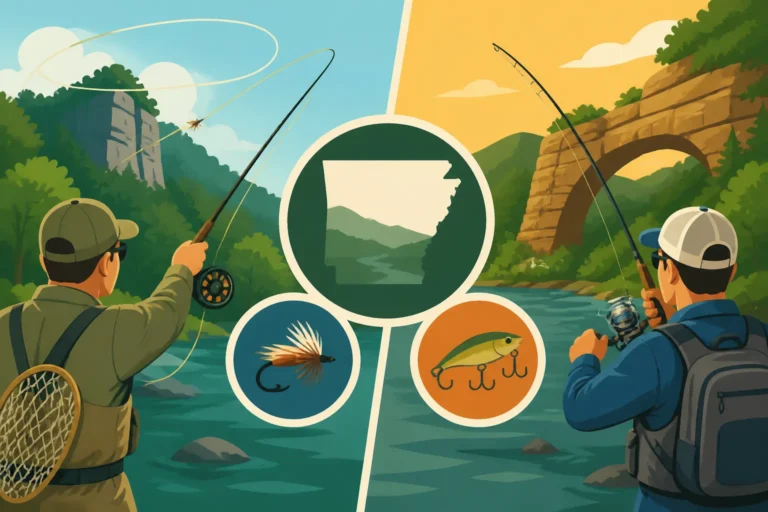
- What kind of fishing techniques do you primarily use? Do they focus on fly fishing, spin fishing, trolling, or casting? This helps if you have a preference or want to try something specific. For more detail, consider Choosing a Fly-Fishing or Spin-Fishing Guide for Your Arkansas Trip.
These conversations are also a good way to gauge the guide's personality. Remember, you'll be spending several hours in close quarters with this person! Finding someone you connect with can greatly enhance the overall experience. Don't be afraid to check out booking sites like FishingBooker to compare guides and read reviews from other anglers, which can give you a great feel for their personality and expertise.
Preparing for Your First Guided Adventure
You've booked your trip, you're excited! Now comes the practical part: getting ready. A little preparation goes a long way in ensuring you're comfortable and ready to make the most of your time on the water.
Essential Gear and Clothing
Even though your guide will provide the core fishing equipment, what you wear and what personal items you bring are entirely up to you. Weather in Arkansas can be unpredictable, especially near the water or in mountainous regions, so layering is often key.
- Clothing: Think layers! A moisture-wicking base layer, a fleece or sweater for warmth, and a waterproof and windproof outer shell are almost always a good idea, even on sunny days. Bring long pants and long-sleeved shirts for sun protection, even if it's warm. The sun's reflection off the water can be intense.
- Footwear: Comfortable, closed-toe shoes with good grip are essential. You might be standing for long periods, and the boat deck can get wet. Avoid flip-flops or open-toed sandals.
- Sun Protection: Sunglasses (polarized are highly recommended for seeing fish and structure underwater!), a wide-brimmed hat, and plenty of high-SPF sunscreen are non-negotiable. Reapply sunscreen frequently.
- Rain Gear: Even if the forecast looks clear, a lightweight rain jacket and pants tucked into your bag can save the day. Arkansas weather can change quickly.
- Gloves: Depending on the type of fishing, light fishing gloves can protect your hands from sun, cuts, or blisters.
Understanding Arkansas Fishing License Requirements
This is a big one and often overlooked by first-timers, especially those who assume "guided trip" means all paperwork is handled. It's a common frustration, but it's crucial: You are responsible for having a valid Arkansas fishing license. Your guide cannot legally take you fishing without one.
Before your trip, ensure you've purchased the appropriate license for your residency status (resident or nonresident) and the type of fishing you'll be doing (e.g., if you're trout fishing on a tailwater, you'll likely need a trout permit in addition to a general fishing license). You can usually purchase these online through the Arkansas Game and Fish Commission website, at many sporting goods stores, or even at some local bait shops. Don't wait until the morning of your trip; technology can fail, or stores might not be open early. Have it ready, either printed or easily accessible on your phone. For more detailed information, please check Arkansas Fishing License Requirements for Guided Trips.
Food, Drinks, and Personal Items
While some full-service guides might provide snacks or drinks, it's always a good idea to bring your own. A small cooler with bottled water, sodas, and easy-to-eat snacks (sandwiches, granola bars, fruit) will keep your energy up throughout the day.
Don't forget any personal medications you might need. If you're prone to motion sickness, take preventative measures before you get on the boat. A small camera or your phone (in a waterproof case, if possible) is great for capturing memories, but make sure it's secure. Also, a small waterproof bag or dry bag is invaluable for keeping your wallet, keys, and phone safe and dry.
On the Water: Making the Most of Your Experience
Once you're on the boat and heading to the first spot, the real fun begins! This is your chance to learn, relax, and connect with nature. How you interact with your guide and approach the day can significantly impact your overall enjoyment.
Communication is Key
Your guide is there to help you have a great time and catch fish, but they're not mind readers. Don't be shy about communicating your goals and preferences. Are you hoping to catch a specific species, or are you just happy to bend a rod? Do you want to learn specific techniques, or are you content to let the guide do most of the work?
- Ask questions! If you don't understand something, whether it's how to cast a certain lure or why the guide is choosing a particular spot, ask! Most guides love to share their knowledge.
- Share your experience level: Let them know if you're a complete beginner or an experienced angler looking to refine specific skills. They can tailor their instruction and approach accordingly.
- Be clear about physical limitations: If you have any back issues, mobility challenges, or other concerns, tell your guide upfront so they can make accommodations or adjust expectations.
- Give feedback: If you're getting tired, too hot/cold, or need a break, let them know. A good guide wants you to be comfortable.
Open communication ensures that you and your guide are on the same page, leading to a much more satisfying and productive trip for everyone.
Respecting the Guide and the Environment
Guided trips are a partnership. While you're paying for a service, remember that your guide is a professional who works hard to provide a great experience.
- Listen to instructions: They're given for a reason – usually for your safety or to improve your chances of catching fish.
- Be patient: Fishing isn't always fast-paced. There will be slow times. Enjoy the scenery, the conversation, and the anticipation.
- Handle equipment carefully: The gear provided is part of the guide's livelihood. Treat it with respect.
- Follow conservation practices: Many guides are passionate about conservation. If your guide emphasizes catch-and-release for certain fish or practices selective harvesting, please respect those guidelines.
- Leave no trace: Pack out everything you pack in. Don't litter in the boat or on the water.
Showing respect for your guide's expertise, their equipment, and the natural environment ensures a positive experience and helps preserve the fishery for future generations.
Tipping Your Guide: The Unspoken Expectation
This is one of the most common questions first-timers have, and it can feel a bit awkward. In the guiding industry, just like in many service industries, tipping is customary and highly appreciated. It's a significant part of a guide's income and acknowledges their hard work, expertise, and effort.
A general guideline for tipping a fishing guide in Arkansas is 15-20% of the trip's total cost. If your guide went above and beyond – worked tirelessly to put you on fish, provided excellent instruction, was particularly patient, or made the day exceptionally enjoyable – you might consider tipping more. If the trip was subpar (and not due to unavoidable factors like bad weather), you might adjust accordingly, but remember to be fair. It's usually best to give the tip directly to the guide at the end of the trip. For a deeper dive into this topic, refer to Tipping Your Fishing Guide in Arkansas. It's a small gesture that goes a long way in showing appreciation for their dedication.
Post-Trip: Sustaining the Adventure
The trip might be over, but the memories and lessons learned can last a lifetime. There are still a few things to consider once you're back on solid ground.
Handling Your Catch
One of the most exciting parts of fishing is bringing home a fresh meal! Before you even head out, you should discuss with your guide whether you plan to keep any fish or if you prefer a catch-and-release experience. Many guides on premier fisheries, especially for trout, operate on a catch-and-release basis or have very specific slot limits for keeping fish to promote healthy populations. However, if you're out for crappie, bass, or catfish, keeping a legal limit for dinner is often part of the fun.
Most guides will offer to clean your fish for you at the end of the trip, either included in the price or for a small additional fee. This is a huge convenience, saving you time and mess at home. Make sure you have a cooler with ice in your vehicle to transport your cleaned fish safely. Always confirm the guide's policy on this and any local regulations on possession limits. For example, you might want to review Can You Keep the Fish You Catch on an Arkansas Guide Trip? to understand the rules better. If you decide to release your fish, ensure you know how to handle them properly to minimize stress and maximize their survival rate, a topic your guide will undoubtedly be knowledgeable about.
Reviewing and Rebooking
Your experience doesn't end when you leave the dock. Taking a few minutes to provide feedback can be incredibly valuable, both for the guide and for other anglers. Many guides rely heavily on online reviews to attract new clients.
- Write a review: If you had a positive experience, share it! Platforms like FishingBooker are perfect for this. Mention what you enjoyed, highlight the guide's strengths, and share any tips you learned. This helps other first-timers find reputable guides and gives your guide a well-deserved boost.
- Share your photos: Post your fish pictures on social media and tag your guide (if they have a presence). It's great publicity for them and a fun way to share your success.
- Plan your next trip: Chances are, after a great guided trip, you'll be hooked! If you connected well with your guide, consider rebooking with them for another adventure. They'll appreciate the repeat business, and you'll have the comfort of fishing with someone you already know and trust. Many guides offer loyalty discounts or special arrangements for returning clients.
A guided fishing trip in Arkansas is more than just a day of fishing; it's an opportunity to learn, explore, and create lasting memories in some of the most beautiful waters in the country. With a little preparation and clear communication, your first trip can easily become the first of many unforgettable adventures.
Disclaimer
This article is for general informational purposes only and does not constitute professional advice. Laws, prices and regulations vary by location and change over time. Consult a qualified professional for guidance on your specific situation.