Best Time to Fish the White River in Arkansas for Trout
If you're an angler, the allure of the White River in Arkansas is undeniable. It's truly a trout fishing paradise, but knowing when to cast your line for the best results can feel like cracking a secret code. So many factors come into play, from water generation to insect hatches, and it’s easy to get overwhelmed trying to pinpoint that perfect window. This guide is here to untangle all those variables, helping you understand the rhythms of the White River so you can plan your ultimate trout fishing adventure, whether you’re chasing a trophy brown or just enjoying a peaceful day on the water.
Understanding the White River's Unique Trout Fishery
The White River isn't just any river; it's a tailwater fishery, and that makes all the difference when it comes to trout. This unique environment, largely shaped by the operations of the Bull Shoals Dam, creates conditions that are consistently cold and oxygen-rich, making it an absolute haven for trout.
Tailwater Dynamics and Trout Habitat
Think about it: the water released from the bottom of Bull Shoals Dam is consistently cold, usually in the 50s, regardless of how scorching hot it gets during an Arkansas summer. This steady influx of cold, clear water is precisely what trout, especially the non-native rainbow and brown trout, need to thrive. Without this, the White River wouldn't be the world-class trout fishery it is. The generation schedule of the dam—how much water is being released and when—is probably the single most critical factor influencing daily fishing conditions. High water means different techniques and access points compared to low water. It's a constant dance with the river's flow, and understanding it is key to a successful trip. You can often check the current flow and generation schedule for the White River through the Southwest Power Administration's website, which is a real game-changer for planning your day.
The river's substrate, a mix of gravel, rock, and silt, along with abundant aquatic vegetation, provides ample cover and feeding grounds. You'll find deep pools, riffles, and long runs that create perfect lies for trout. This diverse habitat supports a rich insect life—scuds, sowbugs, midges, caddisflies, and mayflies—which forms the base of the trout's diet. These little critters are what keep the trout fat and happy, and understanding their life cycles ties directly into knowing when the fish will be most active.
Key Trout Species in the White River
When you hit the White River, you're primarily targeting two incredible species: the rainbow trout and the brown trout. Both offer fantastic angling experiences, but they have different habits and preferred conditions. For a deeper dive into these beauties, you might want to check out our guide on Rainbow Trout Fishing on Arkansas's White River.
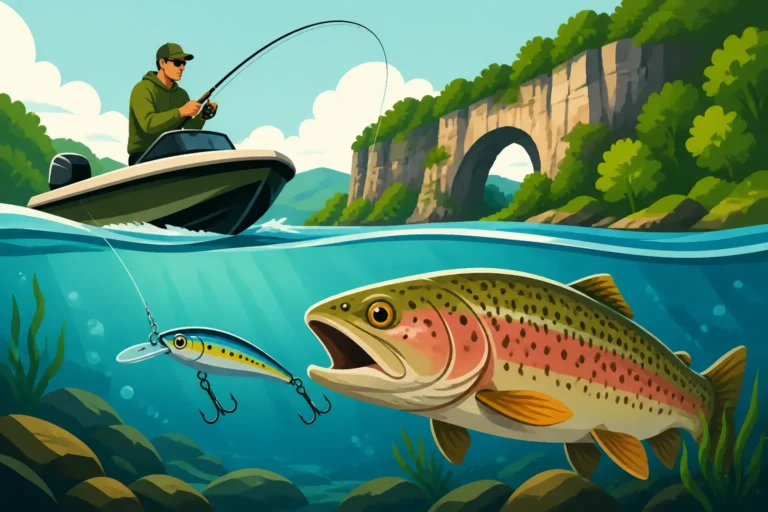
Rainbow trout are the most common species, regularly stocked by the Arkansas Game and Fish Commission. They're often eager to bite, making them a favorite for both beginners and experienced anglers alike. You'll find them throughout the river, often in faster-moving water or around structure where they can ambush passing food. They put up a spirited fight, often jumping clear of the water, which is always a thrill.
Brown trout, on the other hand, are the river's true trophies. They grow much larger than rainbows and are known for their elusive nature and powerful fights. Many anglers come to the White River specifically to chase these majestic fish. While not stocked as heavily, they reproduce naturally in the river, contributing to a healthy population. If you're looking for strategies to land these beauties, our guide on Brown Trout on the White River offers some excellent insights. You'll also occasionally hear whispers of cutthroat and brook trout, though they are much rarer catches, often a delightful surprise for a lucky angler.
Seasonal Breakdown: When the White River Truly Shines for Trout
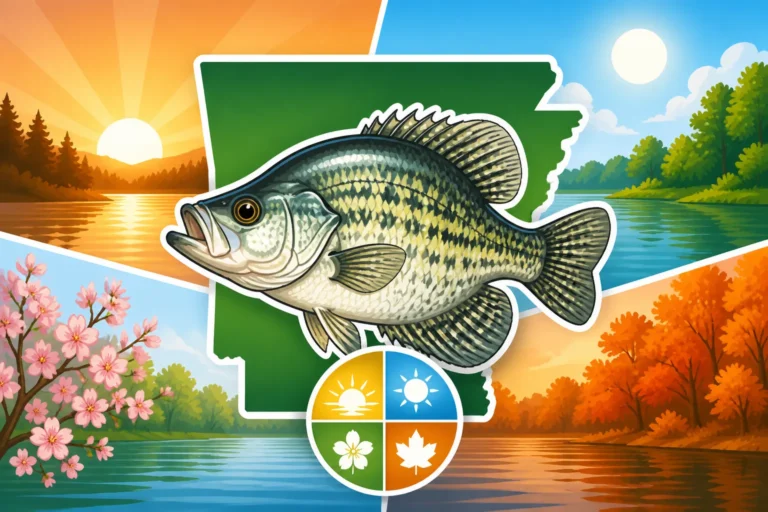
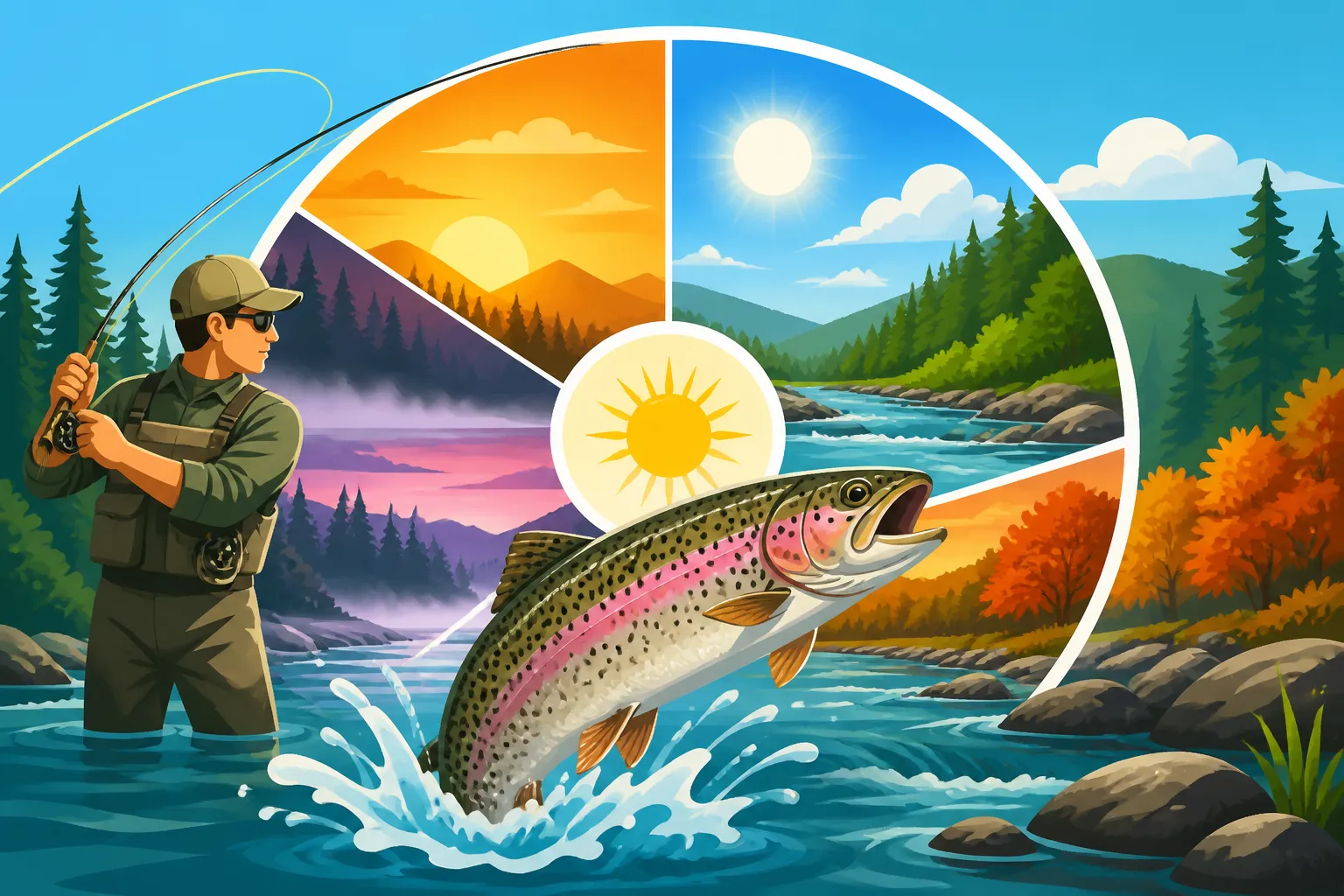
While you can catch trout on the White River year-round, each season offers a distinct experience, with its own challenges, rewards, and "best times" for specific types of fishing.
Spring: Rebirth and Prime Conditions
Ah, spring! This is often heralded as one of the best times to fish the White River, and for good reason. As the days lengthen and temperatures slowly begin to rise, the river truly comes alive. We're talking late March through May, typically.
What makes spring so special? First off, trout are shaking off the slower metabolism of winter and becoming much more active. Water temperatures, while still cold, start to warm slightly, prompting increased insect activity. This means more hatches of caddisflies and mayflies, leading to exciting dry fly fishing opportunities. Imagine casting a perfectly presented fly and watching a big brown trout sip it off the surface—it’s pure magic. For more on fly fishing specifics, you might enjoy our White River Fly Fishing Season Guide for Arkansas Anglers. The river flows tend to be more moderate during spring as well, often with predictable generation schedules, making wading and float trips both excellent options. Anglers can experience fantastic action using a variety of techniques, from nymphing in the runs to throwing streamers for aggressive browns. Many guides will tell you that the stability of spring, coupled with the renewed vigor of the fish, makes it incredibly productive. If you're looking to stock up on new flies or leaders, checking out options on Amazon before your trip can save you time and ensure you have what you need.
Summer: Deep Water and Early Mornings
Summer fishing on the White River, from June through August, shifts gears a bit, but it can still be incredibly productive, especially if you know where and when to look. The biggest challenge is the heat, which can make midday fishing uncomfortable for anglers, though the cold tailwater keeps the fish happy.
During summer, the key is often to fish during periods of low light—early mornings, late evenings, or even into the night for some adventurous anglers. The trout tend to move into deeper, cooler pockets of water during the brightest parts of the day. This is when deep nymphing rigs, often with heavy split shot, really shine. You're trying to get your flies down to where the fish are holding close to the bottom. Generation schedules can also be more erratic, with periods of high water for power generation, which can open up new areas but also make wading dangerous. Many seasoned anglers opt for guided float trips during these times, as guides know the best spots to hit during various water levels. When the water is up, larger streamers can be very effective as trout key in on bigger meals being swept downstream. Remember to stay hydrated and protect yourself from the sun, perhaps with a good fishing hat and sun-protective clothing you can easily find on Amazon.
Fall: Trophy Browns and Cooler Waters
If you're dreaming of a true trophy brown trout, then fall, particularly October and November, is arguably the "best time" on the White River. As the air cools and water temperatures stabilize, brown trout begin their annual spawn, making them more aggressive and accessible.
This is when those big, beautiful male brown trout start moving into shallower areas, displaying their stunning spawning colors. While it's crucial to respect the fish and avoid disturbing active redds (spawning beds), the surrounding areas become prime territory for targeting these magnificent fish. Streamer fishing becomes incredibly effective, as large browns are looking for substantial meals and are often territorial. You might also find good nymphing opportunities as trout feed heavily to build energy for the spawn. The fall foliage along the river banks adds another layer of beauty to the experience, making it a truly picturesque time to be on the water. It’s not uncommon to see several large brown trout caught during this period, often making for once-in-a-lifetime photos. Fishing guides are particularly busy during the fall, so if you're planning a trip around this time, consider booking well in advance. Our guide on Where to Catch the Biggest Brown Trout on the White River provides excellent intel for this season.
Winter: Consistent Action and Fewer Crowds
Don't let the colder temperatures deter you; winter fishing on the White River (December through February) can be incredibly rewarding. It’s often characterized by stable conditions, fewer crowds, and consistently good fishing, especially for patient anglers.
During winter, the White River’s cold tailwater temperatures remain relatively stable, keeping the trout active, albeit a bit slower. Trout metabolism slows down, meaning they don’t need to eat as often, but when they do, they want a substantial meal that’s easy to catch. This often translates to consistent nymphing, with small, subtle patterns like midges and sowbugs being deadly effective. Focus on deep pockets, slow runs, and eddy lines where fish can expend less energy to hold position. If the weather breaks and you get a few consecutive sunny days, you might even see some dry fly action with tiny midges. One of the biggest perks of winter fishing is the tranquility. You'll often have stretches of the river almost entirely to yourself, offering a peaceful and focused angling experience. Just remember to layer up! Good thermal underwear and waterproof outer layers are essential. You might want to grab some hand warmers and a reliable thermos from Amazon for those chilly mornings.
Factors Beyond the Calendar: Maximizing Your White River Trout Trip
While seasons provide a general framework, a truly successful White River trout trip involves paying close attention to several dynamic factors.
Water Generation Schedules
This cannot be stressed enough: the water generation schedule from Bull Shoals Dam dictates everything. Is the water high and fast? Low and clear? Constantly fluctuating? Each scenario requires a different approach. High water often means bigger fish move out from cover, and streamer fishing from a boat can be incredibly effective. Low water, conversely, might be perfect for wading and sight-fishing with smaller nymphs or dry flies.
It's common for the dam to generate power during peak demand times, often in the mornings and evenings, and then shut down or reduce flow during off-peak hours. Knowing this pattern allows you to strategically plan your fishing efforts. Always check the current generation schedule before you head out, and even during your trip if you have cell service. Many local outfitters and guides post updates, or you can find real-time data from the Southwest Power Administration. A sudden surge in water can make a previously safe wading spot dangerous, so always prioritize safety. Understanding how water level affects fish behavior is crucial; higher, faster water often pushes fish to the banks or into slower seams, while lower water concentrates them in deeper channels.
Insect Hatches and Forage
Trout are opportunistic eaters, and their diet heavily revolves around the insects and aquatic invertebrates in the river. Paying attention to what’s hatching (or what has hatched and is drifting in the current) can dramatically improve your success, especially for fly anglers.
Scuds and sowbugs are present year-round and are a staple food source, so imitations of these are always a good bet. Midges are also consistently available, especially in colder months. As spring arrives, you’ll start seeing caddisflies and various mayflies, leading to those exciting surface takes. Observing the water for rising fish or actual insect activity is your best clue. If fish aren't rising, nymphing with patterns that imitate the larval or pupal stages of these insects is key. Sometimes, trout are focused on smaller baitfish like shad or sculpins, especially larger brown trout. Having a variety of fly patterns or lures in your tackle box that imitate these different food sources, easily accessible from retailers like Amazon, will keep you prepared for whatever the trout are feeding on.
Weather Conditions
Just like any outdoor activity, weather plays a significant role. While the cold tailwater keeps the White River's trout relatively insulated from extreme air temperatures, bright sun, clouds, rain, and cold fronts can still influence their behavior.
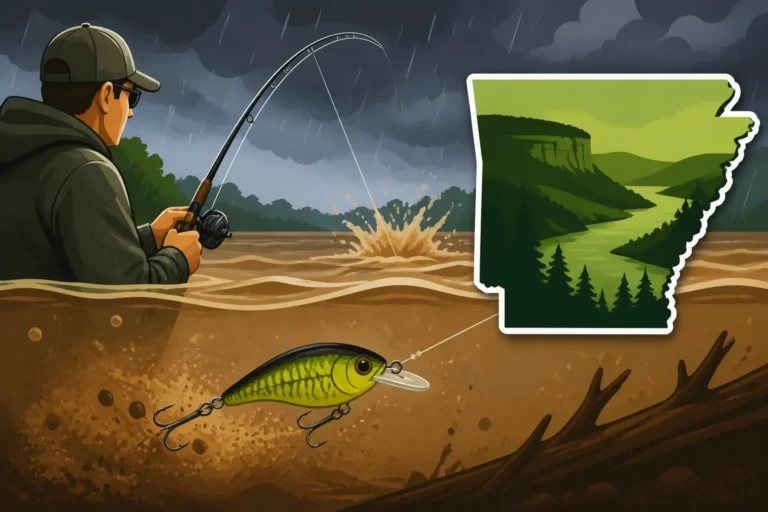
Cloudy days often mean more consistent feeding throughout the day, as trout feel less exposed. Bright, sunny days might push them deeper or into shaded areas, making early morning or late evening more productive. Rain can stir up the river, reducing visibility and sometimes triggering a feeding frenzy, especially if it washes terrestrial insects into the water. However, heavy rains can also cause the river to get muddy, especially downstream from tributaries, which might make fishing more challenging. Cold fronts tend to slow everything down; fish can become lethargic and less willing to chase a fly or lure. In these situations, slowing down your presentation and using smaller, more subtle patterns can often coax a bite. Always check the forecast and pack appropriate gear, including rain jackets and layers.
Choosing Between Fly Fishing and Spin Fishing
Both fly fishing and spin fishing are highly effective on the White River, and the "best time" often depends on your preferred method and what the fish are keying in on.
Fly fishing truly shines when trout are actively feeding on insects, whether it's dry fly action during a hatch or nymphing the depths. The subtle presentations and natural imitations can be irresistible to picky trout. Winter is a fantastic time for nymphing, while spring and fall offer excellent dry fly and streamer opportunities. Spin fishing, on the other hand, often excels when trout are looking for a more substantial meal or when you need to cover a lot of water. Small spinners, spoons, and soft plastic baits can be incredibly effective, especially for rainbow trout. For targeting those larger brown trout, throwing bigger crankbaits or swimbaits can entice aggressive strikes. Many anglers will tell you that certain conditions lend themselves better to one method over the other, but being proficient in both allows you to adapt to whatever the river throws your way. You might want to explore our Spin Fishing Techniques for Trout guide for more specific advice.
Seasonal White River Trout Fishing Overview
Here’s a quick overview to help you visualize the different opportunities each season presents on the White River:
| Season | Typical Months | Primary Fishing Focus | Key Techniques | Best For |
|---|---|---|---|---|
| Spring | March-May | Increased insect hatches, active fish, moderate flows | Nymphing, Dry Fly (caddis, mayflies), Streamers, Spinners | Consistent action, diverse methods, beautiful weather |
| Summer | June-August | Deep, cool water, early/late fishing, higher generation | Deep Nymphing, Large Streamers (high water), Small Spinners, Night Fishing | Avoiding crowds (midday), big fish on streamers |
| Fall | September-November | Brown trout spawn, aggressive feeding, cooler air | Streamer fishing, Nymphing, Dry Fly (midges), Crankbaits, Spinners | Trophy Brown Trout, scenic beauty, strong bites |
| Winter | December-February | Stable conditions, fewer crowds, lethargic fish | Midge Nymphing, Sowbug/Scud Nymphing, Streamers (slow retrieve), Tiny Spinners | Peaceful solitude, consistent nymphing, larger fish |
Disclaimer
Please remember that fishing conditions can change rapidly. Always check the latest regulations from the Arkansas Game and Fish Commission, pay attention to generation schedules from the Southwest Power Administration, and prioritize your safety on the water. This guide provides general advice, and local knowledge from guides and tackle shops is invaluable for real-time conditions.