Where to Find Brown Trout in Arkansas
Finding that elusive brown trout in Arkansas can feel like searching for a needle in a haystack, especially with so many incredible waterways. Many anglers come here dreaming of those powerful, hard-fighting browns, only to feel overwhelmed by the sheer size and diversity of the state's fishing opportunities. This guide is here to cut through the confusion and pinpoint exactly where you should focus your efforts if a trophy brown trout is what you're after, giving you the insider knowledge to make your next trip a success.
The White River System: Arkansas's Brown Trout Mecca
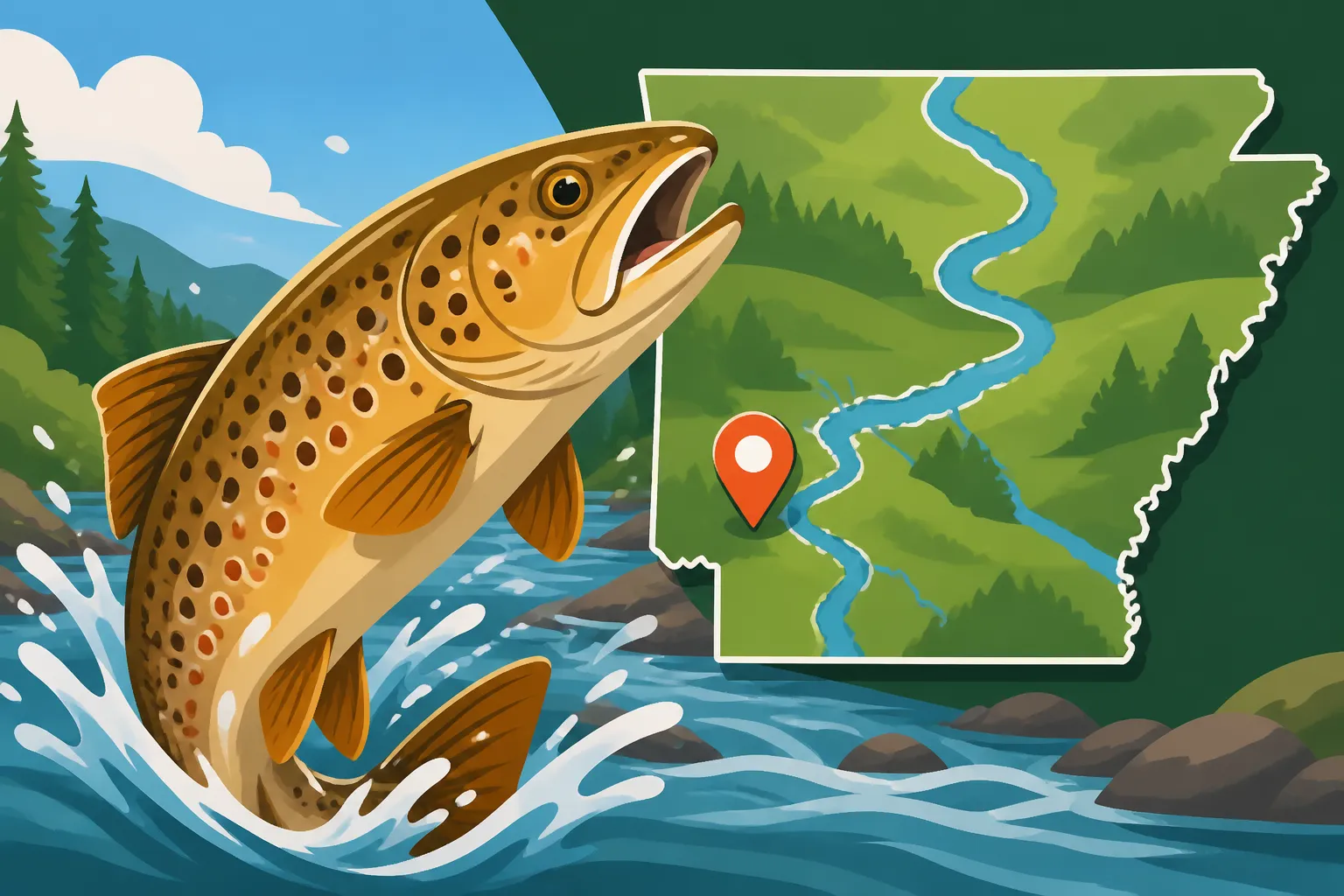
When anyone talks about brown trout in Arkansas, one name immediately springs to mind: the White River. It's not just a river; it's an institution, a cold-water haven carved out by the releases from the massive Bull Shoals Dam. This river is truly where brown trout thrive, growing to impressive sizes thanks to a rich forage base and consistent cold-water flows.
Below Bull Shoals Dam: The Prime Zone
The stretch of the White River immediately below Bull Shoals Dam is arguably the most famous and productive brown trout fishery in Arkansas, and some would argue, the entire region. The dam releases deep, oxygen-rich, and consistently cold water, creating an ideal environment that mimics a mountain stream in the heart of the Ozarks. This constant flow provides perfect habitat for trout year-round, making it a prime location to target these beautiful fish.
The river here is wide and often deep, with complex currents, gravel bars, and an abundance of structure. Brown trout, known for being territorial and preferring cover, find plenty of places to hide and ambush prey. You'll often find them lurking around submerged logs, large boulders, and under cut banks, especially in areas where current seams create feeding lanes. Many local guides focus their efforts on the first several miles below the dam, knowing that this area consistently produces big fish. The nutrient-rich water supports a robust ecosystem, including sculpins, shad (when generation brings them through the turbines), and a variety of aquatic insects, providing a buffet for growing brown trout. Anglers frequently report encountering fish in the 20-inch range, with legitimate giants in the 30-pound class making headlines every year. For those planning a trip, understanding the generation schedule from Bull Shoals Dam is critical, as water levels can fluctuate dramatically and impact fishing conditions. You can find more specific details about this incredible fishery in our comprehensive Trout Fishing Below Bull Shoals Dam on the White River guide.
Downstream to Cotter and Calico Rock: Continued Opportunities
As the White River flows downstream from Bull Shoals, past towns like Lakeview, Cotter, and eventually Calico Rock, its character changes somewhat, but the brown trout opportunities certainly don't disappear. The river may become a bit wider and, depending on generation, can slow down in certain pools, but the cold water influence persists for many miles. This stretch still offers fantastic brown trout fishing, especially for those looking for a slightly different experience, perhaps with less intense pressure in certain areas.
Around Cotter, famous for its historic bridge and picturesque setting, you'll find numerous access points and public launch areas that provide excellent starting points for a day on the water. The river here continues to feature deep runs, gravel bars, and rocky banks where brown trout hold. Many anglers prefer this area for its accessibility and the sheer beauty of the surrounding Ozark landscape. Further downstream towards Calico Rock, the river starts to show more characteristics of a larger, free-flowing river, but pockets of cold water and ideal habitat continue to hold significant populations of brown trout. These downstream sections can be particularly productive during periods of lower water generation, as the fish become more concentrated in the deeper pools and channels. Guides operating out of these areas often have intimate knowledge of the subtle holding spots that produce impressive brown trout. Exploring these sections of the river can provide a more serene fishing experience, with plenty of chances to hook into a memorable brown. For an in-depth look at what makes this river so special, check out our Brown Trout Fishing on Arkansas's White River post.
Other Notable Brown Trout Waters (Less Common, But Present)
While the White River is undoubtedly the heavyweight champion for brown trout in Arkansas, it's not the only place where these beautiful fish can be found. There are a couple of other cold-water fisheries that, while smaller in scale, offer unique and exciting opportunities for anglers willing to explore. These locations might not produce the sheer numbers or consistent trophy potential of the White, but they can be incredibly rewarding.
Norfork Tailwater: A Smaller, Fiercer Challenge
Just a stone's throw from the White River, the Norfork Tailwater presents a distinct and often more challenging brown trout experience. Emerging from the base of Norfork Dam, this river is significantly smaller than the White, but what it lacks in size, it more than makes up for in the quality and wildness of its fish. The Norfork is a gem, a crystal-clear stream that demands a more delicate approach, particularly from fly anglers.
The brown trout in the Norfork Tailwater tend to be fewer in number compared to the White, but they are often very aggressive and strong for their size. This river is known for its incredible insect hatches, making it a fly-fisherman's paradise, though spin anglers can also find success with small, subtle presentations. The browns here are wilder, more wary, and demand precision in casting and presentation. They'll hide in the riffles, runs, and the deeper pools, often tucked right against cover. The beauty of the Norfork lies in its intimacy; you can often wade fish extensive sections, feeling more connected to the water and the environment. Keep in mind that specific regulations apply to this tailwater, so it's always wise to review the Norfork Tailwater Trout Rules and Season before heading out. This smaller river, with its focused population, provides a fantastic proving ground for your trout fishing skills.
Spring River: Wild Brown Trout in a Scenic Setting
Another, often overlooked, brown trout fishery in Arkansas is the Spring River. This unique waterway is fed by Mammoth Spring, one of the largest natural springs in the world, which ensures a constant flow of incredibly cold, clear water year-round. This natural cold-water source is crucial for sustaining a population of brown trout, alongside rainbow trout and smallmouth bass, in a truly picturesque setting.
The Spring River is characterized by its rocky bottom, swift currents, and occasional deep pools. It offers a very different fishing experience from the larger tailwaters, often feeling more like a wild, untamed river. The brown trout here are typically wild-spawned or very robust stockers that have adapted to the challenging environment. They tend to be smaller on average than those found in the White, but what they lack in size, they make up for in beauty and fighting spirit. The river's natural flow and colder temperatures mean brown trout can be found throughout many stretches, but stealth and knowing where to present your offerings are key. The Spring River also has its own set of special regulations, particularly concerning brown trout, so it's essential to be aware of the Spring River Brown Trout Minimum Length in Arkansas to ensure you're fishing legally and sustainably. It's a fantastic place to explore if you're looking for a brown trout experience away from the busier tailwaters.
Understanding Brown Trout Habitat and Behavior
To consistently find brown trout in Arkansas, it's not enough to just know which rivers they inhabit; you need to understand why they choose certain spots and how their behavior changes. Brown trout are incredibly adaptable and intelligent fish, known for their wariness and often solitary nature, especially the larger specimens. Learning their preferences for habitat and their feeding rhythms will drastically improve your chances of success.
Preferred Structures and Cover
Brown trout are masters of camouflage and ambush, and their habitat preferences reflect this predatory nature. They crave structure and cover, places where they can feel secure from predators (like eagles or otters) and where they can hide, waiting to dart out and snatch an unsuspecting meal.
Think about the environment: deep pools, particularly those with strong current breaks, are absolute magnets. A large brown trout will often hold at the very bottom or edge of a deep pool, letting the current bring food to them while expending minimal energy. Undercut banks are another prime location; these eroded banks create hidden pockets beneath the surface where trout can conceal themselves. Large submerged logs, root wads, and prominent rock formations also serve as excellent ambush points. These structures break the current, creating eddies and slack water where trout can rest, yet remain close enough to the main flow to intercept passing food items. Imagine a huge log jam on the White River; that's not just an obstacle for your boat, it's a multi-story apartment complex for brown trout. They also love to tuck themselves behind large boulders in faster current, using the natural break in the flow as a resting spot. If you're not targeting structure, you're missing out on where the biggest browns hang out. For more on how trout behave at different times, check out Best Time of Day to Catch Trophy Trout on the White River in Arkansas.
Seasonal Movements and Feeding Habits
Brown trout aren't static creatures; their movements and feeding habits are heavily influenced by the seasons, water temperatures, and the availability of food. Understanding these patterns is crucial for consistent success throughout the year.
In spring, as water temperatures begin to rise slightly after winter, brown trout become more active. They'll often move into shallower runs and riffles to feed on emerging insects or small baitfish. Pre-spawn activity in the fall is another major movement period. As water temperatures drop and days shorten, larger brown trout become incredibly aggressive. They'll migrate to specific spawning areas, often shallower gravel beds, and during this time, they become less cautious and more willing to strike at larger meals. This is when many trophy brown trout are caught. During the heat of summer, brown trout in tailwaters like the White and Norfork will retreat to the deepest, coldest parts of the river, often becoming more nocturnal in their feeding habits to avoid bright sunlight and warm surface temperatures. They'll emerge at dawn, dusk, or under the cover of night to hunt. Winter fishing can be excellent, as browns are still active in the consistent cold water, though their metabolism slows, and they might prefer slower, deeper presentations. They are opportunists, feasting on whatever is available, whether it's a passing shad, a sculpin, or a cluster of aquatic insects. Knowing these patterns helps you predict where the fish will be and what they'll be keying in on. Tales of monster fish often come from understanding these seasonal shifts, and the Trophy Brown Trout Records on the White River are a testament to that.
Tactics for Locating and Catching Arkansas Brown Trout
Once you've identified a promising brown trout spot, the next step is to understand the best tactics to actually hook one of these magnificent fish. Brown trout can be notoriously finicky, especially the larger ones, so a thoughtful approach to gear, bait, and technique is absolutely essential.
Essential Gear and Bait/Lures
Having the right equipment can make all the difference when targeting brown trout. These fish are powerful, even on light tackle, and can make short work of poorly chosen lines or rods.
For fly fishing, a 5 or 6-weight rod is generally versatile enough for most situations on Arkansas's tailwaters. You'll want a reliable reel with a smooth drag, loaded with a weight-forward floating line for dry flies and nymphs, and perhaps a sinking tip line for streamers. Leaders should be tapered, ending in fluorocarbon tippet, which is nearly invisible underwater and abrasion-resistant – crucial when fishing around rocky structure. As for flies, a diverse selection is key. For nymphs, think about patterns like Hare's Ears, Pheasant Tails, Prince Nymphs, and Caddis Larva imitations in various sizes. For streamers, which are fantastic for enticing aggressive browns, patterns like Woolly Buggers (black, olive, brown), Sculpzillas, and articulated baitfish imitations can be deadly. You might find a great selection of these on Amazon, making it easy to stock up before your trip. Dry flies can be effective during hatches, so having some caddis, mayfly, and terrestrial imitations is smart.
If spin fishing is more your style, a light to medium-light action spinning rod, around 6 to 7 feet long, paired with a matching reel spooled with 6-8 pound fluorocarbon or monofilament line, is a great setup. Again, a smooth drag is paramount. When it comes to lures, small, highly realistic minnow imitations like Rapalas (Jerkbaits or Countdown models) in natural patterns (trout, silver, gold) are incredibly effective. Small inline spinners, such as Mepps or Rooster Tails, in silver, gold, or black, can also provoke strikes, especially when retrieved near structure. Spoons, particularly slender, wobbling designs, are excellent for reaching deeper pockets and mimicking injured baitfish. PowerBait, especially the trout dough varieties, or small pieces of natural bait like worms or corn can also be surprisingly effective, particularly for stocker browns. Always have a variety on hand; sometimes what works one day won't the next. Many anglers start their search for the perfect lure or fly right on Amazon, where the selection is vast and reviews can help guide your choices. More details on choosing the best artificials can be found in Best Lures for Brown Trout Fishing.
Effective Fishing Techniques
Catching brown trout, particularly larger, wary individuals, often requires a blend of stealth, patience, and precise technique. These aren't always the easiest fish to fool, which is part of their allure.
For fly anglers, several techniques shine. Nymphing is perhaps the most consistent method for catching browns, as most of their feeding occurs subsurface. This involves drifting weighted nymph patterns along the bottom, mimicking natural insect larvae. Using an indicator to detect subtle takes is crucial. Streamer fishing, on the other hand, is a more aggressive tactic, designed to provoke a predatory strike. Casting large baitfish imitations across or down current and stripping them back with an erratic motion can trigger ferocious bites, especially from bigger browns. Dry fly fishing is exhilarating during hatches, requiring delicate casts and accurate presentations to rising fish. Remember that brown trout are highly sensitive to vibrations and shadows, so approach your fishing spot quietly and avoid heavy-footed wading.
Spin fishermen also have a variety of effective techniques. Drifting small, natural baits or jigs under a float can be very productive in slower currents or deep pools. When using lures like minnow imitations or spinners, casting to known holding structures (logs, rocks, undercut banks) and retrieving them with varying speeds and pauses is key. A stop-and-go retrieve can often be the trigger for a lethargic brown. Trolling can also be effective in wider sections of the river, especially from a boat, allowing you to cover more water and present lures at precise depths. The key with both fly and spin fishing for browns is often repetition and persistence. If you suspect a brown is holding in a spot, make multiple, slightly varied casts before moving on. Sometimes it takes just the right angle or depth to get a reaction. Understanding proper access and movement can enhance your chances, as detailed in Fly Fishing Access Points on the White River, Arkansas.
Here's a quick comparison of the primary brown trout fisheries in Arkansas:
| Fishery | Primary Species | Key Characteristics | Best For | Typical Brown Trout Size | Access |
|---|---|---|---|---|---|
| White River Tailwater (Bull Shoals to Calico Rock) | Brown, Rainbow, Cutthroat | Large, deep, cold, consistent flow, abundant forage | Trophy browns, high numbers of trout | 16-30+ inches, potential for giants | Excellent (boat ramps, wade access) |
| Norfork Tailwater | Brown, Rainbow | Smaller, very clear, wilder feel, strong currents | Challenging browns, strong fighters, fly fishing | 12-20 inches, smaller trophies possible | Good (wade access, some boat ramps) |
| Spring River | Brown, Rainbow, Smallmouth | Spring-fed, swift, rocky bottom, natural environment | Wild browns, scenic fishing, multi-species | 10-18 inches, quality native fish | Fair (some public access, private land) |
Disclaimer
This article is for general informational purposes only and does not constitute professional advice. Laws, prices and regulations vary by location and change over time. Consult a qualified professional for guidance on your specific situation.