Best Bait for Largemouth Bass on the White River
Okay, let's talk about fishing the White River for largemouth bass – a quest that many anglers find surprisingly challenging, given the river's famous reputation for trout. It's easy to feel a little lost when you're surrounded by cold, clear water and everyone else is casting tiny flies, but you're determined to tempt a bucketmouth. This guide is here to cut through the confusion and help you discover the best baits and techniques to land some impressive largemouth bass in the unique environment of the White River.
Understanding the White River's Unique Appeal for Largemouth Bass
The White River in Arkansas is legendary, primarily for its world-class trout fishing, thanks to the cold, oxygen-rich waters released from the deep sections of dams like Bull Shoals. This focus on trout often leads anglers to overlook the excellent largemouth bass fishing opportunities that exist in specific, warmer sections of the river. It's a different game entirely than fishing a classic bass lake, and understanding these distinctions is key to choosing the right bait.
Identifying Largemouth Habitats on the White River
Largemouth bass are creatures of comfort, preferring warmer, slower-moving water than their cold-loving trout cousins. On the White River, this means you need to shift your focus away from the main tailwater currents and towards the more secluded, often overlooked areas. Think oxbow lakes, backwater sloughs, side channels, and the mouths of feeder creeks. These spots tend to warm up more quickly and offer the kind of cover that largemouth bass absolutely adore. Look for fallen timber, dense aquatic vegetation, lily pads, and brush piles where bass can ambush prey and find shelter from stronger currents. Largemouth Bass Fishing on Arkansas's White River often means exploring these less-traveled spots, as the main river channel can be too cold and fast for consistent bass action.
These hidden pockets and calmer sections become bass magnets, especially during the warmer months. As the sun beats down, these areas provide the ideal temperature and cover for largemouth to thrive and hunt. You might find them tucked away under a shady bank, lurking in the shadows of an old log, or cruising the edges of a weed line. These are the prime locations where your bait choices will make all the difference, presenting a tempting meal right into their strike zone without getting swept away by the main current.
How Water Temperature Affects Bass Behavior
Water temperature is the absolute king when it comes to locating and enticing largemouth bass on the White River. While the main flow from the dams hovers in the cold range, perfect for trout, largemouth bass need warmer water to be active and feed aggressively. Their metabolism slows down considerably in cold water, making them lethargic and less likely to strike. This is why you must seek out those aforementioned warmer pockets. During spring, even a slight increase in temperature in a backwater slough can trigger a major feeding frenzy or even the bass spawn.
As the seasons progress into summer, the main river might still be too cold in some stretches for consistent bass fishing, but those stagnant backwaters and shallow creek mouths will be teeming with life. Understanding this thermal preference helps you narrow down not just where to fish, but also when to fish specific areas, and consequently, what bait will be most effective. A slow-moving jig might work in cooler, stable water, but once the water warms up, a faster, more erratic presentation with a topwater lure or a spinnerbait will often draw aggressive strikes.
Top Artificial Baits for White River Largemouth
Artificial baits are a staple for bass anglers everywhere, and the White River is no exception. While live bait certainly has its place, the versatility and durability of artificial lures make them invaluable, especially when you're covering a lot of water or targeting specific types of cover. The key is to choose lures that mimic the natural forage in the warmer, slower-moving sections where largemouth bass reside.
Spinnerbaits and Chatterbaits
When it comes to covering water quickly and drawing reaction strikes, spinnerbaits and chatterbaits are hard to beat. Their flash and vibration can mimic fleeing baitfish, making them irresistible to hungry largemouth. On the White River, these lures excel when fished along weed lines, through sparse brush, or around fallen timber in those calmer backwater areas.
For spinnerbaits, opt for tandem blade combinations—usually a Colorado blade for vibration and a willow leaf for flash—in colors like chartreuse, white, or a combination of both. These bright colors stand out in various water conditions. Chatterbaits, with their distinct shimmy and rattle, are fantastic when bass are particularly aggressive or when you need a little more thump to get their attention in slightly stained water. Experiment with retrieve speeds; sometimes a fast, erratic retrieve is best, while other times a slower, steady pull that allows the blades to just turn will get the bite. You can find a huge variety of these on Amazon, often in multi-packs, making it easy to experiment without breaking the bank.
Soft Plastics Texas Rigs and Senkos
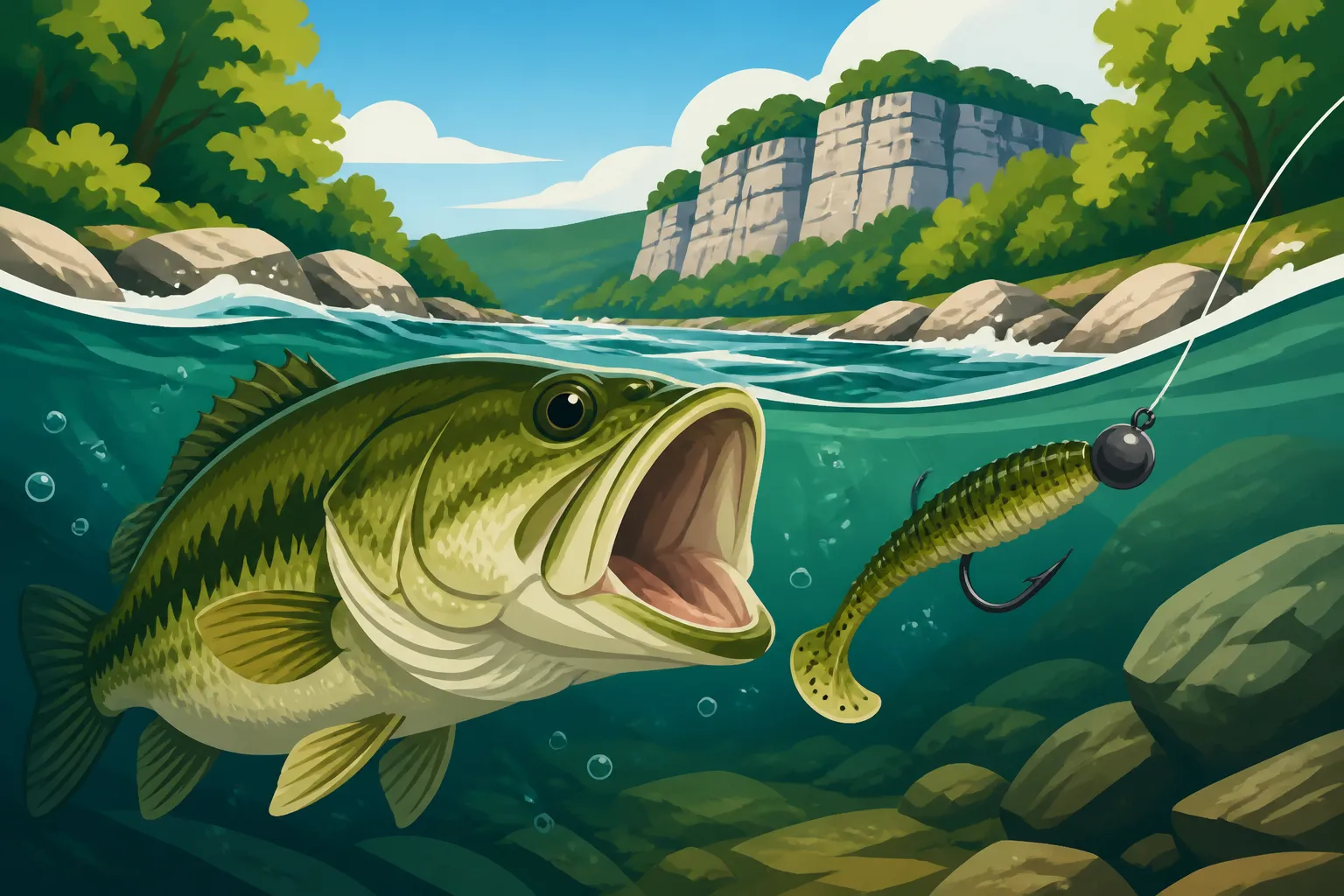
Soft plastics are incredibly versatile and often shine when bass are hunkered down in heavy cover or when you need a more subtle presentation. For the White River, a Texas Rigged worm or creature bait is perfect for pitching into dense brush, thick vegetation, or tangled log jams without snagging. The weedless nature of the Texas Rig allows you to get your bait where the big bass live. How to Fish a Texas Rig for Bass involves threading a plastic worm or creature bait onto an offset hook, burying the hook point back into the plastic, and using a bullet weight pegged or unpegged, depending on the cover.
Senko-style stick baits, like those made by Gary Yamamoto, are another soft plastic favorite. These simple-looking worms have an incredible shimmy on the fall, often drawing strikes even when a bass isn't actively feeding. Weightless or lightly weighted, they can be cast near cover and allowed to sink slowly, giving bass plenty of time to eyeball them before striking. Natural colors like green pumpkin, junebug, or black and blue tend to be most effective, mimicking worms or small crawfish that are common forage. Keep a good selection in your tackle box from brands available on Amazon, as these are year-round producers.
Crankbaits and Jerkbaits
When bass are suspended or cruising open water flats near drop-offs in those quieter sections of the White River, crankbaits and jerkbaits can be incredibly effective. Crankbaits, with their lip-induced wobble and diving capabilities, are designed to imitate fleeing baitfish and can cover various depths. Shallow-diving models are great for working over submerged grass or around stumps, while deeper-diving versions can reach bass holding near channel breaks.
Jerkbaits, on the other hand, are all about erratic action. With a series of rod twitches and pauses, you can make a jerkbait dart and suspend, mimicking a wounded baitfish—an easy meal for a opportunistic largemouth. Transparent or natural baitfish patterns often work best in the clearer waters you might find in some White River backwaters. Pay attention to the water depth you're fishing and choose a crankbait or jerkbait that runs at the appropriate depth to get into the strike zone.
Topwater Lures
There's nothing quite like a topwater strike. It's exhilarating and often indicates an aggressive, actively feeding bass. Topwater lures—including poppers, walking baits, and soft plastic frogs—are fantastic for low-light conditions (dawn and dusk) or when fishing over dense vegetation where other lures would snag. On the White River, look for calmer coves, lily pad fields, or stretches with extensive weed growth where bass can comfortably look up for their next meal.
A hollow-bodied frog, worked slowly and methodically over lily pads or thick mats, can draw explosive strikes. Poppers create a "chug" and splash that mimics a struggling critter on the surface, while walking baits, with their side-to-side "walk-the-dog" action, are incredibly enticing. The visual thrill of a bass blowing up on a topwater lure is unmatched, making these a must-have for any largemouth angler targeting the White River's quieter zones. Best Lures for Largemouth Bass Fishing certainly include these surface temptors.
Best Live Baits for White River Largemouth
While artificials are fantastic, sometimes nothing beats the real thing. Live bait offers natural scent, movement, and a lifelike presentation that can entice even the most finicky largemouth bass, especially in waters where they might be pressured or simply prefer a natural meal.
Shiners and Minnows
Shiners and minnows are classic, reliable live baits for largemouth bass. Their natural swimming action and scent are often irresistible. When fishing the White River's backwaters or calmer sections, a lively shiner suspended under a bobber near cover, or freelined to allow for natural movement, can be deadly. Bass often can't resist a vulnerable, real baitfish.
The key is to keep your bait lively. Use a proper bait bucket with an aerator, and hook the shiner through the lips or lightly behind the dorsal fin to allow it maximum movement without harming it too much. When bass are being particularly picky, a well-presented live minnow can often outperform any artificial lure, making it a great fallback when the bite is tough.
Crawfish
Crawfish are a natural and prevalent food source for largemouth bass in many Arkansas waters, including the White River's less turbulent areas. If you're fishing rocky banks, gravel bottoms, or around submerged timber, a live crawfish can be an incredibly effective bait. Bass recognize them as a high-protein meal and will often strike them aggressively.
Hook a live crawfish through the tail, ensuring the hook point is exposed to secure a good hookset. You can fish them on a Carolina rig, a Texas rig (if you're using a weedless hook), or simply with a split shot a foot or two above the hook, allowing them to scuttle along the bottom. Their natural defensive posture and movement send irresistible signals to hungry bass lurking nearby.
Nightcrawlers
Good old nightcrawlers might seem simple, but their effectiveness for nearly all freshwater fish, including largemouth bass, cannot be overstated. They are easy to find, inexpensive, and have a unique wriggling action that draws attention. While perhaps not the flashiest bait, a plump nightcrawler can often save the day when other baits fail.
You can rig a nightcrawler in several ways: wacky style (hooked through the middle) for a tantalizing slow fall, Texas rigged for weedless presentation, or simply threaded onto a hook with a small weight to get it down to cover. The natural scent and movement of a nightcrawler can trigger strikes from bass that might be wary of artificial lures, making them a solid choice for a more relaxed fishing approach on the White River's calmer stretches.
Tips for Presenting Your Bait on the White River
It's not just about what you use, but how you use it. Even the best bait in the world won't catch fish if it's not presented correctly. The nuances of the White River environment, even in its slower sections, demand thoughtful presentation techniques to maximize your chances of hooking into a largemouth.
Understanding Current and Structure
While we're talking about the calmer sections, the White River still has current, and largemouth bass use it to their advantage. They will often position themselves just out of the main flow, in eddies, behind logs, or in slack water pockets, waiting for food to be swept by. Your goal is to present your bait in a way that mimics this natural drift or appears as an easy meal struggling against the current.
When casting, aim to cast slightly upstream of your target structure or cover, allowing the current to carry your bait naturally into the strike zone. If you're using a jig or soft plastic, let it sink and bounce along the bottom, simulating a crawfish or baitfish foraging. With crankbaits or spinnerbaits, retrieve them across current seams or along the edges of current breaks. Always be mindful of how the water is moving and adjust your presentation to make your bait look as natural and appealing as possible. For spots that hold big fish, consider checking What Arkansas Lake Holds the Biggest Largemouth Bass? for comparison, even though river fish behave differently.
Matching the Hatch and Local Forage
Just like fly anglers "match the hatch" for trout, bass anglers should try to "match the forage" for largemouth. Take a moment to observe your surroundings in the specific White River backwater or slough you're fishing. Are there small minnows darting around? Are crawfish scuttling under rocks? What insects are active near the water's edge?
If you see schools of small shad or shiners, an artificial lure that closely mimics their size and color will often be more effective. If you notice crawfish, a jig or soft plastic in a crawfish pattern, perhaps green pumpkin or brown, will be a smart choice. Even the size of your bait can matter; sometimes bass are keyed into smaller prey, while other times they're looking for a big meal. Being observant and adjusting your bait to what the bass are naturally feeding on can drastically improve your success. This approach can really pay off, especially during Summer Bass Fishing Patterns when forage is abundant.
Experimentation is Key
No matter how much research you do or how many tips you read, fishing is ultimately about adapting to conditions on the water. What worked yesterday might not work today, and what's effective in one backwater might not be in another. This is where experimentation becomes your best friend. Don't be afraid to try different bait types, colors, sizes, and retrieve speeds until you find what the bass are reacting to.
Start with a few tried-and-true favorites, but if you're not getting bites, switch it up. If they're not hitting a spinnerbait, try a slower-moving Texas rig. If live bait isn't working, cast a topwater lure. Keep notes on what works, where, and when. The White River's varied conditions, even within its largemouth zones, mean that flexibility and a willingness to try new things are essential for consistent success. Remember, sometimes the "best bait" is simply the one you haven't tried yet! You can find a huge array of different baits and tackle to try on Amazon, perfect for building out your experimental arsenal.
Bait Selection Guide for White River Largemouth
To help you quickly decide what to tie on, here’s a quick overview of bait types, their best uses, and key considerations for White River largemouth.
| Bait Type | Best Use Cases | Key Considerations | When to Use |
|---|---|---|---|
| Spinnerbaits | Covering water, moderate cover, attracting attention | Flash & vibration, blade type (Colorado/Willow), color | Searching, aggressive bass, windy days |
| Chatterbaits | Heavy cover, vibration in stained water, reaction bite | Skirt color, blade color, retrieve speed | Aggressive bass, moderate to heavy cover |
| Soft Plastics | Heavy cover, subtle presentation, slow retrieves | Weedless rigging (Texas/Carolina), color, scent | Finesse, pressured fish, dense cover |
| Crankbaits | Open water, targeting specific depths, mimicking bait | Diving depth, retrieve speed, baitfish patterns | Active bass, searching open water, structure |
| Jerkbaits | Suspended bass, clear water, erratic action | Suspending vs. floating, twitch-pause retrieve, color | Cooler water, clear conditions, finicky fish |
| Topwater Lures | Low light, dense surface cover, aggressive strikes | Action (popper, frog, walker), noise, visibility | Dawn/dusk, thick cover, warm water |
| Live Shiners/Minnows | Finicky bass, natural presentation, high confidence | Keep lively, natural movement, hook placement | Slow bite, pressured fish, clear water |
| Live Crawfish | Rocky areas, natural forage, strong scent | Hook through tail, bottom presentation, weight | Around rocks/timber, active crawfish season |
| Nightcrawlers | Versatile, natural scent, easy to find | Wacky rig, Texas rig, subtle movement | All-around, slow bite, beginner-friendly |
Remember, the White River is a dynamic ecosystem. While trout dominate its colder stretches, the warmer backwaters and feeder creeks offer fantastic opportunities for largemouth bass. By understanding their preferred habitats, being mindful of water temperature, and thoughtfully selecting and presenting your baits, you can certainly find success in tempting these freshwater giants. Don't forget that Arkansas Fishing License Rules and Costs apply, so make sure you're properly licensed before heading out!
Disclaimer
This article is for general informational purposes only and does not constitute professional advice. Laws, prices and regulations vary by location and change over time. Consult a qualified professional for guidance on your specific situation.