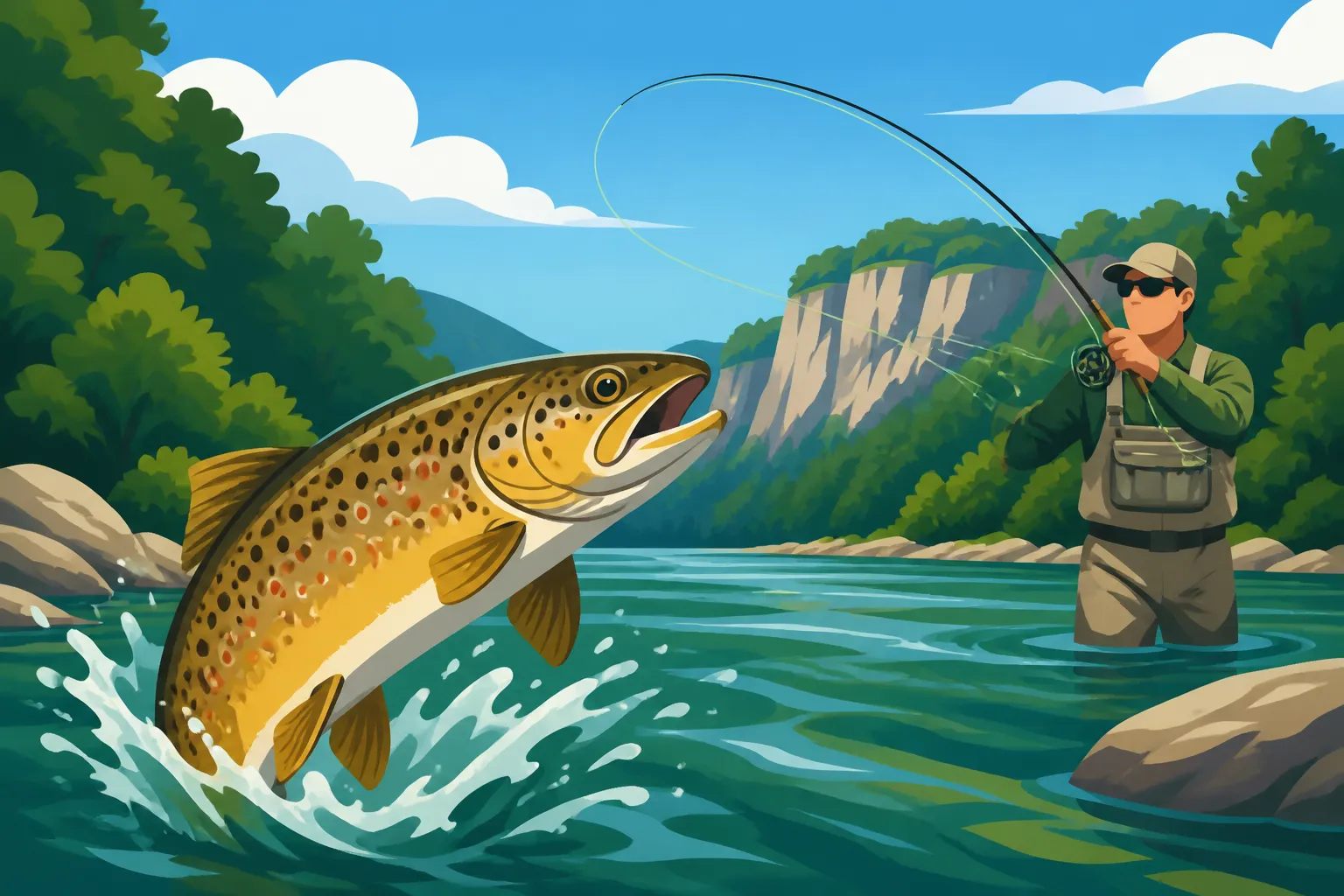
Brown Trout Fishing on Arkansas’s White River
Brown trout fishing on Arkansas's legendary White River can be an incredibly rewarding experience, but let's be real – it can also be incredibly frustrating if you don't know where to start. These fish are notorious for their wily nature, and the sheer size and complexity of the White River can feel overwhelming to even seasoned anglers. This comprehensive guide is designed to cut through the confusion, offering you the insider knowledge you need to consistently find and hook those elusive brown trout, turning potential frustration into unforgettable triumphs.
Understanding the White River and Its Brown Trout
The White River isn't just another trout stream; it's an icon, especially when it comes to brown trout. Its cold, clear waters, fed by the deep depths of the Ozark Mountain lakes, create an ideal habitat that allows brown trout to not only survive but thrive and grow to truly incredible sizes. You'll hear tales of monster browns, and trust me, they're not just legends – they're out there.
Why the White River is a Brown Trout Mecca
What makes the White River so special for brown trout? It really comes down to a few key factors that create a near-perfect ecosystem for these fish. First, the cold, oxygen-rich water discharged from the bottom of massive reservoirs like Bull Shoals Lake provides a consistently cool environment, even in the heat of an Arkansas summer. Brown trout, being a cold-water species, absolutely depend on these stable temperatures. Second, the river is incredibly fertile, offering a robust food chain from sculpins and minnows to various aquatic insects, which helps these fish pack on the pounds. Lastly, the regulations in place, which often favor catch-and-release and specific size limits in certain zones, have played a huge role in developing a healthy population of mature, trophy-sized brown trout. It's truly a special place, and understanding these factors is the first step to appreciating why your efforts here are so worthwhile. For more on this, check out Where to Catch Brown Trout in Arkansas.
Identifying a White River Brown Trout
Knowing your quarry is crucial, and distinguishing a brown trout from a rainbow or brook trout is fairly straightforward once you know what to look for. White River brown trout typically have a golden-brown or olive-green back that fades into a yellowish or silver belly. Their most defining features are the dark spots, often haloed with a lighter ring, scattered across their sides and fins, including the adipose fin. You'll notice some of these spots might even have a reddish hue. They also possess a relatively large mouth extending past the eye, which is a good indicator, especially when compared to the smaller mouth of a rainbow trout. Their tail is usually square or only slightly forked, unlike the deeply forked tail of a brook trout. If you're ever unsure, take a quick peek at a detailed guide on How to Identify a Brown Trout – it can be really helpful when you're out on the water.
The Elusive Nature of Brown Trout
Brown trout have earned their reputation as the "fish of a thousand casts" for a reason. They are notoriously wary and intelligent, making them a challenge that many anglers spend a lifetime chasing. Unlike the often more aggressive rainbow trout, browns can be incredibly selective, especially when pressured or when feeding on a specific hatch. They prefer holding in areas with good cover – think submerged logs, undercut banks, and deep eddies – where they feel safe and can ambush prey. Their nocturnal feeding habits also contribute to their elusive nature; many of the largest browns are caught after dark or during low-light conditions. This wariness is what makes catching a big White River brown so incredibly satisfying; it's a testament to your skill and patience, and definitely not something you'll forget quickly.
Prime Locations for Brown Trout on the White River
The White River stretches for miles, but not all sections are created equal for targeting brown trout. Success often comes down to knowing the specific stretches that offer the best habitat and feeding opportunities.
Key Tailwater Sections Below the Dams
The most famous and productive brown trout waters on the White River are undoubtedly the tailwater sections directly below the major dams, particularly Bull Shoals Dam and Norfork Dam. The powerful currents and consistent cold water released from the bottom of these reservoirs create a prime environment. The first several miles below Bull Shoals Dam, in particular, are legendary. Here, you'll find deep runs, oxygenated riffles, and structure galore, which are all magnets for big browns. This area is heavily fished, but for good reason – the potential for trophy fish is very real. It's where you'll find many guides operating because of the consistent action. Don't overlook the stretch down to Cotter, Arkansas; it's just as productive and offers a variety of water types. When planning a trip, considering Best Trout Fishing Spots on the White River Below Bull Shoals Dam will give you a detailed breakdown of these renowned locations.
Exploring Tributaries and Deeper Pools
While the main river channel holds a lot of fish, don't forget about the countless smaller tributaries that feed into the White River. These streams can be especially productive during periods of low generation on the main river, or when large rains swell them, washing terrestrial insects and baitfish into the larger system. Deeper pools, especially those with good overhead cover from trees or undercut banks, are also prime brown trout territory. Browns love to lurk in these darker, calmer spots, waiting for an unsuspecting meal to drift by. Look for bends in the river where the current has carved out deeper holes, or areas where large boulders create current breaks and deep pockets. These spots often require a more subtle approach, but can yield incredible results, especially if you're looking for less pressured fish.
Access Points and Navigating the River
Accessing the White River can be done in several ways, each with its own advantages. Public boat ramps are numerous, especially near population centers like Bull Shoals, Cotter, and Calico Rock. These are great for launching a drift boat, jet boat, or even a jon boat rigged for trout fishing. Many anglers opt for a guided float trip, which offers unparalleled access to prime fishing spots and the expertise of a local. For those who prefer to wade, there are designated Wade Fishing Spots on the White River Below the Dam that offer excellent opportunities, though you must always be mindful of water generation schedules, which can change rapidly and dangerously. Always check the generation schedule from the Corps of Engineers before heading out, as water levels can fluctuate dramatically. For navigating the river, whether by boat or wading, having a good map or a reliable GPS app on your phone (if you can get service) is absolutely essential. Many local bait shops also offer print maps and current condition advice.
Essential Techniques and Gear for Brown Trout
Successfully catching brown trout on the White River demands the right approach and equipment. These fish aren't easily fooled, so honing your techniques and ensuring your gear is up to the task will make all the difference.
Fly Fishing Strategies for Brown Trout
Fly fishing for brown trout on the White River is an art form, and it's how many of the largest fish are targeted. The key is to match the hatch or imitate the abundant baitfish and sculpins these fish feed on. Streamer fishing is incredibly popular, especially for those larger, predatory browns. Casting and stripping large, baitfish-imitating flies like Woolly Buggers, Sex Dungeons, or articulated Sculpzillas can entice aggressive strikes. Nymphing is another highly effective method, particularly when fish are feeding on subsurface insects. Patterns like Pheasant Tails, Prince Nymphs, and Caddis Larva imitations fished under an indicator can be deadly. Dry fly fishing can also be excellent during specific hatches, though brown trout can be more finicky with surface presentations. Having a good selection of various patterns is wise, and if you're looking to stock up, Amazon is a great resource for a wide array of flies. For a deeper dive into techniques, explore Fly Fishing Techniques for Beginners to get a solid foundation.
| Fly Fishing Technique | Best Conditions | Target Size | Fly Examples |
|---|---|---|---|
| Streamer Fishing | High water, cloudy days, low light | Large Browns | Woolly Bugger, Sex Dungeon, Sculpzilla |
| Nymphing | Consistent flows, clear water | All sizes | Pheasant Tail, Prince Nymph, Zebra Midge |
| Dry Fly Fishing | During hatches, calm water | Smaller to medium browns | Caddis, Mayfly, Stonefly imitations |
Spin Fishing Tactics and Lures
For those who prefer spin fishing, the White River offers plenty of opportunities for brown trout. The key here is presenting lures that accurately imitate the natural prey. Small jerkbaits, ranging from 2-4 inches, in natural colors like silver, gold, or crawfish patterns, are incredibly effective. Cast them upstream or across the current and retrieve them with a jerk-pause retrieve to mimic a struggling baitfish. Inline spinners, especially those with brass or copper blades and natural dressings, can also be very productive in faster water or when covering lots of ground. Spoons, particularly thin, fluttering varieties, are excellent for deep pools and can mimic wounded baitfish. Soft plastics, rigged on a small jig head to imitate sculpins or minnows, can also fool wary browns. Always consider the local forage when choosing your lure colors and profiles. Many anglers swear by specific colors, so don't be afraid to experiment, and remember that local tackle shops or online retailers like Amazon can provide the variety you need. You might find some excellent specific recommendations in Best Lures for Brown Trout Fishing.
Recommended Gear and Tackle
Whether you're fly fishing or spin fishing, having the right gear is paramount. For fly fishing, a 9-foot, 5 or 6-weight rod is a versatile choice, paired with a matching reel and a weight-forward floating line. You'll want a selection of leaders and tippets in various strengths, typically from 3X to 6X, depending on the water conditions and fly size. Waders and wading boots are essential for accessing many prime spots, and a good wading staff offers crucial stability in strong currents. For spin fishing, a medium-light to medium action rod, 6 to 7 feet in length, coupled with a quality spinning reel spooled with 6-10 lb fluorocarbon or monofilament line, is ideal. Pack a variety of lures, as mentioned above, and don't forget essentials like forceps for hook removal, a net (preferably rubberized to protect the fish), polarized sunglasses to spot fish and structure, and a good pair of line clippers. Always carry plenty of water and snacks, and dress in layers, as White River weather can change quickly.
Best Times to Target White River Brown Trout
Timing is everything when it comes to brown trout fishing on the White River. Understanding the seasonal changes, daily patterns, and river conditions will significantly increase your chances of success.
Seasonal Patterns and Water Flows
Brown trout can be caught year-round on the White River, but certain seasons offer distinct advantages. Fall is widely considered the prime time, especially for trophy fish, as browns become more aggressive in preparation for their spawn. This is when you'll see a lot of the Trophy Brown Trout Records on the White River being set. Winter can also be productive, with larger fish often holding in deeper pools, though fishing can be slower. Spring sees an increase in insect activity and fish becoming more active as water temperatures rise, offering excellent nymphing and streamer opportunities. Summer fishing can be good in the early mornings and late evenings, particularly during periods of lower generation, but the middle of the day can be slow as fish seek deeper, cooler water. Always keep an eye on the water generation schedules from the Corps of Engineers; these dictate flow rates and water levels, which profoundly impact fish behavior and accessibility.
Daily Considerations: Dawn, Dusk, and Generation Schedules
Brown trout, especially the larger ones, are often most active during low-light conditions. This means dawn and dusk are prime fishing times. The lower light provides them with a sense of security and often coincides with increased insect activity or baitfish movement. Many anglers dedicate their trips to these golden hours. Additionally, understanding the generation schedule is absolutely crucial. When the turbines are running, the increased flow and current can push fish into predictable holding patterns, often along current seams or behind structure. When the water drops due to low generation, different areas become accessible for wading, and fish may move to deeper channels. Planning your fishing around these changes is key, and many experienced anglers structure their entire day around the hourly generation forecasts. Knowing What's the Best Time of Day to Fish the Bull Shoals Arkansas Tailwater can provide great specific insights.
Weather and Water Conditions
Weather and water conditions play a huge role in brown trout behavior. Overcast days, often seen as "bad" weather by some, can actually be fantastic for brown trout fishing. The reduced sunlight makes fish feel more comfortable moving out of cover and feeding more actively. Rain can also stir up insects and wash terrestrials into the river, sparking a feeding frenzy. However, extremely high or muddy water after heavy rains can make fishing challenging, as visibility is reduced. Clear, stable water conditions are generally preferred. As for water temperature, brown trout thrive in cold water, typically between 45-65 degrees Fahrenheit. Anything significantly outside this range can make them sluggish or push them to seek thermal refuge. Always check the weather forecast and river conditions before you head out, and be prepared to adjust your tactics accordingly. Remember, being versatile is one of the biggest keys to success when chasing these incredible fish. If you're looking for an immersive experience, consider a Float Trips vs Boat Trips with Arkansas Fishing Guides to leverage their expertise regardless of the conditions.
Disclaimer
This article is for general informational purposes only and does not constitute professional advice. Laws, prices and regulations vary by location and change over time. Consult a qualified professional for guidance on your specific situation.