How to Teach a Kid to Fish for Bluegill
There’s nothing quite like the dream of introducing a child to the magic of fishing. You picture those wide eyes, the squeal of delight as they reel in their first catch, the peaceful moments shared by the water. But let's be honest, the reality can sometimes be a little… less idyllic. Short attention spans, snagged lines, long periods of no bites, and quickly diminishing enthusiasm can turn a hopeful outing into a frustrating ordeal for both parent and child. This guide is here to cut through the common pitfalls and show you how to set your young angler up for genuine success and a love for the sport, focusing specifically on the incredible bluegill right here in Arkansas.
Why Bluegill Are the Perfect Fish for Young Anglers in Arkansas
When you're trying to get a kid hooked on fishing, the worst thing that can happen is for them to get bored. And believe me, nothing kills the joy faster than hours of staring at a still bobber. That’s why bluegill are, hands down, the absolute best species to target when you’re introducing a youngster to the sport. They’re forgiving, plentiful, and, most importantly, they bite!
Bluegill Abundance and Accessibility
One of the biggest advantages of fishing for bluegill in Arkansas is just how incredibly common and accessible they are. You don't need a fancy boat or a secret fishing hole known only to locals. Bluegill thrive in so many different environments, from small farm ponds to the quiet coves of our massive reservoirs like Lake Ouachita or Lake Hamilton, and even the slow-moving backwaters of larger rivers. If there's water in Arkansas, chances are good there are bluegill swimming in it.
This means you can often find them close to shore, around docks, fallen trees, or any kind of submerged structure. For a kid, being able to cast a line just a few feet from the bank or from a fishing pier makes the whole experience much less intimidating and a lot more comfortable. You’ll spend less time traveling and more time actually fishing, which is a huge win for maintaining a child’s interest. For more tailored advice, check out our guide on Bluegill Fishing Tips for Kids in Arkansas.
Eager Biters and Consistent Action
Here’s where bluegill truly shine for young anglers: their aggressive and often fearless nature when it comes to a tasty morsel. Unlike some of our more finicky game fish, bluegill are rarely shy. If you put a small piece of bait in front of them, they're typically going to investigate, and more often than not, take a bite! This constant action is absolutely critical for a child. A quick succession of nibbles, seeing the bobber dip, and the thrill of reeling in even a small fish keeps them engaged and excited.
Think about it: the frustration of waiting 20 minutes for a single bite can be soul-crushing for an adult, let alone a 6-year-old. With bluegill, you can often experience multiple bites within minutes, sometimes even catching several fish in a single spot. This steady engagement builds confidence and provides immediate gratification, which are key ingredients for fostering a lifelong love of fishing.
Safe and Manageable Size
Another fantastic aspect of bluegill is their size. They typically range from a few ounces to about a pound, making them perfectly manageable for small hands and lightweight gear. A child can confidently hold a bluegill without feeling overwhelmed or scared, and they can learn to unhook them with minimal fuss (under adult supervision, of course!).
You won't have to worry about sharp teeth or powerful thrashing that could lead to injury or dropped fish. Their small mouths are easy to work with for hook removal, and their generally calm demeanor when handled makes the entire process of landing and releasing (or keeping) the fish a positive one. This manageable size translates directly into a safer, more enjoyable, and less stressful experience for everyone involved, allowing the focus to remain on the fun.
Essential Gear for Your Kid's First Bluegill Adventure
Getting the right gear for a kid's first fishing trip isn't about spending a fortune; it's about simplicity, ease of use, and durability. The goal is to minimize frustration and maximize success. You want equipment that works with them, not against them.
Simple Rod and Reel Setups
Forget about complex spinning reels or baitcasters for now. For a child learning to fish, the spincast combo is your best friend. These reels are incredibly user-friendly, designed with a push-button casting mechanism that is intuitive and reduces tangles significantly. Many come pre-spooled with line, which means less fuss for you and more time fishing.
When choosing a spincast combo, look for one that’s relatively short (around 4 to 5 feet) and has a light or ultra-light action. This lighter action means the rod will bend more easily, making even a small bluegill feel like a trophy fish, which is fantastic for a kid’s excitement! You can find excellent options from brands like Zebco or Shakespeare, often bundled together at a very reasonable price. Many of these beginner combos are readily available on platforms like Amazon, making it easy to pick one up before your trip. The key is to find something that fits their small hands comfortably and isn't too heavy for them to hold for extended periods.
The Best Bait for Bluegill
When it comes to bluegill, you don't need exotic or expensive lures. These fish are opportunistic eaters, and some of the simplest, most natural baits are the most effective.
- Worms: This is the undisputed champion for bluegill. Red wigglers or pieces of a nightcrawler are irresistible to them. They're easy to put on the hook, stay on well, and bluegill absolutely love them. You can usually buy a container of worms at any local bait shop or even many gas stations across Arkansas. If you're feeling adventurous, you can even dig them up in your own backyard after a rain!
- Crickets: Another fantastic natural bait. Crickets are lively, attract attention, and bluegill can't resist them. They can be a little trickier to hook but are very effective.
- Corn or Bread: In a pinch, small pieces of canned corn or even balled-up pieces of white bread can attract bluegill, especially in heavily fished public ponds where they might be accustomed to these snacks.
The beauty of these baits is their accessibility and affordability. They also provide a great hands-on experience for kids, teaching them about different types of bait. Just make sure to bring extra worms, as little fingers might have a few practice attempts!
Terminal Tackle and Accessories
Beyond the rod and reel and bait, a few key pieces of terminal tackle will complete your bluegill fishing setup.
- Bobbers: These are essential for teaching kids to fish for bluegill. A bobber provides an instant visual cue when a fish is biting, eliminating the need for them to "feel" the bite, which is a more advanced technique. A classic red and white clip-on bobber is perfect. For slightly more advanced setups, a small slip bobber can also work, allowing you to easily adjust the depth.
- Hooks: Bluegill have small mouths, so you need small hooks. Size 8 or 10 Aberdeen hooks are ideal. The thin wire of an Aberdeen hook also makes them less likely to get snagged and easier to remove from the fish’s mouth. Make sure they are sharp for easy penetration.
- Weights (Split Shots): A tiny split shot weight, crimped onto the line a few inches above the hook, helps get your bait down to the fish and keeps your bobber upright. Don't use anything too heavy; you want the bait to drift naturally.
- Pliers or Hemostats: For safe and easy hook removal. Even with small hooks, these tools minimize handling of the fish and reduce the chance of getting poked. You can find small fishing pliers or hemostats (medical clamps) on Amazon that are perfect for this task.
- Comfort Items: Don't forget the non-fishing essentials! Sunscreen, a hat, insect repellent, plenty of water, and snacks are vital for a comfortable and enjoyable trip. A small cooler to keep drinks and any keepers cool is also a good idea. A small bucket for the worms and another for any fish they might want to keep temporarily are also very handy. Consider bringing a small folding chair for them, too, so they don't get tired standing.
Having the right gear makes a huge difference in turning a potentially frustrating experience into a joyful one.
Step-by-Step Guide to Landing Their First Bluegill
Alright, you've got the gear, the bait, and a excited little angler ready to go. Now for the fun part: getting that bait in the water and hooking into a bluegill! This process should be all about fun and encouragement, not perfection.
Setting Up the Rig Kid-Friendly Steps
This is where you can involve your child and teach them the basics of their fishing setup.
- Attach the Bobber: Show them how the bobber clips onto the line. Explain that it's like a little boat that floats on the water and will tell us when a fish is biting.
- Add the Split Shot: Just a few inches above where the hook will go, gently crimp on a small split shot. Explain that this helps our bait sink down to where the fish are.
- Tie the Hook: This is probably best done by an adult, but explain why you're tying it securely. You'll want to use a simple knot like a Clinch knot or Palomar knot. For a more detailed look, our guide on How to Rig a Worm Under a Bobber for Bluegill offers great illustrations.
- Baiting the Hook: This is a fantastic hands-on moment. Show your child how to take a small piece of worm (you might need to help them tear it) and thread it onto the hook, leaving a little bit wiggling. Emphasize that we want the bluegill to see a juicy snack! Make sure the hook point is exposed slightly for a better hook set.
- Casting Practice (Safety First!): Before adding the baited hook to the line, let them practice casting with just the bobber and weight. Find an open area, maybe even in your backyard. Teach them to look behind them to ensure no one is there, then to "point the rod at the fish" (where they want the bait to land). Show them how to push the button, gently swing the rod forward, and release the button. Patience and repetition are key here! Reassure them that it's okay if it doesn't go far or straight at first.
Finding the Fish and Waiting for the Bite
Now that the rig is ready, it’s time to find those hungry bluegill!
- Locating Bluegill Hotspots: Bluegill love structure and shallow water, especially where they feel safe. Look for areas with:
- Weed Beds: Edges of lily pads, submerged grasses.
- Docks and Piers: The shaded areas underneath, or around the pilings.
- Fallen Trees or Brush Piles: Any kind of cover where they can hide and ambush small insects.
- Shallow Coves: Especially in spring and early summer when they might be spawning.
Many of Arkansas's state parks, like DeGray Lake State Park, offer accessible bank fishing and fishing piers that are perfect for finding these spots. For more ideas on where to go, check out Best Panfish Spots for Beginners on Local Lakes.
- Casting into the Zone: Help your child cast their bait gently near these areas. Don't worry about casting too far. Often, bluegill are right under your nose in shallow water.
- The Art of Watching the Bobber: This is the most exciting part for a child. Explain that the bobber is their "fish detector." It will sit still on the water, but when a fish takes the bait, it will start to wiggle, dance, or even quickly disappear under the water. Encourage them to watch it intently. You might even have a little cheer ready when it starts to move!
Hook Setting, Reeling, and Handling the Catch
The moment of truth!
- The Hook Set: When the bobber goes down, teach your child to gently lift the rod tip straight up into the air. This isn't a hard, sweeping motion, but a firm upward pull to set the small hook in the bluegill's mouth. Help them with this the first few times.
- Reeling It In: Once the hook is set, instruct them to start reeling the handle consistently. Remind them to keep the rod tip up, creating a "bend" in the rod that helps keep tension on the line and absorbs any little head shakes from the fish. This is often the hardest part for kids, who tend to reel too fast or let the line go slack. Practice makes perfect!
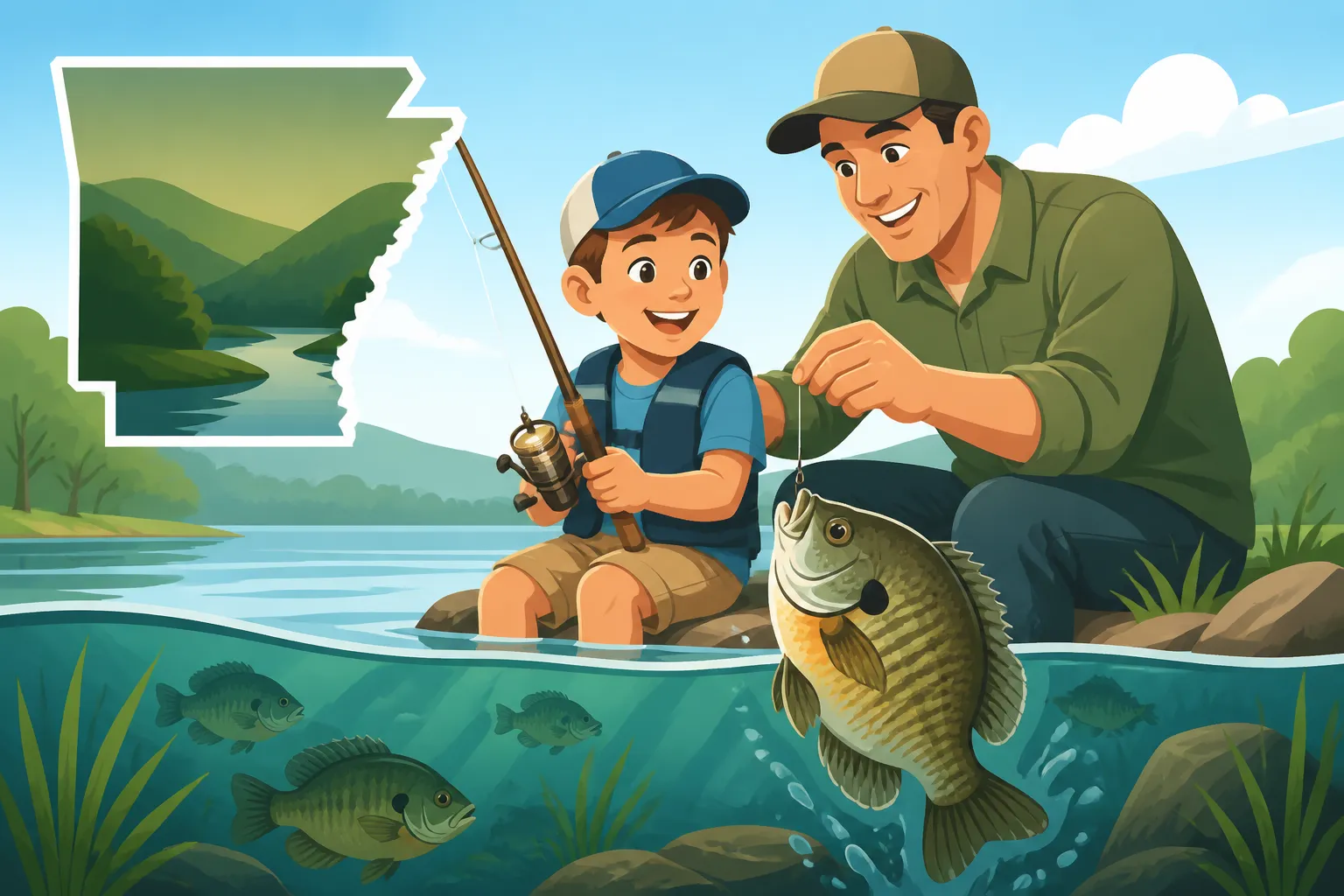
- Handling the Fish: Once the bluegill is at the bank or boat, gently guide it out of the water. Show your child how to hold the fish: grasp it gently but firmly on its side, being careful of the dorsal fin (it has a few spines, but nothing too dangerous). You can show them how to place their thumb inside the mouth and fingers on the bottom lip (being gentle, of course) for a secure hold.
- Hook Removal: Using your pliers or hemostats, quickly and carefully remove the hook. If you plan to release the fish, do so quickly and gently. If they want to keep it, place it in a bucket of water or a cooler.
- Identification: This is a great teaching moment! Point out the distinct features of the bluegill, like its dark spot on the gill flap, and the iridescent blue-green markings. Our guide on How to Identify a Bluegill has excellent tips for this.
- Celebrate! No matter the size, make a huge deal out of every fish caught! That thrill and sense of accomplishment are what will keep them wanting to come back.
Making the Experience Fun and Educational
Fishing with kids isn't just about catching fish; it's about building memories, fostering a connection with nature, and teaching valuable life lessons. The actual fishing part might be the main event, but the surrounding experiences are just as important.
Beyond Just Catching: Learning and Exploring
While landing that bluegill is undoubtedly exciting, there's so much more to a fishing trip than just the tug on the line. Use this time as an opportunity for discovery and learning.
- Fish Identification: Once a fish is caught, talk about it! "Look at these beautiful colors," or "See that dark spot on its ear? That's how we know it's a bluegill!" This simple observation turns a catch into a lesson in biology.
- Nature Observation: Point out other things you see: a heron wading nearby, a dragonfly zipping over the water, turtles sunning themselves on a log, or the different types of plants growing along the shoreline. Bring a small magnifying glass or even a field guide for birds or plants to spark their curiosity further. The quiet moments between bites are perfect for this.
- Weather and Water: Discuss how the sun feels, if the wind is blowing, or what the water looks like. These simple observations help them connect with their environment and understand how it might affect the fish.
- Patience and Persistence: These are huge lessons learned on the water. Acknowledge when they're being patient, even if the fish aren't biting. Celebrate their persistence in trying again after a missed bite or a snag. These are skills that transcend fishing.
Remember, the goal is to make it an all-around positive and enriching experience, so even if the fish aren't biting, there's still plenty to enjoy and learn.
Safety First and Leave No Trace
Teaching a child to fish is also about instilling important safety habits and environmental responsibility from the very beginning. These lessons are just as crucial as learning to cast.
- Hook Safety: This is paramount. Always emphasize being careful with hooks, keeping them away from faces and fingers. Teach them to look behind them before casting. When handling the rod, make sure the hook isn't swinging freely.
- Water Safety: If you're near a lake or river, always have life jackets handy, especially for younger children, even if they're just sitting on a dock. Discuss the importance of staying away from the water's edge unless an adult is supervising. Explain currents in rivers or how deep certain areas can be.
- Sun Protection: Arkansas sun can be intense! Hats, sunglasses, and sunscreen are non-negotiable. Reapply sunscreen regularly, even on cloudy days.
- Leave No Trace: Teach them to pack out everything they pack in. Show them how to properly dispose of old fishing line (which can be deadly to wildlife), bait containers, and snack wrappers. Emphasize leaving the area cleaner than you found it. This respect for nature is a core value of fishing.
- Fishing Licenses: It’s a good idea to talk about the rules, too. While kids under 16 often don't need a license, it’s a good teachable moment about regulations. For specifics, you can check out Do Kids Need a Special License to Fish for Bluegill in Arkansas? or the broader Arkansas Fishing License Rules and Costs information.
By integrating these safety and environmental lessons, you're not just teaching them to fish; you're teaching them to be responsible outdoor enthusiasts.
Celebrating Success and Building Memories
The true success of teaching a child to fish isn't measured in the number or size of fish caught, but in the memories created and the joy experienced.
- Document the Moments: Take plenty of pictures and videos! That proud smile holding their first bluegill is priceless. These visual reminders will become cherished family heirlooms.
- Share the Stories: After the trip, talk about the highlights. "Remember when that bobber zoomed under the water?" or "Wasn't it cool how that fish wiggled?" Reliving the experience reinforces the positive feelings.
- Enjoy the Catch: If you've kept a few bluegill (and checked local regulations for size and creel limits – they are often excellent eating!), involve them in the cleaning process (if they're old enough and interested) and certainly in cooking and eating them. There's immense satisfaction in eating something you caught yourself. Bluegill, being a panfish, is delicious pan-fried! For ideas, our guide Is Bluegill Good to Eat? has some great insights.
- Make it a Tradition: Turn fishing trips into a regular family activity. Consistent positive experiences will solidify their love for the sport. Even quick trips to local ponds or accessible fishing spots can become treasured outings.
- Embrace the "Bad" Days: There will be days when the fish just aren't biting. Use these moments to teach resilience and that not every day is a "catching" day, but every day outdoors is a "fishing" day. Focus on the beauty of nature, the time spent together, and the anticipation of the next bite.
Ultimately, your goal is to make fishing a source of wonder and joy, not pressure. With bluegill as their entry point, and your patient guidance, your child will likely fall in love with angling, carrying those precious memories and skills with them for years to come.
Beginner Rod and Reel Combinations for Kids
When picking out that first rod and reel for a youngster, simplicity and ease of use are paramount. Here's a quick look at common choices:
| Feature | Spincast Combo (Recommended) | Spinning Combo (Intermediate) |
|---|---|---|
| Ease of Use | Easiest to learn, push-button casting | Requires more practice for bail flip and finger control |
| Casting | Simple press-and-release, fewer tangles | Can cast further, but prone to tangles if not mastered |
| Best For | Absolute beginners, young children (ages 4-10) | Older children, those ready for a slight challenge |
| Typical Cost | Inexpensive ($20-$50 for a kid's specific combo) | Moderate ($40-$100+ for a decent beginner combo) |
| Line Management | Enclosed reel, line rarely snags or tangles outside | Open spool, line can twist or jump off without practice |
| Brands | Zebco, Shakespeare, Lew's (often available on Amazon) | Ugly Stik, Pflueger, Shimano (some models suitable for kids) |
As you can see, the spincast reel is the clear winner for starting out. It removes many of the technical difficulties, allowing your child to focus purely on the excitement of the catch.
Disclaimer
The information provided in this guide is for general informational purposes only and does not constitute professional advice. Fishing regulations, license requirements, and best practices can change, so always consult the most current Arkansas Game and Fish Commission regulations before heading out. Fishing involves inherent risks; always prioritize safety and supervise children closely around water.