How to Nymph Fish for Trout
You've been out on the river, casting your beautiful dry flies, watching them dance on the water, and then… nothing. Or maybe you've tried tossing a spinner, only to feel like you're just spooking fish. It can be incredibly frustrating when you know the trout are there, but they just aren't biting what you're offering. If you've ever felt like you're missing a secret technique that unlocks more consistent catches, especially when fish aren't rising, then nymph fishing for trout is exactly what you need to master. This comprehensive guide will walk you through the ins and outs of getting your flies into the trout's strike zone, where they spend most of their feeding time, leading to more hooked fish and a much more rewarding day on the water.
Understanding Nymph Fishing: Why It Works So Well
When you think about fly fishing, those picturesque images of a perfectly presented dry fly often come to mind. And while there's nothing quite like a trout rising to a dry, the truth is, most of a trout's diet—we're talking 80% or more—consists of insects and aquatic critters living under the water's surface. These are larvae, pupae, and immature forms of insects, collectively known as nymphs, as well as scuds, sowbugs, and worms. Nymph fishing, at its heart, is all about imitating these submerged food sources, making it an incredibly effective and often overlooked method for consistent trout catches, especially on those tough days when nothing seems to be happening on the surface.
Think about it from a trout's perspective. They're often lying in wait on the riverbed, in deeper runs, or behind structure, letting the current bring food right to them. They're opportunistic feeders, and a juicy nymph drifting naturally past their nose is much harder to resist than waiting for an occasional bug to hatch and float by on top. This is particularly true on rivers like Arkansas's White River, where the abundant food sources below the surface keep trout well-fed and often less inclined to risk a surface strike.
The Trout's Subsurface Menu
Trout aren't picky eaters when it comes to the underwater buffet. They feast on a wide variety of invertebrates that spend their lives clinging to rocks, burrowing in silt, or drifting freely in the current. Mayfly nymphs, caddisfly larvae, stonefly nymphs, and midge larvae are staples on any trout river. Beyond these insect forms, you'll also find scuds (freshwater shrimp) and sowbugs, which are often overlooked but incredibly important food sources, particularly in nutrient-rich tailwaters. Even small worms can be a surprisingly effective "nymph" pattern, especially after a rain event.
The key to successful nymphing is often matching the "hatch" or, more accurately, matching what's available and drifting in the water column at any given time. This doesn't mean you need a million different patterns, but having a selection of sizes, colors, and types will definitely increase your odds. For example, knowing what the dominant insects are in a particular stretch of the White River can give you a significant advantage. You can find a great selection of these on Amazon if your local fly shop has limited stock.
Why Nymphing Out-Fishes Dry Flies Most Days
It's a bold claim, but it's often true: nymphing simply out-fishes dry flies on most days. Why? Because you're presenting your offering in the primary feeding zone. Trout feel safe and comfortable deep in the water column. They're expending less energy to feed, and they're less exposed to predators like eagles or kingfishers. If you're a beginner learning How to Cast a Fly Rod for Beginners, nymphing can also be a little more forgiving with less-than-perfect casts, as long as your drift is good.
Think of it like this: if you were a fish, would you rather wait for a single piece of food to float by on the surface every hour, or have a constant conveyor belt of delicious snacks drifting right into your mouth all day long? The answer is obvious. By placing your fly where the food naturally congregates and where trout feel safest, you're directly appealing to their instincts and dramatically increasing your chances of getting a bite. This strategy is a game-changer for anglers looking for consistent action, rather than just waiting for those rare, magical surface feeding frenzies.
Essential Gear for Nymph Fishing Success
Getting started with nymph fishing doesn't require a complete overhaul of your existing fly fishing setup, but having the right tools can make a significant difference in your success. While a standard 9-foot, 5-weight fly rod will certainly work for many nymphing scenarios, optimizing your gear for subsurface presentations will improve your feel, control, and ultimately, your catch rate. Investing in specialized items, or at least understanding their purpose, will greatly enhance your nymphing game.
One crucial aspect often overlooked is your leader and tippet setup. Nymph fishing demands a finely tuned leader system to achieve that natural, drag-free drift that fools wary trout. Your fly line also plays a role, though sometimes a simple weight-forward floating line is all you need. However, for certain techniques like Euro nymphing, specialized lines are a must. Always remember to check the current Arkansas Fishing Regulations Guide to ensure your gear complies with local rules, especially concerning multi-fly rigs or weighted flies.
Rods, Reels, and Lines Built for Subsurface Action
For general nymph fishing, a good all-around setup is a 9-foot to 10-foot, 4 to 6-weight rod. The longer rod length helps with line control, mending, and reaching out over complex currents, which is vital for getting a drag-free drift. Many serious nymph anglers opt for specialized Euro Nymphing rods, which are typically longer (10-11 feet) and lighter (2-4 weight), offering unparalleled sensitivity and tip control. While these are not strictly necessary to start, they can be a game changer for anglers serious about tightline nymphing. You might even find some excellent options available on Amazon.
Your reel for nymphing doesn't need to be a high-performance drag monster; its primary job is simply to hold your line. Any reliable single-action fly reel that balances your rod will do just fine. As for fly lines, a standard weight-forward floating line works for indicator nymphing. However, for tightline or Euro nymphing, a specialized Euro Nymph line, which is much thinner and lighter, can significantly improve sensitivity and reduce sag, allowing you to detect the most subtle takes. If you're looking for more general knowledge, understanding the Best Rod Setup for Crappie Jigging might seem unrelated, but the principles of matching rod action to technique can carry over.
Leaders, Tippet, and Indicators: Your Connection to the Fish
This is where nymphing really differs. Forget the standard 7.5 to 9-foot tapered leader. For indicator nymphing, many anglers prefer a longer leader, sometimes up to 12-15 feet, to allow for maximum drift without spooking fish. You'll then attach an indicator (like a Thingamabobber or a New Zealand Strike Indicator) at the appropriate depth. Below the indicator, you'll have a section of fluorocarbon tippet, often 4X to 6X, connecting your nymph(s). Fluorocarbon is key because it sinks faster than monofilament and is nearly invisible underwater.
For tightline or Euro nymphing, the leader system becomes even more specialized. You'll typically use a long, level piece of monofilament or fluorocarbon (often 20-30 feet) as your main leader, with a brightly colored sighter section spliced in near the end. This sighter acts as your strike indicator. Below the sighter, you'll attach your tippet and nymphs directly. This setup maximizes sensitivity, allowing you to feel every bump and subtle take. No matter your chosen method, having a good supply of varying fluorocarbon tippet sizes is crucial. Make sure you've already obtained your Arkansas Trout Permit Rules before hitting the water.
The Essential Nymph Patterns
The world of nymph patterns is vast and can be overwhelming, but a few foundational patterns will cover most situations. The key is to have a range of sizes (from tiny #20 midges to chunky #8 stoneflies) and colors. Generally, go smaller and darker on clear, low water days, and larger and brighter on off-color or higher water days.
Here are some absolute must-have nymph patterns for Arkansas trout fishing:
| Nymph Pattern | Common Sizes | Key Characteristics | When to Use It |
|---|---|---|---|
| Pheasant Tail | #12-#20 | Thin, segmented body, sparse tail | Mimics mayfly nymphs; always a reliable producer. |
| Hare's Ear | #12-#18 | Buggy, scruffy appearance | Mimics various aquatic insects; great all-rounder. |
| Pat's Rubber Legs | #6-#12 | Large, bulky, with rubber legs | Mimics stonefly nymphs; excellent as a lead fly. |
| Caddis Larva | #10-#16 | Green/tan body, weighted | Mimics caddisfly larvae, especially useful in runs. |
| Zebra Midge | #18-#24 | Simple black/white or red/black, wire-wrapped body | Mimics tiny midges; deadly on pressured fish. |
| Scud/Sowbug | #14-#20 | Curved, shrimp-like or pill-bug shape | Mimics crustaceans; crucial in tailwaters. |
Having a variety of these patterns, some weighted with tungsten beads and some unweighted, will ensure you're ready for whatever the trout are feeding on. Check out the Best Fly Patterns for Tailwater Trout for even more specific recommendations. You can often find great deals on assortments or individual patterns from various fly shops or even a vast selection of materials on Amazon if you tie your own.
Mastering Nymphing Techniques: From Drift to Strike
Once you have your gear sorted, it's time to talk technique. Nymph fishing isn't just about casting out a weighted fly; it's about achieving a natural, drag-free drift that mimics real insects floating downstream. This is the holy grail of nymphing, and it's what separates a good nymph angler from a frustrated one. There are several popular nymphing methods, each with its own nuances and ideal applications. Understanding when and where to use each one will significantly boost your success rate.
The concept of a "drag-free drift" cannot be overstressed. Trout are incredibly sensitive to unnatural movement in their food. If your nymph is dragging faster or slower than the current, or swinging unnaturally, they'll often ignore it. This is where proper line management, mending, and leader setup truly shine. Whether you're using an indicator or going tightline, your goal is always to make that nymph look like a helpless, juicy bug that just entered the strike zone.
Indicator Nymphing: The Visual Approach
Indicator nymphing is probably the most common and easiest method for beginners to pick up. It involves using a strike indicator (like a small bobber) on your leader to suspend your nymph at a specific depth and to signal when a fish takes your fly. This method is incredibly versatile and works well in various water types, from slow pools to faster runs. It's an excellent way to learn Trout Fly Fishing Basics for Tailwaters.
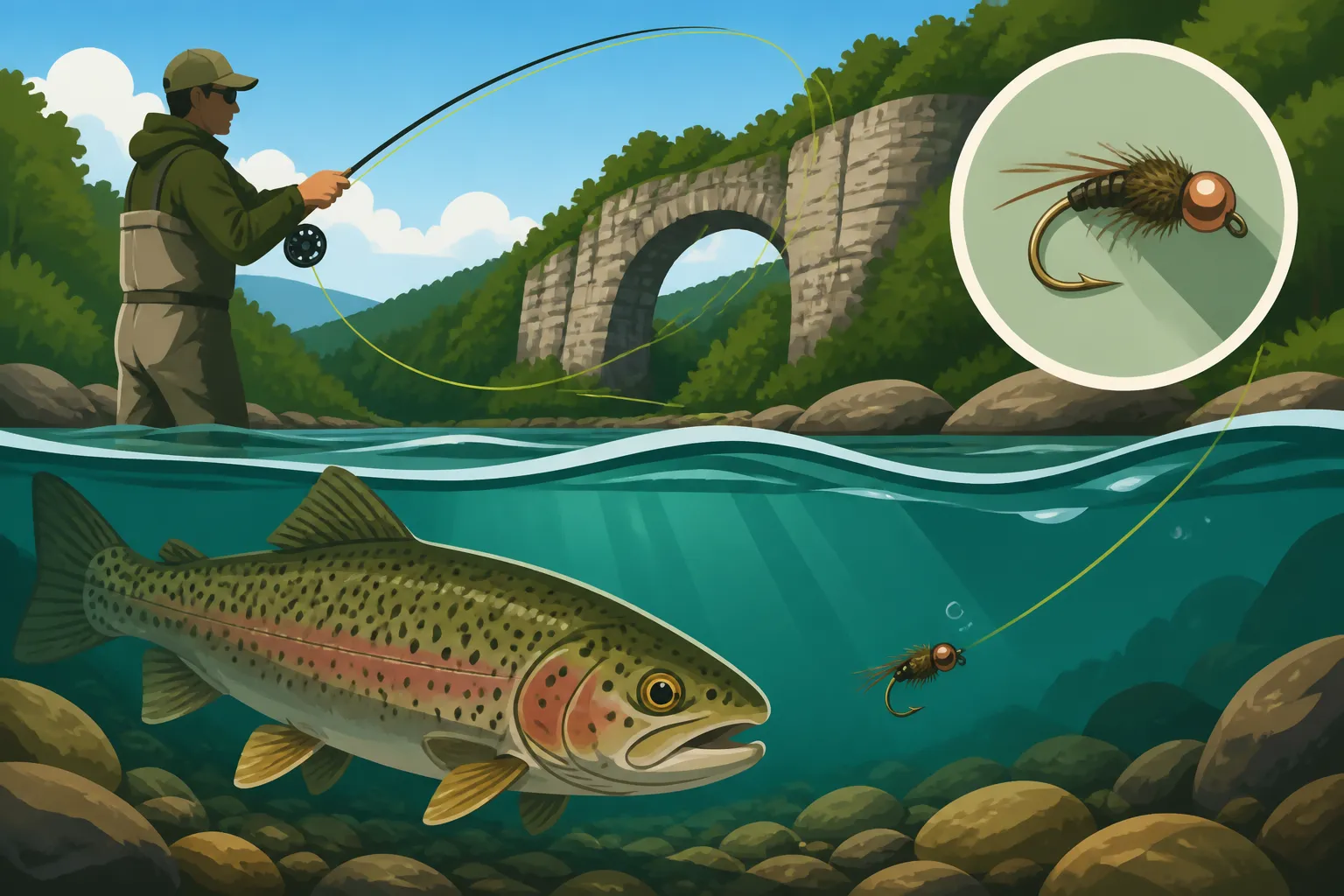
To set up an indicator rig, you'll attach your chosen indicator to your leader, usually 1.5 to 2 times the depth of the water you're fishing. Below the indicator, you'll tie on a section of tippet, then your first nymph. You can add a second "dropper" nymph below the first, usually on a shorter piece of tippet (6-12 inches) tied off the bend of the first hook. Cast upstream or quartering upstream, allowing your flies to drift downstream naturally. Watch your indicator like a hawk! Any dip, pause, or sudden movement means a fish has likely taken your fly. Set the hook quickly with a firm, upstream sweep of your rod. This technique is fantastic for covering a lot of water and maintaining precise depth control, particularly in larger river systems.
Tightline and Euro Nymphing: The Feel for the Fish
Tightline nymphing, often synonymous with Euro nymphing, is a more advanced technique that foregoes the use of a traditional strike indicator. Instead, the angler maintains a direct, "tight" connection to their nymphs, feeling for strikes rather than seeing them. This method excels in faster, shallower water where an indicator might get pulled under by current or in complex currents where a perfect drag-free drift is hard to achieve with an indicator. It's often the preferred method on rivers like the Spring River or the Little Missouri.
With tightline nymphing, you'll use a longer, lighter rod and a specialized leader with a brightly colored sighter section. You cast your nymphs a short distance upstream and hold your rod tip high, keeping as much line off the water as possible. The goal is to keep your sighter taught, but not so tight that it drags your flies unnaturally. Your rod tip becomes an extension of your hand, and you learn to interpret subtle bumps, hesitations, or movements in the sighter as a strike. It takes practice to develop the sensitivity, but once you do, it's incredibly effective and gives you unmatched control over your flies. This technique is a crucial part of the skillset you'd expect from a White River Fishing Guides: Arkansas's Trout Fishing Capital.
Adding Weight and Adjusting Depth
Proper weighting is paramount in nymph fishing. Your nymphs need to get down to where the fish are, and they need to do it quickly and naturally. Many nymphs come pre-weighted with tungsten or lead beads, but sometimes you need extra help. Split shot (small lead or tungsten weights) can be added to your leader a few inches above your first nymph. Experiment with different sizes and numbers of split shot to find the right amount for the water you're fishing. Too much weight will snag, too little will keep your flies out of the strike zone.
Adjusting your depth is also critical. If you're not getting bites, try moving your indicator up or down your leader, or adding/removing split shot. The goal is to have your nymphs ticking along the bottom occasionally, but not constantly snagging. On the White River, where depths can vary dramatically, adjusting depth frequently is a must. If you're fishing for Rainbow Trout Fishing on Arkansas's White River, being in the right depth is key to success. Remember, trout often hold close to the bottom, especially in colder water.
Reading the Water and Troubleshooting Your Nymph Rig
Even with the best gear and knowledge of techniques, nymph fishing still requires a keen eye for reading the water and the ability to troubleshoot when things aren't going as planned. Trout are creatures of habit and structure, and understanding where they're likely to hold and feed is just as important as how you present your fly. Arkansas offers diverse trout waters, from the cold tailwaters below dams to freestone streams, and each requires a slightly different approach to finding fish. For more on specific locations, consider exploring articles like The Best Trout Fishing Spots in Arkansas.
Don't get discouraged if you're not instantly hooking fish. Nymphing, especially tightlining, has a learning curve. Be patient, observe the water, and be willing to make adjustments to your rig. Often, a small change in weight, depth, or fly pattern can make all the difference. Remember, the fish are almost certainly there, you just need to crack the code of what they want and how they want it presented on that particular day.
Finding the Fish: Where Trout Hold and Feed
Trout are constantly seeking three things: food, cover, and comfortable water temperature/oxygen levels. When nymph fishing, you're primarily targeting their feeding zones, which often coincide with cover. Look for:
- Runs and Riffles: These are prime feeding grounds. Trout will hold in the slightly slower water just behind rocks, boulders, or ledges, letting the current bring food to them. The broken surface of riffles also provides excellent cover.
- Seams: The transition line where fast water meets slow water is a superhighway for drifting nymphs and a prime ambush point for trout. Cast your nymphs to drift along these seams.
- Pools: While seemingly calm, pools often have deeper sections where large trout will hold, especially on warmer days. Focus your efforts on the head (where the water enters) and the tail (where the water exits) of a pool.
- Structure: Submerged logs, rock piles, undercut banks, and even bridge pilings offer excellent cover and often collect drifting food. Don't be afraid to get your nymphs right in close to these areas.
- Tailwaters: Rivers like the White River below Bull Shoals Dam are known for consistent White River Fly Fishing Season Guide for Arkansas Anglers because the deep, cold, oxygenated water constantly churns up nymphs and provides ideal trout habitat year-round. Understanding the nuances of these specific environments is crucial.
Troubleshooting Common Nymphing Problems
So, you're casting, drifting, and still not getting bites. What gives? Here are some common troubleshooting steps:
- Adjust Depth: This is usually the first thing to check. Are your nymphs getting deep enough? If you're not occasionally tickling the bottom (feeling a slight bump or snag), add more weight or move your indicator further up your leader. If you're constantly snagging, you're too deep or too weighted.
- Check Your Drift: Is your indicator dragging unnaturally? Is your sighter bowing in the current? Mend your line often to maintain a drag-free drift. A natural drift is paramount.
- Change Fly Patterns: If depth and drift seem correct, switch up your flies. Go smaller, go larger, change colors, or try a different type of nymph. Maybe they want a scud instead of a caddis. Pay attention to what's naturally in the water, even if it's just turning over a few rocks. This is especially true when targeting specific species like Brown Trout Fishing on Arkansas's White River.
- Inspect Your Leader/Tippet: Frayed tippet, wind knots, or curly line can all affect your presentation and spook fish. Re-tie if necessary. Also, ensure your Best Line Weight for Trout Fly Fishing is appropriate for the conditions and the size of your flies.
- Look for Subtle Takes: Especially with tightlining, strikes can be incredibly subtle – a slight pause, a twitch of the sighter, or a feeling of added weight. Practice setting the hook on anything that feels "different."
- Move to Different Water: If a spot isn't producing after you've tried everything, don't be afraid to move. Trout are often concentrated in specific areas, and finding those pockets of fish can make all the difference. Sometimes, a short walk upstream or downstream can put you on fish.
Nymph fishing can be an incredibly rewarding way to catch trout, offering consistent action even when other methods fail. By understanding the trout's subsurface world, assembling the right gear (and maybe picking up some essentials from Amazon), mastering your presentation, and continuously adapting to the conditions, you'll be well on your way to becoming a more effective and successful angler on Arkansas's beautiful trout waters.
Disclaimer
This article is for general informational purposes only and does not constitute professional advice. Laws, prices and regulations vary by location and change over time. Consult a qualified professional for guidance on your specific situation.