How to Catch Bream on a Fly Rod
If you've spent any time on the water in Arkansas, you know the frustration: sometimes the big bass just aren't biting, or the trout are being finicky, leaving you feeling like you've wasted a precious day. But what if I told you that some of the most consistent, exciting, and accessible fishing lies with a humble species often overlooked by seasoned anglers? This guide will walk you through everything you need to know to successfully target bream with a fly rod, transforming those slow days into an absolute blast.
Why Fly Fishing for Bream is a Game Changer
Many anglers, especially those new to fly fishing, often think of it as a technique reserved for trout or other "glamorous" species. Others might view bream (a collective term often used for sunfish like bluegill, redear, and green sunfish in Arkansas) as solely a target for kids with cane poles. But let me tell you, that's selling these feisty little fish, and the fly rod experience, incredibly short. Tapping into the world of Bluegill and Panfish Guide for Arkansas Anglers can truly open your eyes to a new kind of fun on the water.
The Underrated Fight of a Feisty Bream
Don't let their size fool you. A 6-inch bluegill on a 3-weight fly rod puts up a fight that will genuinely surprise you. They pull hard, they dart, and they definitely test your light tackle. There's a particular satisfaction in feeling that delicate tap on your fly line, setting the hook with a quick strip, and then feeling the rod bend into a tight arc as a small, brightly colored fish tries its best to get away. It's not the same as wrestling a trophy largemouth, but the sheer frequency of bites and the consistent action make it incredibly engaging. It's a fantastic way to sharpen your casting skills, practice setting the hook, and just enjoy the pure, unadulterated joy of catching fish, especially when other species are in a slump.
This isn't just about catching something; it's about connecting with the rhythm of the water and appreciating the fight in a different light. Bream are plentiful, often aggressive, and provide continuous opportunities for success, which can be a huge confidence booster, especially for beginners or those introducing someone to the sport.
Accessibility and Learning Curve for Beginners
One of the greatest advantages of fly fishing for bream is how incredibly accessible it is. You don't need expensive gear, long drives to remote locations, or specialized knowledge of complex entomology (though that's fun too!). Bream are found in almost every pond, lake, and slow-moving stream across Arkansas. Whether you're at a local park pond, a quiet cove on Lake Ouachita, or a backwater slough off the Arkansas River, chances are good that bream are present and willing to bite. This makes it an ideal way for newcomers to dive into fly fishing without feeling overwhelmed. If you're looking for more general advice, our Bream and Bluegill Fishing for Beginners guide also offers helpful tips.
The casting itself is also much more forgiving when targeting bream. You're often making shorter casts, sometimes just dabbling a fly near lily pads or a submerged log. This allows you to focus on the basics of fly casting – the rhythm, the loop formation, the presentation – without the pressure of needing perfect distance or pinpoint accuracy right away. It's a forgiving environment where mistakes are quickly forgotten with the next eager bite. Plus, it’s a fantastic way to teach patience and observation, two critical skills for any angler.
Essential Gear for Bream on a Fly Rod
You might think fly fishing requires a huge investment, but for bream, you can get started with some very affordable and user-friendly equipment. The key is to choose lighter tackle that allows you to feel the subtle takes and enjoy the fight of smaller fish. You don't need a heavy-duty setup designed for powerful salmon or large trout; think delicate and sensitive. Many reputable brands offer excellent starter combos that include everything you need, and you can often find great deals on platforms like Amazon.
Rod, Reel, and Line Selection
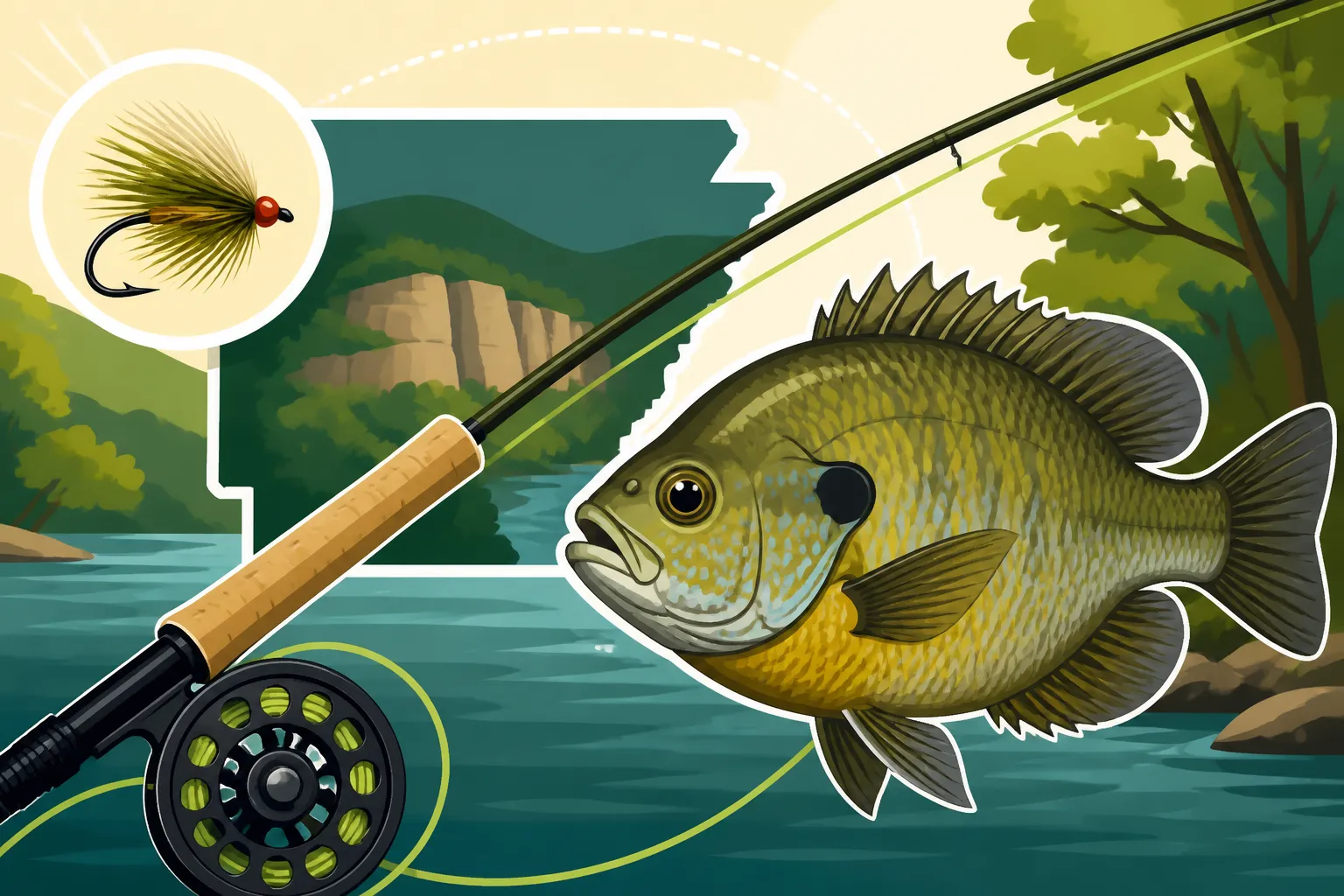
For bream, you'll want to lean towards lighter fly rods. A 2-weight to 4-weight fly rod is absolutely perfect. A 3-weight is often considered the sweet spot, offering enough backbone to cast small poppers and nymphs while still being sensitive enough to make a 6-inch bluegill feel like a monster. Lengths typically range from 7'6" to 8'6", with 8-foot being a popular choice for versatility.
Pair your rod with a lightweight fly reel that balances the rod well. For bream, the reel primarily serves as line storage rather than a drag system you'll be constantly relying on. A simple, click-and-pawl reel is often sufficient and charmingly old-school. For fly line, a weight-forward floating line that matches your rod's weight (e.g., WF3F for a 3-weight rod) is ideal. This type of line helps with easier casting, especially for beginners, and allows your flies to stay on the surface or just below it, which is where bream often feed. You can easily find quality fly lines and reels on Amazon to complete your setup.
Leaders, Tippet, and the Right Flies
Your leader system for bream should be fairly simple. A standard 7.5 to 9-foot tapered leader ending in a 4x to 6x tippet is generally perfect. The lighter tippet allows for more natural presentation and is less visible to these sharp-eyed fish. Having a spool of tippet material is a good idea, as you'll occasionally need to re-tie or extend your leader.
Now, for the fun part: the flies! Bream aren't particularly picky, which is great news for new fly anglers. They love anything that looks like a bug, a tiny minnow, or even just something struggling on the surface.
Here's a table of some go-to bream fly patterns:
| Fly Pattern | Description | Conditions Best For | Notes |
|---|---|---|---|
| Poppers | Small, buoyant flies made of cork or foam, designed to create a "pop" on the surface. | Calm mornings/evenings, overcast | Excellent for aggressive bream; mimic struggling insects. Sizes #8-12. |
| Boogle Bug | A specific type of foam popper with a distinctive shape. | Similar to poppers | Very effective, often louder pop. Available in various colors. |
| Rubber-legged Dry Flies | Patterns like a Madam X or any spider pattern with rubber legs. | Anytime bream are looking up | Mimics larger terrestrial insects; the rubber legs add enticing movement. Sizes #10-14. |
| Small Terrestrials | Ant, beetle, or hopper imitations made of foam or deer hair. | Warm, sunny days, near grassy banks | Bream are opportunistic and will readily take fallen land insects. Sizes #12-16. |
| Woolly Bugger (small) | A classic streamer pattern, usually black, olive, or brown. | Deeper water, overcast days | Mimics small baitfish or aquatic insects. Retrieve with short strips. Sizes #10-14. |
| Prince Nymph / Hare's Ear Nymph | Classic sub-surface nymph patterns. | When fish aren't rising, colder water | Effective when bream are feeding on aquatic larvae. Fish under a small indicator. Sizes #12-16. |
You can often buy assortments of these flies online, saving you the hassle of picking individual ones. Look for multipacks of "panfish flies" on Amazon, as these typically include a good variety to get you started.
Mastering the Techniques: Presentation and Retrieval
Successfully fly fishing for bream isn't about brute force; it's about finesse and understanding how these fish behave. They're often schooling fish, and once you find one, you're likely to find many more. The key is to present your fly naturally and retrieve it in a way that triggers their predatory instincts.
Delicate Casting and Accurate Placement
Bream often hang out near structure – lily pads, submerged logs, docks, weed lines, and brush piles. These areas provide cover from predators and ambush points for their own meals. Your goal is to get your fly as close to this cover as possible without spooking the fish. This requires a reasonably accurate cast, but again, remember that bream aren't usually in wide-open, deep water. Shorter casts (10-30 feet) are often the norm.
Focus on a smooth, controlled cast that places your fly gently on the water. A sloppy, hard splash can send a school scattering. If you're using a popper or dry fly, aim for a soft landing near the edge of cover. Let the fly sit for a few seconds; sometimes the initial "plop" is enough to draw attention. For subsurface flies, a slightly more direct cast is fine, allowing the fly to sink into the strike zone quickly. Remember, these fish don't typically move far for a meal, so putting the fly right in front of them is crucial. This is where practicing Kid-Friendly Fishing Techniques can really pay off for anglers of all ages!
Effective Retrieval Methods for Bream
The way you retrieve your fly is just as important as the cast. For surface flies like poppers and dry flies, varied retrieves work best. Try letting a popper sit for 5-10 seconds after it lands, then give it a gentle twitch or two, just enough to make a subtle "sip" or "gurgle." Let it sit again, then maybe a longer strip. Sometimes they want aggressive action, sometimes a dead drift with just a little motion is the ticket. Pay attention to what the fish are telling you! If they're hitting a fly that's just sitting, stick with that. If they're chasing, speed it up a bit.
For subsurface flies like nymphs or small Woolly Buggers, a slow, steady strip retrieve is often effective. Imagine a small insect or minnow swimming naturally. A "strip-pause" retrieve, where you pull in a few inches of line and then let the fly sink or drift for a moment, can also be deadly. This mimics a struggling or injured prey item. Watching your fly line for any subtle twitch or movement is key, as bream often take subsurface flies very gently. If you're serious about your technique, checking out Trout Fly Fishing Basics for Tailwaters might offer transferable skills for nymphing, even if it's for a different species.
Finding Bream Hotspots in Arkansas
Arkansas is absolutely teeming with bream, making it one of the easiest states to find consistent action. From small farm ponds to massive reservoirs, these adaptable fish thrive in a variety of environments. Knowing where to look and understanding their habits will significantly increase your success rate. For those who want to explore different bodies of water, our Best Panfish Spots for Beginners on Local Lakes can give you some great starting points.
Ponds, Lakes, and River Backwaters
Almost any body of fresh water in Arkansas that isn't a fast-flowing trout stream likely holds bream.
- Ponds: Private ponds and smaller public lakes are often goldmines for bream. Look for areas with aquatic vegetation, fallen trees, or docks. These structures provide shade, cover, and a buffet of insects.
- Larger Lakes and Reservoirs: On big lakes like Lake Ouachita, Greers Ferry Lake, or Beaver Lake, bream will congregate in the shallow, protected coves. Focus on areas with standing timber, rock piles, lily pad fields, or boat docks. In the spring, they move into extremely shallow water to spawn, often in large "beds" that look like dinner plate-sized depressions on the bottom. These beds are often easily visible in clear water.
- Rivers and Streams: In rivers like the White River (outside of its colder trout sections) or the Arkansas River, bream will seek out slower-moving backwaters, oxbow lakes, and tributary mouths. Look for eddies behind logs, quiet pools, or areas with dense bankside vegetation. Remember, if you plan to fish any public water, understanding Arkansas Fishing License Rules and Costs is crucial.
Keep an eye out for surface activity – if you see small splashes or rings on the water, there's a good chance bream are feeding on insects near the surface.
Seasonal Considerations and Best Times
Bream are generally active throughout the warmer months in Arkansas, from late spring through early fall.
- Spring: This is prime time! As water temperatures rise, bream become very active and move into the shallows to feed and spawn. The spawn is especially exciting, as fish are aggressively protecting their beds and will readily strike at anything that comes too close. This often coincides with Arkansas's Arkansas Free Fishing Weekend Guide, a perfect time to try fly fishing for bream without a license.
- Summer: Bream are still very active, especially during early mornings and late evenings when the sun isn't as harsh. During midday, they'll retreat to deeper water or seek out dense shade under docks, lily pads, or submerged cover. Fishing these shady spots can be incredibly productive.
- Fall: As water temperatures cool slightly, bream will remain active, often schooling up. They might be a bit deeper than in spring but can still be found around cover. This is a great time for slower retrieves with subsurface flies.
Beyond seasons, the best time of day for bream is often early morning or late evening. These "golden hours" offer cooler temperatures, lower light, and active insect hatches, making the fish more willing to feed near the surface. Overcast days can also extend this prime feeding window throughout the day. Remember, you don't always need a boat; many great bream spots are accessible from the bank, making them ideal for Fish Species You Can Catch Without a Boat.
Conclusion and Final Thoughts
Fly fishing for bream is an incredibly rewarding experience that offers consistent action, a chance to hone your fly casting skills, and a wonderful way to connect with the natural beauty of Arkansas. It’s a fishing experience that transcends age and skill level, bringing pure joy to beginners and seasoned pros alike. Next time you're heading out, consider leaving the heavy gear at home and embrace the delicate dance of a fly rod with these feisty sunfish. You might just find your new favorite way to fish.
Disclaimer
The information provided in this guide is for general informational purposes only and is not intended as legal advice regarding fishing regulations. Anglers are responsible for consulting the most current regulations published by the Arkansas Game and Fish Commission before fishing. Fishing conditions and fish behavior can vary, and success is never guaranteed.