Best Panfish Spots for Beginners on Local Lakes
It can feel overwhelming when you're just starting out in fishing, staring at a vast lake or river and wondering where on earth the fish could possibly be hiding. You've got your rod, your reel, maybe even some fresh bait, but without knowing where to cast, it's easy to get frustrated and feel like you're just wasting your time. This comprehensive guide is here to help you cut through that confusion, pointing you directly to the best, most accessible panfish spots on local Arkansas lakes, perfect for beginners looking to build confidence and catch some fish.
Understanding Panfish and Why They're Great for Beginners
Let's be real, when you're new to fishing, you want action. You want to feel that tug on the line, hear the splash, and get excited about a catch, even if it's not a monster. That's precisely why panfish are the unsung heroes for any budding angler in Arkansas. They're abundant, relatively easy to catch, and often hang out in places that are accessible without needing a fancy boat or years of experience.
What Makes Panfish So Appealing for New Anglers?
Think of panfish as your fishing training wheels. They are numerous, meaning you have a much higher chance of getting bites, which keeps spirits high and prevents that all-too-common feeling of "am I even doing this right?" When you're consistently getting bites, you learn the rhythm of casting, setting the hook, and reeling in much faster than if you were waiting hours for a single trophy bass. Plus, they put up a surprisingly feisty fight for their size, which is a blast on light tackle. It's a fantastic way to develop your angling skills and gain confidence before tackling more elusive species. Many seasoned anglers still enjoy a day dedicated to panfish because it's just plain fun and often leads to a delicious meal.
Common Panfish Species in Arkansas Lakes
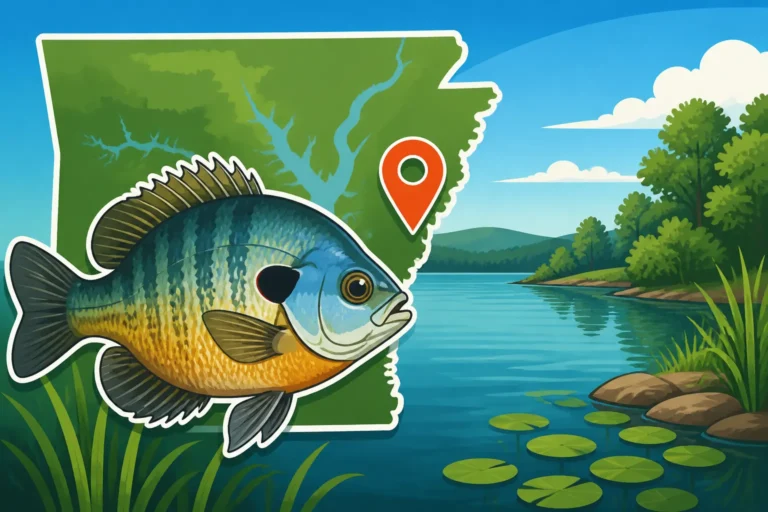
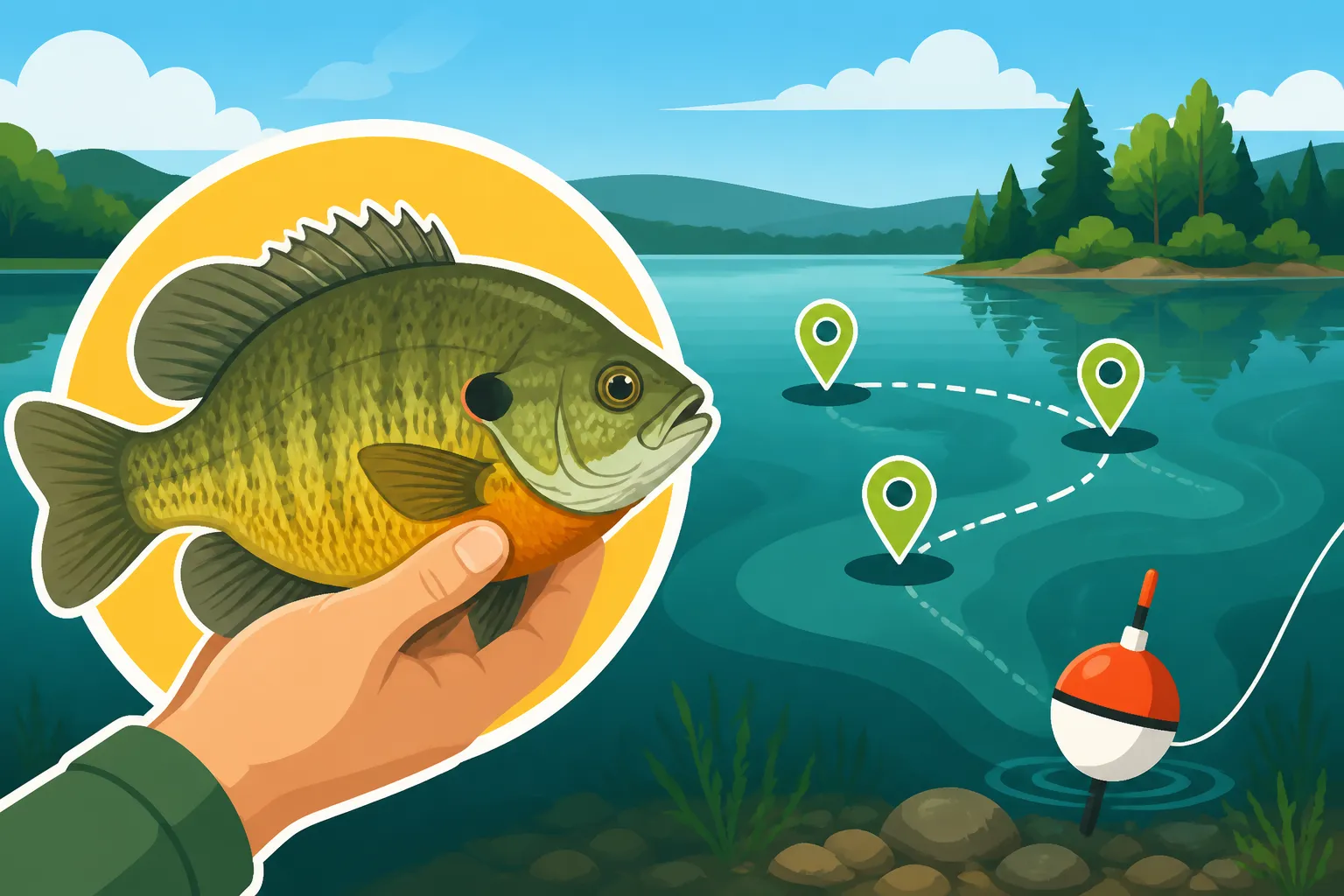
When we talk about "panfish" in Arkansas, we're generally referring to a few key players that are widely distributed across our lakes and ponds. The most prominent are bluegill, often recognized by their small mouth and dark spot on the gill cover. They're eager eaters and can be found almost everywhere. Then there are the crappie—both black and white varieties—which are popular for their schooling behavior and incredible taste. Crappie tend to be a bit pickier than bluegill but are still very accessible, especially during their spawning periods. You might also encounter redear sunfish, which are larger than bluegill and have a distinctive red or orange margin on their gill flap, and various other sunfish species. Each of these offers a unique but equally rewarding experience for the beginner. Learning how to identify them is part of the fun! For a deeper dive into one of our most popular panfish, check out Bluegill Fishing for Arkansas Beginners.
Identifying Prime Panfish Habitat in Local Arkansas Lakes
Finding fish is less about luck and more about understanding where they like to live. Panfish, like all fish, need certain things to thrive: food, shelter from predators, and comfortable water conditions. Once you start thinking like a fish, finding their hangouts becomes much easier, even on a lake you've never fished before.
The Importance of Structure and Cover
Panfish are creatures of habit, and those habits revolve heavily around structure and cover. "Structure" refers to changes in the lake bottom—think humps, ledges, creek channels. "Cover" is anything that offers physical protection, like submerged trees, brush piles, docks, lily pads, or even boat ramps. These areas provide shade, ambush points for feeding, and a place to hide from larger predatory fish. When you approach a new lake, look for these visual cues. Docks are prime real estate, offering both shade and submerged pilings that attract baitfish and, consequently, panfish. Fallen trees or visible brush extending into the water are also panfish magnets. Even a simple rock pile can hold a surprising number of fish. For an easy way to get some basic tackle for these areas, you can find a great selection of small jigs and bobbers on platforms like Amazon.
Shallow Water Sweet Spots
For beginners, shallow water is your best friend. Many panfish species spend a significant amount of time in shallow areas, especially during warmer months and spawning seasons. Look for coves and pockets with plenty of aquatic vegetation like lily pads, cattails, or submerged grass. These areas are nurseries for insects and small baitfish, making them a buffet for panfish. Shorelines with a gradual slope and some cover are also excellent. You don't need to cast a mile; often, the fish are right there, just a few feet from the bank, especially in the early morning or late evening when they feel safer venturing into the open shallows to feed. Learning to identify these shallow-water havens can drastically improve your catch rate.
Deeper Waters and Winter Havens
While shallow water is fantastic for much of the year, panfish don't stay there exclusively. As water temperatures drop in the fall and winter, or during the hottest parts of summer, panfish will often retreat to deeper, more stable waters. This doesn't mean they disappear; it just means you have to adjust your approach. In deeper sections, look for submerged brush piles, old creek beds, or ledges where they can school up. These spots might be harder to find without a boat and a fish finder, but public fishing piers often extend into deeper water, providing access to these wintering grounds. Crappie, in particular, are known to school tightly in deep water during colder months, making them a fantastic target for vertical jigging if you can locate them.
Practical Tips for Finding and Fishing These Spots
Alright, now that we know where to look, let's talk about how to approach these spots to maximize your chances of success. Fishing doesn't have to be complicated, especially when you're targeting panfish. Simple techniques often work best.
Starting with Public Access Points
One of the biggest hurdles for beginners is finding easy access to good fishing. Thankfully, Arkansas has numerous public access points that are perfect for panfishing. State parks, city parks with ponds, boat ramps, and designated fishing piers are your go-to options. These places are designed for public use and often have amenities like restrooms and picnic areas, making for a comfortable outing. Arkansas State Parks with the Best Fishing Access offers many excellent choices. When you visit, take a moment to observe where other anglers are set up. They might be onto something! Look for features like docks, rip-rap along the shore, or brush visible from the bank. For specific spots you can reach without a boat, consider exploring guides like Bank Fishing Access Points on Arkansas's Beaver Lake. These publicly managed areas are often stocked and maintained, providing excellent opportunities for a beginner.
Gear and Bait for Success
You don't need a tackle shop's worth of gear to catch panfish. Keep it simple! A light action spinning rod and reel combo, spooled with 4-6 pound test line, is perfect. For terminal tackle, grab some small hooks (size 6-10), a few split-shot weights, and some bobbers. Bobbers are fantastic for beginners because they give a clear visual indication of a bite.
As for bait, panfish are not generally picky. Live bait is almost always a winner. Redworms, nightcrawlers (cut into smaller pieces), crickets, or small minnows will entice just about any panfish. You can often buy these at local bait shops or even larger retailers. If you prefer artificials, small jigs (1/32 or 1/16 ounce) with tiny plastic grub bodies in chartreuse, white, or black can be incredibly effective. Cast them out, let them sink, and retrieve slowly with small twitches. For an easy way to stock up on these essentials, checking out options on Amazon can save you time. Remember to consult a guide like Best Bait for Bluegill Fishing for more specific recommendations.
Reading the Water and Observing the Signs
Becoming a good angler means learning to "read the water." This isn't some mystical skill; it's simply paying attention to your surroundings. Look for subtle signs that fish are present. Are there ripples on the surface that aren't caused by wind? Those could be feeding fish. Do you see insects hovering over the water or diving into it? Fish are likely feeding on them. Pay attention to changes in water color or current, and observe areas where different types of cover meet. Sometimes, the best spots are found by simply watching where fish jump or where baitfish are congregating. Even the shade line cast by trees or docks can be a huge indicator, as panfish often seek refuge from direct sunlight.
Specific Local Lake Examples and What to Look For
Arkansas is blessed with an abundance of fantastic fishing opportunities, and many of our lakes are perfect for beginners targeting panfish. While conditions can vary, these examples offer excellent starting points.
Lake Conway and its Productive Shallows
Lake Conway, located near Little Rock, is legendary for its incredibly shallow, timber-filled waters. This makes it an absolute panfish paradise, especially for crappie. The vast amounts of submerged timber and cypress trees provide endless cover and structure. For beginners, focus on the edges of the visible cypress trees or around any accessible docks. The shallow nature means you don't need fancy electronics to find fish; they're often just beneath the surface in 2-5 feet of water. A simple bobber rig with a live minnow or a small jig fished vertically next to a tree trunk can be incredibly effective. The lake's easy access from multiple points, often with small public docks, makes it a prime spot for a family outing. Dive deeper into its offerings with Lake Conway Bass Fishing Near Little Rock, Arkansas or explore specific crappie spots in Where to Catch Crappie on Lake Conway.
DeGray Lake's Coves and Timber
Moving west, DeGray Lake offers a different kind of panfishing experience. While it's clearer and deeper than Conway, it still boasts numerous coves and a significant amount of submerged timber, particularly in its upper reaches. DeGray Lake State Park provides excellent public access, including fishing piers and easy bank access in many areas. Look for brush piles along the shoreline, especially those in small coves protected from the main lake's wind. These coves often warm up faster in spring, attracting crappie and bluegill for spawning. During summer, these panfish might move to the deeper ends of these coves, still associating with cover. For a family-friendly experience, exploring the park's designated fishing areas, as highlighted in Family-Friendly Fishing Spots at DeGray Lake State Park, is a great option. If crappie are your main target, consider specific advice from Where to Catch Crappie on DeGray Lake.
Lake Ouachita's Diverse Shorelines
Lake Ouachita, often called Arkansas's cleanest lake, is enormous and incredibly diverse. While it's known for its bass and striper, its countless coves, islands, and rocky shorelines provide ample opportunities for panfish. For beginners, focus on the areas around public boat ramps, resort docks, or any state park access points. The clearer water means fish might be a little spookier, so a lighter line and a quieter approach can be beneficial. Look for areas with submerged rock piles, natural brush, or even the shadows cast by cliffs. Shore Fishing Spots Around Lake Ouachita can give you an excellent overview of accessible areas where you can set up a simple bobber rig or cast a small jig for bluegill and crappie. Its sheer size means there's always a new spot to explore, but starting with well-known public areas is best.
Beaver Lake's Rocky Edges and Brush Piles
Up in Northwest Arkansas, Beaver Lake is another fantastic resource. Known for its clear, cold water and rocky features, it's famous for bass and crappie. For panfishing, target the numerous coves and feeder creeks. The lake's rocky edges often have submerged brush piles or fallen trees that provide excellent cover. Public access points, particularly around state parks or boat ramps near cities like Eureka Springs and Rogers, offer great bank fishing opportunities. Early mornings or late evenings can be particularly productive as panfish move into shallower water to feed. Don't be afraid to experiment with small jigs near drop-offs or pitch a worm under a bobber near any visible structure. For more detailed information on fishing in this region, check out Beaver Lake Fishing Spots Near Fayetteville, Arkansas.
Here's a quick comparison of common panfish and their ideal conditions for beginner anglers:
| Species | Typical Size (inches) | Preferred Habitat | Best Bait/Lure (Beginner) | Tips for Success |
|---|---|---|---|---|
| Bluegill | 4-8 | Weedy coves, docks, shallow brush piles | Worms, crickets, small jigs | Very aggressive, good for consistent bites. |
| Crappie | 6-12 | Submerged timber, brush piles, deep coves | Small minnows, jigs | Schooling fish, once you find one, there are more. |
| Redear Sunfish | 6-10 | Clean bottom near vegetation, shell beds | Worms, small jigs | Bottom feeders, often found with bluegill. |
Remember, having the correct fishing license is absolutely essential before you even cast a line. You can easily purchase one online through the Arkansas Game and Fish Commission website, or pick one up at various retailers. It's a simple step that ensures you're fishing legally and supporting conservation efforts. For more details on licensing, definitely read Arkansas Fishing License Rules and Costs. Also, if you're bringing the kids along, it's worth knowing Do Kids Need a Fishing License in Arkansas? to make sure everyone is covered.
Fishing for panfish is a wonderful way to connect with nature, enjoy the peace of our beautiful Arkansas waters, and, most importantly, have a genuinely fun and rewarding experience. Don't let the vastness of our lakes intimidate you; with these tips, you'll be finding those honey holes in no time!
Disclaimer
This article is for general informational purposes only and does not constitute professional advice. Laws, prices and regulations vary by location and change over time. Consult a qualified professional for guidance on your specific situation.